
Dog voices come in all kinds of sounds, from booms to yodels to dramatic squeaks. Some breeds just did not stick to the usual bark, and that can surprise new owners or neighbors.
Understanding why they sound that way helps you guide their energy and keep the peace. Here are ten lovable loudmouths and how to work with each voice.
Siberian Husky
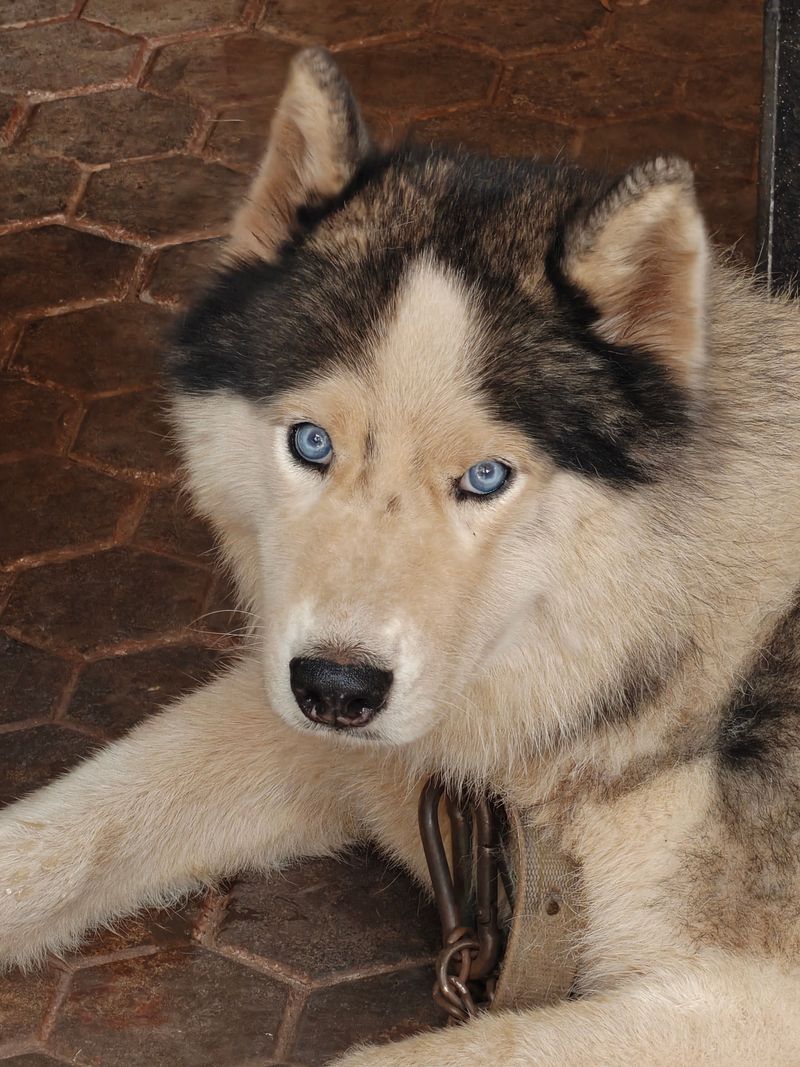
Neighbors know the Husky soundtrack the way sports fans know a team chant. Instead of barking, many Huskies sing, yodel, and chatter like they are telling long stories.
Give that voice a job with daily runs, puzzle toys, and short training sessions. Teach a quiet cue, reward calm moments, and skip yelling, which only turns the volume up.
Cold weather walks help lower the chatter, and a sturdy chew keeps busy mouths occupied during winter.
Basenji
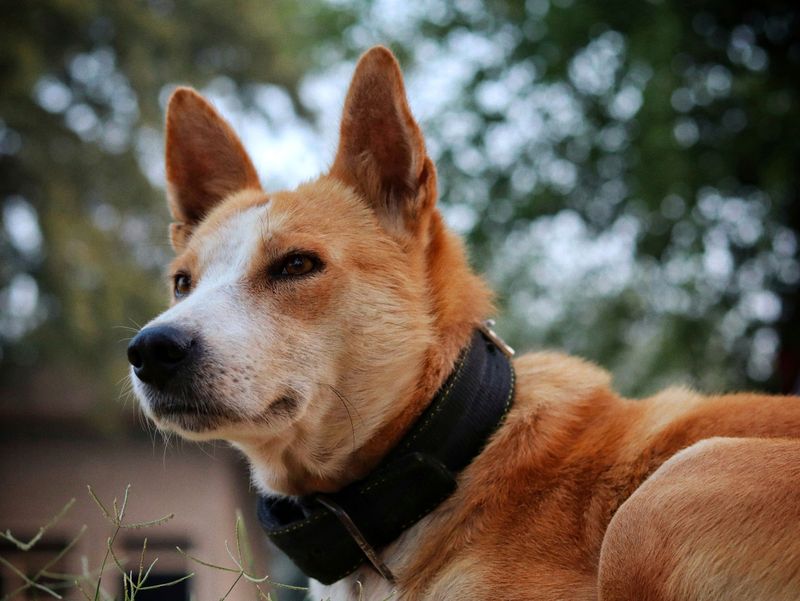
Meet the dog that forgot how to bark and invented a yodel instead. Basenjis make a bubbling sound called a baroo that surprises first-time visitors.
Because they are active hunters, they need brisk walks, scent games, and things to climb. A steady routine reduces pent-up energy that can spark more vocal moments.
Fun fact, early images on Central African artifacts show Basenjis beside hunters. Gentle social time also keeps that curious voice friendly at home.
Beagle
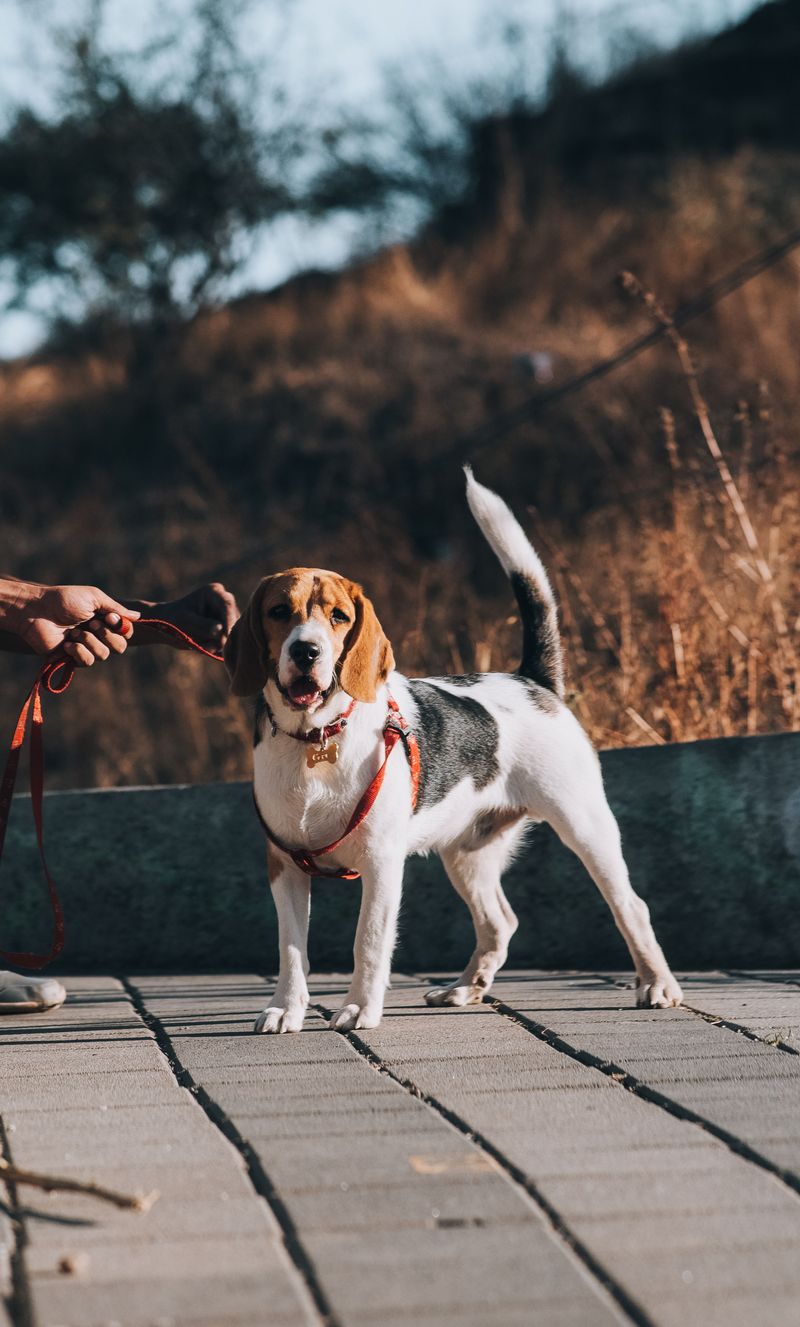
One whiff of a squirrel and the Beagle horn sounds across the block. That deep bay rolls like a small foghorn from a big heart.
Nose work classes, sniffaris, and slow walks let them read the news without shouting every headline. Keep a long line for safety, and reward check-ins.
Historically, Beagles hunted in packs, so they talk to coordinate. Give chew breaks after outings, plus a comfy crate, and that voice softens most evenings.
Alaskan Malamute
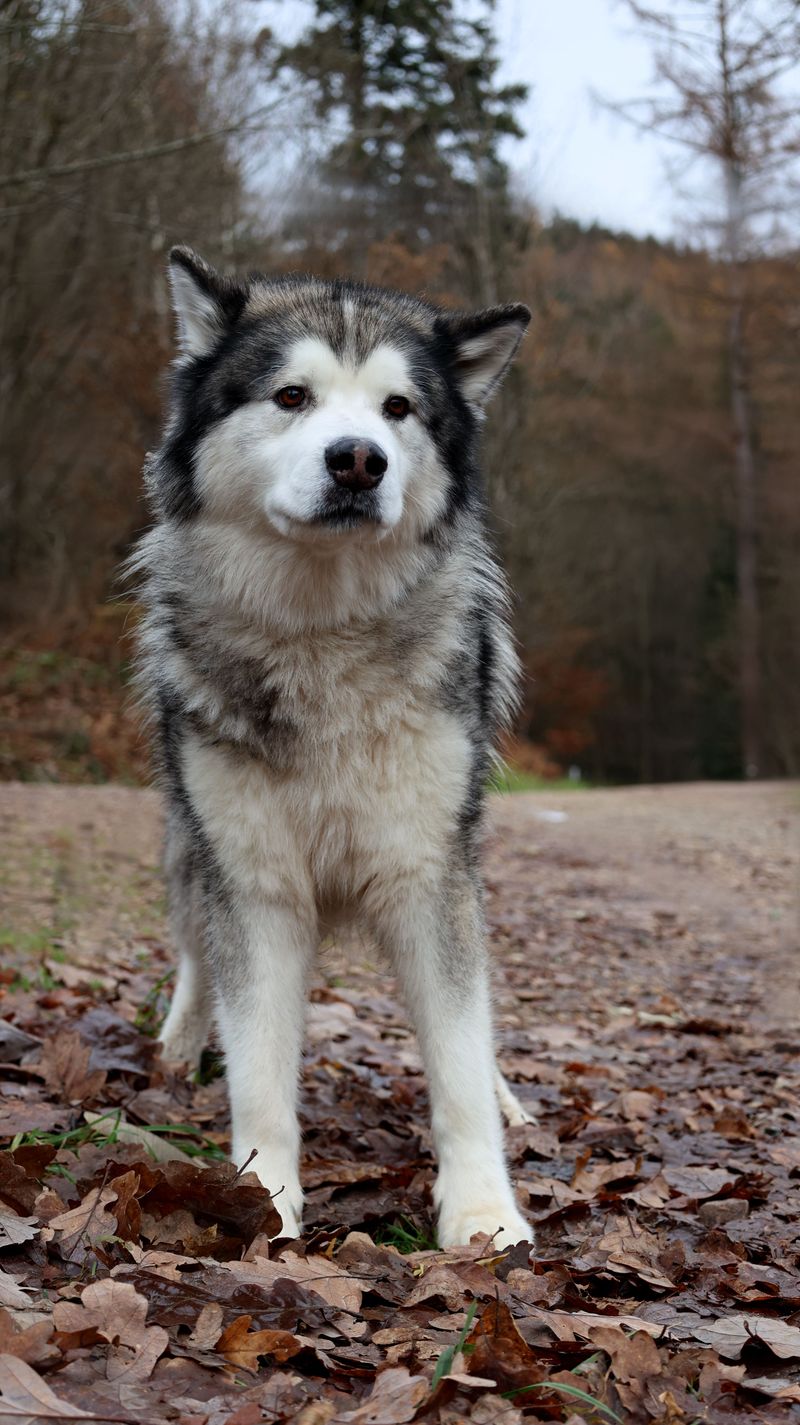
Big sled dog, bigger opinions. Malamutes rumble, woo, and talk like friendly baritones tuning up before practice.
Daily pulling workouts with a harness, or weight pulls on safe surfaces, drain that engine. Mental games such as hide-and-seek with kibble keep brains satisfied.
Training should be upbeat and brief, since Malamutes get bored if drills drag. Teach quiet alongside speak, then pay generously for calm lounging after work.
Cold naps help settle big voices at home.
Basset Hound
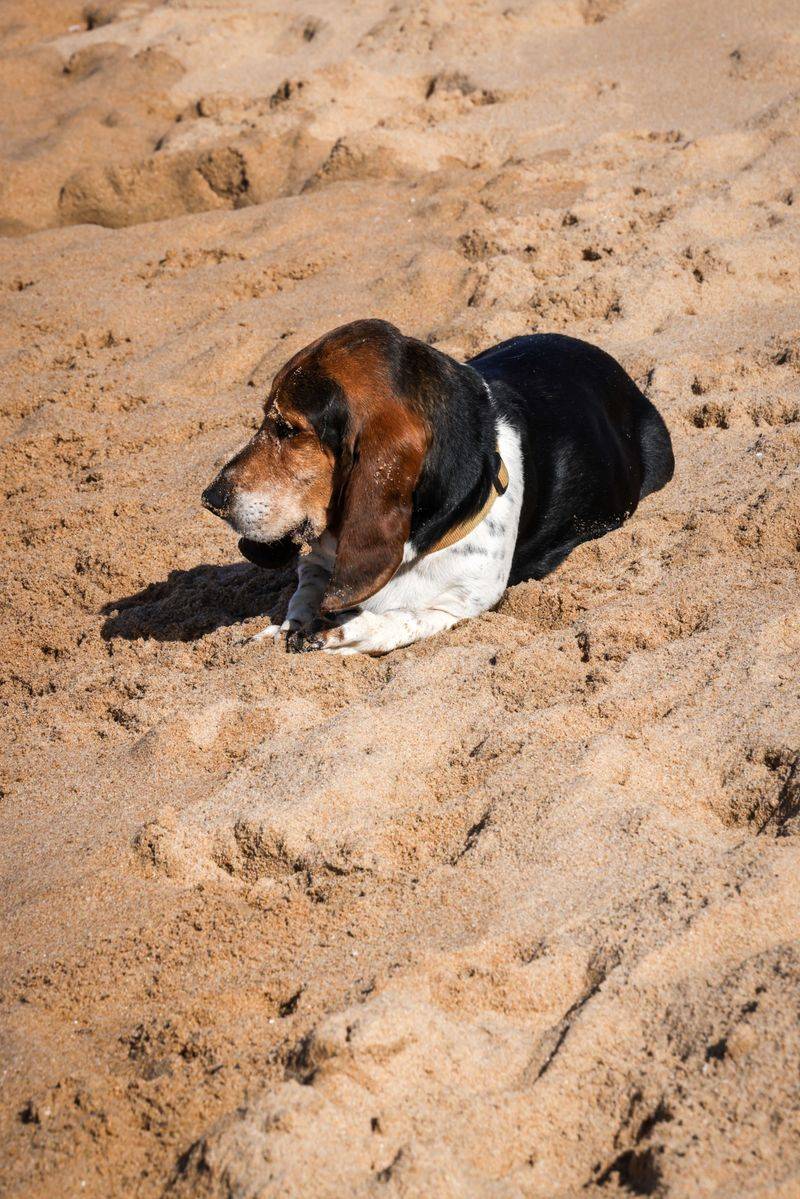
Short legs, long voice. A Basset can echo down a hallway like a trombone warming up.
Scent trails in the yard keep that nose busy and the bay calmer. Try slow-paced fetch with soft toys, then offer a stuffed kong for a quiet break.
History notes they tracked rabbits, which explains the chorus. Gentle, consistent cues work best, and praising silence right after a howl teaches timing.
Comfy beds encourage long, peaceful naps between walks.
Bloodhound
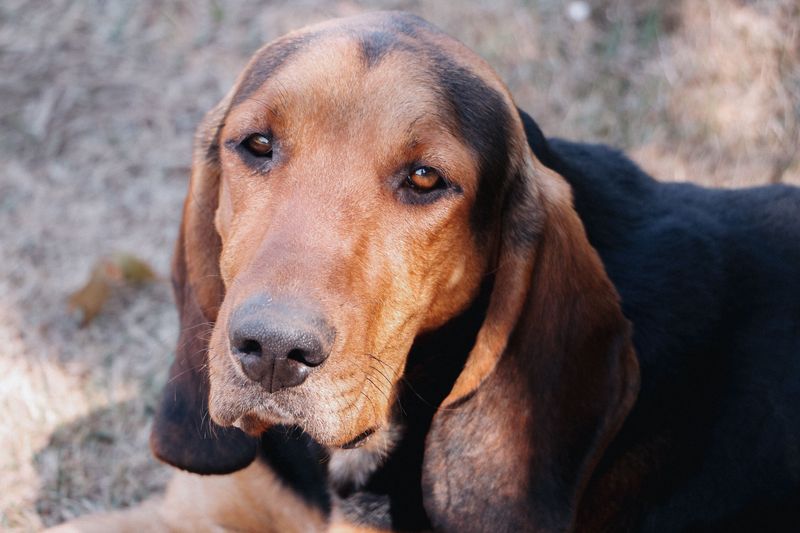
If bass notes had paws, they would sound like a Bloodhound. That booming bay carries far, especially when a trail gets exciting.
Channel it into tracking games, backyard search courses, and slow hikes. Keep sessions short since noses tire minds quickly, and water breaks help prevent grumbles.
A famous detective look fits their history as scent specialists. Teach a go sniff cue, then a settle cue, so the voice has an off switch at home.
Shiba Inu
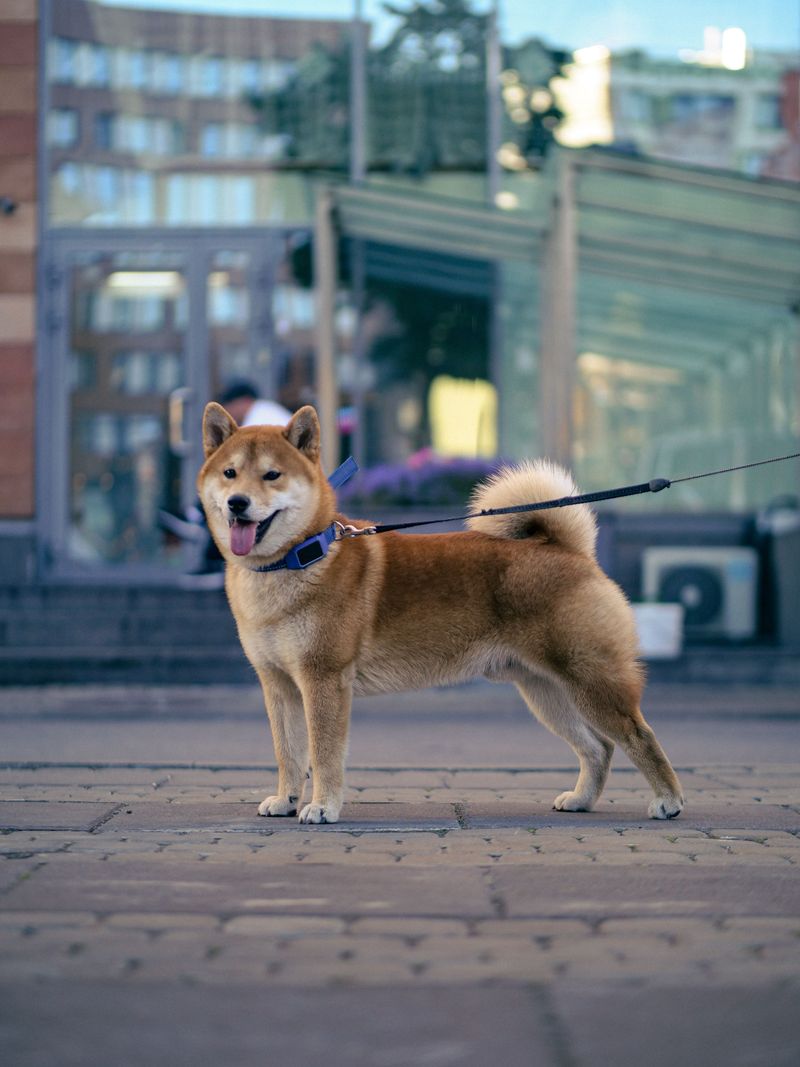
Legend says the Shiba scream could wake mountains. High-pitched yelps appear during nail trims, surprises, or dramatic opinions.
Confidence building helps, like cooperative care, treat stations, and gradual desensitization. Teach hand targets, use lot of tiny rewards, and practice quiet breathing together.
Originating in Japan, Shibas hunted small game across steep hills. Short, silly play sessions and predictable routines keep that spirited voice from turning into a siren.
Clip sessions short to reduce drama today.
Samoyed
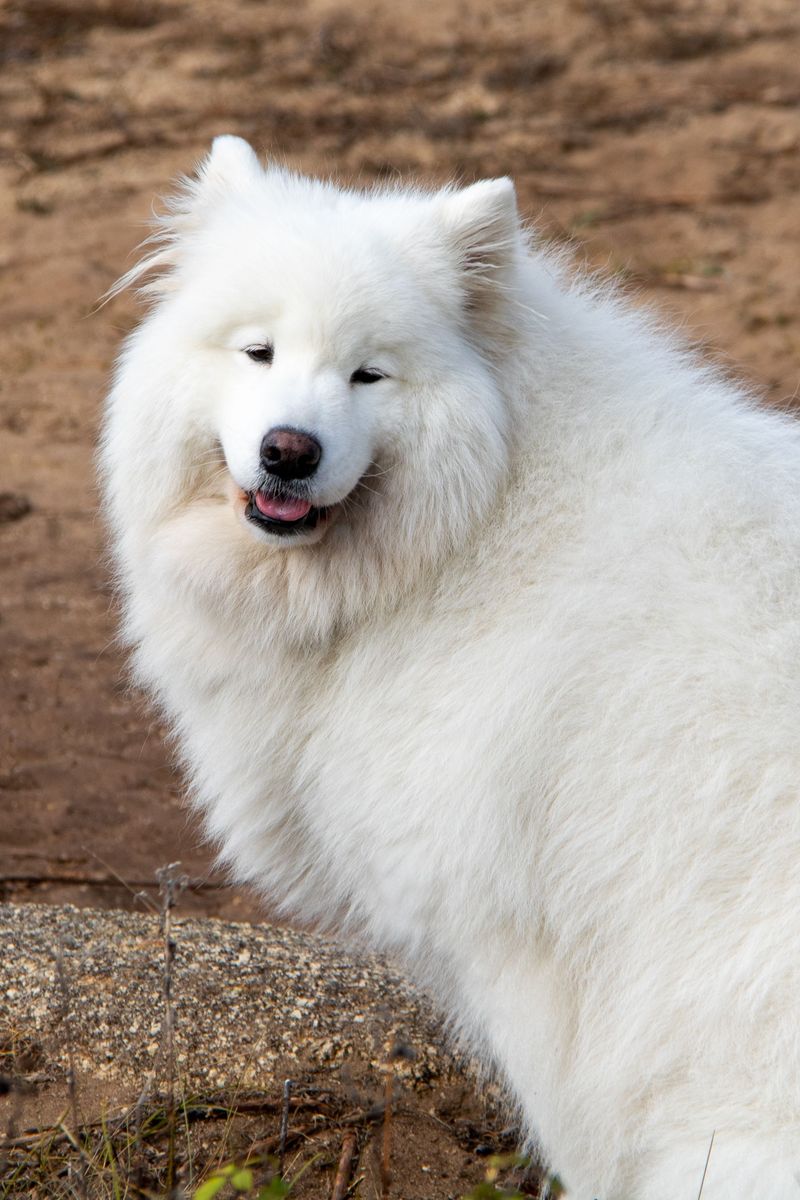
Smiles on the face, stories in the throat. Samoyeds chat like friendly neighbors leaning over a fence.
Daily brushing doubles as calm training, since gentle hands and praise lower excitement. Long trots, skijoring, or carting give athletes an outlet that quiets commentary.
History says they slept with families to share warmth, so they love conversation. Teach place on a mat, pair it with chews, and mark soft sighs with treats.
Evenings feel peaceful after work.
Pomeranian
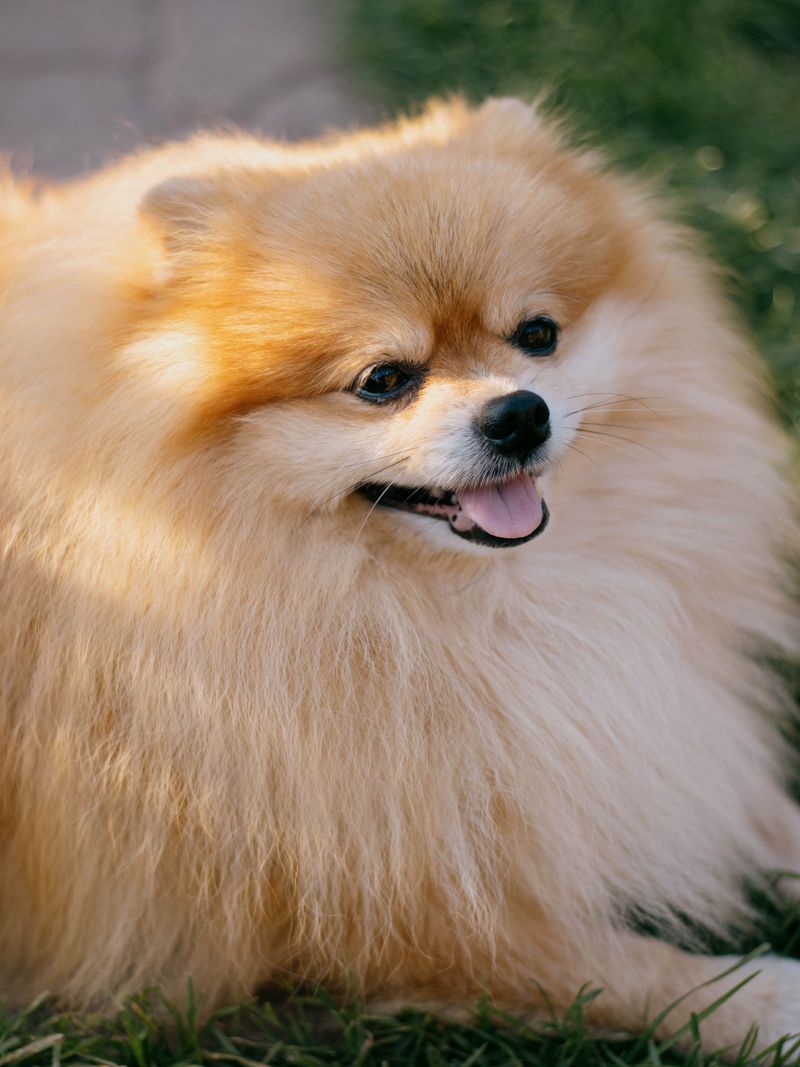
Tiny body, megaphone spirit. Pomeranians alert to footsteps, leaves, and sometimes their own reflection.
Window film, white noise, and settle games can trim triggers. Ask for a sit or spin when guests arrive, then pay fast with small treats.
They once trotted beside royalty, which explains the confident commentary. Short sniff walks, brain games, and nap baskets help hush repeating alerts.
Teach quiet as a trick, and celebrate every calm glance during doorbell practice sessions.
Miniature Schnauzer
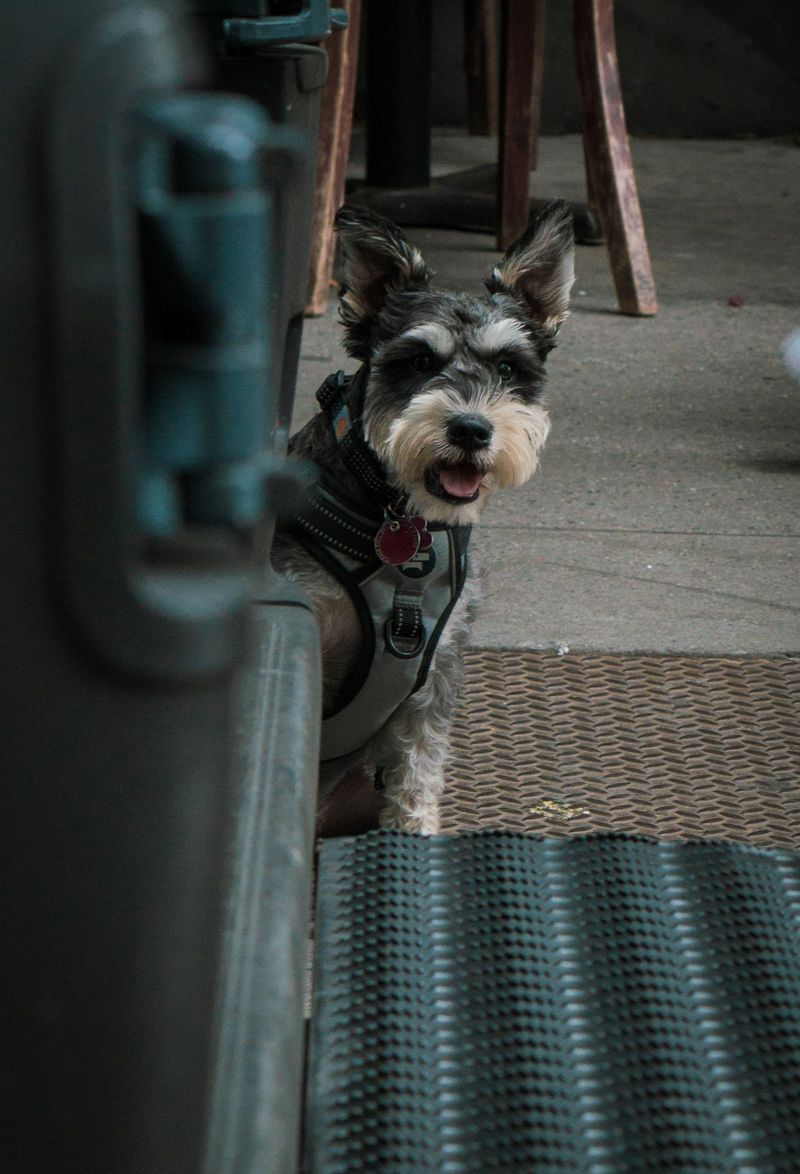
Like a tiny town crier, the Mini Schnauzer reports everything with crisp barks and sharp eyebrows. That watchdog spark is real.
Daily routes with sniff breaks, plus doorbell practice, keep messages short. Rotate toys, add tug, and finish with a settle on a mat.
Grooming sessions are perfect for teaching cooperative handling and quiet. Reward listening between barks, and your pint-sized announcer learns to whisper.
Neighborhood walks then feel friendly, calm, and pleasantly uneventful today.