
Some dogs seem to know when you need company, a laugh, or a quiet friend nearby. Their loyalty grows through shared routines, kind training, and time spent together.
Breed can offer clues about how a dog bonds, but every dog has its own personality. These breeds often form close ties with their people, each in a different way.
Doberman Pinscher: A Watchful Friend With a Soft Side
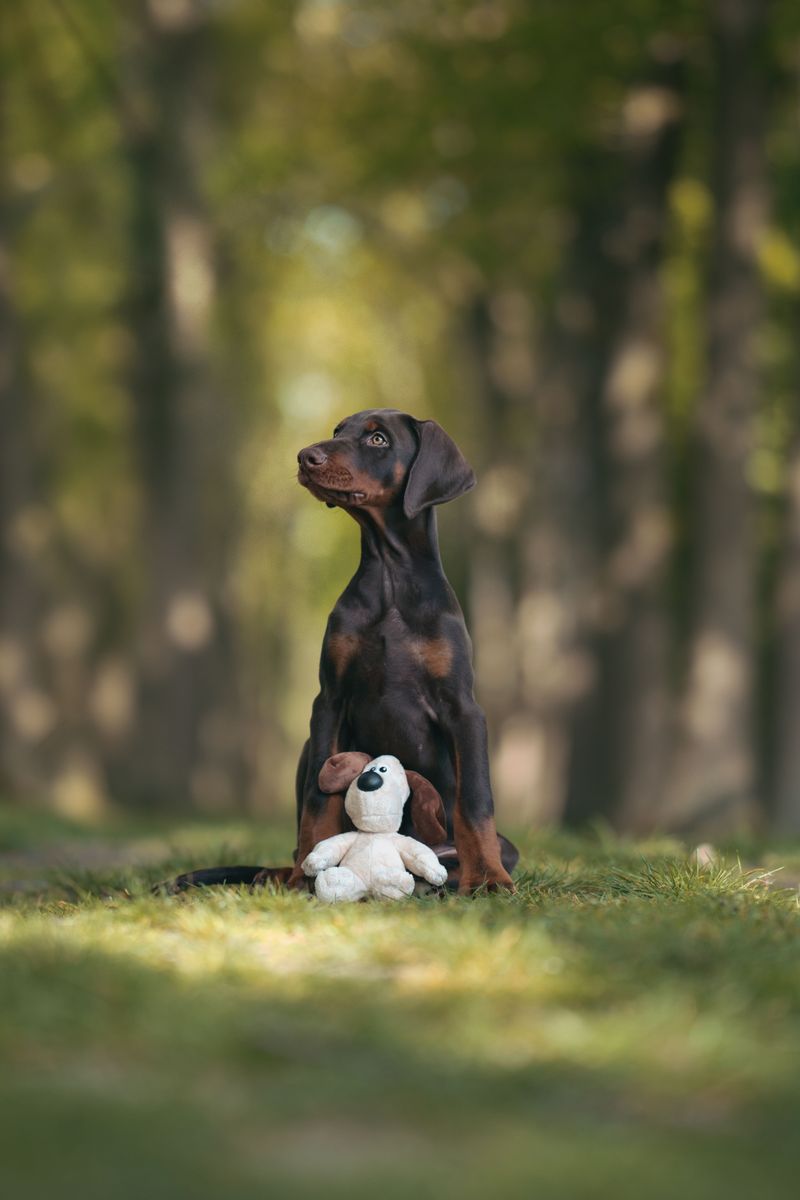
Behind that sleek, serious face, a Doberman can be a surprisingly cuddly housemate. Many enjoy staying close enough to keep track of their favorite person.
Their alertness works best when paired with calm guidance, not encouragement to act suspicious.
Offer daily exercise, reward polite greetings, and introduce new people gradually. Practice short periods apart so closeness does not become distress.
A secure bond comes from trust, rather than expecting your dog to stand guard constantly.
German Shepherd: Loyalty Built Through Teamwork
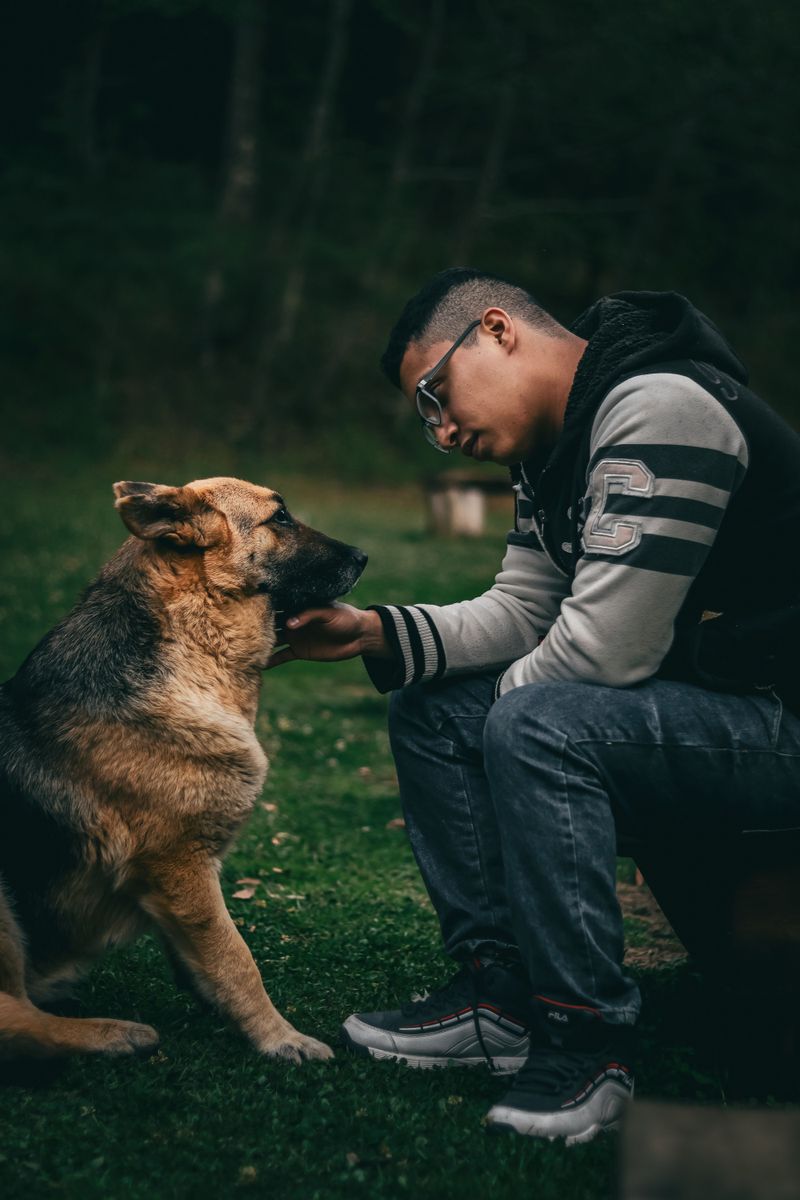
A shared job can mean more than a long cuddle to a German Shepherd. Finding a hidden toy or learning a new cue gives this clever dog a reason to work beside you.
Many build strong bonds through that steady teamwork.
Keep lessons short, friendly, and clear. Add sniffing walks and quiet rest, since constant activity can leave dogs wound up.
Meeting different people safely also helps loyalty grow without turning unfamiliar faces into threats.
Vizsla: Your Copper-Coated Shadow

Room changes may become a group activity when a Vizsla joins your home. Often called a velcro dog, this Hungarian hunting breed tends to enjoy plenty of contact with its people.
A warm lean against your leg can say quite a lot.
Plan for energetic outings, scent games, and relaxed time together afterward. Teach comfortable alone time in small steps, too.
Being loved should include feeling safe when you briefly leave the room or house.
Akita: A Quiet Bond That Takes Trust
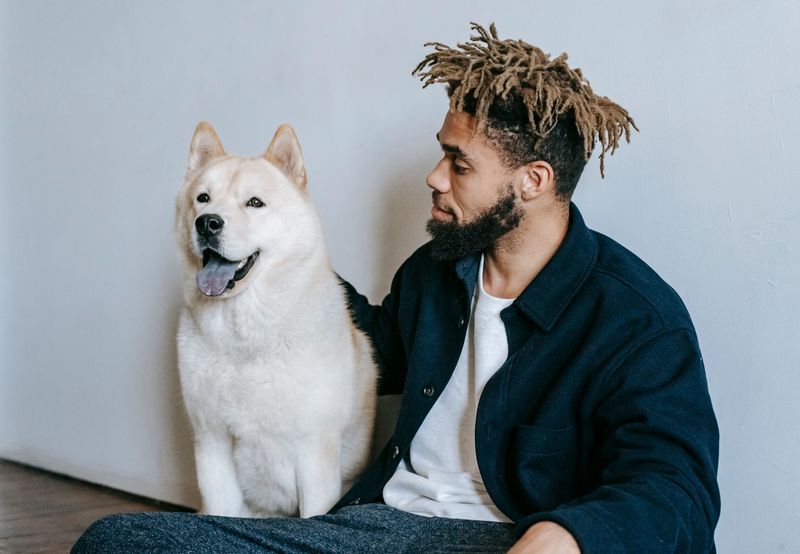
Not every devoted dog wears its heart on its sleeve. An Akita may show attachment by resting nearby, watching quietly, or choosing your company over a busy room.
That reserved style can feel deeply personal once trust develops.
Respect space, use reward based training, and arrange careful introductions. Some Akitas struggle with other dogs, so thoughtful management matters.
Avoid forcing greetings or hugs; a relationship grows stronger when your dog has room to feel comfortable.
Rottweiler: Big Presence, Close Connection

That solid body may come with a surprisingly tender request for attention. Many Rottweilers enjoy leaning against their people or settling close during a quiet evening.
Their strength makes clear manners especially useful, even when affection is the goal.
Reward calm behavior, teach loose leash walking, and provide exercise suited to age and health. Supervise interactions with children, as with any breed.
Consistent kindness helps this powerful dog become a dependable partner rather than controlling.
Dachshund: Small Dog, Strong Opinions About Togetherness

A tiny supervisor may soon be following your household schedule. Dachshunds often take a lively interest in whatever their people are doing, from folding laundry to opening cupboards.
Their brave hunting background helps explain both their devotion and independent streak.
Use treats and patience instead of power struggles during training. Protect that long back by limiting jumping and asking your vet about healthy activity.
Short sniffing adventures offer togetherness without making every outing a marathon race.
Boxer: Affection With a Side of Comedy
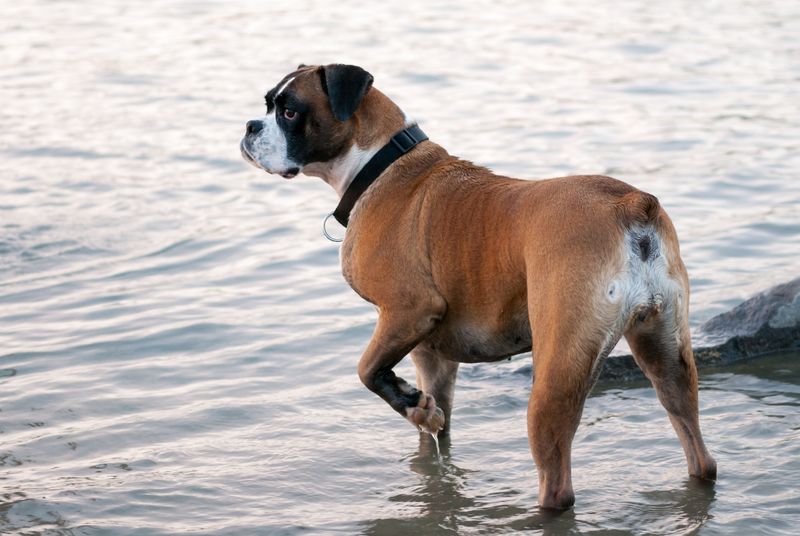
Expect a little comedy with your companionship. A Boxer might greet you with a whole body wiggle, then invite you into a game that looks entirely homemade.
Many stay playful well into adulthood and enjoy being involved in family life.
Channel that bounce into training games and manageable walks. Teach greetings with four paws down, especially around smaller children.
In hot weather, avoid hard exercise; their short muzzles can make cooling themselves more difficult outdoors.
Staffordshire Bull Terrier: An Enthusiastic People Lover
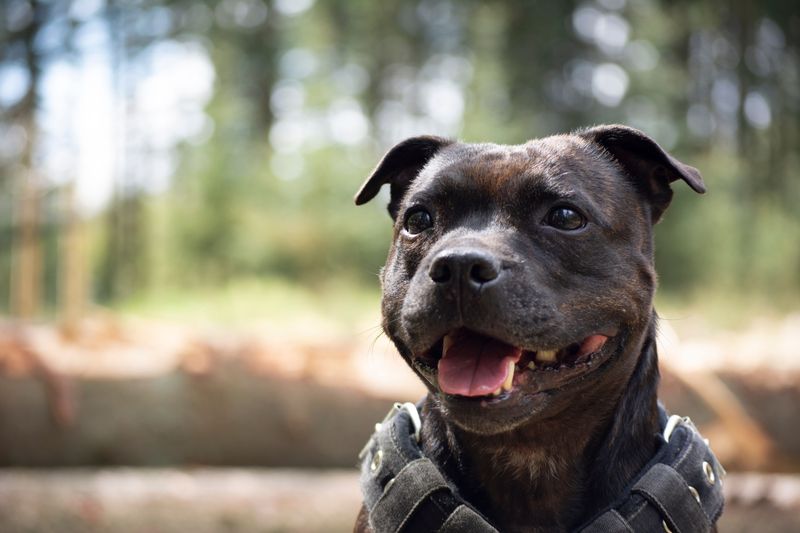
The sofa may suddenly feel smaller when a Staffordshire Bull Terrier claims a spot beside you. Many are openly affectionate with their families and eager to join everyday activities.
Their sturdy build can hide just how much they enjoy human attention.
Mix sturdy chew toys, daily walks, and friendly training sessions. Introduce other dogs thoughtfully, since comfort around them varies.
Always supervise children and pets together, and give your dog a peaceful place to rest.
Rhodesian Ridgeback: Steady Company Without the Fuss
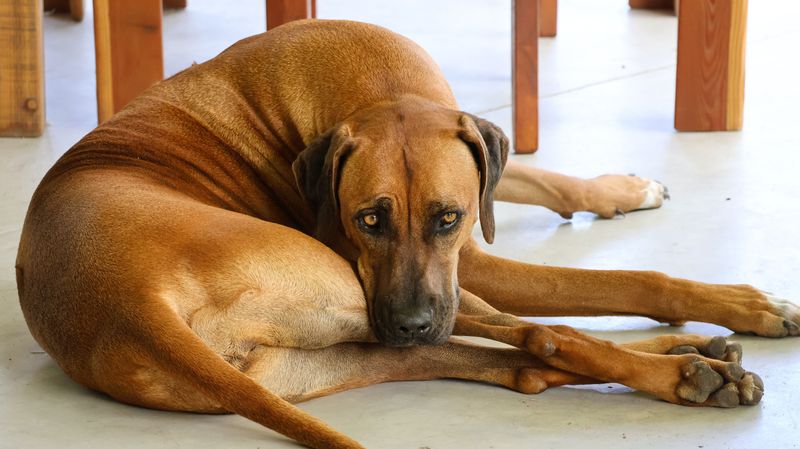
Some friendships are comfortable without constant chatter or demands. A Rhodesian Ridgeback often brings that feeling, staying connected while keeping an independent mind.
Originally developed in southern Africa, this athletic breed needs more than a yard and occasional attention.
Build trust through regular walks, patient training, and clear household rules. Practice recall in enclosed areas because wildlife may trigger chasing.
Let affection arrive naturally; quiet companionship can be meaningful even without a constant lap visit.
Weimaraner: A Silver Companion Who Wants In
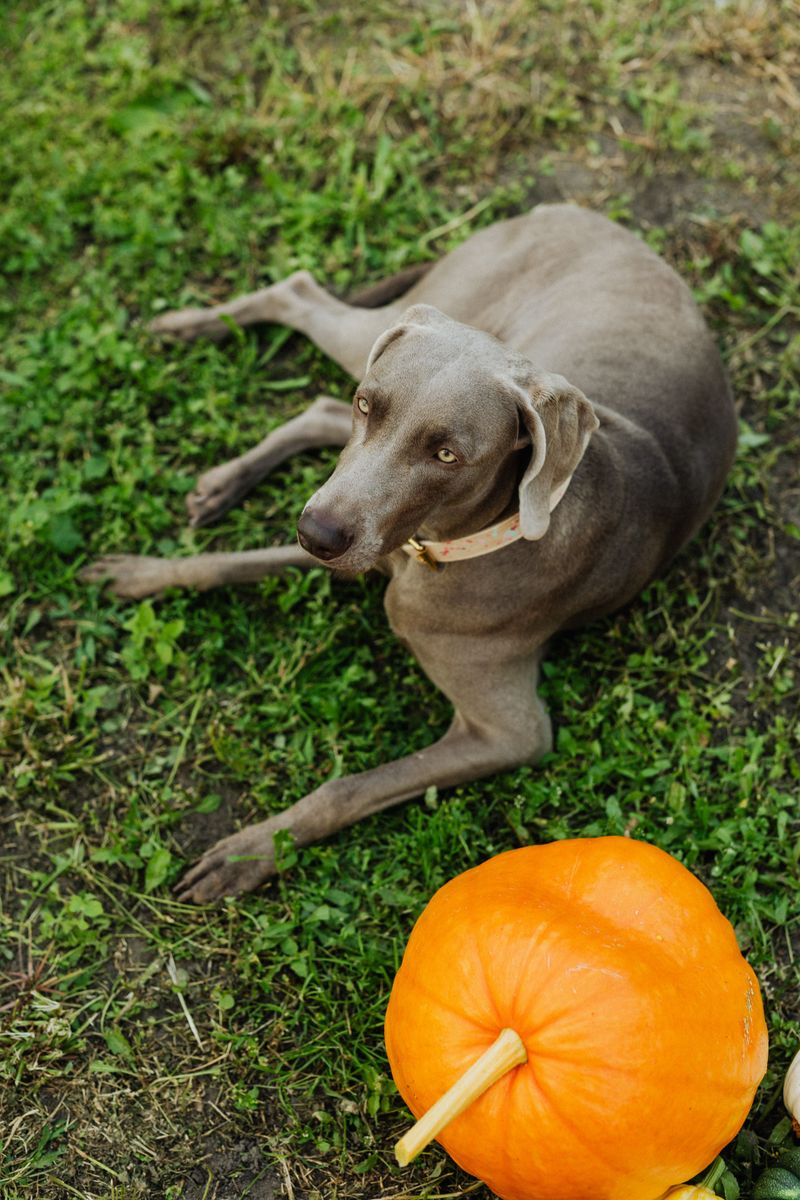
Closed doors can seem like a personal insult to a Weimaraner. Many want to be included, whether you are heading outdoors or simply making breakfast.
That strong desire for company pairs with serious energy and a busy hunting dog’s brain.
Provide active outings and searching games, then help your dog settle afterward. Build independence gradually with safe activities during brief absences.
If separation brings panic, seek professional guidance rather than assuming extra exercise will fix everything.
Australian Shepherd: Connection Through Shared Adventures
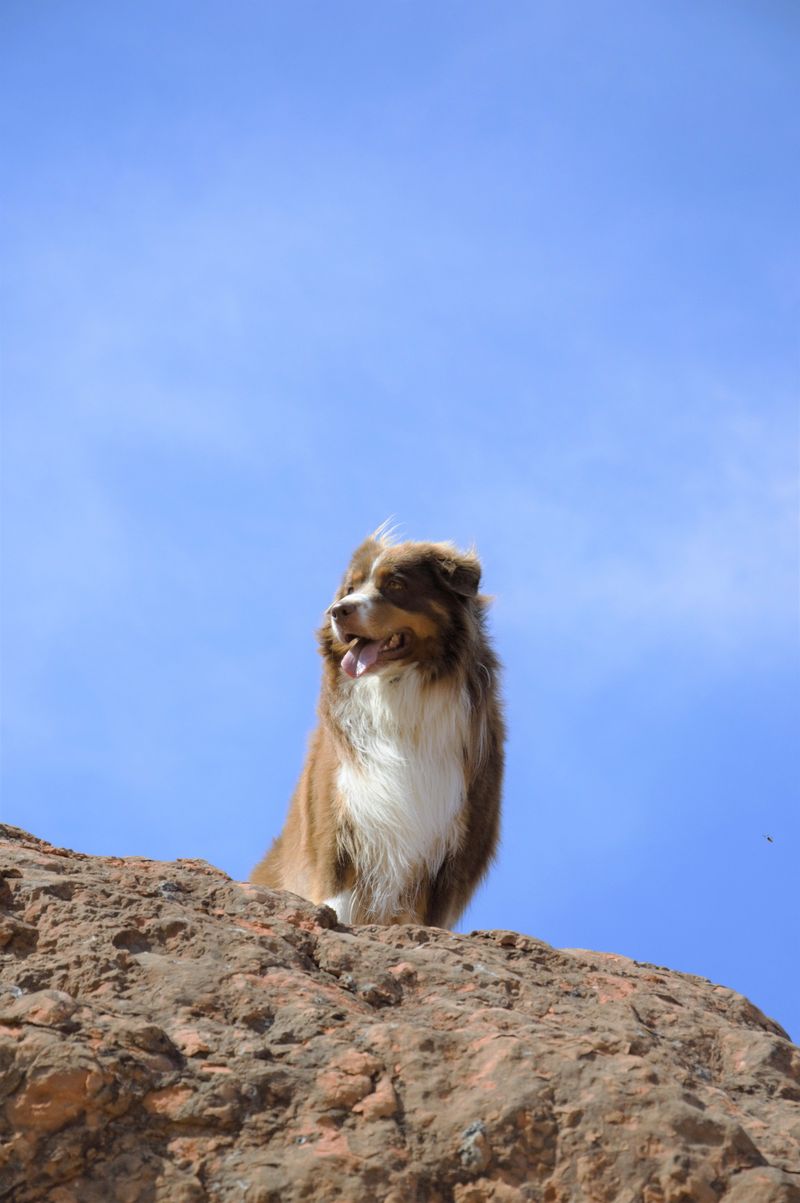
Your next hobby might come with four paws and a watchful gaze. Australian Shepherds often connect through learning, movement, and paying close attention to their people.
Their herding roots can also lead them to chase or nudge moving family members.
Redirect that urge into suitable games, and reward calm choices around children. Balance puzzles and exercise with lessons in resting.
A dog that shares adventures but can also relax beside you has a healthier partnership.