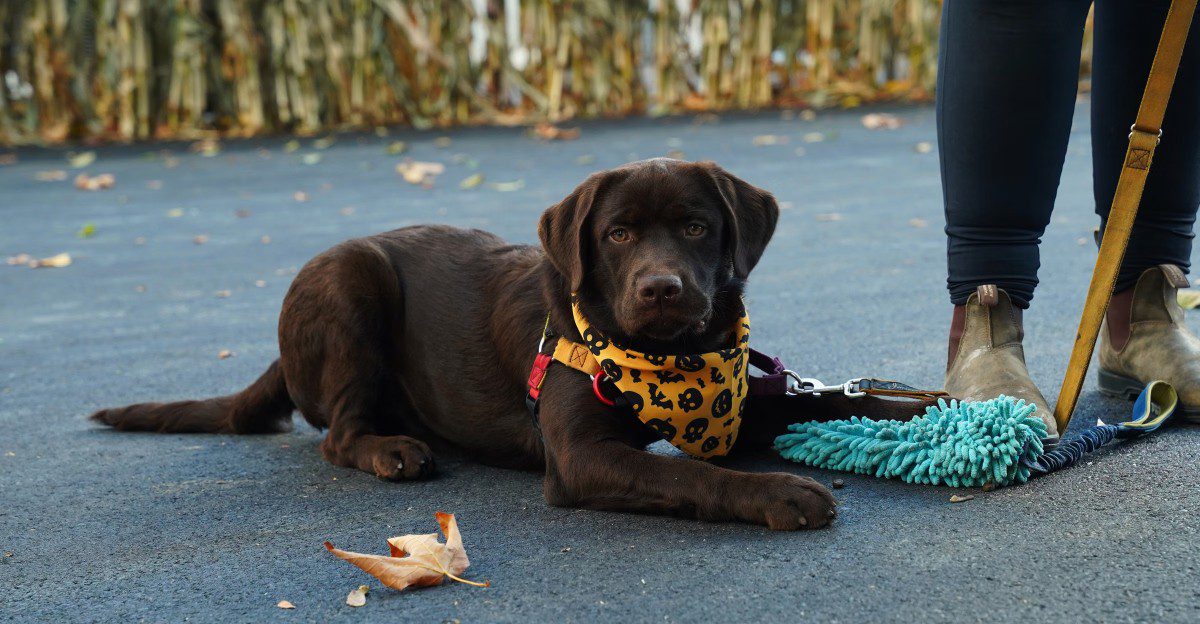
Some dogs love working with you, while others like to make their own choices. Knowing the difference can help you choose a dog that fits your home and set fair training goals.
Meet ten breeds known for independent thinking, followed by three that often enjoy following your lead. Remember, every dog is an individual, and patient, reward-based training helps them all learn.
Akita: A serious thinker
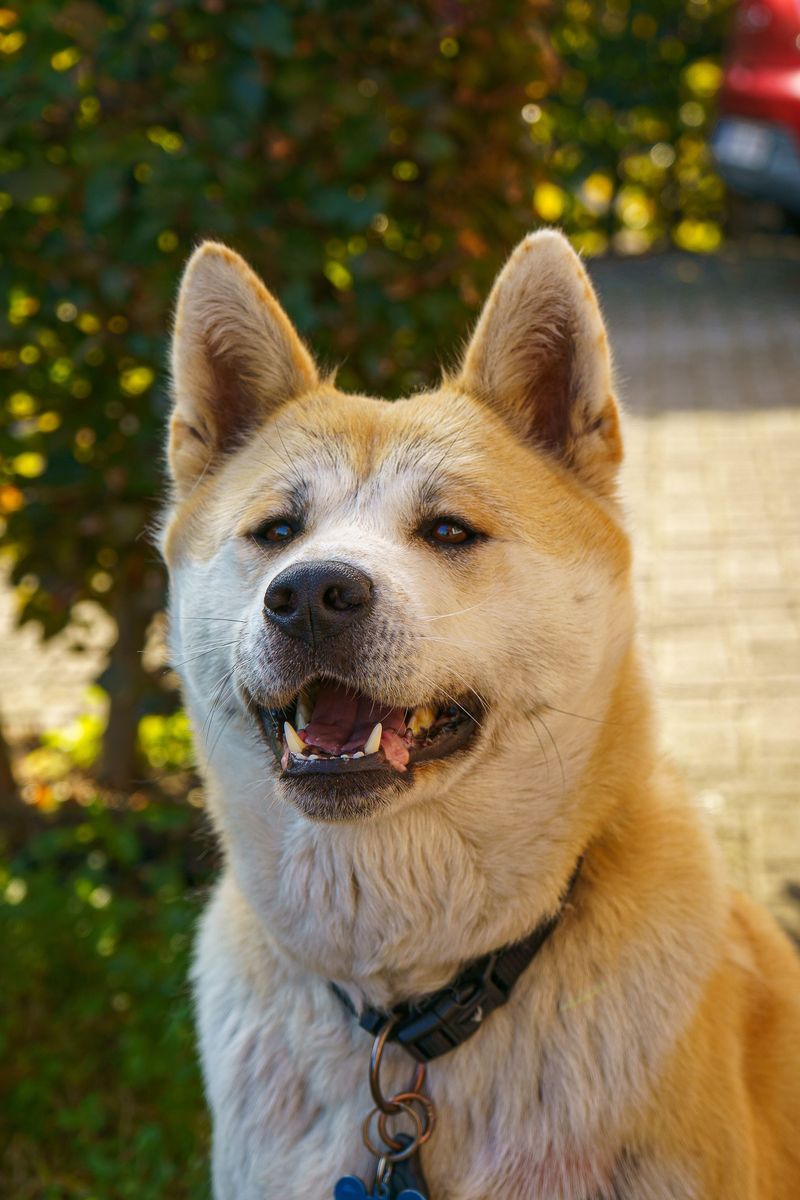
A quiet stare can say plenty when an Akita is deciding what matters. Developed in Japan for demanding work, this powerful dog often brings confidence and strong opinions into everyday life.
Loyalty does not mean automatic obedience.
Start socialization early and reward calm behavior around people and animals. Keep lessons short, clear, and consistent rather than repeating commands louder.
Because some Akitas dislike unfamiliar dogs, manage introductions carefully and seek qualified training help when needed.
Shiba Inu: Small dog, strong opinions
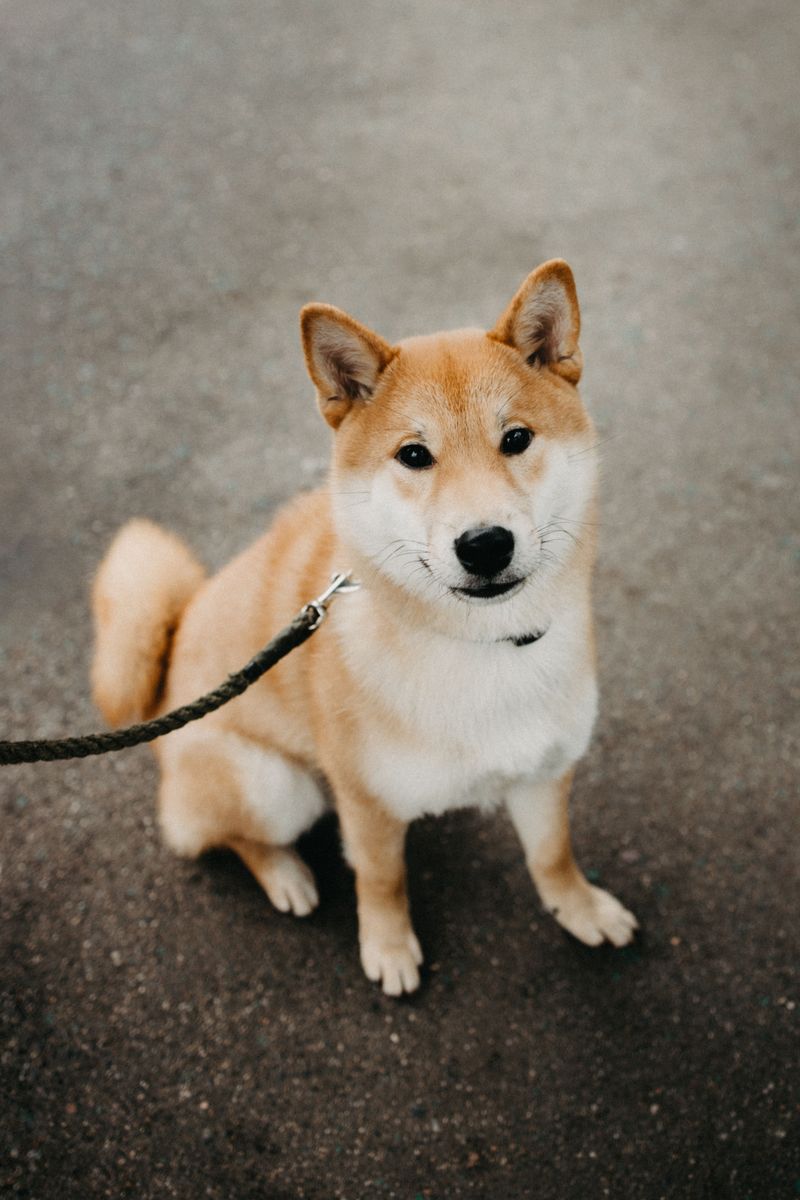
Your request may receive a sideways glance before any action follows. Shibas are bright, tidy dogs that often value their own plans more than praise.
Their foxlike faces can make that stubborn moment look especially charming.
Offer small food rewards and practice skills during games instead of long drills. Use secure fencing and a leash outside enclosed spaces, since chasing can overpower recall.
Respect handling limits while gradually teaching comfort with grooming and veterinary care.
Chow Chow: Reserved rather than obedient
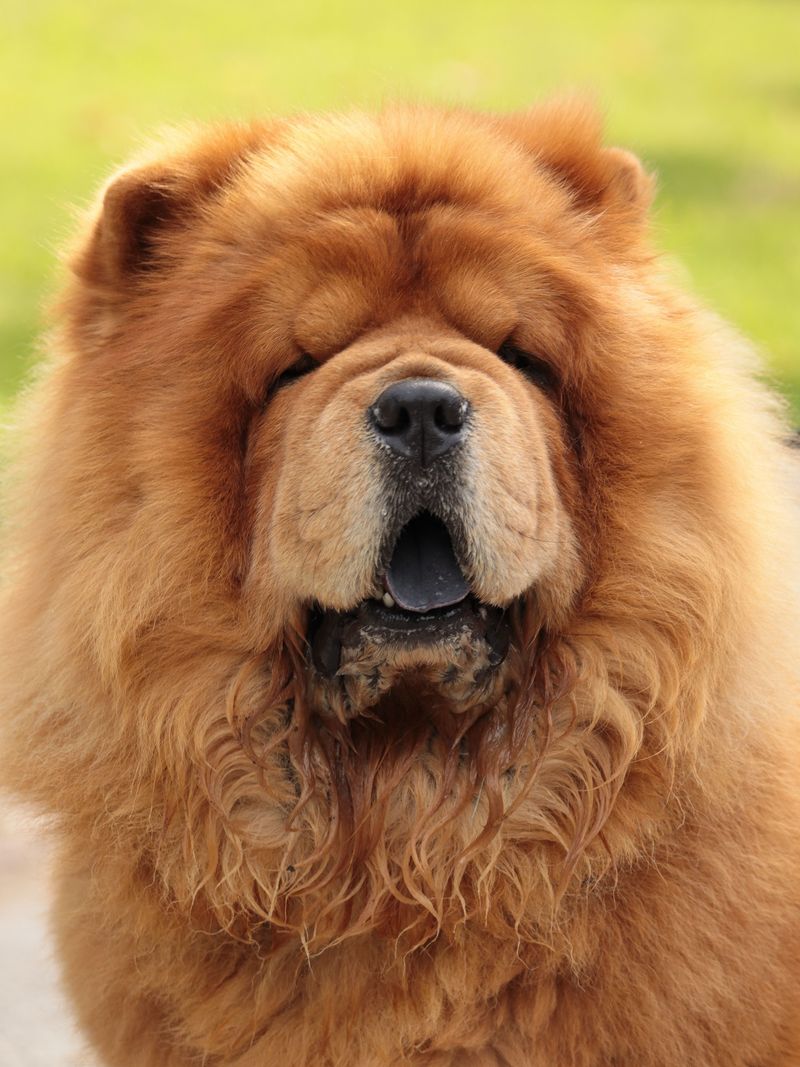
Behind that fluffy mane sits a dog that often prefers dignity over silly tricks. Chows tend to be reserved with strangers and may not enjoy constant fussing.
Their independent style calls for patience, not a battle of wills.
Teach useful basics with rewards and give your dog room to approach new people willingly. Regular brushing needs gentle practice from puppyhood.
Watch for overheating in warm weather, and never mistake a quiet manner for guaranteed tolerance.
Basenji: The curious escape artist
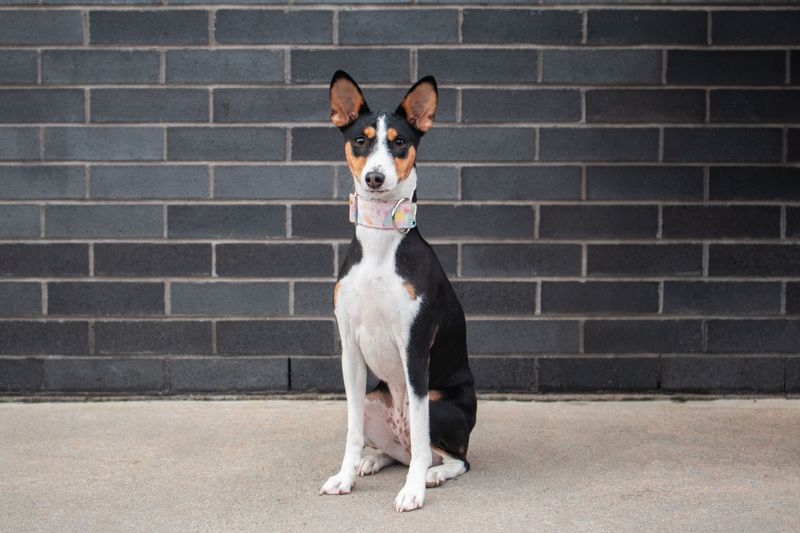
Leave something interesting within reach, and a Basenji may invent its own afternoon project. Originally used for hunting in Africa, this clever breed is famous for unusual yodeling sounds rather than typical barking.
Curiosity often wins over instructions.
Provide puzzle feeders, sniffing games, and safe chances to explore. Check fences for climbing spots and gaps before trusting the yard.
Reward attention generously, especially outdoors, and remember that a quiet dog can still create noisy household mischief.
Afghan Hound: Elegant and easily distracted
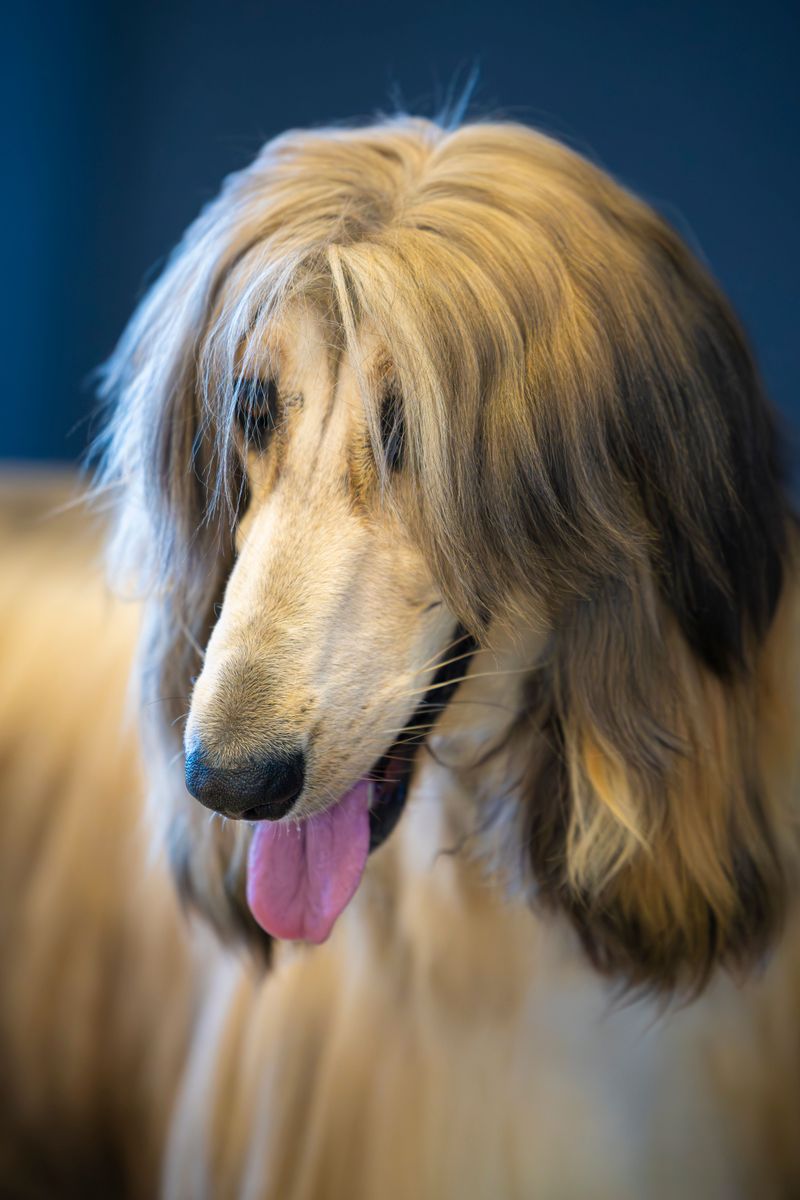
A flowing coat and floating stride make this hound look like royalty on an afternoon walk. Bred to spot and chase prey, Afghans can notice movement long before they notice your next cue.
Independence does not mean low intelligence.
Practice recall inside secure areas, but do not assume training removes the urge to chase. Choose gentle rewards and brief lessons.
Plan for frequent coat care, plus safe running opportunities that let those long legs stretch comfortably.
Great Pyrenees: A guardian with its own judgment
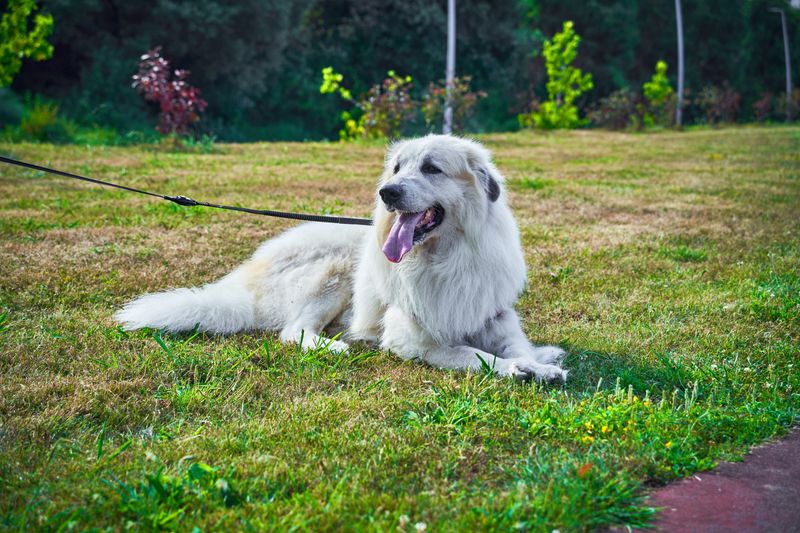
For generations, guarding flocks meant making decisions without waiting for a person. That background helps explain why a Great Pyrenees may pause before following your request.
Barking, watching, and patrolling can feel like serious responsibilities.
Build trust through steady routines and reward responses to simple cues. Secure fencing matters because wandering can become part of patrol duty.
Discuss nighttime barking with your household before choosing this breed, and provide cool resting places during hot weather.
Siberian Husky: Adventure comes first
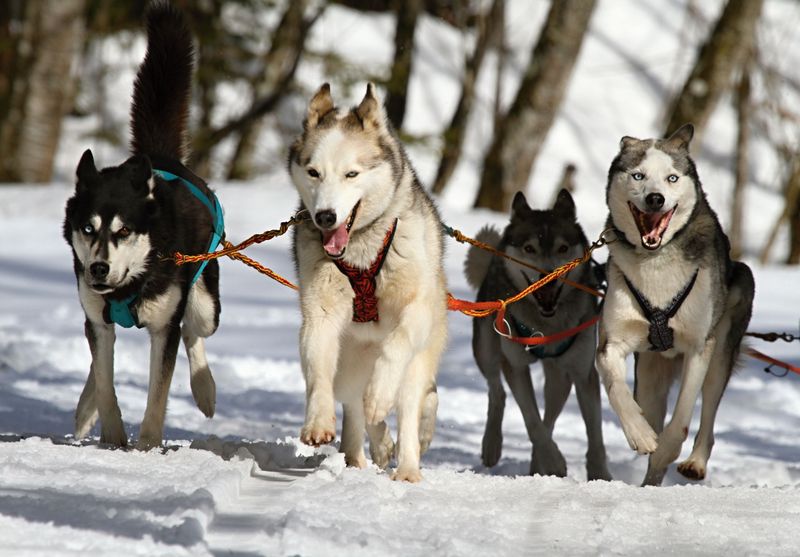
An open gate can look like an invitation to adventure rather than a reason to stay. Huskies were developed to run in teams, and many still bring impressive energy and a lively voice.
Repeating commands rarely beats an exciting distraction.
Combine daily exercise with scent games and reward attention before moving forward on walks. Keep outdoor adventures leashed unless the area is secure.
Avoid strenuous activity in heat, and never count on recall alone near roads.
Alaskan Malamute: Power with a personal agenda
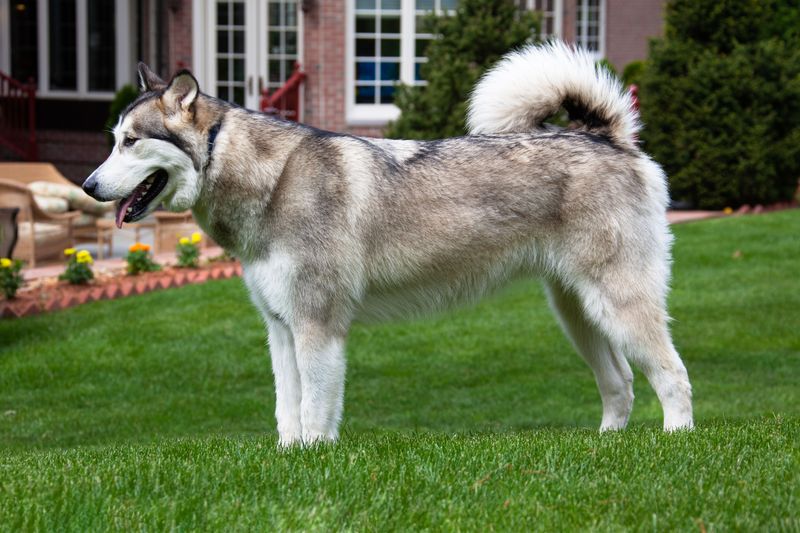
Strength and determination come bundled in this northern working dog. Malamutes helped haul heavy loads, so persistence is part of their heritage.
A dog built to keep going may not instantly abandon an appealing smell because you say so.
Teach polite leash walking early, before pulling becomes difficult to manage. Use suitable exercise, food puzzles, and clear household rules.
Supervise interactions with smaller animals, since prey drive varies, and introduce unfamiliar dogs with thoughtful care.
Scottish Terrier: Determination close to the ground
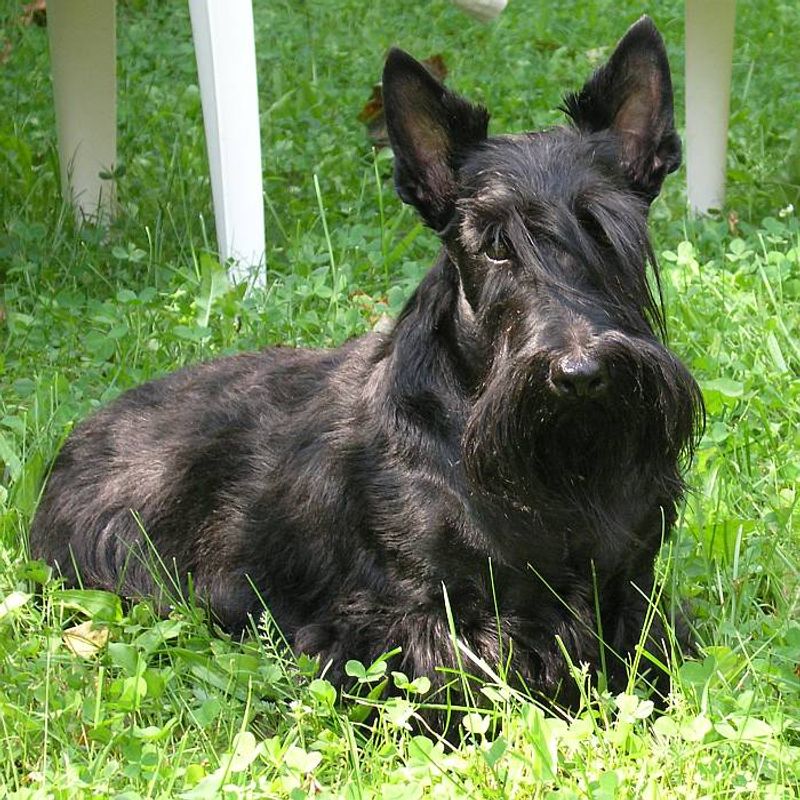
Short legs do not limit a Scottie’s sense of purpose. Developed to hunt vermin, these terriers often enjoy digging, investigating, and standing their ground.
They can be affectionate without becoming eager followers of every household suggestion.
Give digging an approved outlet and turn training into quick reward games. Practice trading toys for treats rather than grabbing possessions away.
A secure yard protects neighborhood wildlife, while regular grooming keeps that distinctive beard and wiry coat manageable.
Saluki: Sensitive, swift, and selective
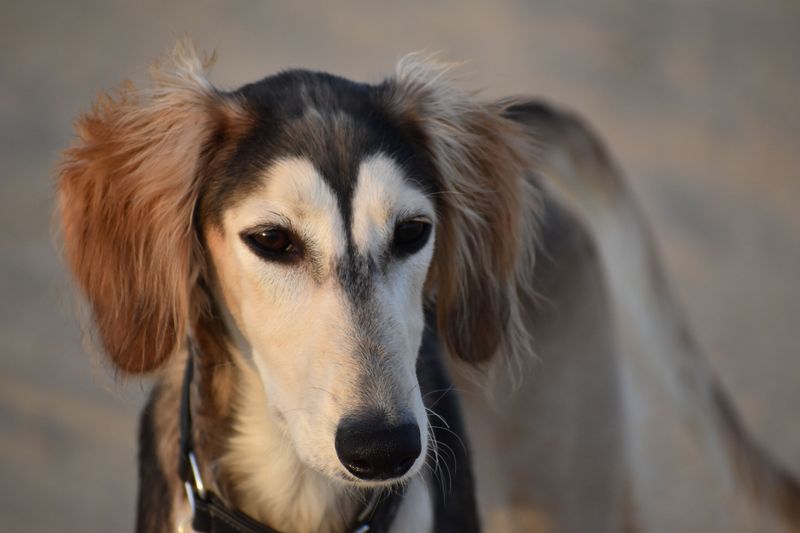
Spot a squirrel, and this graceful runner may forget the rest of the world. Salukis belong to an ancient hunting tradition that favored speed and independent pursuit.
At home, many are quiet and sensitive rather than openly demanding.
Use a soft approach, tasty rewards, and comfortable resting spots. Harsh handling can damage trust without improving cooperation.
Arrange exercise in safely enclosed spaces, and fit walking equipment carefully because a slender head can slip through loose collars.
Golden Retriever: Cooperation with a happy tail
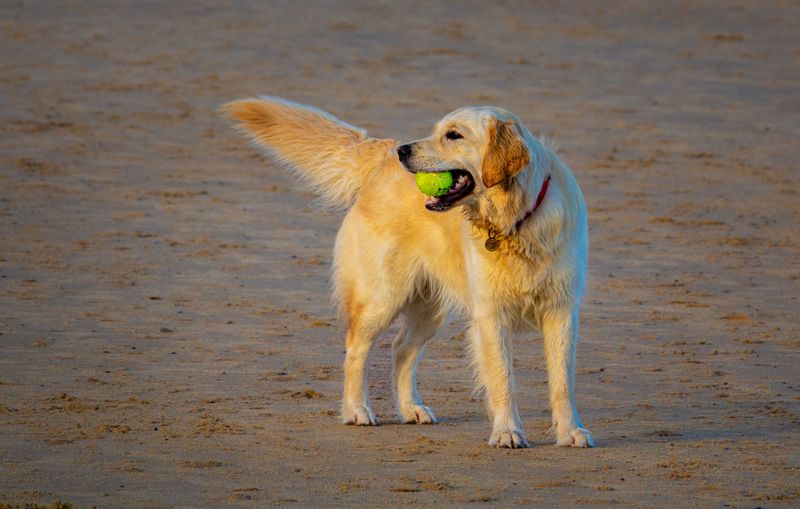
A wagging tail often arrives before you finish setting up the lesson. Goldens commonly enjoy working with people, making them a welcome contrast to the independent breeds above.
Their retrieving background gives many a natural interest in shared activities.
Teach skills through fetch, food rewards, and cheerful praise. Practice calm greetings so friendliness does not become jumping.
Even willing learners need rest, exercise, and clear boundaries; enthusiasm alone does not create manners without your patient guidance.
Labrador Retriever: Ready for the next job
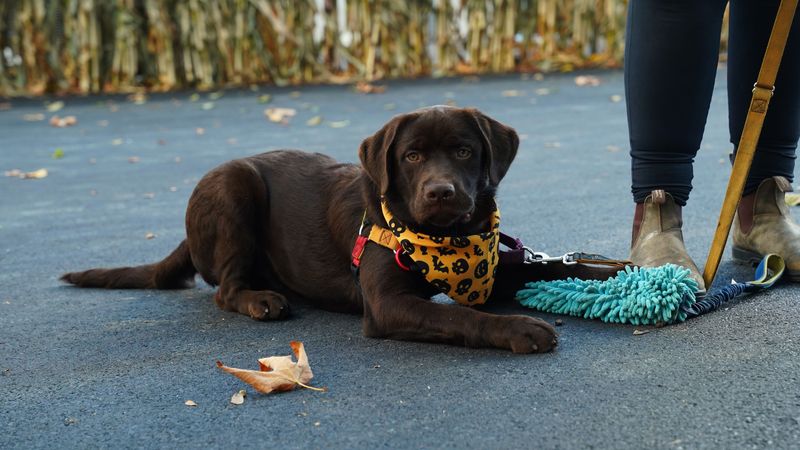
Bring out a treat pouch, and many Labs are ready to join the team. Originally developed from working dogs in Newfoundland, they often enjoy retrieving and learning alongside people.
Food motivation can make lessons especially rewarding for both partners.
Count training treats toward daily meals to help prevent weight gain. Reward loose leash walking and waiting politely before play.
Young Labs can be wonderfully bouncy, so teach settling skills instead of expecting instant calm from friendliness.
Shetland Sheepdog: Tuned in to your cues
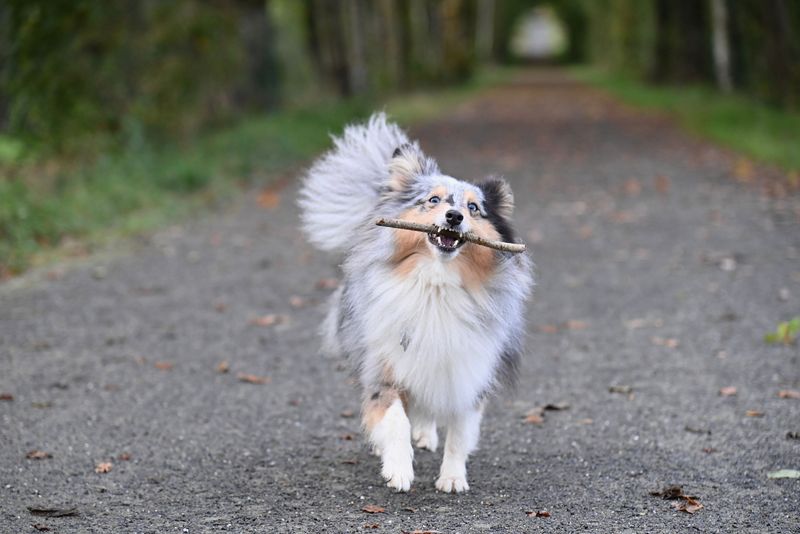
Few things escape the notice of an alert little herding dog. Shelties often watch their people closely and pick up new patterns quickly.
That attention can support enjoyable training, though sensitivity means a loud correction may feel overwhelming.
Try reward games, beginner agility, or simple tricks to exercise body and mind. Introduce unfamiliar sounds gradually and reward quiet moments, since barking can become a habit.
Keep lessons upbeat, and offer breaks before excitement turns into stress.