Some dogs would rather follow a smell, claim the couch, or sit in your lap than master a new trick. That does not mean they lack brains: intelligence takes many forms, and every dog is different.
Knowing what motivates a breed can help you train with more patience and less frustration. The dogs below may not always follow your plans, but their charm can make every small win feel special.
Basset Hound
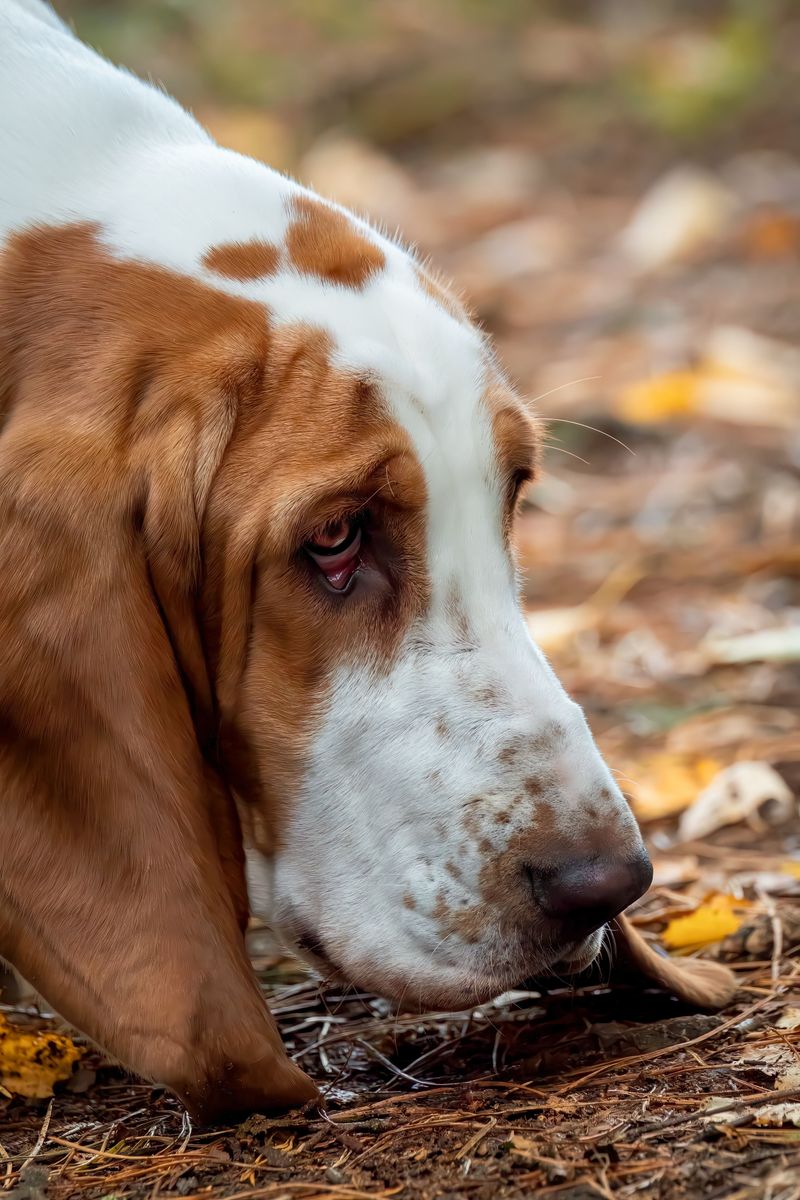
A dropped crumb can become the biggest event of a Basset Hound’s afternoon. Those long ears and serious eyes belong to a scent hound bred to follow trails, so your instructions may lose to an interesting smell.
Use tasty rewards, brief practice sessions, and a secure leash outdoors. Slow responses do not prove low intelligence.
Often, your dog simply has another project underway, and finding yesterday’s sandwich ranks above sitting politely for you right now.
English Bulldog
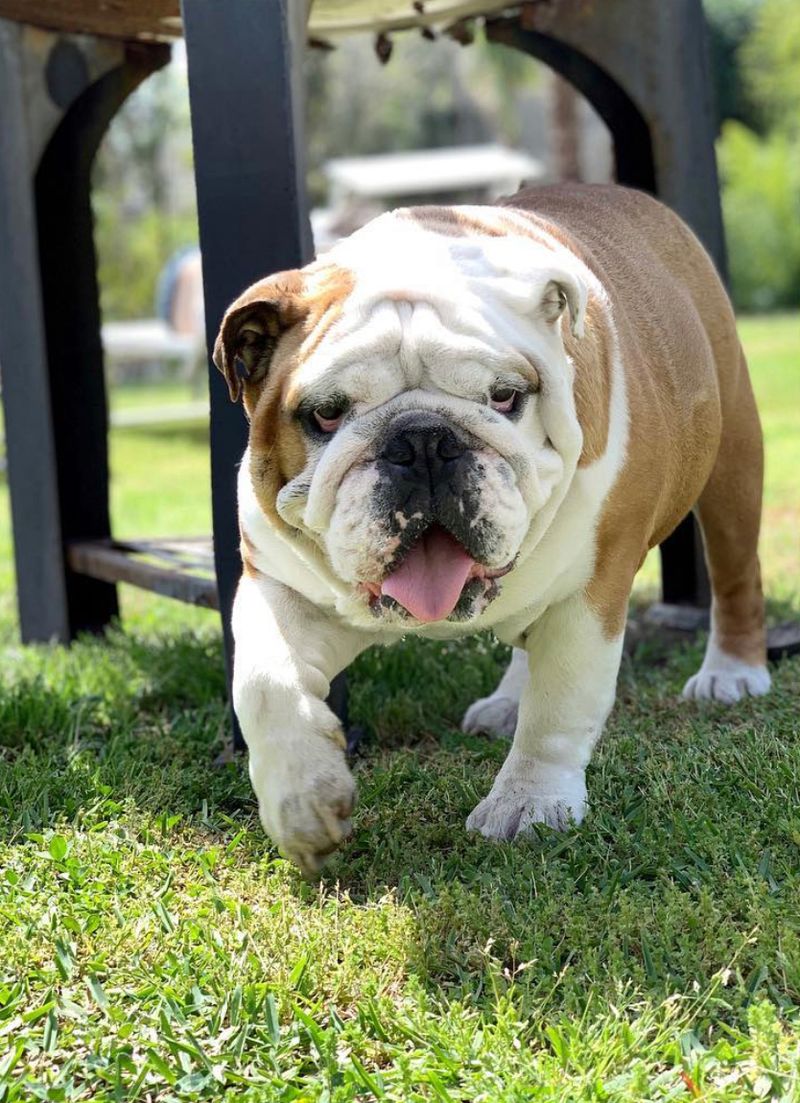
Getting off a comfortable cushion may require a convincing offer. An English Bulldog can learn household rules, but a stubborn streak and relaxed pace sometimes make training feel like a friendly negotiation.
Reward small successes and keep exercise suited to your dog’s health. Because flat faces can cause breathing problems, avoid heat and strenuous activity.
The real victory may be a cheerful walk followed by a snoring nap, rather than an impressive collection of tricks.
Pug
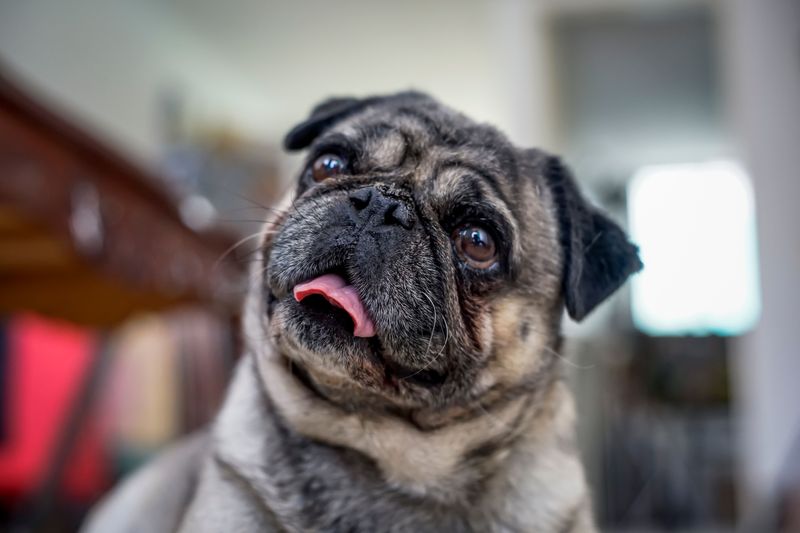
One head tilt can turn a missed command into a comedy routine. Pugs often enjoy human attention, which gives you a useful training tool even when their focus wanders toward snacks or play.
Practice one skill at a time and count treats toward daily food needs. Their flat faces make cool conditions especially important during activity.
Behind that silly expression is a dog who can learn, provided lessons feel rewarding instead of long and dull.
Saint Bernard
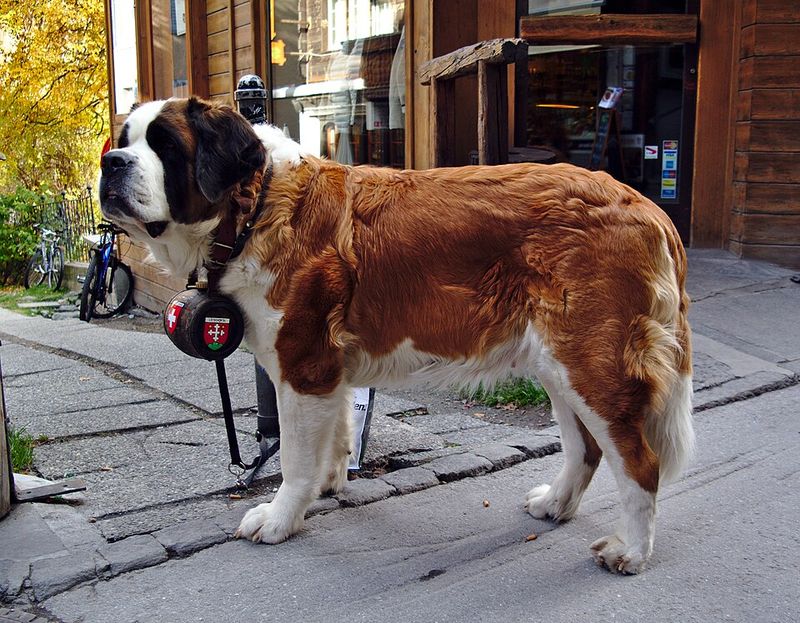
A huge paw landing on your shoe can feel like a loving paperweight. Saint Bernards often bring a calm presence, though their size makes even ordinary puppy confusion a noticeable household event.
Teach polite greetings and loose leash walking early, before pulling becomes difficult to manage. Patient repetition works better than pressure.
Their history includes rescue work in the Alps, a reminder that a slow response during lessons says little about a dog’s actual abilities.
Mastiff
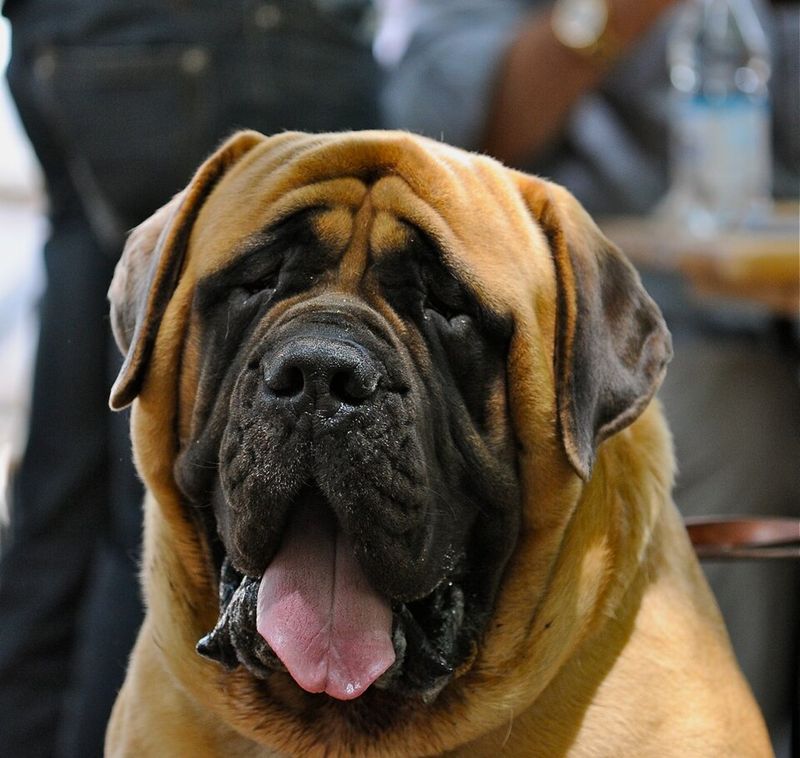
Sometimes the answer to your request is a long, thoughtful stare. A Mastiff may seem less interested in showing off than in staying close and watching the room, but calm behavior should not be mistaken for dullness.
Start training while your dog is small enough to guide easily. Reward cooperation, introduce new experiences gradually, and set clear boundaries.
With such a powerful companion, dependable everyday manners matter far more than fast responses or fancy tricks.
French Bulldog
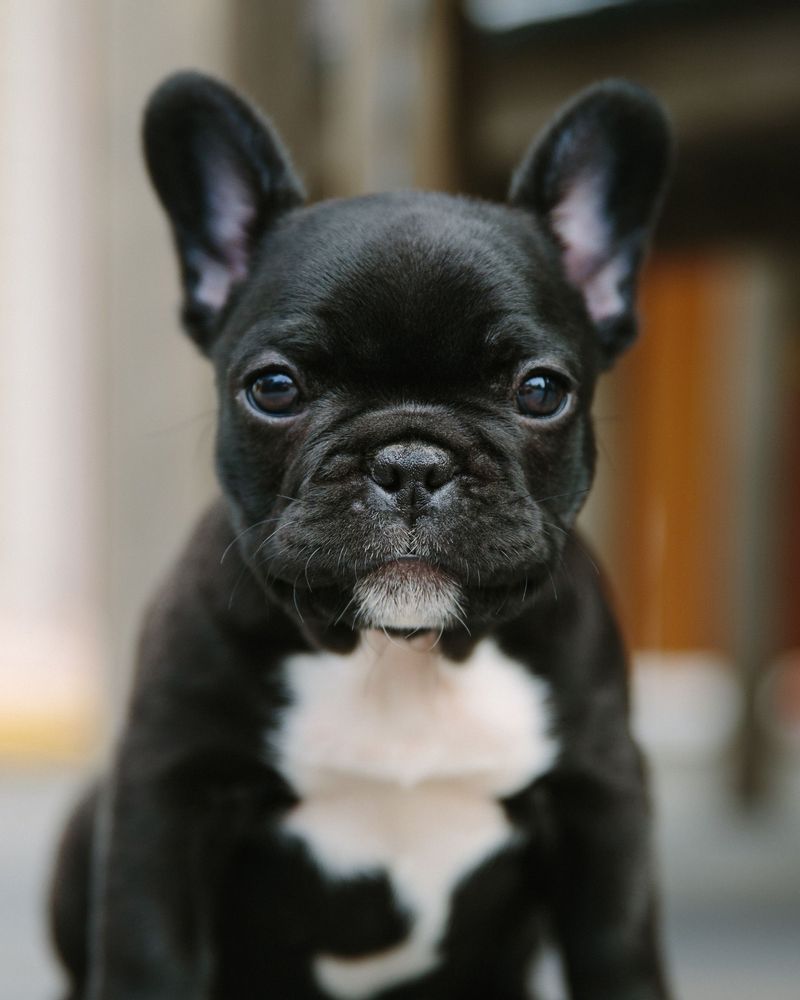
Bat ears perk up, but the rest of the dog stays put. French Bulldogs can have playful, determined personalities, and an instruction without a clear reward may not seem worth interrupting their fun.
Turn practice into short games using toys or small treats. Watch for breathing trouble, avoid hot weather exercise, and ask your veterinarian about safe activity.
Their appeal is not flawless obedience; it is the lively little partnership that grows through daily routines.
Shih Tzu
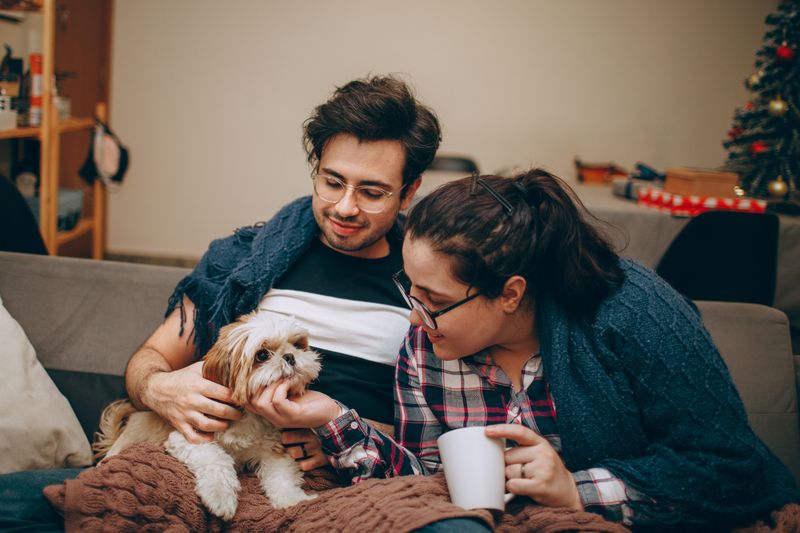
A warm lap can beat a training lesson without much competition. Shih Tzus were developed as companion dogs, so staying near their people may interest them more than performing tasks on demand.
Build lessons around praise, play, and tiny rewards. Keep grooming comfortable with regular brushing and gradual handling practice.
If house training moves slowly, use a steady schedule rather than scolding. Their affectionate attention offers its own reward, even when learning takes extra patience.
Cavalier King Charles Spaniel
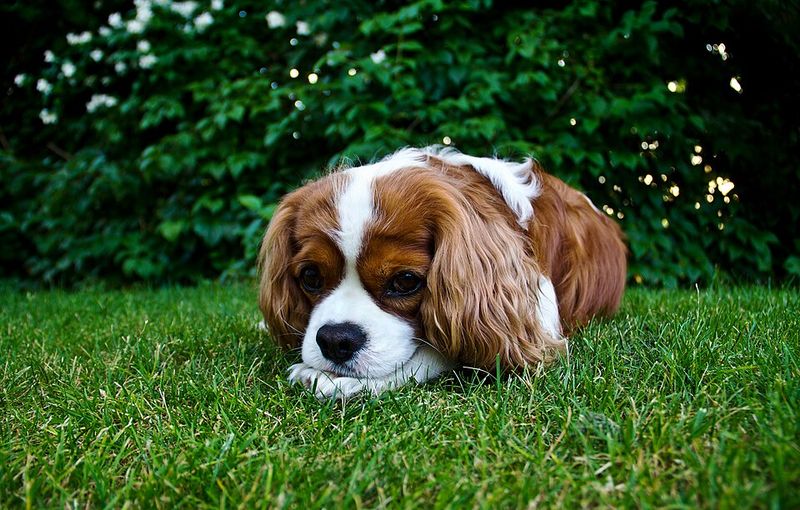
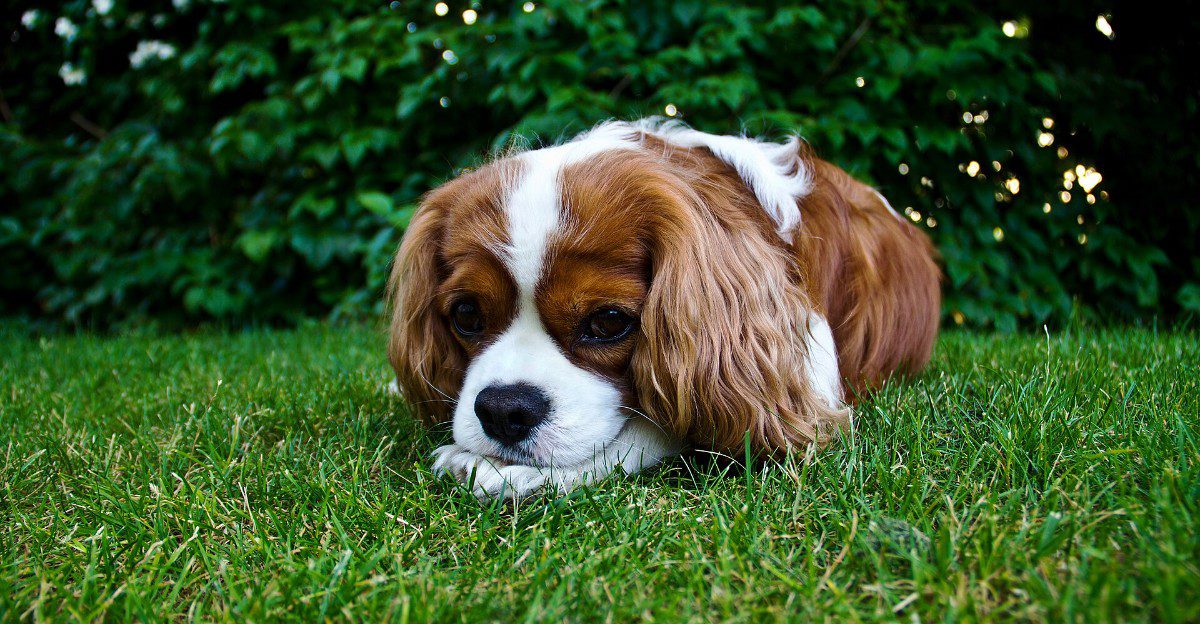
Before showing you a trick, your dog might offer a cuddle. Cavalier King Charles Spaniels are often eager learners, so they do not deserve a reputation for being unintelligent just because companionship is their strongest selling point.
Use gentle rewards and practice around mild distractions before tackling busy places. Regular veterinary care matters, including discussions about heart health.
A dog who notices your mood and settles beside you is showing something valuable beyond classroom style obedience.
Japanese Chin
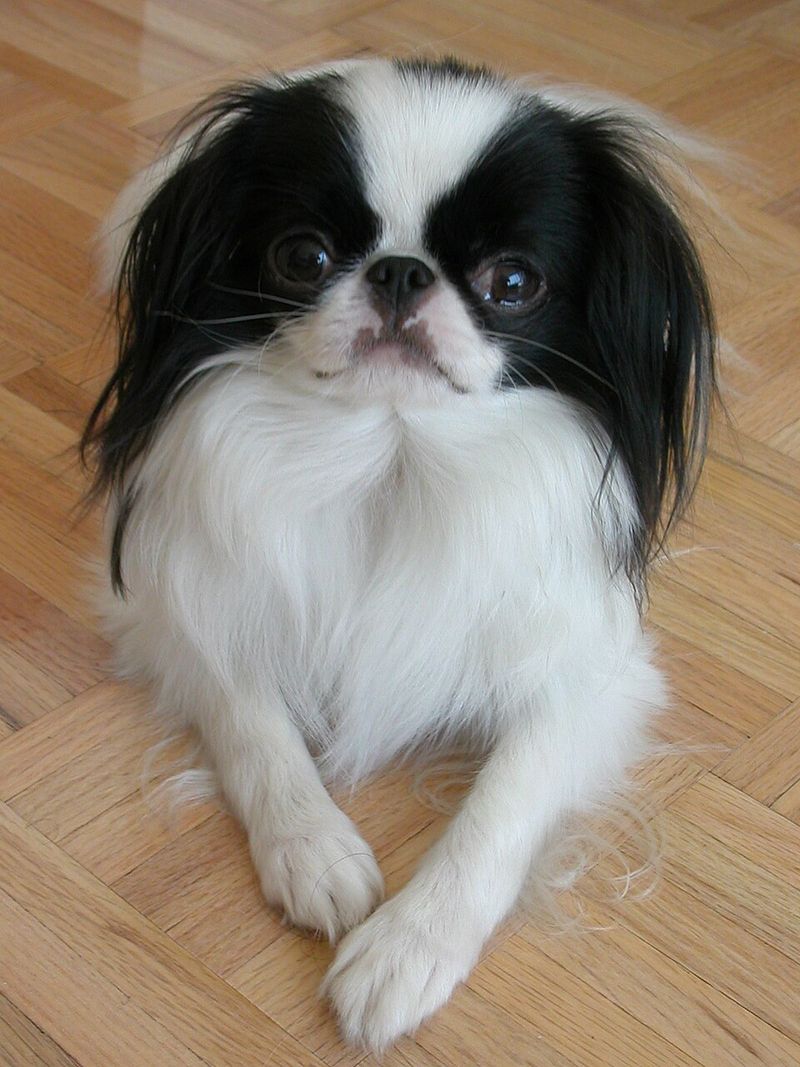
Perched on a cushion, a Japanese Chin can look like royalty awaiting service. Often described as catlike, these small companions may enjoy choosing when to join an activity rather than following every suggestion immediately.
Offer a quiet setting and make practice worth their attention. Gentle handling helps build trust, while safe climbing options should stay low enough to prevent falls.
An independent moment is not proof of poor thinking; sometimes your invitation simply needs better timing.
Newfoundland
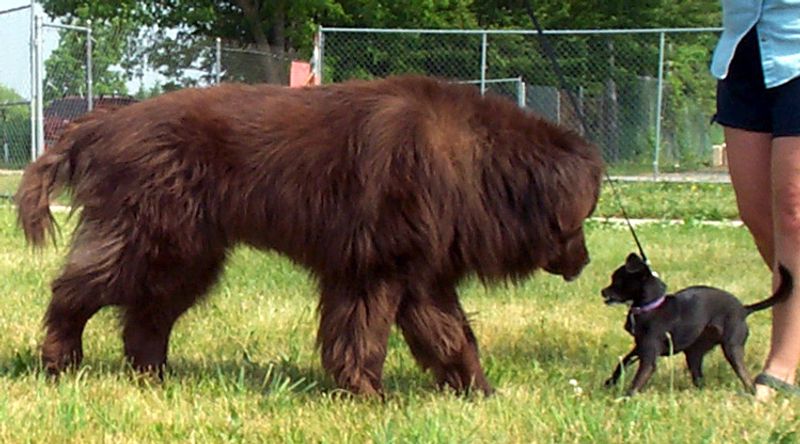
With a broad head resting nearby, it is easy to forget the unfinished lesson. Newfoundlands are known for water work, which calls for useful skills rather than flashy performances in the living room.
Teach safe greetings and careful leash manners before that fluffy puppy becomes enormous. Plan for regular coat care, drool cleanup, and suitable exercise.
Their steady company can feel wonderfully reassuring, but every dog still needs guidance, supervision around children, and patient daily practice.
Great Dane
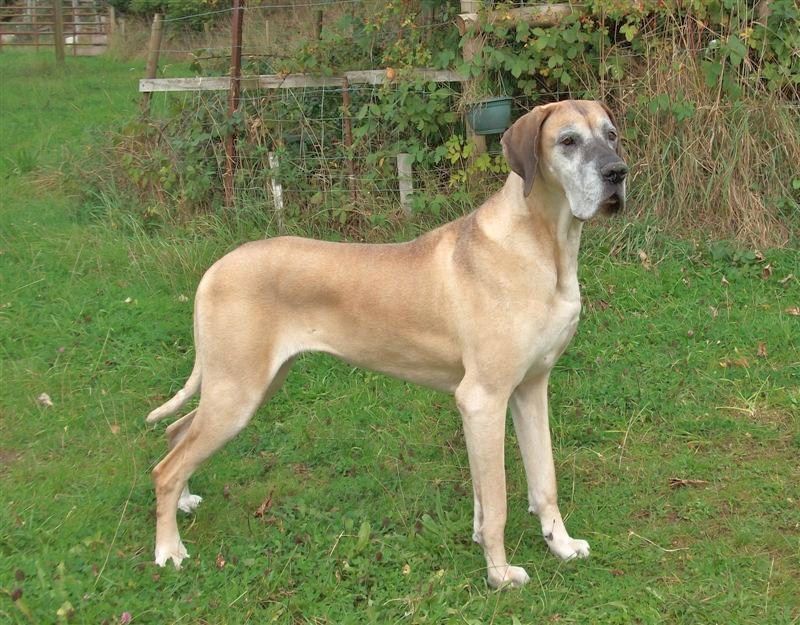
Watching a towering dog try to fit onto a small cushion never gets old. Great Danes can be responsive students, yet their awkward youthful moments sometimes make them seem wonderfully unaware of their own size.
Practice settling on a roomy mat and greeting visitors without jumping. Ask your veterinarian about appropriate exercise during growth and ways to reduce bloat risk.
A thoughtful routine helps your oversized friend succeed without expecting every movement to look graceful.
Pekingese
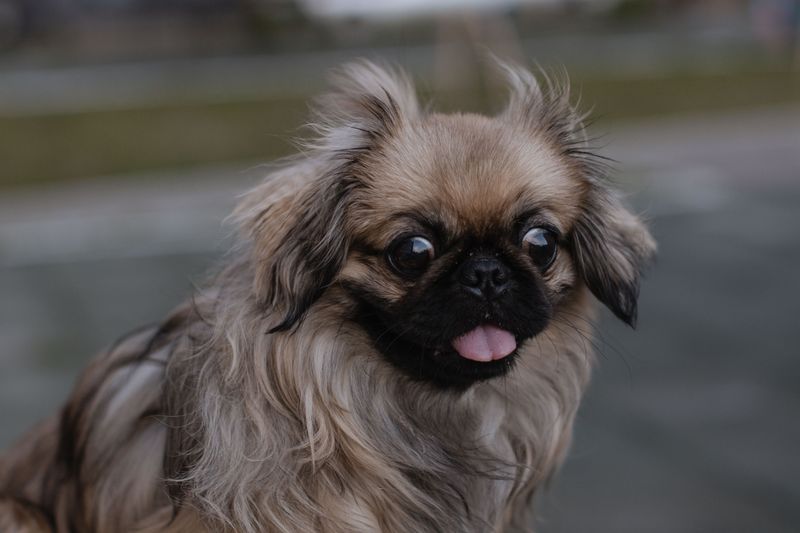
Your suggestion may receive the look of a royal decree being rejected. Pekingese have a long history as Chinese palace companions, and many approach daily life with confidence rather than an urgent need to please.
Keep requests clear and reward willing participation. Regular brushing protects their thick coats, while cool surroundings help dogs with short faces avoid overheating.
Respecting preferences does not mean abandoning rules; it means teaching them patiently without turning disagreements into little battles.
Bullmastiff
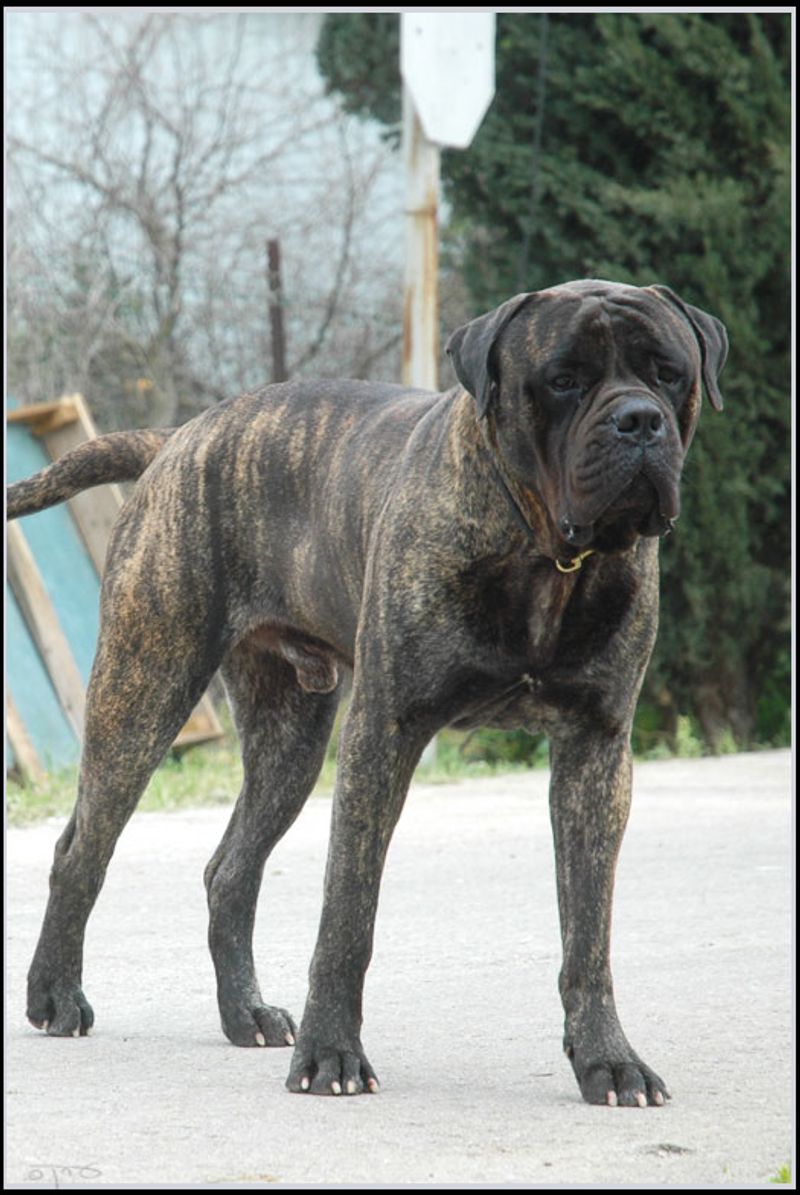
A quiet guardian may decide that watching the doorway beats repeating a trick. Bullmastiffs were developed to help guard estates, so independence can be part of their working background rather than a sign of limited intelligence.
Focus on reliable basics, calm introductions, and comfortable handling from puppyhood. Their strength makes early socialization especially useful.
Reward attention before distractions grow difficult, and remember that a dependable housemate does not need to act like an eager circus performer.