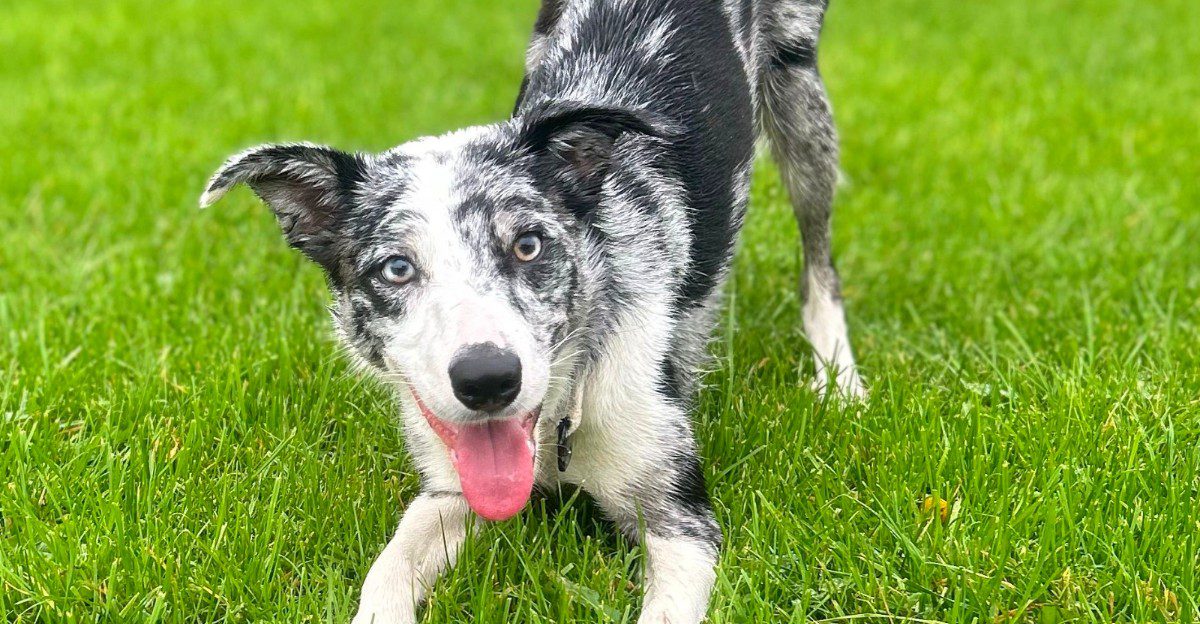
Some dogs wear three colors in patterns so neat, they look like an artist planned every patch. Bright eyebrows, white chest blazes, and dark coats can make each face stand out.
These markings are natural, and even dogs of the same breed can look surprisingly different. Looking beyond those beautiful coats also helps you understand the care and activity each breed needs.
Bernese Mountain Dog: A Coat Like a Mountain Mural
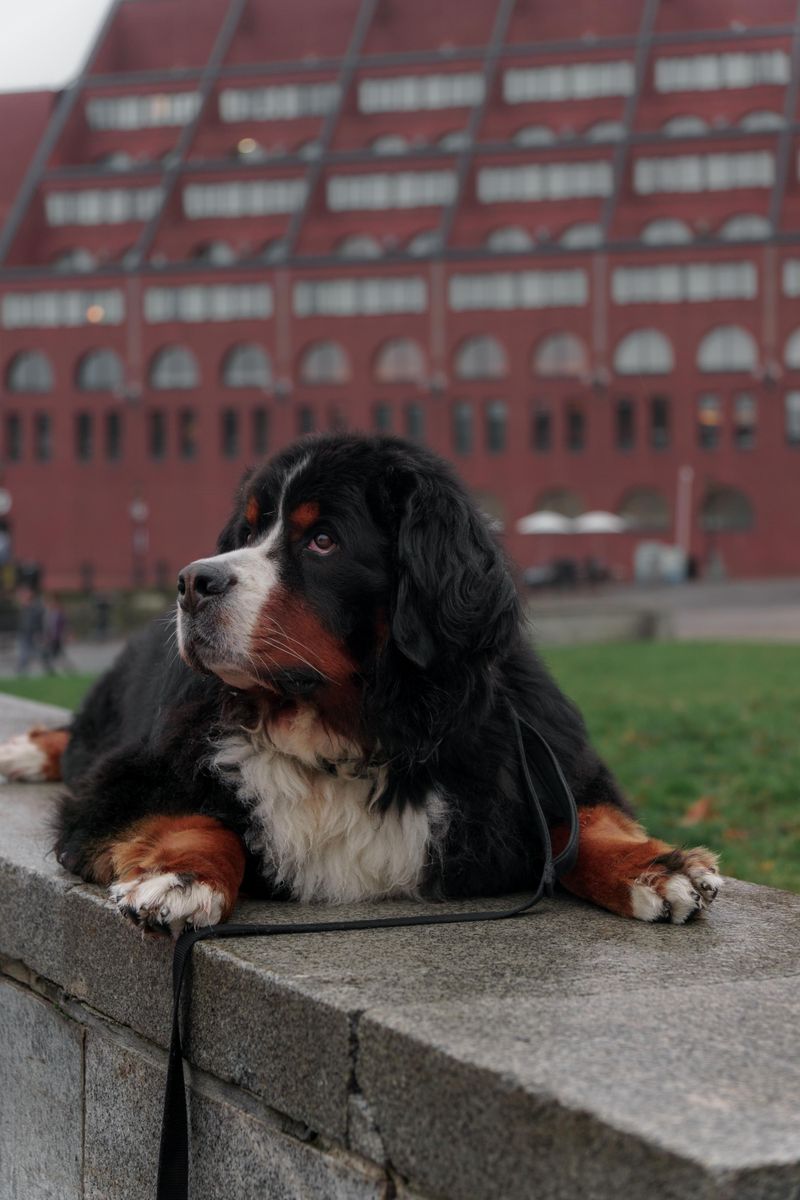
A snowy chest and rusty eyebrows give this big dog a face you remember. Its black coat creates a bold background for white and rust markings, often arranged with striking balance.
Originally used on Swiss farms, Bernese Mountain Dogs usually enjoy being close to their people. Brush that thick coat several times weekly, especially during shedding seasons.
Plan comfortable walks in cool weather, and remember that a large puppy needs careful, steady growth rather than overexercise.
Beagle: The Cheerful Patchwork Explorer
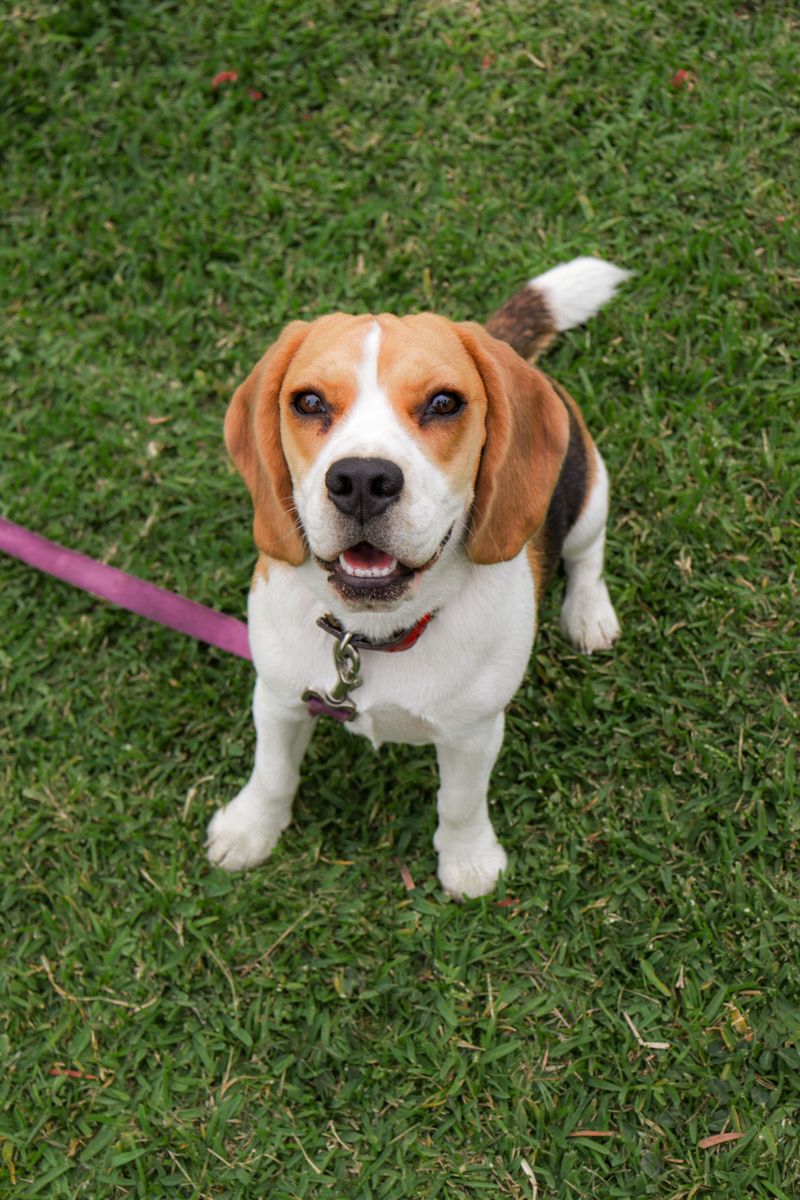
Follow the nose, and the rest of the dog will happily come along. Many Beagles sport a black saddle, tan head, and white legs, with a white tail tip that stands out outdoors.
Their markings can shift as puppies grow, so baby photos may look quite different. Keep walks leashed unless the area is securely fenced.
Scent games offer a fun outlet, while measured meals help prevent this eager snack hunter from gaining extra unwanted weight.
Basset Hound: Low Rider, Bold Brushstrokes
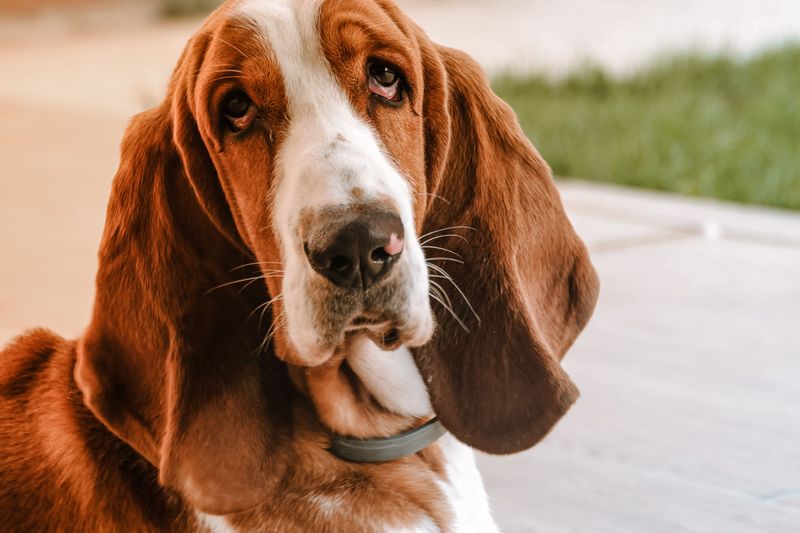
Those long ears could steal the show before you even notice the colors. Black patches, warm tan areas, and white spaces give many Basset Hounds a wonderfully uneven, painted appearance.
Behind the sleepy expression sits a determined scent tracker. Offer relaxed daily walks and sniffing time rather than expecting a jogging partner.
Check ears regularly, keep skin folds clean, and watch body weight. Extra pounds put needless pressure on the breed’s short legs and long back.
Pembroke Welsh Corgi: Tiny Legs, Carefully Placed Color
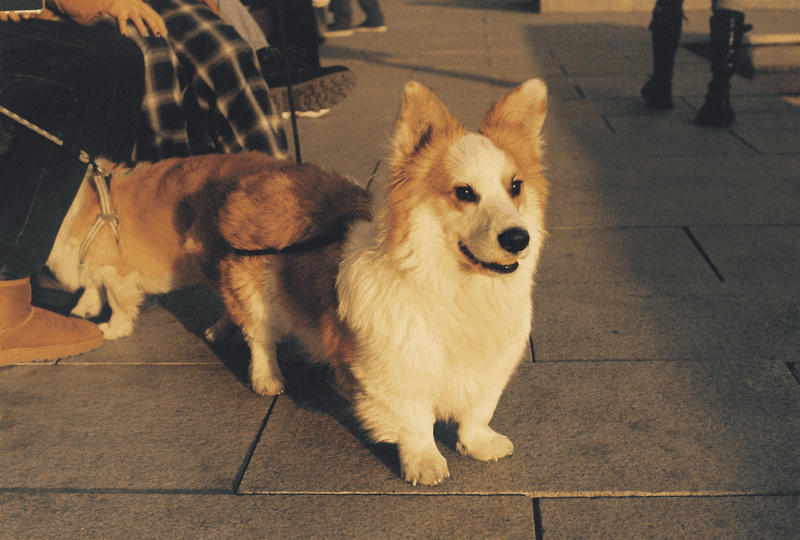
Short legs do not mean small ambitions for this busy little herder. Tricolor Pembrokes combine black, tan, and white, sometimes with a dark head and sometimes with more red around the face.
A white chest can look like a neatly buttoned shirt. Expect a clever dog that benefits from training, daily walks, and simple puzzles.
Brush regularly to manage shedding, and protect that long body by keeping weight healthy and limiting repeated leaps from high furniture.
Cavalier King Charles Spaniel: A Portrait with Feathery Edges
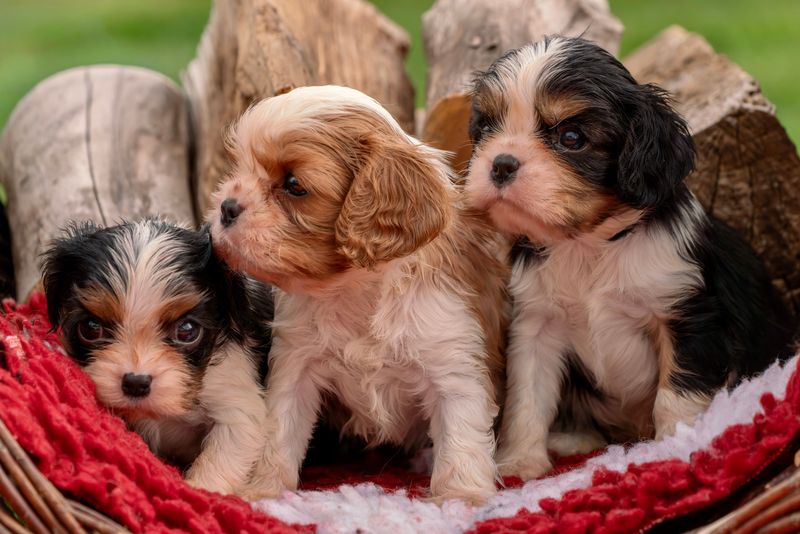
A pair of tan eyebrows can make every glance seem extra thoughtful. Tricolor Cavaliers have black and white coats with tan accents on the face, beneath the tail, and sometimes inside the ears.
Their silky feathering softens those sharp color borders. Comb the ears and leg fringes gently to prevent tangles.
Alongside affection and moderate exercise, prioritize veterinary checks, since heart disease is a significant breed concern. Choose breeders who document appropriate health screening for their dogs.
Australian Shepherd: An Artist with Endless Energy
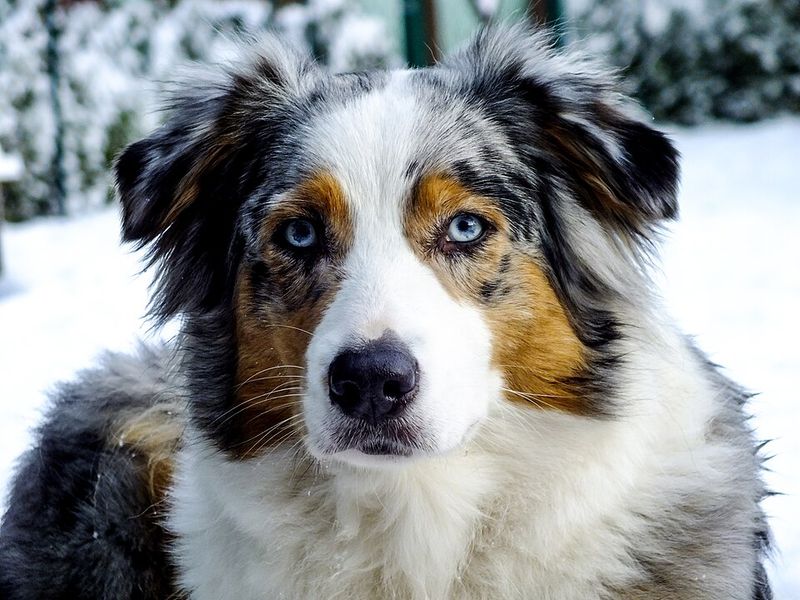
Ready for another game before you finish the first? A black tricolor Aussie often wears copper points and white trim that make its alert face especially expressive.
Unlike merle coats, this pattern has solid black areas rather than a mottled background. Australian Shepherds need meaningful activity, not just a pretty yard.
Mix exercise with reward based training, searching games, and rest practice. Without suitable outlets, their herding instincts may turn toward chasing children or household pets.
Border Collie: Sharp Lines for a Sharp Mind
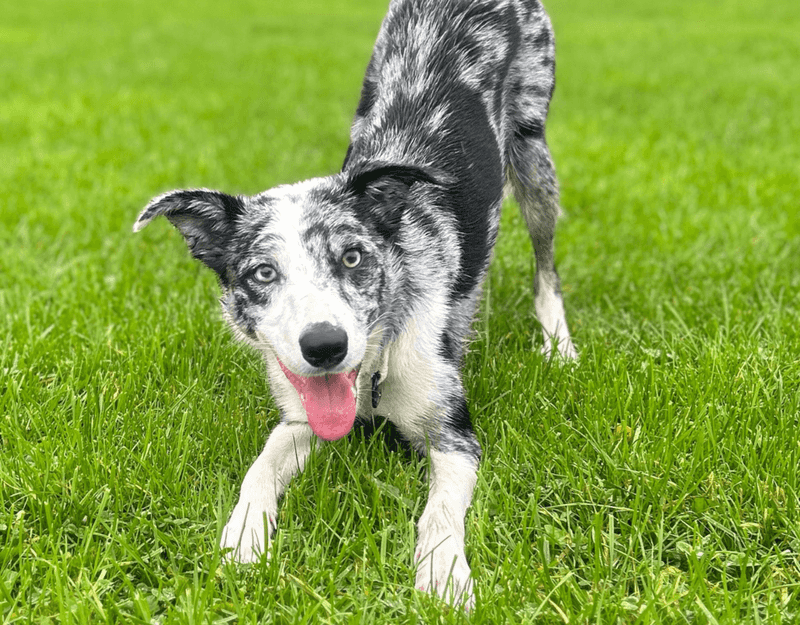
Watch that focused stare, and you can almost see the gears turning. Some Border Collies add tan eyebrows, cheeks, and leg markings to the familiar black and white coat.
Each pattern differs, from broad white collars to narrow facial blazes. Looks aside, this breed often wants a job.
Teach useful skills, try suitable dog sports, and build quiet breaks into the day. A bored Border Collie may invent activities that your furniture will not appreciate very much.
English Springer Spaniel: Color Splashes in Motion
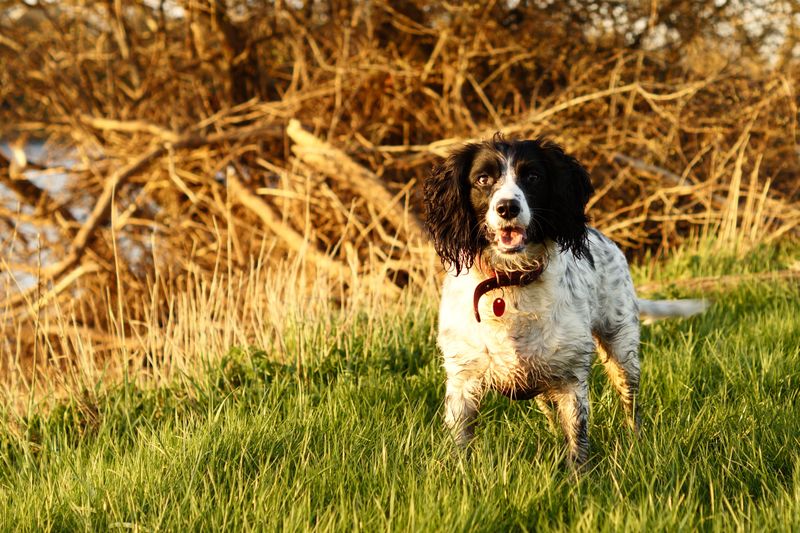
One joyful bounce can turn a tidy coat pattern into a blur. Tricolor English Springer Spaniels may be black and white or liver and white, with added tan markings.
Those smaller tan touches often appear around the eyebrows, cheeks, and beneath the tail. Bred to help hunters find birds, Springers commonly enjoy active outings and retrieving games.
After woodland walks, check feathered legs for burrs and inspect ears. Regular brushing keeps their flowing coat comfortable and manageable.
Shetland Sheepdog: A Flowing Three-Color Cape
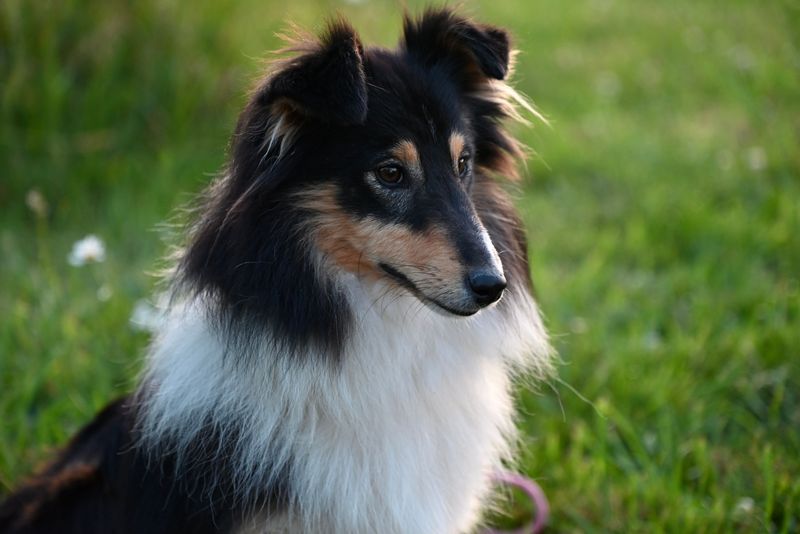
Under all that flowing fur, the colors still form a clear design. A tricolor Sheltie usually combines a black coat with tan points and white markings, often including a grand chest ruff.
These small herding dogs tend to notice everything happening nearby. Patient training can help manage barking and build confidence around new experiences.
Brush thoroughly down to the skin, especially behind the ears. Keep sessions gentle, since hidden tangles can pull and make grooming surprisingly uncomfortable.
Greater Swiss Mountain Dog: Bold Blocks on a Big Frame
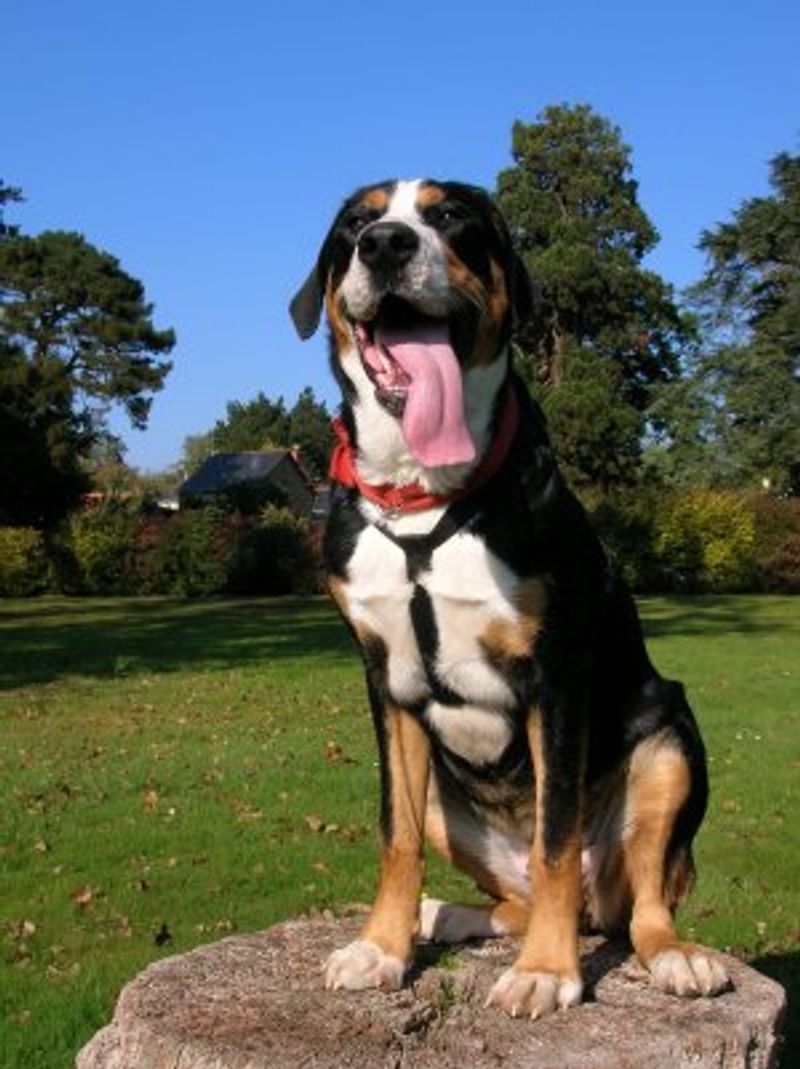
Big shoulders and crisp markings give this Swiss breed an impressive presence. The short black coat carries rust accents and white areas, commonly including a facial blaze, chest patch, and feet.
Compared with the Bernese, its coat looks smoother and needs less brushing. Size still matters when planning care: teach polite leash walking early and provide room to move comfortably.
Discuss feeding routines and bloat risks with your veterinarian, and avoid strenuous exercise immediately after large meals.
Entlebucher Mountain Dog: Compact Canvas, Busy Spirit
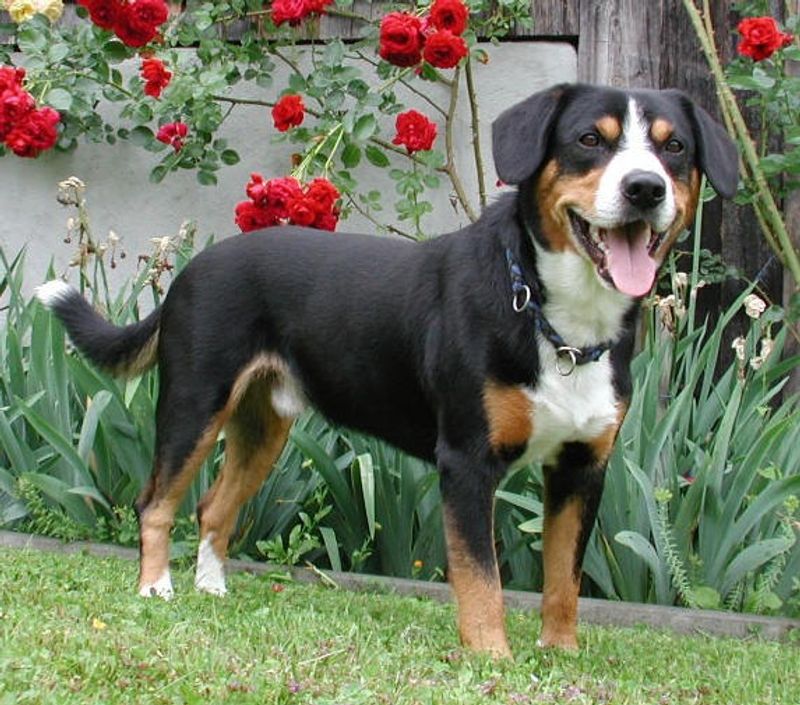
Think sturdy farm helper rather than oversized lap dog. The smallest of the four Swiss mountain dog breeds wears a short tricolor coat, with black, tan, and white arranged in clear patches.
A bright chest and tan facial points give the Entlebucher a lively expression. Expect energy, confidence, and a strong interest in family activities.
Provide structured exercise and consistent training from puppyhood. Early, positive introductions to visitors help this watchful breed learn when it can relax.
Basenji: Clean Color Lines and a Curled Tail
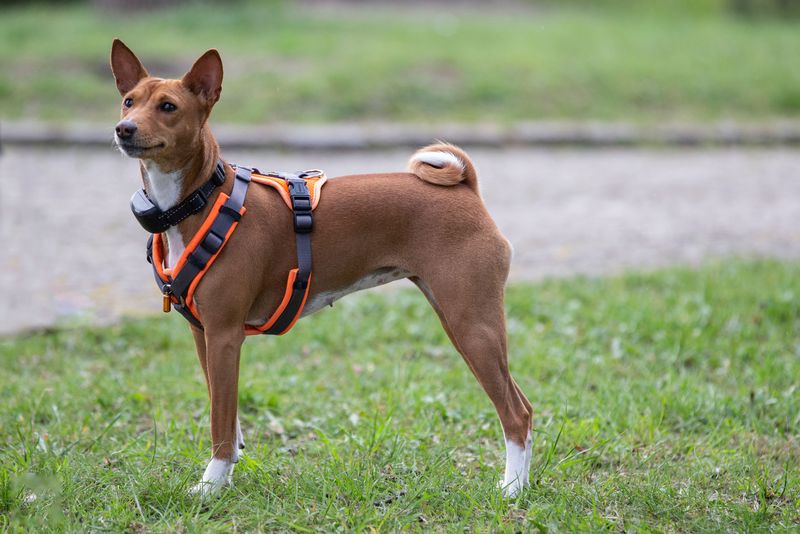
A curled tail and wrinkled forehead make this dog look wonderfully curious. Tricolor Basenjis pair black areas with tan points and white markings, creating crisp edges on a short, sleek coat.
Known for unusual yodeling sounds rather than a typical bark, they still have plenty to say. Their independent streak calls for patient training and secure fencing.
Offer sniffing walks and supervised play, but avoid assuming reliable recall. Small animals can quickly trigger their strong chasing instincts outdoors.