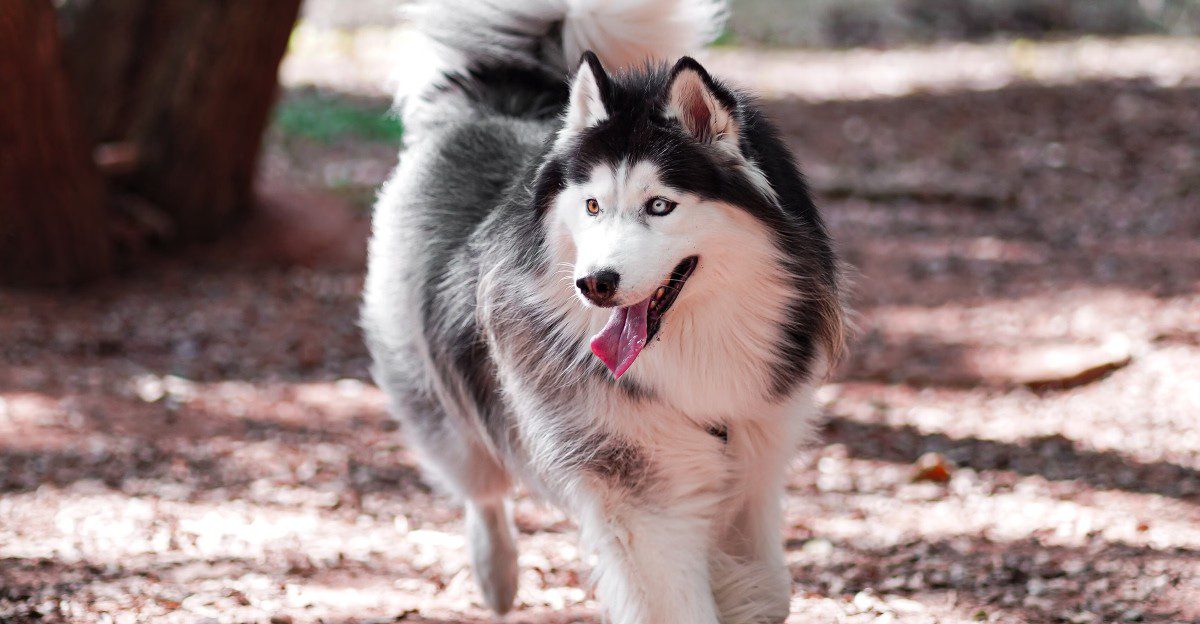
A dog can love every person it meets and still chase the neighbor’s cat like its life depends on it. Many owners think a sweet, social dog will also be safe around small pets, but those are two very different traits.
Friendliness is about how a dog feels toward people and other dogs, while prey drive is an old hunting instinct. Knowing the difference can protect your cat, your rabbit, and even your own peace of mind.
Siberian Husky: Party Animal With a Hunter’s Heart
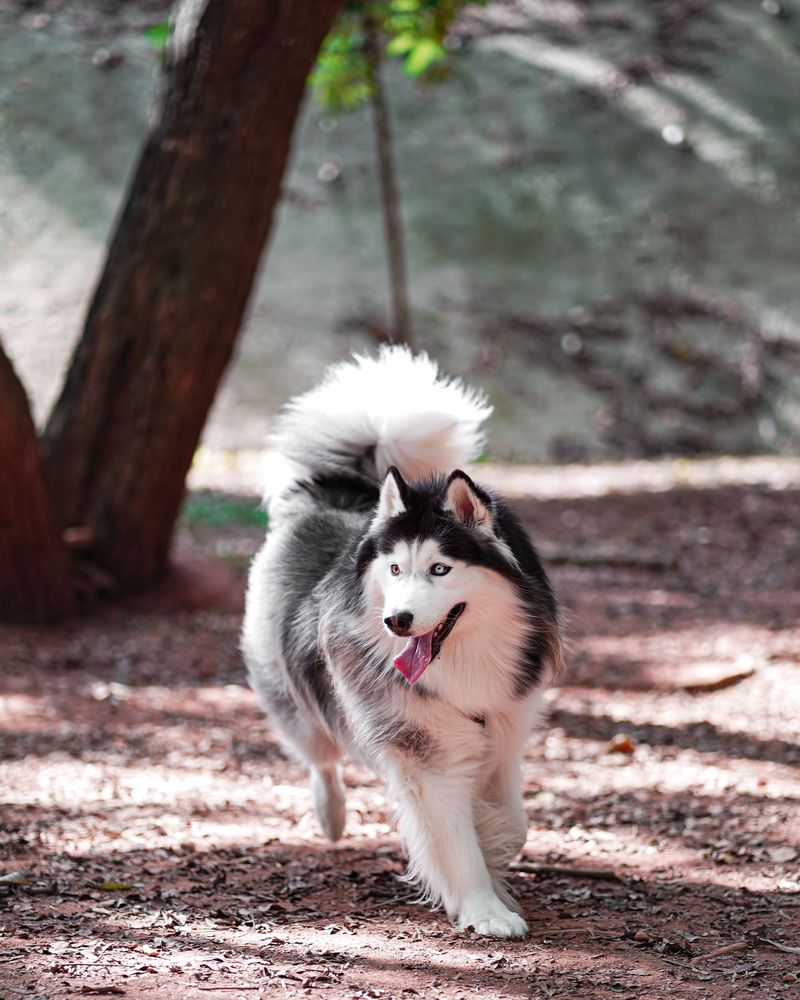
Ask any Husky owner and you will hear the same story. Their dog greets strangers like long-lost friends, then bolts after a rabbit without a second thought.
Huskies were bred by the Chukchi people to pull sleds and sometimes hunt for food on their own. That independent streak still runs deep.
Keep cats and small critters separated, use secure fencing, and never trust off-leash recall, no matter how sweet your Husky seems.
Beagle: Happy Tail, Busy Nose
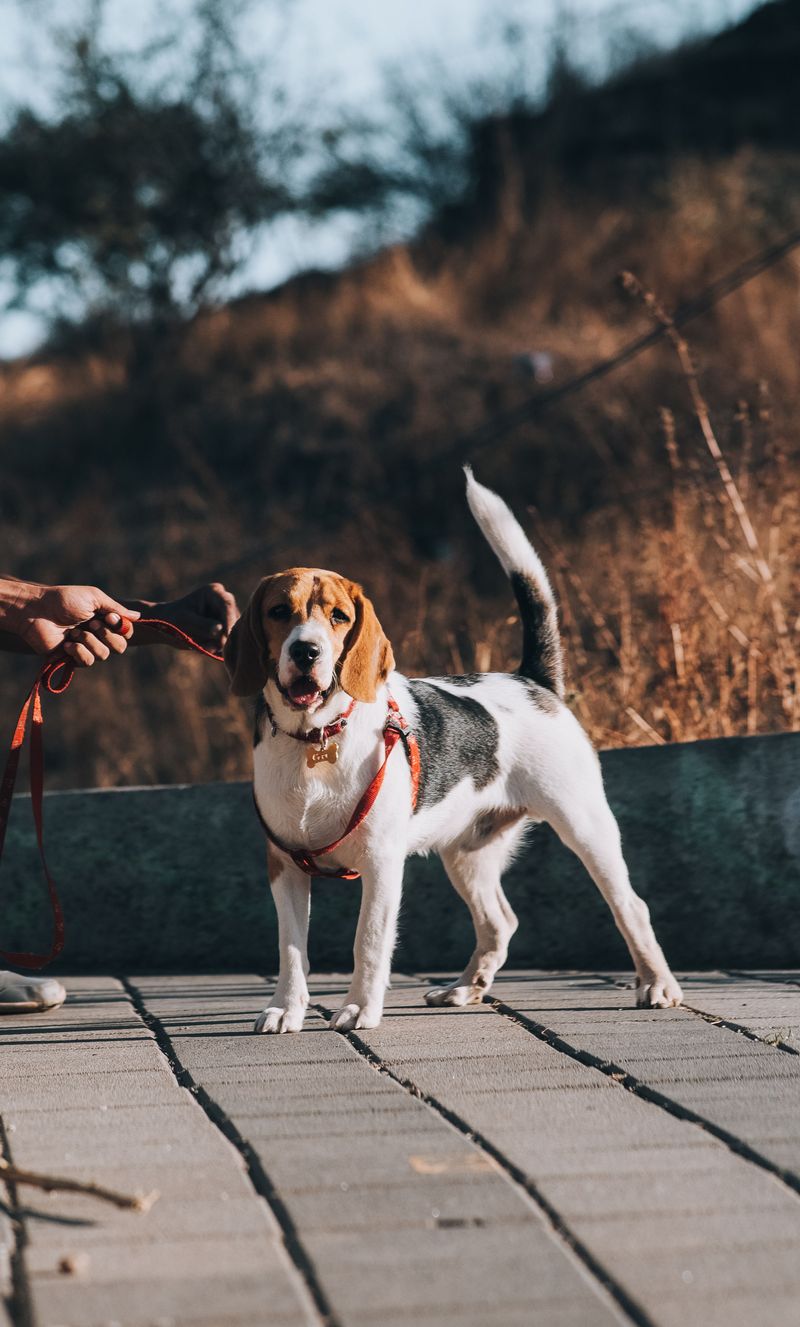
Few dogs wag at kids, mail carriers, and other dogs quite like a Beagle. That cheerful attitude fools plenty of families into thinking hunting instincts are long gone.
They are not. Beagles were built to track hares for hours, and one whiff can switch off their listening ears completely.
Try scent games, snuffle mats, and long training leads. Giving that nose a job makes daily life calmer for everyone.
Greyhound: Couch Potato Until Something Runs
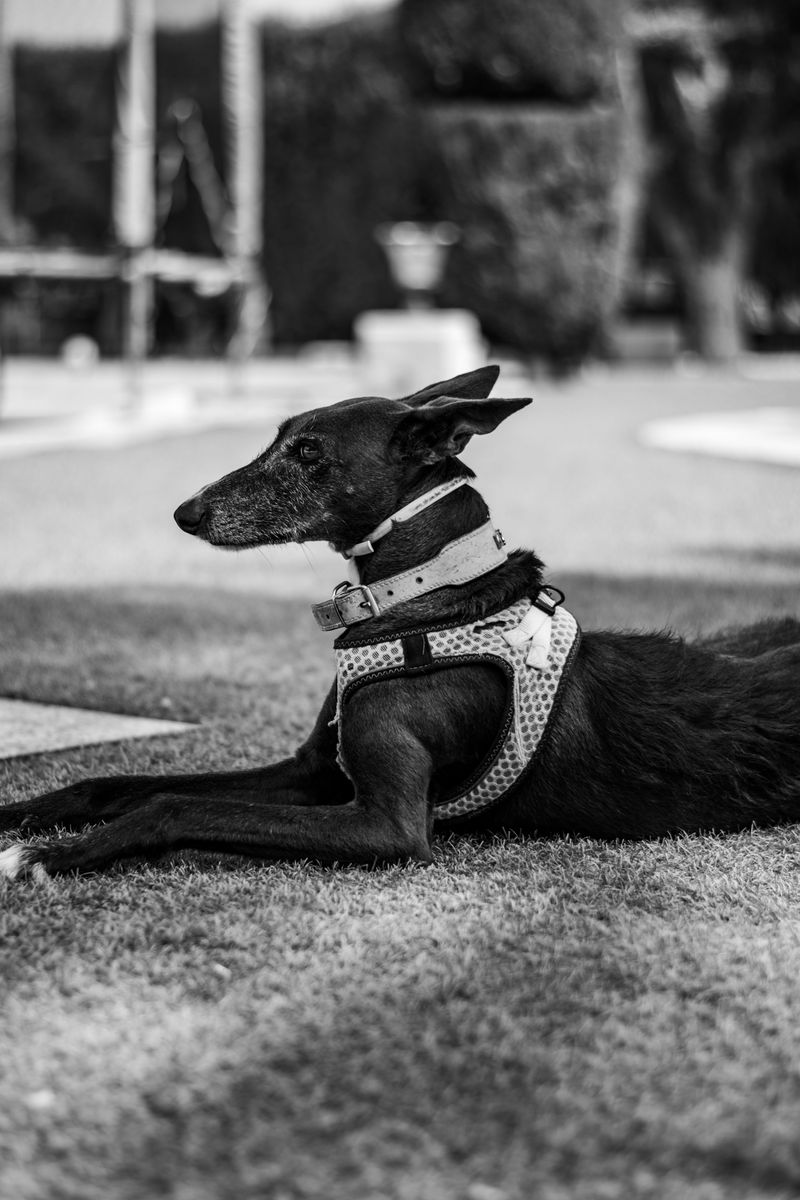
Picture a forty-five mile per hour dog that spends most days snoring on the sofa. Greyhounds are famously mellow, polite, and loving with their humans.
Still, they hunt by sight. A small animal darting across a yard can trigger a sprint before you blink.
Many rescue groups test retired racers for cat safety, so ask about it before adopting. A basket muzzle during early introductions is a smart, kind safety step.
Whippet: Velvet Cuddler, Lightning Chaser
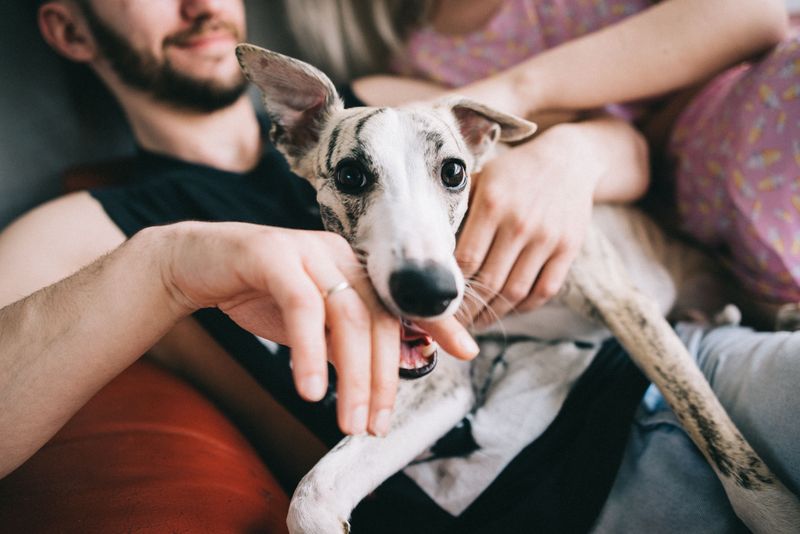
Whippets are sometimes called the poor man’s racehorse, a nickname from English mill towns where workers raced them for fun on weekends.
At home, they are soft, quiet snugglers who adore blankets and laps. Outside, that gentle face hides a fierce chasing reflex.
Lure coursing is a fantastic outlet. It lets your Whippet run full speed after a plastic bag on a line, which beats chasing the neighbor’s chickens.
Jack Russell Terrier: Tiny Body, Giant Mission
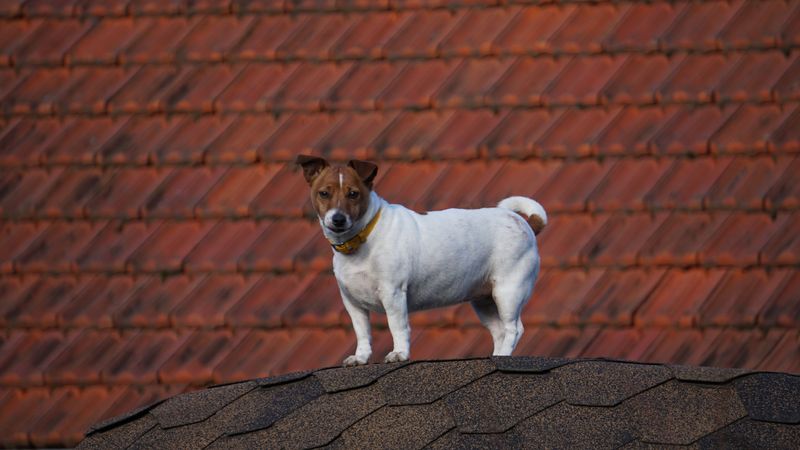
Here is a fun fact. The breed is named after Reverend John Russell, an English parson who loved fox hunting in the 1800s.
Jacks are bouncy, clever, and quick to make friends with people. Yet hamsters, rats, and even squirrels look like a personal assignment to them.
Keep caged pets in a closed room. Puzzle toys, flirt poles, and earthdog trials help burn off that relentless terrier energy safely.
German Shorthaired Pointer: Everybody’s Buddy, Bird’s Nightmare
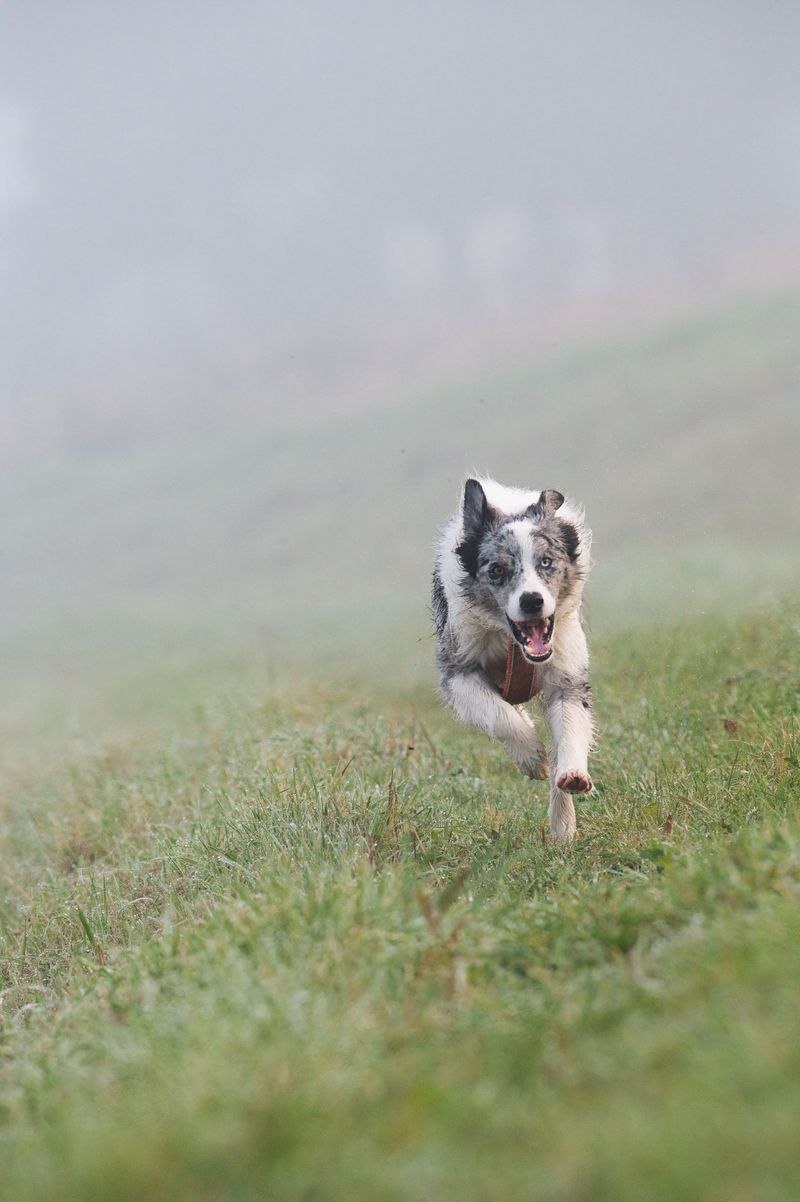
Watch a GSP freeze mid-step, one paw lifted, nose aimed at a bush. That classic point shows a hunting brain working perfectly.
These dogs are goofy, affectionate, and usually wonderful with visitors. Birds, cats, and backyard bunnies are another matter entirely.
Daily running and bird-dog training channel the urge well. Without those outlets, a bored Pointer may invent its own hunting games, and your pet chickens will not enjoy them.
Weimaraner: The Gray Ghost Who Stalks
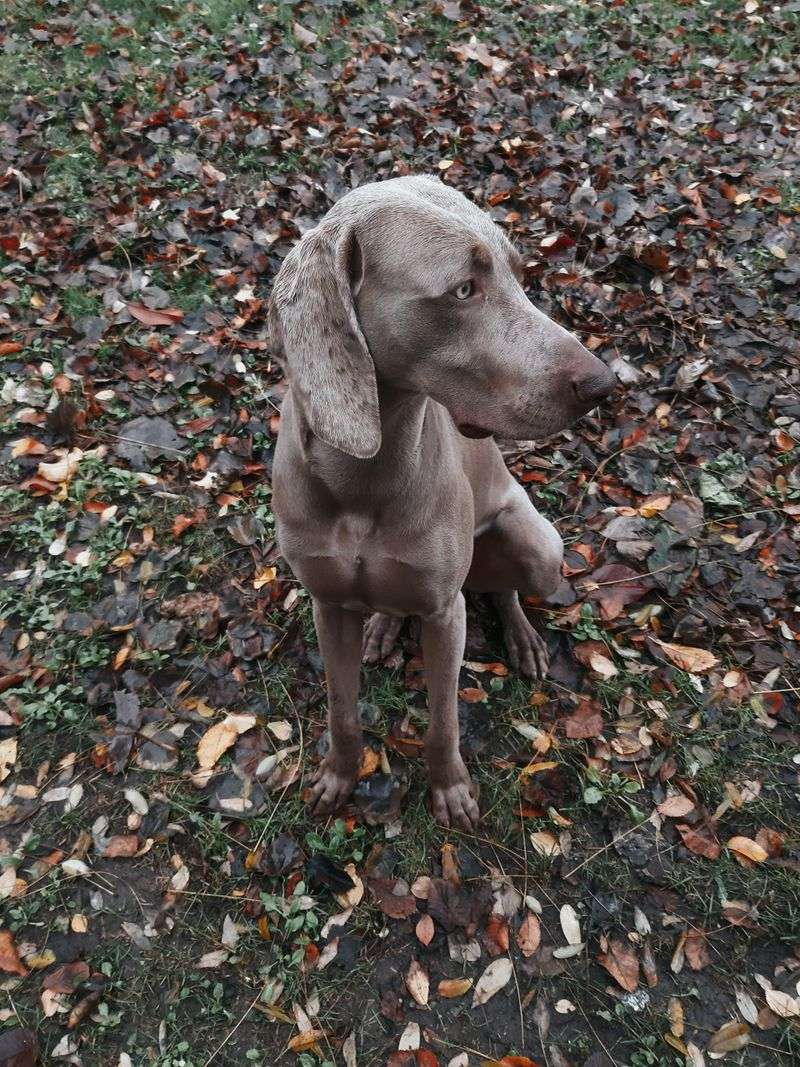
Nicknamed the Gray Ghost, the Weimaraner was developed by German nobles to hunt big game like deer and boar.
Today, many act like velcro dogs, following owners from room to room and leaning into every hug. That clingy sweetness does not cancel their stalking skills.
Plenty of Weims never accept cats. Start introductions young, supervise closely, and give them hard exercise so the hunter inside stays satisfied rather than restless.
Brittany: Sunshine on Four Legs, Nose on Patrol
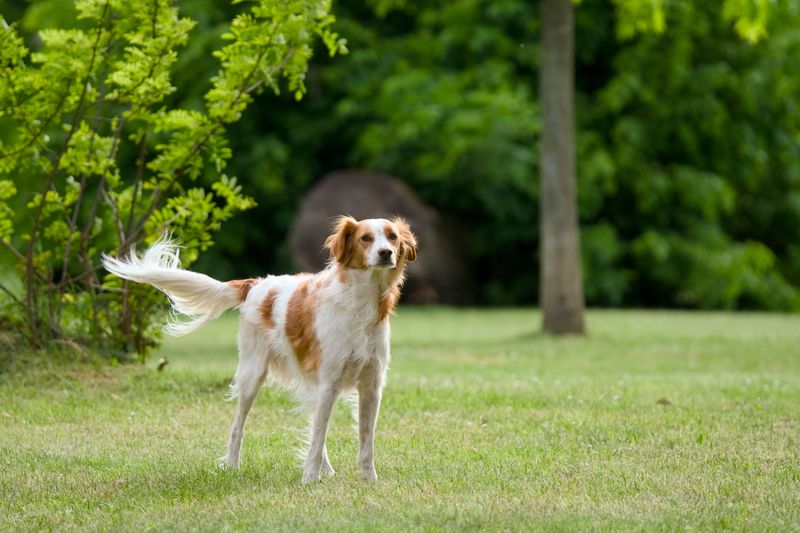
Bright, bubbly, and eager to please, the Brittany often wins hearts at the dog park within minutes.
Underneath that charm sits a skilled bird dog from the French region of Brittany. Hunters prized it for finding and pointing quail, pheasant, and woodcock.
Owners of pet birds should take care. Teach a solid leave it command, keep feathered friends secure, and reward calm behavior whenever your Brittany ignores tempting fluttering things.
Dachshund: Snuggly Sausage, Fearless Badger Hunter
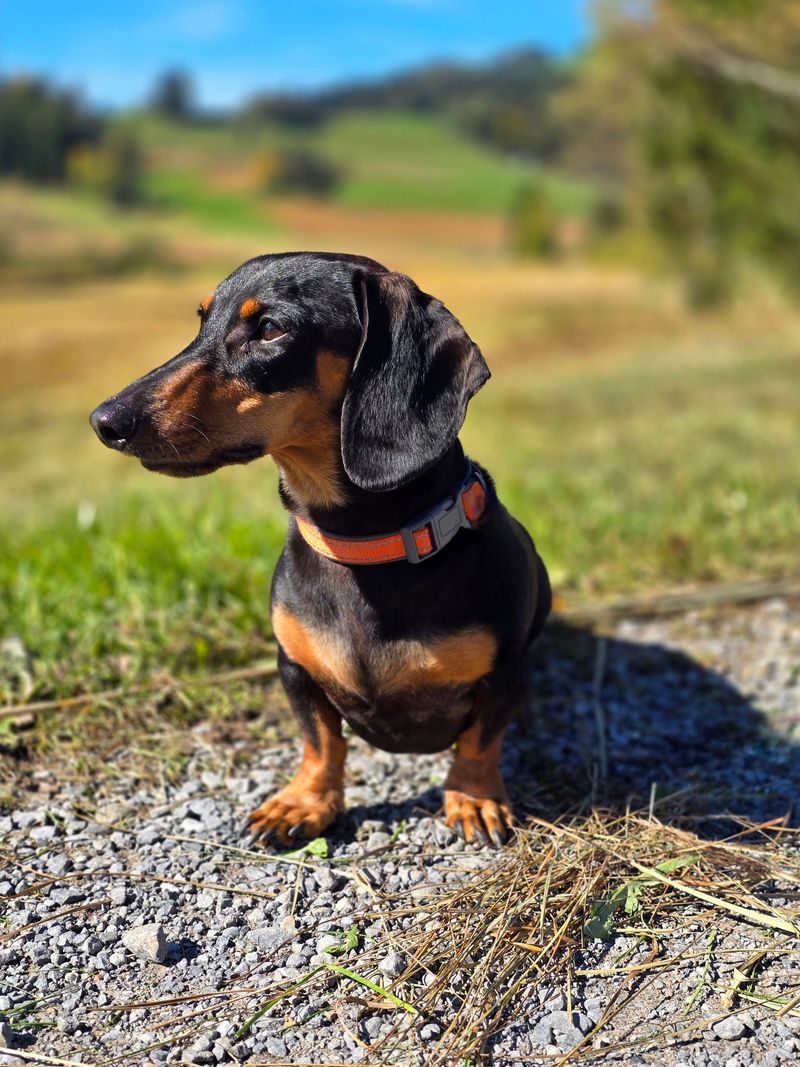
Did you know the name Dachshund means badger dog in German? Those short legs were designed for squeezing into tunnels after tough prey.
Most Doxies love curling up under blankets with their favorite people. Even so, they may chase, dig after, and bark at anything small that scurries.
Fill the backyard holes and watch for gerbils. A digging box filled with sand gives your little hunter a happy, harmless outlet.
Rhodesian Ridgeback: Loyal Lion Dog With Instincts Intact
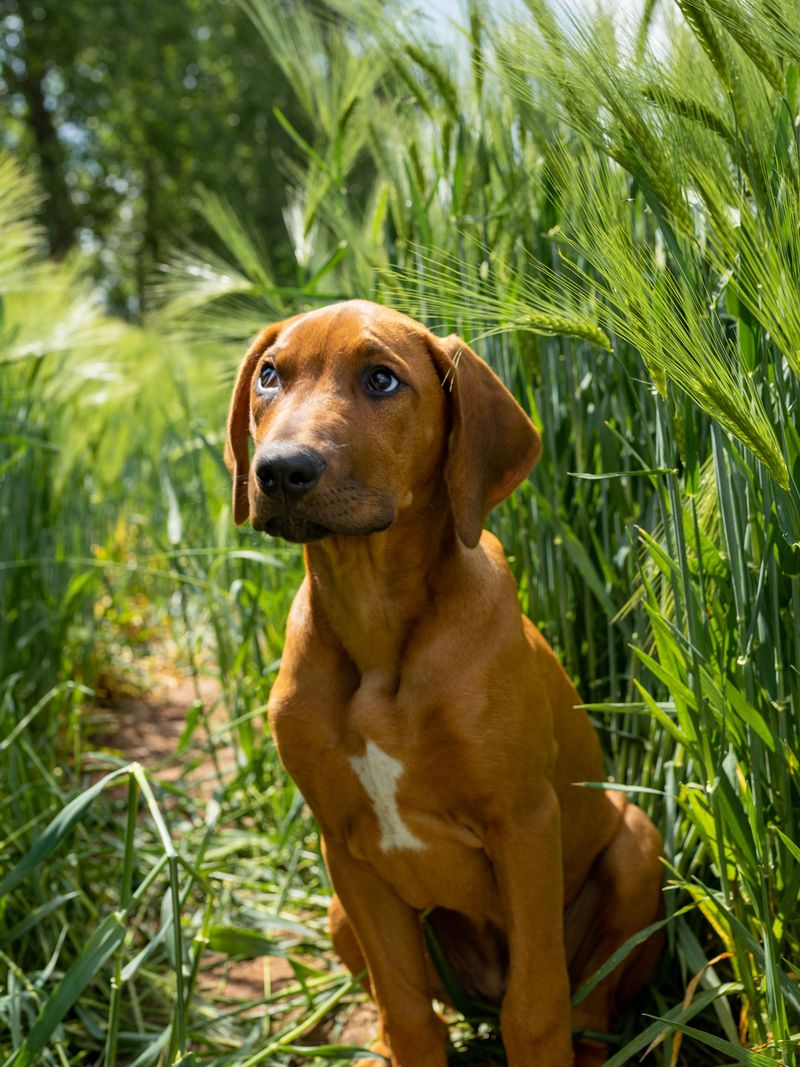
Bred in southern Africa to track lions and hold them at bay, the Ridgeback carries serious hunting history in its bones.
With family, these dogs are devoted, dignified, and surprisingly silly. Strangers may get a polite nod, while a dashing cat gets full attention.
Early socialization with small pets helps, but it is never a guarantee. Strong leash manners and patient, reward-based training keep this powerful athlete safe and well behaved.