
Some dogs light up the moment another pup walks into the room, while others would rather enjoy their own company. Knowing which type of dog you have can help you decide whether adding a second furry friend is a smart move.
A lonely social dog may get bored or anxious, but an independent dog might feel stressed by a new roommate. Here are ten breeds that usually love a buddy, plus three that often prefer flying solo.
Beagle: The Pack Player
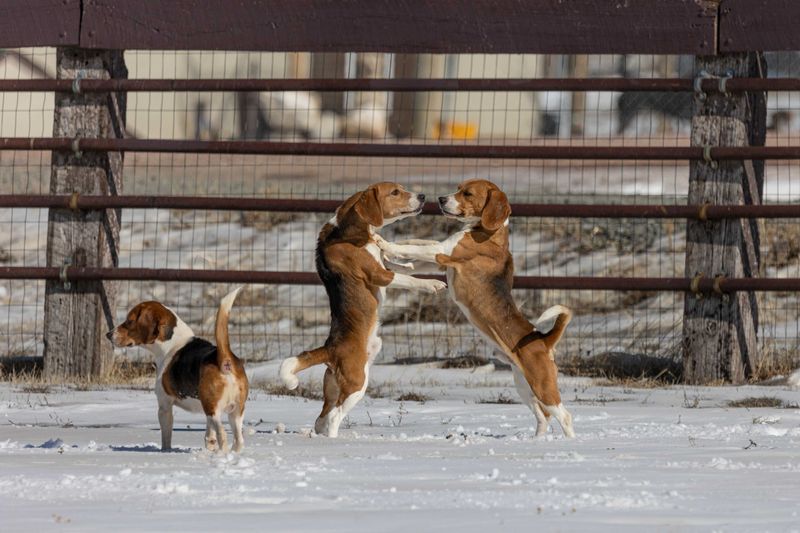
Picture a Beagle howling at the window because nobody is home. Bred to hunt rabbits in large packs, these little hounds were never meant to spend long days alone.
A second dog gives a Beagle someone to sniff, chase, and nap beside. Many owners notice less barking and chewing once a buddy arrives.
Tip: pick a playmate with similar energy so your Beagle does not wear out a calmer pup.
Siberian Husky: Happiest in a Team
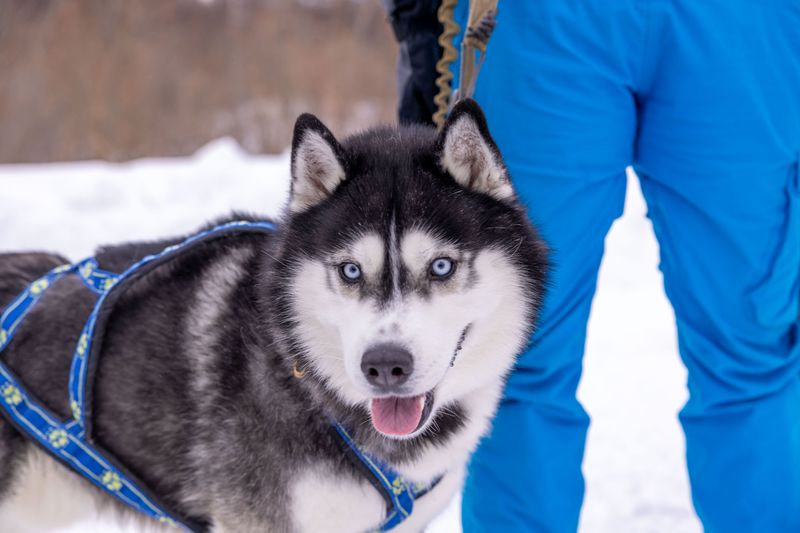
Sled teams in Siberia worked as a crew, and modern Huskies still carry that team spirit. Leave one alone too long and you might come home to a dug-up yard or a talkative, dramatic howl.
A canine pal helps burn off their huge energy through wrestling and zoomies. Still, a friend is not a replacement for exercise.
Plan on daily runs, hikes, or games, and choose a sturdy, playful partner.
Golden Retriever: Friend to Everyone
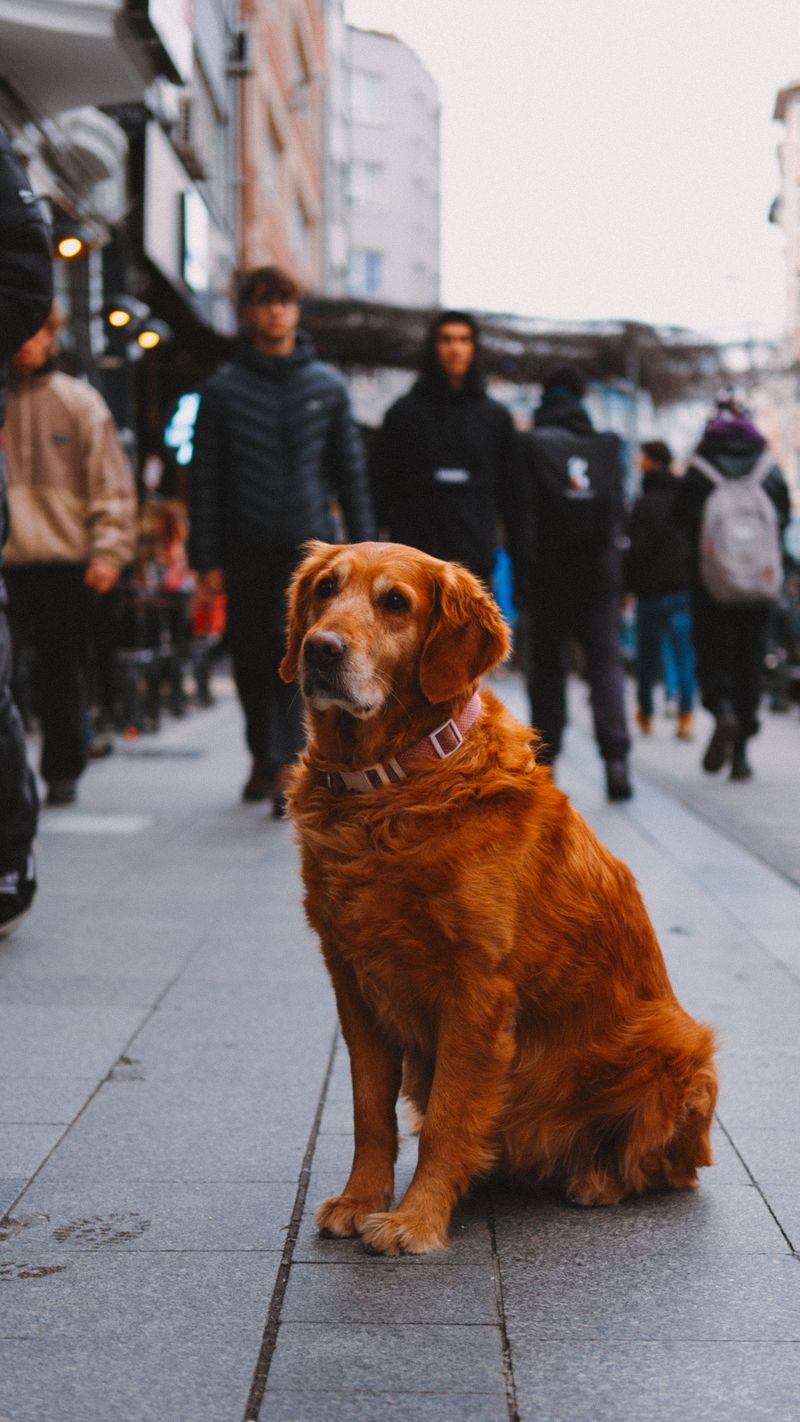
Honestly, it is hard to find a creature a Golden will not try to befriend. Mail carriers, cats, and squirrels all get the same hopeful tail wag.
Because they crave connection, Goldens often bloom when another dog shares the house. They teach puppies manners with patience and rarely start fights.
Fun fact: the breed began in Scotland in the 1800s, created by Lord Tweedmouth to fetch birds from water.
Labrador Retriever: Always Up for Fun
Did you know? Despite the name, Labs actually come from Newfoundland, where they helped fishermen haul nets.
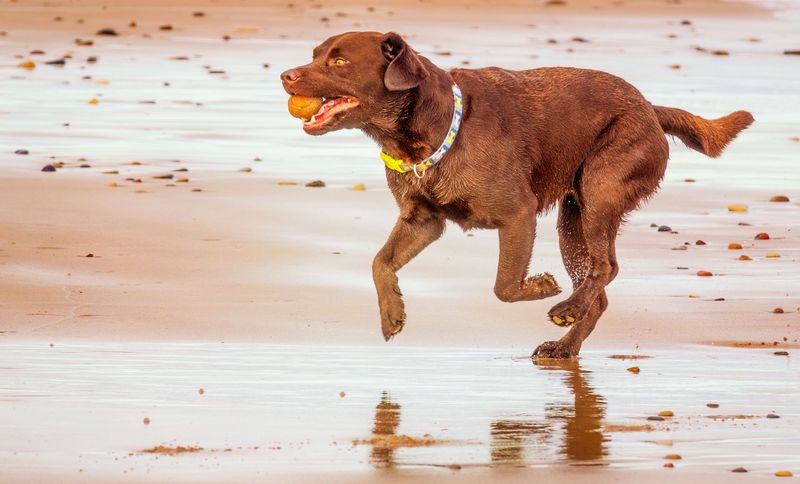
Hardworking roots gave them a cheerful, outgoing spirit that thrives on activity. A doggy sibling means endless games of tug, fetch, and splashing through puddles.
Labs can be bouncy, though, so watch playtime with smaller or older dogs. Short training sessions together can help both pups learn calm habits.
Basset Hound: Couch Buddy Supreme
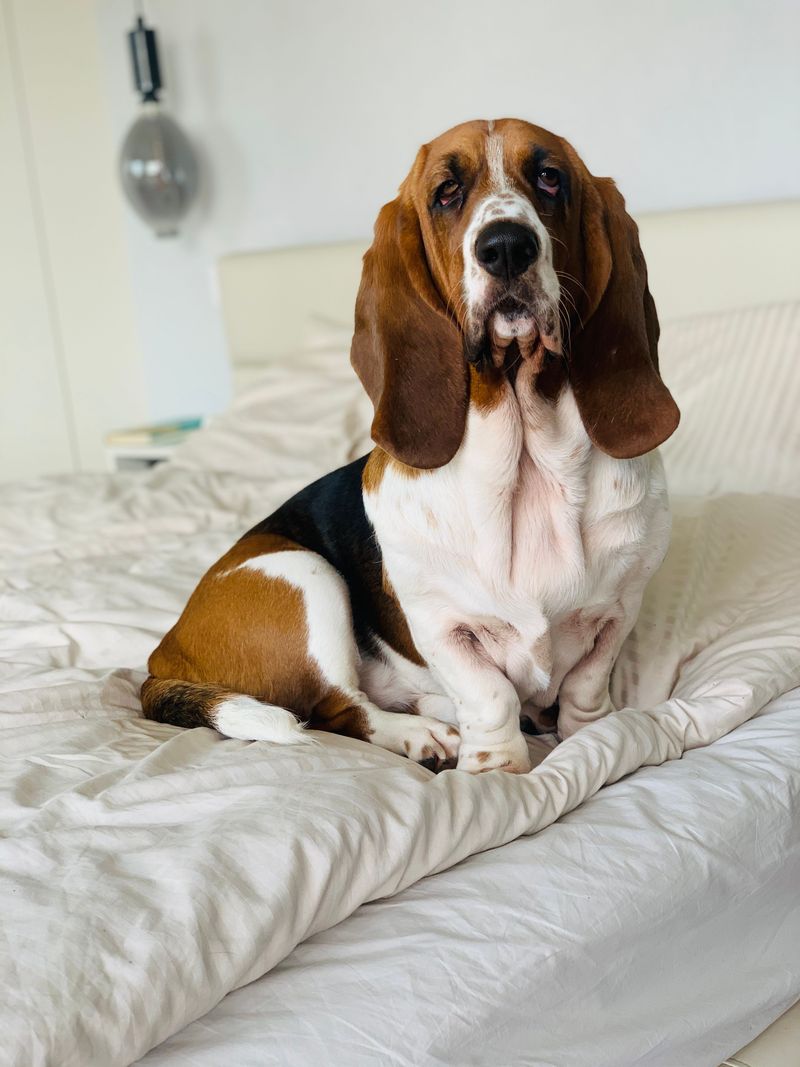
Those droopy eyes are not just for show. A lonely Basset can look truly heartbroken, and it may let the whole street know with a deep, mournful bay.
Originally bred in France to trail scents in groups, Bassets enjoy steady company. A mellow companion fits them best, since they prefer slow sniffing walks over wild sprints.
Two Bassets snoring together on the sofa might be the coziest sight around.
English Foxhound: Built for the Crowd
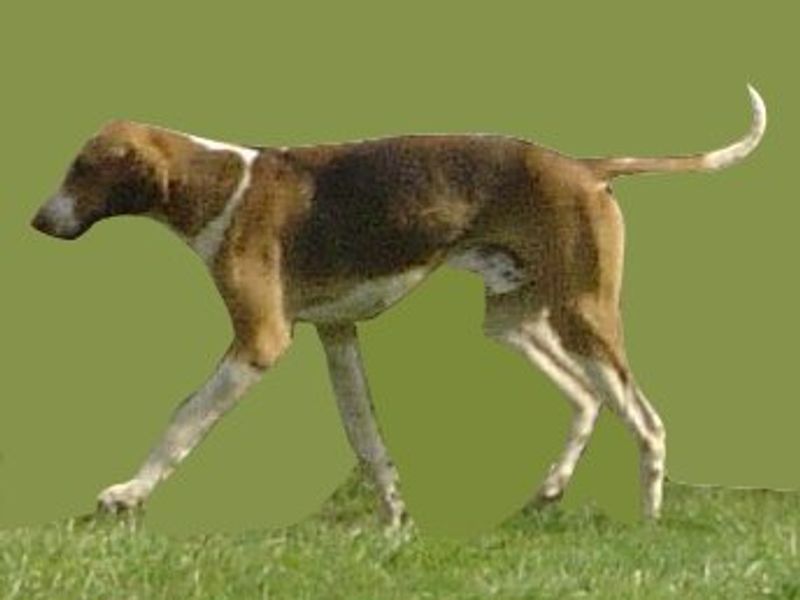
For centuries, English Foxhounds lived in packs of dozens, eating, sleeping, and running as a group. Being an only dog can feel strange to them.
These athletic hounds need lots of room and another dog to keep them busy. Without that, boredom can turn into escaping, digging, or nonstop baying.
They suit country homes with big fenced yards better than apartments. A fellow hound makes an excellent match.
Cavalier King Charles Spaniel: Royal Snuggler
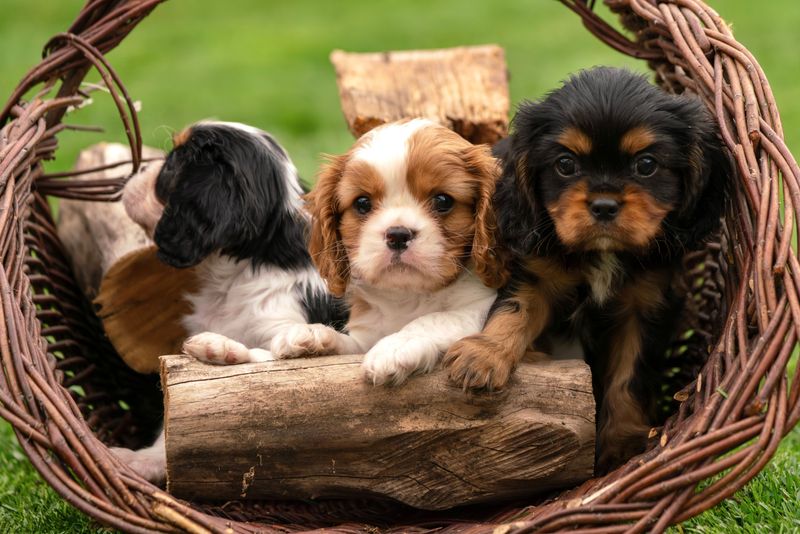
King Charles II reportedly loved these spaniels so much that he rarely went anywhere without several at his side. That love of togetherness still runs strong.
Cavaliers often struggle with separation anxiety, so a second dog can ease long, quiet afternoons. Their sweet, peacekeeping manner helps them get along with almost any breed.
Keep up with vet visits, since heart issues are common in the breed.
Pug: Small Clown, Big Heart
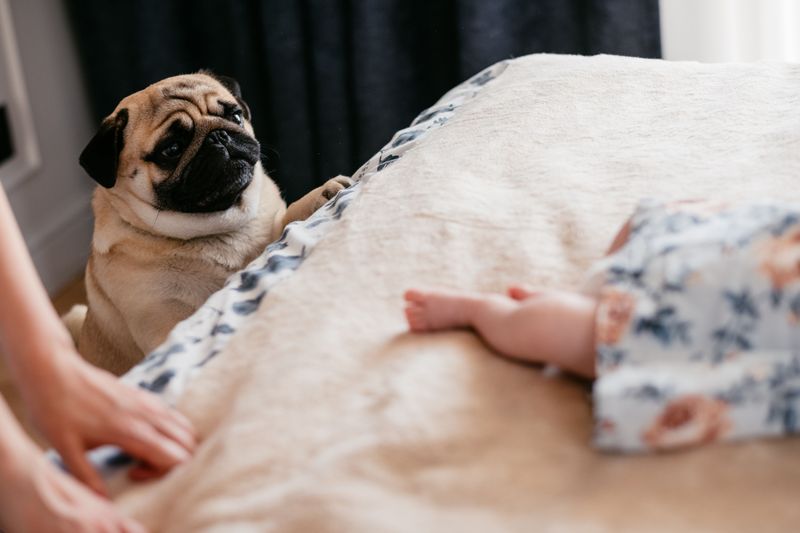
Snorts, wiggles, and goofy grins make Pugs born entertainers, and every comedian needs an audience. Another dog fills that role nicely when humans are busy.
Pugs were treasured lap dogs of Chinese emperors, so they expect constant company. A fellow small, relaxed breed pairs well with them.
Since their flat faces make breathing harder, keep play short in hot weather. Cool indoor games work great for two Pugs.
Cocker Spaniel: Merry and Social
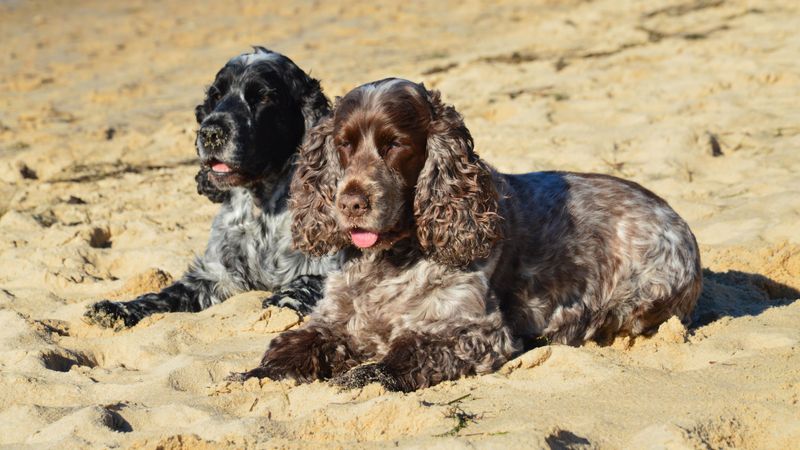
Watch a Cocker Spaniel wag its whole back end and you will see pure joy in motion. These dogs were bred to work beside hunters and other dogs.
Sharing a home with a pal keeps a Cocker cheerful and less likely to whine when you leave. They enjoy gentle chase games and sniff walks together.
Those long ears need weekly cleaning, so build grooming into your routine for both dogs.
Havanese: Cuba’s Velcro Dog
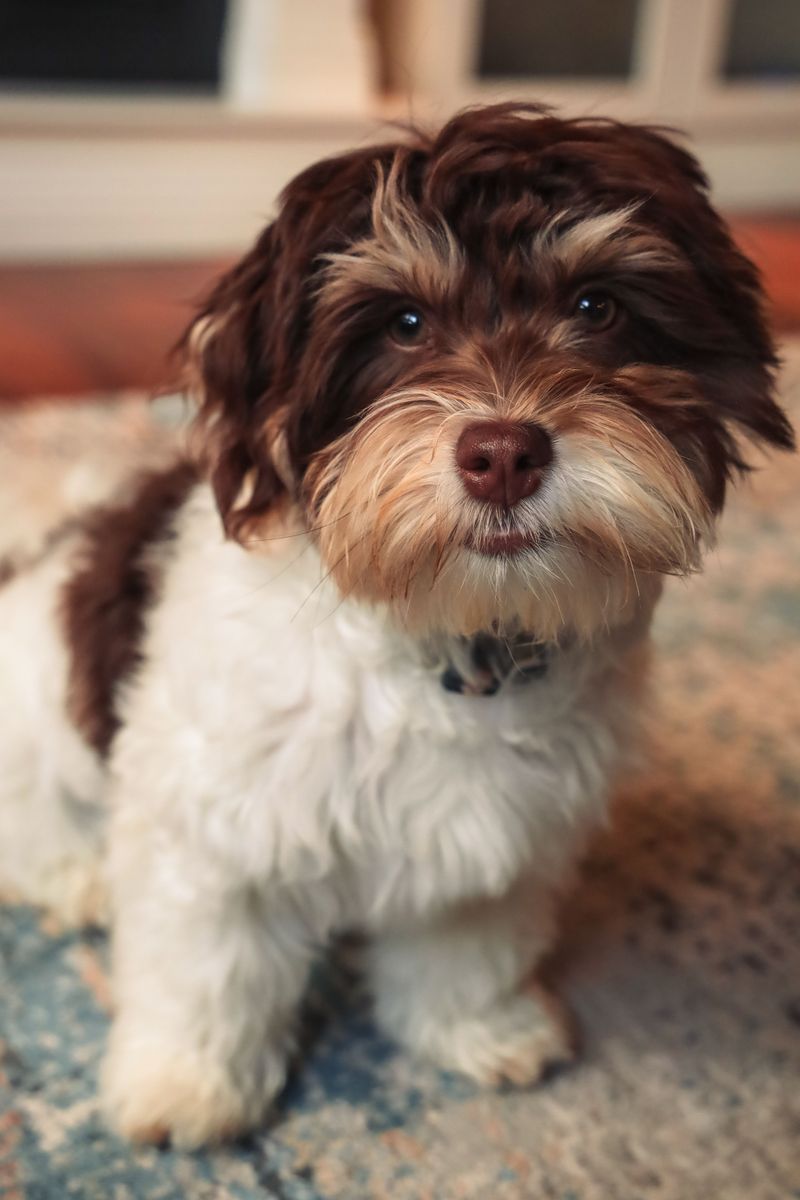
Nicknamed the Velcro dog, the Havanese sticks close to anyone it loves. As the national dog of Cuba, it once kept wealthy families company all day long.
Hours alone can make these fluffballs anxious and noisy. A second small dog gives them a constant buddy for silly games and cuddles.
Their soft coats tangle easily, so brushing a few times a week keeps both pups looking neat.
Akita: The Loyal Loner
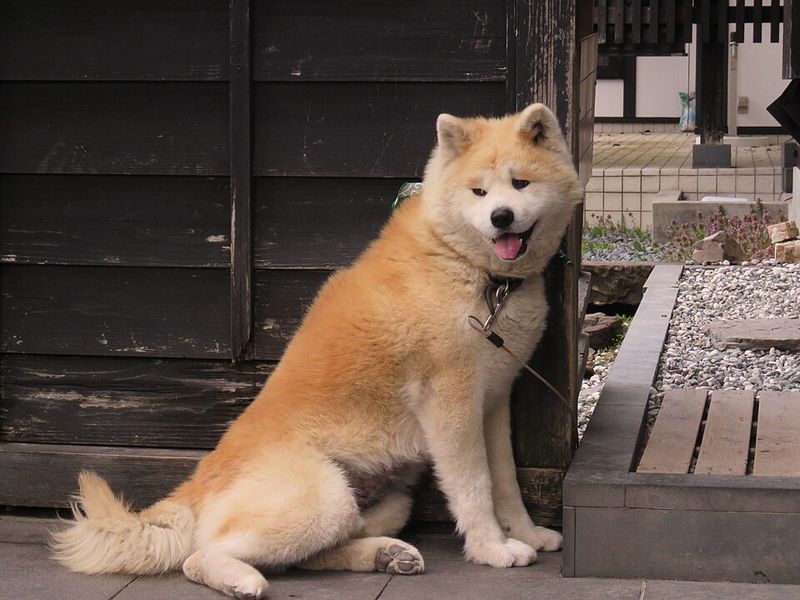
Hachiko, the famous Akita, waited at a Tokyo train station for his owner for nearly ten years. That story shows where this breed’s devotion lies: with people, not other dogs.
Many Akitas, especially males, are wary of unfamiliar dogs and may not share space well. Same-sex pairs can be risky.
If you own one, focus on early socialization, firm training, and plenty of one-on-one time.
Chow Chow: Cat in a Dog Suit
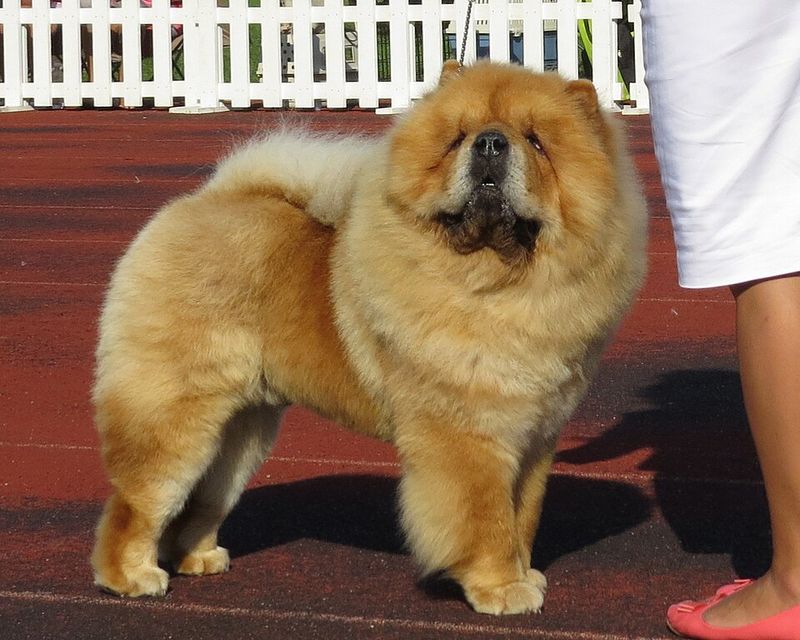
People often compare Chows to cats, and the label fits. Proud, reserved, and quietly clean, they like their own space.
This ancient Chinese breed usually bonds with one or two people and ignores everyone else, including other dogs. Forcing a new pup on a Chow can cause tension.
Bonus fact: that blue-black tongue is one of nature’s oddities. Respect their calm routine and they stay content.
Shiba Inu: Independent Spirit
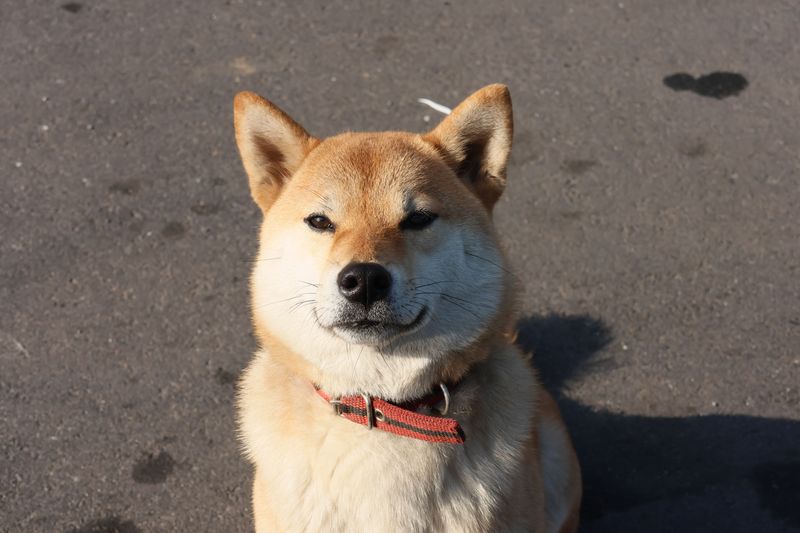
Ever heard the Shiba scream? When things do not go their way, these small Japanese dogs can let out a dramatic yell.
Shibas are bold, stubborn, and happy doing their own thing. Many guard toys and food bowls, which makes sharing a home with another dog tricky.
A Shiba often does best as an only dog. Give it puzzle toys, a secure leash, and patient training.