
Big, strong dogs can look like born protectors, but looks can be misleading. Many muscular breeds are friendly, playful, or even shy with strangers.
Understanding their real instincts helps families set fair expectations and safer routines. You might be surprised which dogs would rather cuddle, nap, or sniff than stand guard.
Great Dane
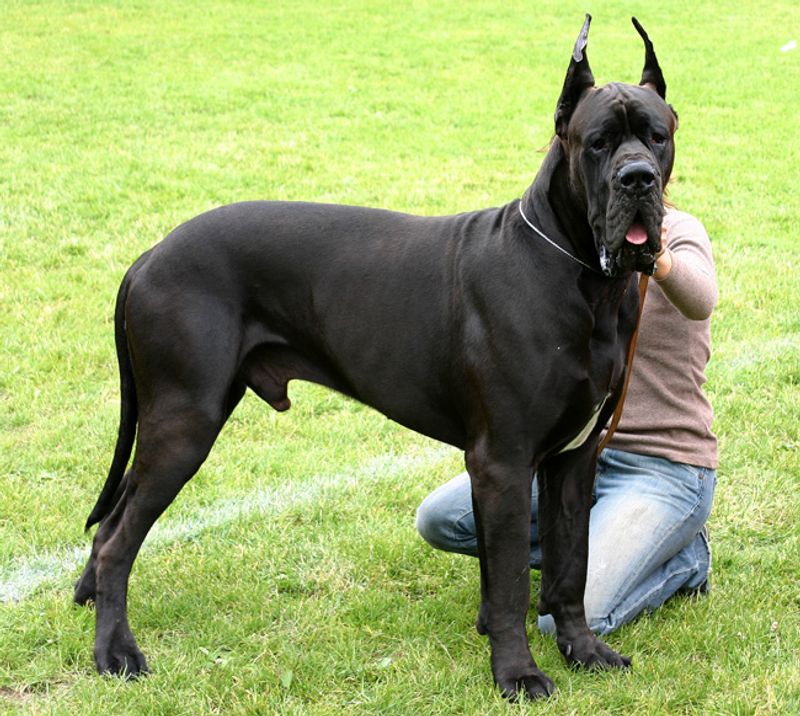
Those towering legs can look intimidating at first glance. In truth, many Great Danes act like oversized couch buddies who prefer quiet rooms and predictable routines.
They may bark once, then wander over expecting a pat, not a confrontation.
Focus training on calm greetings and solid leash skills. Short walks, soft beds, and slow introductions help them feel secure.
Fun fact, Danes once hunted boar, yet most today would rather lean on you and nap.
Boxer
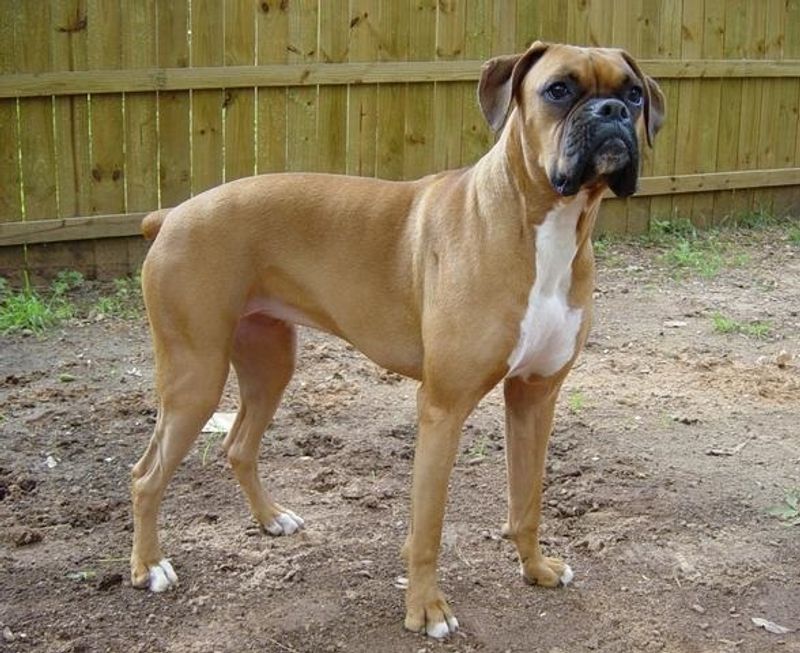
Wiggles first, worries later best describes many Boxers. Their muscular frames suggest security duty, yet that bouncy spirit usually aims at playdates and goofy zoomies.
Visitors often get a kidney bean dance instead of a warning.
Channel energy with impulse-control games, like sit-for-toys and wait-at-doors. Daily cardio, nosework, and structured fetch teach focus while keeping fun high.
A little watchdog ability appears, but socialization reminds your Boxer that guests and mail carriers are not rivals.
Siberian Husky
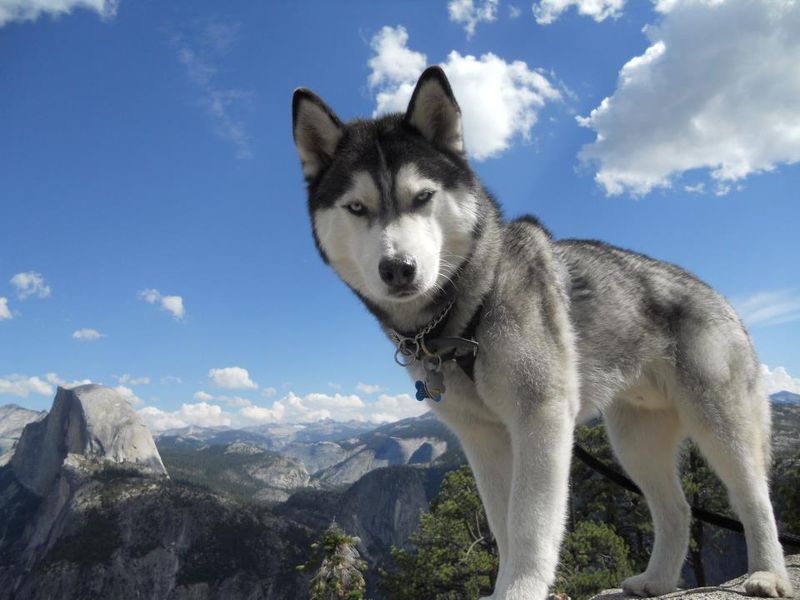
Blue eyes, wolfy coat, big presence. People expect a sentry, yet many Huskies greet strangers like potential trail buddies.
Their minds crave motion and puzzles more than guard duty, and a bored Husky might sing before it ever growls.
Give outlets like sledding practice, canicross, or brisk hikes on secure gear. Teach reliable recalls and door manners to manage that escape-artist streak.
Bred to pull loads across icy lands, they developed endurance, not guarding instincts.
Alaskan Malamute
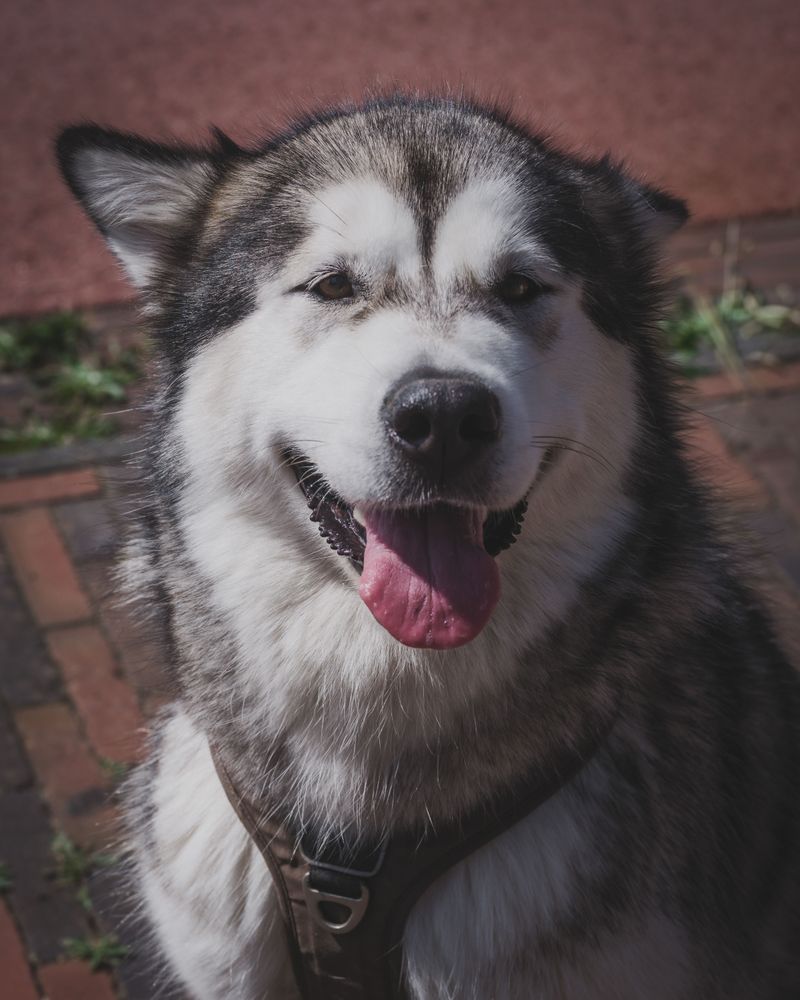
Massive paws and a plume tail look serious, yet many Malamutes are social charmers at the park. They enjoy company and may woo-woo at newcomers like old friends.
Territorial grit is usually low, while stubborn independence runs high.
Support success with clear boundaries, sturdy leashes, and brain games. Weight pulls, backpack hikes, and trails satisfy working instincts without inviting guard roles.
A routine plus social time helps Malamute greet and relax around deliveries and neighbors.
Saint Bernard
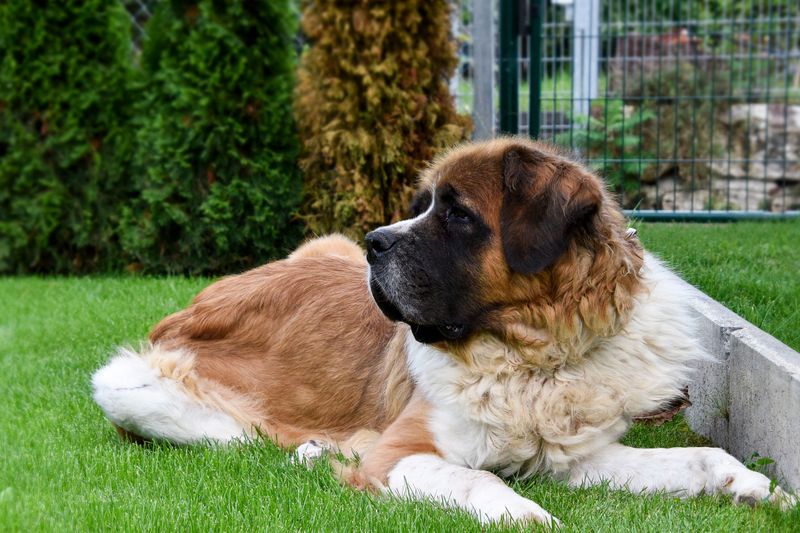
Big as a small sofa, the Saint Bernard often prefers hugs to heroics. Friendly faces usually win them over fast, and drool is more likely than a defensive display.
A calm, slow style makes many visitors feel welcome.
Keep joints happy with exercise and teach words for greeting and backing away. Short sessions, mat settling, and cooperative grooming build trust.
Their rescue past is famous, but Saints would rather supervise snacks than guard the door.
Newfoundland
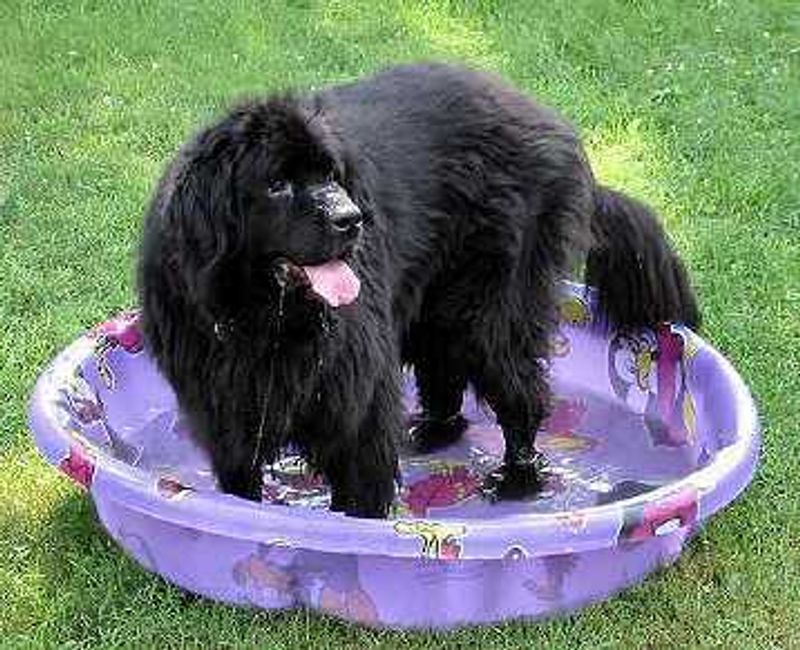
With a heart as big as its paws, the Newfoundland often chooses kindness over conflict. Neighbors might get a wag and a hug instead of a challenge.
Their protective instinct is usually about water safety, not property lines.
Support that outlook with swim sessions, cart work, and door routines. Teach a solid stay, then practice greeting guests from a mat.
Fun fact, early Newfoundlands helped fishermen, so rescuing comes naturally, while guarding mailboxes does not.
Bernese Mountain Dog
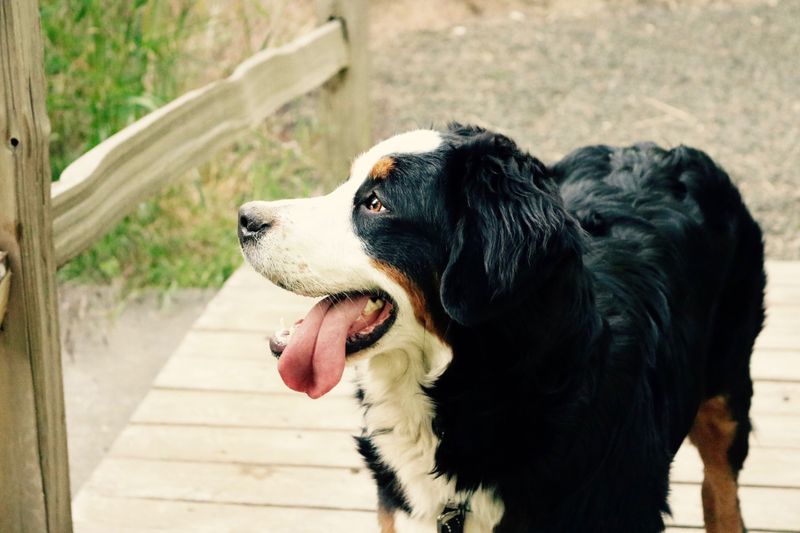
That tricolor coat and bulky frame look tough, yet many Berners melt for gentle voices. Shy moments can appear with strangers, which makes them step back rather than step up.
Affection usually beats suspicion in their big hearts.
Encourage confidence through training, field trips, and yes moments. Teach a mat, leash patience, and sniff-and-move greetings.
Origin note, they hauled carts in Swiss valleys, helping farmers, so teamwork sits deep, while guarding doorways is their priority.
Bloodhound
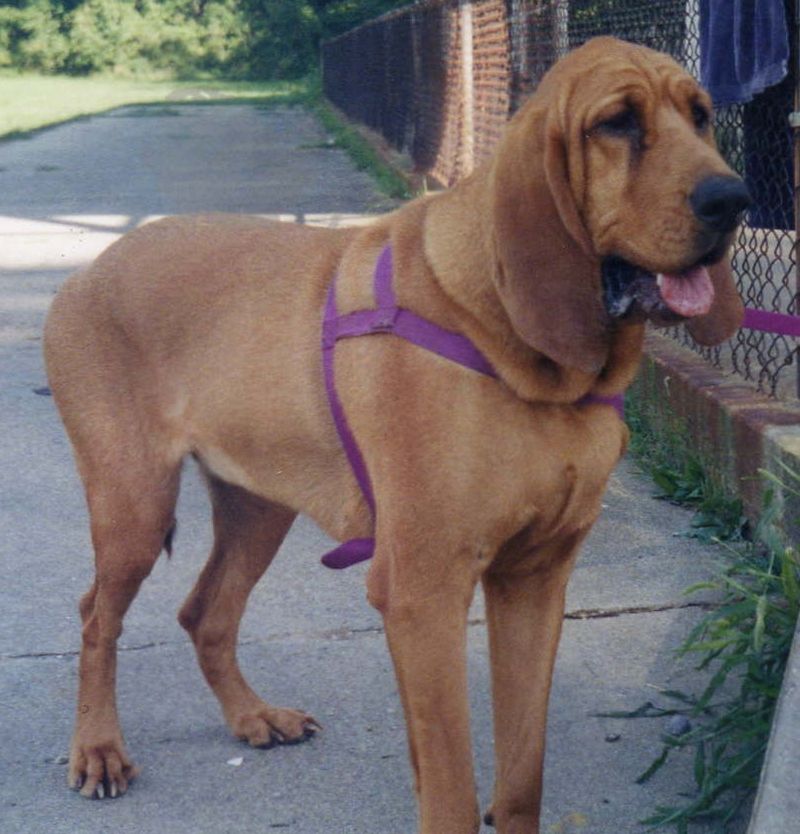
Follow that nose, not intruders, could be the Bloodhound motto. Their loose skin and deep voice seem serious, yet most are happy trailing scents and greeting folks with curiosity.
When a stranger arrives, sniffing often outranks standing guard.
Nose games, hide-and-seek, and longer walks satisfy their calling. Teach a settle, door checks, and come-when-done-sniffing to balance focus and manners.
A fact, medieval trackers prized the breed for noses, but the job never required scaring people.
Greyhound
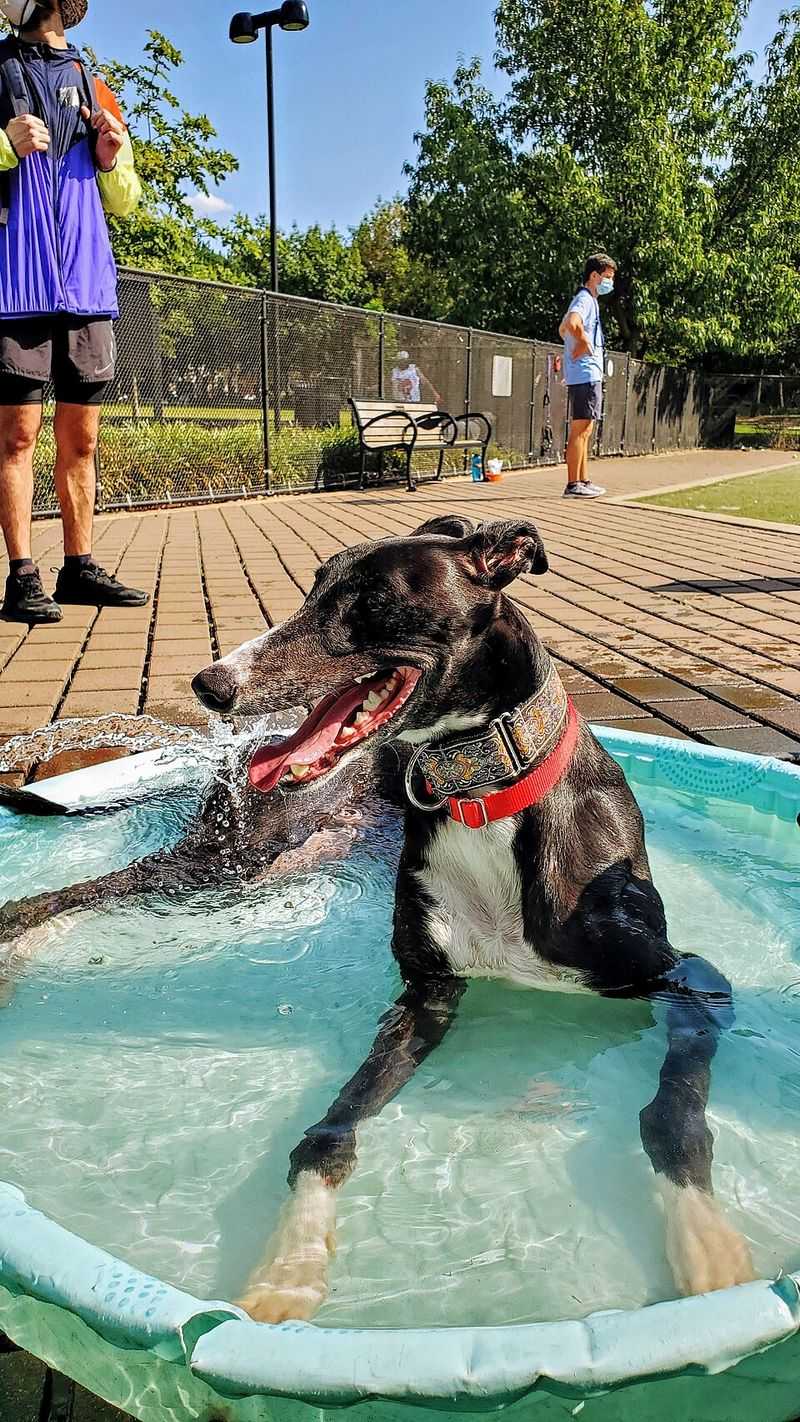
Speed like a sports car, temperament like a book club member. Many Greyhounds are quiet, gentle souls who prefer couches and sunshine patches to guard posts.
Strangers often get polite glances and a return to napping.
Support that chill vibe with soft beds, calm walks, and routines. Teach confidence with elevator practice, city noises, and meet-and-greets.
Fun note, racing built sprinting ability, but it did not create territorial behavior, so a Greyhound may watch, snooze.
American Bulldog
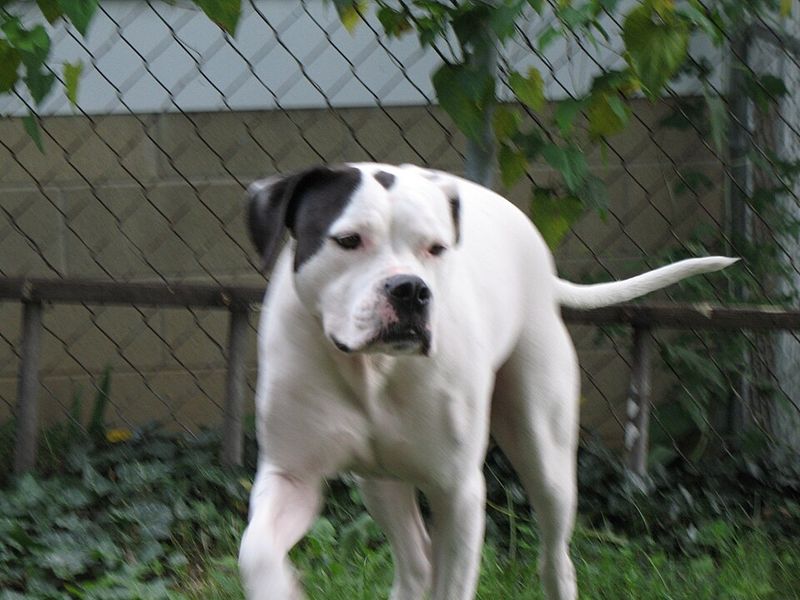
Stocky muscles can send the wrong message about the American Bulldog. Many are people focused and eager to clown around with family.
With strangers, curiosity often beats suspicion, especially when owners keep greetings relaxed.
Polish manners through reward-based training, leash skills, and door patterns. Give outlets like tug with rules, fetch, and food puzzles to burn energy without encouraging pushiness.
History whispers farm work and catch tasks, yet most Bulldogs do practicing patience and neutrality.
Labrador Retriever
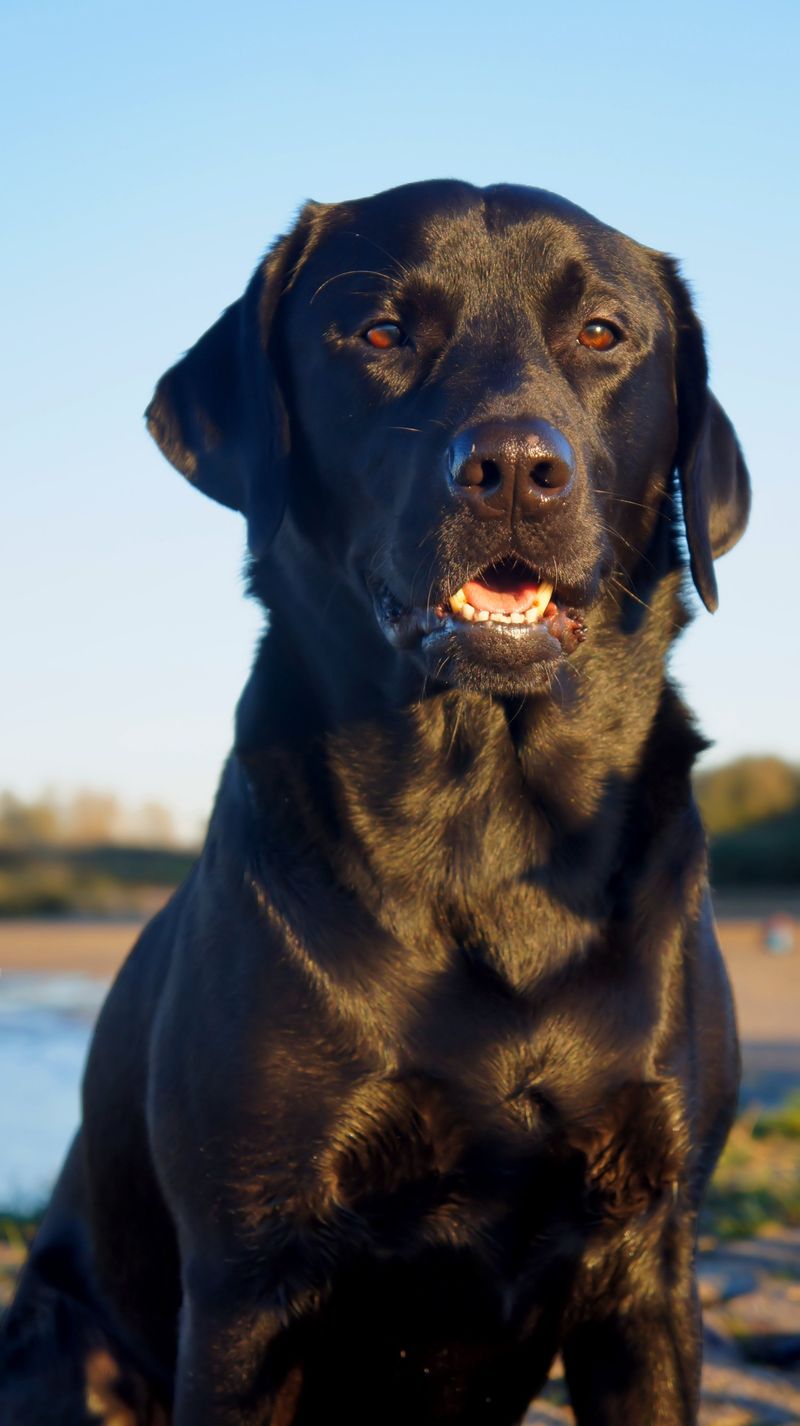
Meet the neighborhood greeter. Many Labradors wag at anyone holding a ball, a leash, or snacks.
Their friendly focus makes them poor guards but wonderful hosts, always hoping the newcomer is here to play.
Shape manners with sit-for-everything routines and drop cues. Retrieves, scent games, and swimming keep minds busy and bodies healthy.
Did you know, the breed came from Newfoundland fishing lines, then grew as a partner in field work, not as a sentry.