
Picking a dog is exciting, but falling for a cute face is the easy part. Many popular breeds are loving and loyal, yet they come with needs that do not fit every home.
When a dog’s energy, voice, or instincts clash with your daily routine, both of you can end up stressed. Knowing what to expect ahead of time helps you choose a pup that truly fits your life.
Beagle

Follow the nose, and you will find a Beagle. These merry hounds were bred to track rabbits, so a single interesting smell can send them wandering for blocks.
Their famous baying howl also surprises many apartment dwellers. Neighbors may not love it as much as you do.
A Beagle thrives with a securely fenced yard, daily sniff walks, and puzzle toys. Keep food locked away, too, because they are master counter thieves.
Dalmatian
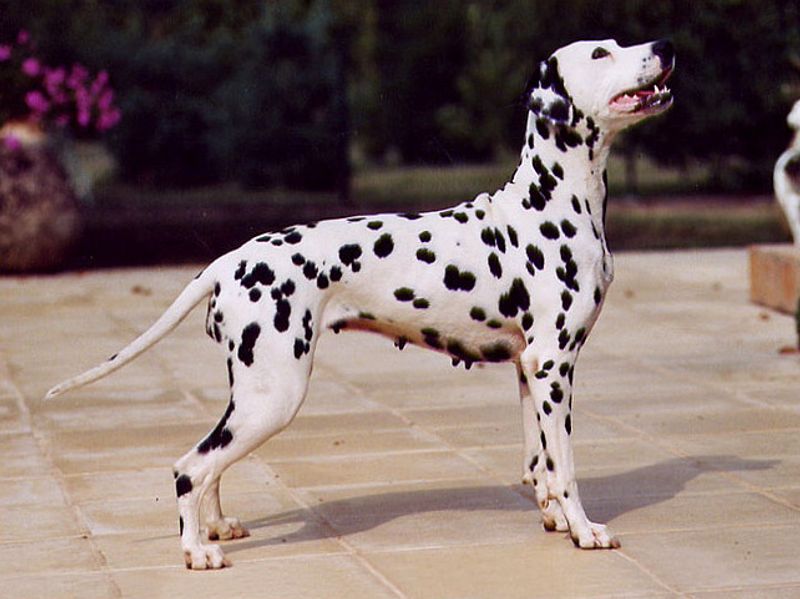
Fun fact: Dalmatians once ran beside horse-drawn fire carriages for miles. That stamina did not disappear when movies made them famous.
Plenty of families brought one home after watching a cartoon, then discovered a dog who needs long runs every single day. Bored spotted pups often dig, chew, and bounce off walls.
Shedding is another shock. Those short white hairs weave into everything, so keep a good brush and lint roller handy.
Boxer
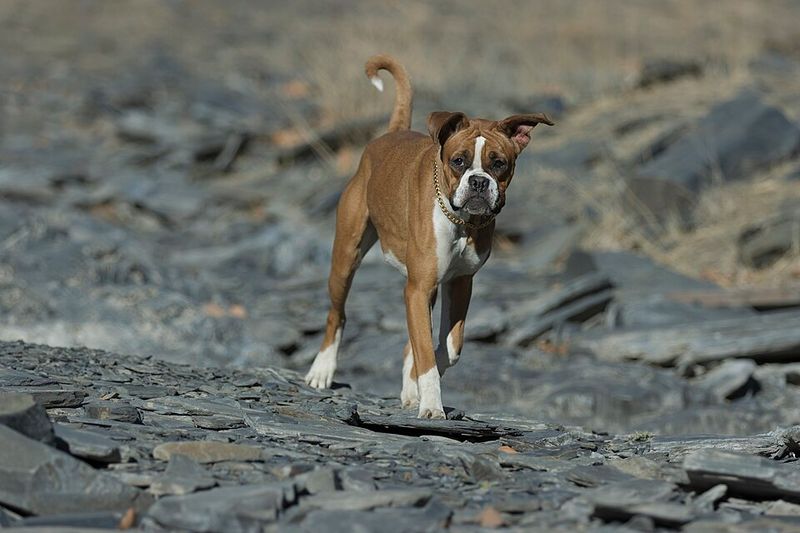
Picture a toddler with muscles, and you have a Boxer. Goofy, wiggly, and loving, they stay puppyish for years.
That bouncy joy can knock over small kids or older adults during greetings. They also hate being left alone for long workdays and may get destructive when lonely.
Early training on calm hellos makes a huge difference. Because of their short snouts, keep exercise gentle on hot days and provide plenty of water.
Dachshund
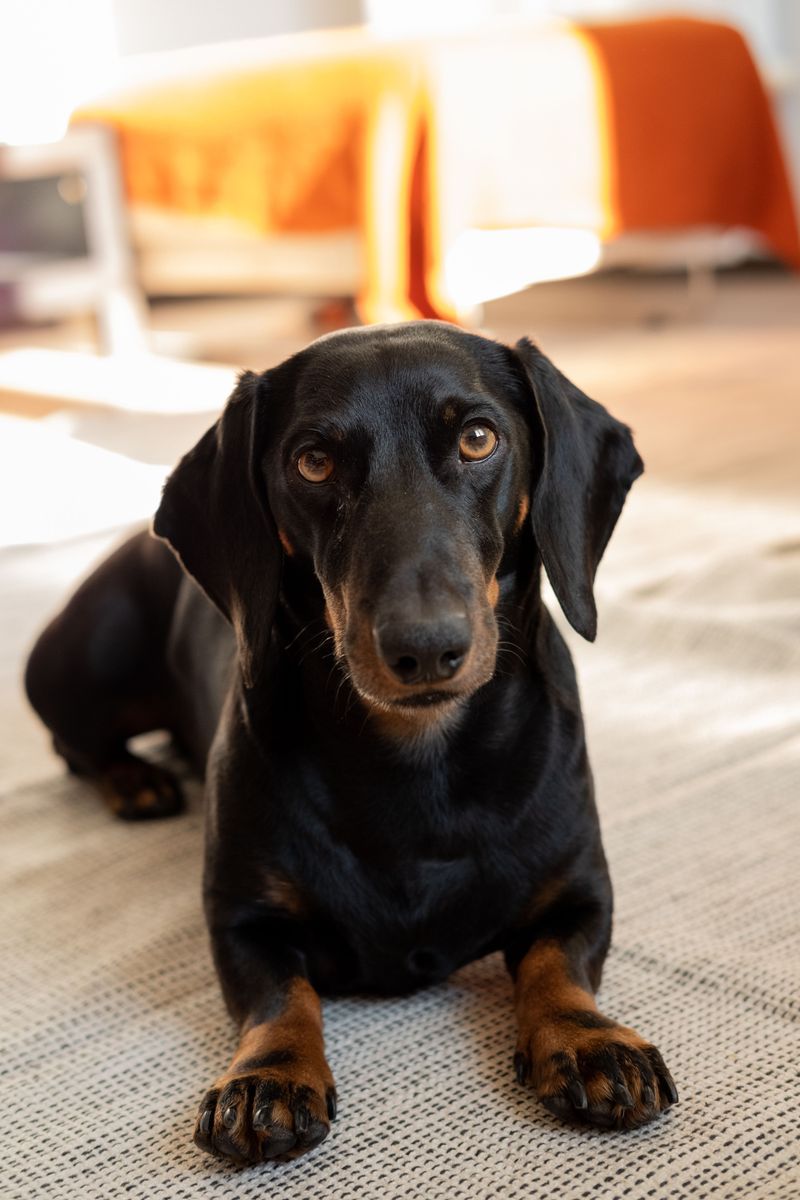
Small body, giant attitude. Dachshunds were bred in Germany to chase badgers underground, which explains their bold courage and loud bark.
Many owners expect a lazy lap dog and instead get a stubborn watchdog who announces every passing leaf. House training can take patience, too.
Their long backs need protection. Use ramps instead of letting them jump off furniture, and keep their weight healthy to avoid painful spinal problems later on.
Australian Shepherd
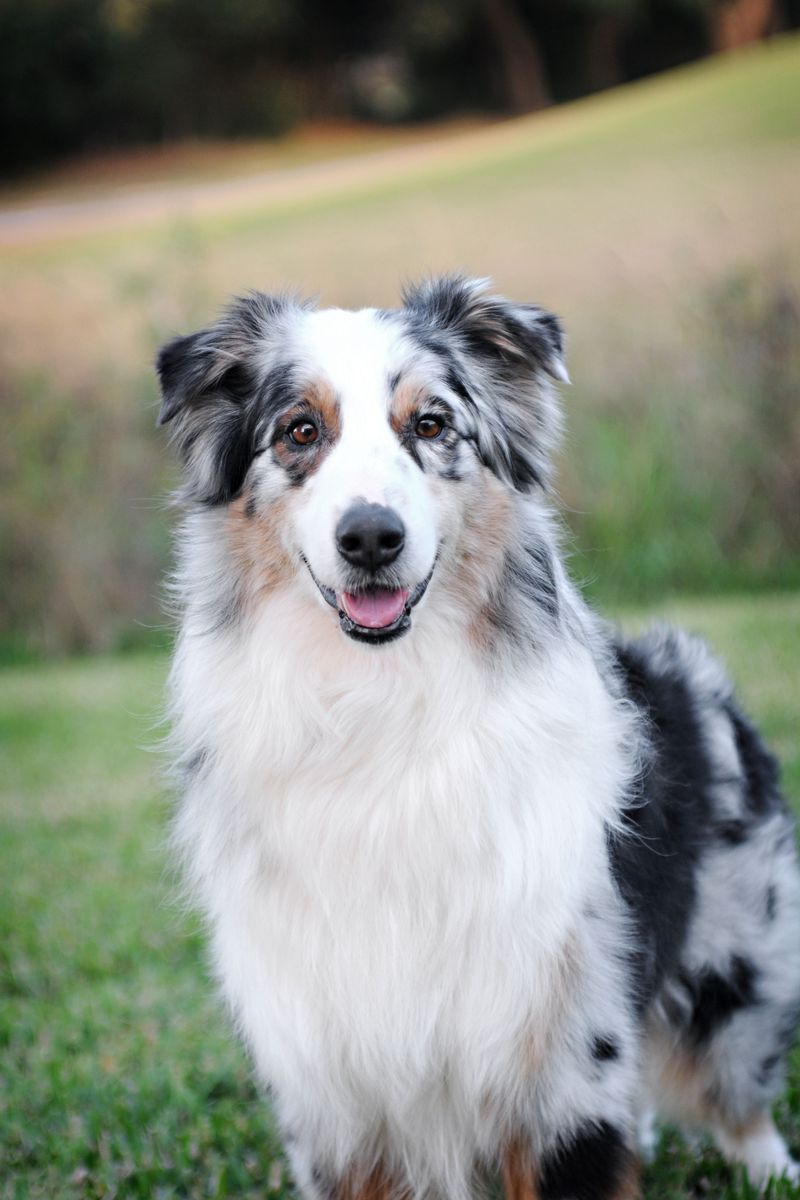
Ever seen a dog try to herd the kids at a birthday party? Meet the Australian Shepherd, a brainy worker who needs a job.
Gorgeous merle coats and bright eyes win hearts quickly. Yet without real tasks, these clever pups invent their own, like nipping heels or chewing doors.
Agility classes, frisbee, and trick training keep their minds busy. Expect heavy seasonal shedding, and plan for at least two active hours daily.
Miniature Schnauzer
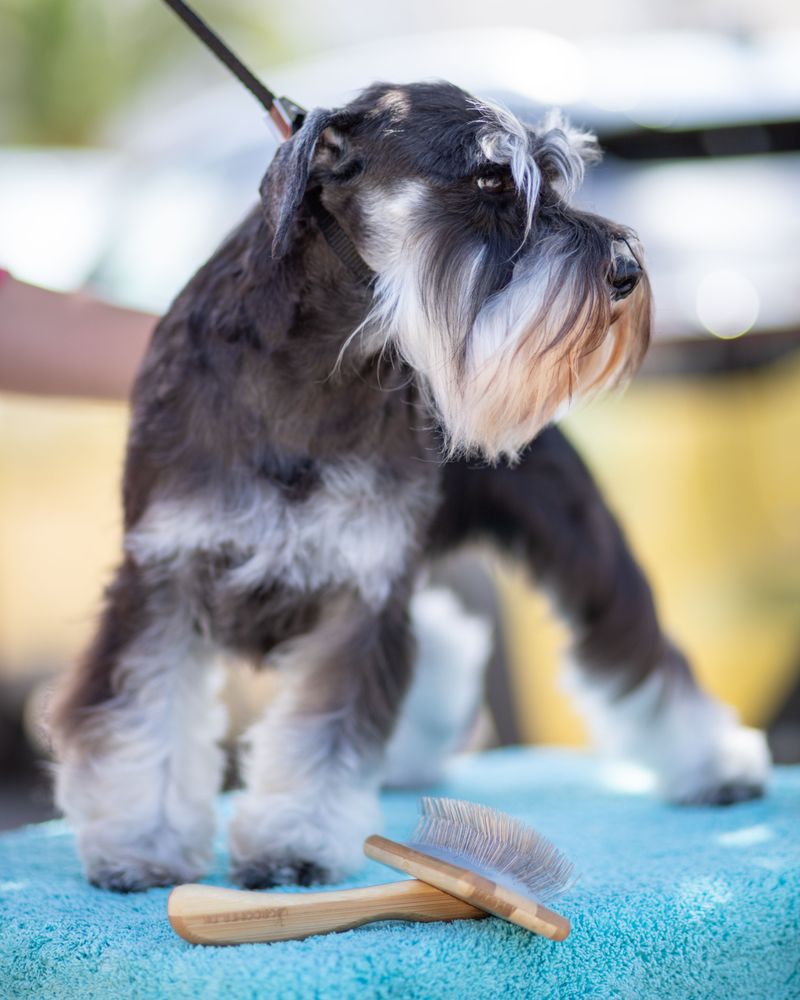
With those bushy eyebrows and wise little beard, a Miniature Schnauzer looks like a tiny grandpa. Spunky and smart, they fit nicely into smaller homes.
The catch? That signature look requires grooming every five to eight weeks, which adds up in cost.
They are also enthusiastic barkers who alert you to everything.
Teach a quiet command early. Watch their diet closely, since this breed can be prone to pancreas troubles from fatty treats.
German Shorthaired Pointer
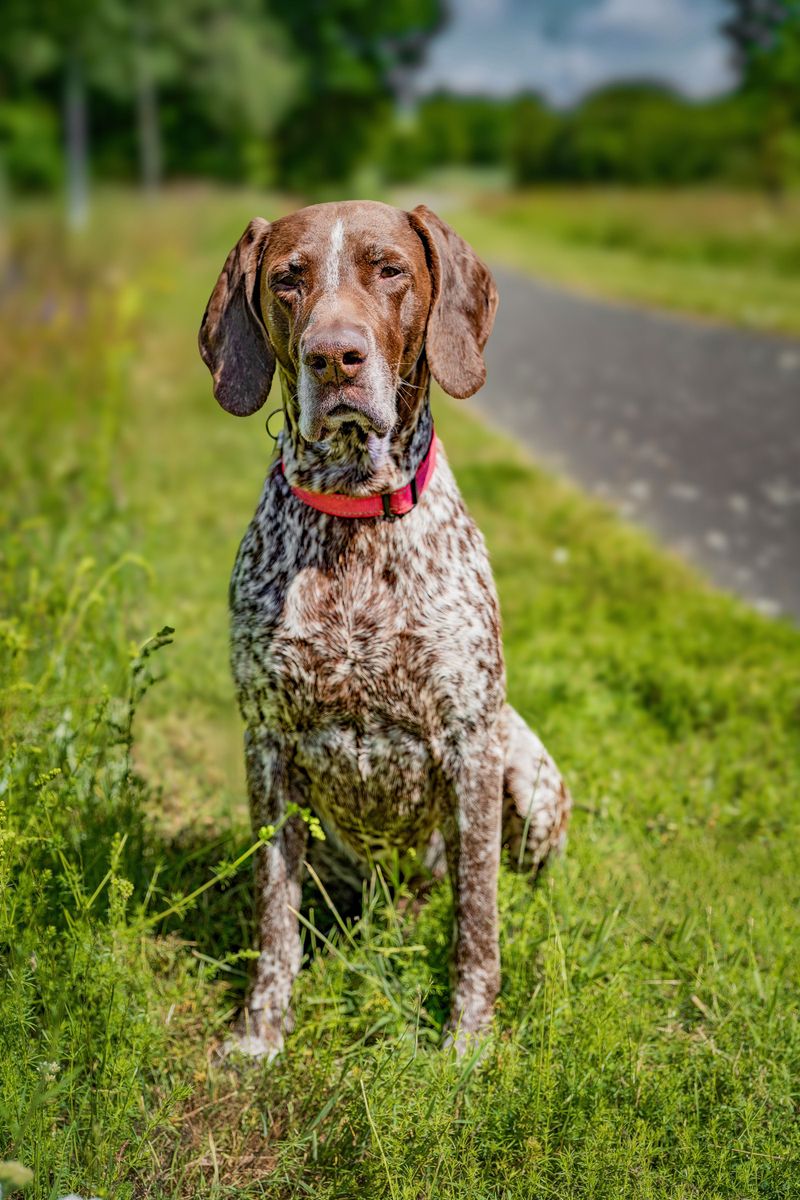
Endless energy wrapped in a sleek, spotted coat. German Shorthaired Pointers were built to hunt all day in fields and water.
Their friendly, eager attitude charms everyone. Still, a quick walk around the block barely warms them up, and a restless pointer may chase cats, squirrels, or birds without a second thought.
Running, swimming, and fetch sessions help. Active hikers and outdoor families tend to make the happiest match for this tireless athlete.
Pembroke Welsh Corgi
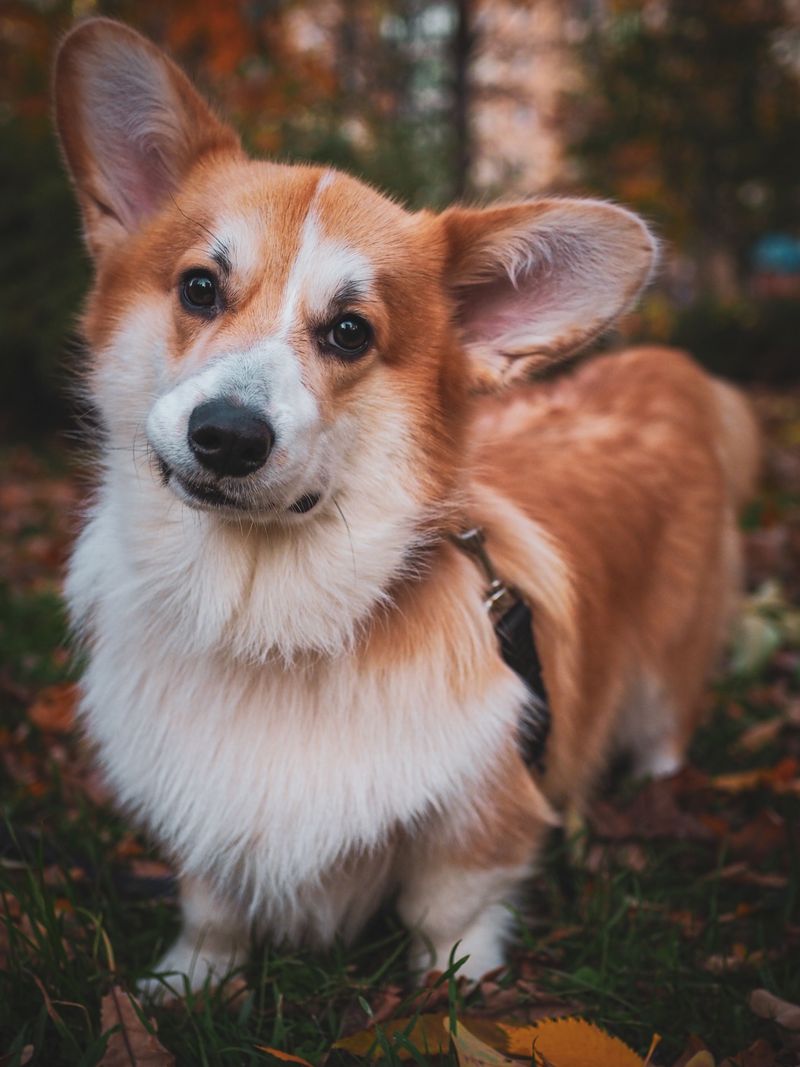
Queen Elizabeth II owned more than 30 Corgis, and it is easy to see why. Those short legs and fluffy bottoms are pure charm.
Underneath, though, lives a tough cattle herder. Corgis can be bossy, vocal, and nippy around running children.
Their double coats shed like crazy, especially in spring.
Keep them lean to protect their backs. Daily brisk walks and herding games let them use that busy farm brain.
Siberian Husky
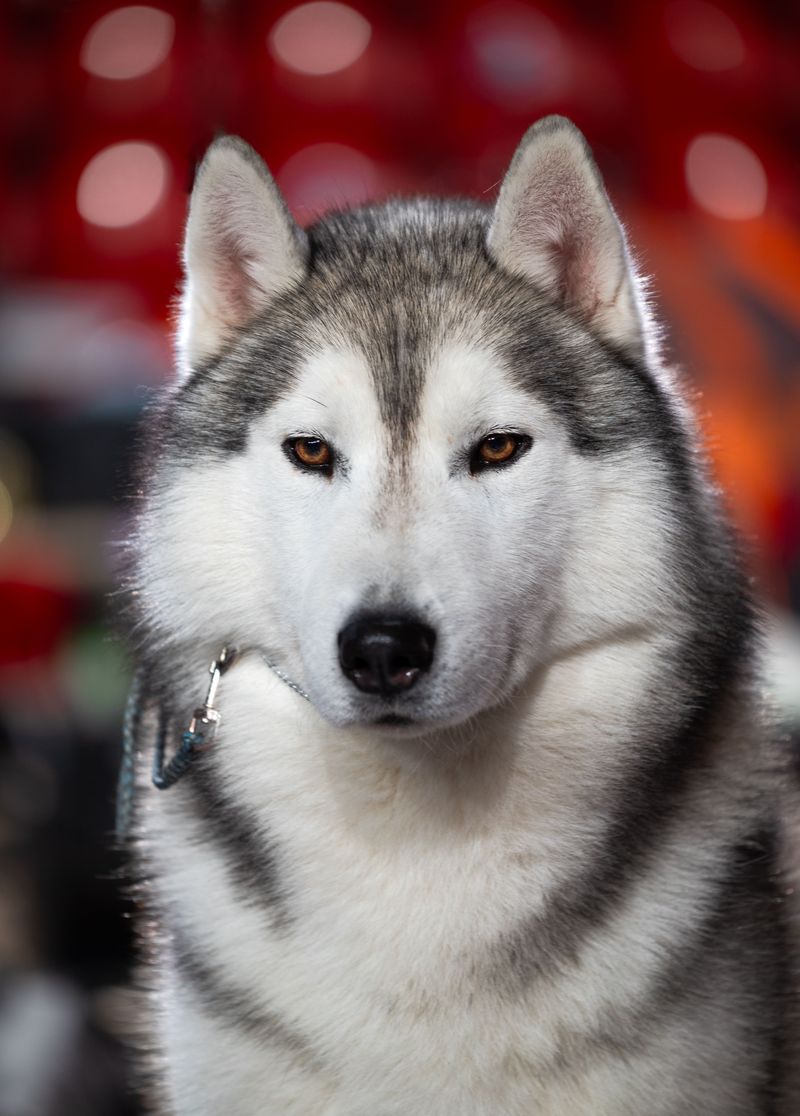
Those icy blue eyes could melt anyone. Huskies are friendly, dramatic talkers who seem to argue with you through howls and yodels.
Bred to pull sleds across Siberia, they need serious exercise and love to run off if given the chance. Many are skilled escape artists who dig under or leap over fences.
Hot climates can be hard on them. Expect clouds of fur twice a year and never trust them off leash.
Weimaraner
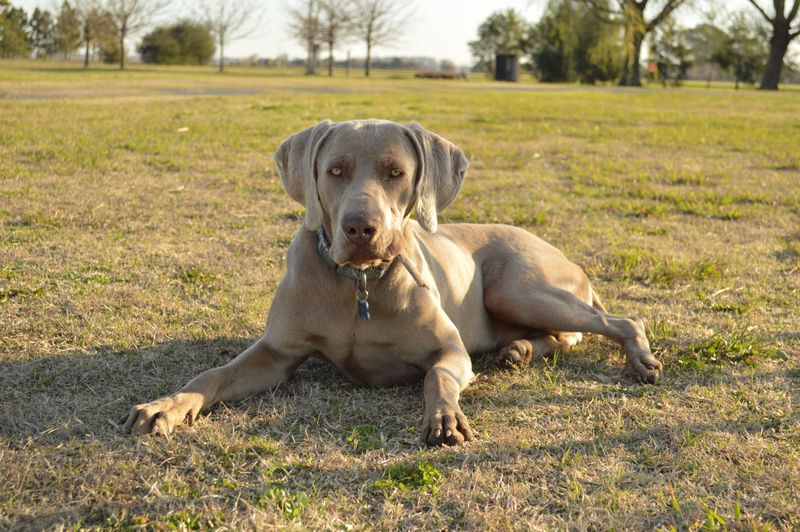
Nicknamed the gray ghost, the Weimaraner shadows its owner from room to room. Some people love that devotion, while others find it a lot.
Left alone for hours, many develop separation anxiety, which can mean howling, chewing, or ruined doors. Their hunting drive and speed also require plenty of space.
Crate training, long runs, and slowly building alone time help. They suit homes where someone is around most of the day.
Australian Cattle Dog
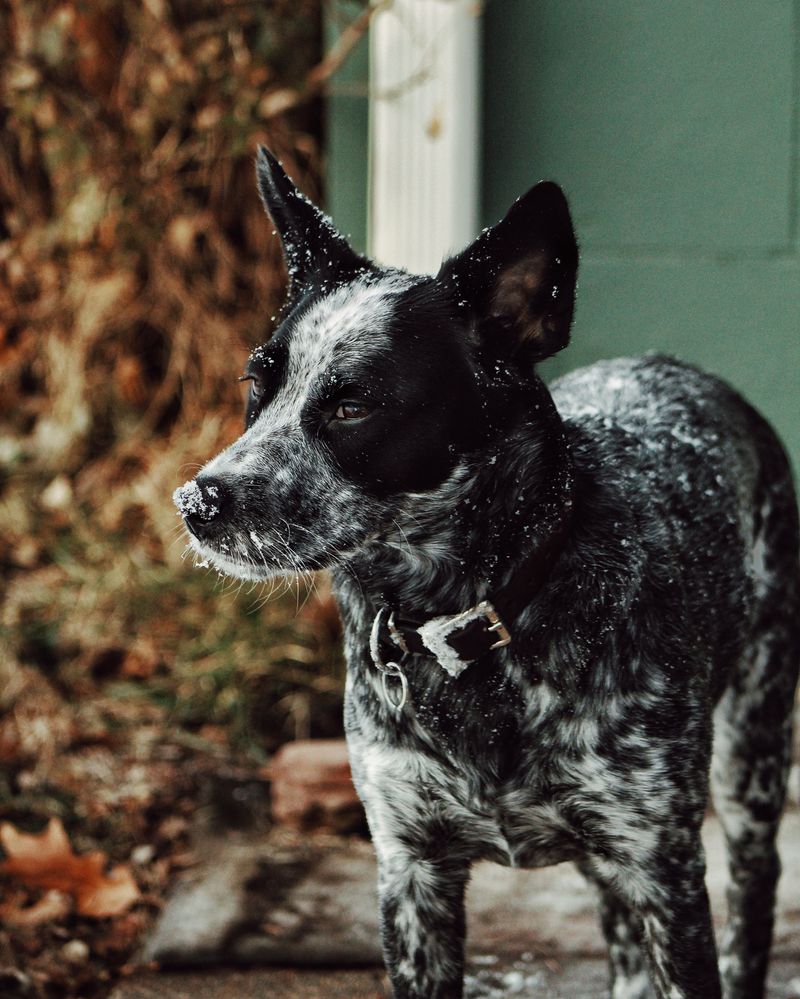
Tough as nails and loyal to the bone, the Australian Cattle Dog was bred to move stubborn cattle across the dusty outback.
One heeler named Bluey lived to almost 30 years old, a world record. That long life comes with long-lasting energy and a habit of nipping heels.
City life with little exercise usually spells trouble. Give them chores, obedience work, and long adventures, and you will earn a fiercely devoted sidekick.