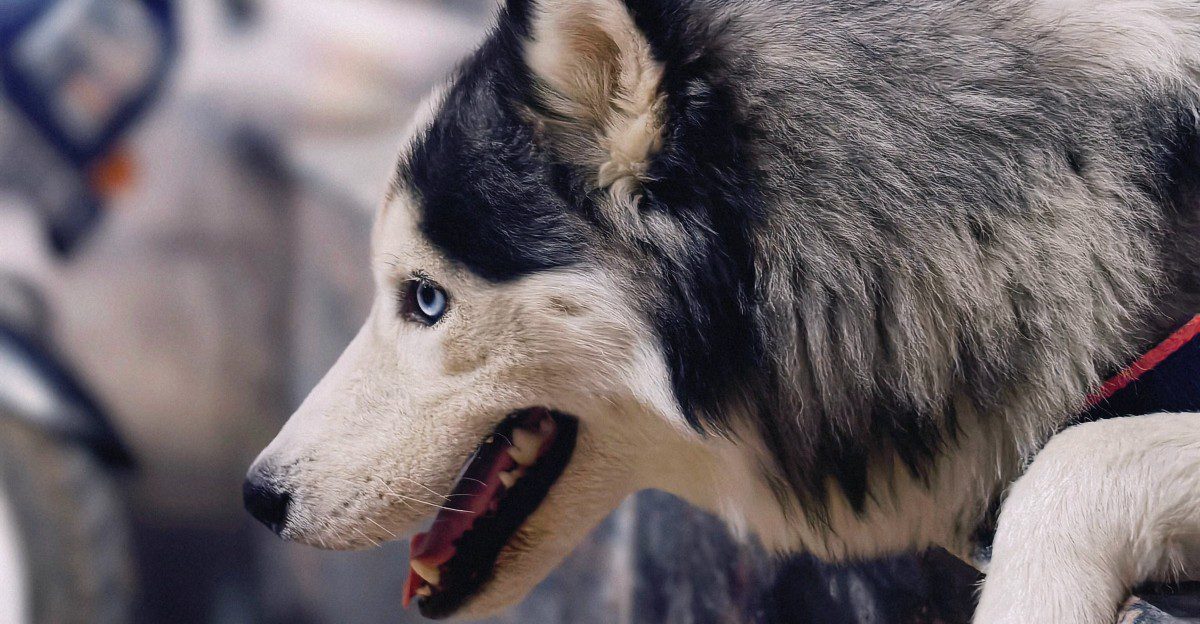
Choosing a dog for a home with young kids takes more than picking a cute face. Some breeds need extra training, space, or time that busy families might not have.
Others are naturally more patient and easygoing around children. Here are careful notes on breeds that can be challenging around little ones, plus two friendlier choices many families love.
Akita
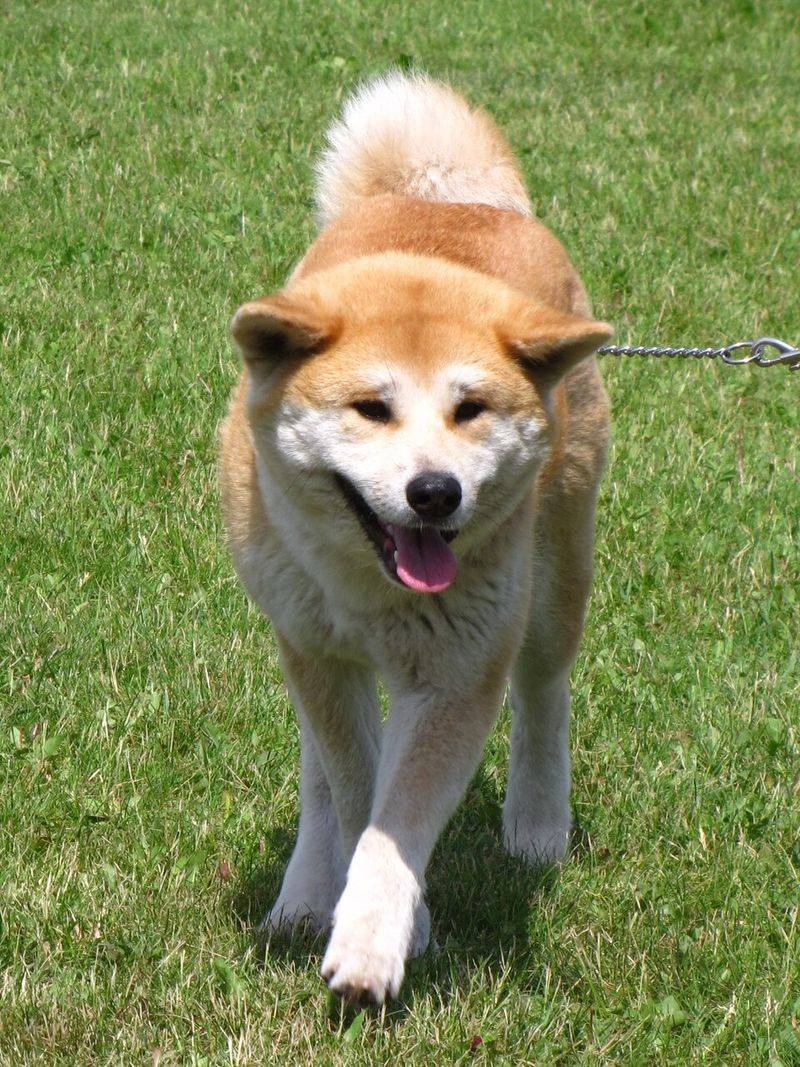
Quiet strength defines the Akita, and that can be both wonderful and tricky. Loyal to family, they can be wary of rowdy play and unfamiliar kids.
Firm, calm leadership and early socialization are essential.
Daily exercise keeps their mind settled, and clear boundaries prevent pushy behavior. Supervision around children matters, especially during noisy games.
If you love routine, confident handling, and structured training, this breed can thrive. Without consistency, frustration can grow on both sides.
Chow Chow
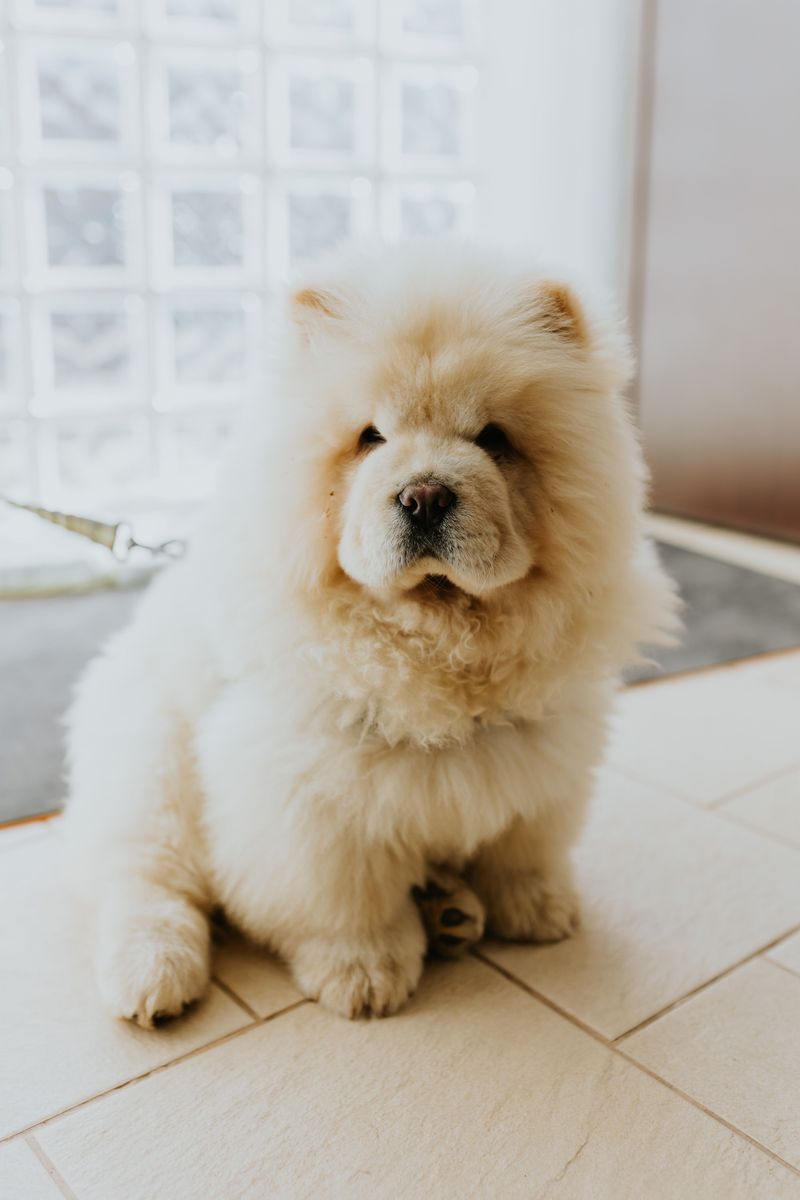
Picture a fluffy guardian who prefers personal space. The Chow Chow often acts independent and may dislike rough handling.
Sudden hugs from toddlers can feel threatening, so careful supervision is key.
Short, upbeat training sessions work better than stern corrections. A steady schedule helps manage their stubborn streak.
Regular grooming also prevents discomfort that could raise irritability. Families with older, respectful kids tend to do better, especially when adults reinforce gentle manners, slow introductions, and calm routines.
Shiba Inu
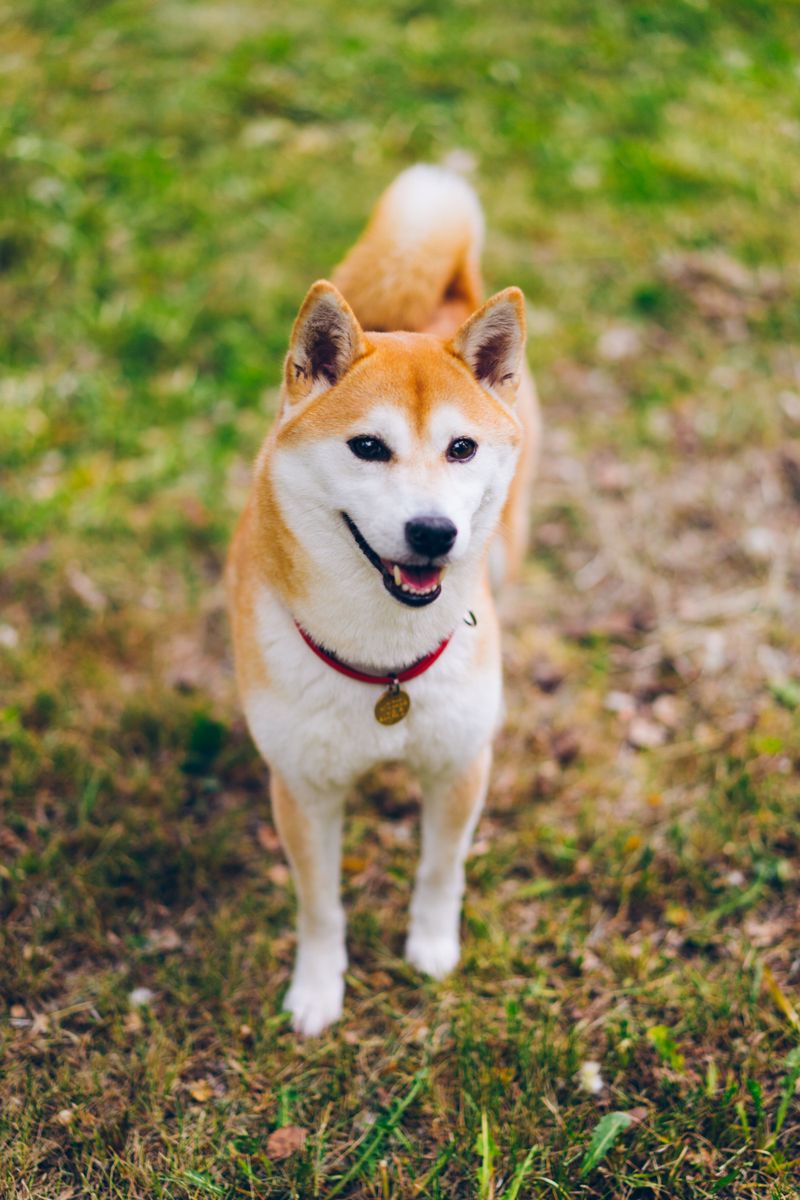
Small size can fool people. The Shiba Inu is spirited, cat-like, and strong willed, often resisting rough play or chaotic noise.
Dashing through doors and ignoring recalls are common without training.
Engaging games that reward attention help a lot. Use secure leashes, teach calm greetings, and practice impulse control with fun challenges.
With patient owners and mindful kids, harmony is possible. Rushed handling or inconsistent rules, though, can quickly spark frustration and unwanted behavior.
Belgian Malinois
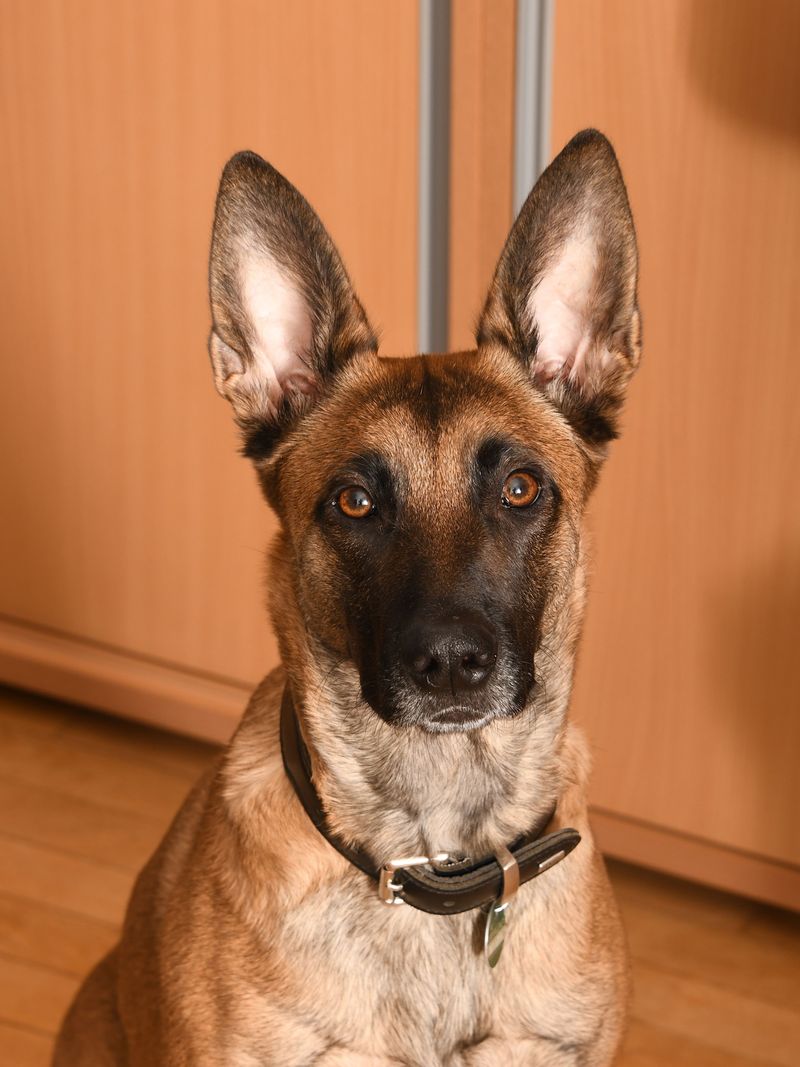
Built like a rocket, the Belgian Malinois craves purpose and nonstop activity. Underworked dogs invent jobs, which can mean herding kids or guarding spaces.
High-level training keeps that sharp brain busy.
Daily outlets like agility, nose work, or long fetch sessions are not optional. Families with limited time often struggle.
Clear supervision around children is wise since excited movement can trigger chasing. In experienced, active homes, the Malinois shines.
In low-activity settings, stress climbs fast.
Cane Corso
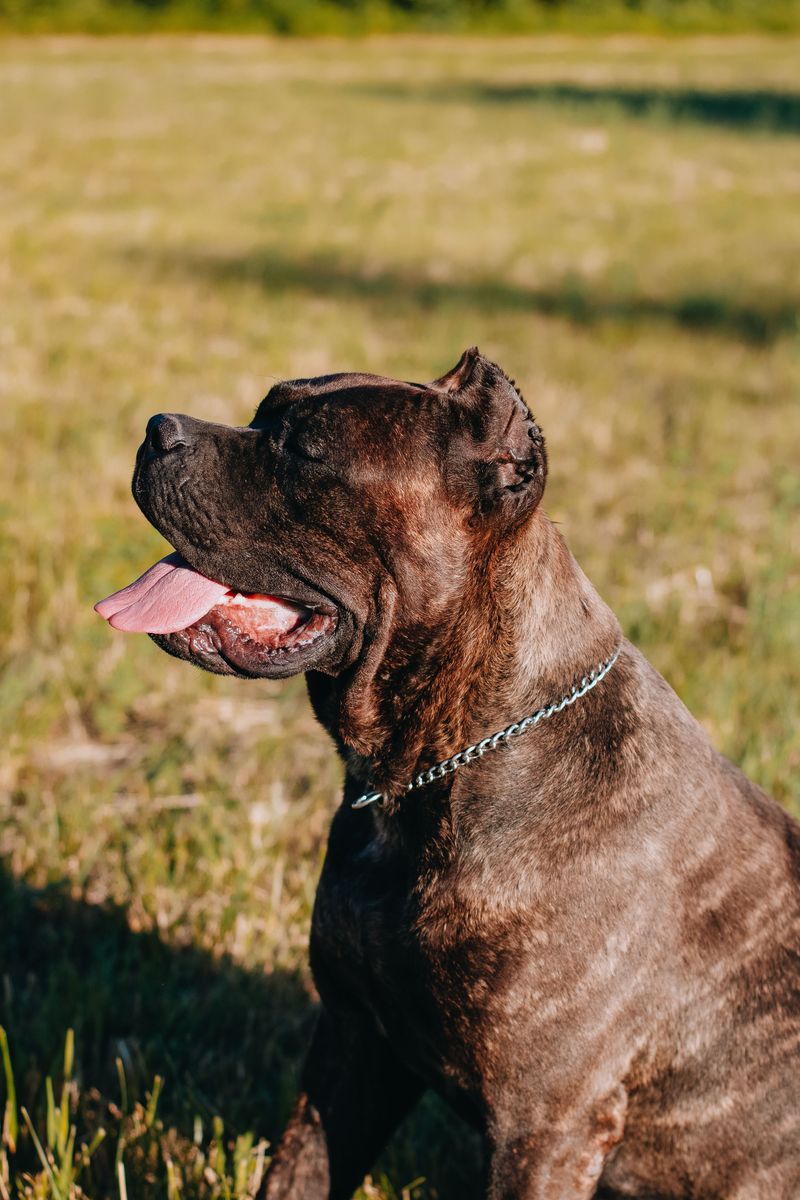
Imagine a calm tank with feelings. The Cane Corso bonds deeply and can become protective, which needs thoughtful direction.
Early socialization and rock-solid obedience help them read situations well.
Because of their size, unintentional bumps can topple toddlers. Set up kid-free rest zones and teach gentle handling on both sides.
Daily mental work, leash manners, and clear routines make life smoother. Confident, consistent owners usually succeed, while chaotic households may find the workload heavy.
Australian Cattle Dog
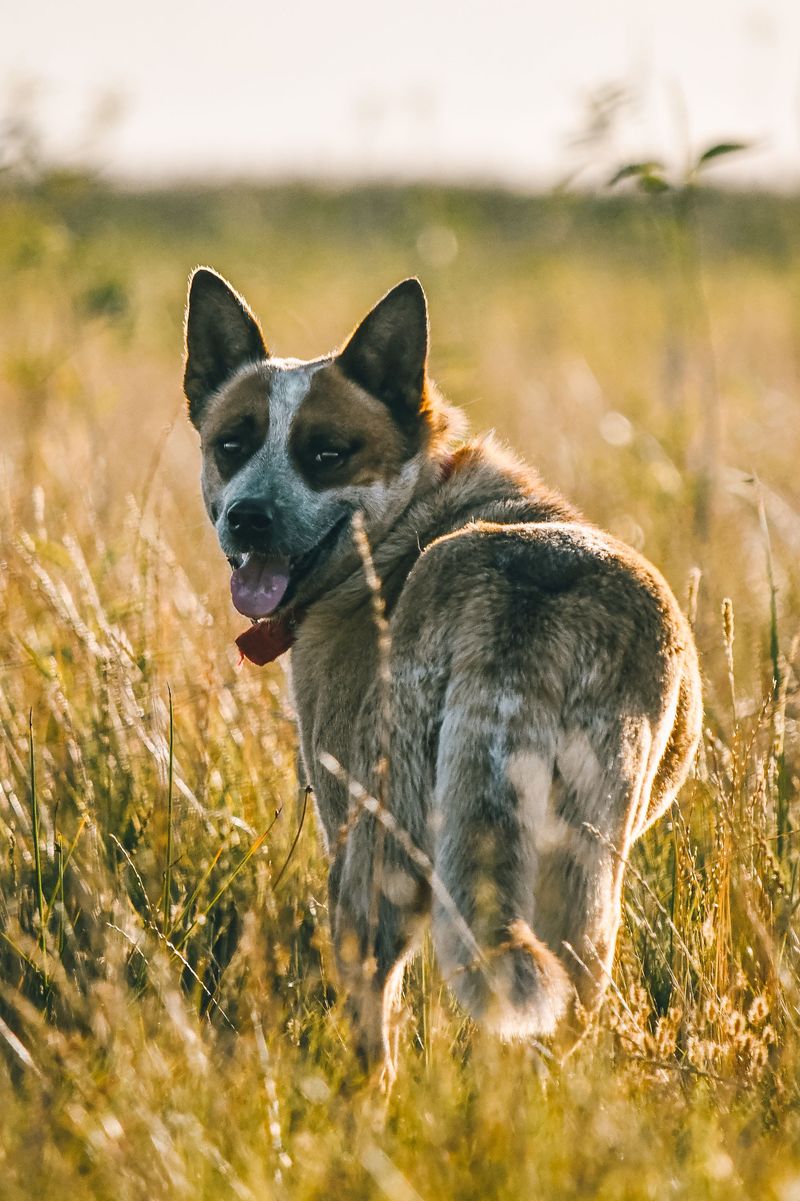
Bred to move livestock, this quick thinker loves to work. Fast feet and a sharper herding nip can surprise small kids who run and squeal.
Without tough, fun jobs, mischief appears.
Plan brain games like puzzle feeders, trick training, and fetch with rules. Teach off-switch skills, such as mat time after play.
Consistent exercise, patient redirection, and clear boundaries create success. Families who enjoy outdoor adventures often meet this breed’s needs best.
Jack Russell Terrier
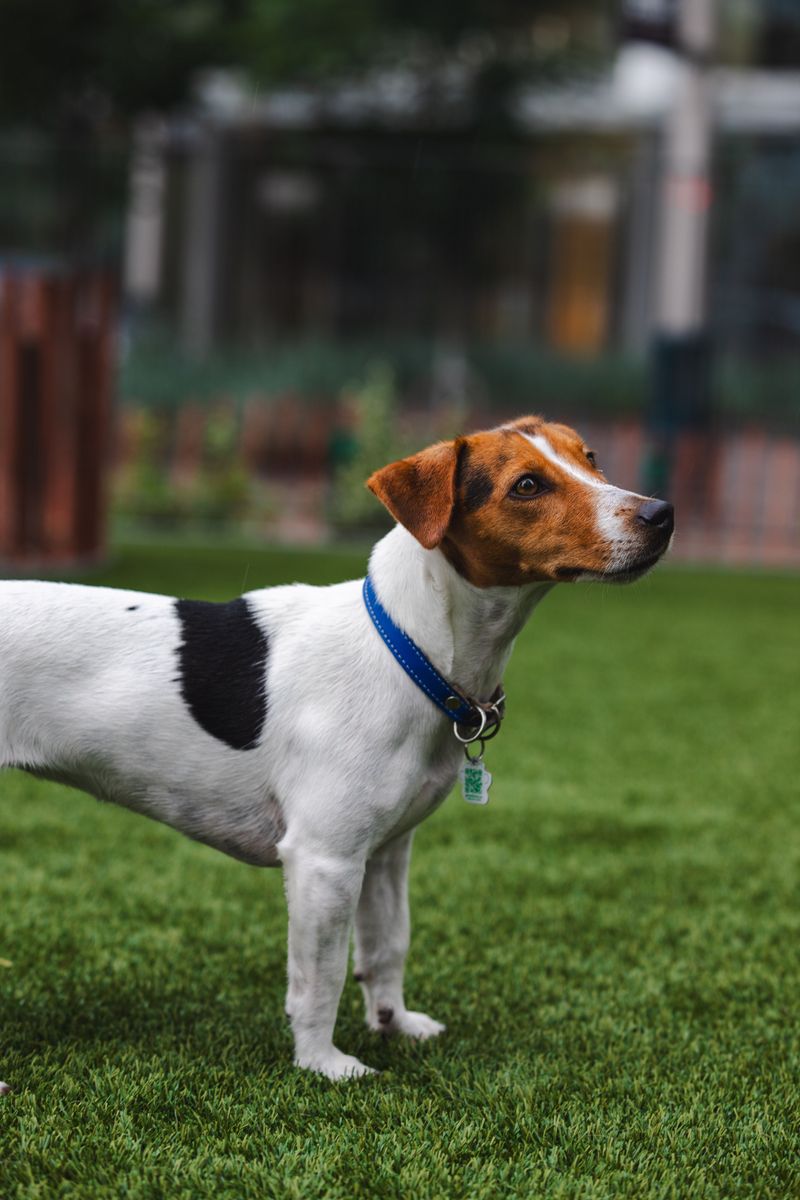
Energy like a wind-up toy, then some. Jack Russells burst with ideas and need strong outlets.
Boredom invites digging, barking, and wild zoomies that can scare little ones.
Short training games, scent hunts, and structured fetch help channel the spark. Use baby gates to give everyone breaks.
Teach kids to roll tosses instead of overhead throws to dial down excitement. With steady guidance and daily challenges, this clever clown can settle into family life.
Siberian Husky
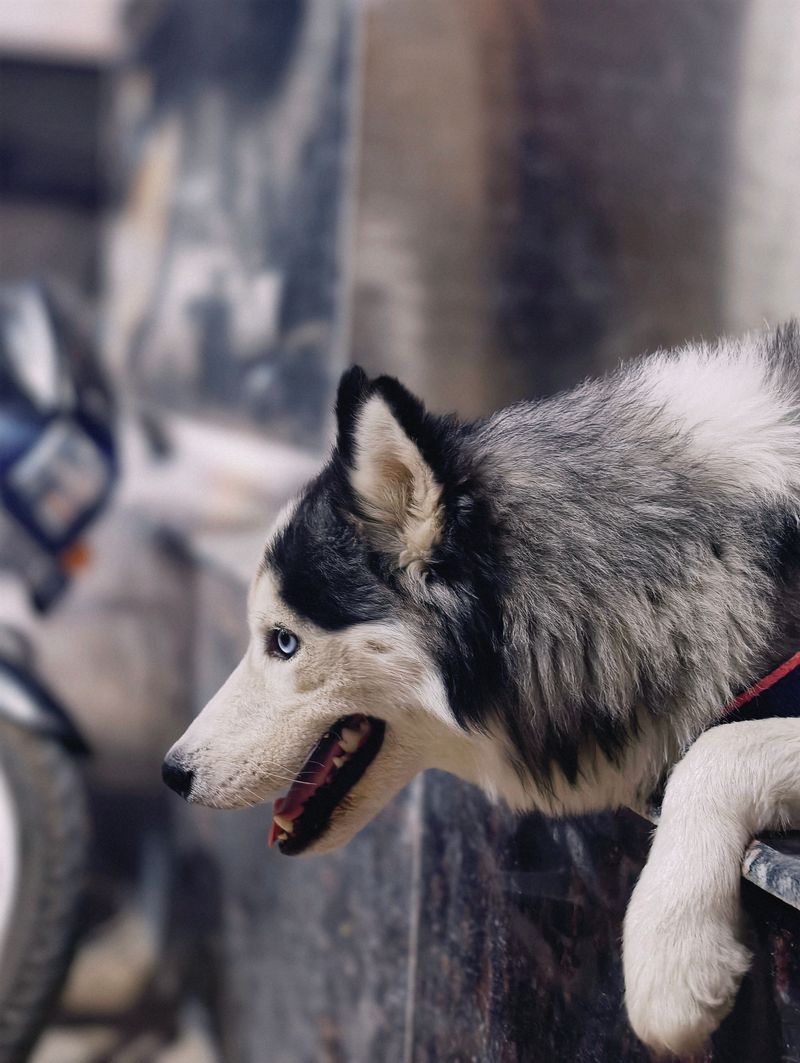
Born to pull, the Husky thrives on motion and teamwork. Without long walks and play, escape artistry and dramatic howls may appear.
High prey drive can kick in when kids run.
Secure fencing, consistent recall games, and sturdy harness walks are smart basics. Expect hair everywhere during shedding seasons.
Families who love outdoor time, cooler climates, and routine grooming do well. For smaller homes with little exercise time, the Husky can feel like a whirlwind.
Great Pyrenees
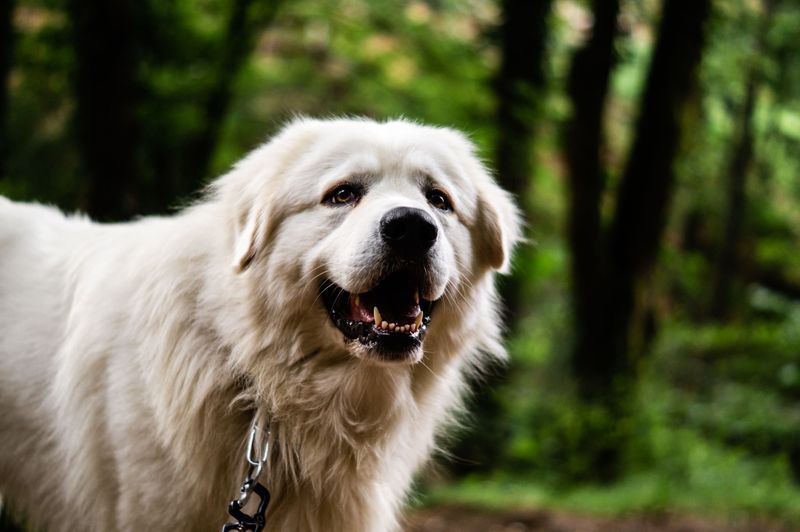
Think gentle mountain watcher. The Great Pyrenees was bred to guard flocks, so nighttime barking and independence are common.
Their size alone can accidentally bowl over small children.
Consistent socialization teaches polite greetings and eases territorial habits. A fenced yard and patient grooming routine help family life.
Slow, steady training works better than pressure. For homes that value calm walks and spacious lounging areas, the Pyrenees can be a serene presence with careful management.
Weimaraner
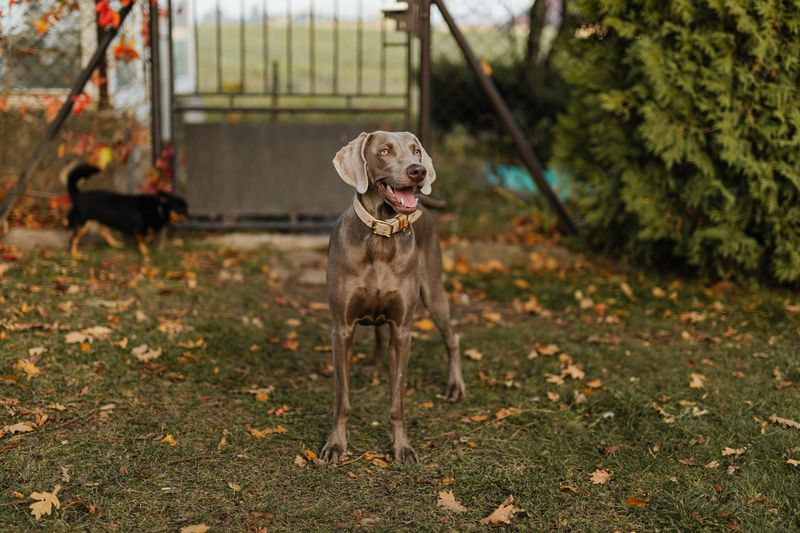
Velcro by nature, the Weimaraner bonds tightly and dislikes being left alone. That neediness can show as chewing or pacing, especially in busy homes with shifting schedules.
Strong exercise and brain work are musts.
Plan daily runs or vigorous games, then teach calm settle cues indoors. Crate training and puzzle toys support downtime.
With consistent structure, they channel intensity beautifully. Without it, anxious energy can ripple through the household and unsettle kids and adults alike.
Giant Schnauzer
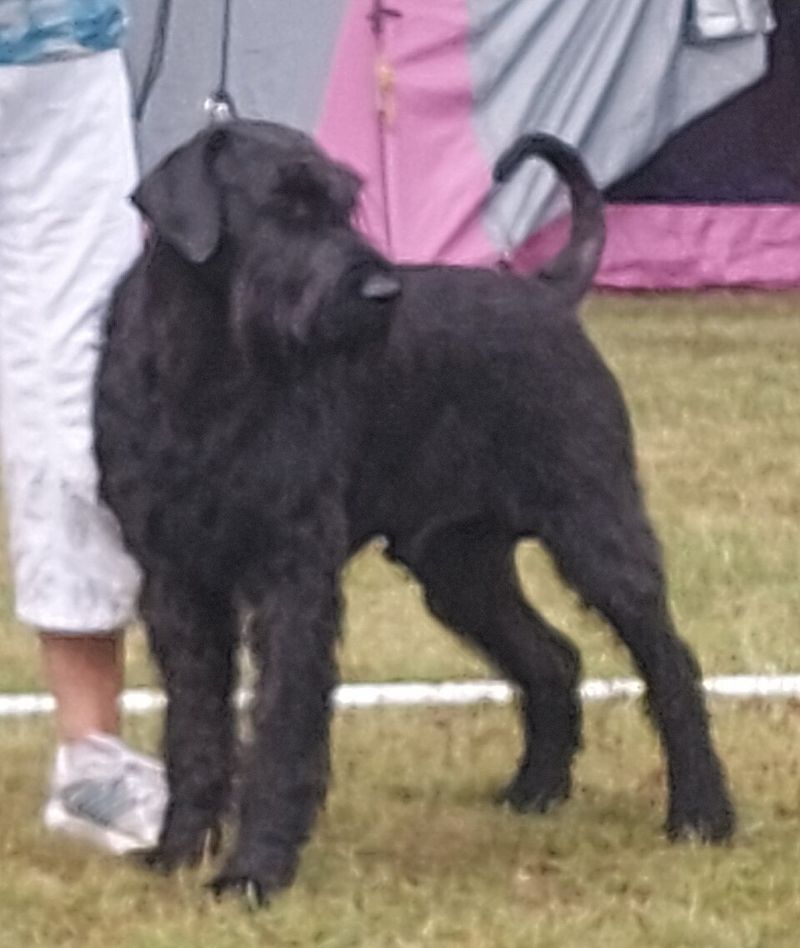
Big brain, big presence. The Giant Schnauzer is a working dog who notices everything and needs clear jobs.
Without guidance, pushy habits and guarding tendencies can develop, which challenge homes with noisy play.
Obedience classes, scent games, and structured tug can build control and cooperation. Grooming keeps the coat comfortable and tidy.
Consistent, confident handling turns intensity into partnership. Families who enjoy training time and fair rules often unlock this breed’s impressive loyalty and humor.
Golden Retriever
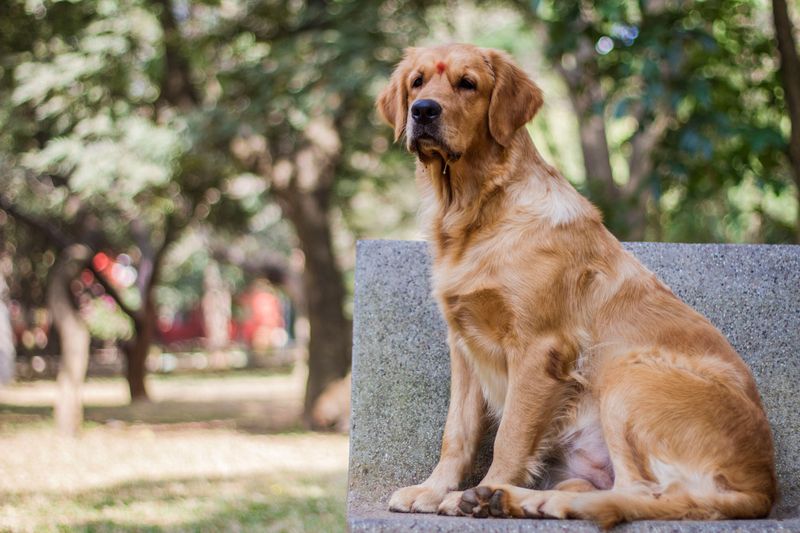
Sunshine in fur, many Goldens greet kids with patience and a soft mouth. Eager to please, they soak up praise and learn quickly.
Regular brushing and daily walks keep them content and tidy.
Teach calm greetings so excited jumping does not knock little ones. Gentle fetch, simple tricks, and cuddle time fit most family schedules.
Reputable breeders or rescues help match energy levels. With steady training, this friendly helper often becomes a child’s steady buddy.
Labrador Retriever
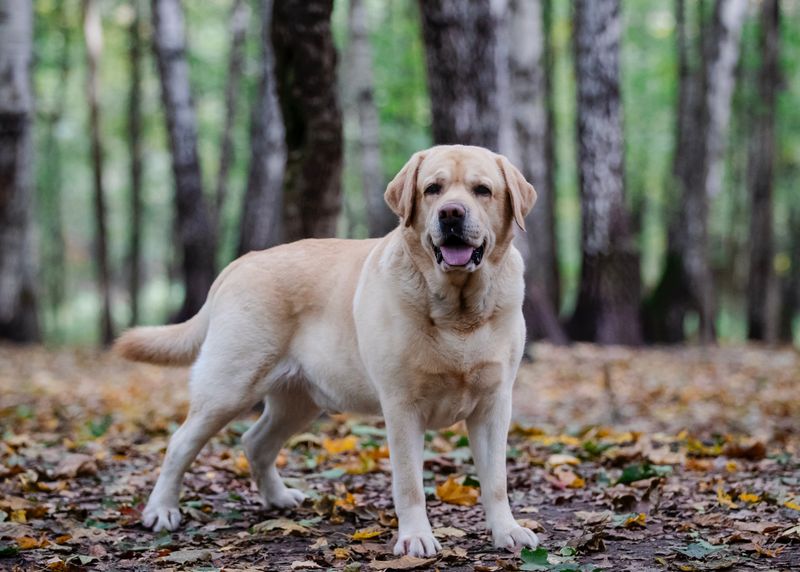
Easygoing and playful, many Labs blend into family life with cheerful enthusiasm. Food motivation turns training into a game, and soft mouths make toy time safer.
Daily exercise keeps wiggles manageable.
Plan simple routines: walk, play, rest. Ask kids to trade toys for treats to avoid tug battles, and store chewables when unsupervised.
With kind guidance and regular activity, the Lab’s upbeat spirit often brings laughter and comfort to homes with growing children.