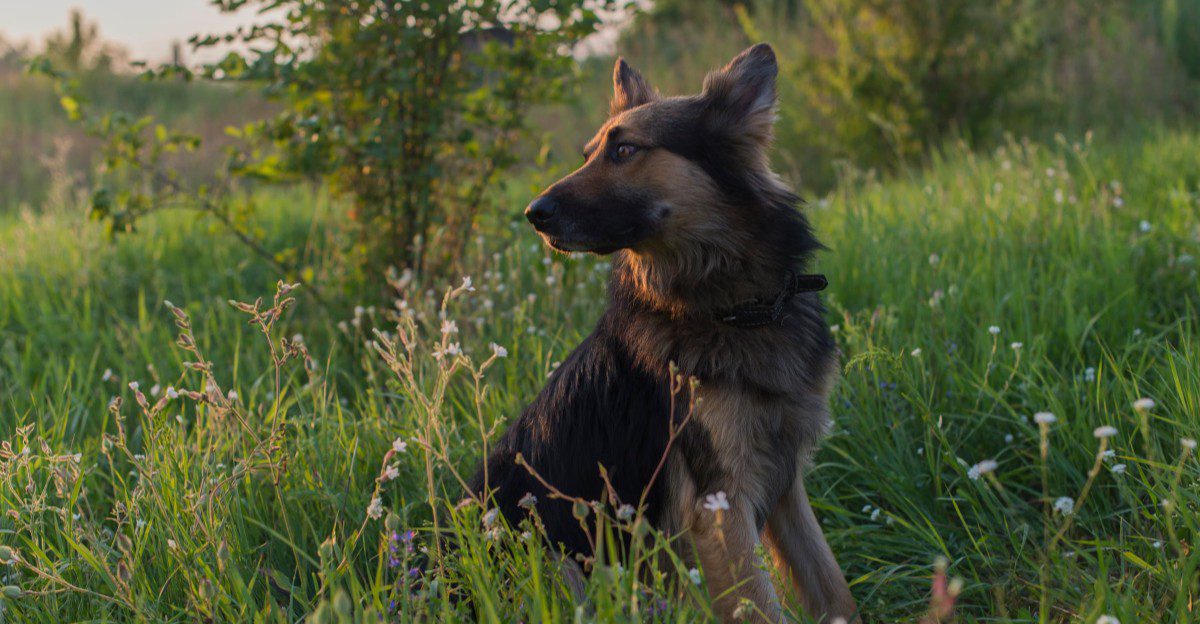
Big dogs can look tough, but many are friendly, loyal, and deeply loving at home. Knowing which breeds have soft personalities helps families choose a safe, happy match.
Training and exercise make a huge difference in behavior and confidence. Here are powerful pups with kind hearts, along with two graceful breeds that look gentle but prefer independence.
Rottweiler
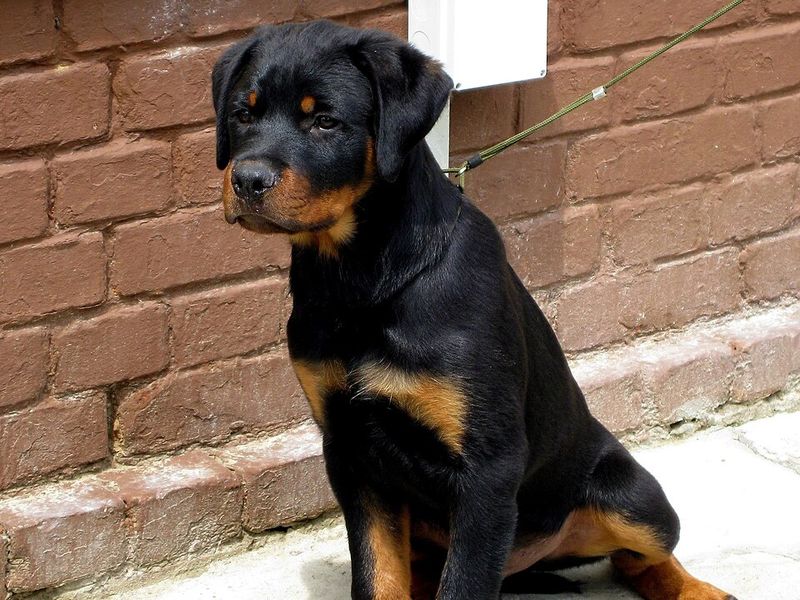
Broad shoulders might fool strangers, but many Rottweilers melt into couch cuddles with their people. Consistent training early on builds trust and good manners.
They thrive when given jobs, like carrying a pack or learning scent games.
Daily exercise keeps their brains busy and their bodies balanced. Short, positive lessons work better than long drills.
With clear rules and steady routines, the Rottie becomes a steady family teammate who watches the house without fuss.
Boxer
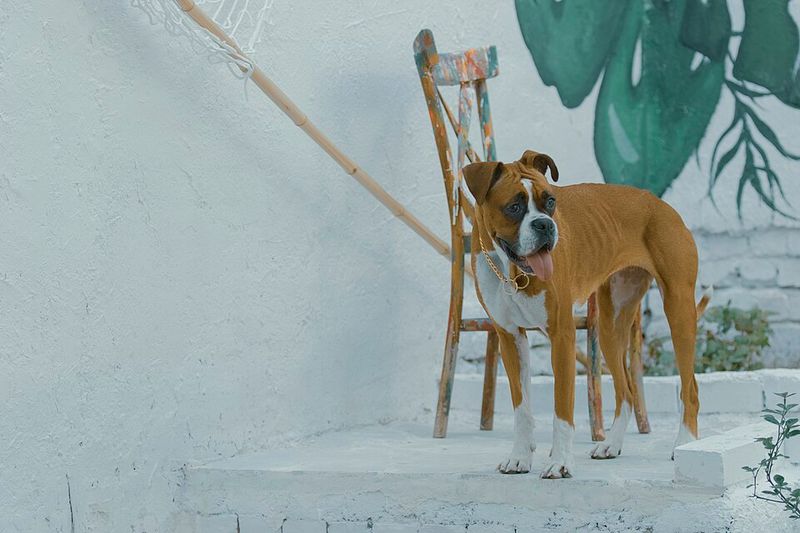
A Boxer’s goofy grin gives away the secret. Behind that square jaw lives a clown who loves people time.
They read human moods well and often try to cheer you up with a toy or a wiggle.
Regular exercise is essential, especially fetch or agility practice. Short coat care is simple, but mental puzzles help most.
Teach polite greetings early to manage their enthusiasm, and you will have a joyful shadow by your side.
Great Dane
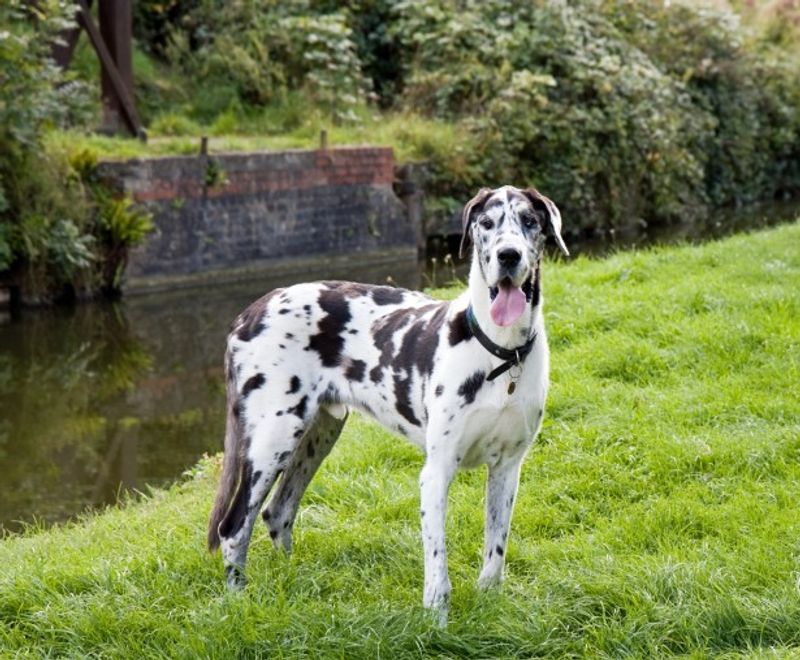
People stare at their height, then smile at their calm. Great Danes often act like polite housemates who prefer soft rugs and gentle pats.
Despite size, they can be surprisingly graceful indoors.
Short walks with steady training keep them settled. Watch growth and joints by using supportive beds and measured meals.
A stable routine prevents anxiety. Teach loose-leash skills early, and your gentle giant will navigate doorways and crowds like a courteous pro.
Bullmastiff
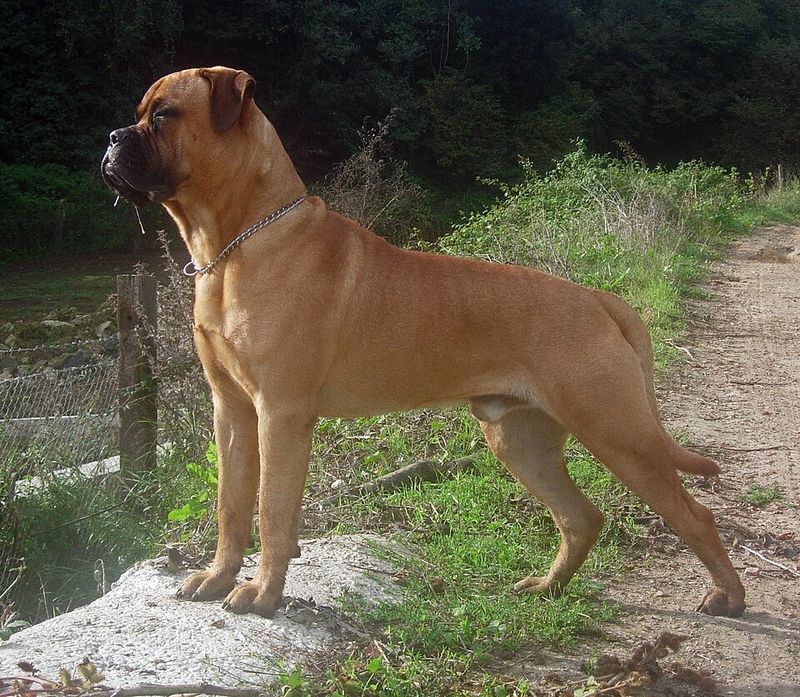
Quiet confidence is the Bullmastiff’s style. They often observe before acting, then settle close to their favorite person.
History as a night guardian shows in their steady watchfulness and calm body language.
Short daily walks, scent games, and basic obedience keep them happy. Because they can be strong, teach impulse control while young, using treats and praise.
Keep training sessions fun and brief. With respectful handling, they become peaceful protectors who nap at your feet.
Doberman Pinscher
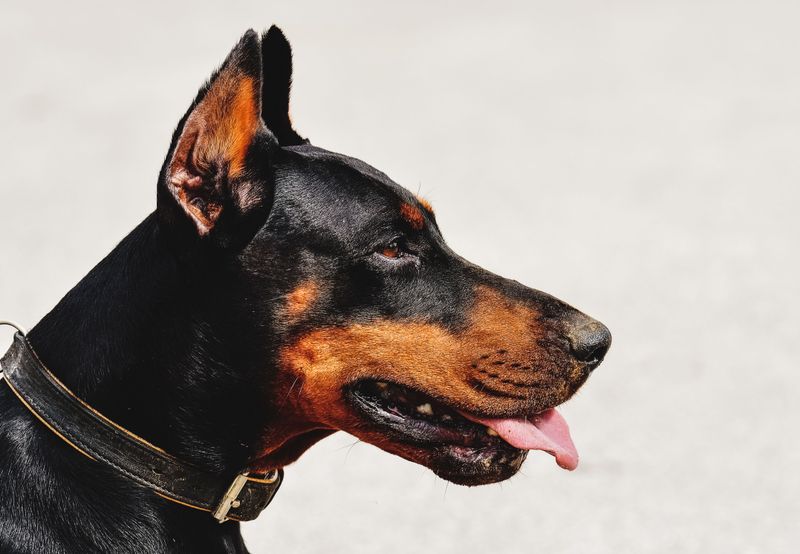
Speed and shine catch your eye first, but the Doberman’s loyalty is what wins hearts. Many form deep bonds and love learning tasks that make them feel useful.
They excel with clear communication.
Daily structured exercise like running, obedience, or tracking is key. Socialize early so that confidence grows in new places.
A steady routine and kind leadership build trust. When needs are met, the Doberman becomes a focused partner who relaxes peacefully at home.
Cane Corso
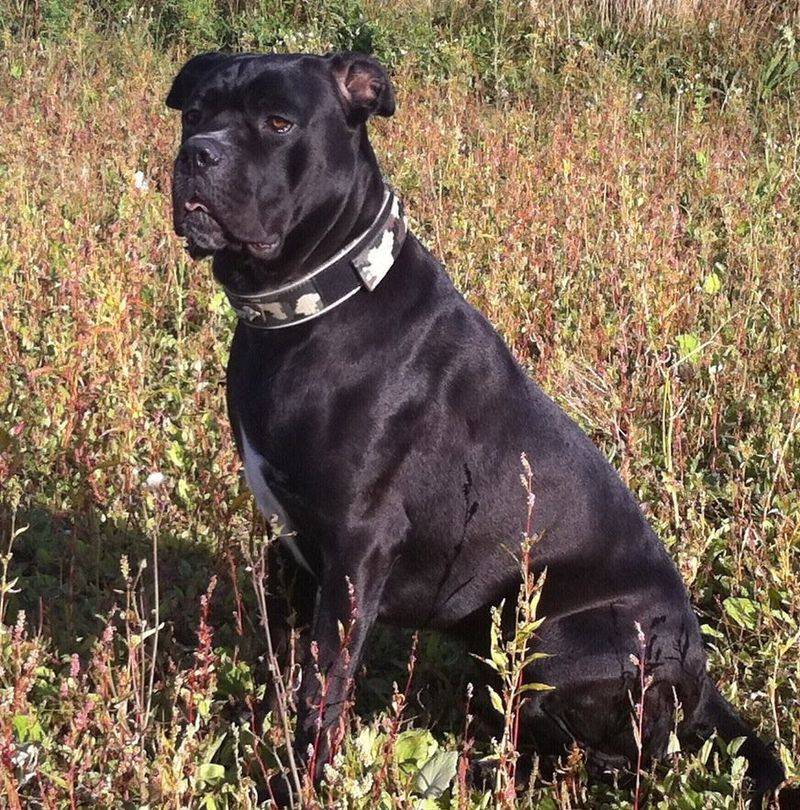
Old-world strength meets family devotion in the Cane Corso. They tend to bond closely and prefer being near their people instead of alone in a yard.
Clear boundaries create a confident, courteous companion.
Early socialization around visitors, dogs, and busy places helps them read situations well. Keep training upbeat with food rewards and short practice sessions.
Add jobs like cart pulls or obedience titles for pride. A well-guided Corso becomes a calm, steady presence around the home.
Mastiff
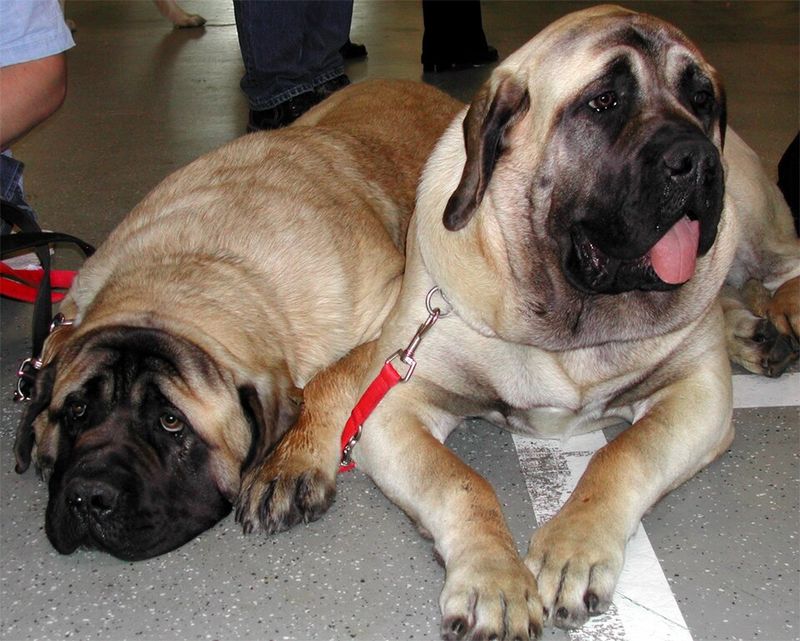
That huge head often rests right on your knee. Many Mastiffs prefer gentle closeness over rough play.
Their calm spirit fits well in homes that value quiet routines and soft encouragement.
Because of size, early leash manners and polite greetings matter. Keep exercise steady but low impact to protect joints.
Short training sessions with patience go far. With good socialization and consistent care, the Mastiff offers reassuring company, lighthearted snoring, and a sense of calm in every room.
Newfoundland
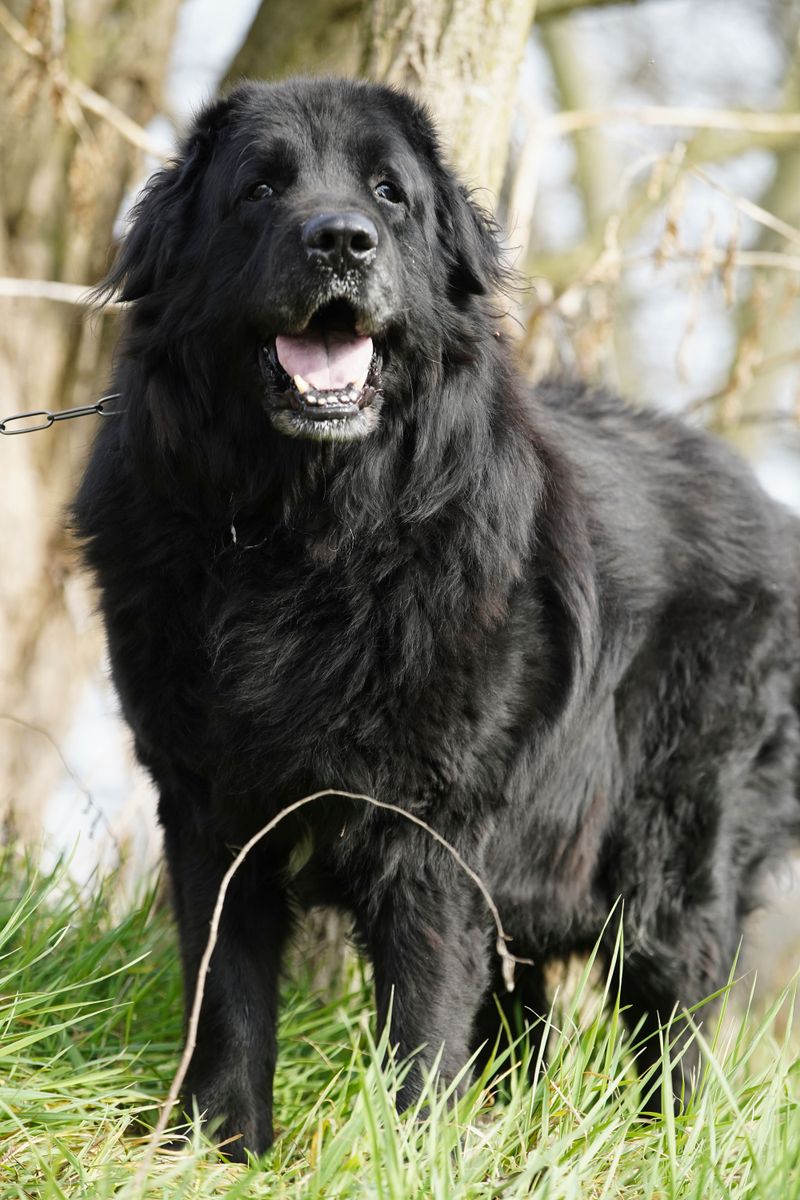
With a heart as big as its paws, the Newfoundland adores being helpful. Water rescue history shows in their strong swim and steady courage.
Many love gentle adventures near lakes and streams.
Thick coats need regular brushing and drying after swims. Short, meaningful training moments build trust and keep them responsive.
Provide cool resting spots in warm weather. When their needs are met, Newfies become steady, affectionate companions who watch over family fun like patient lifeguards.
German Shepherd
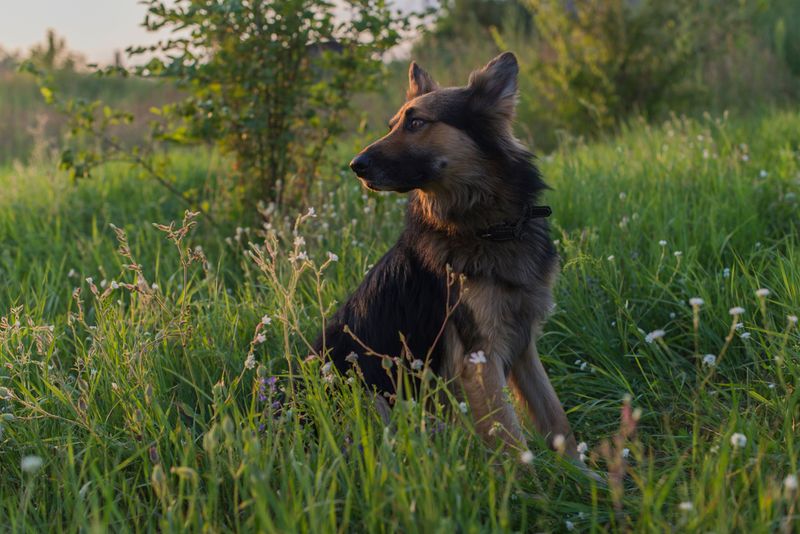
Brains and bravery stand out, yet many German Shepherds show deep affection for their circle. They crave purpose, from obedience to nosework, and shine when learning new skills.
Daily training challenges the mind, not just the legs. Rotate tasks like fetch, tracking, and agility to prevent boredom.
Early socialization smooths nerves in busy places. With fair leadership and plenty of practice, the Shepherd turns that sharp focus into calm companionship at home and helpful teamwork outdoors.
American Bulldog
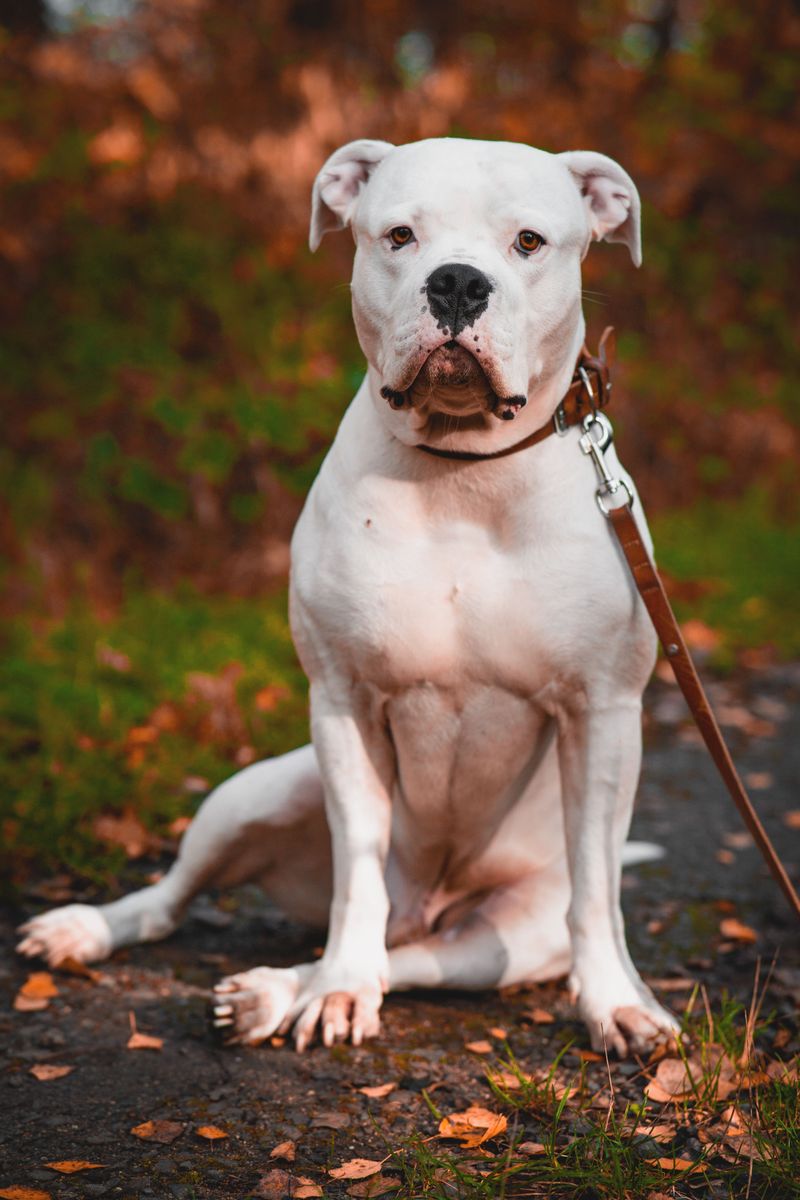
Farm-bred grit pairs with a surprisingly cuddly side in the American Bulldog. Many enjoy leaning into legs for scratches after a good romp.
Reliable structure helps them relax and make good choices.
Exercise should mix strength and manners, like controlled tug, flirt pole play, and loose-leash walks. Teach calm greetings early to manage excitement.
Short, fun training builds confidence. With steady guidance, they become affectionate housemates who nap in sun patches and keep yard games lively.
Giant Schnauzer
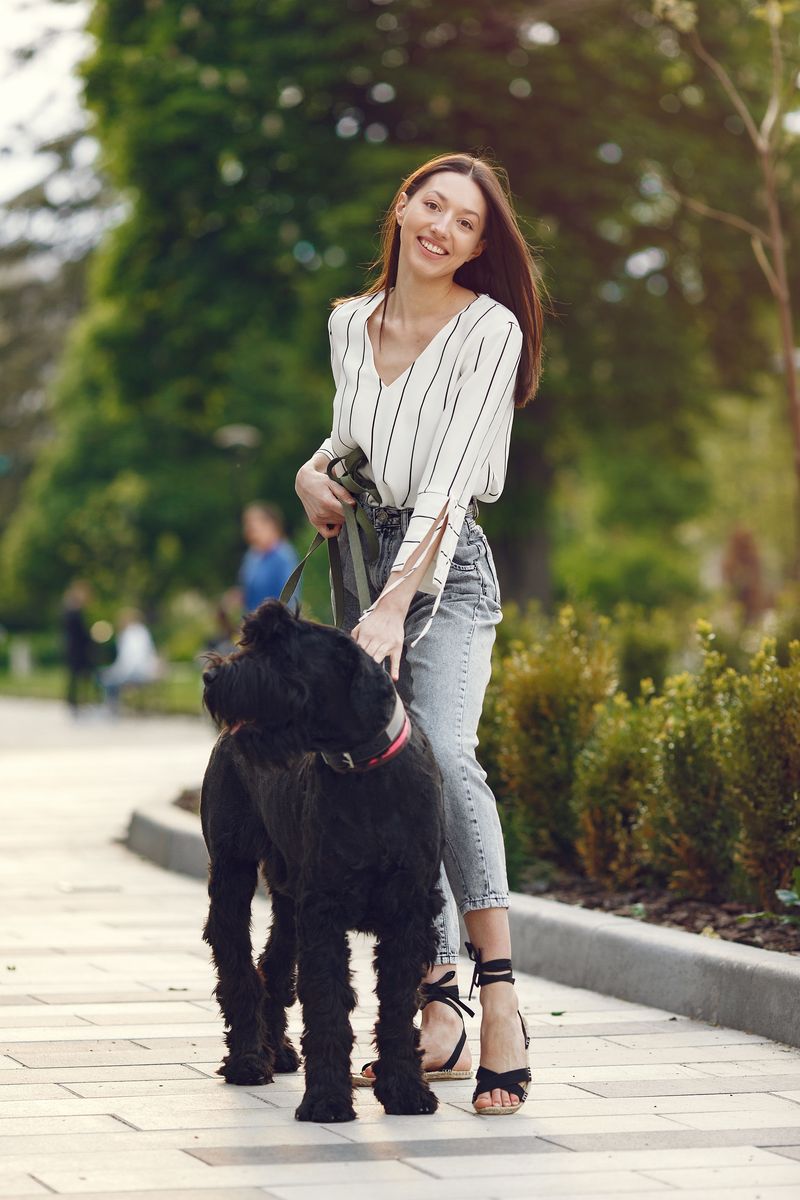
That bold beard hints at a big personality. Giant Schnauzers love learning and often pick up new cues quickly.
They do best with daily tasks that challenge both speed and smarts.
Plan consistent training, from heeling games to scent puzzles. Keep grooming on schedule to maintain the wiry coat.
Socialize widely so their confidence stays balanced, not pushy. When their energy is channeled, they reveal a fun-loving side and settle into family life with impressive self-control.