
Some dogs go along with the plan. Others prefer to make their own.
Knowing which breeds like to negotiate can save time, reduce stress, and help you train smarter. Meet the clever characters who wheel and deal, plus three teammates who usually choose cooperation.
Dachshund
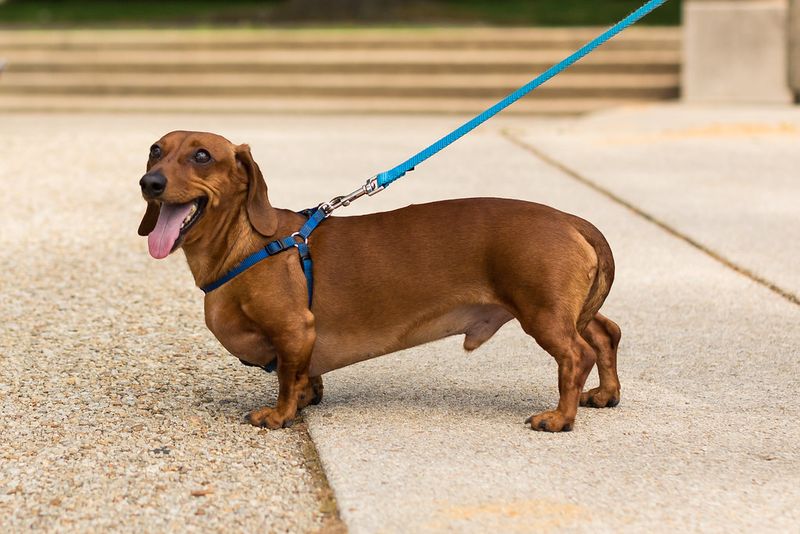
Small body, giant opinions, the Dachshund can turn a simple walk into a slow tug-of-war. Bred for independent hunting, they often prefer their own timeline.
Ask for a sit before doors, then pay with a tiny treat.
Use short, fun training bursts with food puzzles and a snuffle mat to channel that nose. Keep rules consistent, reward promptly, and rotate routes so curiosity works for you.
Harnesses fit better than collars for long backs daily.
Beagle
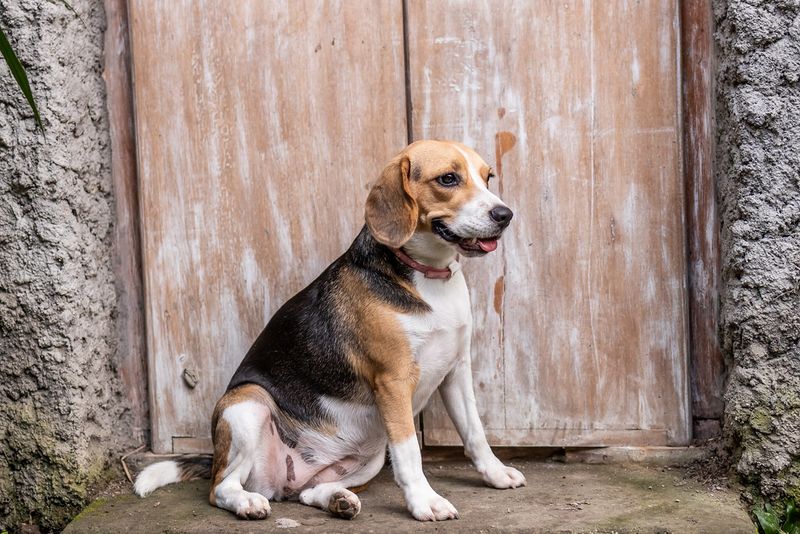
Follow that scent, says the Beagle, while your schedule waves goodbye. They are sweet, but a nose-led mind can stall recalls and bedtime.
Ask for a quick sit at thresholds, then release them to explore as payment.
Leash training with tasty treats, whistled cues, and high-value rewards beats nagging. Try scent games before meals to take the edge off energy.
Rotate toys, use a long line in secure fields, and keep training upbeat every day.
Shiba Inu
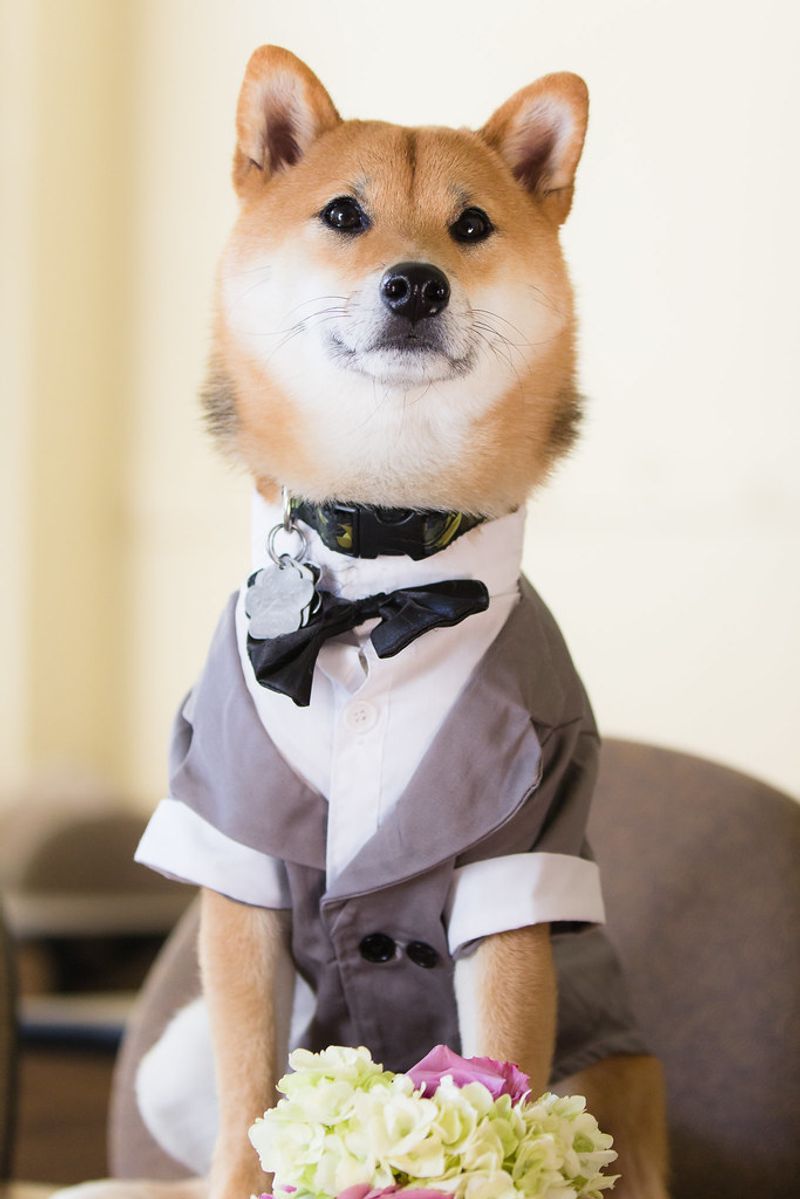
Cat-like confidence comes standard with the Shiba Inu, which negotiates with side-eye flair. They value autonomy, so forced handling or rough play can backfire quickly.
Offer choices like two leashes or two routes to meet them halfway nicely.
Teach cooperative care by trading touches for tiny snacks and using calm, predictable motions. Secure fences, squeaky-free toys, and short, varied sessions protect attention spans.
Practice reliable recalls with long lines, cheese, and quick party-level praise outside.
Siberian Husky
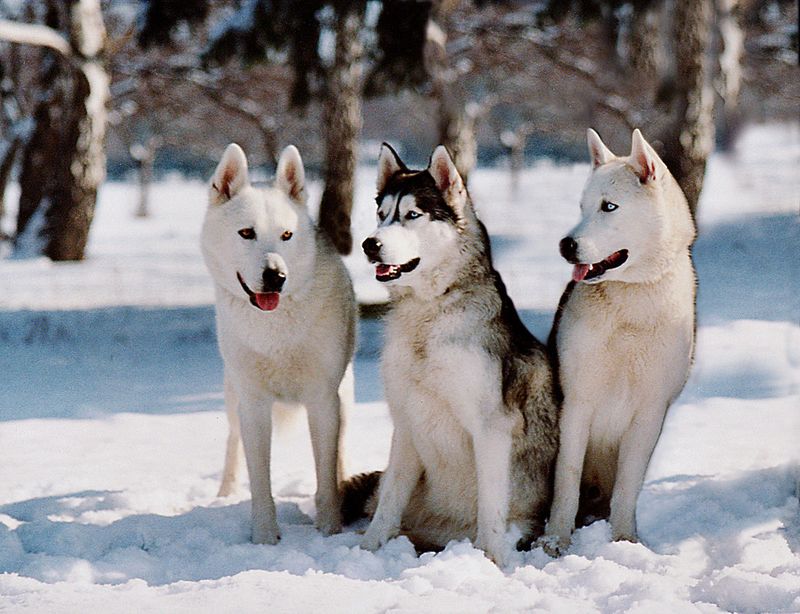
That sledder spirit loves movement, not chores, so the Husky may bargain over everything. Escape artistry and howling add drama when boredom sets in.
Use secure gates and double-leash near traffic to outsmart the wanderlust in your Husky.
Daily cardio like canicross, bikejoring, or brisk runs burns off negotiation fuel. Train impulse control with wait games, jackpot treats, and clear start cues.
Cool weather workouts and puzzle feeders keep minds satisfied after exercise at home.
Scottish Terrier
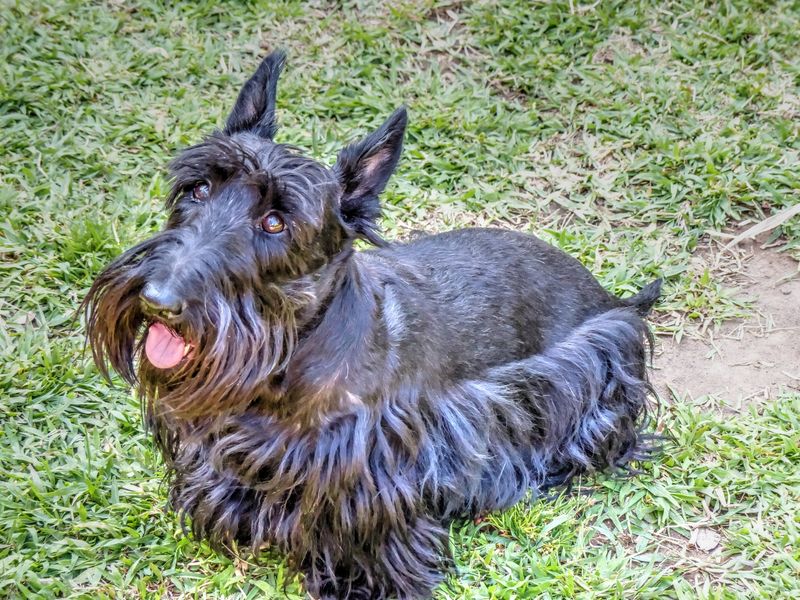
A proud little dignitary, the Scottie often prefers bargaining over being told. Strong prey drive and sharp ears can override your plans near squirrels.
Teach a rock-solid wait at doors and curbs using tiny, frequent rewards every time.
Work short drills with firm boundaries, then mix in sniff breaks as payment. Respectful praise, not baby talk, usually wins this old-soul terrier.
Grooming cooperation improves with a nonslip mat, gentle combing, and steady hands each week.
Jack Russell Terrier
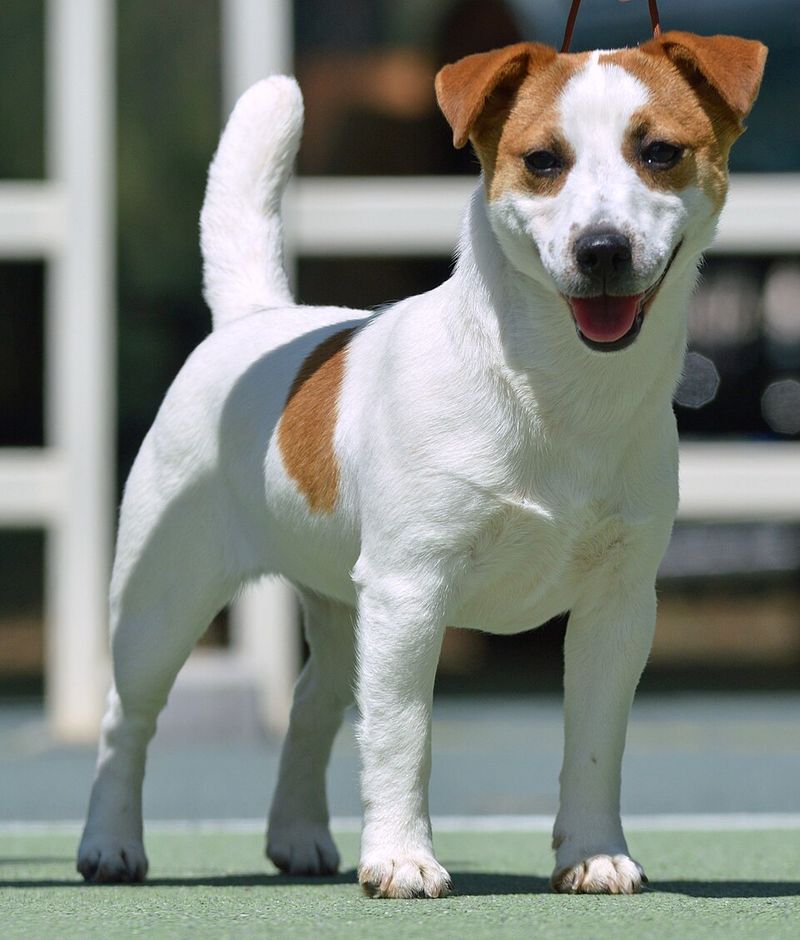
Energy with a capital E, the Jack Russell tries to outthink your schedule. Chasing, digging, and leaping can interrupt mealtime and bedtime plans.
Crate training with chews creates calm pockets for everyone in the home at night.
Channel spark into agility games, flirt pole sessions, and fast obedience sprints. Set clear cues, deliver quick rewards, and end on wins before they fizzle.
Rotate digging boxes and snuffle piles to redirect that terrier brain each day.
Basset Hound
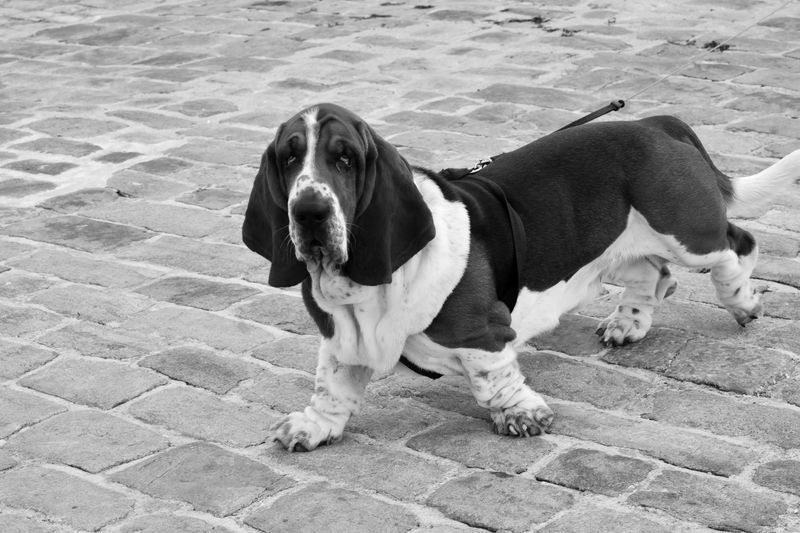
Ears like velvet flags, the Basset Hound moves at a cheerful crawl. That slow pace, paired with a powerful nose, can stall potty breaks.
Cue a happy trot with claps, then celebrate any brisk steps forward on cool mornings.
Use patience, timed potty trips, and smelly rewards to mark success. Harnesses protect necks during sniff-heavy walks and keep pressure gentle.
Short training bursts before meals sharpen focus without battling stubborn moods at your doorstep today.
Chow Chow
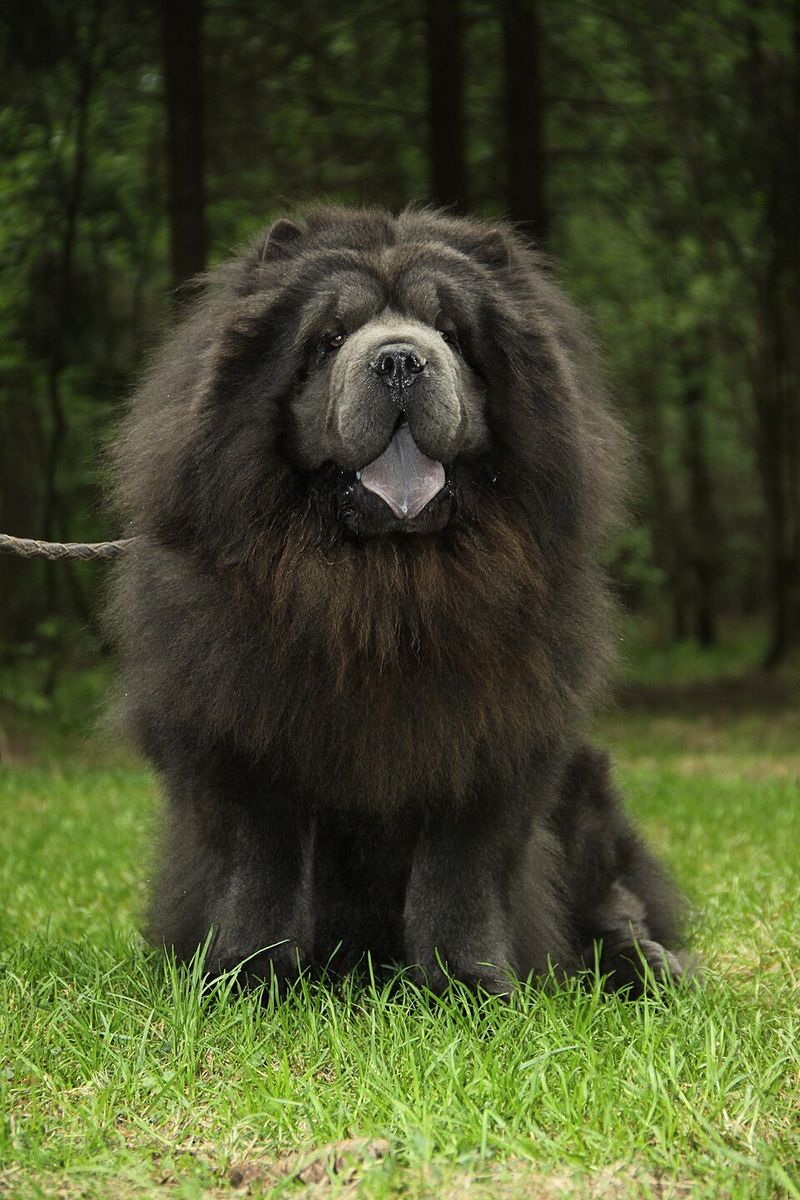
Loyal yet reserved, the Chow Chow reads the room like a quiet judge. Pushy handling can spark resistance, especially with grooming or strangers.
Early social exposure with space to retreat helps prevent pushy encounters during busy outings.
Build trust through calm routines, predictable rules, and high-value payment for cooperation. Use a platform or mat to teach stillness while brushing, then treat.
Practice polite greetings, clipped leashes, and smooth voice tones in public for steady confidence.
Miniature Pinscher
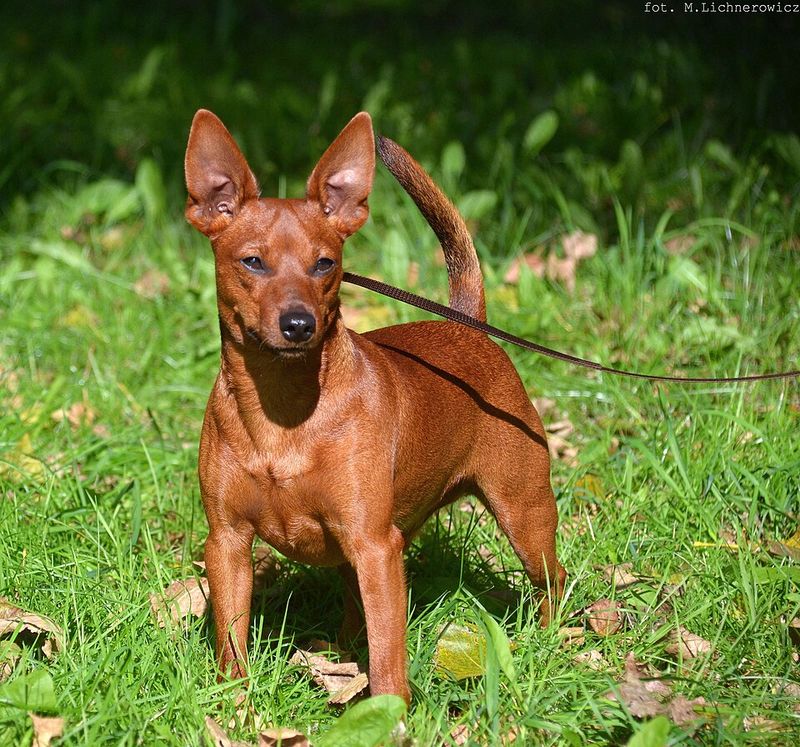
Napoleon swagger in a tiny suit, the Min Pin loves to run the show. Barking and door dashes can turn mornings into chaos.
Ask for a target touch before doors so excitement has a job to do first.
Teach quiet on cue, pay generously, and use games that require self-control. Snug harnesses, covered fences, and busywork toys keep brains engaged.
Rotate trick training, micro-walks, and scatter feeding to satisfy their speedy curiosity every single afternoon.
Akita
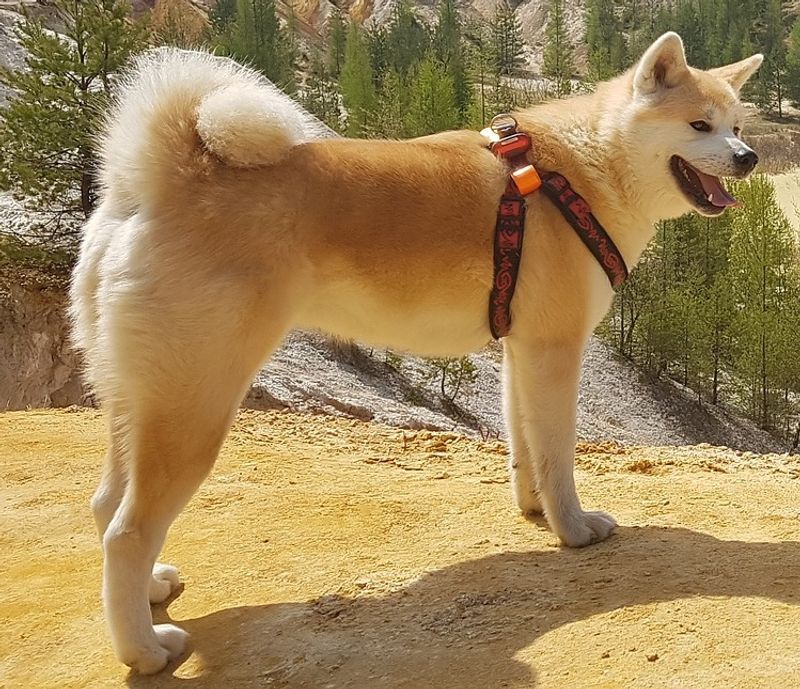
Quiet strength defines the Akita, but negotiations appear around strangers and independence. They are thoughtful, protective, and sometimes stubborn during routine changes.
Early, neutral social practice with distance helps prevent pushy greetings or needless conflict during daily outings.
Consistent structure, respectful space, and clear communication build mutual understanding. Teach solid leave-it, relaxed leash walking, and cooperative handling with high pay.
Use calm markers, food stations, and pauses to lower arousal before decisions in busy places.
English Springer Spaniel
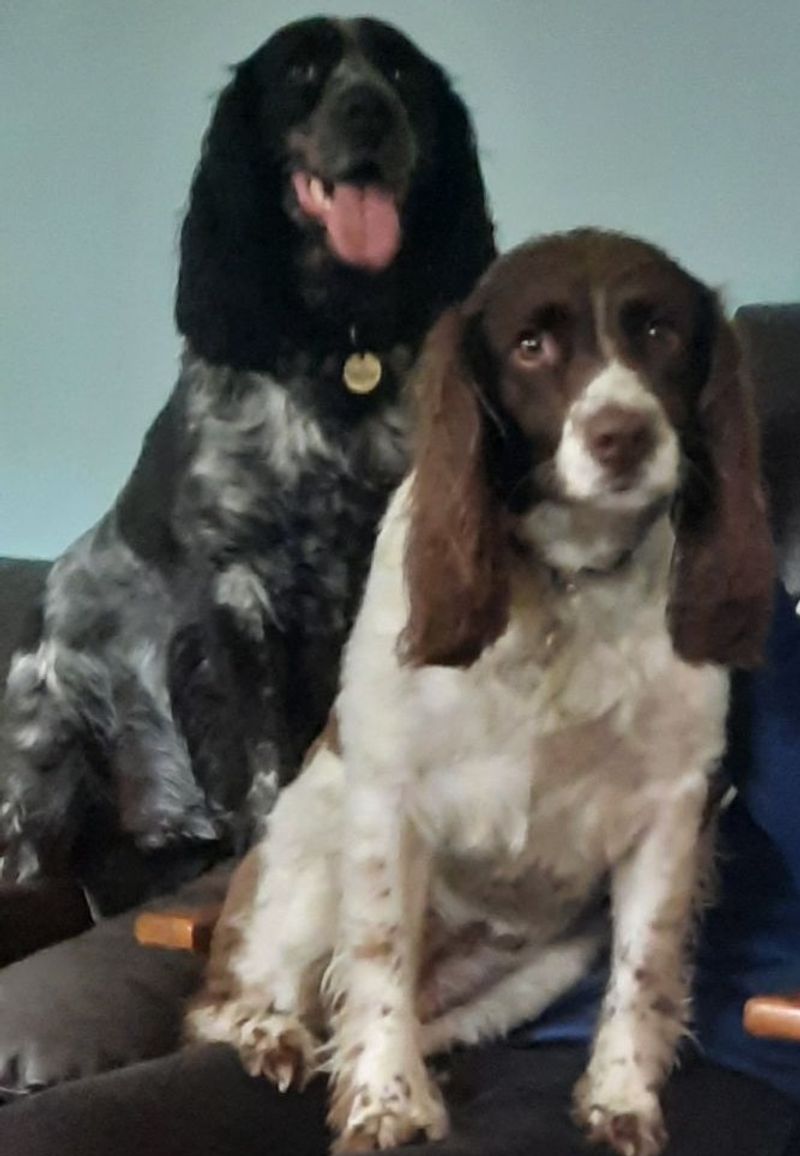
Eager eyes and a waggy backside, the Springer loves teaming up with people. Field roots mean stamina, but their cooperative spirit shines during tasks.
Grooming and ear care go smoothly when you pair touch with gentle words and treats.
Channel energy into fetch, nosework, and rally obedience with cheerful markers. Practice check-ins off leash using snacks, then release back to play.
Rotate retrieving drills, swimming days, and cuddle breaks to keep balance at home nicely.
Papillon
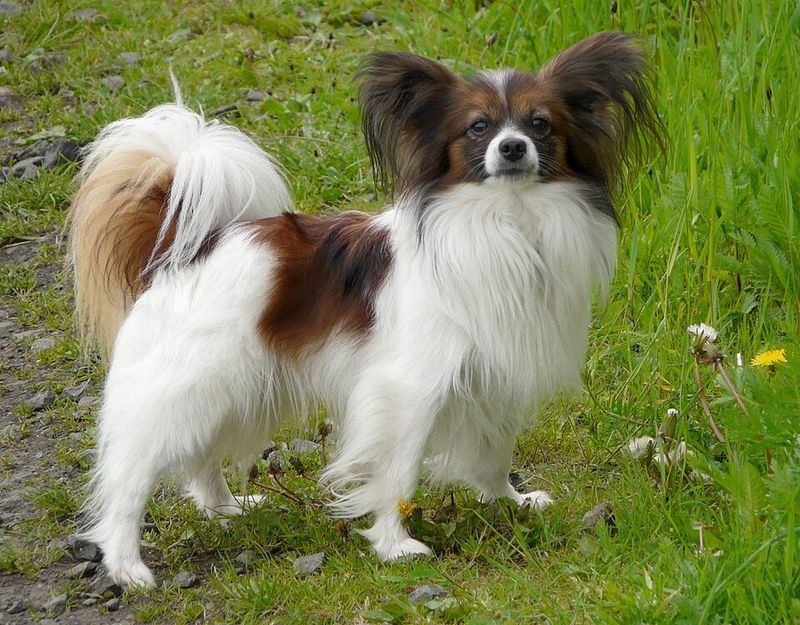
Feathered ears frame a sharp brain, and the Papillon soaks up training. Light bodies and bright attitudes make teamwork feel easy.
Sensitive paws appreciate low jumps and soft mats during games or agility in small living rooms.
Teach playful tricks, heelwork, and stays using tiny treats and upbeat timing. Because they bond closely, recalls and check-ins arrive quickly with practice.
Travel carriers, calm car rides, and friendly visits keep confidence growing all year long round.
Standard Poodle
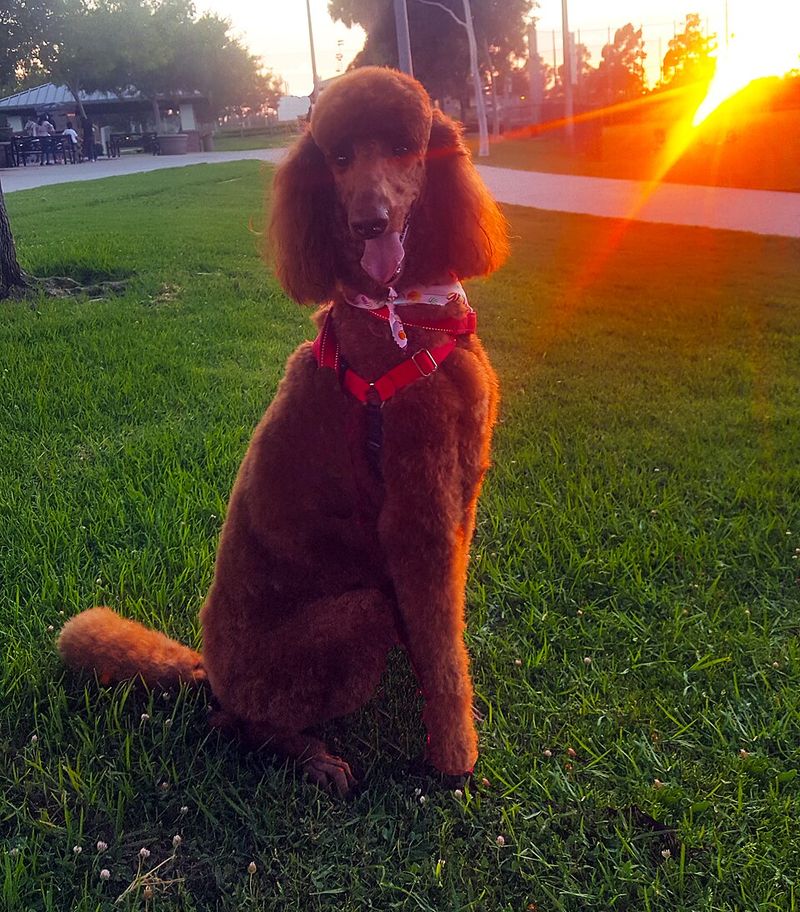
Brains, bounce, and a cooperative heart make the Standard Poodle a dream teammate. They enjoy learning patterns and reading subtle body language.
Early exposure to water often reveals a joyful swimmer and confident athlete during warmer months.
Mix obedience, retrieving, and scent games to satisfy their working heritage. Grooming days run smoothly using stationing on a mat, treats, and quiet praise.
Rotate challenging tasks, field trips, and snuggly evenings to keep balance across busy weeks.