Bringing home your first dog is exciting, but picking the right breed can make a huge difference. Some dogs are easy to train, love people, and forgive the small mistakes new owners make.
Others need a confident handler with plenty of time and know-how. Here is a friendly guide to breeds that fit beginners well, plus two that are better left to experienced owners.
Golden Retriever: The Sunshine Sidekick
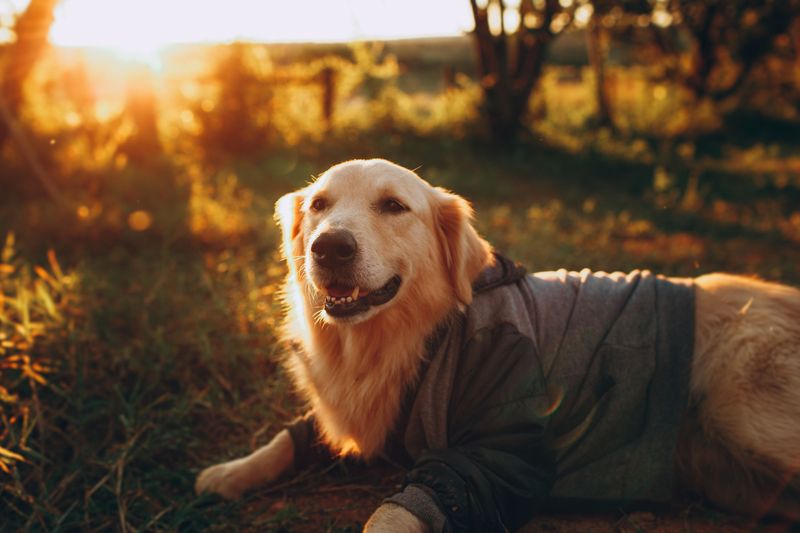
Picture a dog that greets the mail carrier like a long-lost friend. Golden Retrievers were bred in Scotland during the 1800s to fetch birds for hunters, and they still love carrying things around in their mouths.
Training usually goes smoothly because Goldens are eager to please. Expect plenty of shedding, so a good brush is a must.
Plan on at least an hour of daily exercise, like walks, swimming, or fetch.
Labrador Retriever: Everyone’s Favorite Buddy
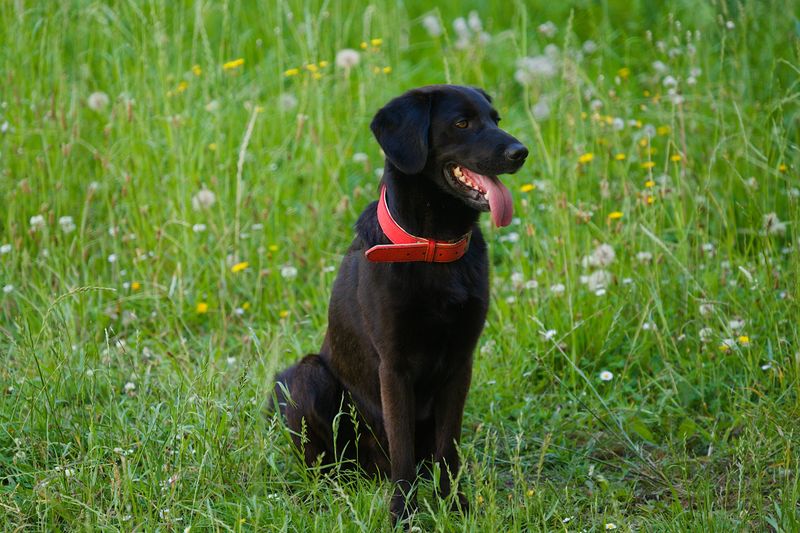
Did you know? Despite the name, Labs actually came from Newfoundland, Canada, where they helped fishermen haul nets.
Today they rank among the most popular breeds in America, and it is easy to see why. Labs are friendly, loyal, and quick learners who adore treats.
That love of food can lead to weight gain, so measure meals carefully. Lots of play and puzzle toys will keep this energetic pal from chewing your shoes.
Pug: Small Clown, Big Heart
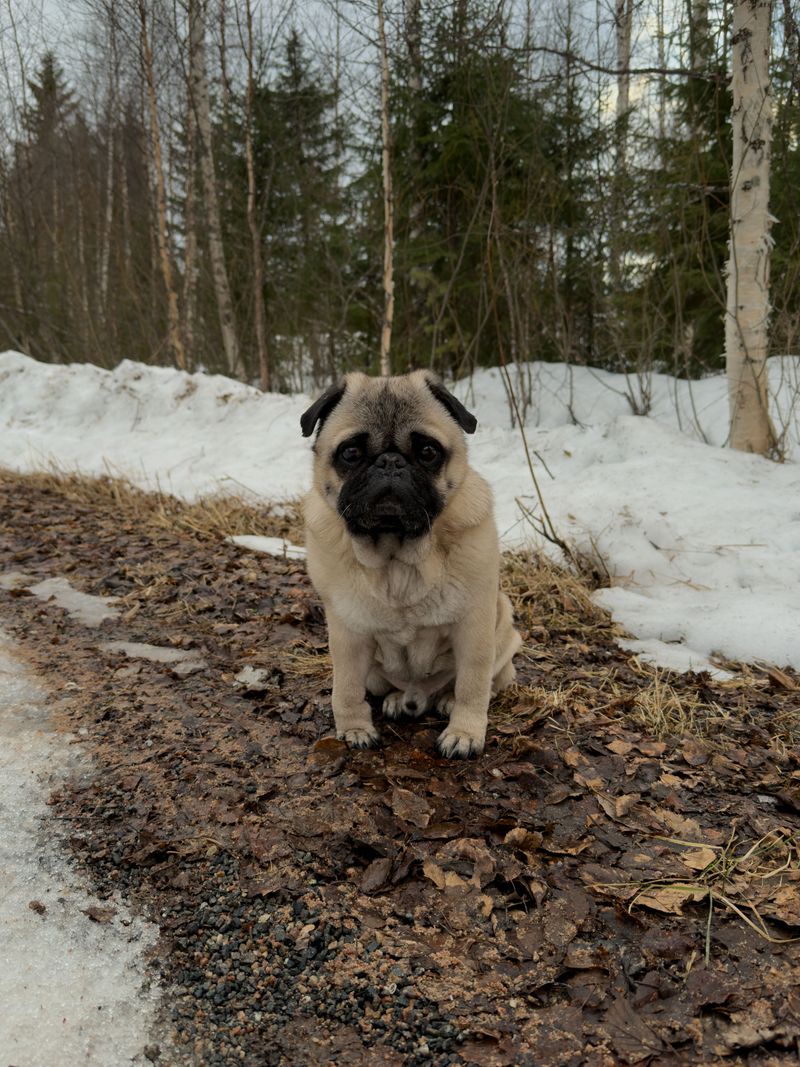
Wrinkles, snorts, and a curly tail make the Pug a walking comedy show. Ancient Chinese emperors kept these little dogs as royal lap warmers.
Pugs are perfect for apartment life since they need only short daily walks. They mostly want to be wherever you are.
Their flat faces make breathing hard in heat, so keep them cool in summer. Clean their skin folds weekly to prevent irritation and smells.
Boston Terrier: The Little Gentleman
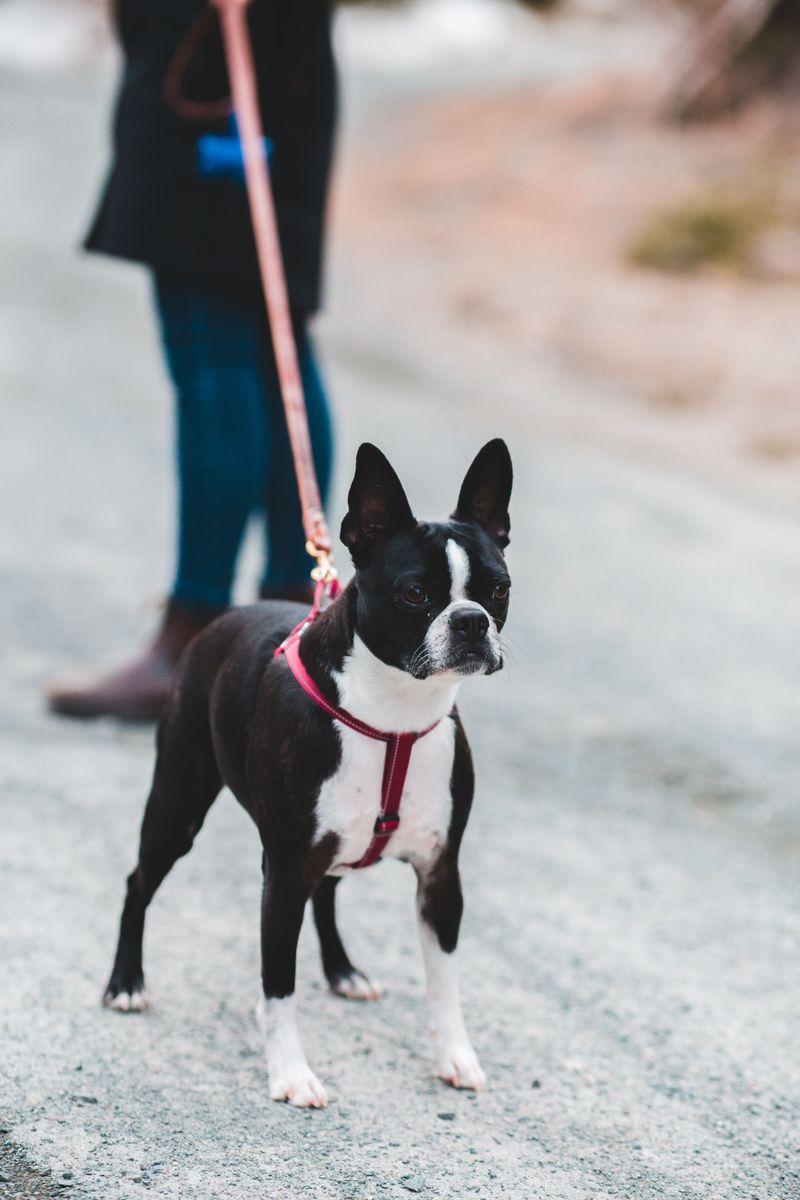
Dressed in a natural black and white tuxedo, the Boston Terrier earned the nickname American Gentleman. It was one of the first breeds developed in the United States.
Bostons are cheerful, polite, and fairly easy to housetrain. Their short coat needs only a quick weekly wipe.
They do have bursts of silly energy, so a couple of brisk walks and some tug games will keep them content and well-behaved indoors.
French Bulldog: Chill Roommate Energy
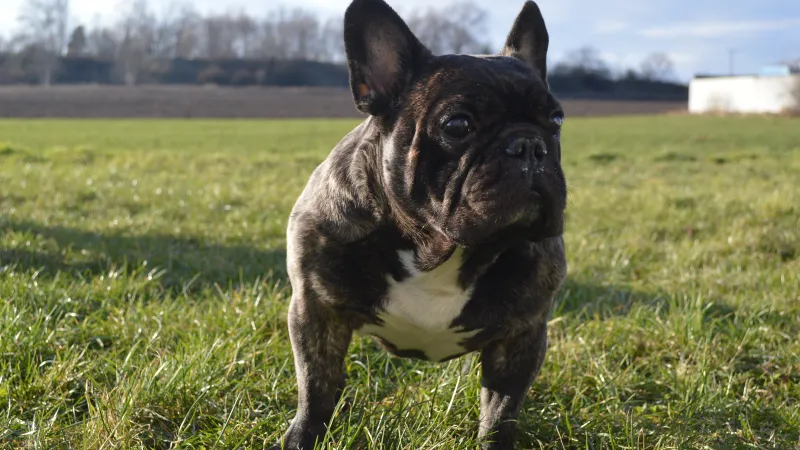
If you want a dog that is happy to nap through a movie marathon, meet the Frenchie. Those famous bat ears and goofy expressions win hearts everywhere.
French Bulldogs rarely bark much and need little exercise, which suits busy families and city dwellers. They can be a bit stubborn, though.
Short, fun training sessions with tasty rewards work best. Like Pugs, they overheat easily, so avoid long outings on hot days.
Beagle: Nose First, Always
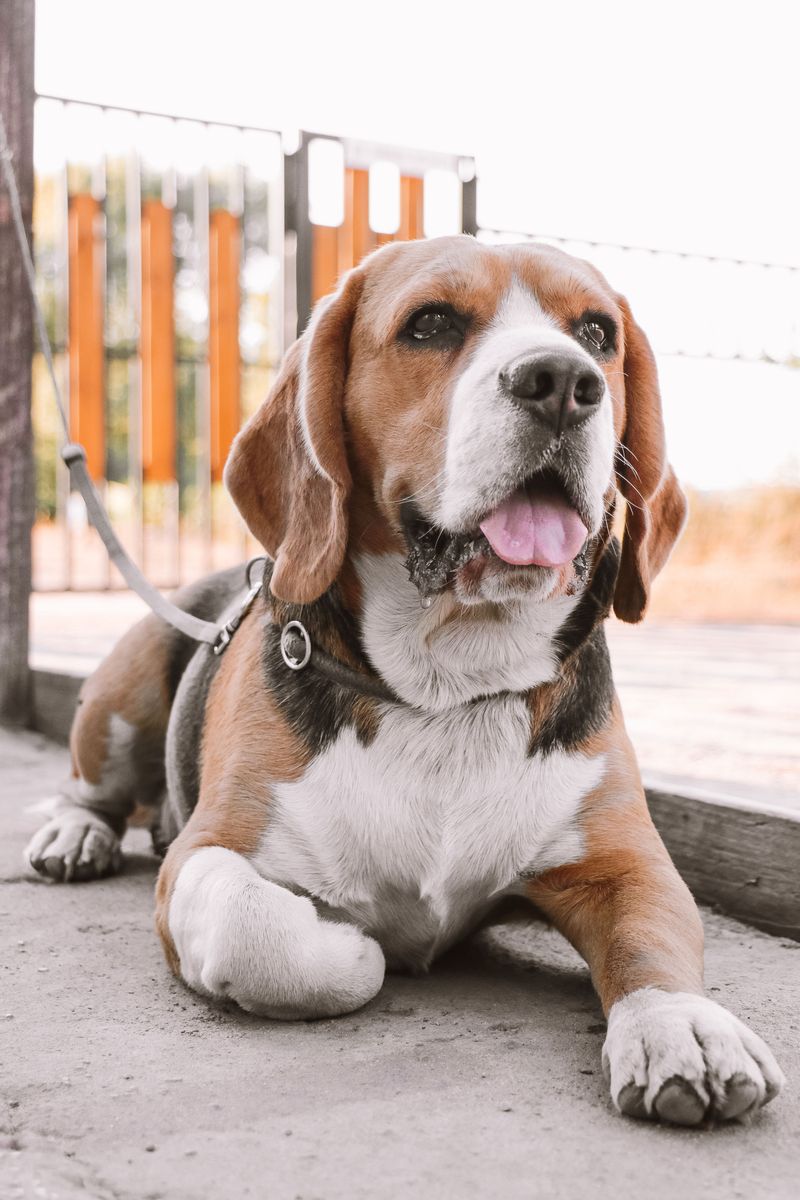
A Beagle has around 220 million scent receptors, so every walk turns into a detective mission. Snoopy from Peanuts made this breed famous worldwide.
Beagles are cheerful and get along well with children and other pets. Their compact size fits most homes nicely.
Keep them on a leash, since a good smell can send them running off. Expect some howling, and hide the snacks because counters are fair game.
Yorkshire Terrier: Tiny but Mighty
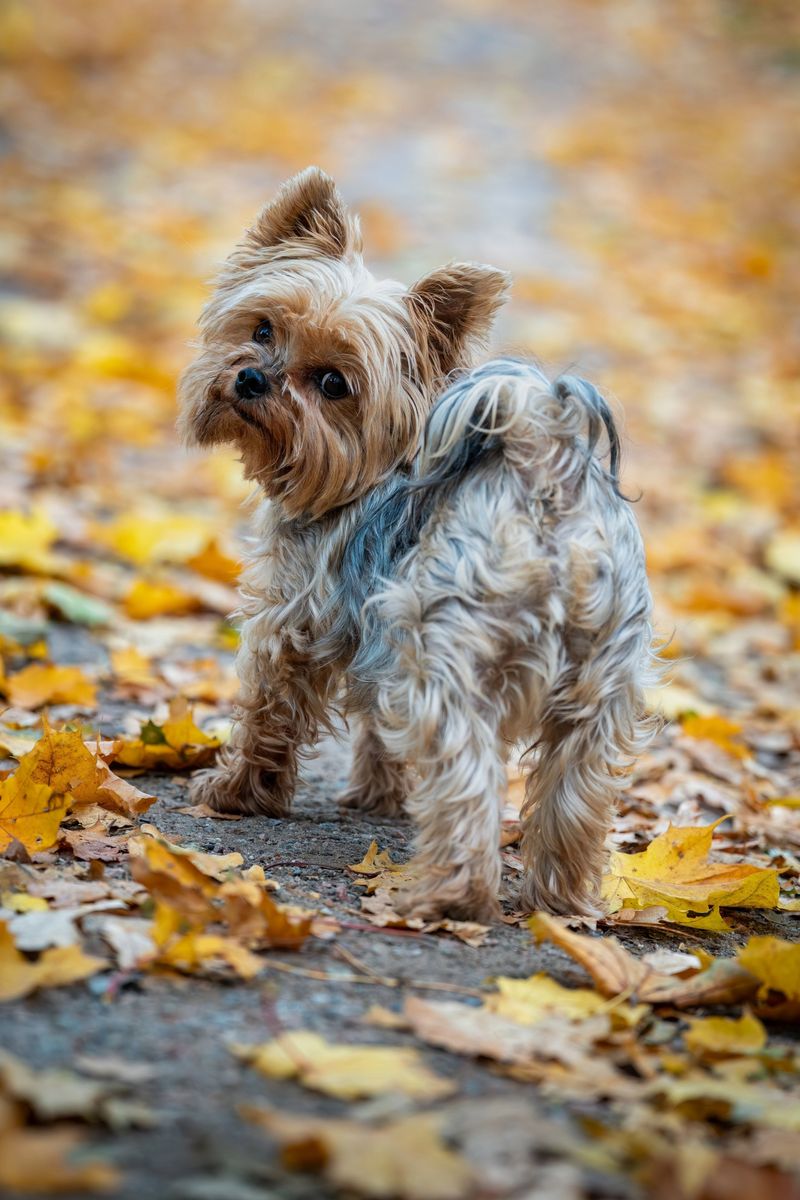
Weighing about seven pounds, the Yorkie acts like it owns the entire block. These pint-sized pups first worked catching rats in English mills.
Yorkies bond closely with their people and travel easily. Their hair is similar to human hair, so they shed very little.
Regular brushing or a short puppy cut keeps tangles away. Gentle, consistent training helps tame their bossy streak and any yappy habits.
Cocker Spaniel: Sweet Soul with Soulful Eyes
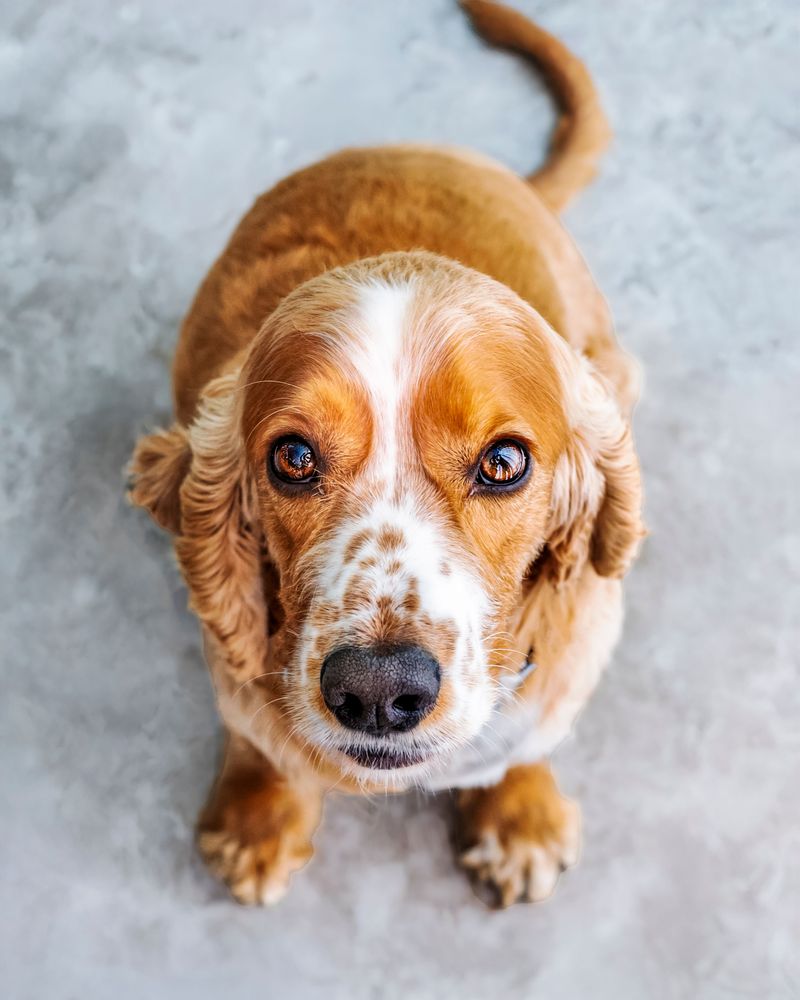
One look into those big, dark eyes and you might melt. The Cocker Spaniel got its name from hunting a bird called the woodcock.
Cockers are affectionate and sensitive, so kind words work far better than scolding. They enjoy playtime but also love cuddles.
Those long, silky ears need weekly cleaning to prevent infections. Plan for regular grooming, either at home or with a professional every few weeks.
Pembroke Welsh Corgi: Short Legs, Big Personality
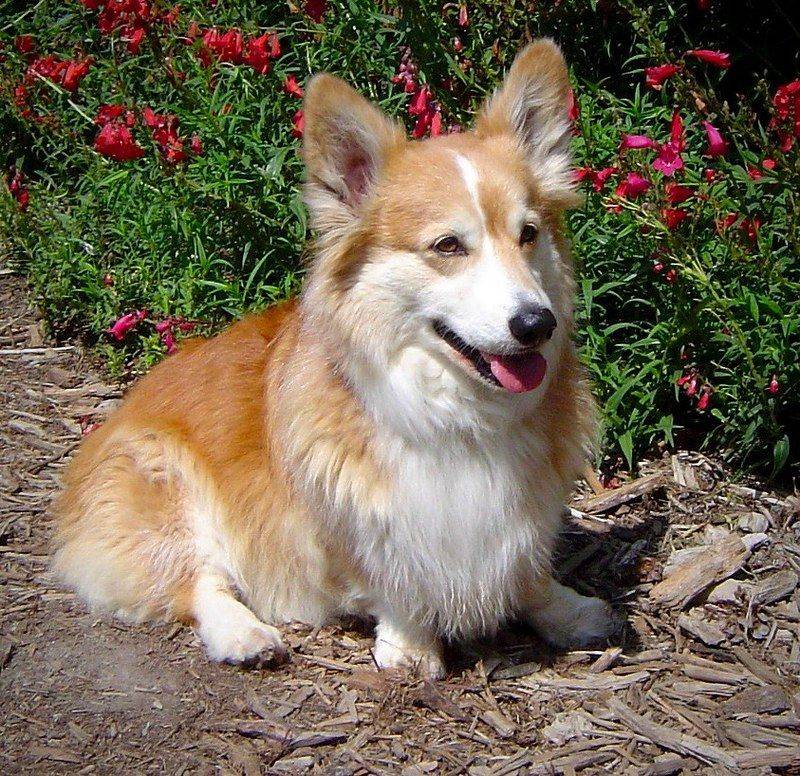
Queen Elizabeth II owned more than 30 Corgis during her life, so you know they are fit for royalty. Originally, they herded cattle in Wales.
Corgis are smart, playful, and learn commands fast. They may try to herd kids by nipping at heels, which training can fix.
Watch their weight to protect those long backs. Daily walks and brushing during heavy shedding seasons keep them healthy and happy.
Miniature Schnauzer: The Bearded Watchdog
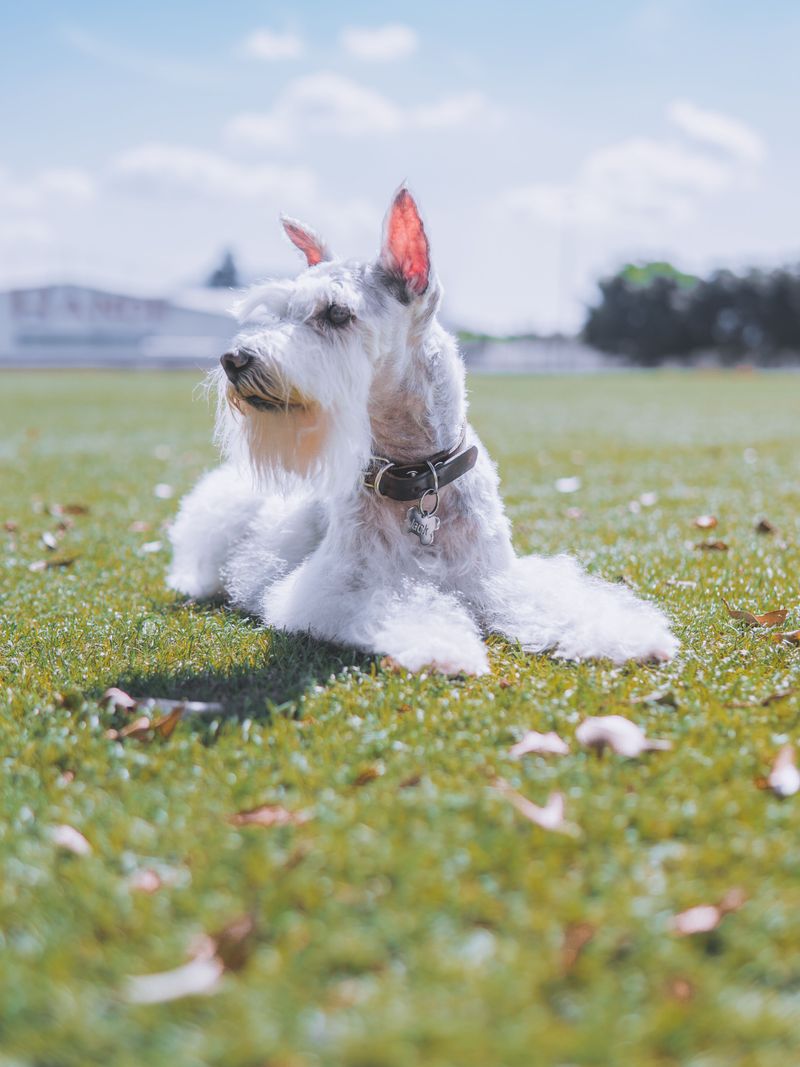
With bushy eyebrows and a distinguished beard, the Miniature Schnauzer looks like a tiny professor. German farmers used them to guard barns and catch rodents.
Schnauzers are alert and will happily announce visitors. They are loyal, clever, and shed very little, which allergy sufferers appreciate.
Their wiry coat needs trimming every couple of months. Give them games and short training sessions to keep that sharp mind busy.
English Springer Spaniel: Joy on Four Paws
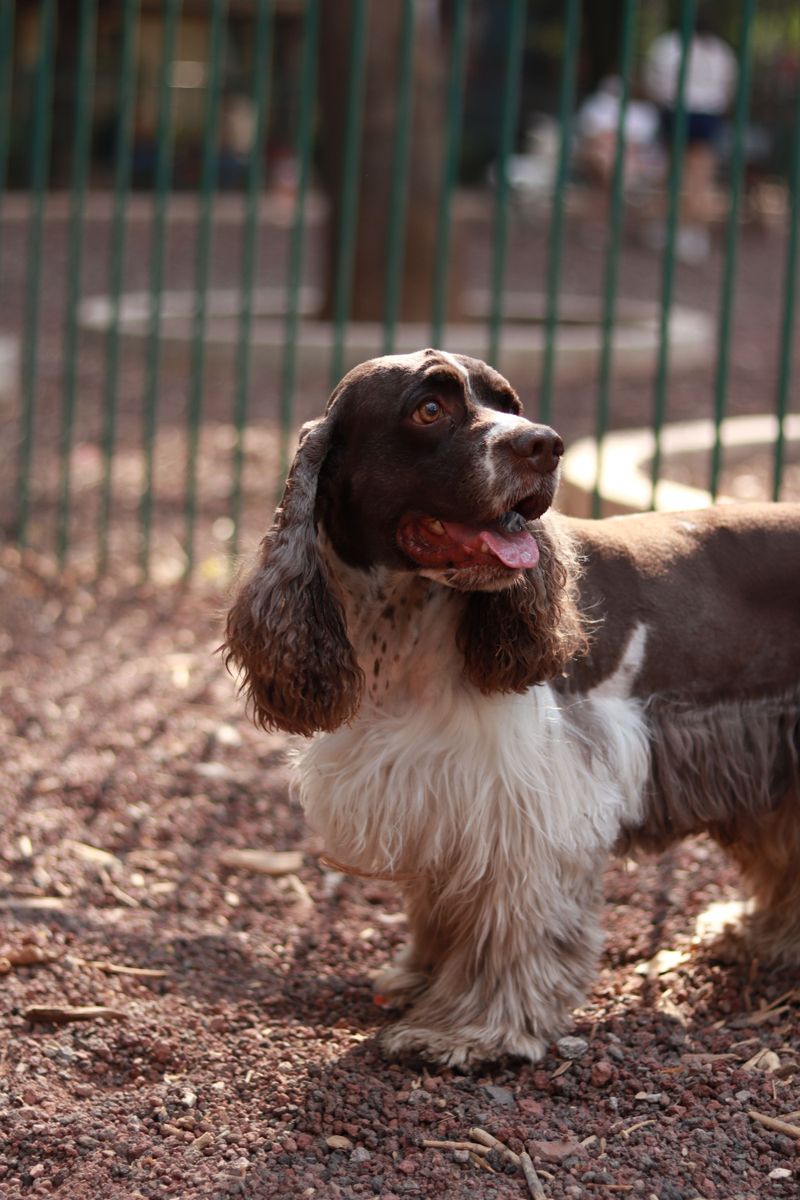
Named for springing birds out of bushes, this spaniel seems to bounce through life. Few dogs show happiness so openly.
Springers are friendly, gentle with kids, and very trainable. Active families who hike, jog, or play outside will find a perfect match.
Without enough exercise, they can get restless and bored. Aim for one to two hours of activity daily, and brush their feathered coat a few times weekly.
Rottweiler: Power That Needs a Steady Hand
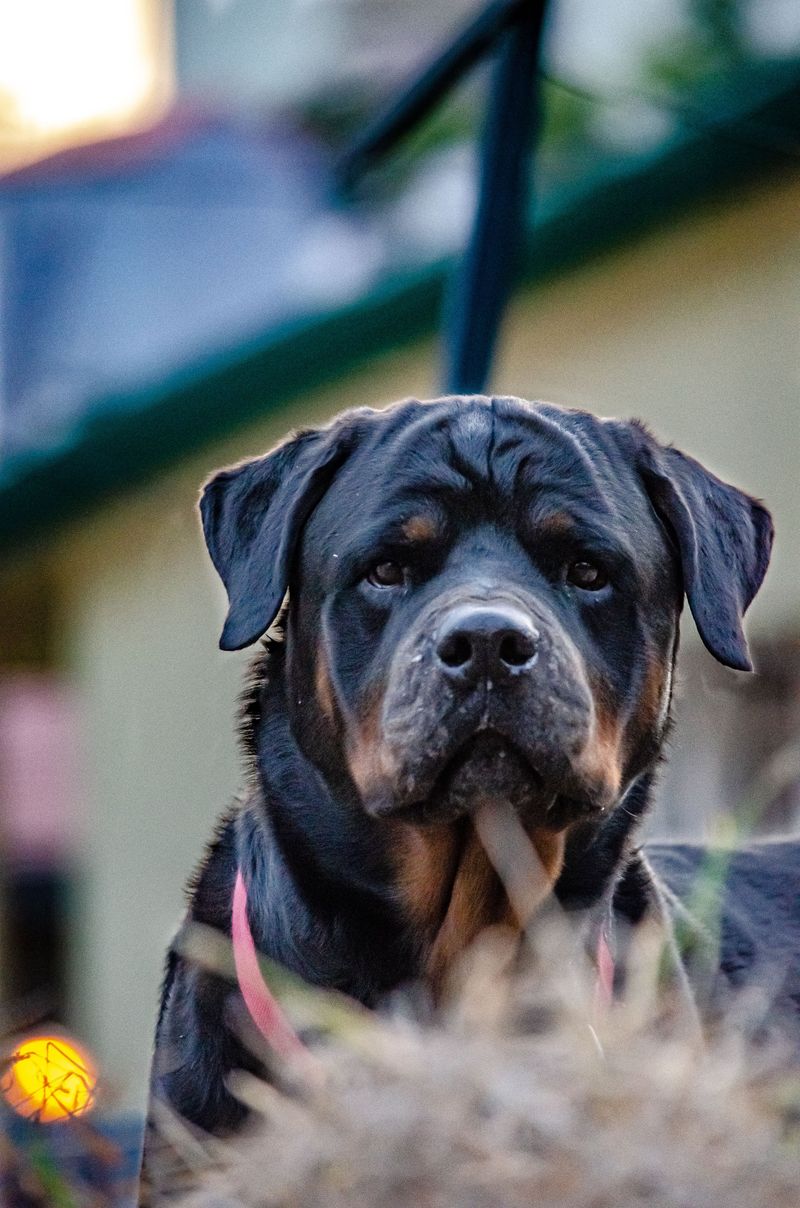
Back in Roman times, Rottweilers drove cattle and later pulled butcher carts in Germany. That history shows their strength and work ethic.
A well-raised Rottie is loyal, calm, and loving with family. However, these dogs can weigh over 100 pounds and are naturally protective.
Early socialization and firm, fair training are a must. First-time owners may struggle, so this breed suits experienced handlers who can lead with confidence.
Australian Cattle Dog: The Tireless Worker
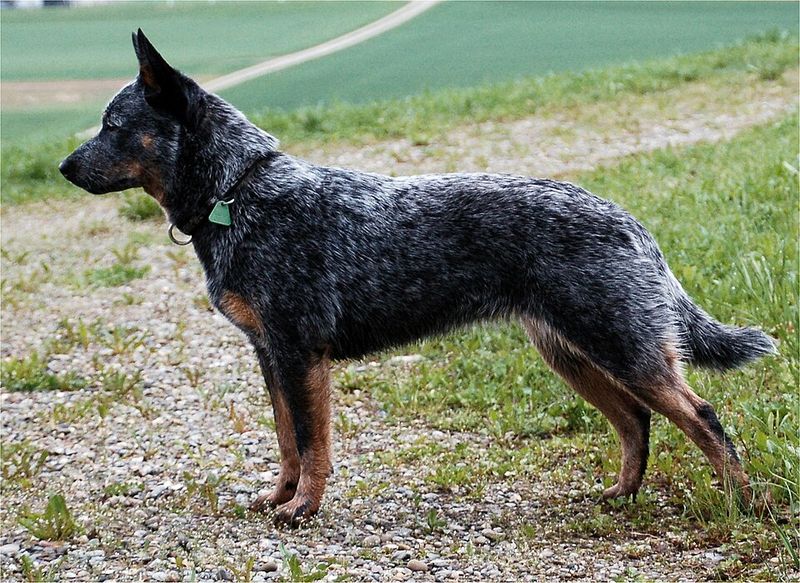
Ever met a dog that never seems to get tired? Bred partly from wild dingoes, Australian Cattle Dogs moved herds across rough outback land.
They are brilliant and loyal but need serious daily work, both physical and mental. A bored heeler may dig, chew, or nip.
Owners who enjoy agility, herding, or long runs will thrive with one. Beginners often find their energy and stubbornness too much to handle.