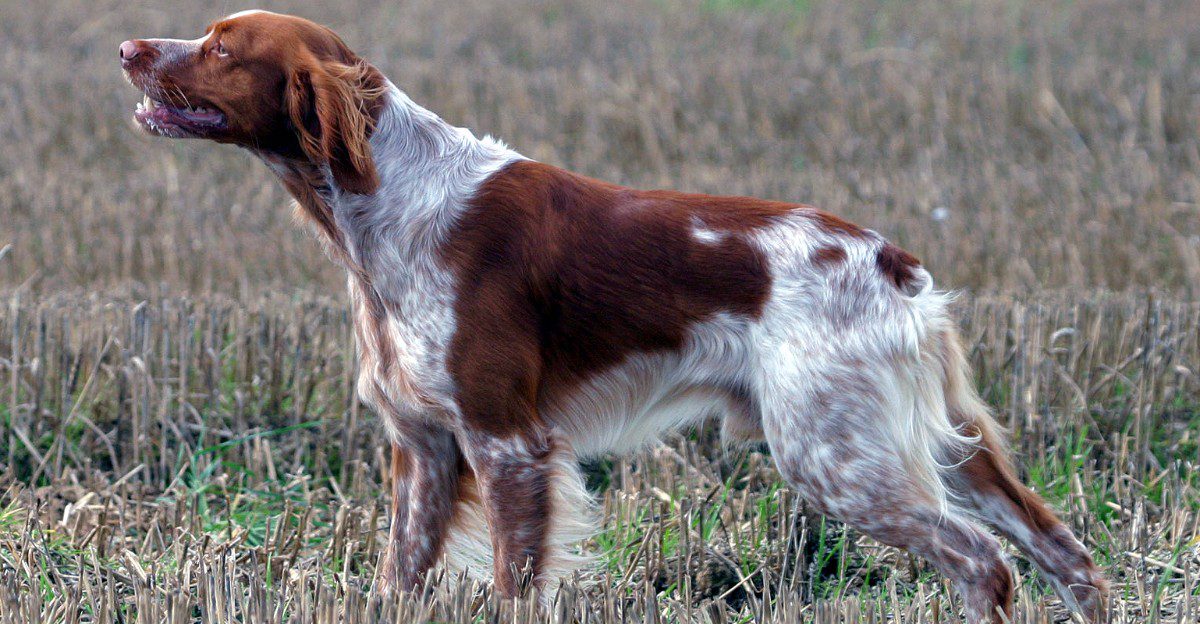
Your dog watches you far more closely than you might think. The way you talk, move, and even handle stress can shape how your pet acts every single day.
Some breeds are especially good at picking up on human moods and habits, almost like furry mirrors. Getting to know these dogs might change the way you see your own daily routine.
German Shepherd
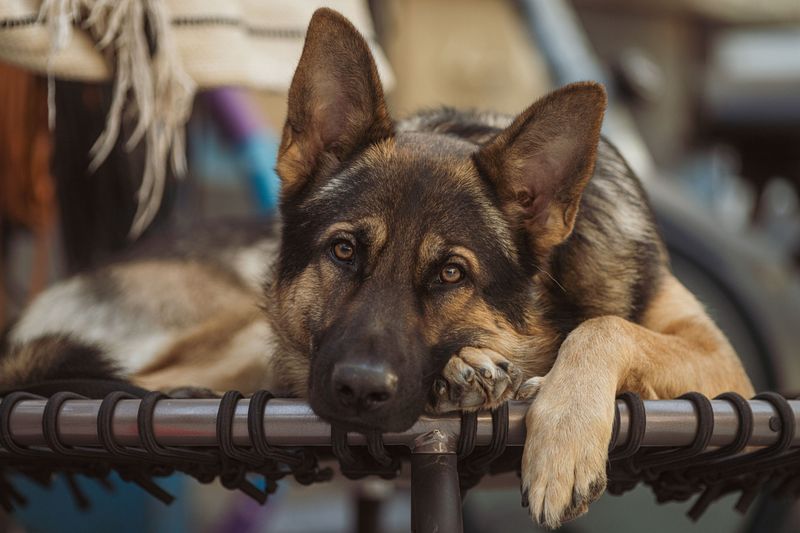
Ever notice a German Shepherd tilt its head when you sigh? Bred to work closely with shepherds and police officers, these dogs read body language like a book.
If you rush around anxious, your Shepherd may start pacing too. Calm, steady routines help them feel secure.
Try speaking in a relaxed voice during training. You will likely see a focused, confident partner who matches your peaceful energy instead of your worries.
Labrador Retriever
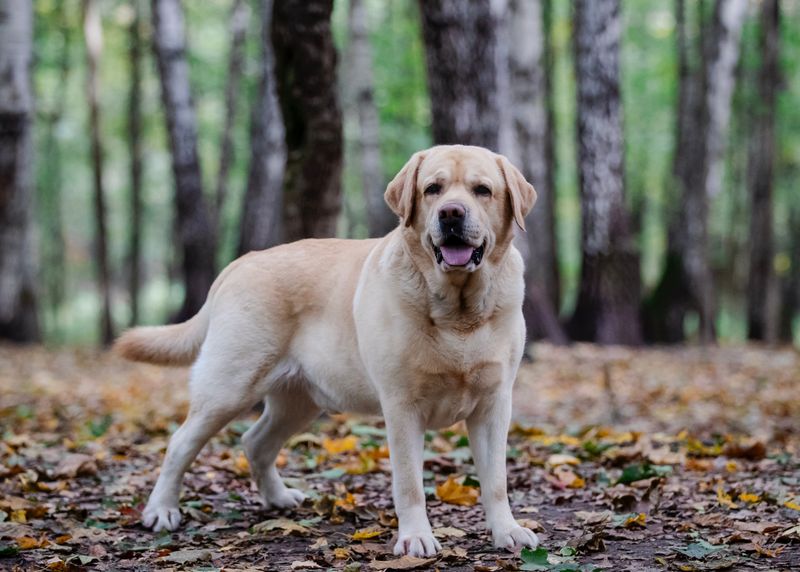
Picture walking through the door after a rough day. Your Lab still greets you with a wagging tail, but watch closely and you may see it soften when you seem sad.
Labs are famous for tuning into family feelings. Snack habits matter too, since sharing table scraps teaches begging fast.
Fun fact: despite the name, this breed actually comes from Newfoundland, Canada. Consistent rules keep that sweet appetite in check.
Golden Retriever
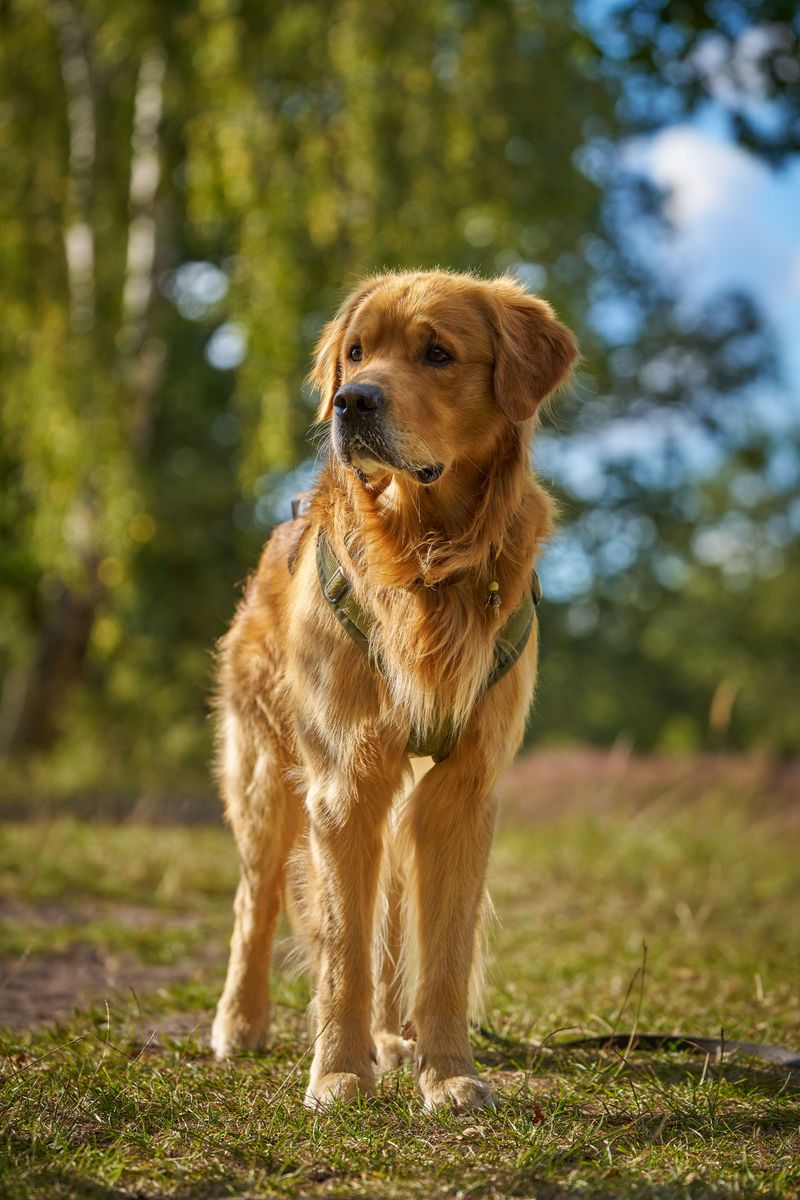
Golden Retrievers have a way of showing up right when you need a hug. Many owners swear their Golden seems to know when they feel down.
That sensitivity works both ways. Yelling or harsh corrections can make these soft-hearted dogs nervous and clingy.
Praise, treats, and patient practice bring out their best side. Treat your Golden kindly, and you get a loyal, sunny buddy who reflects your warmth right back.
Pembroke Welsh Corgi
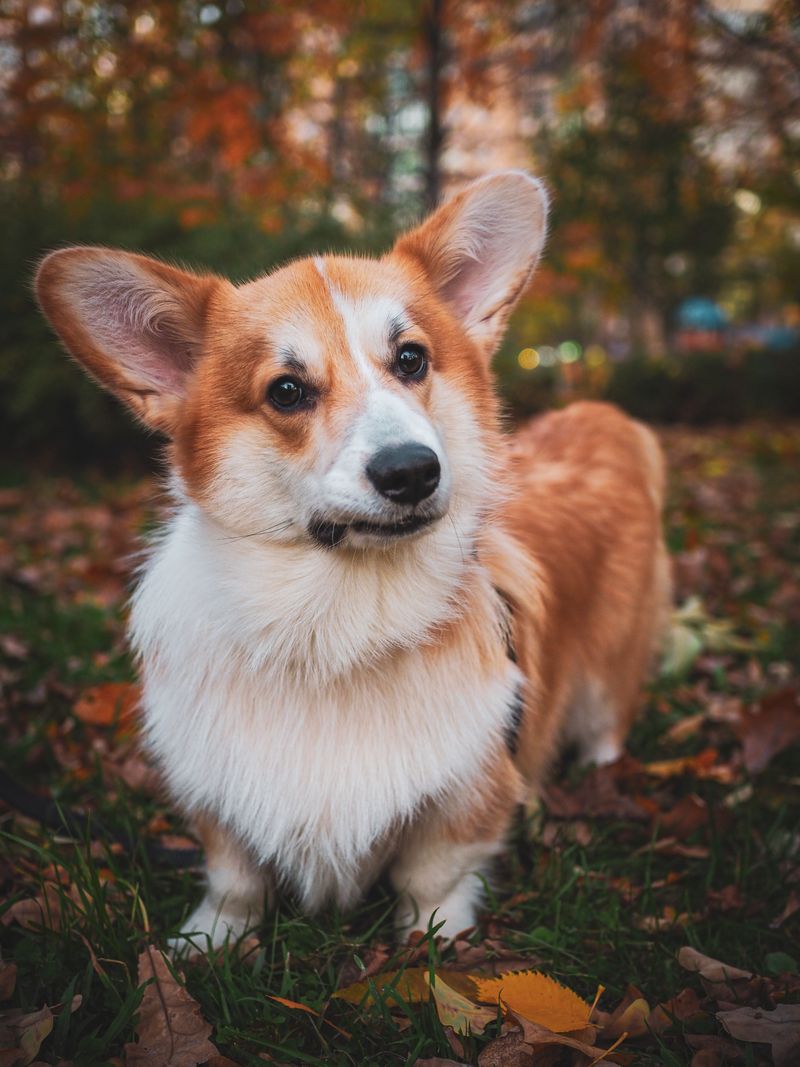
Short legs, big opinions! The Pembroke Welsh Corgi was bred to herd cattle, so it loves having a job and a schedule.
When your days are messy and random, a Corgi may invent its own fun, like nipping at heels or barking at nothing.
Regular walks and simple puzzle games keep that clever brain busy. Queen Elizabeth II owned more than 30 Corgis, proving routine can earn royal-level manners.
Miniature Schnauzer
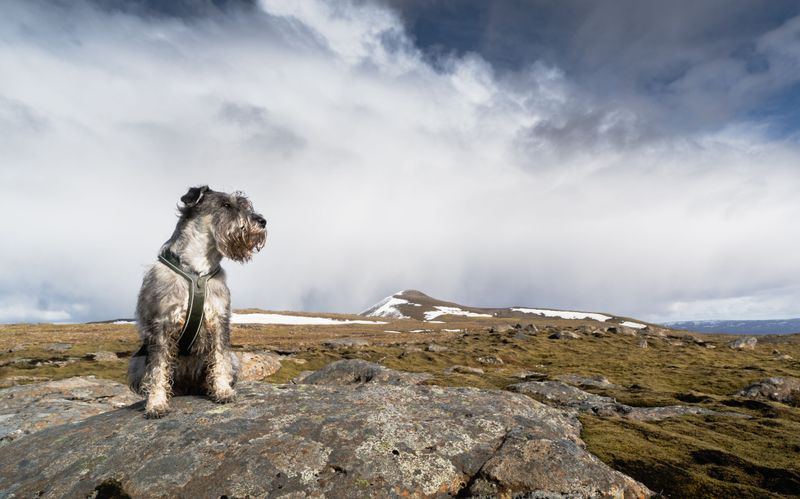
Those bushy eyebrows are not just for looks. Miniature Schnauzers are watchful little guards who notice every sound and every mood in the house.
If you jump at the doorbell, your Schnauzer will too, often louder. Staying calm when visitors arrive teaches them there is no danger.
Owners who model a relaxed attitude often end up with a cheerful, chatty pup instead of a nonstop alarm system on four legs.
Chihuahua
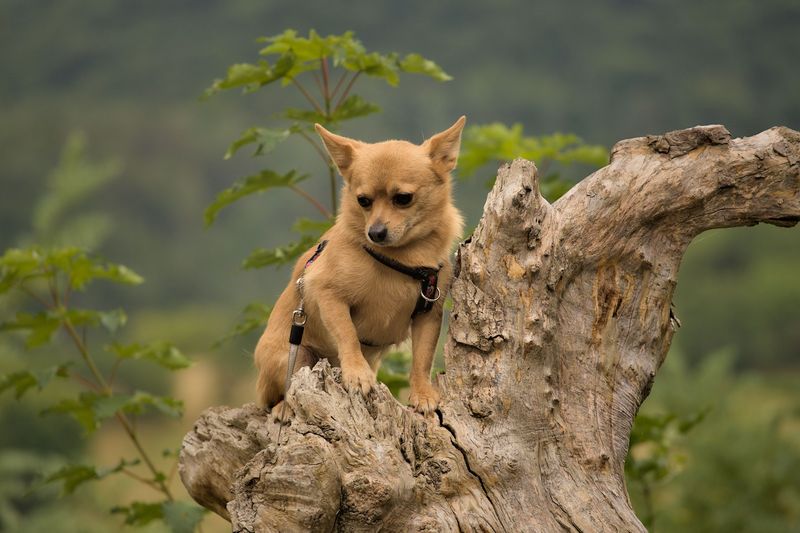
Tiny body, giant attitude. Chihuahuas often get carried everywhere, and that habit can shape them more than people realize.
Dogs that never walk on their own paws may grow fearful or snappy. Letting your Chihuahua explore safely builds real confidence.
Also, watch how you react to their growls. Laughing at it can reward the behavior.
Gentle, firm guidance helps this pint-sized pal become brave and friendly.
Australian Cattle Dog
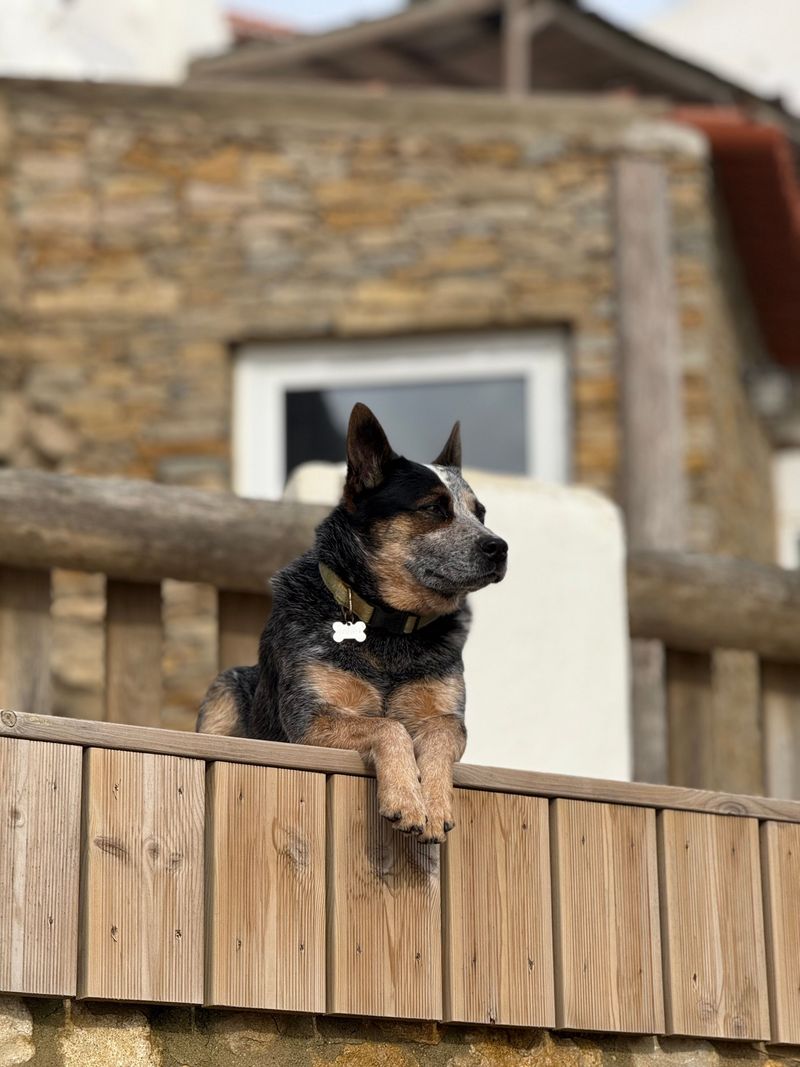
Got a lazy Sunday planned? Your Australian Cattle Dog probably does not agree.
Born to move herds across rough Australian land, this breed has energy to spare.
Owners who skip exercise often find chewed shoes or dug-up gardens. Your activity level becomes their activity level.
Hiking, fetch, and training games turn that wild drive into teamwork. One famous Cattle Dog named Bluey lived to nearly 30 years old!
Brittany
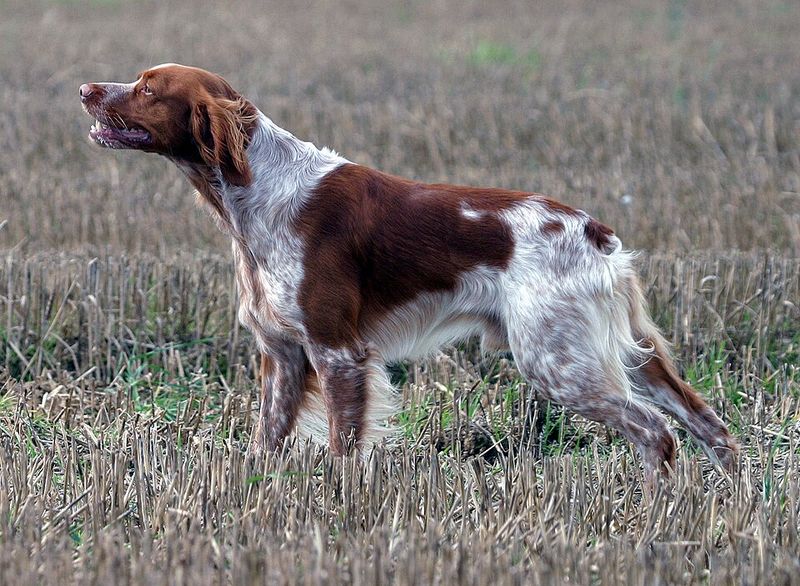
Brittanys are bundles of happy energy with soft, sensitive hearts. They want to please you so much that a sharp word can truly sting.
Hunters have loved this French breed for centuries because it listens closely to its person.
That means your tone matters a lot. Upbeat voices and fun rewards create an eager learner.
Grumpy moods may lead to a shy, hesitant dog who seems unsure what you want.
Pomeranian
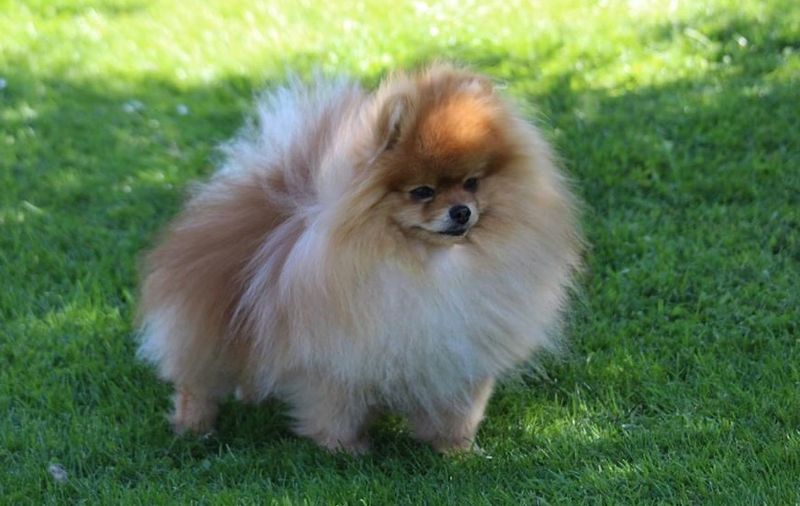
A fluffy Pomeranian can wrap you around its little paw in about five seconds. Those big eyes make it so easy to give in.
Here is the catch: every time you hand over a treat for barking, you teach more barking.
Poms learn quickly, which is great news. Reward quiet moments instead, and keep greetings calm.
Fun fact: early Pomeranians weighed up to 30 pounds before being bred smaller.
Boxer
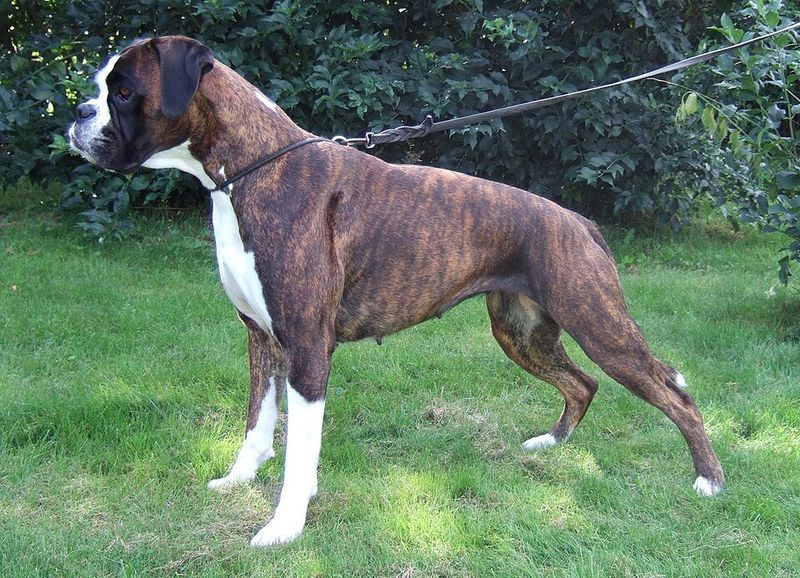
Some dogs walk. Boxers bounce.
Their goofy, wiggly greetings make everyone smile, but they also copy the excitement around them.
Rowdy play right before bedtime? Expect a Boxer bouncing off the walls at night.
Families who balance playtime with calm downtime raise steadier pups. Teaching kids to stay gentle and quiet when the Boxer gets wild really helps.
The breed name may come from how they swat with front paws.
Beagle
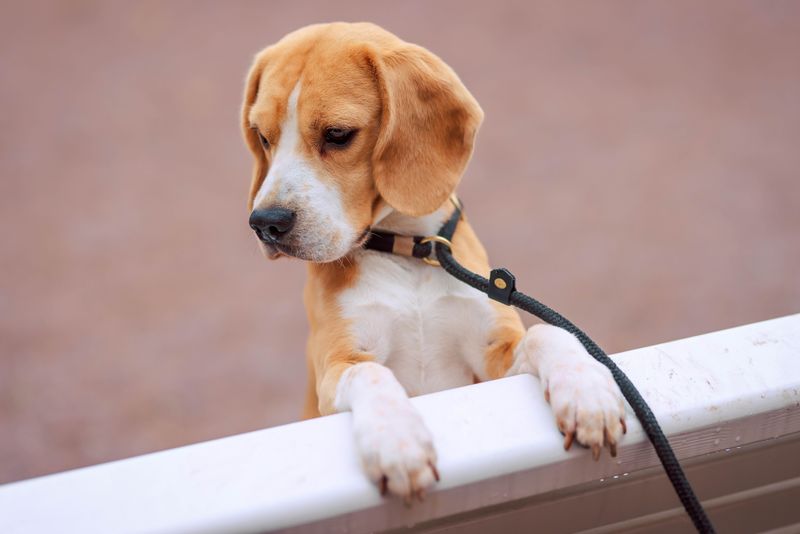
A Beagle’s nose has about 220 million scent receptors, so food left on the counter is basically an invitation.
Your habits shape this hound more than you might guess. Messy kitchens and unlocked trash cans train a Beagle to become a snack thief.
Keeping things tidy and offering sniff-heavy walks gives that nose a healthy outlet. Consistent leash practice also helps when the next exciting smell pulls them away.
Yorkshire Terrier
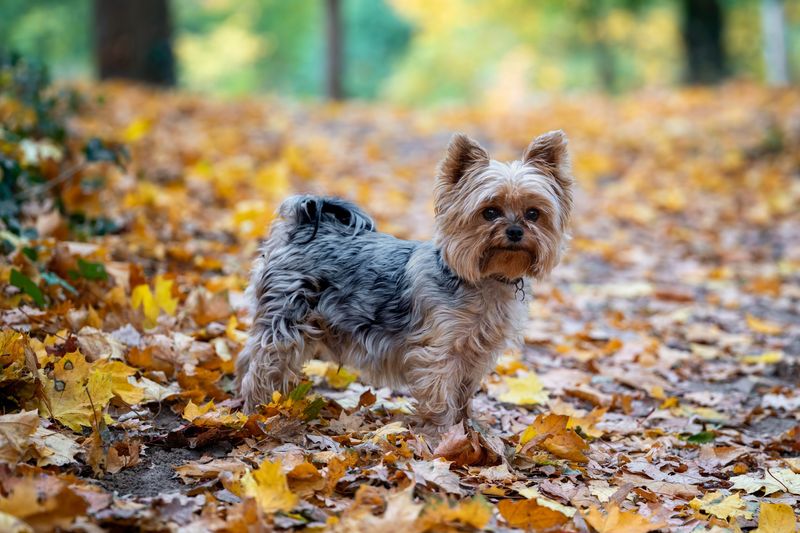
Yorkies were once tough rat catchers in English mills, even if today they wear tiny bows. That bold terrier spirit never fully left.
Owners who baby them constantly may end up with a bossy little ruler of the house.
Give your Yorkie clear rules, short training sessions, and chances to be independent. Treat them like the spunky dog they are, and you will see a balanced, joyful companion.