
Some dogs shrug off a stern word, while others take it straight to heart. Yelling, leash jerks, or rough handling can leave sensitive dogs scared, shut down, or less willing to learn.
Knowing your dog’s emotional style helps you train with kindness and get better results. Here are ten breeds that need a softer touch, plus two that usually bounce back with ease.
Shetland Sheepdog
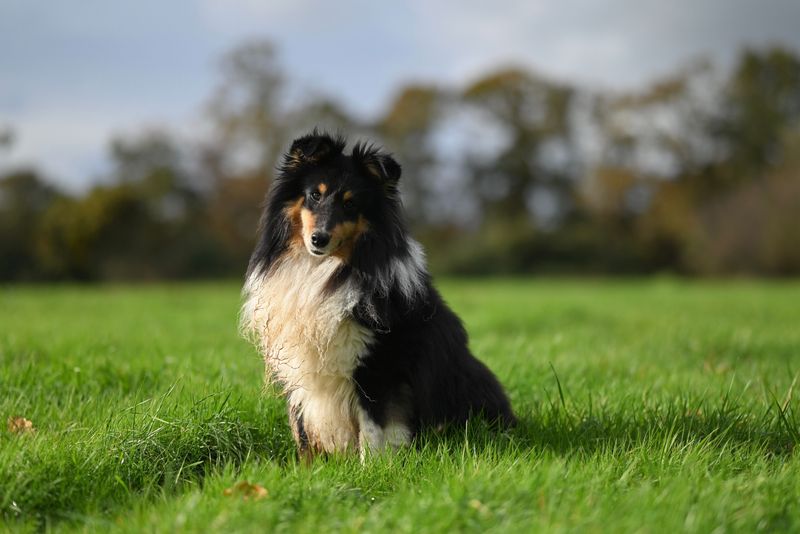
Picture a tiny shepherd who notices every sigh you make. Shelties read human moods like an open book, so a sharp scolding can feel like a thunderstorm to them.
Harsh words often lead to trembling, hiding, or nervous barking. Instead, try calm praise and small treats when your Sheltie gets things right.
Fun fact: these fluffy herders come from Scotland’s Shetland Islands, where they guarded little sheep and ponies.
Cocker Spaniel
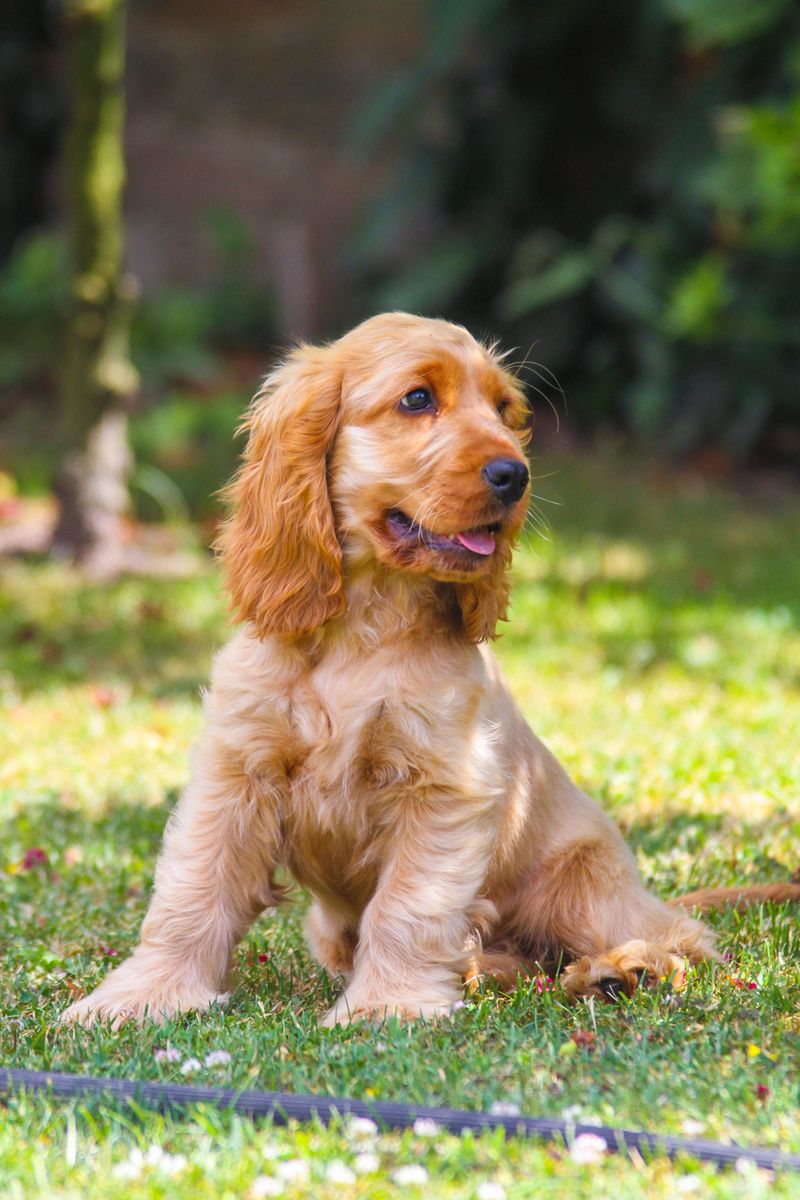
Those big, soulful eyes are not just for show. Cocker Spaniels carry tender hearts, and some may even submissively pee when they feel scolded or frightened.
Rough handling can also make them touchy about grooming or having their ears checked. Keep sessions short, upbeat, and full of rewards.
A cheerful voice works wonders here. When your Cocker feels safe, that famous wagging tail rarely stops moving.
Papillon
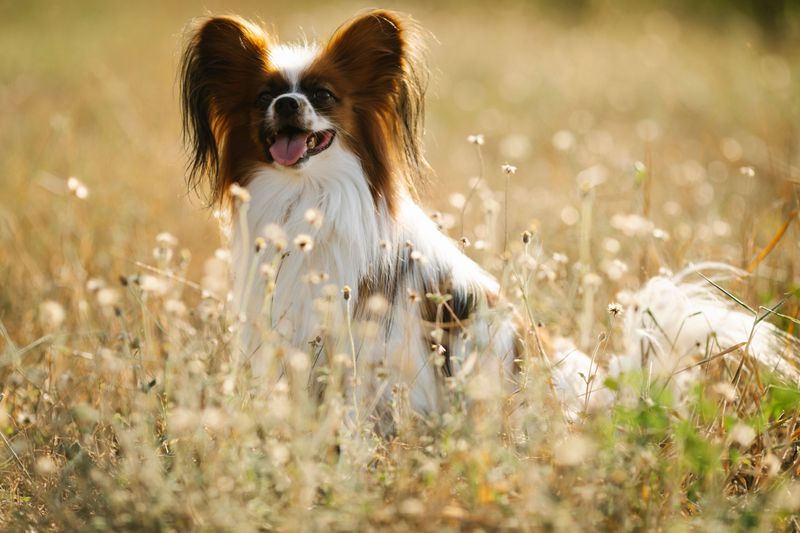
Named after the French word for butterfly, the Papillon flutters through life with grace and brains. Small size does not mean small feelings, though.
Yelling at this little genius can make it anxious and clingy. Papillons learn tricks fast, so reward-based games are a better fit.
Try clicker training or a fun agility course in your living room. Your tiny pupil will shine when learning feels like playtime.
Australian Shepherd
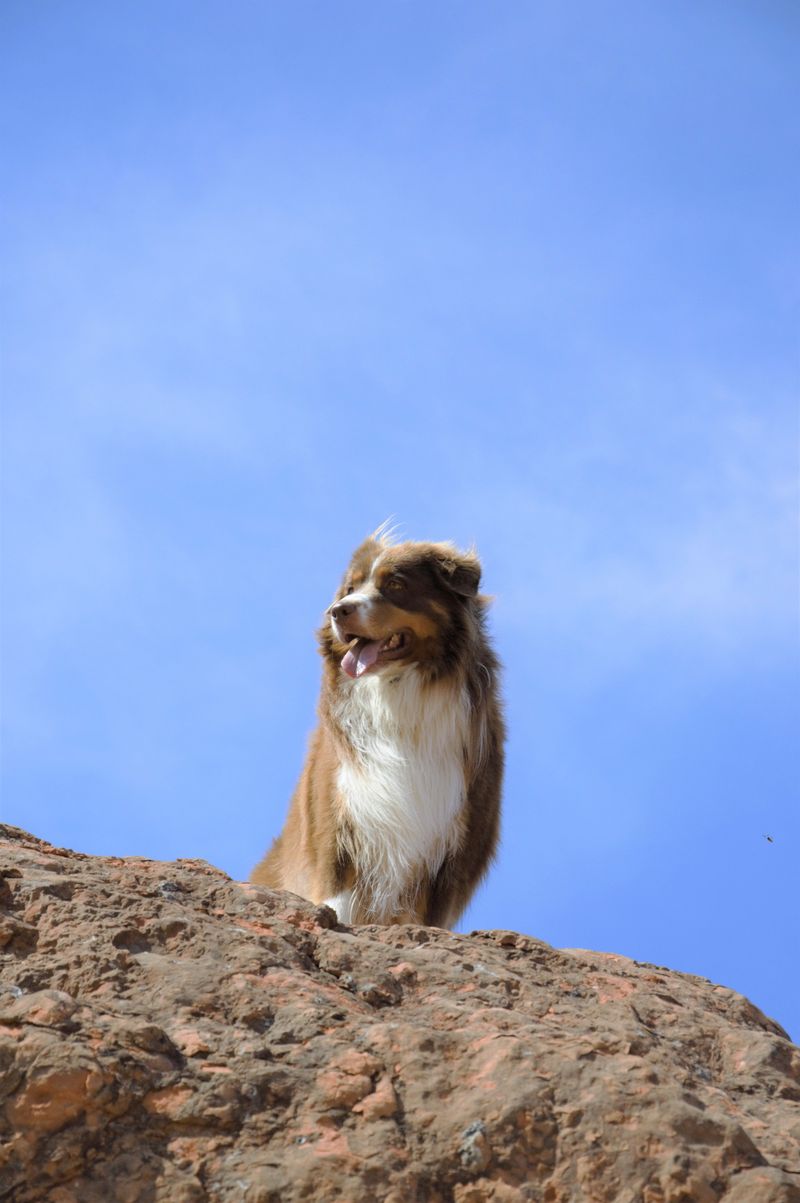
Ever met a dog who seems to know your plan before you do? Aussies are sharp, busy workers who crave clear direction and teamwork.
Heavy-handed corrections can damage that bond and create a worried, reactive pup. Fairness and consistency matter far more than volume.
Give your Aussie a job, like fetch drills or puzzle toys. A tired, trusted Aussie is a happy one, and much easier to guide.
Border Collie
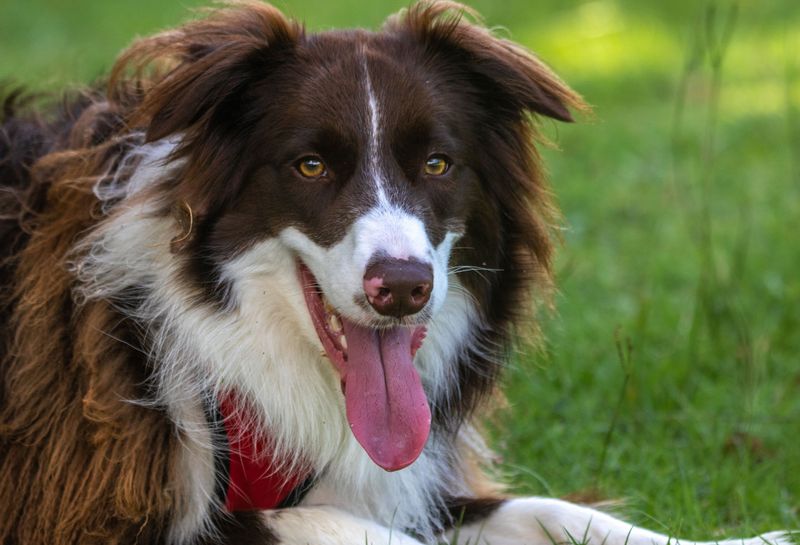
Often called the smartest dog breed, the Border Collie can learn hundreds of words. One dog named Chaser knew over a thousand toy names!
Brilliance comes with sensitivity, though. Harsh treatment can trigger shutdown, obsessive habits, or fearful behavior in these intense thinkers.
Calm guidance and mental challenges keep them balanced. Teach new tricks, play scent games, and praise effort generously.
Golden Retriever
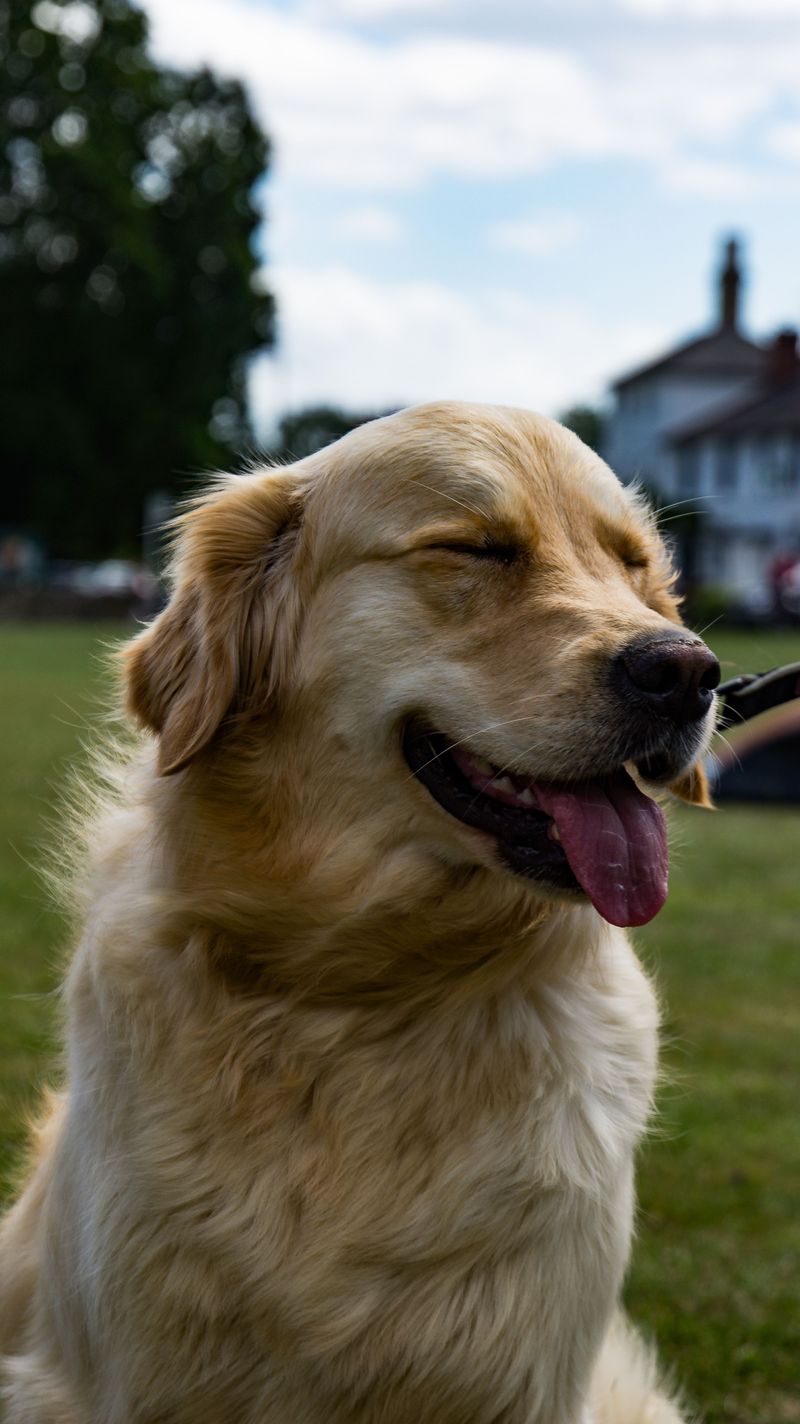
Sunshine in dog form, the Golden Retriever wants nothing more than to make you smile. Because pleasing people matters so much, a harsh scolding can sting deeply.
Some Goldens become hesitant or stop offering behaviors after rough corrections. Nobody wants that bright spirit dimmed.
Good news: treats, toys, and happy praise motivate them beautifully. Reward the good stuff, and your Golden will keep repeating it.
English Springer Spaniel
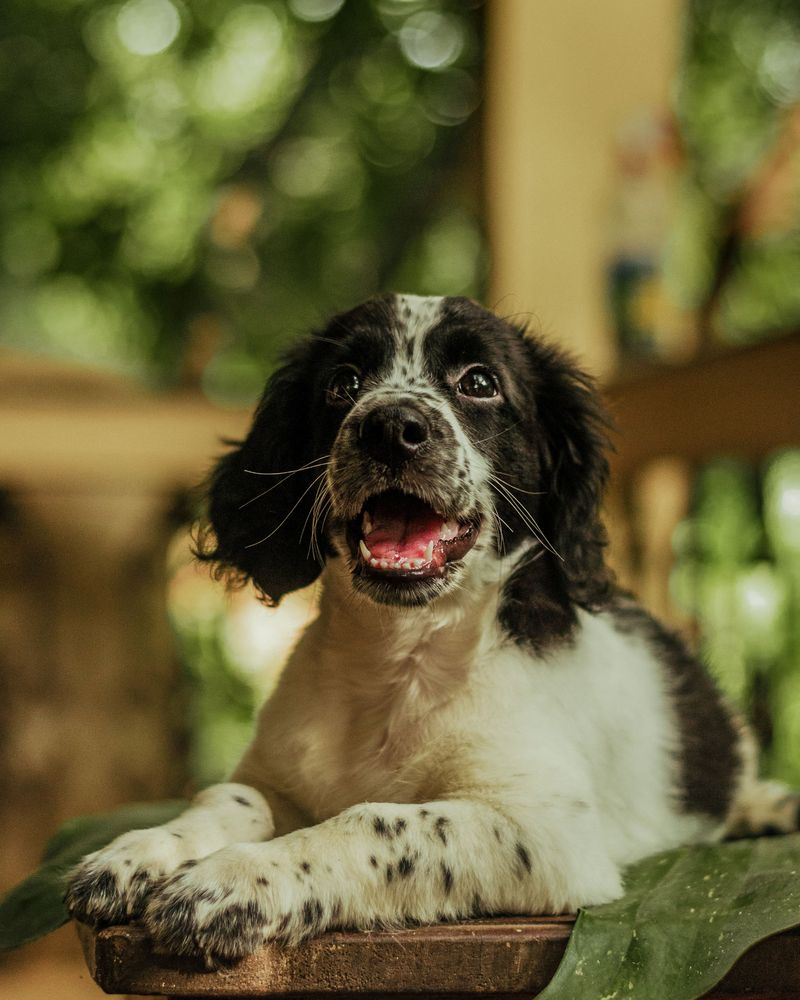
Bouncy, joyful, and always ready for adventure, the Springer got its name from springing birds out of bushes for hunters.
Underneath that energy is a soft soul. Rough corrections can make a Springer nervous or overly submissive, and trust takes time to rebuild.
Channel all that bounce into fetch, swimming, or tracking games. Patient lessons paired with lots of exercise create a confident, well-mannered buddy.
Chihuahua
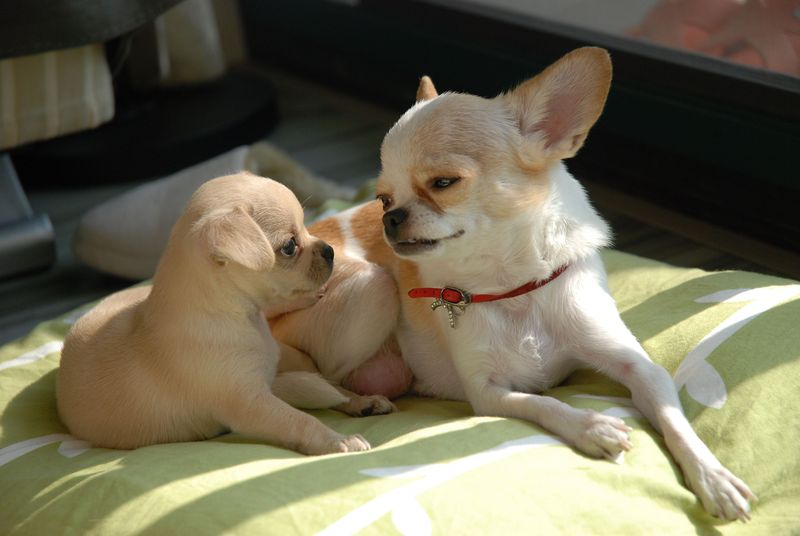
Big attitude, tiny body, and an even bigger need to feel safe. Chihuahuas may act bold, but much of that bark comes from fear.
Scolding or rough handling often makes the snapping worse, not better. Remember, the world looks huge and scary from ankle height.
Build confidence with gentle handling and tasty rewards. Let your Chihuahua approach new things at its own pace, and watch its courage grow.
Poodle
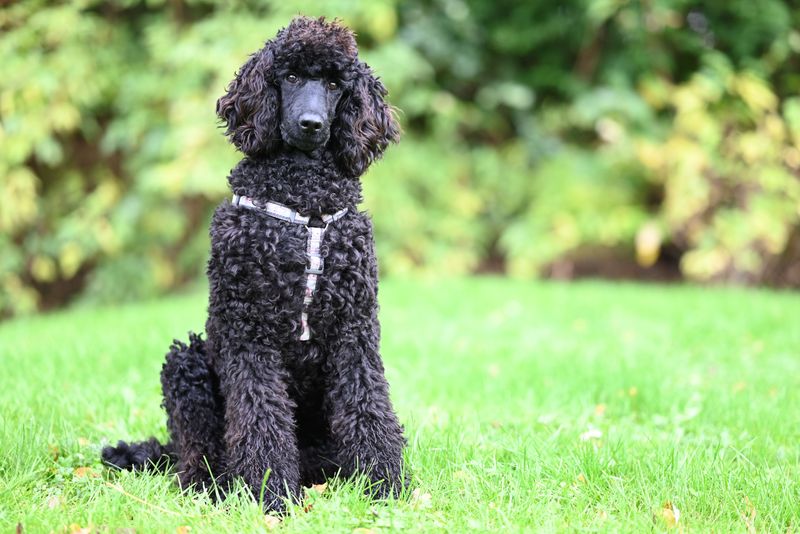
Forget the fancy haircuts for a moment. Poodles were originally water retrievers in Germany, and they are among the brightest dogs around.
Smart dogs remember unfair treatment, though. A Poodle that gets yelled at may grow anxious, stubborn, or reluctant to try new things.
Keep training fresh and fun, since they bore quickly. Short sessions with clear rewards will turn your curly companion into a star student.
Rough Collie
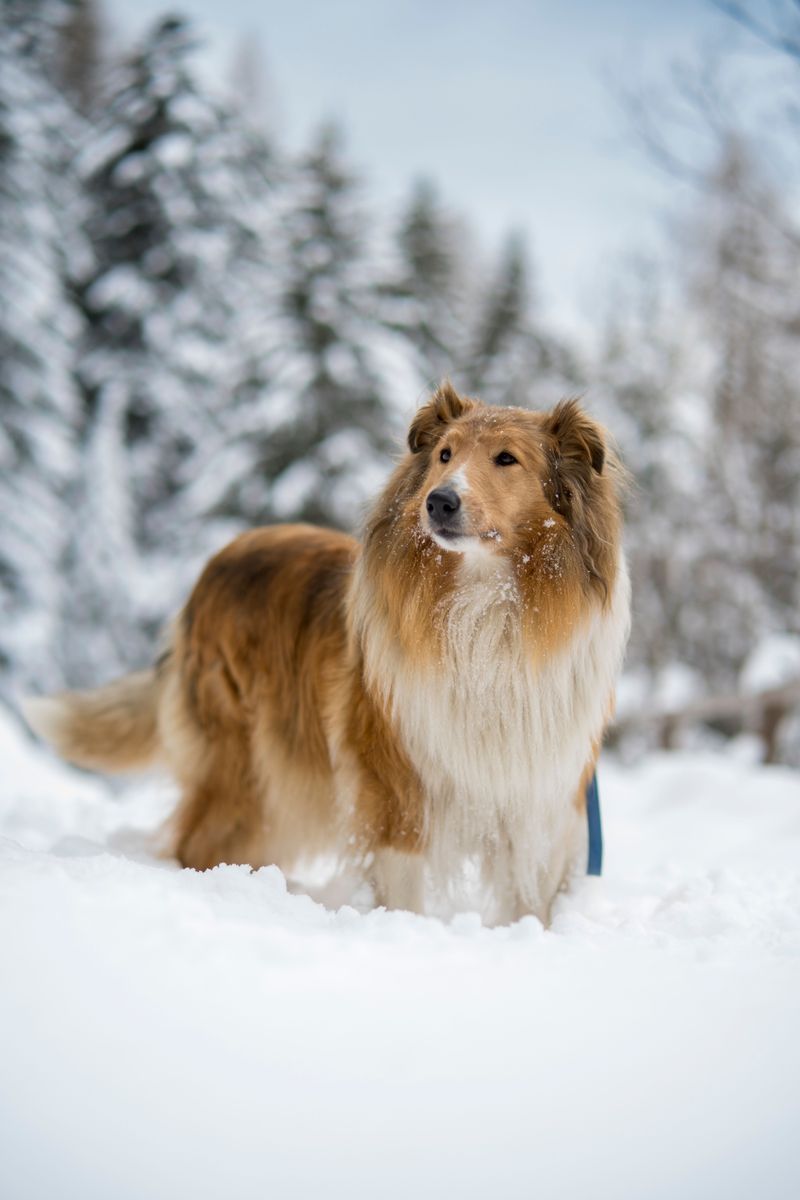
Thanks to Lassie, many of us grew up dreaming of a loyal Rough Collie by our side. Real Collies are just as devoted and kind.
Their feelings bruise easily. Loud corrections may cause them to cower, avoid you, or lose interest in learning altogether.
Soft voices and steady routines help them thrive. Speak kindly, stay patient, and you will earn a friend worthy of any movie screen.
Rottweiler
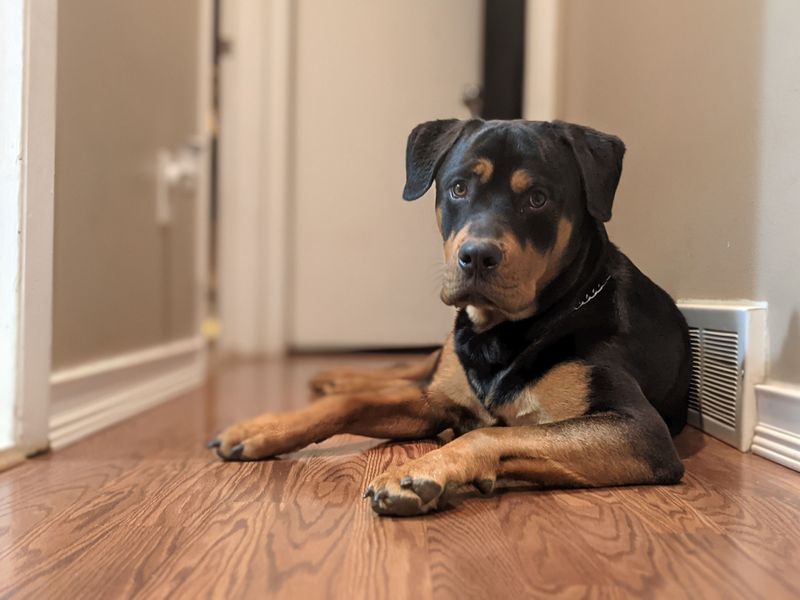
Calm, steady, and self-assured, the Rottweiler tends to handle bumps in life without falling apart. Descended from Roman drover dogs, they were built for tough work.
Resilient does not mean they need harshness, however. Rotties respond best to confident, fair leaders who use rewards and clear rules.
Start training and socializing early. A well-raised Rottweiler becomes a loyal, level-headed guardian who shrugs off small mistakes easily.
Jack Russell Terrier
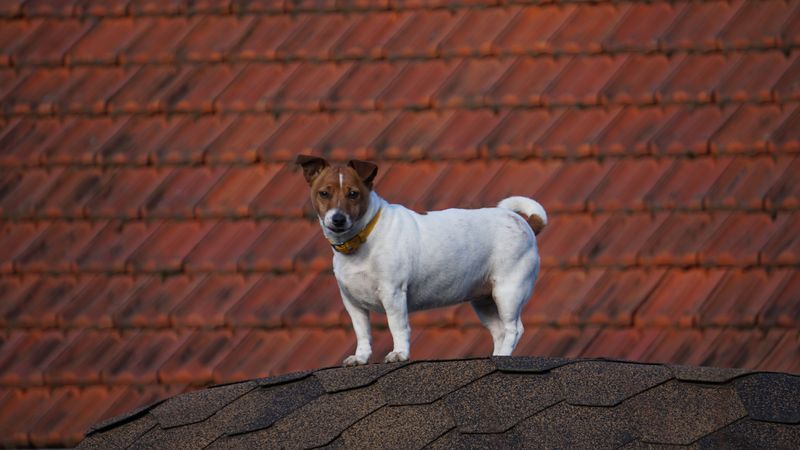
Feisty and fearless, Jack Russells bounce back from a firm no faster than you can blink. Bred to chase foxes underground, they have grit to spare.
That toughness can turn into stubbornness, so patience is key. Arguing with a terrier rarely works out well for the human.
Make good behavior worth their while with games and treats. Plenty of exercise keeps this little dynamo focused and out of mischief.