Your dog might look like it is just napping at your feet, but many breeds are quietly working hard. Some can sense when you feel sad, others guard your home, and a few even help people with health problems.
Knowing what your dog is really doing can help you understand and care for it better. Here are some amazing breeds that give far more than simple company.
Golden Retriever
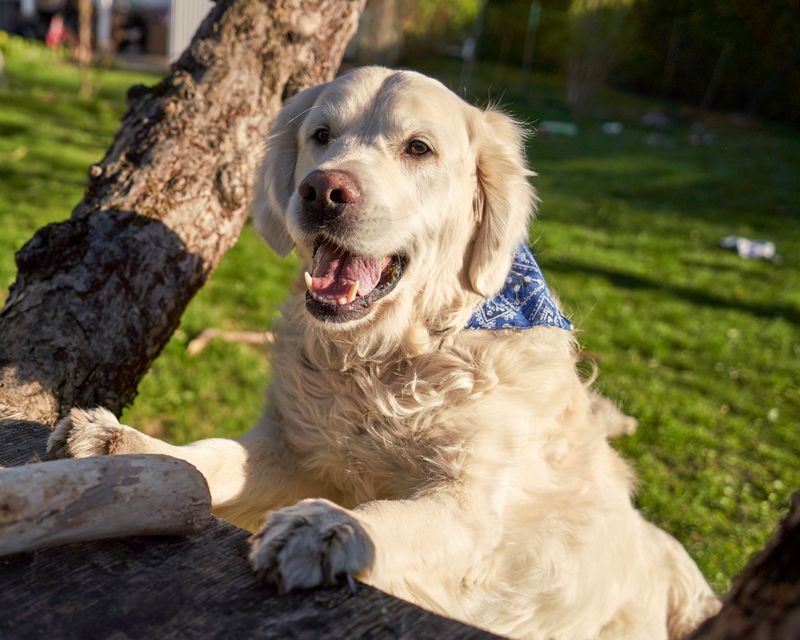
Ever notice your Golden showing up right when you feel down? That is no accident.
These sunny dogs are famous for reading human moods and offering comfort.
Many work as therapy dogs in hospitals, schools, and nursing homes. Their calm, cheerful attitude helps lower stress for people of all ages.
At home, try rewarding your Golden when it brings you a toy or leans on you. You are encouraging a natural helper.
German Shepherd
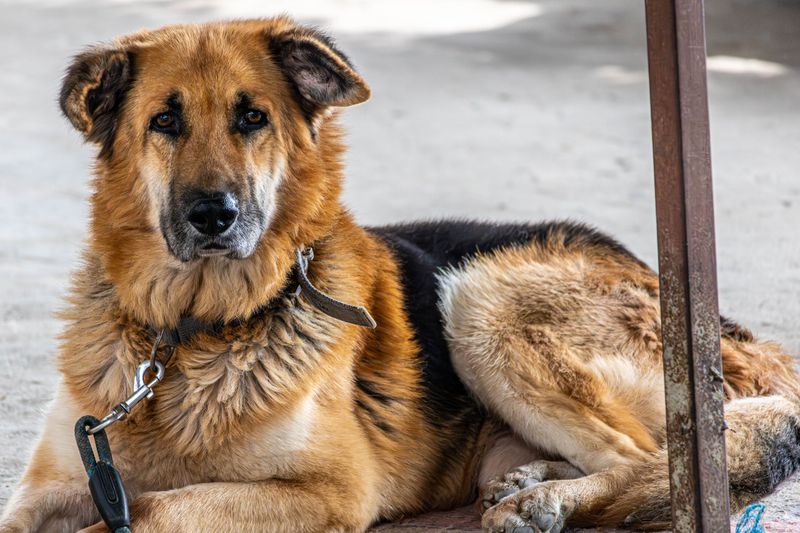
Police officers trust them. Soldiers trust them.
Your family can too. German Shepherds are one of the smartest working breeds on Earth.
Even as house pets, they keep watch over your home, listening for strange sounds and noticing unfamiliar people. Some also learn to guide people who are blind.
Give your Shepherd daily brain games, like hide-and-seek with treats. A bored guardian can become restless, but a busy one stays happy and focused.
Poodle
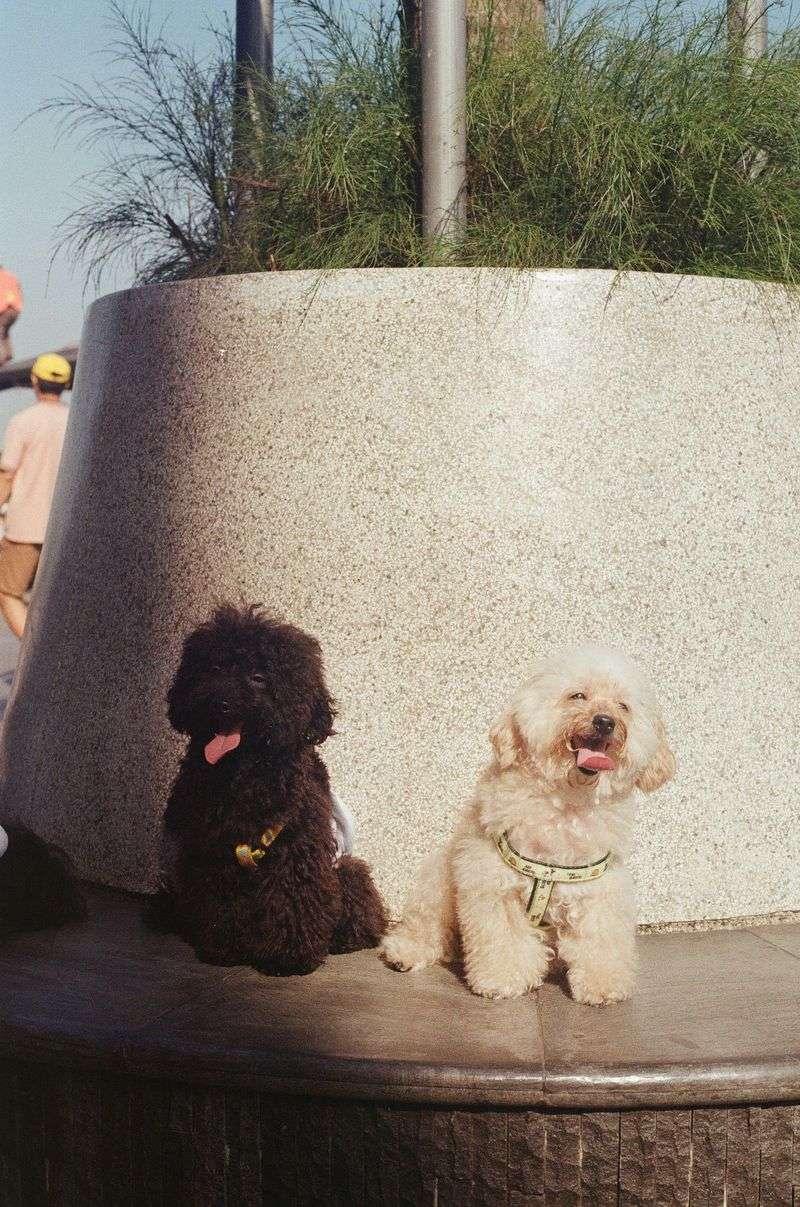
Forget the fancy haircuts for a second. Poodles were first bred in Germany as tough water retrievers, and their brains are seriously impressive.
Today, many work as medical alert dogs. Their sharp noses can sense changes in blood sugar for people with diabetes, sometimes before the person notices anything.
Bonus perk: their curly coats shed very little. That makes them a smart pick for families with allergies who still want a talented helper.
Border Collie
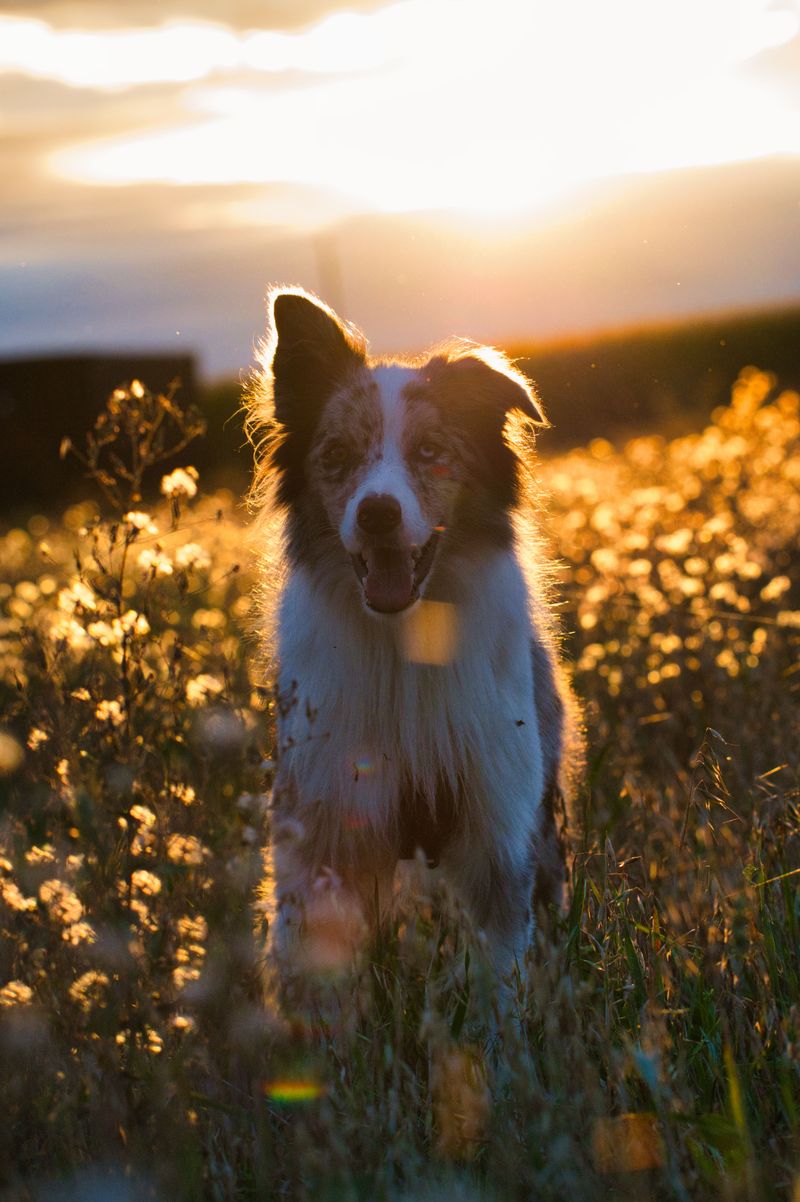
One Border Collie named Chaser learned the names of over 1,000 toys. Yes, really.
This breed might be the genius of the dog world.
On farms, they herd sheep with just a stare. At home, they may try herding kids, cats, or even you toward the kitchen.
Channel that energy with puzzle toys, agility courses, or long runs. A Border Collie with a job is a joyful, well-behaved partner.
Rottweiler
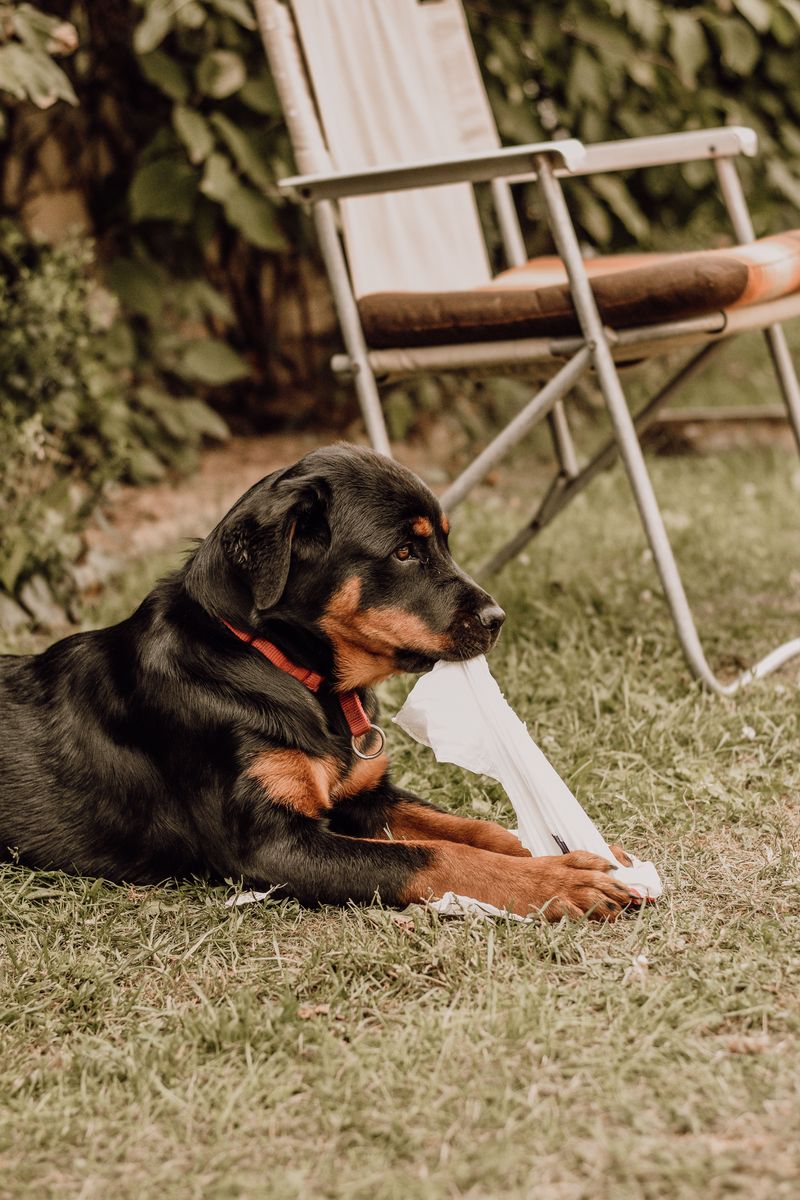
Back in ancient Rome, these muscular dogs drove cattle and guarded supplies for armies. That protective streak never left.
A Rottweiler at home is like a loyal bodyguard who also loves belly rubs. They stay close to their people and calmly size up visitors.
Early training and lots of friendly meetings with new people are key. With the right guidance, your Rottie becomes a steady, confident defender with a soft heart.
Cocker Spaniel
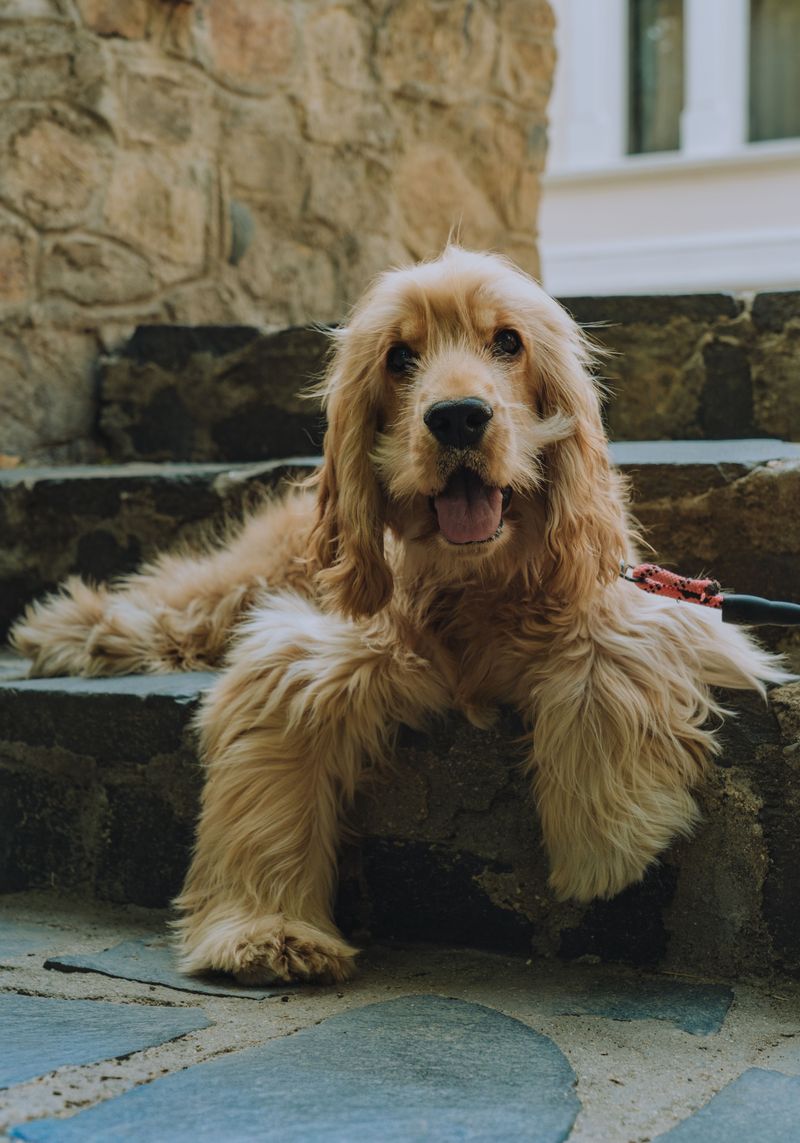
Those floppy ears and soulful eyes hide a super-powered nose. Cocker Spaniels were bred to flush birds, and their sniffing skills are amazing.
In some countries, they help sniff out drugs at airports. Researchers have even trained them to detect certain illnesses by scent.
Try a simple scent game at home. Hide a treat under one of three cups and let your Cocker find it.
Watch that tail go wild!
Shetland Sheepdog
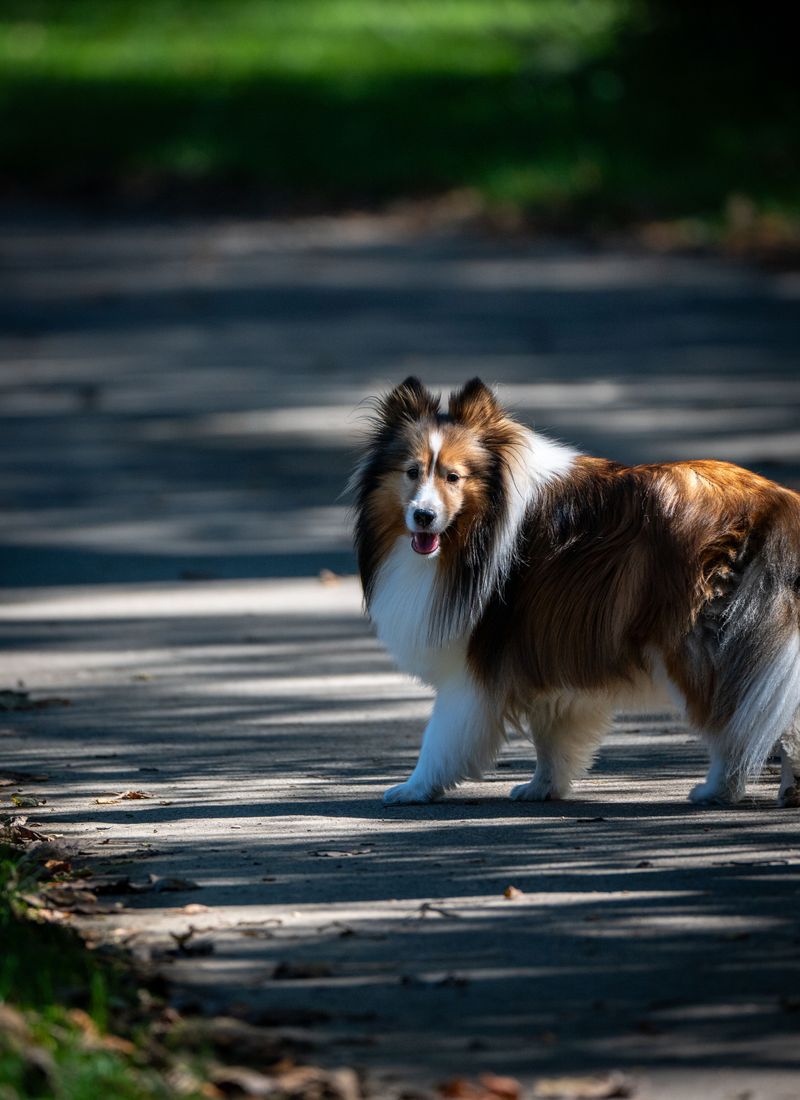
Small but mighty, the Sheltie hails from the windy Shetland Islands of Scotland. Farmers there used it to keep sheep and ponies in line.
Today, Shelties make wonderful alarm systems. They notice the mail carrier, a knock, or a squirrel long before you do.
They also bond deeply and often sense when their owners feel anxious. Teach a quiet command early, so their helpful warnings do not turn into nonstop barking.
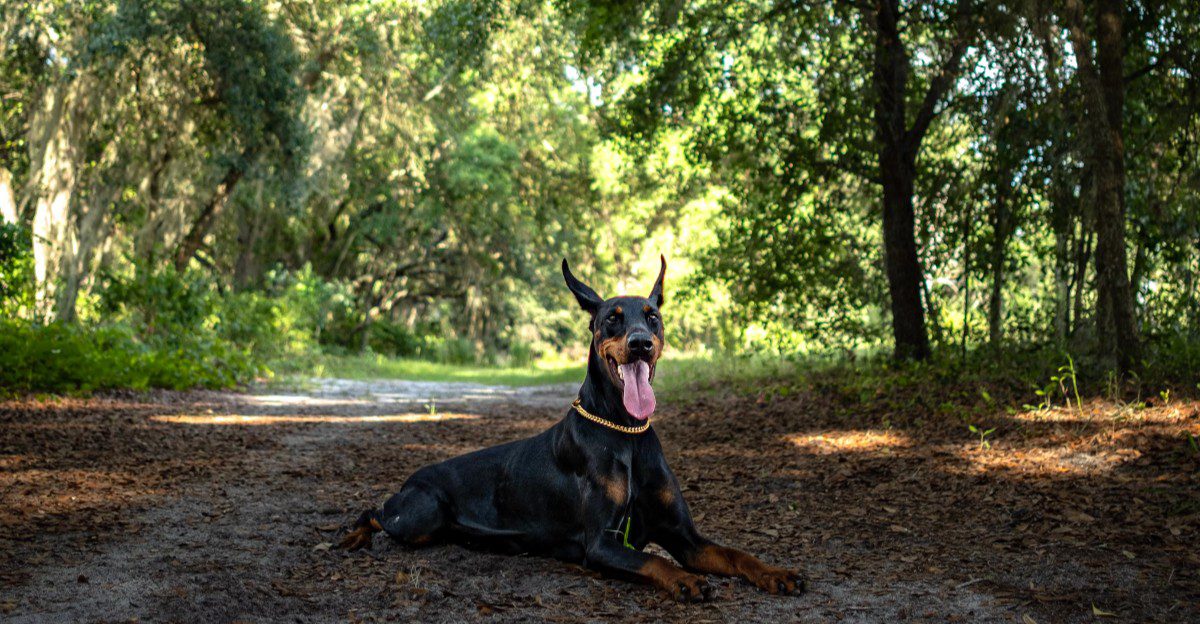
Doberman Pinscher
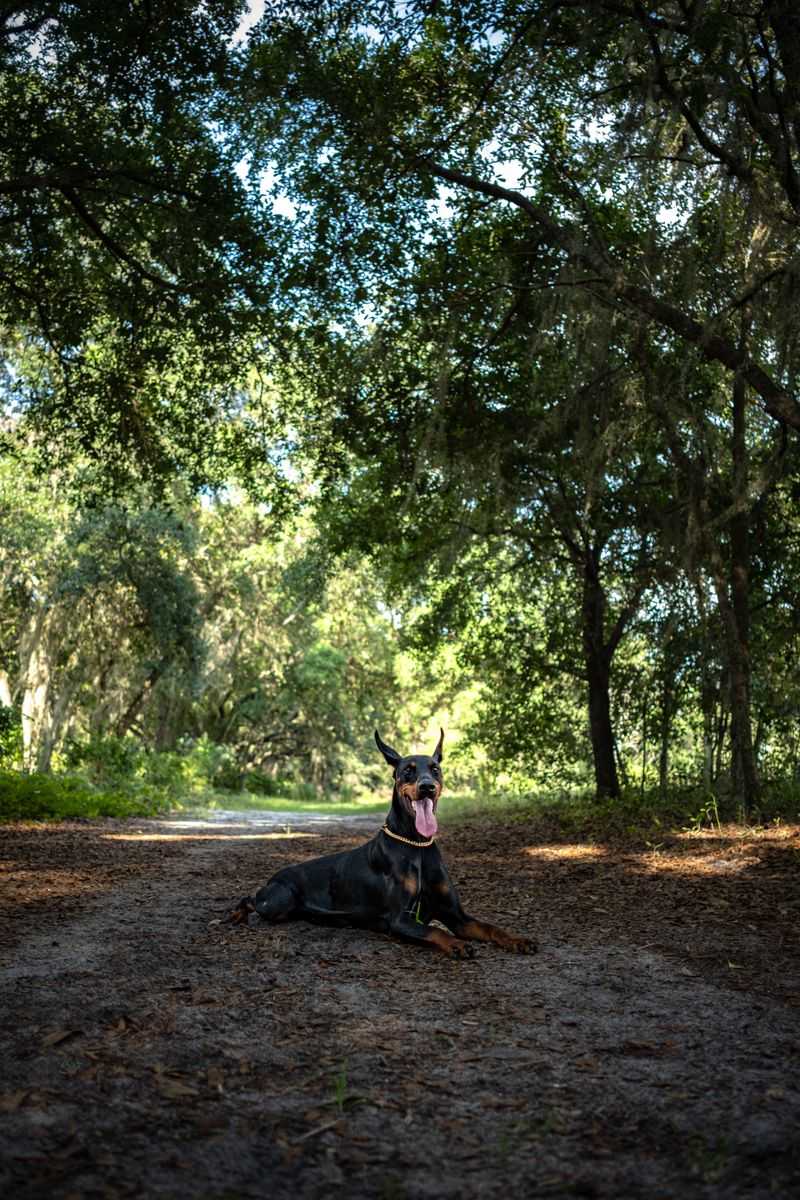
Here is a fun origin story. A German tax collector named Louis Dobermann created this breed in the 1890s to protect him on his rounds.
Modern Dobermans still take guarding seriously, yet they are often called velcro dogs because they stick to their owners.
Many owners say their Dobie follows them room to room. Reward that loyalty with training sessions and play.
A confident Doberman feels safest when it knows its role.
Australian Cattle Dog
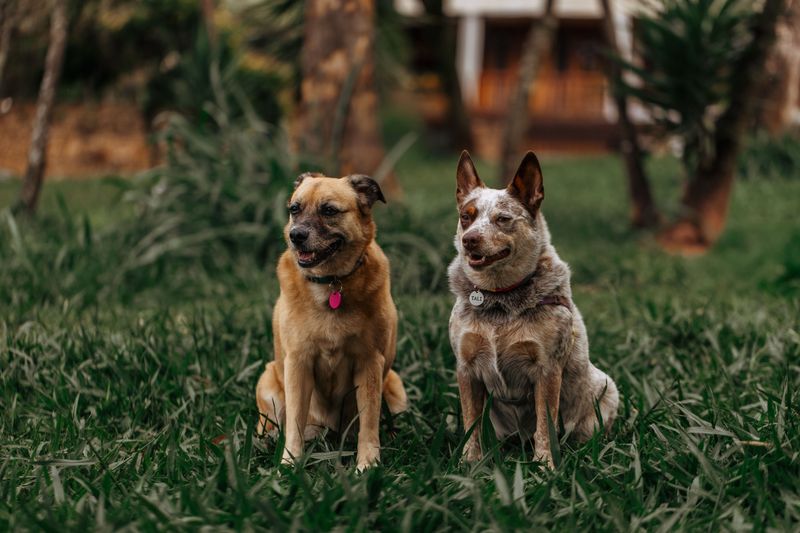
Tough enough for the Australian outback, this breed was built to move stubborn cattle across huge, hot ranches. Some even nip at heels to get herds moving.
Around the house, a Heeler watches over property and people with real dedication. One named Bluey lived almost 30 years!
Keep them busy with fetch, hiking, or trick training. A tired Cattle Dog is a calm, helpful buddy instead of a furry tornado.
Papillon
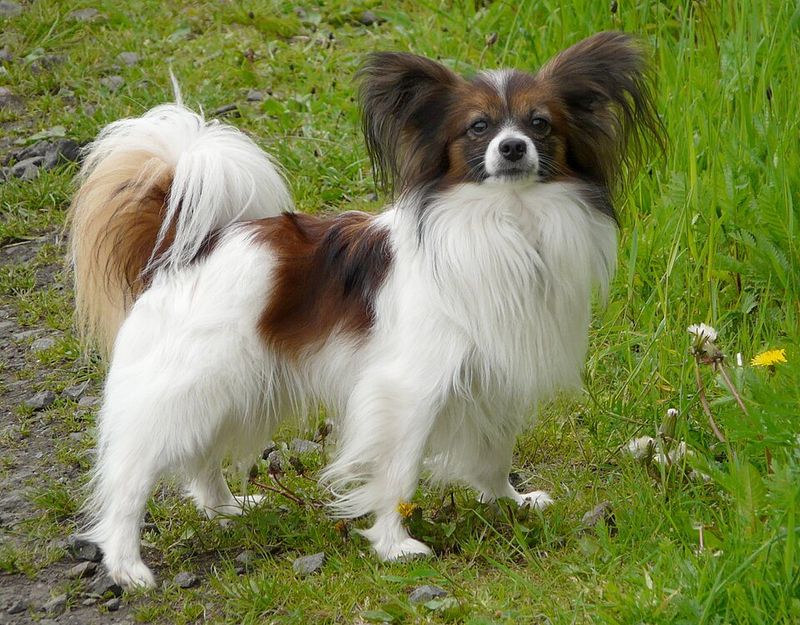
Picture a butterfly with a dog attached. Papillon means butterfly in French, thanks to those fringed, wing-shaped ears.
Small size does not mean small talent. Papillons shine in obedience contests and often work as hearing dogs, alerting owners to doorbells, alarms, and phones.
They are also cheerful lap pals for older adults living alone. Just guard them from rough play, since their delicate bones need a little extra care.
Rough Collie
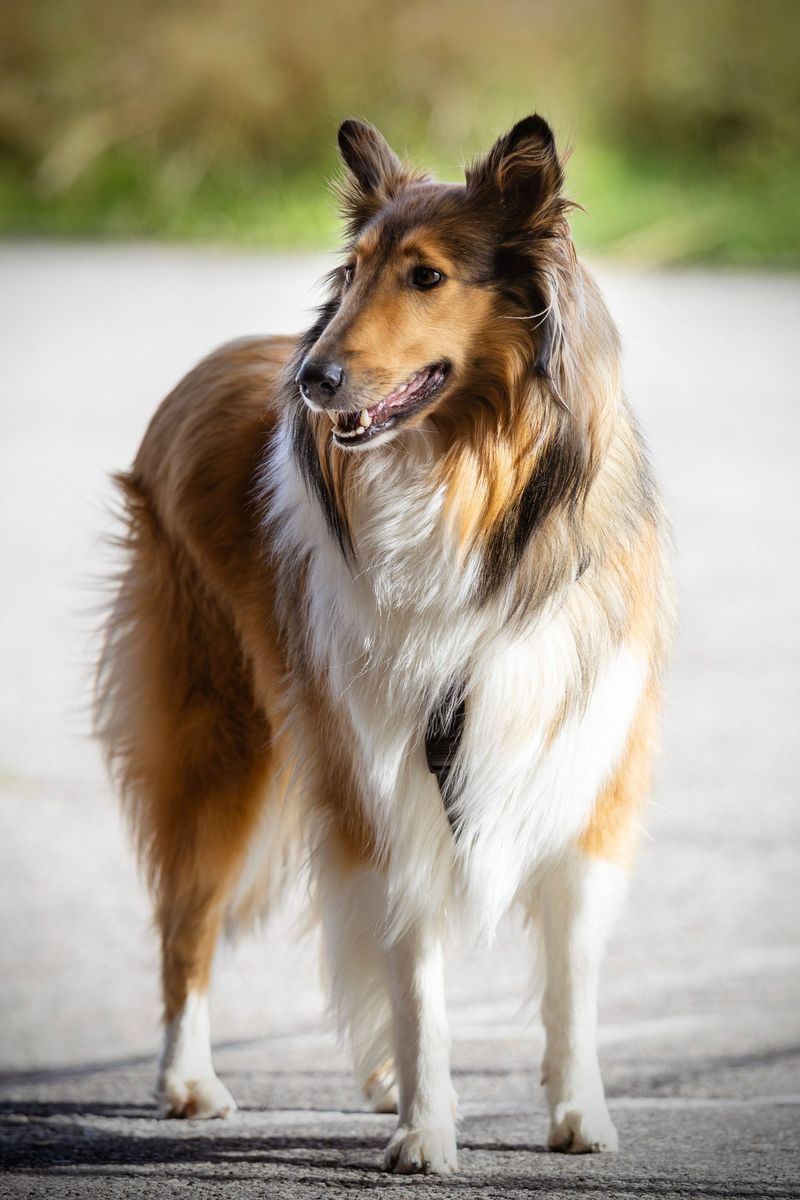
Remember Lassie, the dog who always ran for help? She was a Rough Collie, and real ones are surprisingly similar.
These elegant herders are deeply tuned in to their families, especially children. Many owners share stories of Collies barking to warn them about danger or a hurt family member.
Brush that thick coat weekly to prevent tangles. Spending this quiet time together also strengthens the trust that makes Collies such devoted watchers.
Brittany
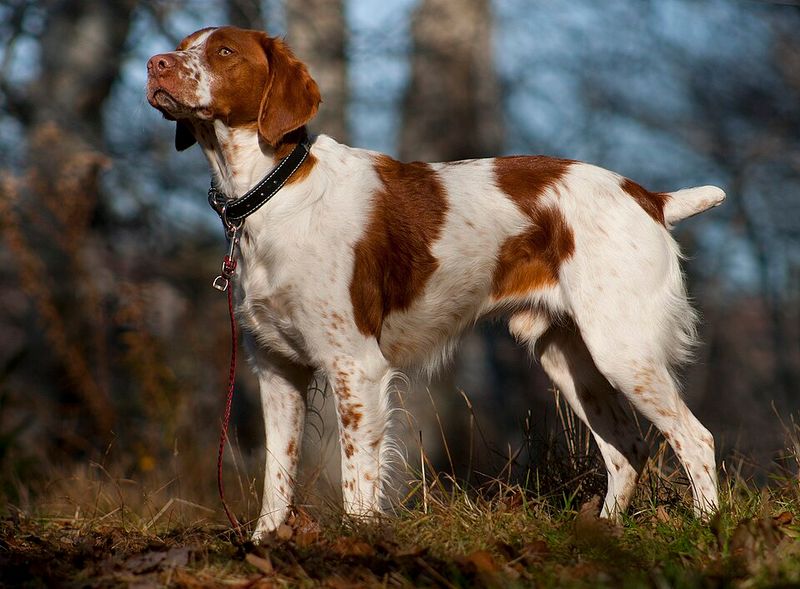
Named after a region in France, the Brittany is a bouncy bird dog with a nose for adventure. Hunters love how it freezes in a perfect point.
At home, this breed often becomes your personal fitness coach. Studies show dog owners walk more, and a Brittany will happily make sure you never skip a day.
Plan for at least an hour of activity daily. Both of you will feel healthier and happier.