
Bringing home a puppy feels like pure magic for the first few weeks. Then the chewed shoes, long walks, and training sessions start to pile up.
Some breeds need far more time, energy, and patience than new owners expect, and many end up in shelters because of it. Knowing which dogs are a big commitment can help families make a smarter choice and keep a pup safe at home for life.
Siberian Husky
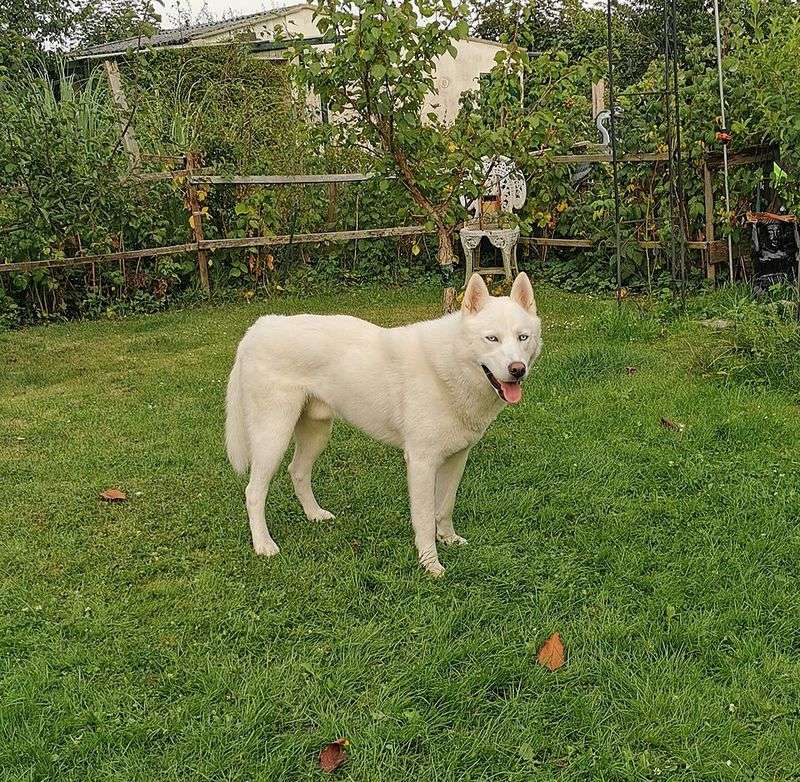
Those striking blue eyes win hearts fast, but Huskies were bred to pull sleds for miles across frozen land. A quick stroll around the block barely warms them up.
Bored Huskies dig, howl, and escape over fences with surprising skill. They also shed so much twice a year that owners joke about building a second dog.
Plan on daily runs, a secure yard, and a sturdy brush before bringing one home.
Belgian Malinois
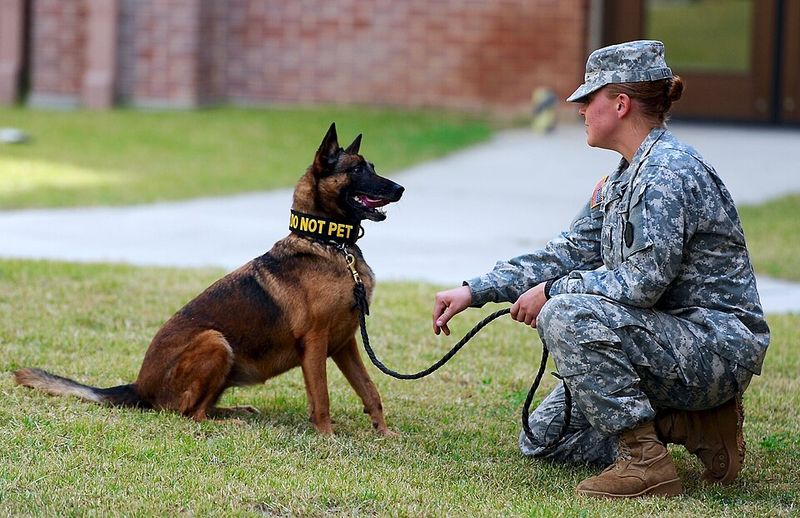
Police and military teams love the Malinois for a reason. This dog works hard, learns fast, and never seems to run out of fuel.
In a regular home, that drive can turn into chewed walls and nonstop pacing. Many people buy one after seeing viral videos, then feel overwhelmed within months.
Honestly, this breed needs a job. Think daily training, scent games, or dog sports, not just a game of fetch.
German Shepherd
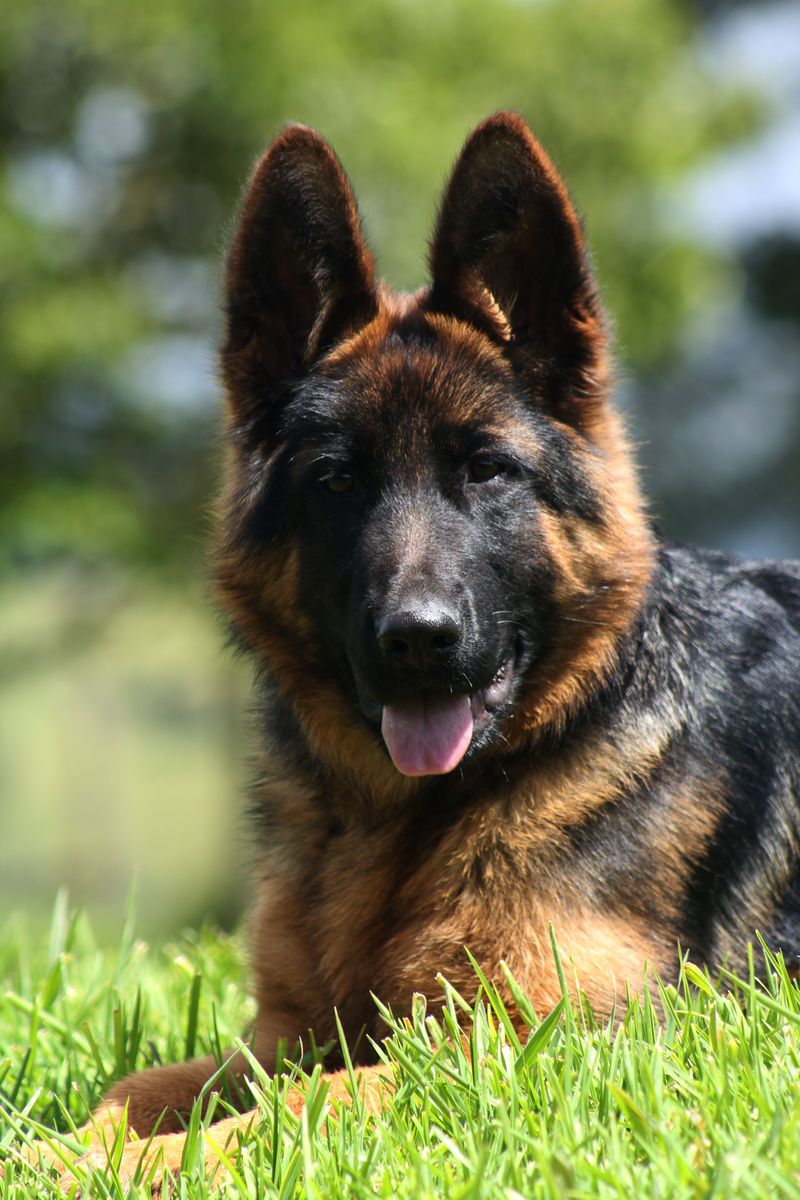
Loyal, smart, and protective, German Shepherds rank among the most popular dogs in America. Sadly, they also show up in shelters quite often.
The cute fuzzy puppy grows into a strong, 75-pound dog that needs firm, steady training. Without early socializing, some become nervous or overly guarded with strangers.
Fun fact: one German Shepherd, Rin Tin Tin, became a Hollywood star in the 1920s. Even movie heroes needed plenty of practice!
Australian Cattle Dog
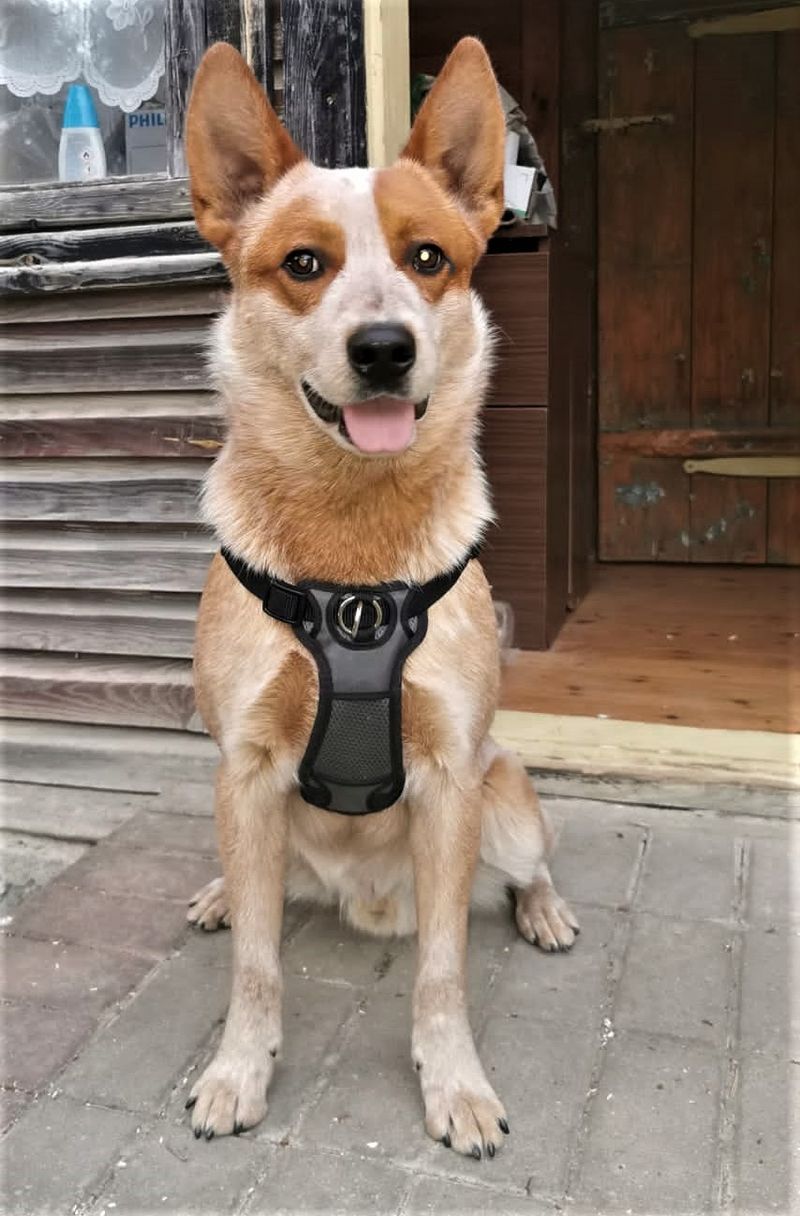
Ever had a dog nip at your heels while you walked? With a Cattle Dog, that might happen daily.
These tough little herders were made to move stubborn cows across the Australian outback. At home, they may try herding kids, cats, or even the vacuum cleaner.
They are clever and loyal, yet restless without mental challenges. Puzzle toys, agility classes, and lots of outdoor time help keep their busy minds out of trouble.
Beagle

Picture a nose with legs attached. That pretty much sums up the cheerful Beagle.
Once a scent catches their attention, listening goes right out the window. They raid trash cans, wander off leash, and bay loudly enough to annoy every neighbor on the street.
Small size fools many families into thinking they are easy. Patience with training, a fenced yard, and locked food bins make life with a Beagle much smoother.
Boxer
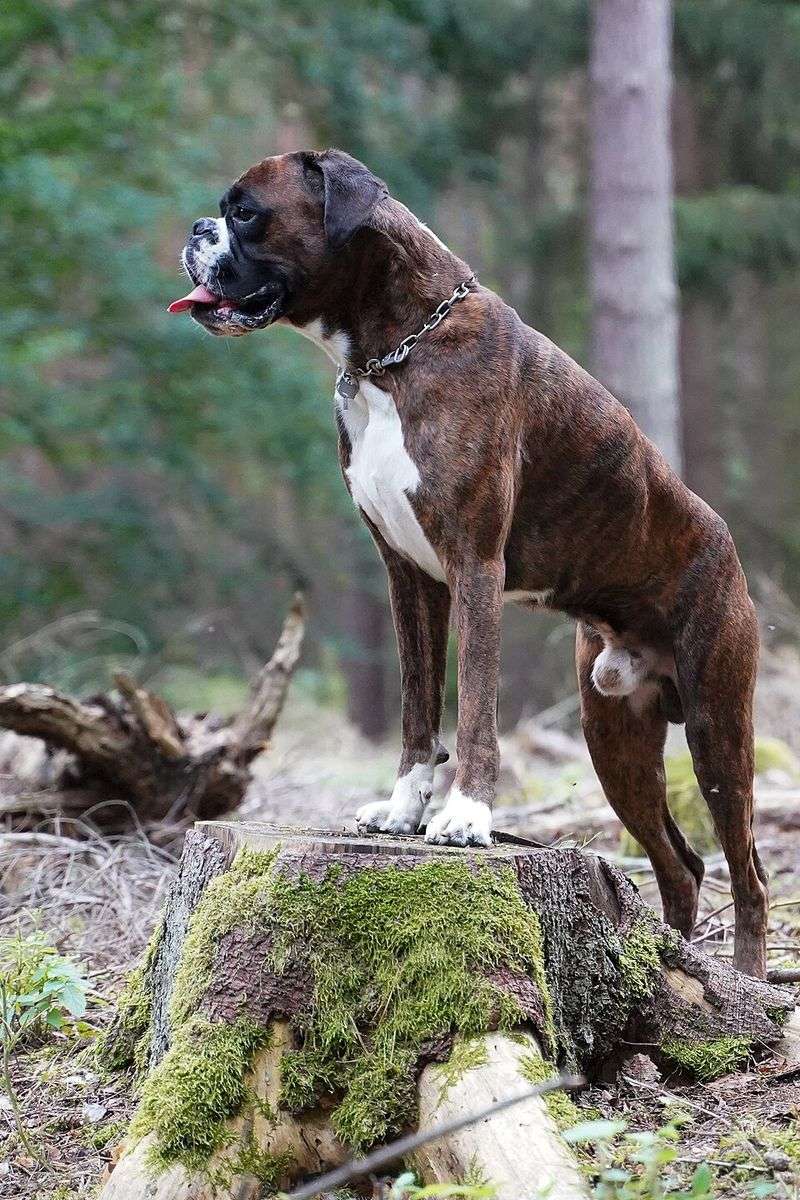
Clowns of the dog world, Boxers bounce, wiggle, and jump with joy at everything. Their goofy charm is hard to resist.
That bouncy spirit lasts for years, though. A 65-pound dog leaping on guests or knocking over toddlers gets old fast for busy parents.
Boxers also stay puppy-like until around age three. Consistent lessons on calm greetings, plus two solid exercise sessions daily, keep the fun from becoming chaos.
American Staffordshire Terrier
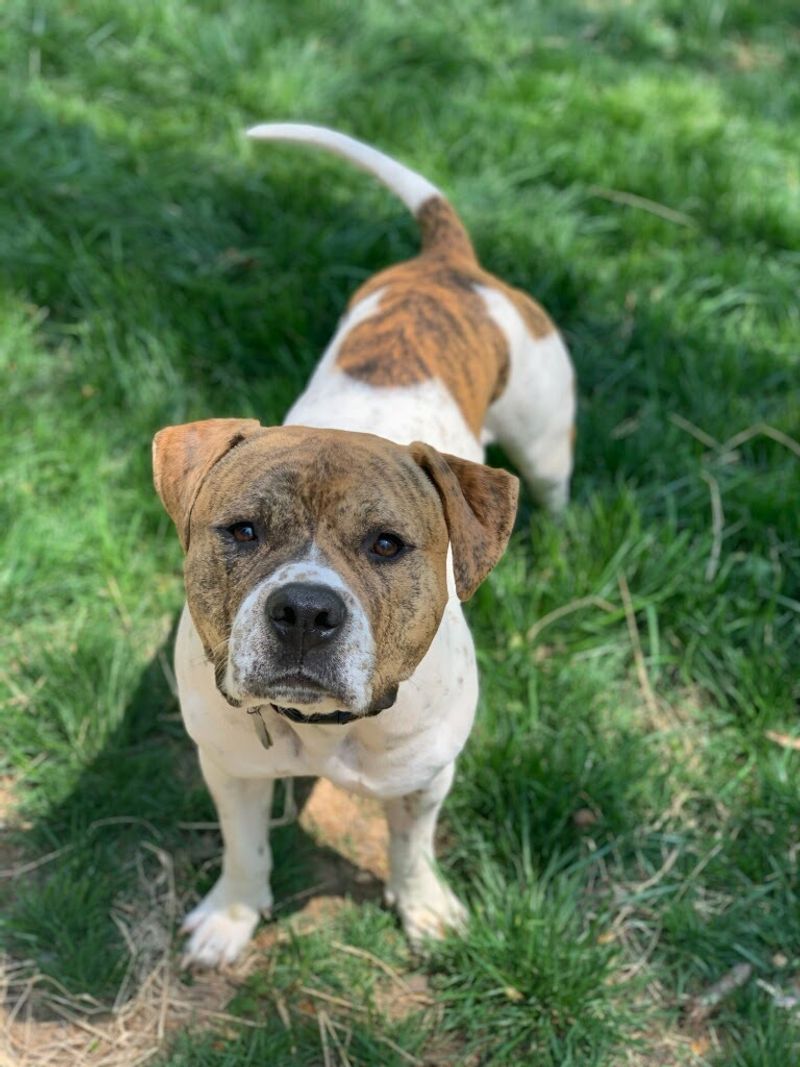
Few dogs love people quite like an AmStaff. Many will happily squeeze into your lap like a giant, muscular teddy bear.
Still, these dogs fill shelters across the country. Strength, high energy, and unfair stereotypes make some landlords and insurance companies say no.
Before adopting, check housing rules carefully. Then commit to leash training and positive socializing with other dogs, since some AmStaffs prefer being the only pet around.
Cane Corso
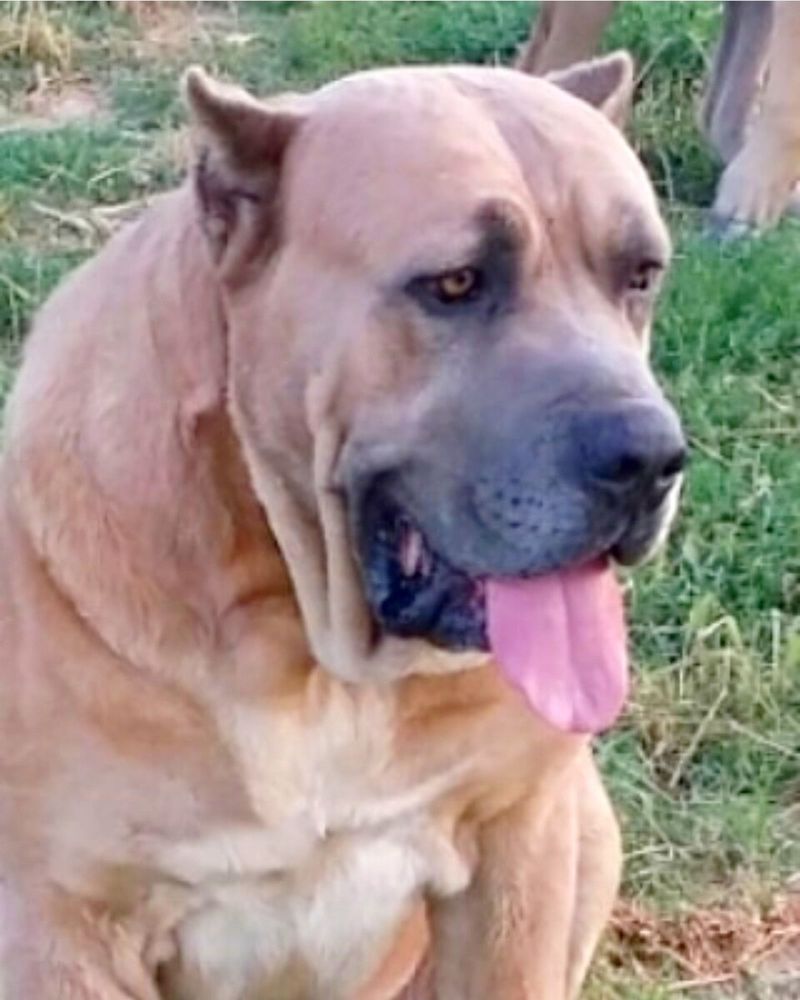
Back in ancient Rome, Cane Corsos guarded farms and property. That protective instinct is still very much alive today.
The puppy may fit in your arms, but adults can weigh over 100 pounds. Feeding costs, vet bills, and the need for confident handling surprise plenty of first-time owners.
Experience matters here. Early training classes and meeting new people often help this powerful guardian stay calm, polite, and well-behaved around guests.
Jack Russell Terrier
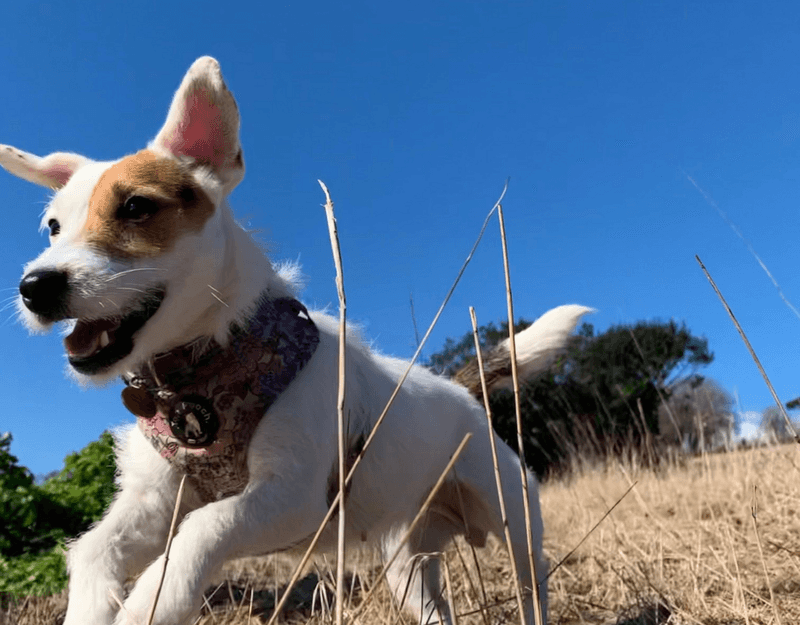
Tiny body, giant attitude. A Jack Russell can jump five times its own height and will gladly prove it on your kitchen counter.
Bred to chase foxes out of dens, they dig, bark, and chase anything that moves. Apartment life without daily activity often leads to wrecked furniture.
Keep sessions short and exciting, since these terriers get bored quickly. Fetch, tunnels, and trick training burn off that spicy little spark.
Dalmatian
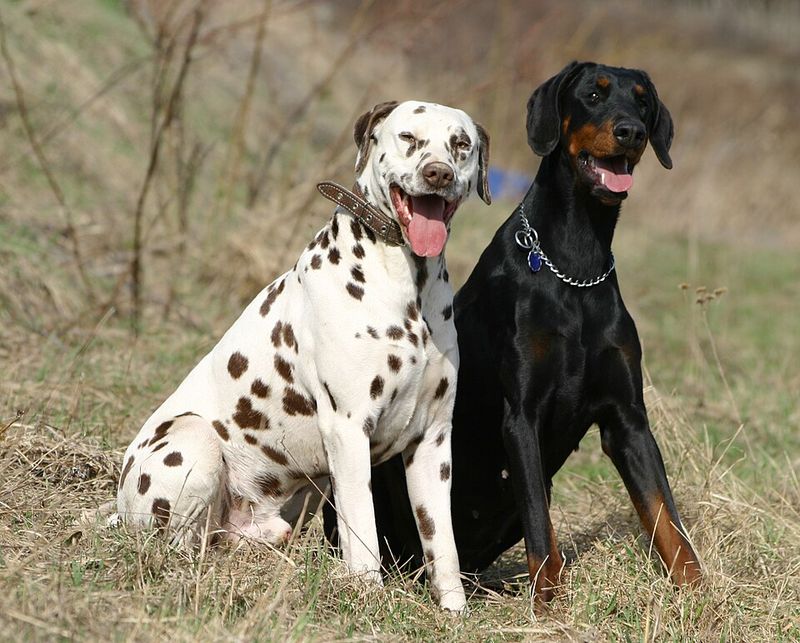
Every time a certain spotted movie comes out, Dalmatian sales jump. A year later, rescues often fill up with them.
Historically, these dogs ran beside horse-drawn carriages for hours. They need serious exercise and shed short, prickly hairs that weave into clothes and couches.
Some are also born deaf, which requires special training with hand signals. Research carefully, and a Dalmatian can be a wonderful jogging buddy for active families.