
Getting a second dog can be exciting and stressful. Some breed pairings bring extra challenges if you skip careful introductions.
A slow, planned meet can prevent fights, fear, and expensive mistakes. Learn what to watch for and how to set both dogs up to succeed.
Akita + Shiba Inu

Quiet at home, fierce about rules, this duo can clash fast. Both are independent and proud, so small slights turn into standoffs.
A backyard fence becomes a debate stage.
Schedule a calm, neutral meet in a park, with two handlers and long lines. Trade blankets for scent swapping, practice parallel walks, and reward eye contact away from each other.
Clear rules, separate feeding, and decompression time keep the peace. Use gates, muzzles, and patience daily.
Siberian Husky + Beagle
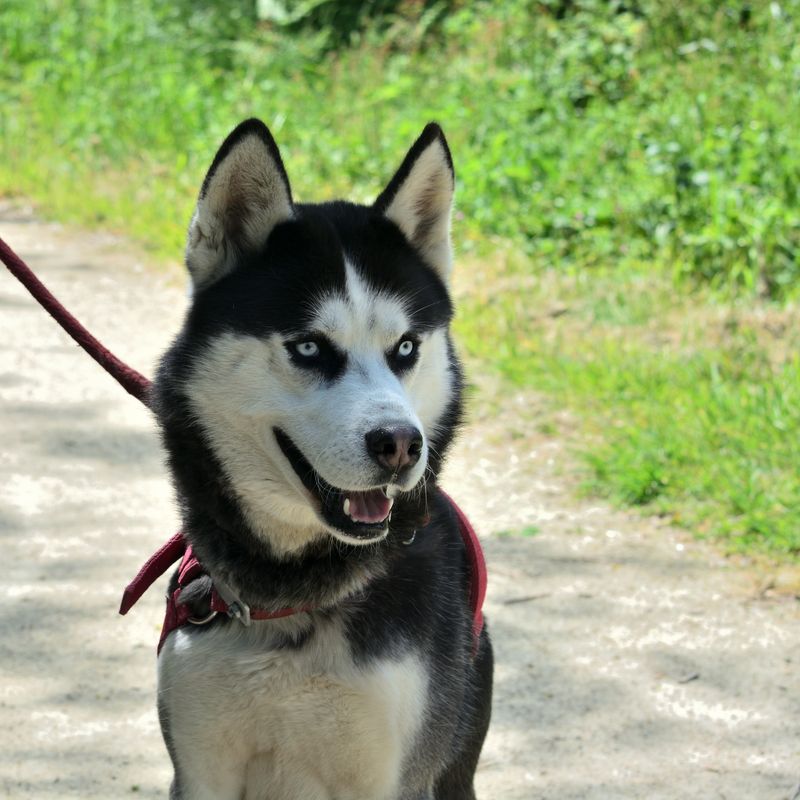
Picture a jailbreak team. The Husky plans the route, the Beagle sounds the horn, and your fence becomes a suggestion.
Nose and sled dog energy unite, then disappear over the horizon.
Before adopting the second dog, test recall in distractions, install double gates, and rehearse door routines. Do scent swapping and crate training, then practice quiet co-existence with stuffed Kongs.
Daily nose work and structured runs burn steam, so mischief feels less rewarding for both.
Jack Russell Terrier + Dachshund
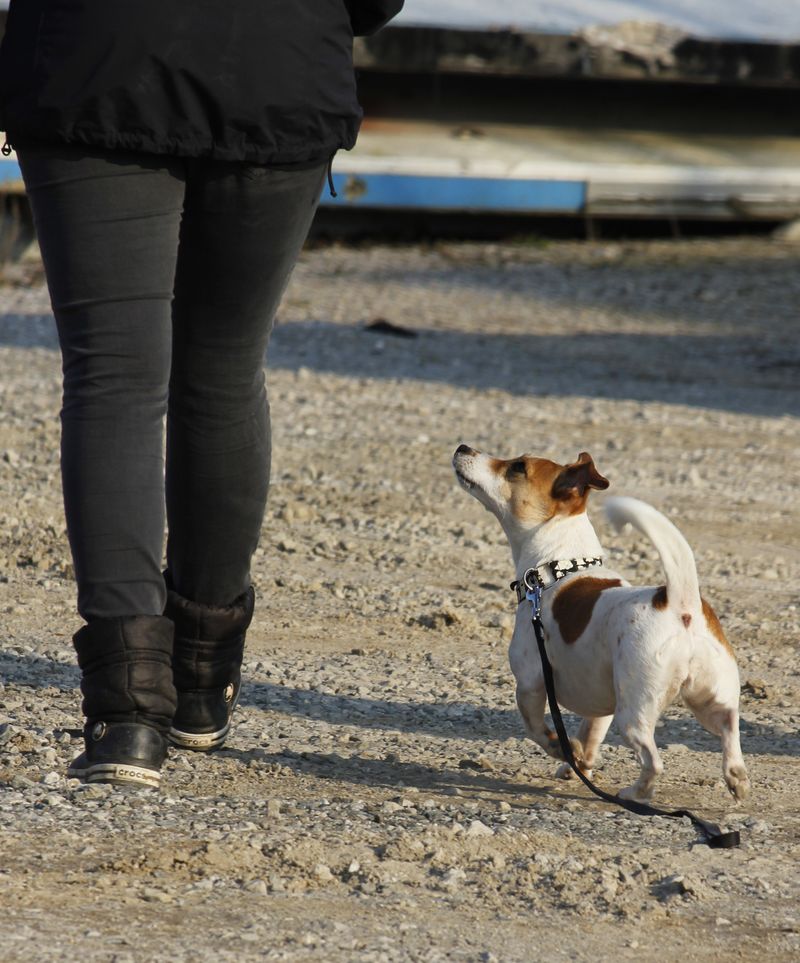
Small bodies, giant opinions. A Jack’s spring and a Dachsie’s dig add up to endless projects under your sofa.
Prey drive doubles, and patience can shrink.
Plan a careful meet behind baby gates, trade scents, and teach both a rock-solid place command. Rotate high-value chews, use two handlers for intros, and end sessions while moods stay sunny.
Short hunting games, puzzle feeders, and calm walks prevent the chaos loop. Practice polite greetings with neighbors outside.
Australian Cattle Dog + Border Collie
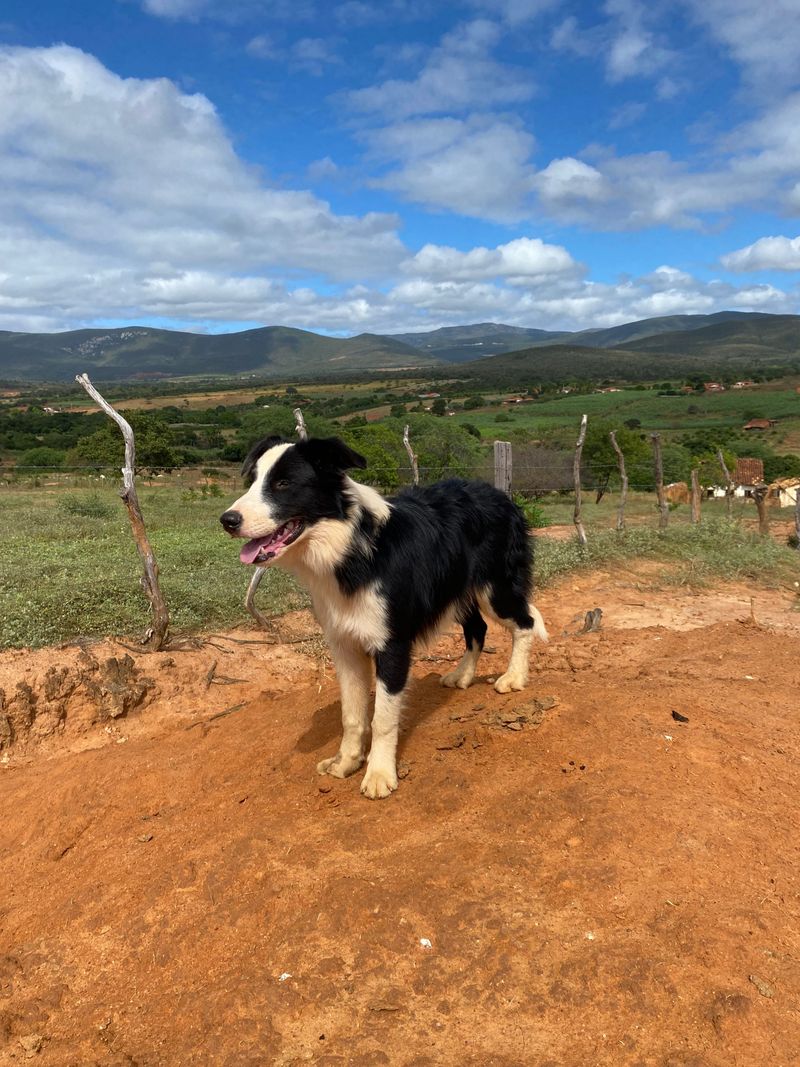
If workaholics had fur, you found them. Minds like lightning, legs like springs, and a strong habit of herding everything that moves.
Arguments start when boredom bites.
Run a meet-and-greet on neutral turf, then do parallel hikes with checks for soft eyes and relaxed tails. Teach out, leave it, and settle before they live together.
Build a job board with scent tasks, tug rules, and trick sessions, then schedule naps. Protect joints with smart surfaces.
Cane Corso + Rottweiler
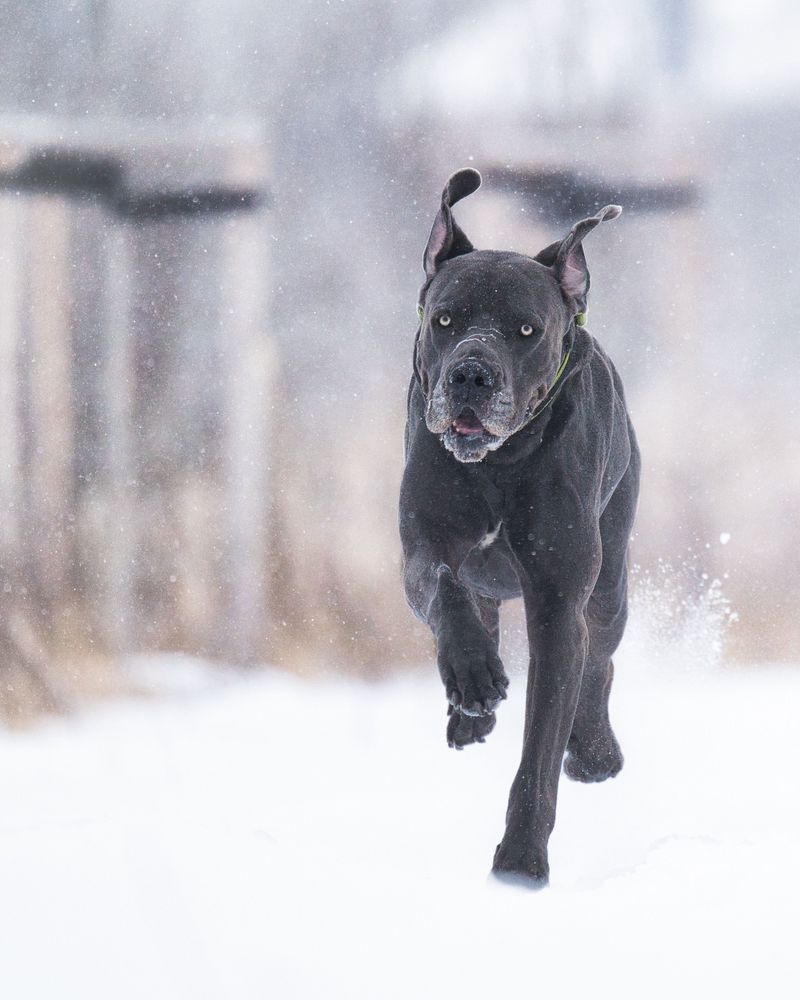
Big hearts in bigger bodies can collide like freight trains. Guardian instincts, tight thresholds, and pushy play require a thoughtful plan.
One bad first meeting can linger.
Book a trainer-led introduction with muzzles, parallel walking, and clear break cues. Practice stationing on mats, two-handled leashes, and impulse games before sharing spaces.
Solid obedience, slow room access, and respectful management around visitors help both dogs feel safe while confidence grows. Double crates and sturdy gates always.
German Shorthaired Pointer + Weimaraner
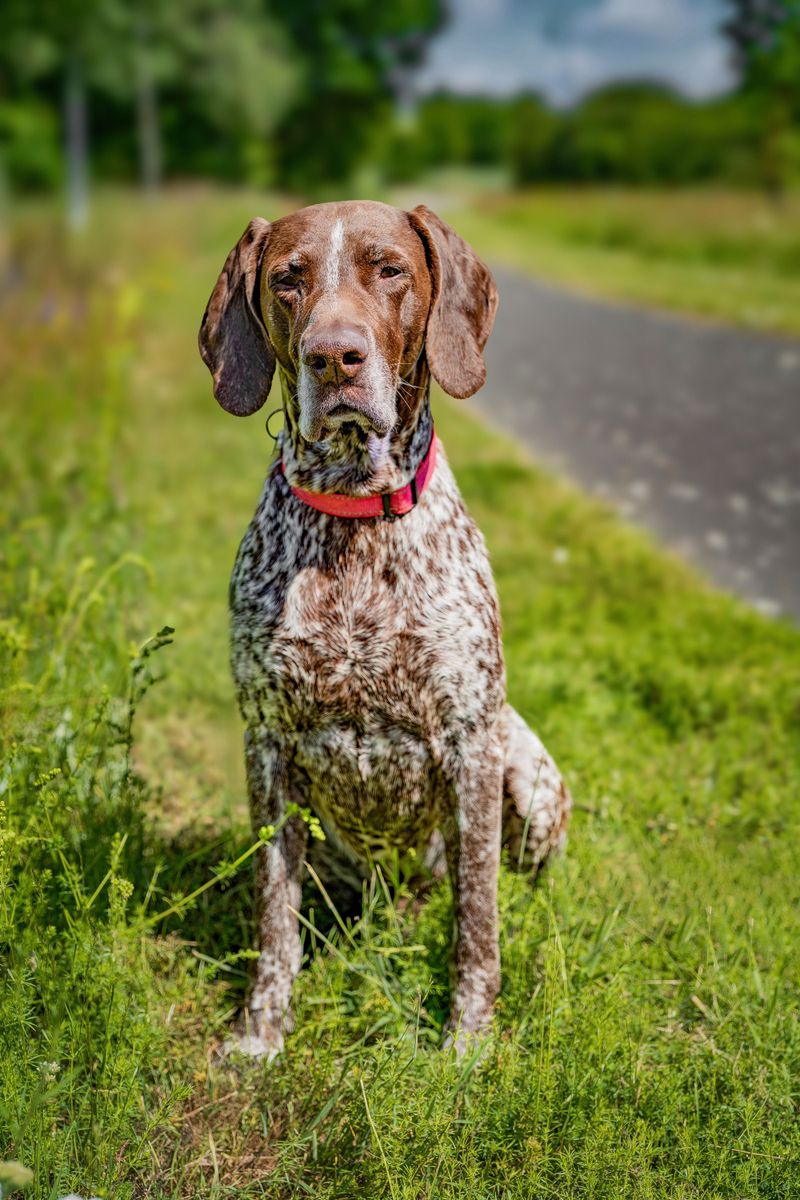
Weekend warriors meet Olympic sprinters. Field noses switch on at sunrise, and the zoomies rarely clock out.
Furniture becomes a springboard without a plan.
Stage introductions after a long sniff walk, not from the car. Rotate off-leash time in secure fields, trade scents, and reward calm side-by-side moments.
Daily retrieves, swims, and place drills drain the battery, while crate naps and separate feeding stop resource sparks. Use whistles and long lines early for safety training.
Chihuahua + Miniature Pinscher
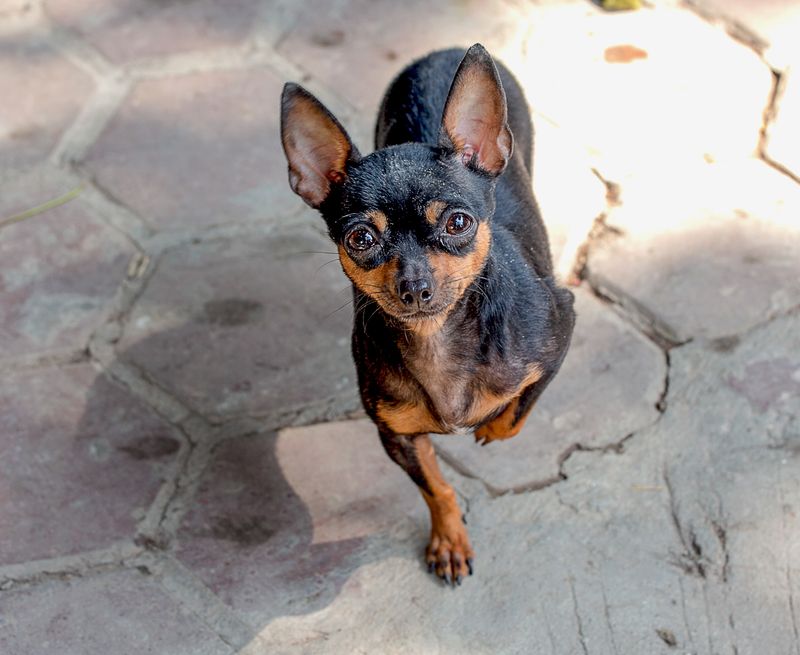
Pocket rockets with boss energy can start squabbles over laps and sunlight. Tiny bodies forget their size and try to run security for the whole house.
Tempers flare fast.
Plan slow doorway hellos behind pens, trade shirts for scent, and protect rest time. Teach hand target, place, and wait, then reward calm sharing of your attention.
Separate resources, keep sweaters on for warmth, and give short sniff walks so the world feels less threatening outside.
Great Pyrenees + German Shepherd
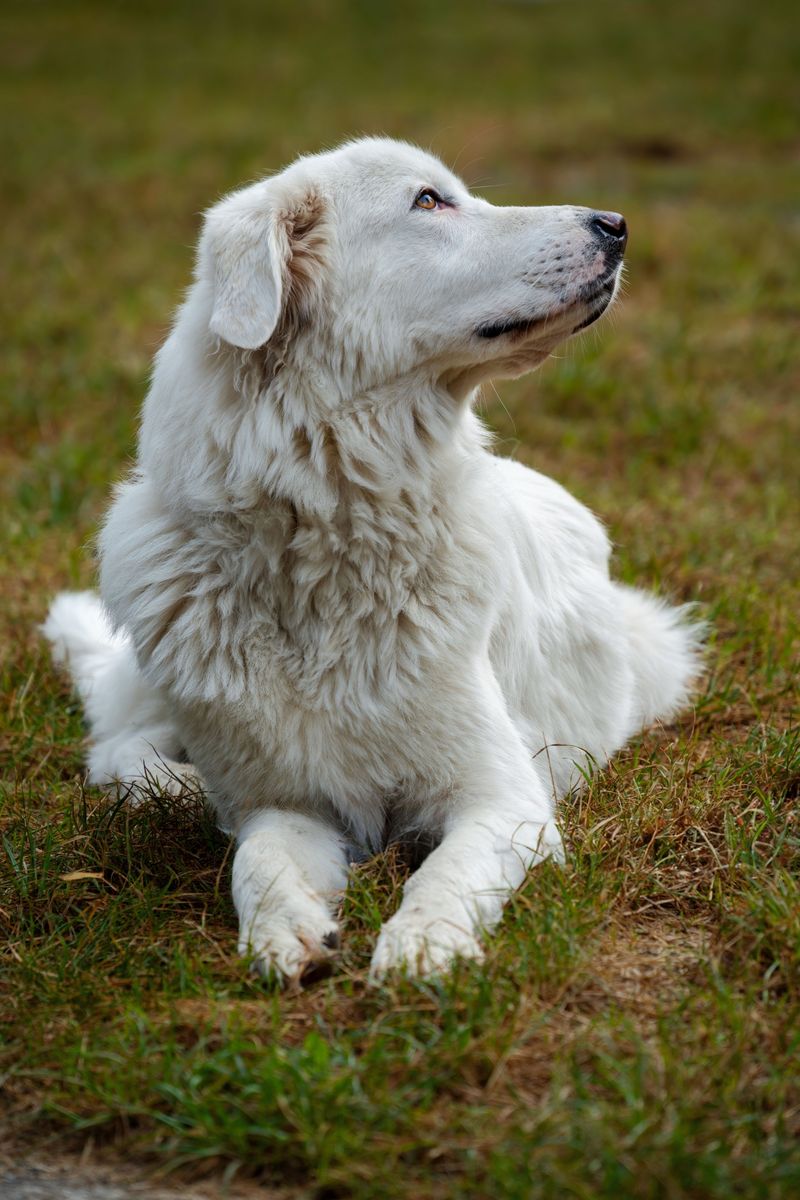
Night shift meets neighborhood watch. One patrols the perimeter, the other analyzes every sound, and both care deeply about territory.
Barking can escalate into arguments.
Choose neutral ground for first meetings, then practice boundary walks where you set the route. Teach quiet, come, and place with high rewards, and give clear visitor routines.
Tall fences, privacy screens, and nighttime white noise reduce triggers so teamwork grows instead of rivalry. Rotate yard time during transitions carefully.
Australian Shepherd + Siberian Husky
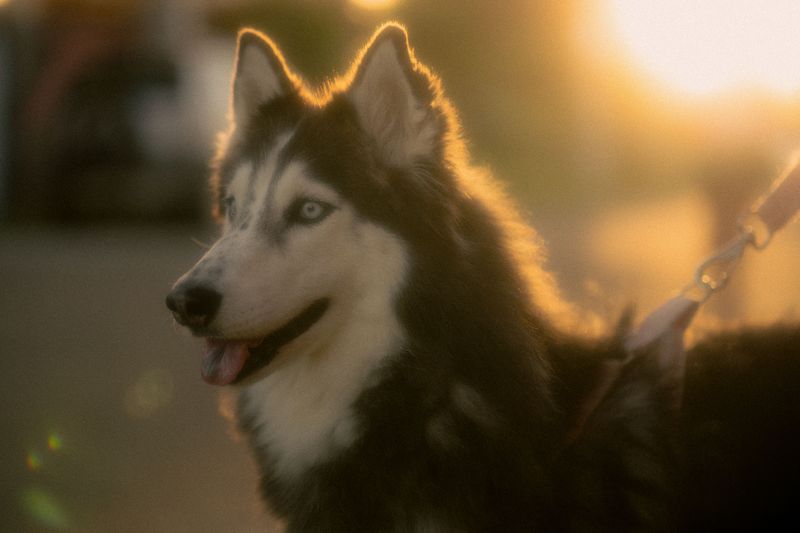
Brains meet bravado in a blur of fur. The Shepherd writes schedules, the Husky ignores them, and chaos follows if structure slips.
Escape tricks and herding nips can appear.
Start with long parallel walks and frequent sniff breaks, then reward check-ins. Teach a shared routine with gates, crate turns, and calm greetings at thresholds.
Daily cardio, obedience, and quiet place time help both dogs recharge, while double leashes and ID tags prevent unplanned adventures outside.
Bull Terrier + Staffordshire Bull Terrier
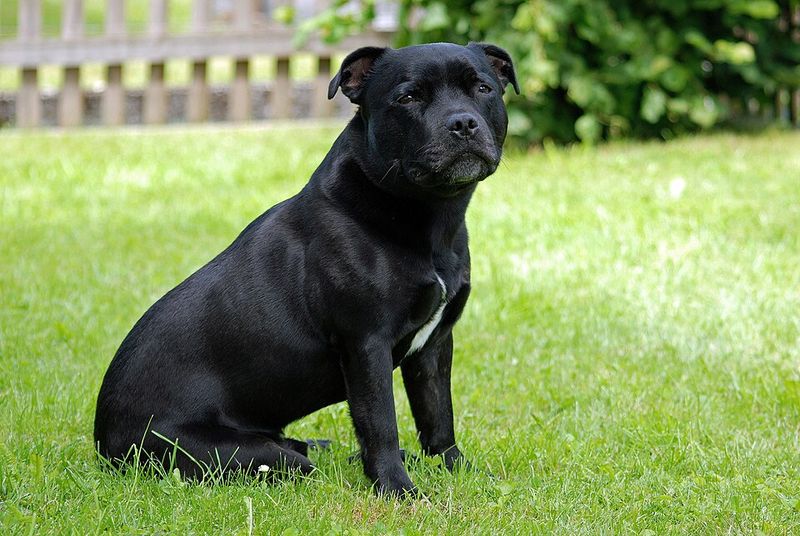
Goofy smiles can hide a competitive streak. Rough-and-tumble fun can tip into body slams, and arousal rises fast.
Interrupting early saves friendships.
Plan a trainer-coached meet with drag lines, muzzle conditioning, and lots of breaks. Practice consent checks, name-response games, and settle on mats before free play.
Keep toys separate, monitor play styles, and use crate-and-rotate after excitement spikes so everyone relaxes and confidence returns. Short walks together build rhythm and trust over many days.