
Smart dogs can amaze us, but their busy minds need work every day. Without solid plans, clever habits can turn into chewed shoes, nonstop barking, or wild zoomies.
The good news is that the right games and routines can turn chaos into progress. Let’s look at bright breeds that keep you on your toes, plus tips to keep them happy and helpful.
Border Collie
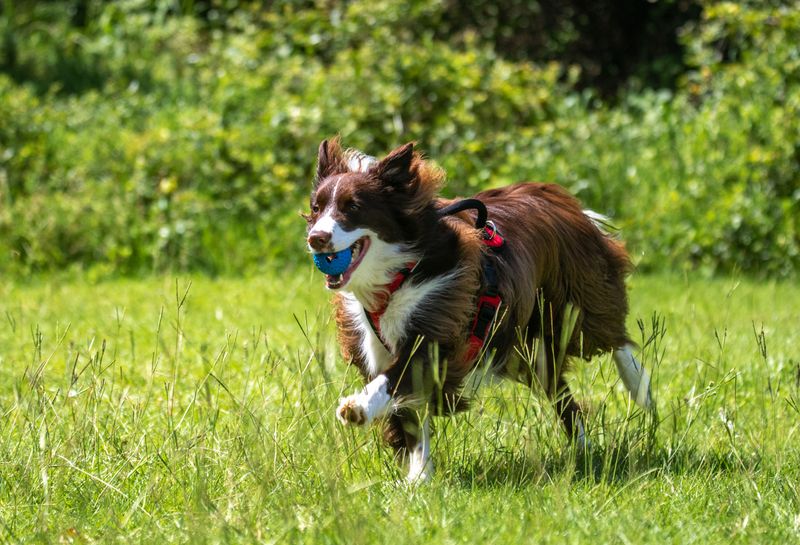
Farm-smart and lightning quick, the Border Collie treats your living room like a job site. Without daily brain games and tough training, that clever mind invents chores such as herding kids, chasing bikes, and dismantling cushions.
Plan two focused workouts plus scent puzzles or trick sessions every day. Rotate activities, use long-line recalls, and reward calm settling so energy has a parking place.
A sturdy flirt pole helps channel chase. Teach impulse control early, daily.
Standard Poodle
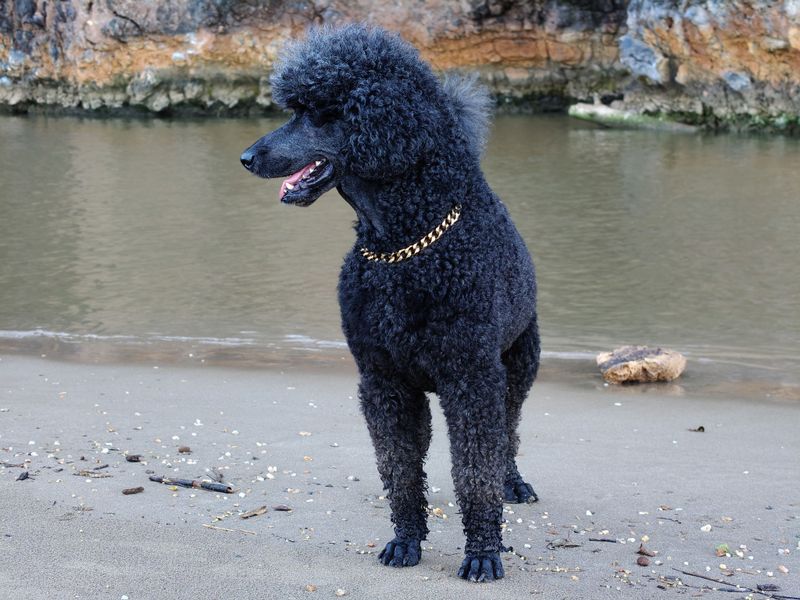
Under the fancy curls lives a strategist. Standard Poodles notice patterns fast, then outsmart weak rules like pros.
Keep training varied with field retrieves, platform work, and water fetches. If boredom shows, switch tasks before sloppiness starts.
Grooming is not optional, so pair brushing with scatter-feeding or lick mats to build patience. Door manners, polite greeting drills, and place time protect guests and furniture.
Daily nosework drains mental steam quickly. End sessions while success lasts.
German Shepherd
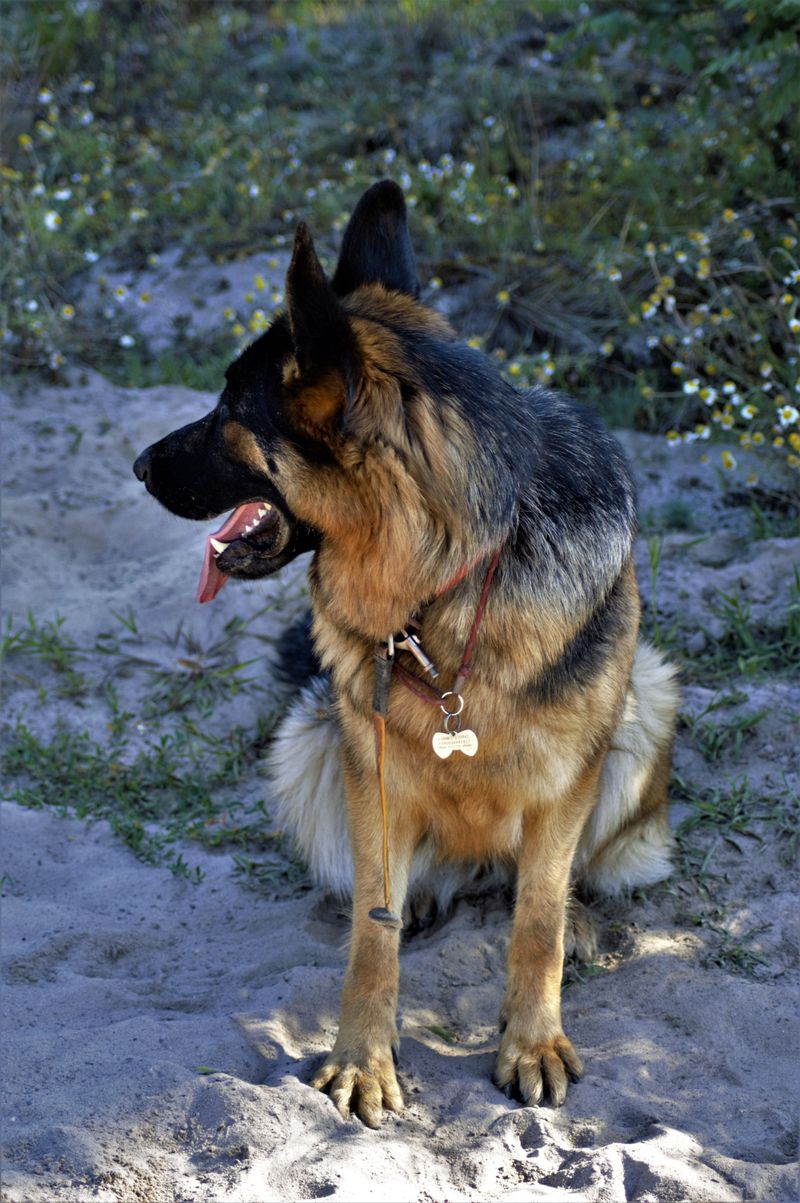
Big heart, bigger workload. German Shepherds crave purpose and can turn anxious if leadership feels unclear.
Structure the day with obedience reps, bite-safe tug games, and controlled fetch. Teach off switch with settle on mat and quiet rewards.
They guard by default, so practice neutral walks near people and dogs. Rotate stable visitors for calm greetings, and gate the doorway to reduce decision pressure.
Hip-friendly surfaces and ramps protect joints. Keep jump heights conservative always.
Belgian Malinois
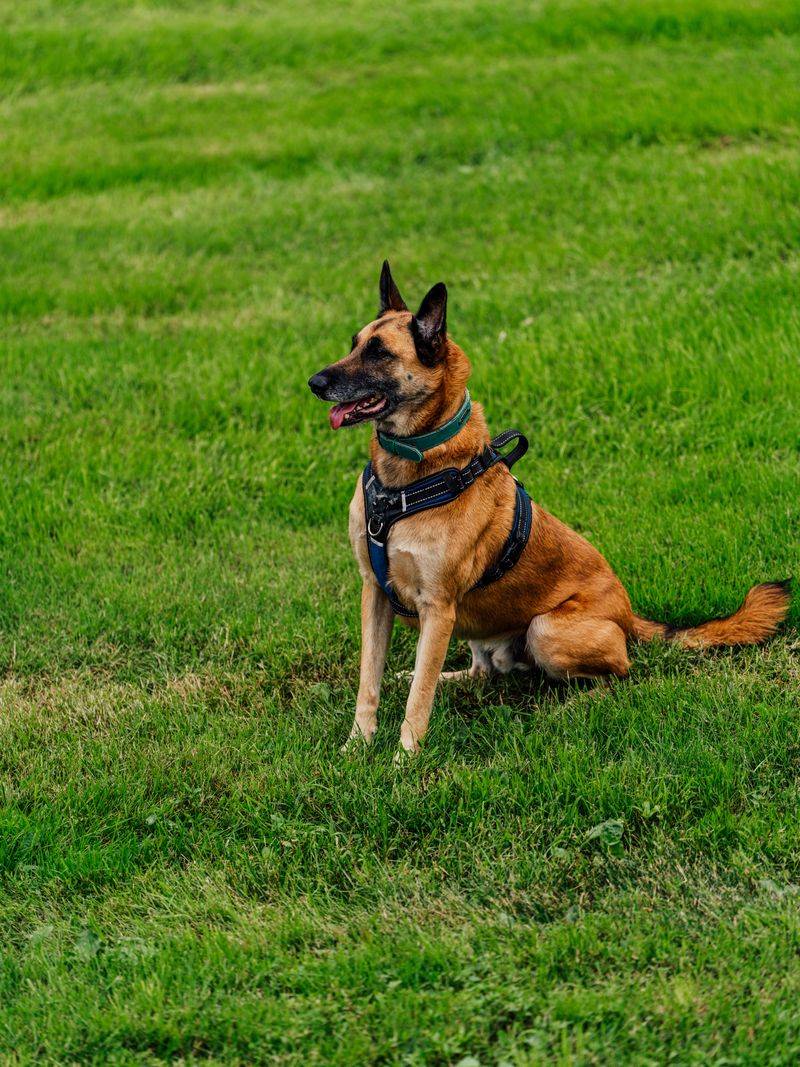
Think rocket in a fur suit. Malinois dogs excel at tasks but can unravel homes without precise outlets.
Plan bite-safe tug, sprint drills, and place-board impulse control twice daily. Use clear markers, short reps, and crates for decompression.
They scale fences, open doors, and chew through boredom. Secure yards, lock cabinets, and hire a sport trainer early to channel drive into IGP, PSA, or agility.
Mental breaks prevent overarousal and needless nipping. Use blackout covers.
Australian Cattle Dog
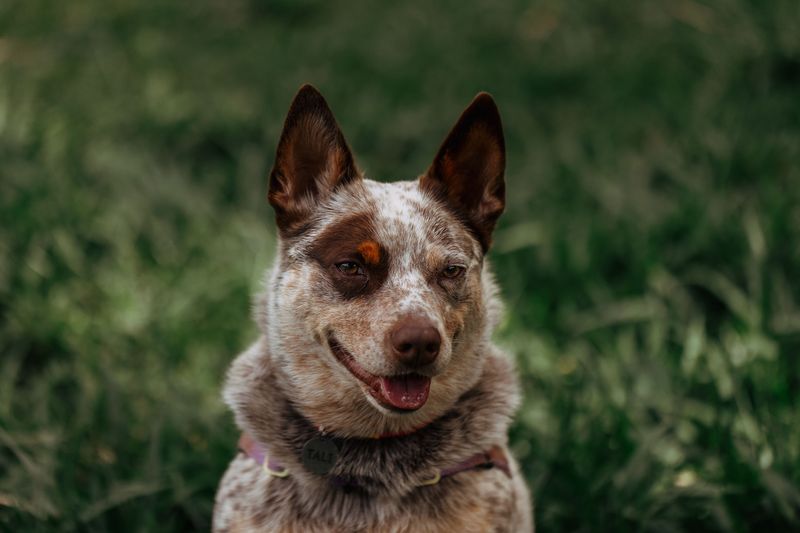
Born to push livestock, heelers invent projects in suburbia. Nipping heels and patrolling windows become hobbies fast.
Schedule rugged hikes, ball work with rules, and shaping games that build patience. Teach a strong drop cue, then practice calm beside bikes or scooters.
Hard heads meet soft tissue, so protect ankles with management early. Baby gates, long lines, and supervised kid time prevent misunderstandings while manners grow.
Trick titles give them real jobs. Aim daily consistency.
Miniature Schnauzer
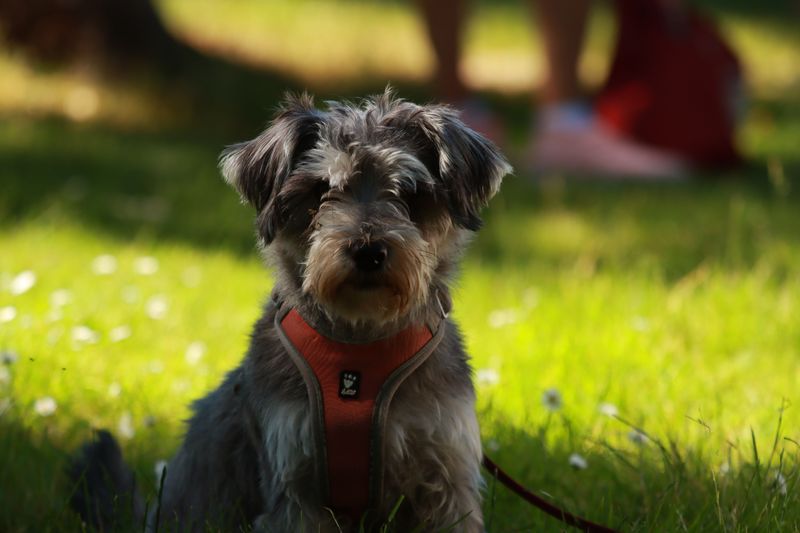
Behind the mustache is a tiny detective. Mini Schnauzers track every smell and announce every headline like town criers.
Barking snowballs without a plan. Teach a quiet cue, reward nosework in boxes, and give puzzle feeders before guests arrive.
Grooming appointments and at-home brushing keep coats comfy and mats away. Try urban agility, trick ladders, and brisk walks to bleed off the buzz.
Curtain-closing and window films reduce trigger views. Practice settle with chew time.
Australian Shepherd
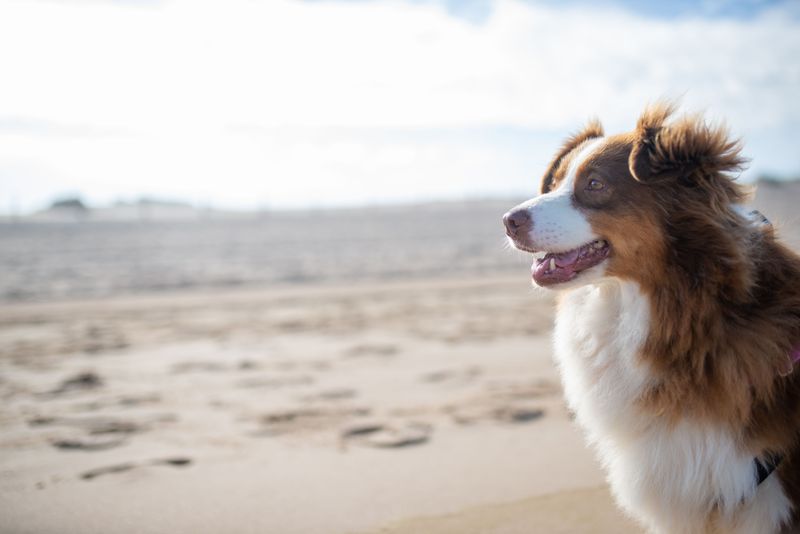
Aussies read minds, then add flair. That talent turns chaotic when routines slip or rules wobble.
Build a weekly plan with agility foundations, moving downs, and off-leash heeling in safe spaces. Reward eye contact and release to toys frequently.
Many struggle with motion reactivity, so practice calm near skateboards and runners. Use patterns like figure eights, then park on a mat for rest.
Hike early to beat crowds and triggers. Rotate toys to prevent obsession.
Doberman Pinscher
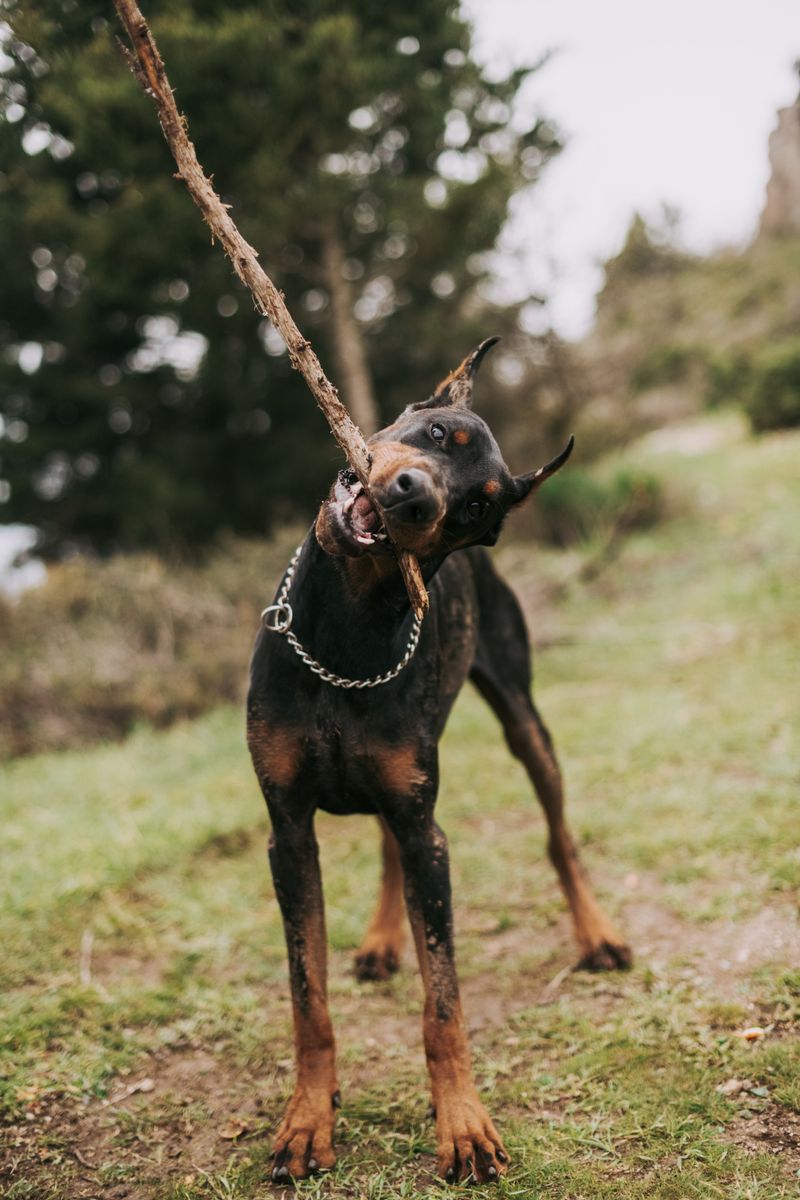
Elegance meets intensity in a Doberman. Many are velcro shadows who worry when left without a plan.
Confidence grows through clear jobs like nosework, carting, and structured tug. Teach boundary games, then hold calm place time while guests enter.
Separation training matters, so pair short absences with stuffed chews and white noise. Vet conversations about DCM, lean conditioning, and temperature needs keep health on track.
Teach gentle greetings to balance protectiveness. Use neutral handlers sometimes.
Jack Russell Terrier
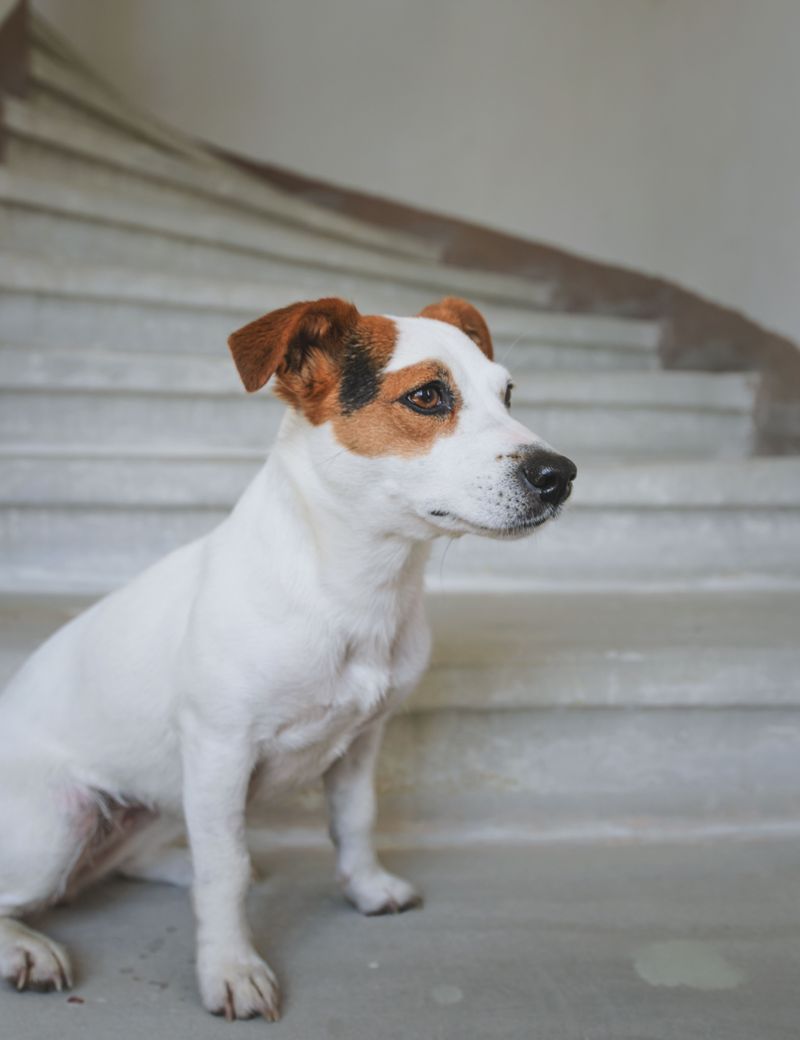
Small body, colossal ambition. Jack Russells chase motion like it owes them money.
Daily dig pits, scent games, and spring-pole play give safer outlets. Teach a rock-solid wait before doors and car exits.
Rodent drives are no joke, so lock yards and supervise around pocket pets. Trick training and parkour satisfy brains when weather closes in.
Use long lines near wildlife and practice recalls after every sniff. Short naps prevent gremlin evening zoomies, for owners.
Shetland Sheepdog
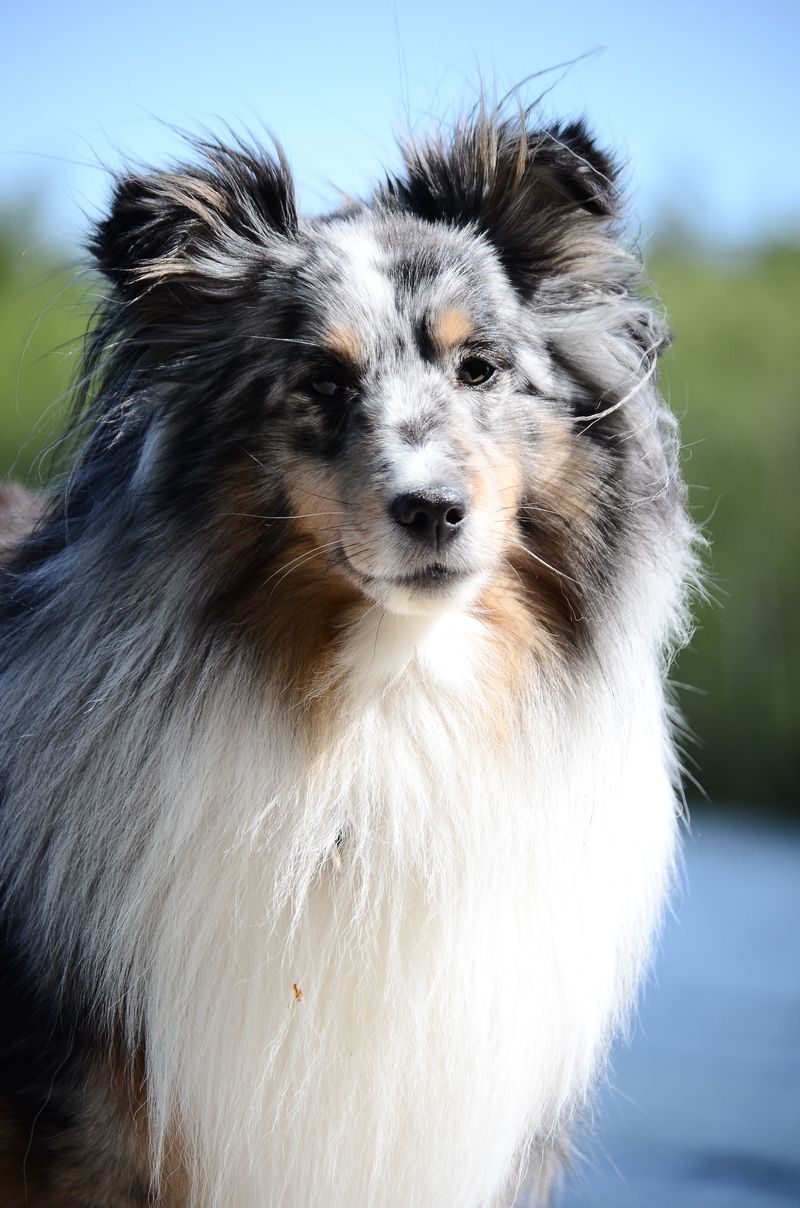
Like a tiny professor, the Sheltie studies everything, including every sound outside. Without guidance, that sharp mind fuels nonstop commentary.
Channel thoughtfulness into rally patterns, spins, and precise heelwork. Reward quiet check-ins, and use window film or white noise to blunt triggers.
Groom weekly, paying attention to pants and ruff where mats start. Timed fetch, nosework hides under chairs, and mat naps shape balance between action and rest.
Gentle handling boosts shy confidence. Practice patience.
Papillon
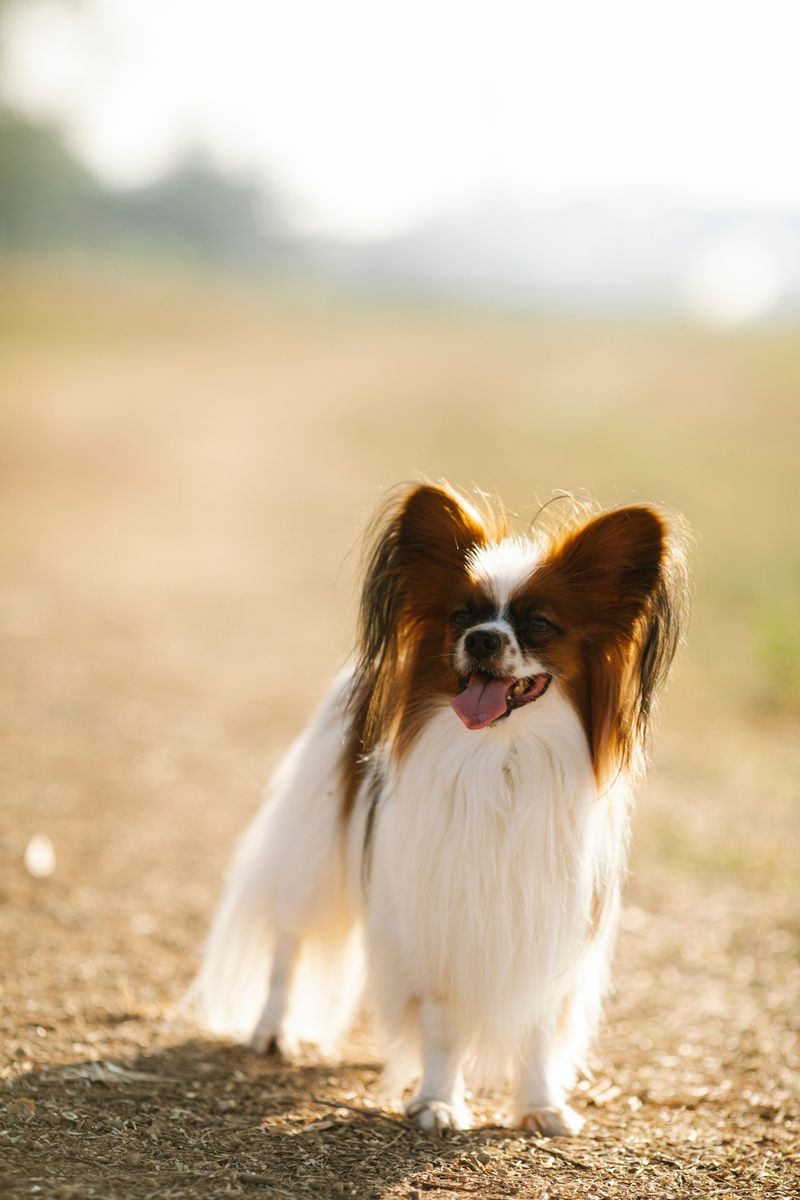
Butterfly ears, rocket brain. Papillons learn tricks lightning fast, then invent their own routines if ignored.
Agility, rally, and platform games are perfect to focus sparkle. Keep sessions short, surprise with jackpots, and reward quiet sits between bursts.
Fragile size needs protection around big dogs and door gaps. Teach a settle cue on a blanket, use food puzzles at dinner time, and schedule regular walks to steady the motor.
Socialize kindly with varied surfaces, early.