
Some dogs look brave and bold in any crowd. They greet neighbors, strut at the park, and act like tiny celebrities.
But when their favorite person steps out, the brave mask slips and a softer side shows. Knowing which breeds feel this way helps you plan training, reduce stress, and build a stronger bond.
Doberman Pinscher
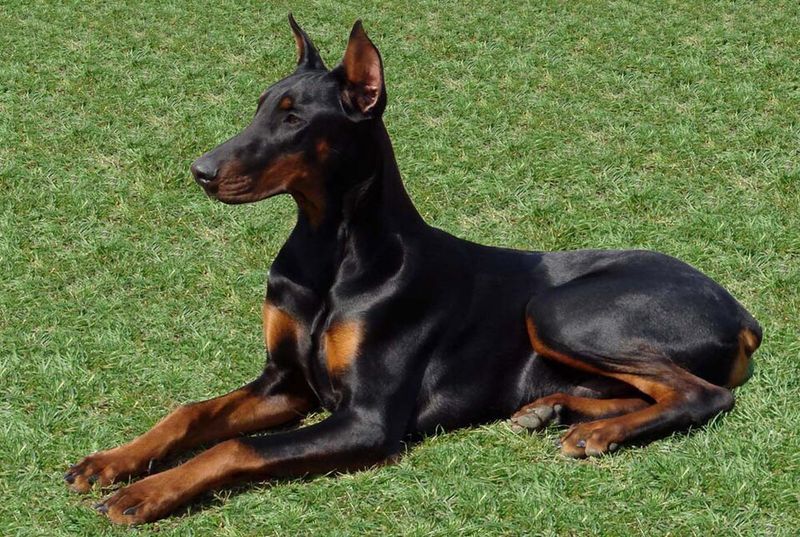
Picture a polished bodyguard who sneaks peeks at the doorway. Dobermans often radiate cool confidence, then worry bubbles up the second their person vanishes.
Strong bonds make them loyal, but also a little clingy. Daily mental challenges, like scent games and puzzle feeders, help channel that focus.
Practice short absences that gradually get longer. Reward calm behavior before leaving.
A sturdy chew toy and a cozy den space can lower stress. Clear routines turn goodbyes into no big deal.
Chihuahua
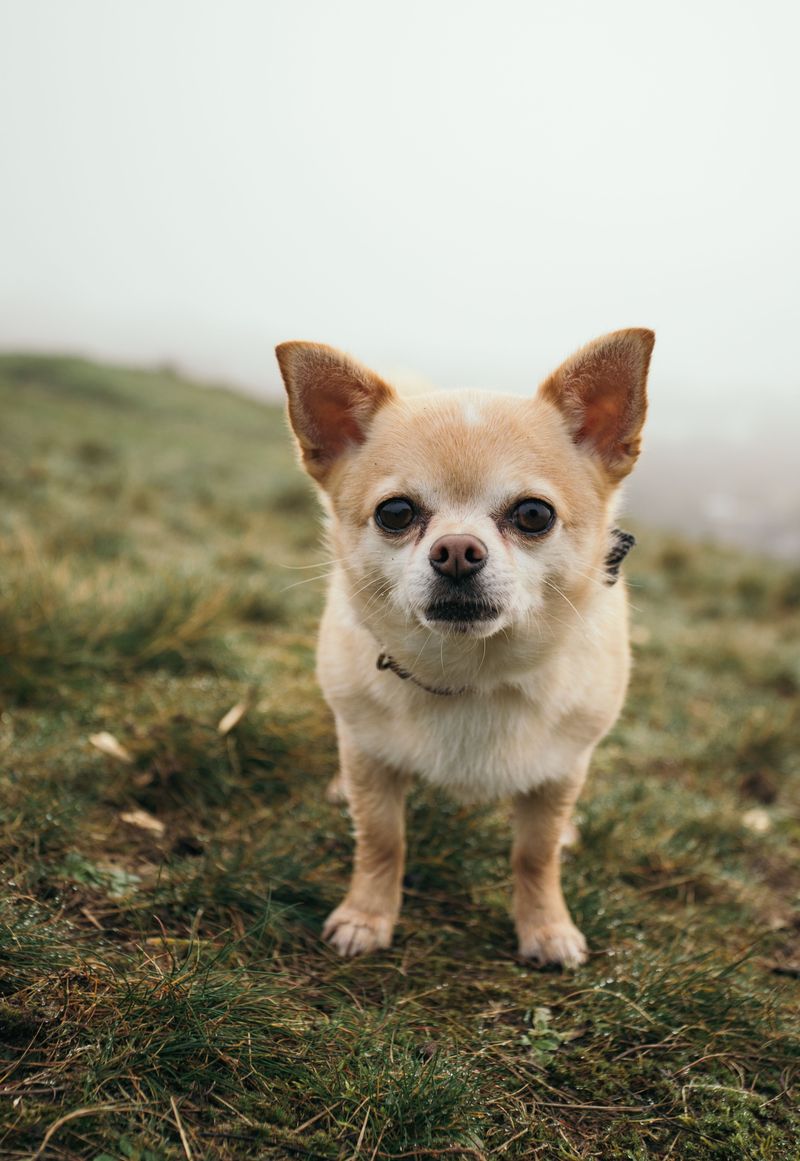
Small dog, huge personality, and even bigger feelings. Chihuahuas strut like royalty, yet many tremble when their chosen human steps away.
Their big eyes follow every move. Short training bursts, warm blankets, and a consistent goodbye routine make a big difference for their peace of mind.
Teach independence with place training near the door. Offer stuffed lick mats to soothe.
Keep visitors calm and gentle. Confidence grows when they learn the world stays safe without you.
Dachshund
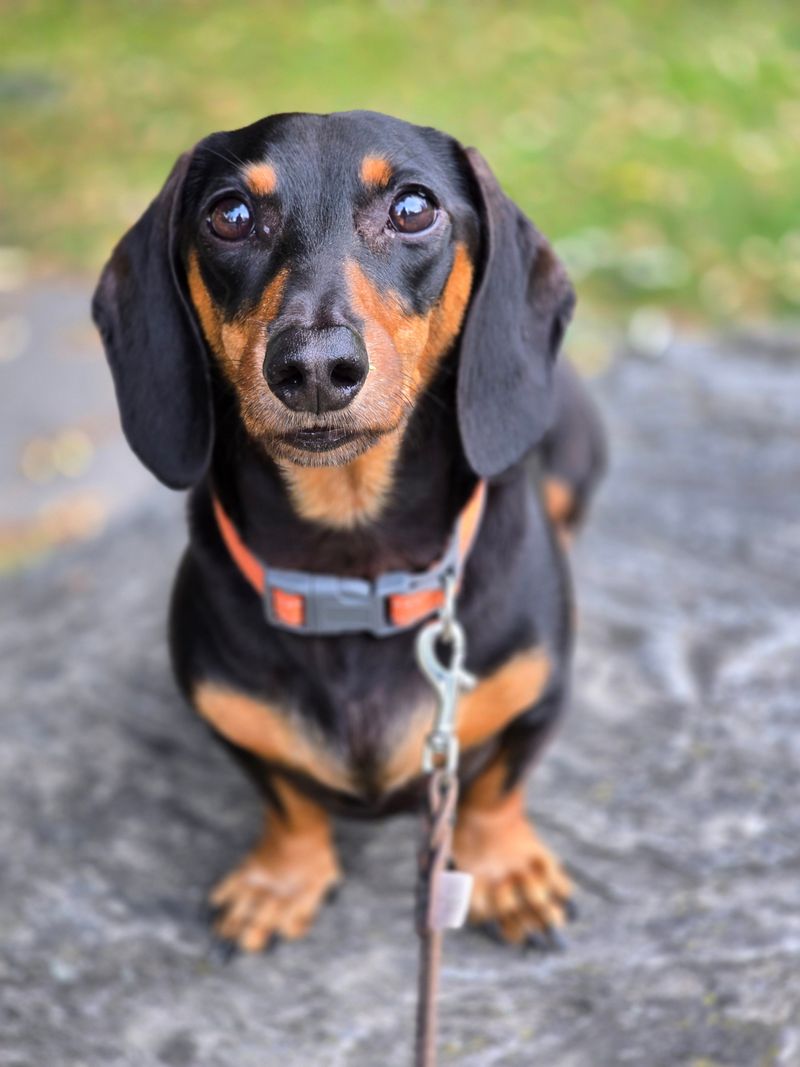
Born to chase scents, the Dachshund loves exploring hallways like a tiny detective. Still, that bold tail may droop when their favorite person disappears.
They bond deeply and do best with steady structure. Nose work in cardboard boxes keeps their brain busy and reduces clinginess.
Rotate toys to keep things exciting. Use calm departures with low drama.
A snug crate or covered bed creates a den vibe. Confidence returns when choices and routines feel predictable.
German Shepherd
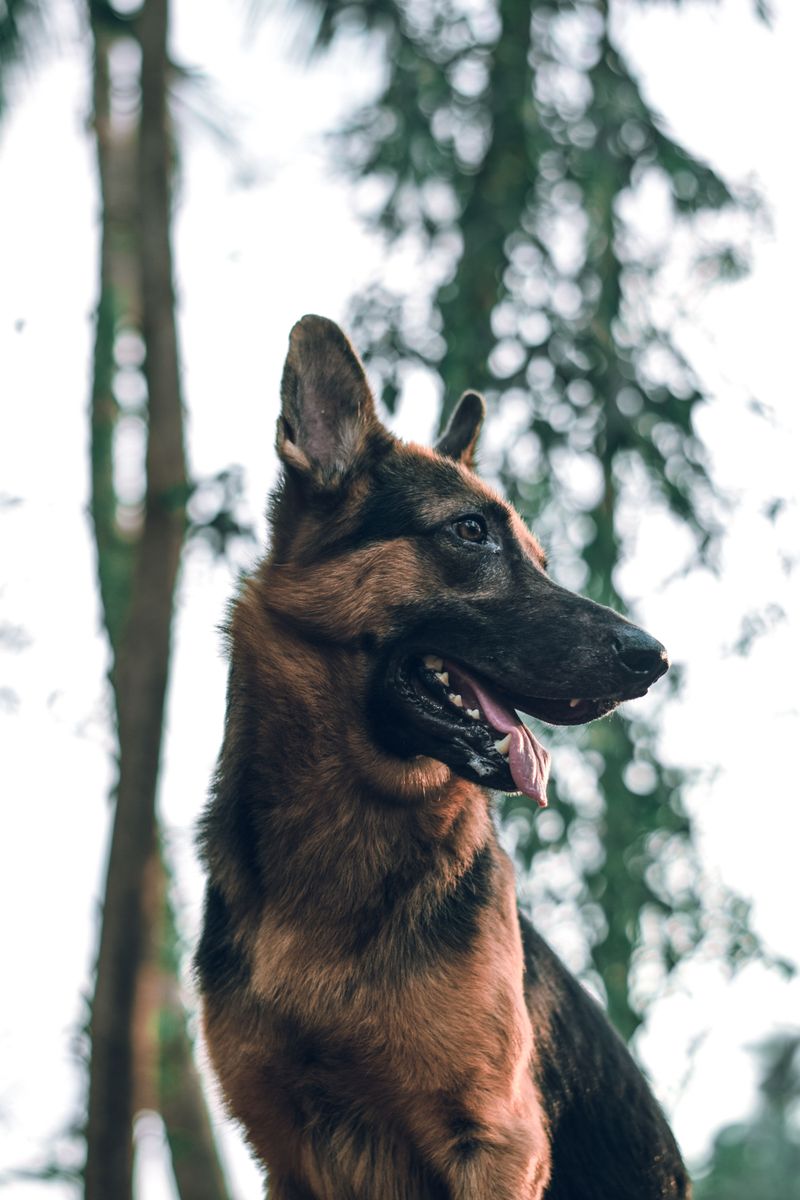
Ask for a helper and the German Shepherd volunteers first. They look ready for any job, yet attachment can run deep.
When their person leaves, some patrol and whine. Purpose and training are magic here.
Daily tasks like carrying a pack or learning new cues build stability.
Before departures, practice settle on a mat. Play scent trails to use that sharp nose.
Clear boundaries reduce pacing. A busy brain usually brings a calm heart.
Staffordshire Bull Terrier
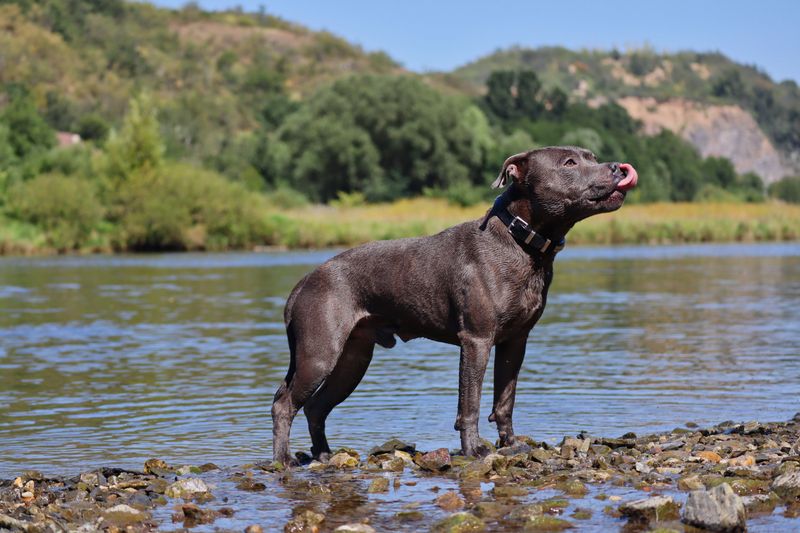
Grins for everyone and wiggles for days, the Staffy charms a whole block. Under the jokes and joy sits a true people dog.
When their main person goes missing, the fun can fade. Gentle exercise and sniffy walks help release tension in a healthy way.
Practice calm crate time with treats while you are still home. Add durable chew toys.
Keep goodbyes short and casual. A relaxed routine teaches that alone time is safe.
Pomeranian
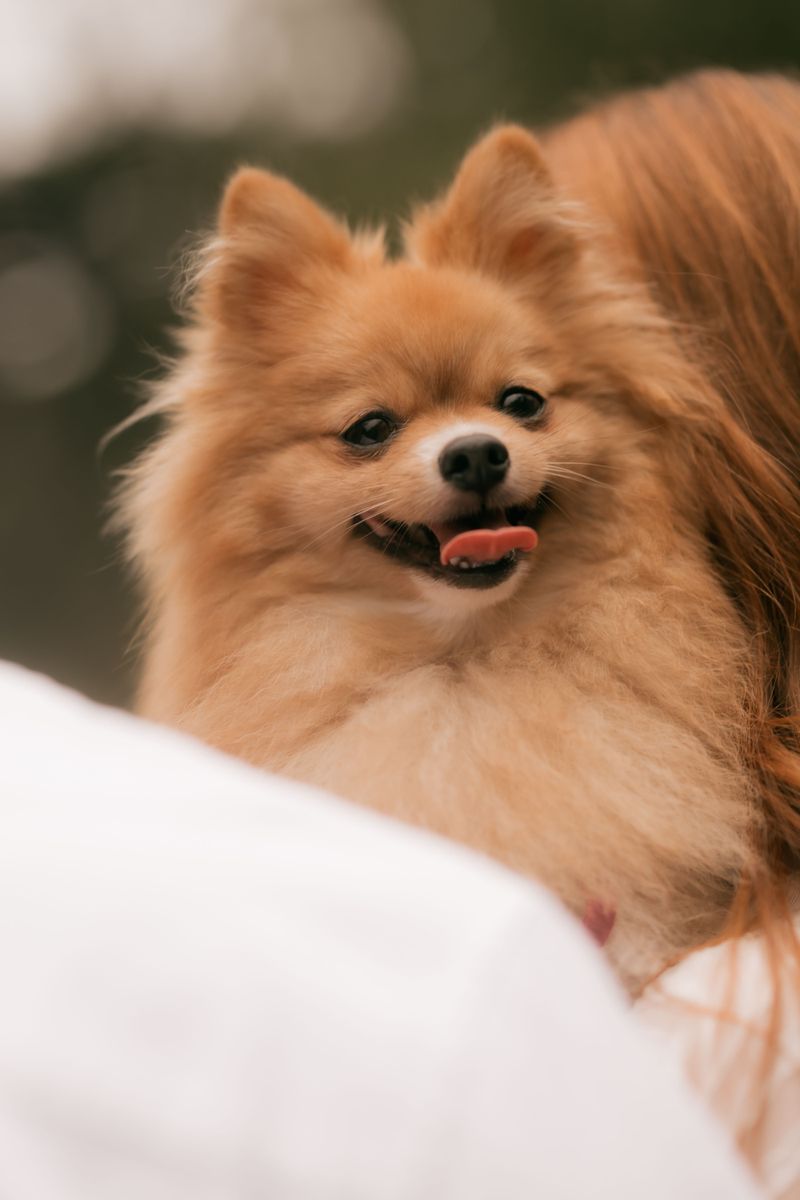
With that cloud of fluff, the Pomeranian struts like a tiny star. Yet the spotlight dims once their favorite person slips out.
Vocal protests are common. Teaching quiet on cue and rewarding calm breathing can help.
Short trick sessions build confidence and burn mental energy.
Leave behind a safe chew and soft music. Use scatter feeding to keep them busy after you go.
Slow, step by step absences make progress stick for good.
Yorkshire Terrier
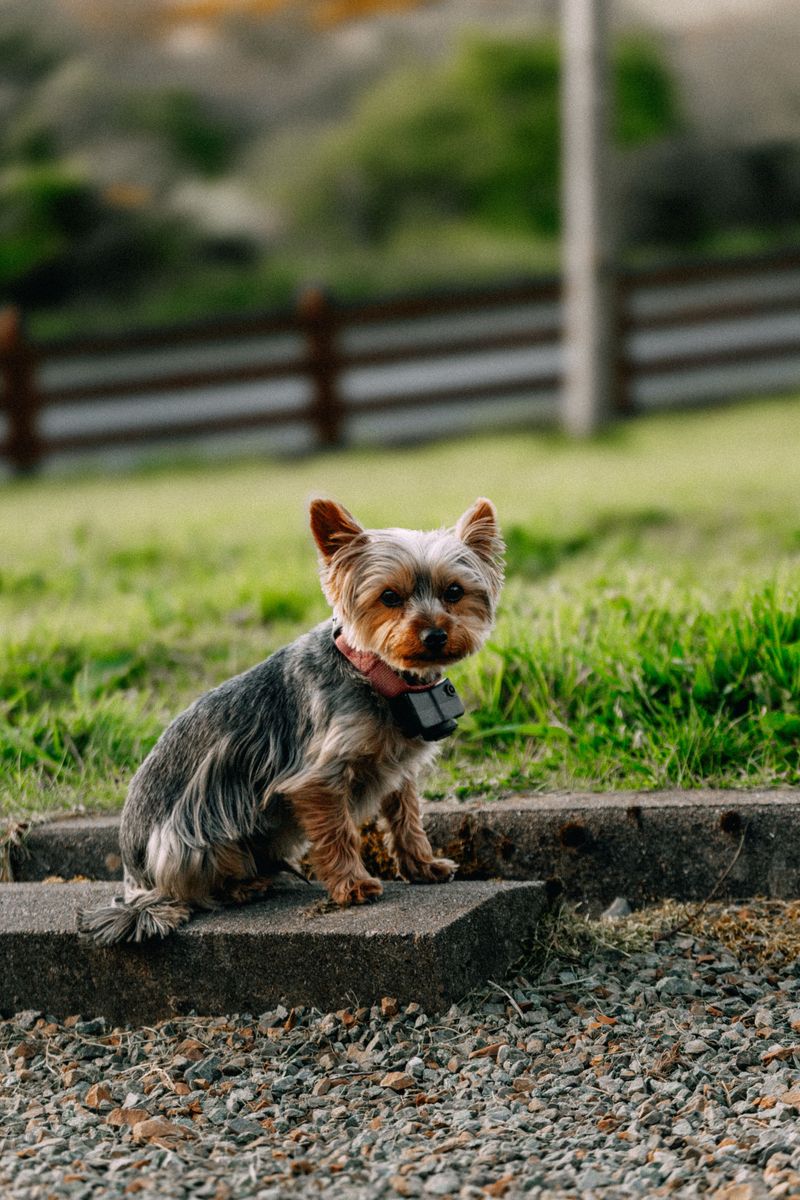
City life suits the Yorkie, who often walks like they own the block. Still, their brave front can crack when their person slips away.
History as a tenacious ratter means they thrive with jobs. Try tiny fetch games in hallways to help reset their focus.
Teach place training with a comfy mat. Give a food puzzle right before departures.
Keep returns calm to prevent overexcitement. That steady pattern turns nerves into trust.
Vizsla
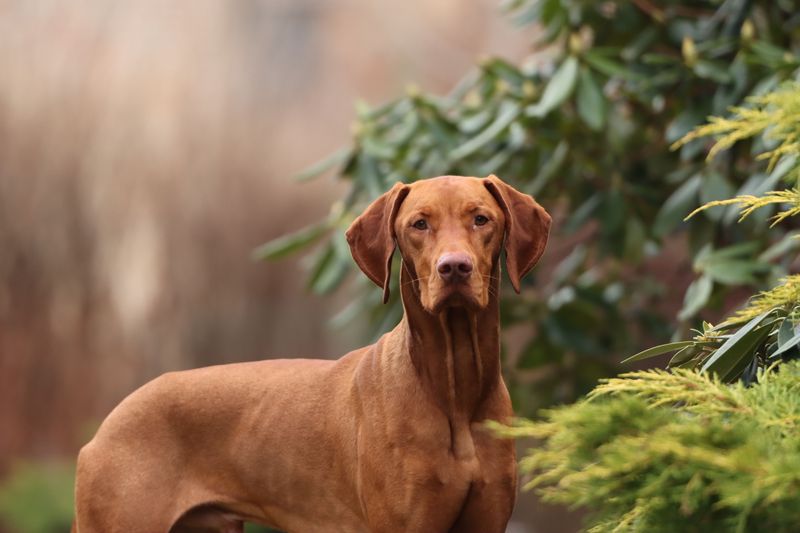
Sometimes called a velcro dog, the Vizsla loves to stick close. Athletic and fearless on trails, they can wilt when their person leaves.
Exercise solves half the battle. Long sniffy runs or structured fetch sessions release energy and quiet the mind.
Balance workouts with calm training, like down stays in another room. Offer a frozen food toy at goodbye.
Predictable schedules and kind boundaries help them rest, even when you are out.
Miniature Pinscher
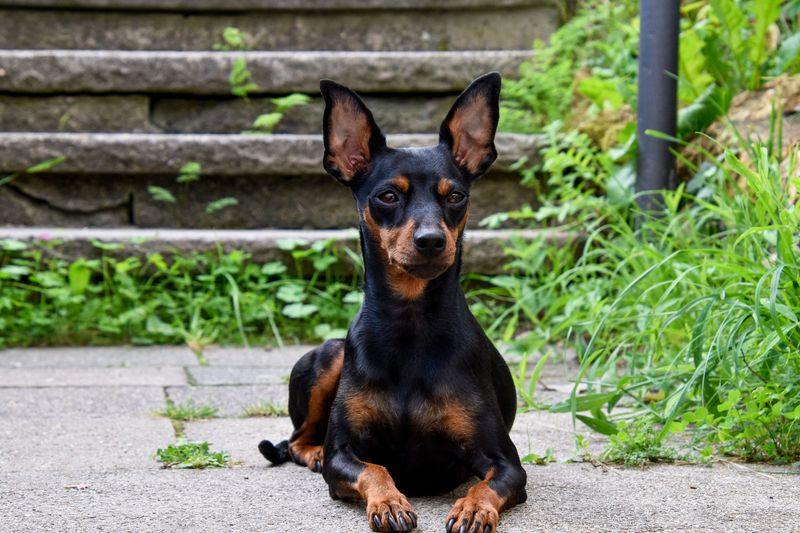
All swagger at first glance, the Min Pin marches with pep and pride. The moment their person vanishes, that spark can wobble.
They thrive on clear jobs and fast games. Short sprint sessions or tiny agility courses drain jitters and build independence.
Work on settle cues with a bed near the exit. Use high value chews you only give when leaving.
Keep returns low key. Confidence shows up again with practice.
Weimaraner
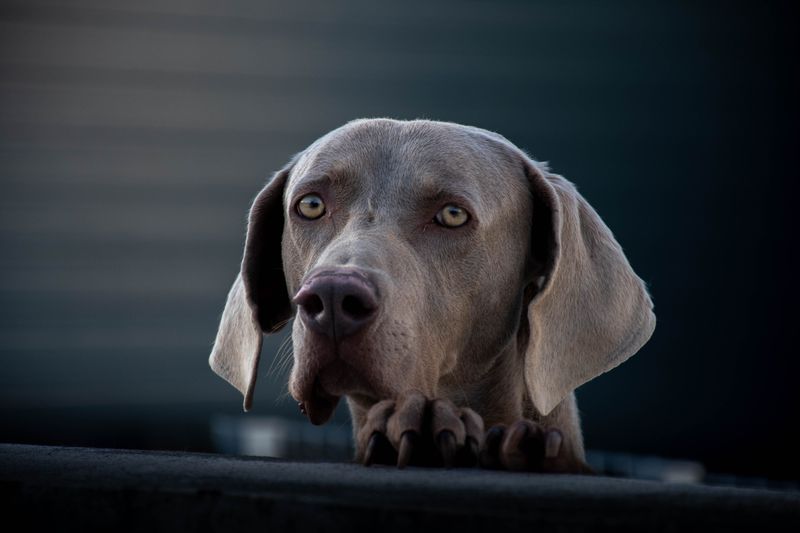
Built like a runner and bright as a lamp, the Weimaraner craves company. They bond fiercely and sometimes worry when left.
A daily plan helps. Combine aerobic play with brain work, like hide and seek for toys.
Meet those needs and the emotional load lightens.
Practice calm departures with sit and stay at doors. Provide a safe room and a soothing scent on a blanket.
Gradual absences strengthen their coping skills.
Australian Shepherd
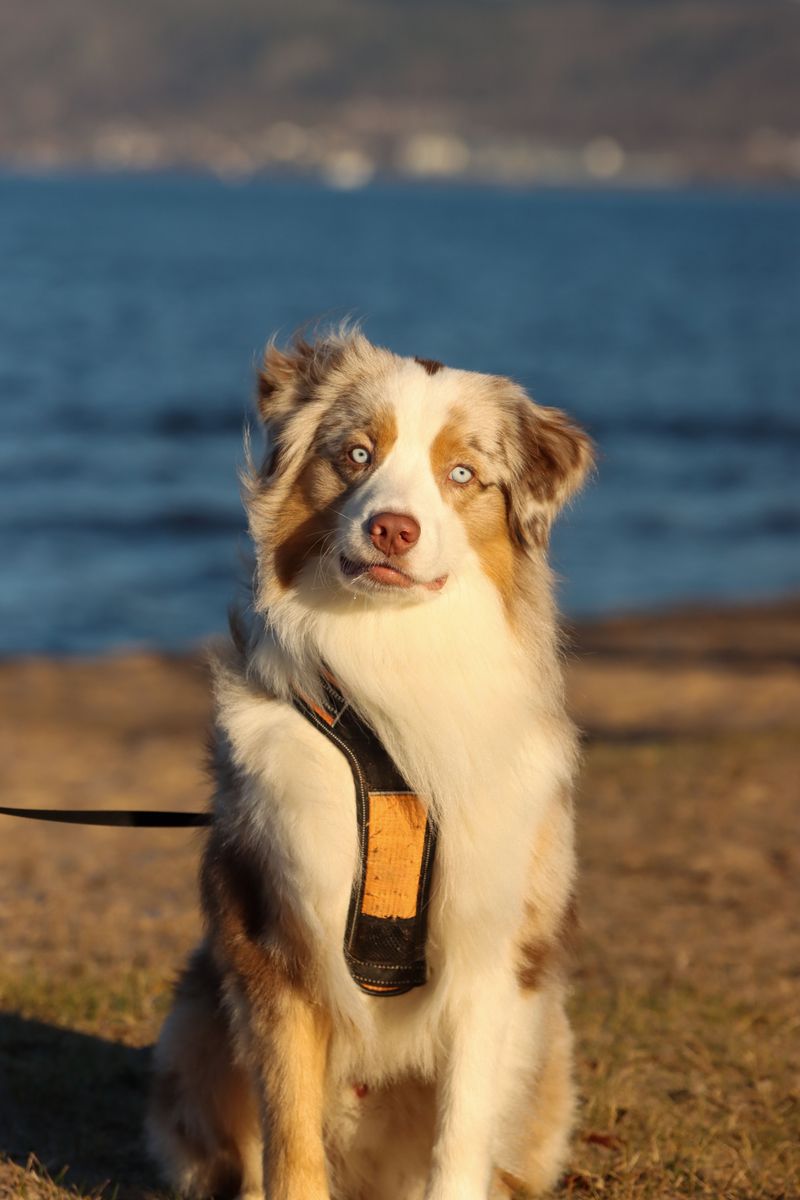
Work is joy for the Aussie. They read people like books and want to be included.
When their person exits, some become restless. Turning energy into purpose helps a lot.
Teach tasks like finding keys or tidying toys to give structure and pride.
Use calm mat training while family moves around. Schedule mental workouts before departures.
Enrichment, such as snuffle mats, eases transitions. With patterns in place, goodbyes stop feeling scary.
Havanese
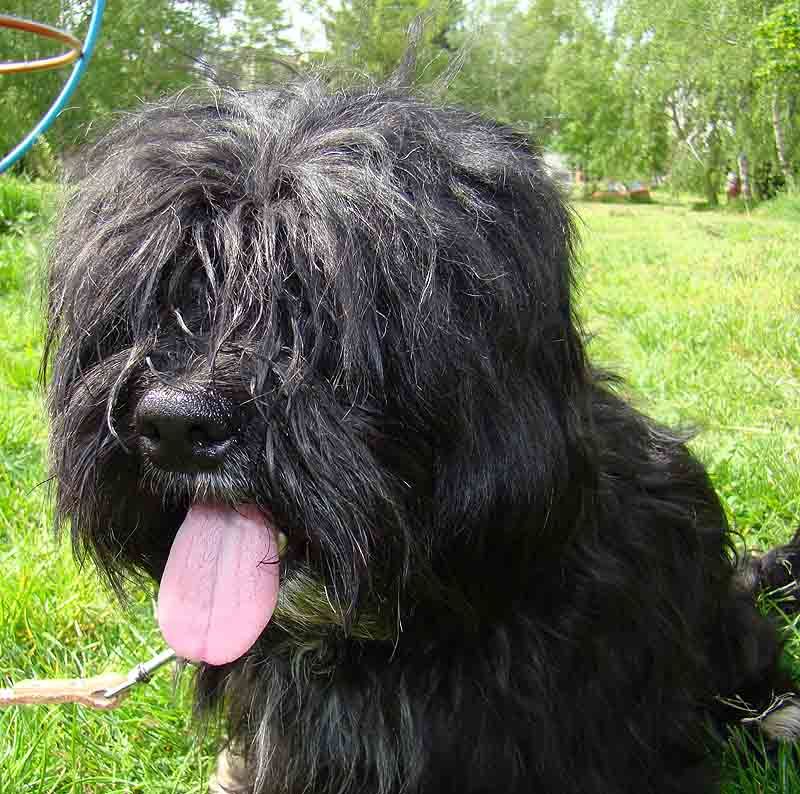
Social by nature and quick to charm, the Havanese often welcomes everyone. Still, a tender heart shows when their favorite person leaves the room.
Gentle training works best. Practice short separations within the home, moving from one room to another with calm rewards.
Soft music and a well-stuffed food toy help. Keep goodbyes casual and avoid long hugs.
When they can relax in small steps, alone time becomes safe time.