
Some dogs seem to handle noisy, busy homes like total pros. They put up with loud games, spilled snacks, and running feet without much fuss.
Still, even the most patient pup has limits, and the biggest one is simple: kids must give a dog space when it eats, sleeps, or walks away. Learn which breeds roll with the chaos and how to keep everyone safe and happy.
Golden Retriever: The Sunshine Sidekick
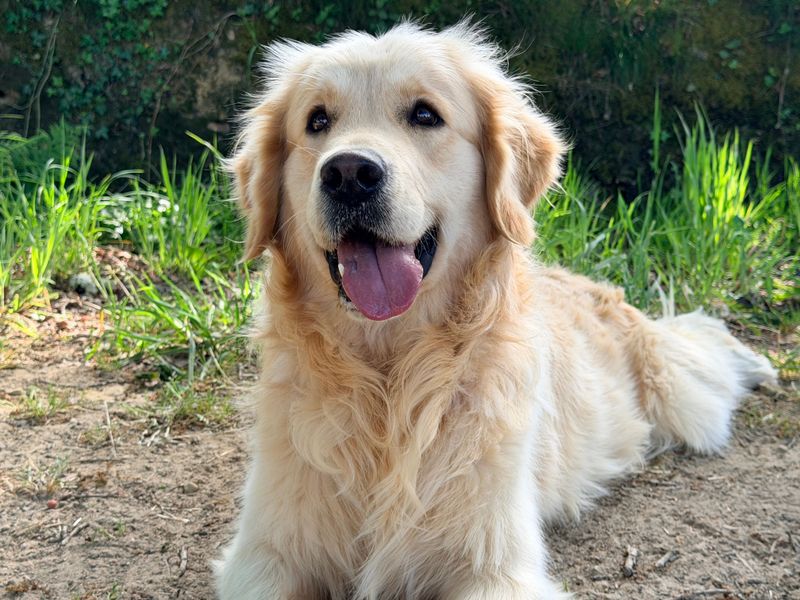
Picture a dog that wags through birthday parties, pillow forts, and spilled juice. Goldens are famous for staying cheerful when a house gets loud and messy.
Even so, a sleeping Golden deserves peace. Teach kids never to hug or climb on a resting dog, since a startled pup may react without thinking.
Fun fact: Goldens were first bred in Scotland in the 1800s to fetch birds gently without biting them.
Labrador Retriever: Energy to Spare
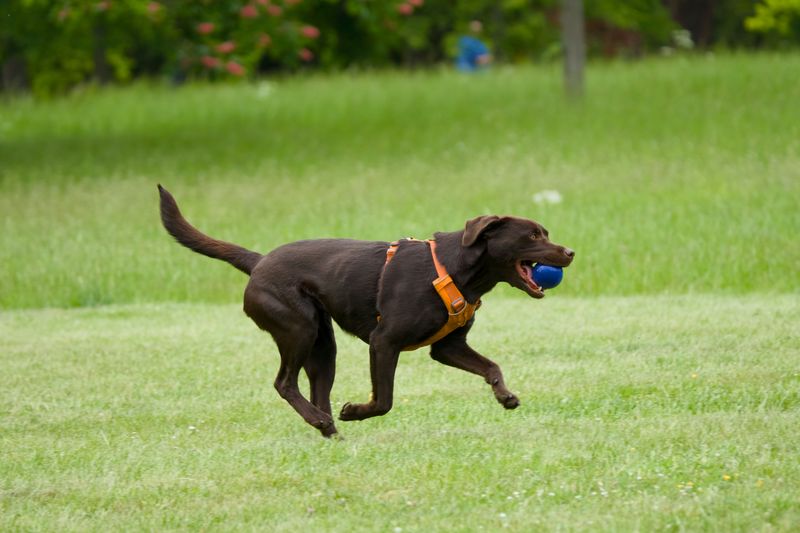
Did you know Labs actually come from Newfoundland, not Labrador? Wherever they started, these dogs love a busy household full of games.
Their big appetite is the catch. A Lab may guard food if kids grab at its bowl, so set a firm rule that mealtime belongs to the dog alone.
Give your Lab long walks and fetch sessions too. A tired Lab is a calm, happy Lab around the whole family.
Rough Collie: A Watchful Herder
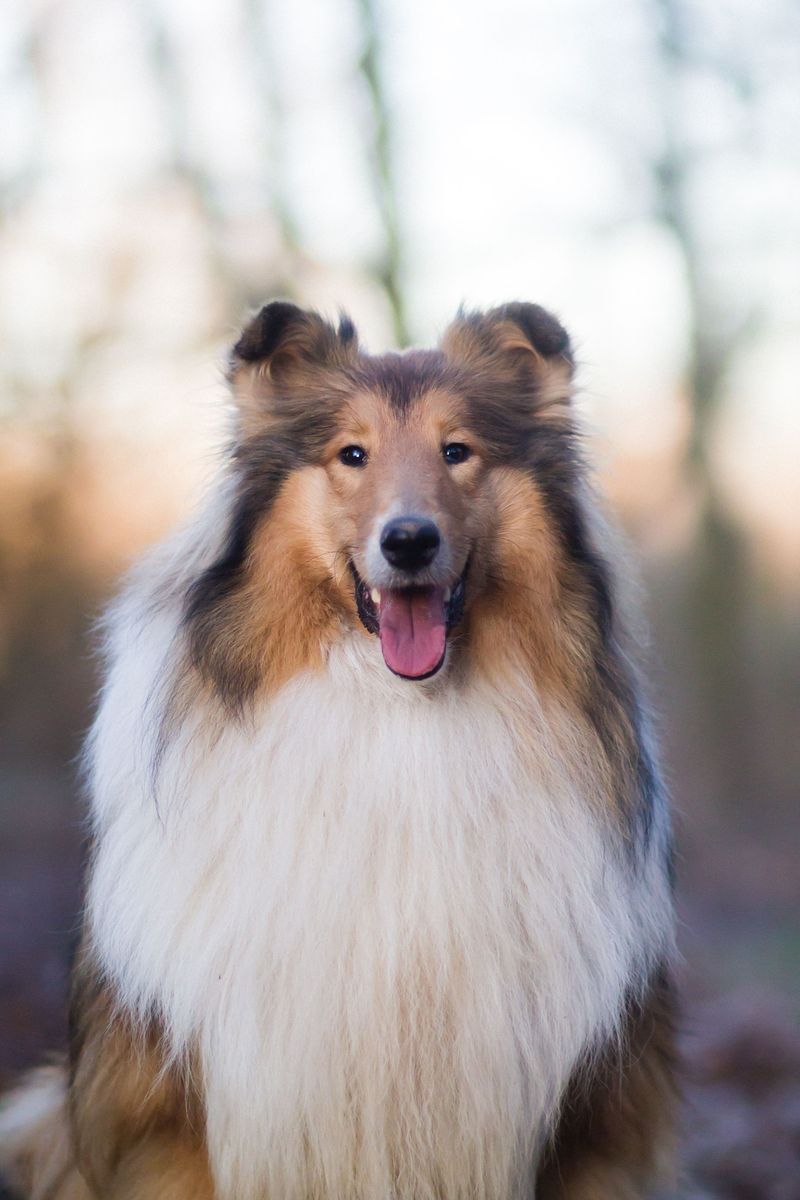
Remember Lassie? That loyal TV hero was a Rough Collie, and real ones are just as devoted to their families.
Collies like to keep an eye on everyone, and some may try herding running kids by circling or nudging. That’s instinct, not meanness.
Still, kids should never chase or corner a Collie. Let the dog choose when to join the fun, and its sweet, sensitive side will shine.
Boxer: The Bouncy Clown
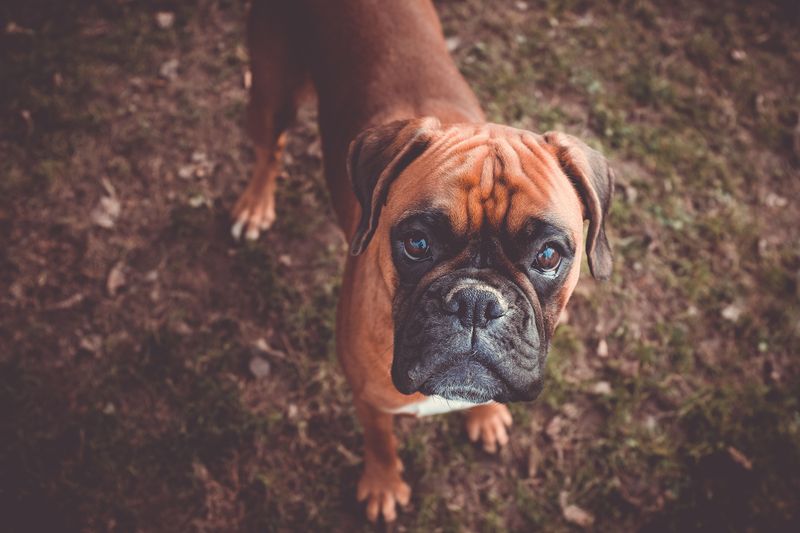
Boxers act like overgrown puppies for years. They bounce, wiggle, and do a silly happy dance called the kidney bean when excited.
That playful spirit makes them great for lively homes. However, rough wrestling can quickly get out of hand with such a strong, muscular dog.
Teach kids to play calm games like tug with a toy instead of grabbing ears or tails. Gentle hands keep a Boxer’s goofy grin in place.
Beagle: Nose First, Always
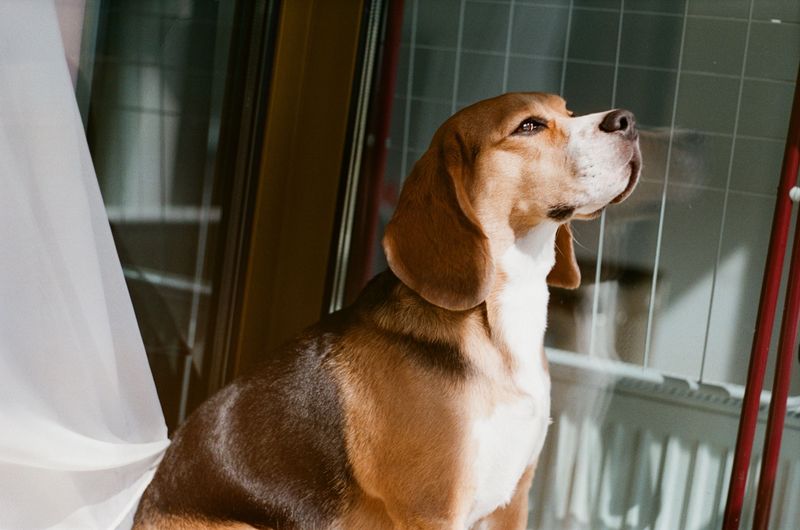
A Beagle’s nose has about 220 million scent receptors, so dropped crackers rarely survive long in a family kitchen.
These merry hounds handle noise and crowds with a cheerful attitude. Their weak spot is food, and snatching a treat back from a Beagle can lead to a warning snap.
Help kids learn to call an adult instead of grabbing anything from the dog’s mouth. That one habit prevents plenty of trouble.
Standard Poodle: Brains Behind the Curls
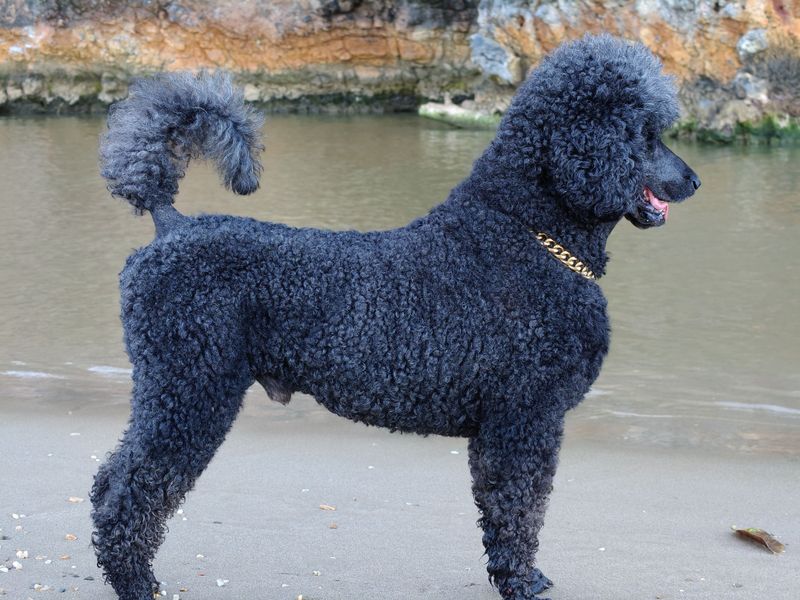
Forget the fancy show haircuts. Standard Poodles were originally water retrievers in Germany, and they are smart, sporty, and surprisingly sturdy.
They adapt well to busy homes and learn rules fast. That intelligence also means they notice when kids tease them, and they won’t forget it.
Encourage children to teach tricks with treats instead. Poodles love a challenge, and training together builds a strong, trusting friendship.
Irish Setter: Red-Coated Joy
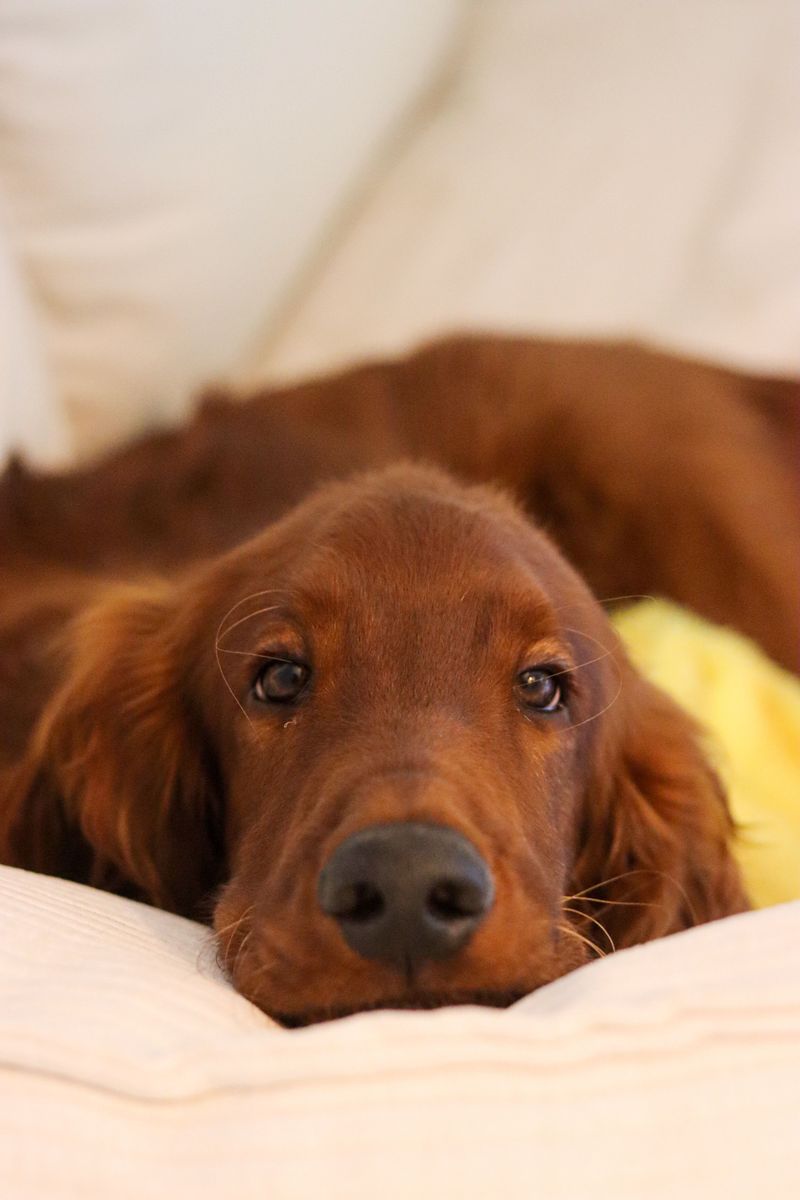
With that glowing mahogany coat, an Irish Setter turns heads at every park. Its personality is just as bright and outgoing.
Setters love people and handle a lively house with ease, though they stay puppyish for a long time. Zoomies are normal!
The key rule here: when a Setter walks away from play, let it go. Following a tired dog into its bed can turn friendly fun into stress.
English Cocker Spaniel: Small Dog, Big Heart
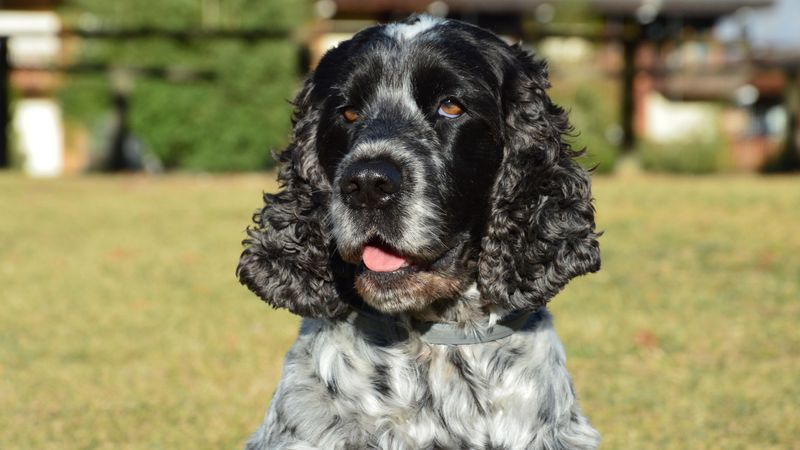
Merry and always wagging, the English Cocker is a medium-sized friend that fits nicely into busy family life.
Those long, silky ears are tempting to touch, but pulling them hurts. Show kids how to pet the chest and shoulders instead, which most dogs enjoy far more.
Cockers also bond closely with their people. Daily brushing time can become a peaceful routine that kids and dog both look forward to.
Newfoundland: The Gentle Giant
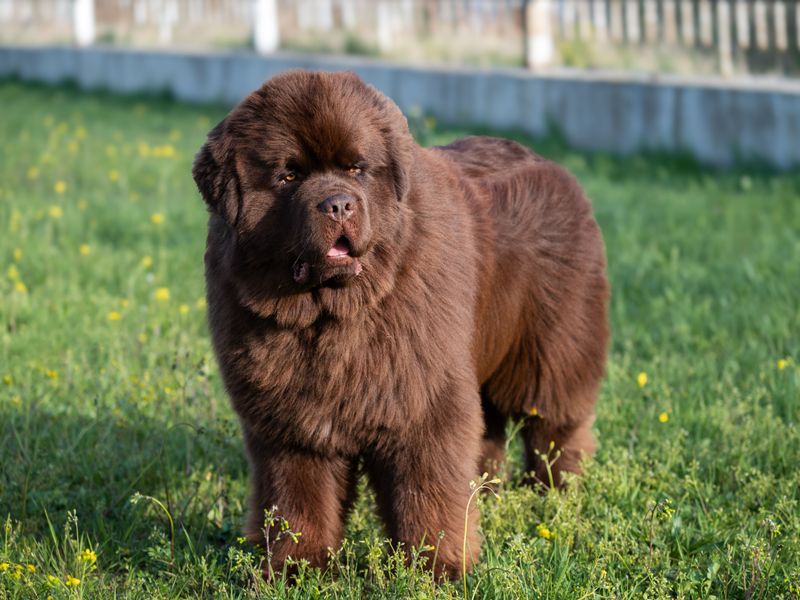
With a heart as big as its paws, the Newfoundland has earned the nickname nanny dog. These giants once pulled fishermen from icy Canadian waters.
Newfies are amazingly patient, but at over 120 pounds, even a gentle bump can knock over a toddler.
Kids should never ride or climb on one either. Big dogs have joints that hurt too, so respect keeps this calm gentle giant comfortable.
Boston Terrier: The Tuxedo Comedian
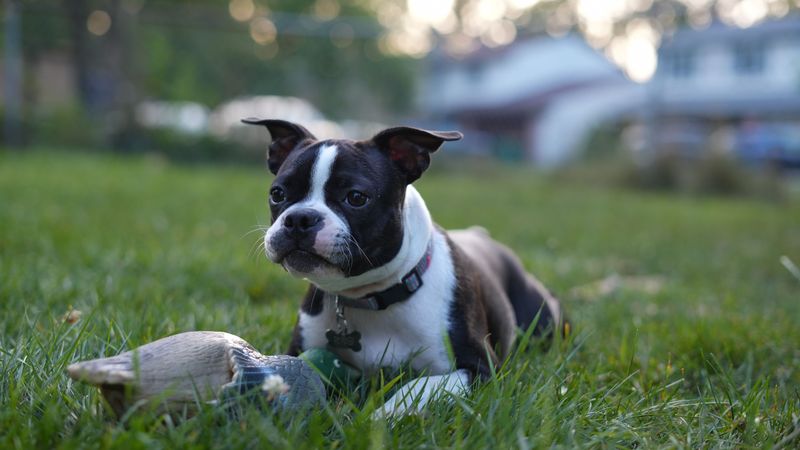
Dressed in a natural black-and-white tuxedo, the Boston Terrier is nicknamed the American Gentleman. It’s goofy, compact, and happy in apartments or houses.
Bostons enjoy noise and games, yet their flat faces make them overheat quickly. Kids should stop playtime when the dog pants hard.
Also, picking up a small dog the wrong way can cause injury. Teach children to sit on the floor and let the pup come to them.
Staffordshire Bull Terrier: Muscle Meets Mush
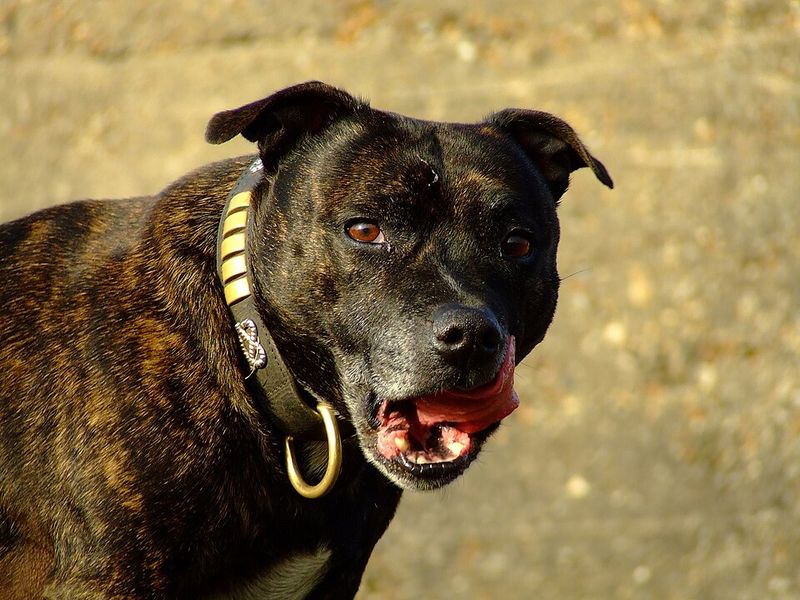
Here’s a surprise: in England, Staffies have long been loved as family dogs because of their affectionate, people-focused nature.
They lean in for cuddles and adore playtime. Their strength and excitement, though, mean games should stay structured with clear stopping points.
The golden rule? No teasing with toys or food.
A Staffy trained with patience and kindness becomes a loyal, loving shadow that follows kids from room to room.
Bernese Mountain Dog: Calm in the Storm
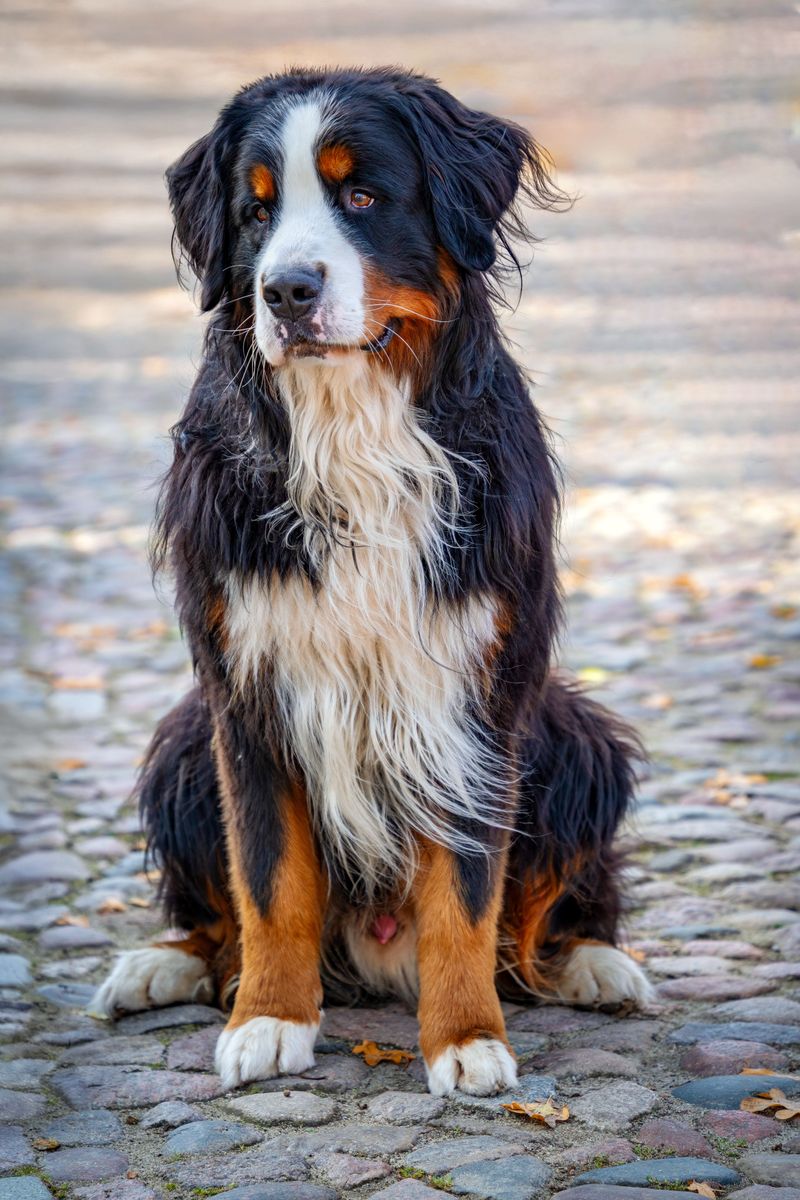
Swiss farmers once used Berners to pull carts of milk and cheese. Today, these fluffy tricolor dogs mostly haul hugs instead.
Berners stay steady when a house gets wild, and they often flop down right in the middle of the action. That’s when trouble can start.
Remind kids to step around a resting Berner, not over it. Waking a big sleeping dog by surprise is never a smart move.
English Springer Spaniel: Ready for Adventure
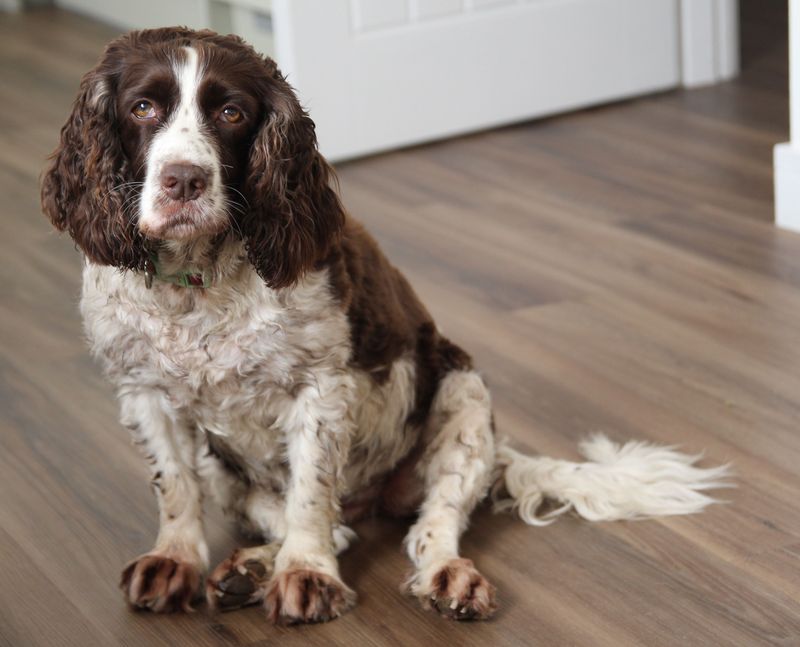
Hiking, soccer, or a muddy creek splash? An English Springer Spaniel will happily say yes to all of it.
Springers thrive in active families and rarely mind commotion. They need loads of exercise, though, or they may get nippy and restless.
Give kids a simple job, like tossing a ball for ten minutes after school. Just make sure they also respect quiet time when the pup finally curls up to rest.