
Some dogs follow you from room to room like a fuzzy shadow. It feels sweet, but a dog who panics when left alone can be stressed, noisy, or even destructive.
Teaching your pup to feel calm on its own is one of the kindest things you can do. Here are the breeds that often need a little extra help with alone time, plus simple tips to build their confidence.
Cavalier King Charles Spaniel
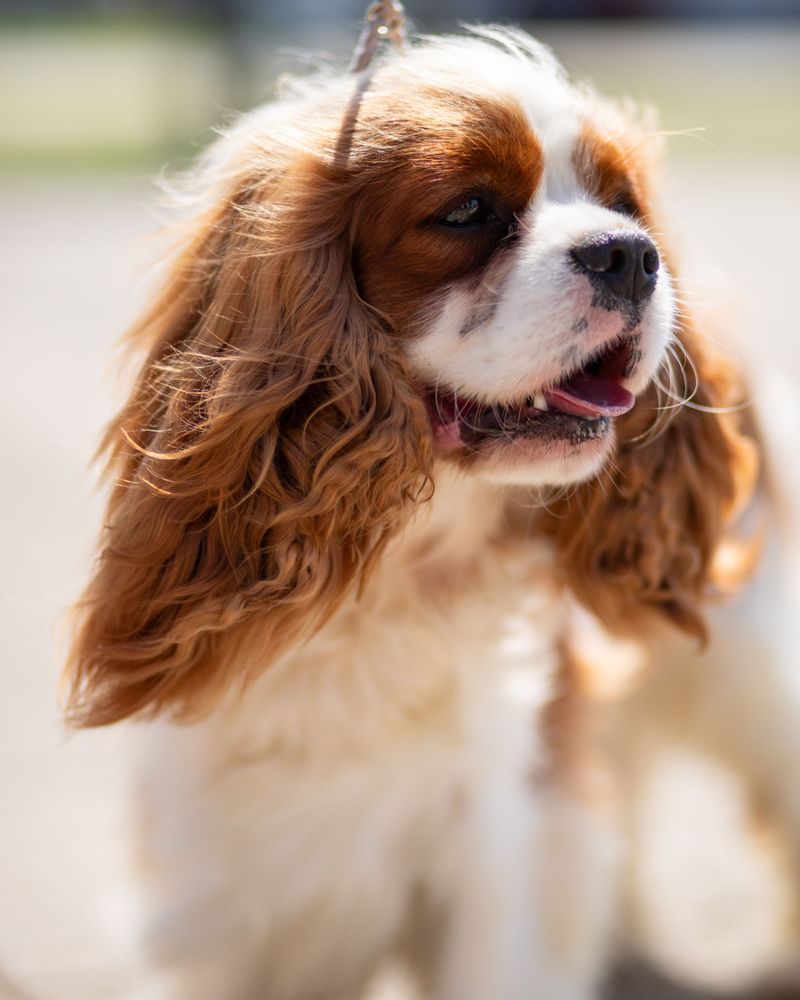
Royal lap warmers by trade, Cavaliers were bred to sit beside English nobles all day. That history still shows when you grab your keys and get a sad, pleading stare.
Start small by leaving the room for a minute, then returning calmly. Slowly stretch the time.
A snuffle mat or food puzzle gives them something fun to focus on, so your absence feels less like a tragedy and more like snack time.
Vizsla
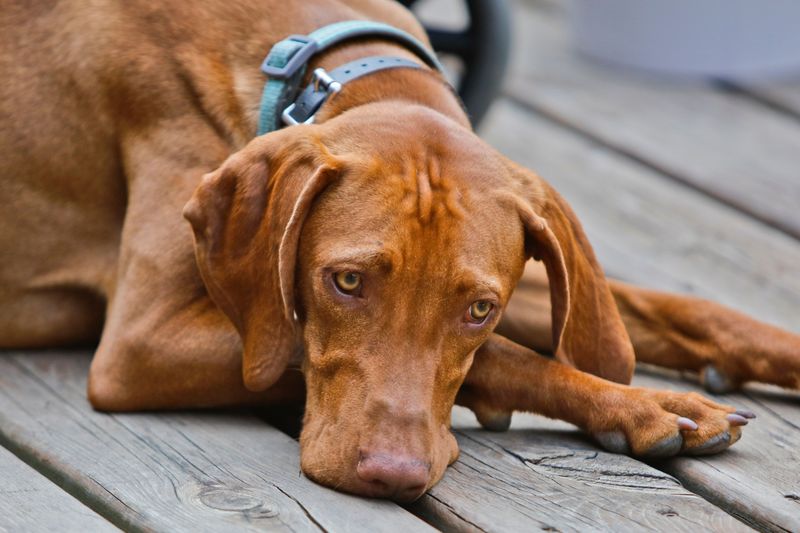
Fans call them Velcro dogs, and for good reason. A Vizsla will lean on your legs, nap on your feet, and wait outside the bathroom door.
Bred in Hungary to hunt side by side with people, these athletes need lots of exercise before being left alone.
A long run in the morning helps a ton. A tired Vizsla is far more likely to snooze peacefully than to chew your shoes.
Boxer
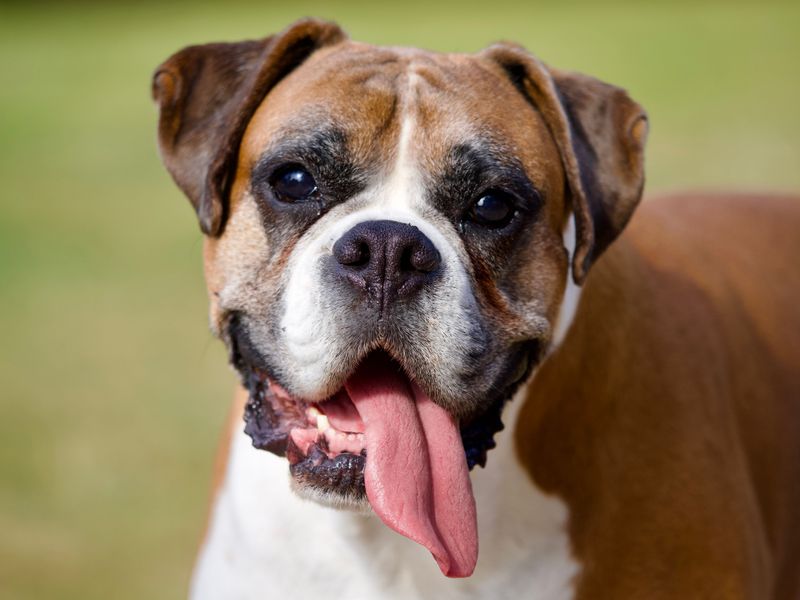
Picture a goofy clown who thinks you are the best show in town. Boxers adore their families and can get bored and anxious fast when the house goes quiet.
Boredom often turns into digging, chewing, or howling.
Try rotating toys so something feels new each day. Practice calm hellos and goodbyes, too.
Making a big fuss when you leave tells your Boxer that something exciting or scary is happening.
Maltese
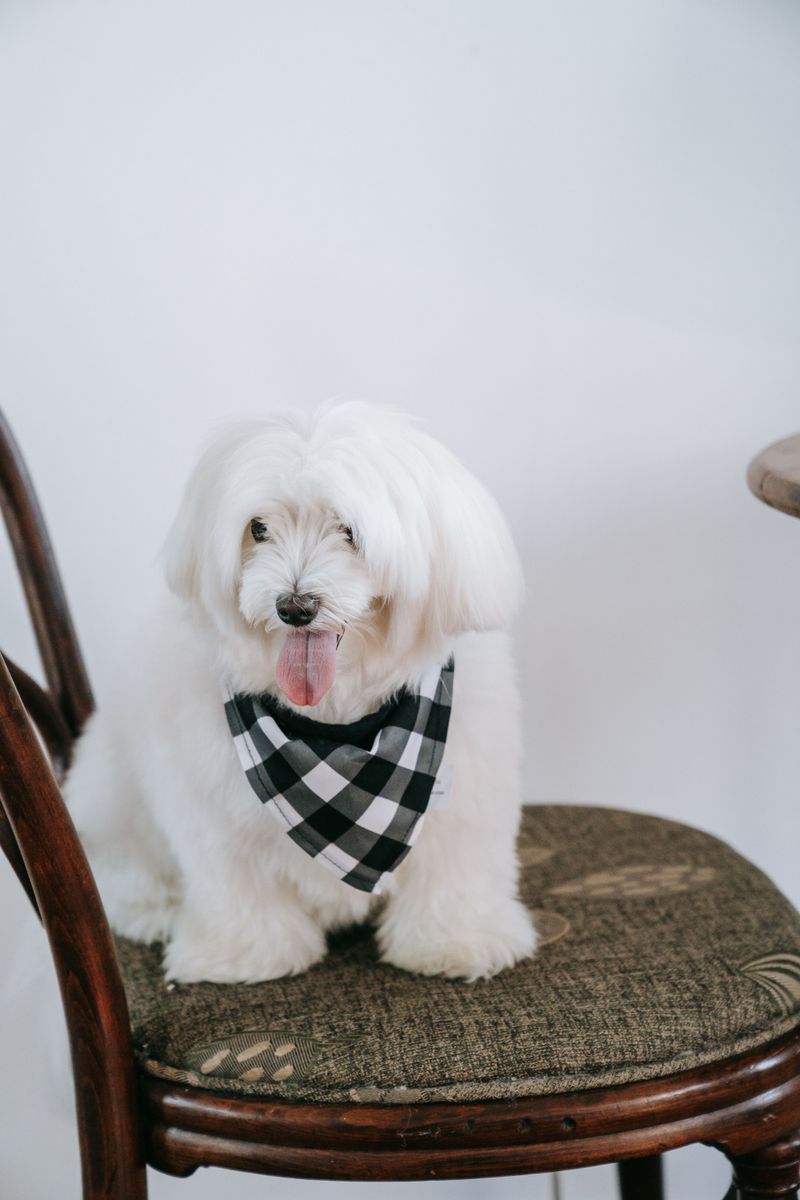
Did you know? Ancient Greeks and Romans pampered Maltese dogs thousands of years ago, and these tiny companions have expected attention ever since.
Their small size makes it tempting to carry them everywhere. Sadly, that can make solo time even harder.
Give your Maltese a cozy bed in a safe spot, and set them down often. Letting them explore on their own paws builds real confidence over time.
Havanese
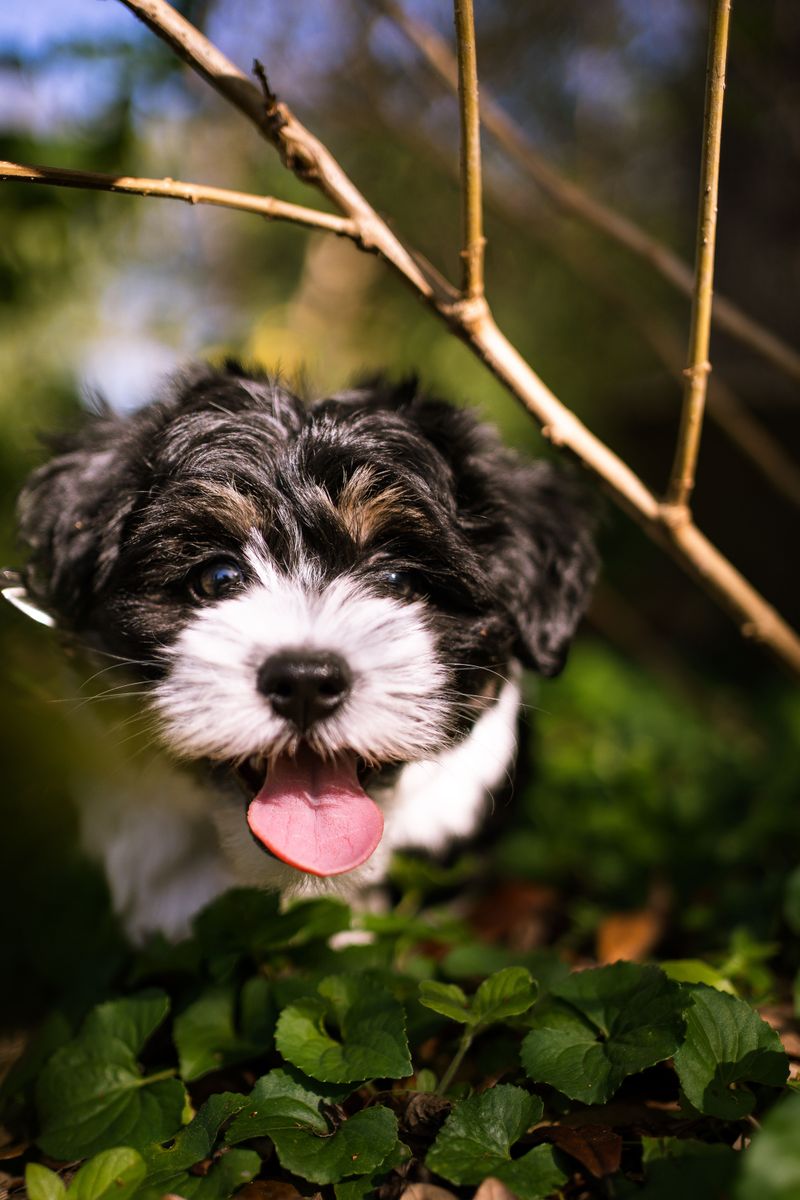
Cuba’s only native breed earned the nickname Velcro dog by sticking close to its people. Havanese are cheerful, clever, and very social.
When left alone too long, though, many start barking nonstop.
Crate training done with treats and praise can turn a crate into a happy den. Leave a worn T-shirt inside so your scent keeps them company.
It sounds simple, yet it really helps.
Italian Greyhound
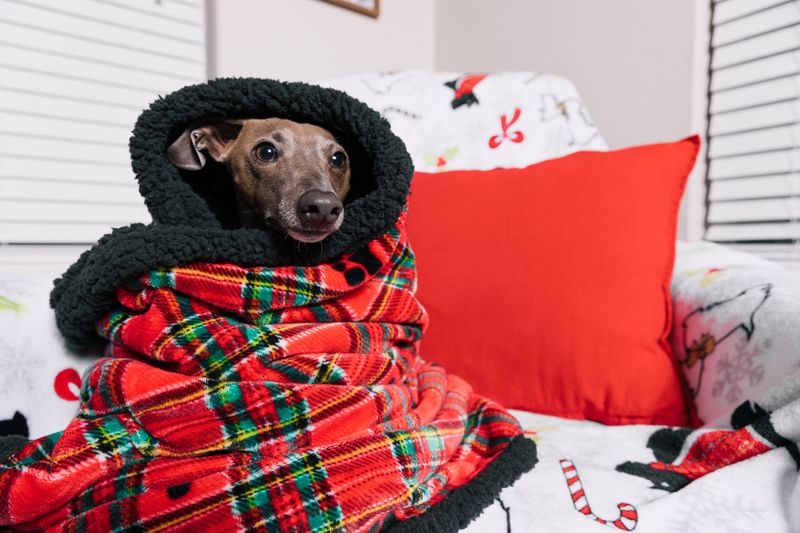
Ever seen a dog burrow under three blankets? Italian Greyhounds love warmth, and your body is their favorite heater.
These slim, sensitive pups can shiver from cold or worry when alone.
Leave a soft, covered bed and maybe a cozy sweater on chilly days. Calm music or a white noise machine can mask scary outside sounds.
Keep training gentle, since harsh words easily hurt their tender feelings.
Doberman Pinscher
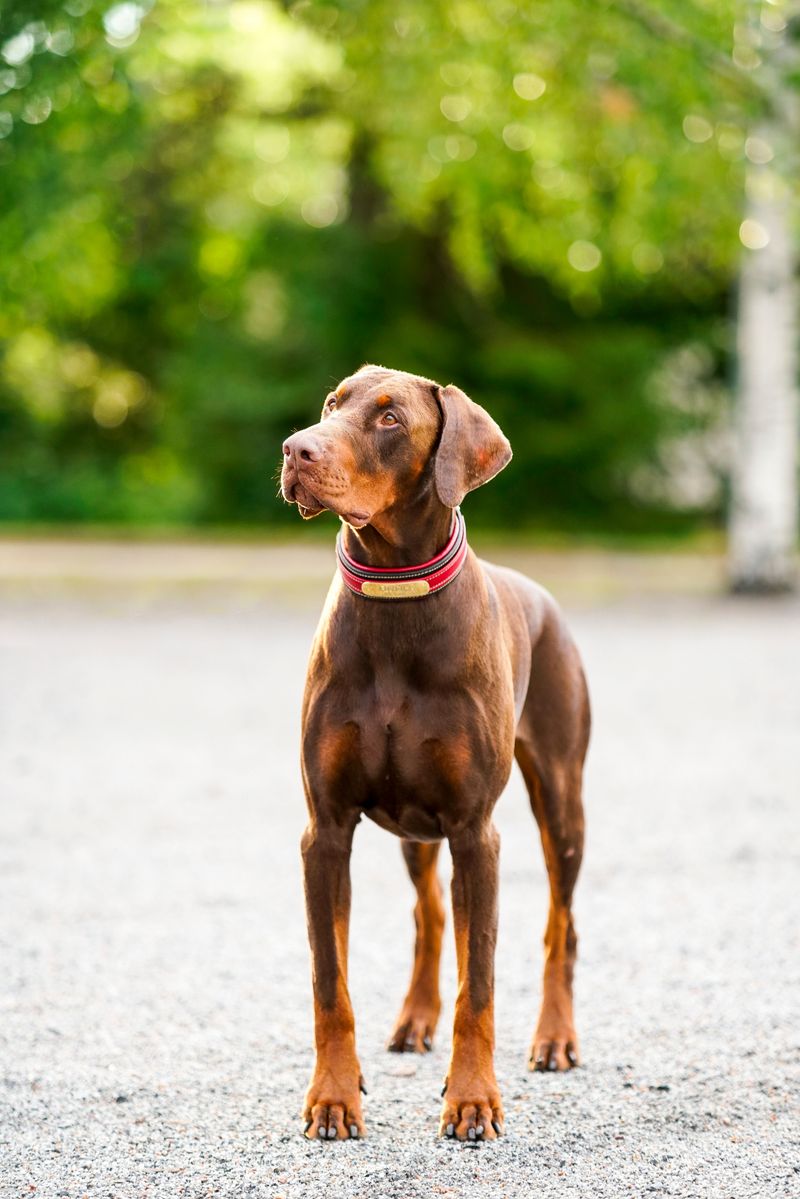
Tough on the outside, total softie on the inside. Dobermans were created by a German tax collector who wanted a loyal guard by his side.
That loyalty runs deep. Many Dobies bond tightly with one person and fret when that person leaves.
Mental work helps a lot. Short training sessions, scent games, and puzzle feeders keep their sharp brains busy and teach them that waiting calmly earns rewards.
Staffordshire Bull Terrier
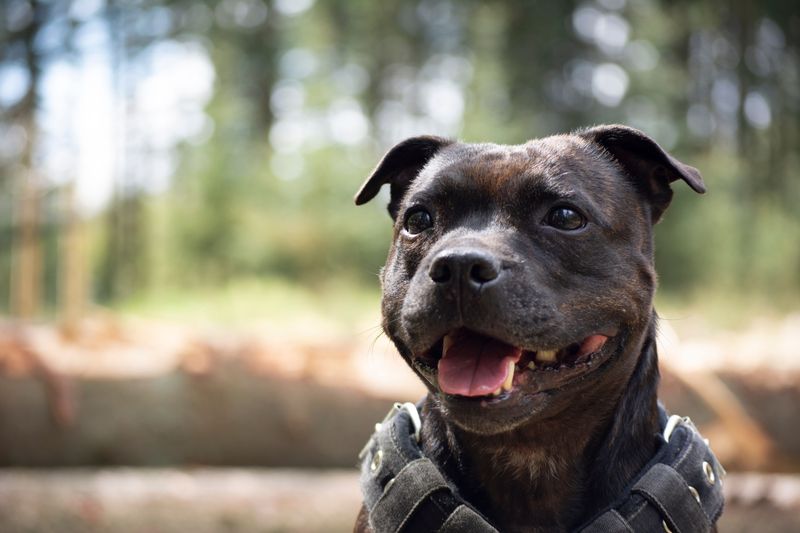
Grinning, wiggly, and full of love, the Staffie treats every person like a long-lost friend. In Britain, they are even nicknamed the nanny dog.
Such a people-loving pup struggles with empty houses.
Sturdy chew toys stuffed with frozen treats can keep those strong jaws happy. If you work long hours, a dog walker or doggy daycare a few days a week can make a big difference for your buddy.
Cocker Spaniel
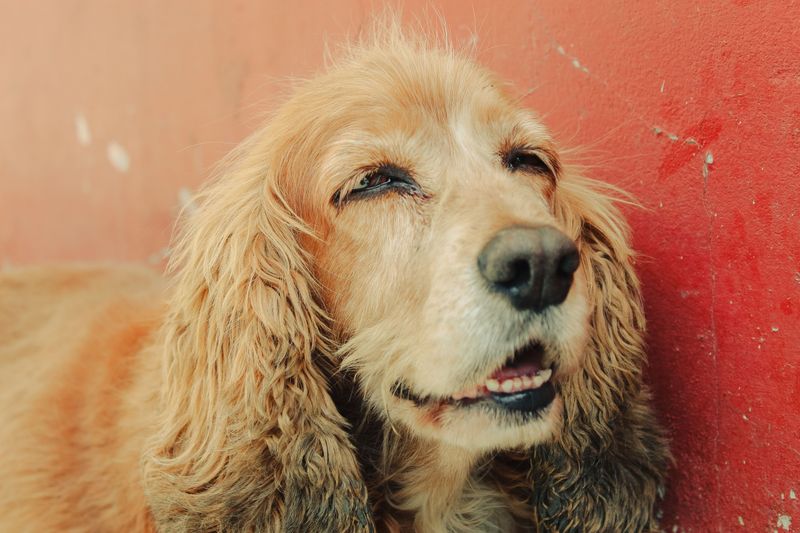
Those big, soulful eyes can melt anyone’s heart, especially when you head out the door. Cocker Spaniels are sweet, eager to please, and very attached to family.
Some will whine or chew when left behind.
Build a routine they can count on, with meals, walks, and alone time at similar times each day. Predictable days help a sensitive Cocker relax because they know you always come back.
Pug
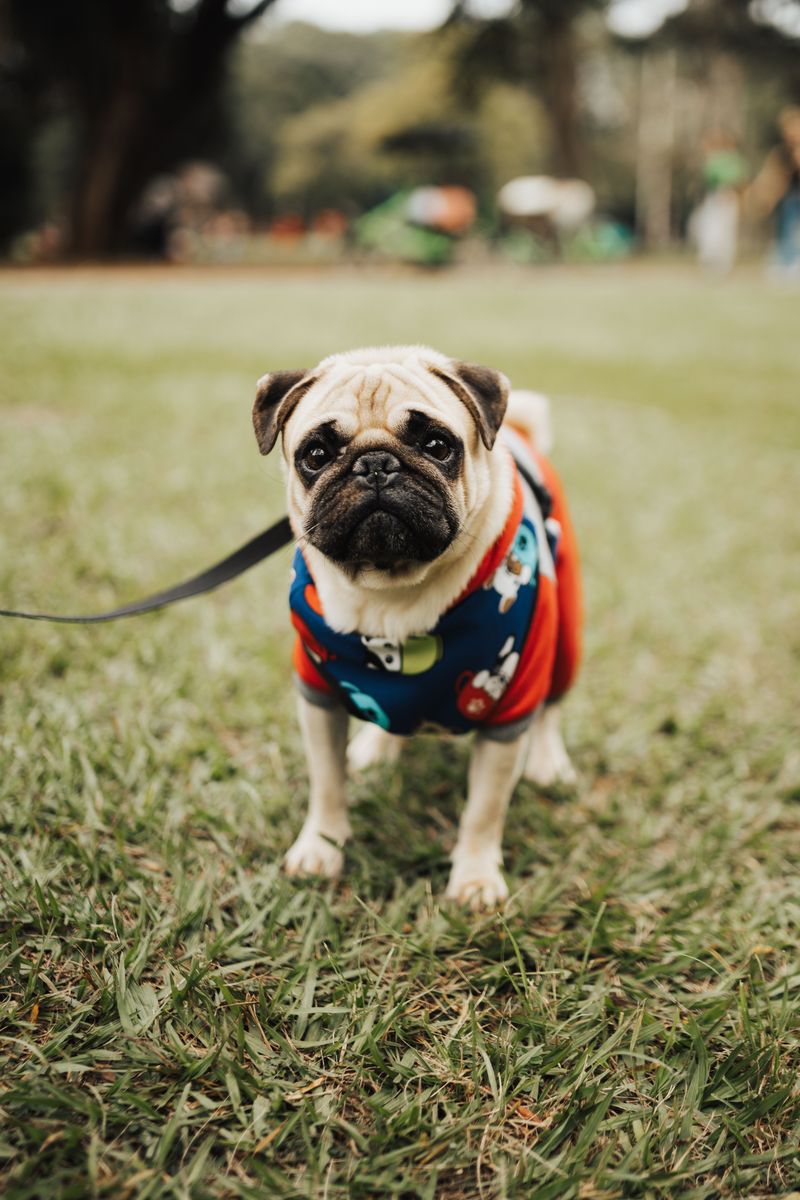
A Chinese emperor’s favorite pet long ago, the Pug was bred for one job: being a companion. They take that role very seriously.
Pugs love snacks and snuggles, often in that order.
Use that food love to your advantage. A slow treat toy given only when you leave makes departures exciting.
Just watch portions, because chubby Pugs can have breathing trouble, so count those treats as part of dinner.
German Shepherd
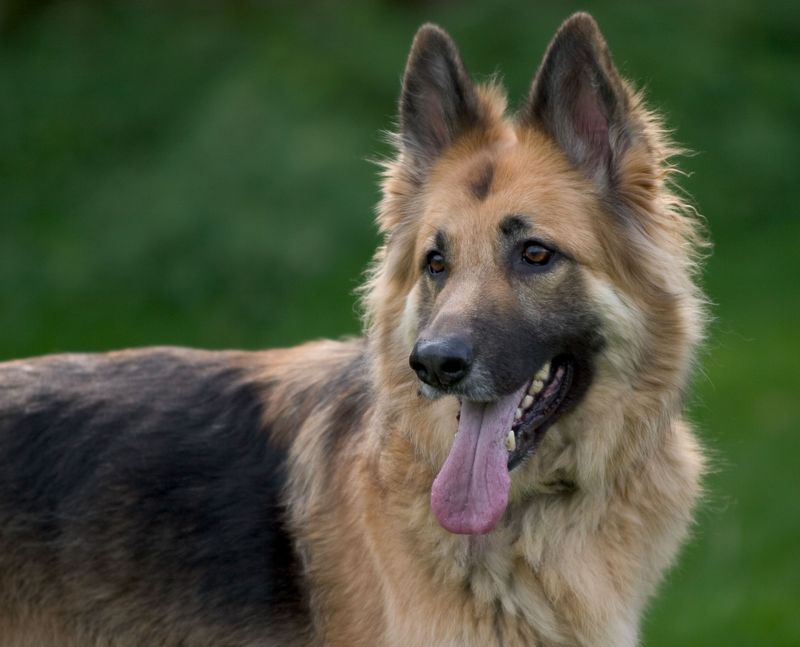
Police officers, guide dogs, search heroes – German Shepherds can do it all, as long as they feel like part of the team.
Without a job, they may pace, bark, or invent their own fun, like redesigning your couch.
Give them tasks. Teach a new trick weekly, practice settle on a mat, and play hide and seek with toys.
A busy Shepherd feels useful and handles quiet time much better.
Bichon Frise
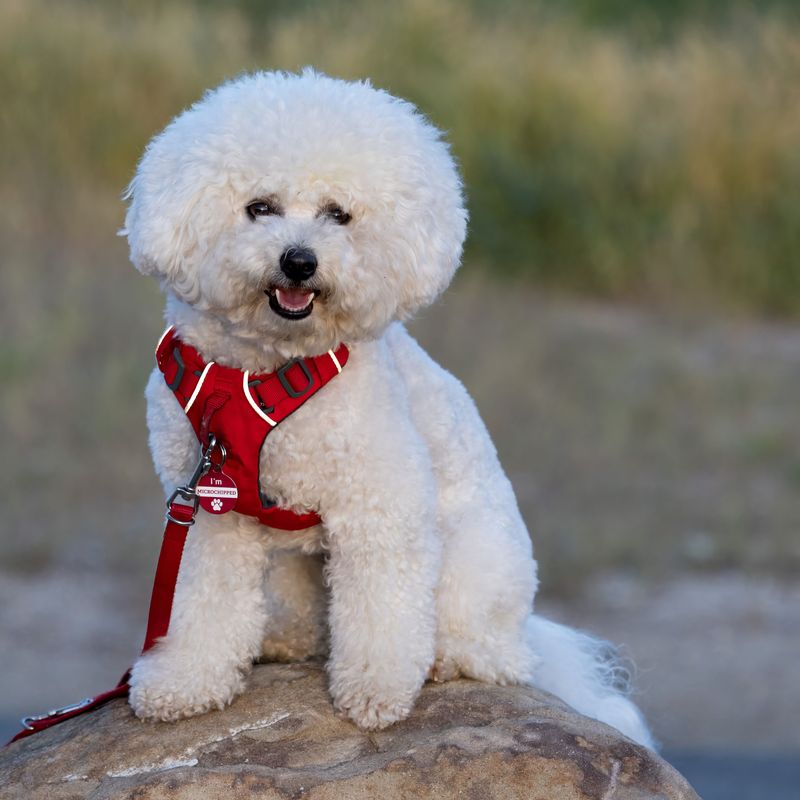
Once a circus performer and a favorite of French kings, the Bichon loves an audience. Cotton-ball cute and bubbly, they thrive on attention.
Remove the crowd, and that sunny mood can fade fast.
Practice short departures, then reward quiet behavior when you return. A pet camera lets you peek in and see progress.
Many owners are surprised how quickly a Bichon learns to nap happily solo.