
Some dogs melt your heart with soft eyes and floppy ears. Then you clip on the leash, and suddenly their nose is running the show.
Many sweet-looking breeds were built to follow scents for hours, so a calm stroll can turn into a sniffing adventure. Knowing which breeds love to track smells can help you plan better walks and enjoy every step together.
Beagle: The Tiny Tracker With a Big Agenda
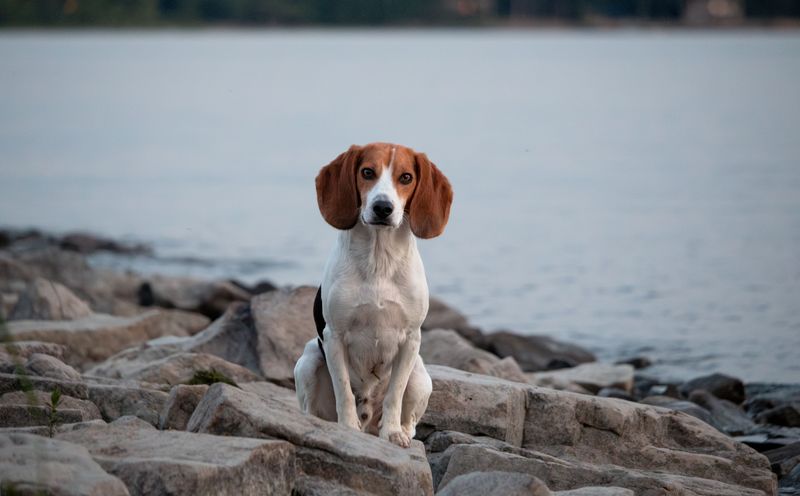
Picture a cuddly little hound with velvet ears and pleading eyes. Now picture that same pup dragging you toward a hidden sandwich crust three yards away.
Beagles have around 220 million scent receptors, and they use every single one.
Originally bred to hunt rabbits in packs, they follow smells with total focus. A sturdy harness helps a lot.
Try scent games at home, like hiding treats in boxes, to burn off that tracking energy.
Basset Hound: Slow, Droopy, and Totally Determined
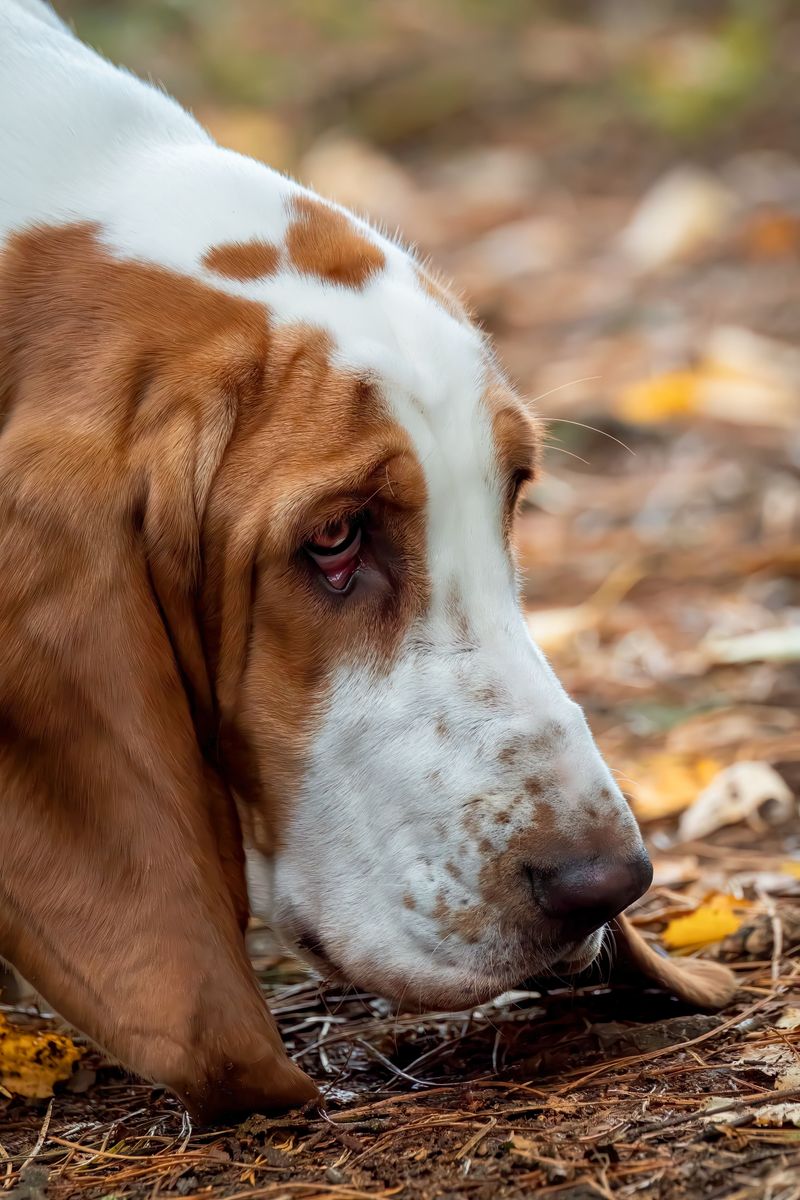
Those sad, droopy eyes could win any staring contest. But once a Basset Hound catches a smell, good luck changing direction.
Fun fact: their long ears actually sweep scent up toward the nose, and loose skin around the face traps odors. Only the Bloodhound beats them at sniffing.
They move slowly but stubbornly. Patience is your best tool, along with plenty of praise when they choose to follow you instead.
Dachshund: A Sausage-Shaped Detective
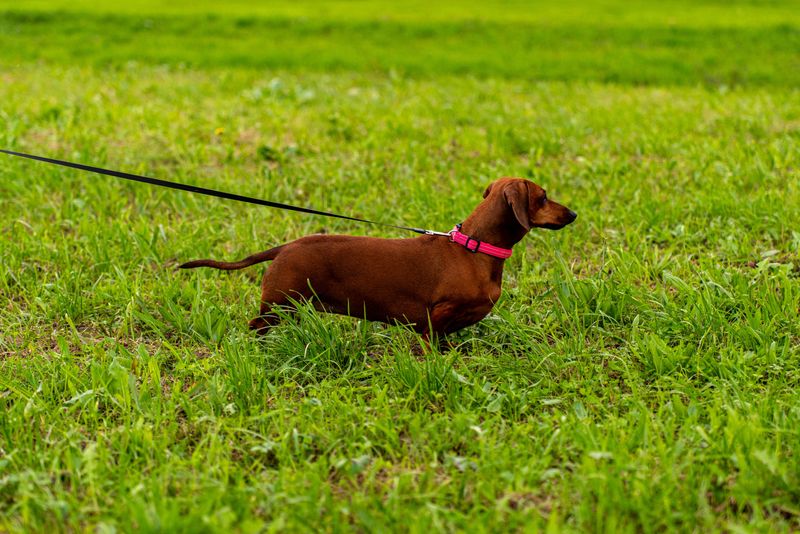
Short legs, long body, giant attitude. Dachshunds look like plush toys, yet they were bred in Germany to sniff out badgers in tunnels.
That history explains why yours might stop to sniff every bush, then try to dig under it. Their noses lead, and their stubborn side follows.
Keep walks interesting with new routes. A short sniff break as a reward can make leash training way easier for both of you.
Cocker Spaniel: Silky Ears, Busy Snout
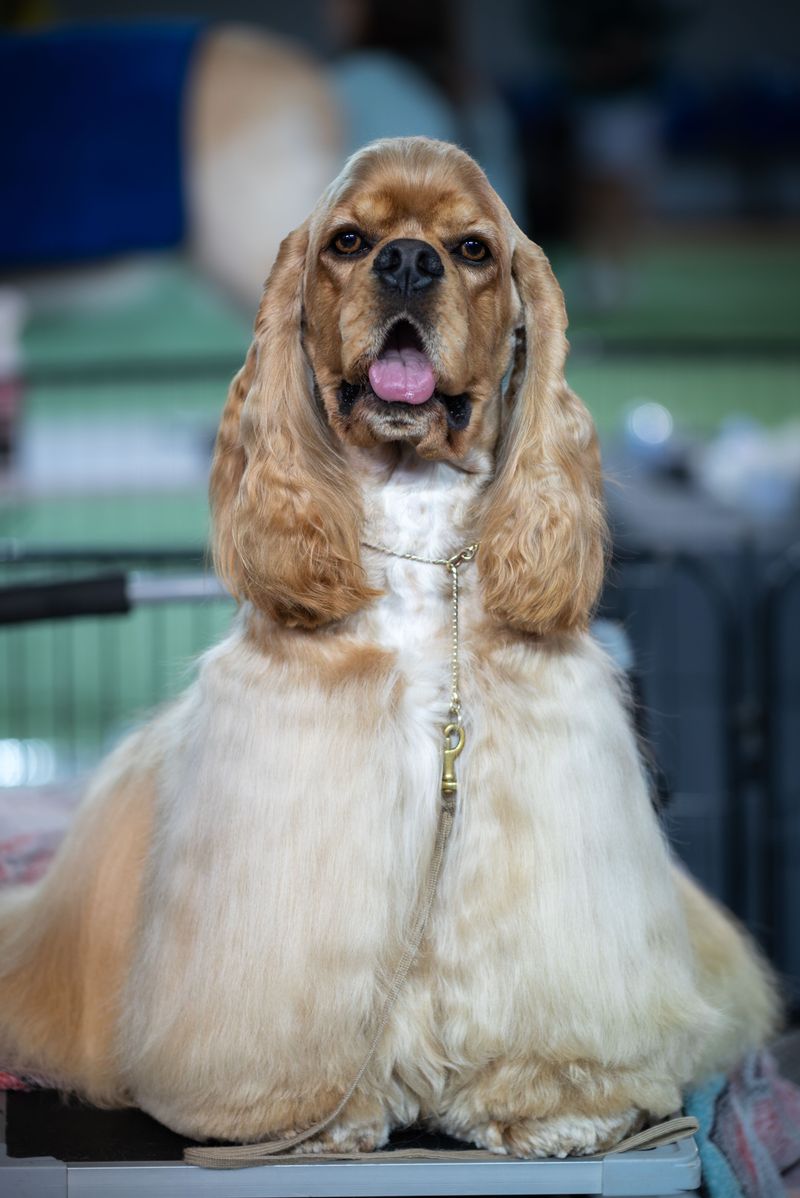
Ever watched a Cocker Spaniel bounce through a park? It looks like a fluffy cloud with a tail.
Under all that silky fur, though, is a working bird dog.
Cockers were named for hunting woodcock, and they still zigzag happily after interesting scents. Expect a lot of stop-and-go.
Brush those long ears after walks, since they collect burrs and twigs while your spaniel investigates every corner of the trail.
English Springer Spaniel: Springs First, Asks Later
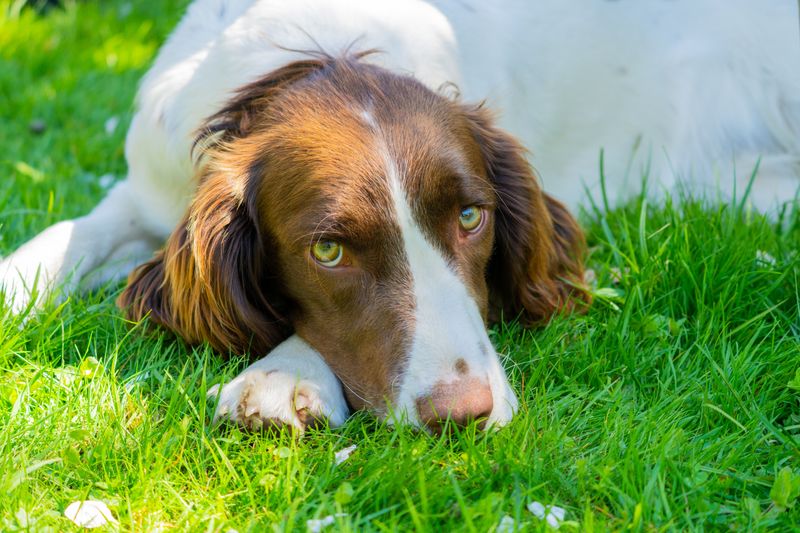
Joyful is the only word for a Springer on the move. Their wagging back end seems to have a mind of its own.
Bred to flush, or spring, birds out of hiding, they sweep back and forth with noses glued to the ground. Strolling is not really their style.
A long training line gives them room to explore safely. Plus, fetch sessions after a sniffy walk will tire them out nicely.
Labrador Retriever: Friendly Face, Food-Seeking Nose
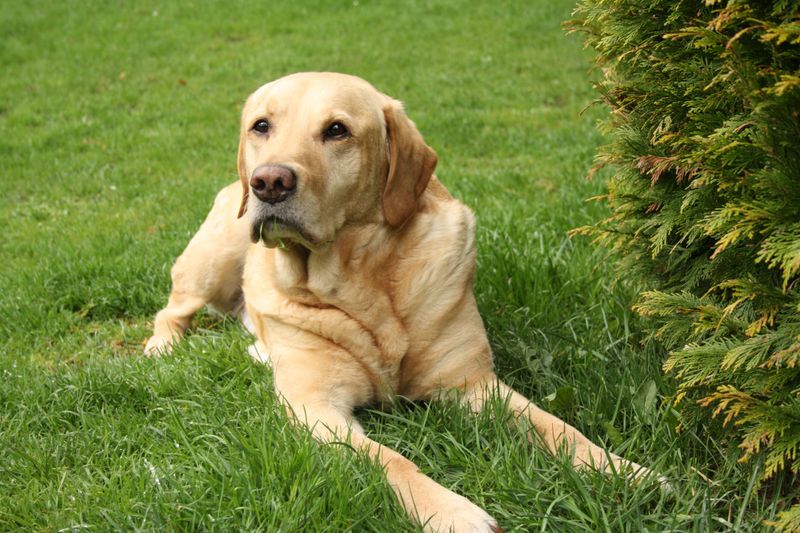
Did you know? Despite its name, the Labrador actually comes from Newfoundland, Canada.
Wherever it comes from, that nose is legendary.
Labs work as bomb-sniffing and search dogs because they can pick out tiny traces of smell. On walks, that often means hunting for dropped snacks.
Teach a solid leave it command early. It keeps your happy-go-lucky buddy from gobbling something gross off the sidewalk.
Golden Retriever: Sunshine on Four Legs
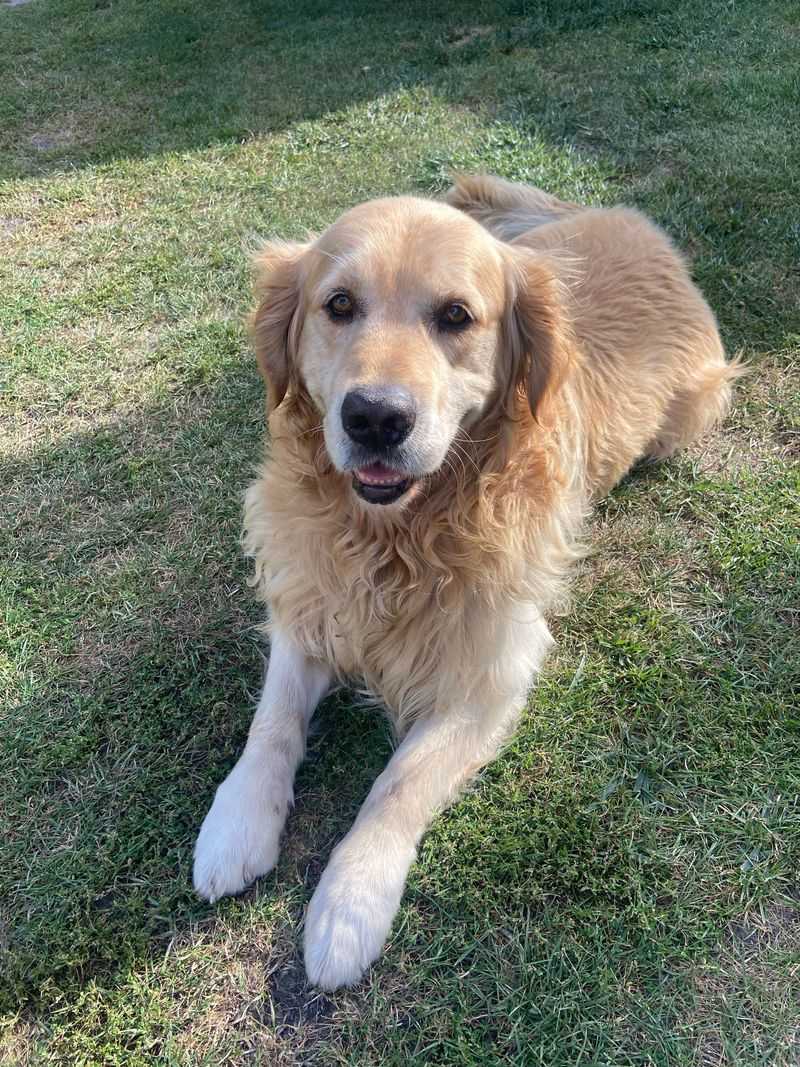
Few dogs smile quite like a Golden. Neighbors wave, kids giggle, and your dog greets everyone with that famous wagging tail.
Still, Goldens were developed in Scotland to find fallen birds, so their noses stay busy. Piles of leaves can become treasure hunts.
Let them sniff for a few minutes at the start of each walk. Once that curiosity settles, many Goldens walk more calmly by your side.
German Shorthaired Pointer: An Athlete With Radar
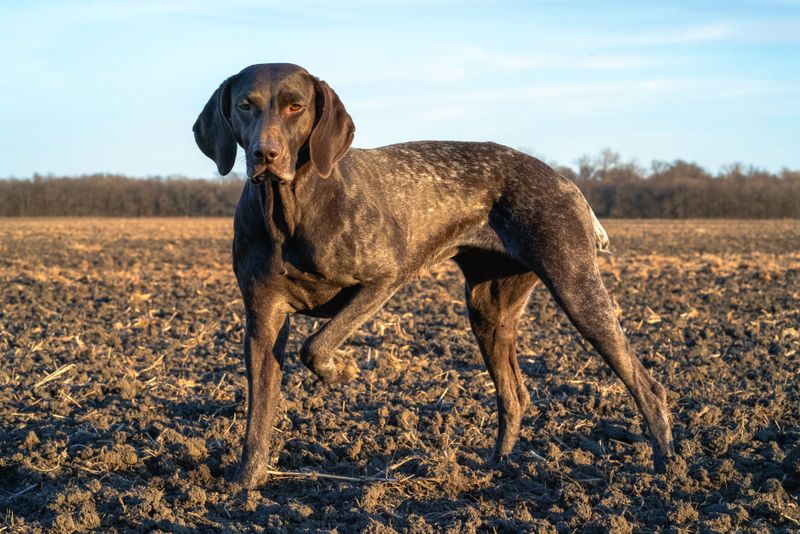
Think of a dog that runs like a sprinter and sniffs like a scientist. Meet the German Shorthaired Pointer.
GSPs might suddenly freeze mid-walk, one paw raised and nose aimed forward. That classic point means they smell a bird nearby.
It is adorable, until they decide to chase.
These dogs need serious exercise every day. Running, hiking, or scent sports keep their busy minds happy and out of trouble.
Brittany: Compact, Cheerful, and Constantly Searching
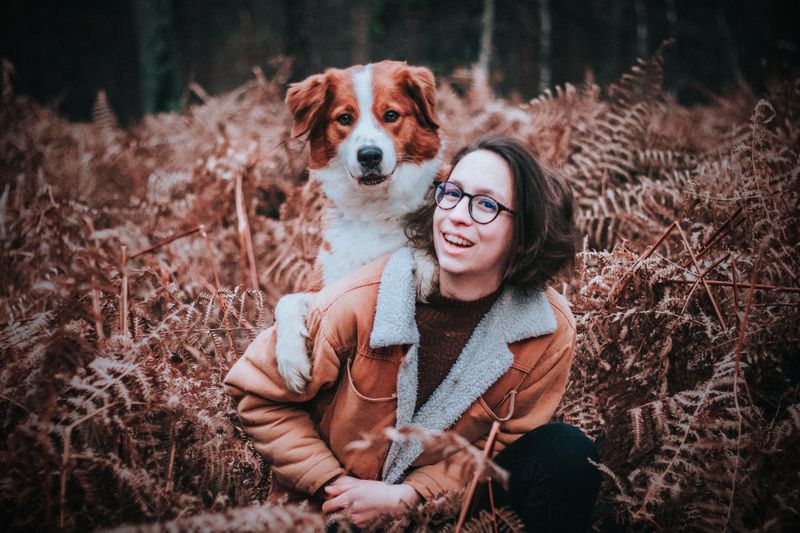
Brittanys pack a lot of energy into a medium-sized body. Their freckled faces look sweet enough for a greeting card.
Originally from France, these bird dogs love to range far and wide when following a smell. One whiff of a squirrel, and they are off.
Practice recall in a fenced area first. Reward big when your Brittany comes back, so returning to you feels better than any scent.
Weimaraner: The Silver Ghost on a Mission
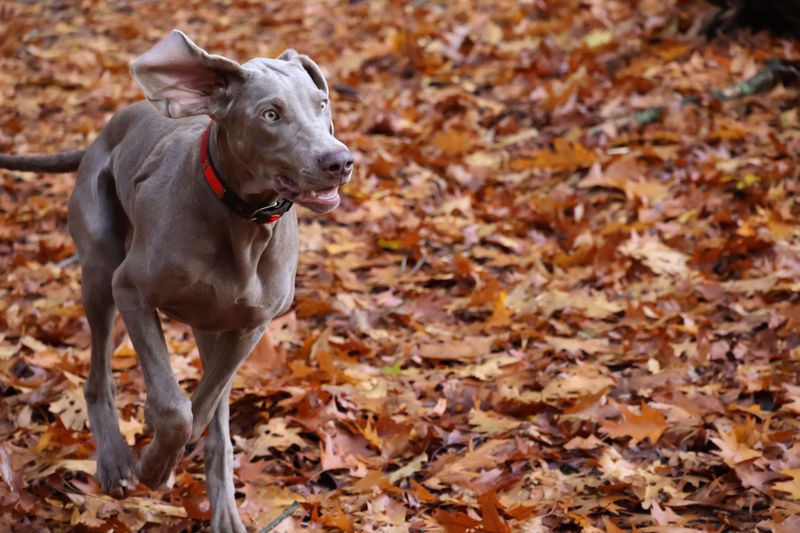
With a shiny gray coat and glowing amber eyes, the Weimaraner looks almost magical. People call it the Gray Ghost.
Royals in Germany once used these dogs to track big game like deer and boars. Today, that drive shows up when they lock onto a scent mid-walk.
Weimaraners hate being bored. Long walks, puzzle toys, and tracking classes help turn that strong nose into a fun hobby.
Jack Russell Terrier: Small Dog, Huge Opinions
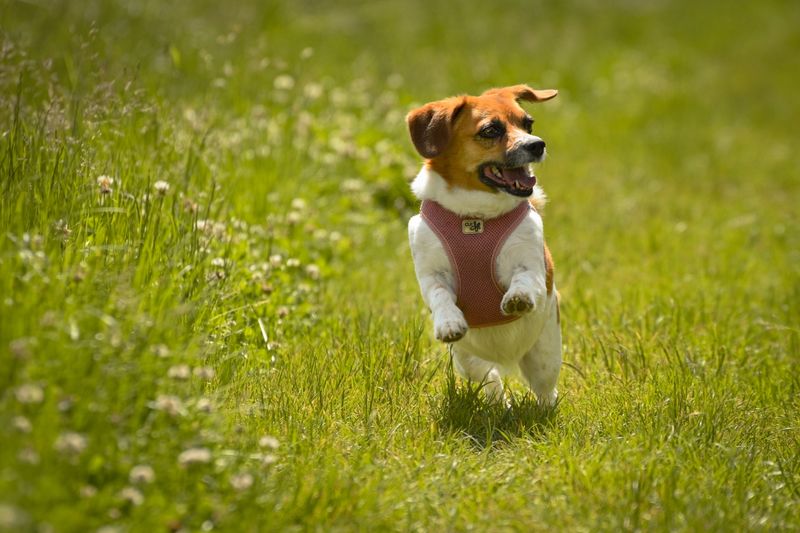
Cute? Absolutely.
Calm? Not even a little.
Jack Russells are tiny bundles of energy with noses tuned for critters.
Bred in England to chase foxes out of dens, they will happily sniff, dig, and bolt after anything small. A rustle in the hedge can send them flying.
Always use a secure harness. Give them flirt pole games or digging boxes at home to let that hunting spirit out safely.
English Setter: Elegant Looks, Wild Instincts
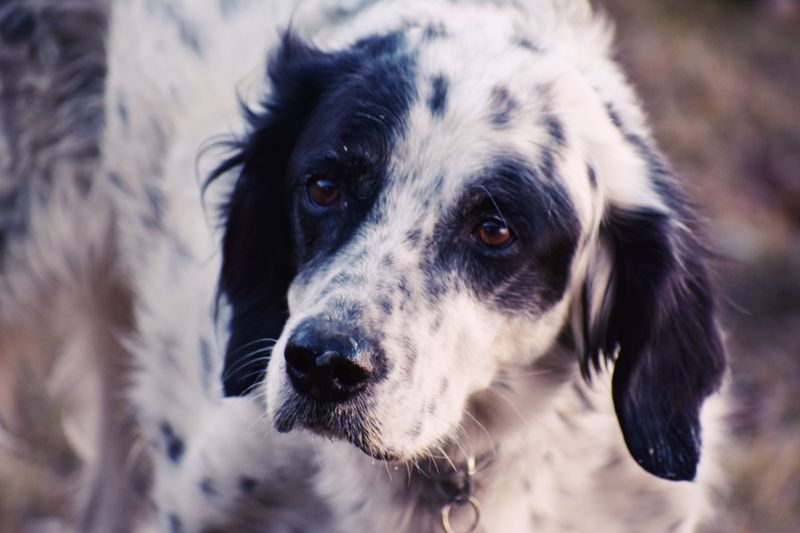
Gentle and graceful, the English Setter looks like it stepped out of an old painting. Its speckled coat is called belton.
Those soft looks hide a dedicated bird dog. Setters were trained to crouch, or set, when they smelled game, and that nose never really clocks out.
Calm walks are possible with practice. Mix in sniff breaks and short training games to keep your setter focused and content.
German Shepherd: The Serious Sniffer With a Soft Side
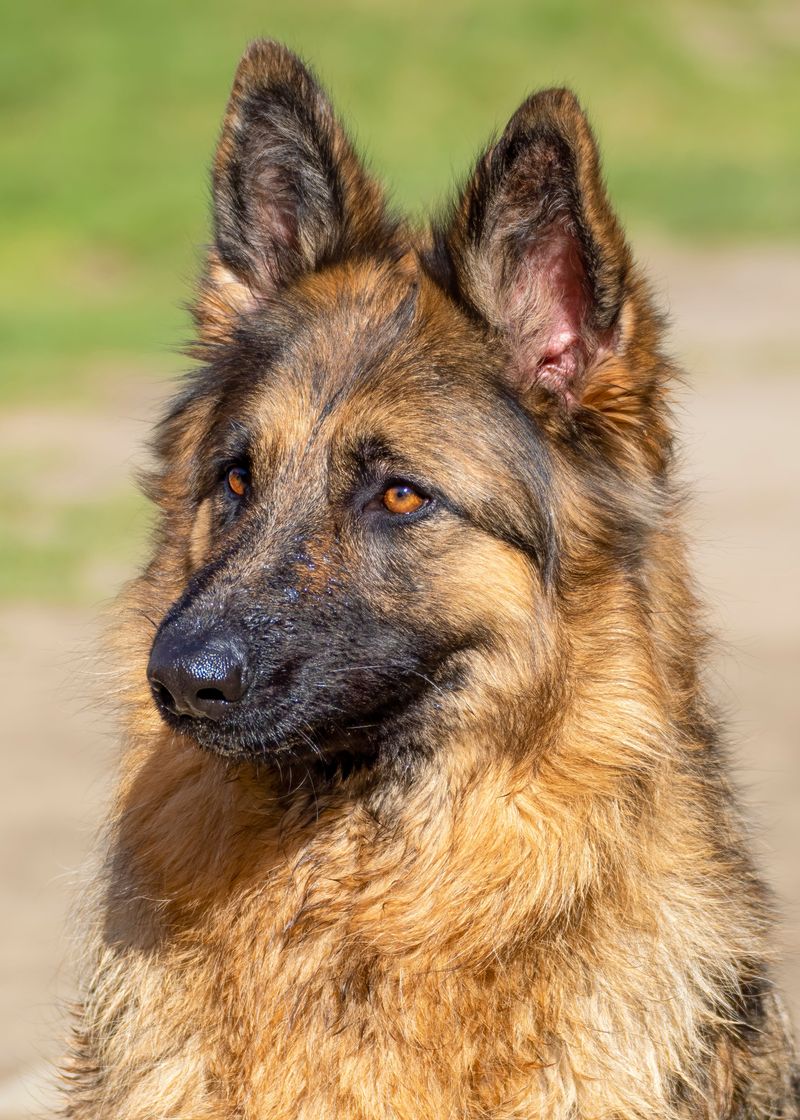
Behind those alert ears is a loving goofball who adores its family. Yet German Shepherds are also some of the hardest-working noses on the planet.
Police and rescue teams rely on them to track missing people and find hidden items. That talent can turn a relaxed walk into a focused search.
Channel it with nose work classes. Your shepherd gets a job, and you get a calmer, happier companion.