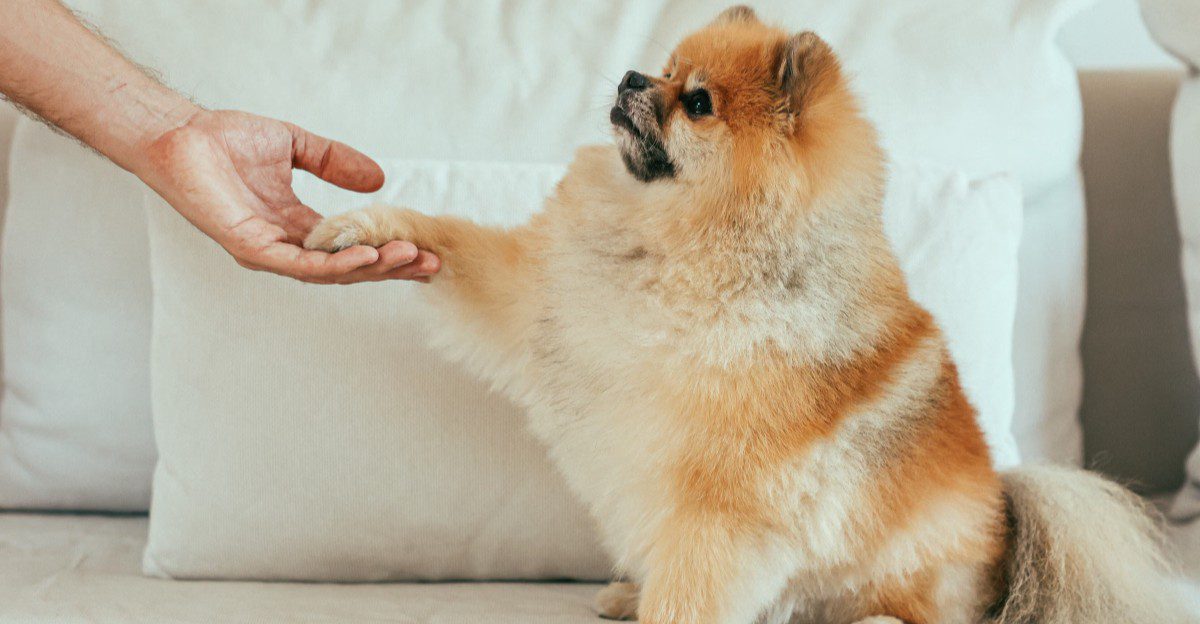
You get up for a glass of water, and click, click, click, your dog is right behind you. You head to the bathroom, and there they are again, waiting outside the door or squeezing in with you.
It can feel funny, sweet, or a little bit much, but this habit is not random at all. Your dog is actually practicing some very real skills every time they trail you, and knowing what those skills are can help you understand them better and spot when the habit needs a little help.
Staying Close to Their Social Group
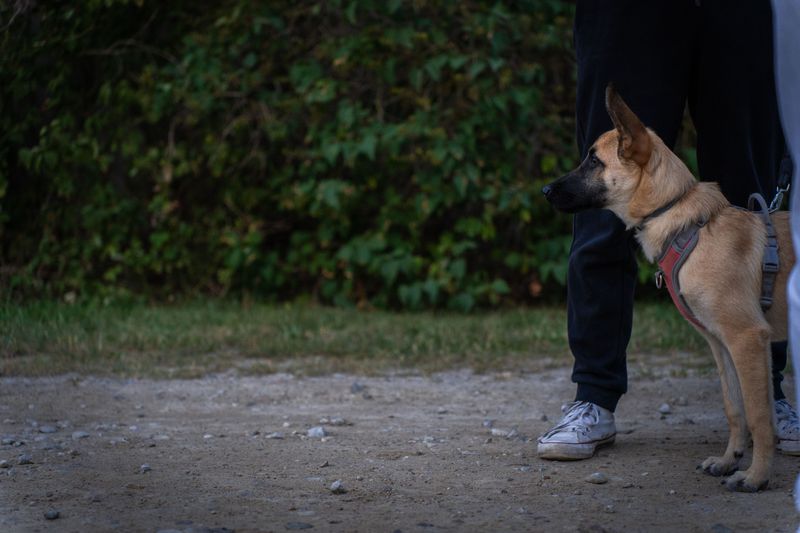
Long before couches and kitchens existed, the ancestors of today’s dogs lived in tight social groups. Sticking near the group meant safety, shared resources, and fewer surprises.
Your dog has inherited a version of that pull. When they trail you down the hallway, they are keeping track of the most important member of their social circle, which happens to be you.
Nothing about this means your dog sees you as a pack leader in the old dominance sense. Modern behavior science has largely moved away from that idea.
A simpler explanation fits better: dogs are social animals, and staying near trusted companions feels comfortable and safe.
Reading Your Routine
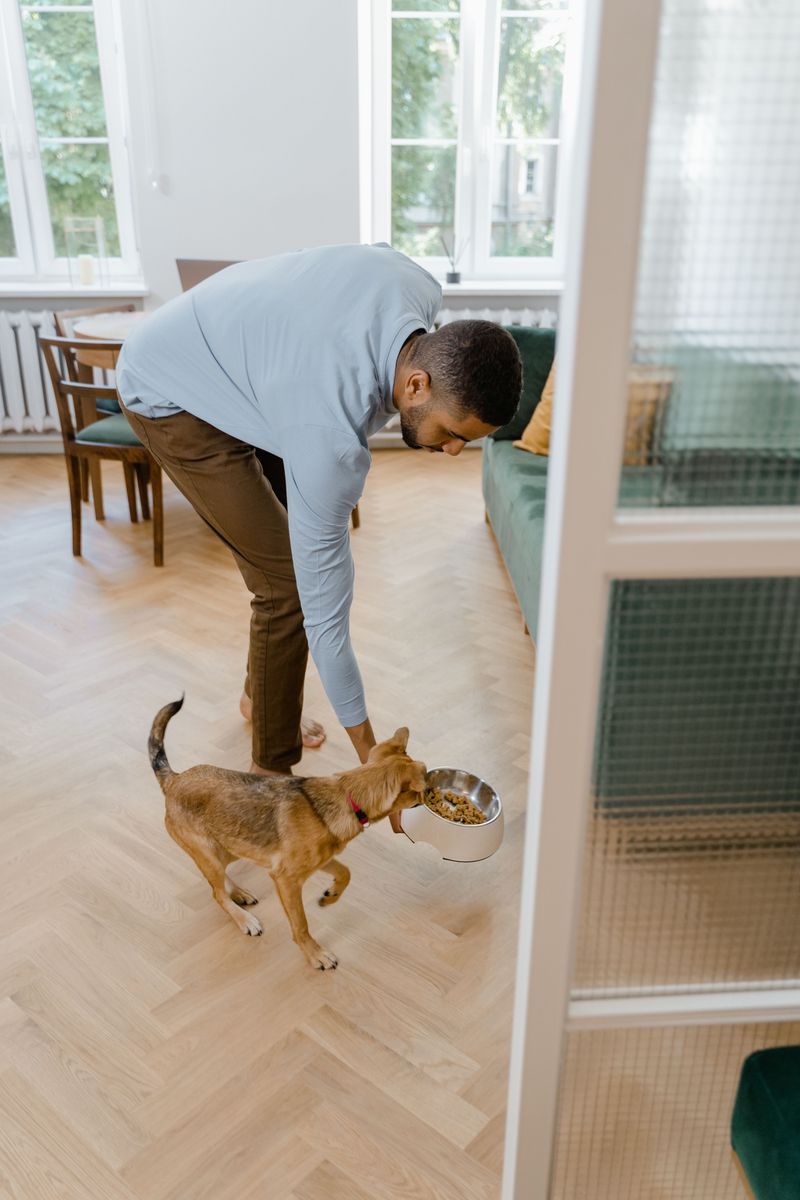
Ever notice that your dog perks up the second you touch your shoes? That reaction is learning in action.
Dogs are excellent at linking small cues to what comes next. Picking up keys might mean you are leaving.
Opening a certain cabinet might mean dinner. Grabbing a leash means a walk, obviously.
By following you, your dog collects a steady stream of these clues. Each trip to another room is a chance to figure out whether something interesting is about to happen.
In a way, they are studying you like a favorite TV show, learning the plot twists before they arrive.
Checking for Rewards
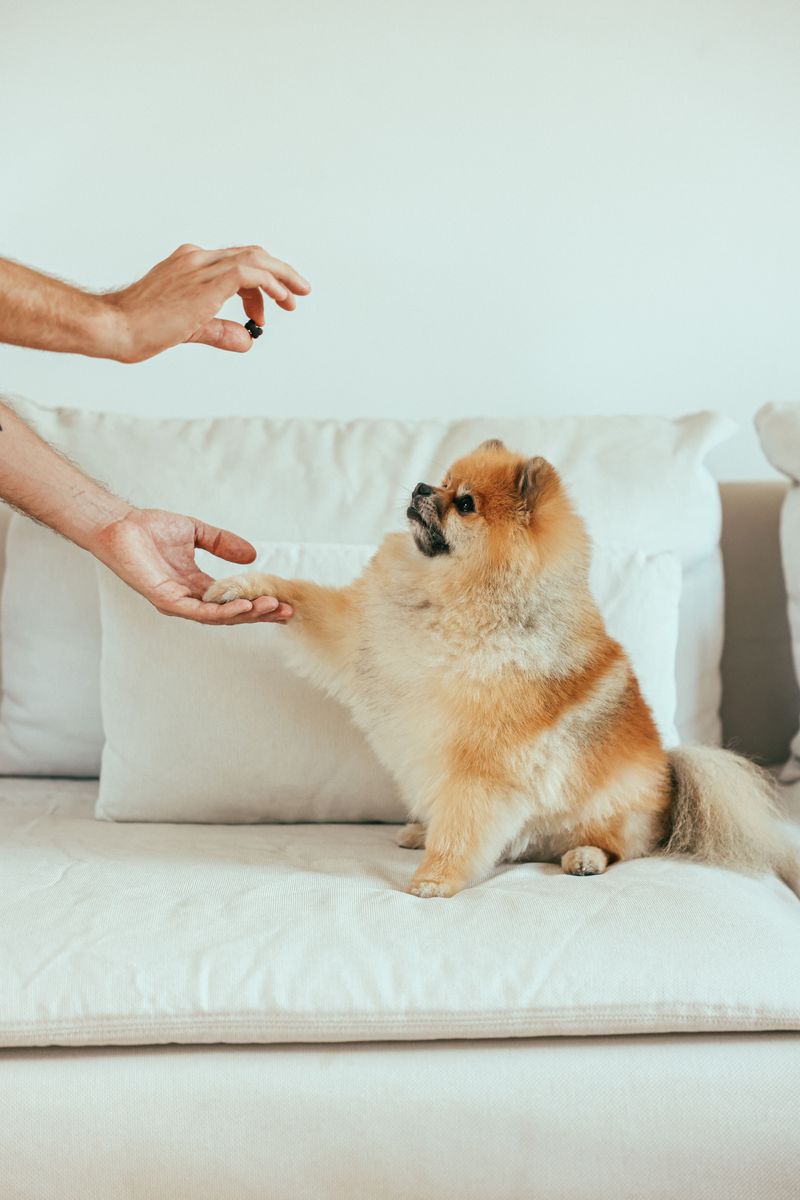
Here is a slightly less romantic truth: you may have taught this habit without meaning to.
Dogs repeat behaviors that pay off. If following you to the kitchen has ever ended with a dropped cracker, a scratch behind the ears, or a cheerful “Hey, buddy,” your dog noticed.
That kind of reinforcement, even when it happens only now and then, can make a behavior surprisingly strong.
There is nothing wrong with this. It simply shows how much your attention and small rewards matter to your dog.
If you want a bit more personal space, rewarding calm behavior on a bed or mat can gently shift where the good stuff happens.
Building Attachment
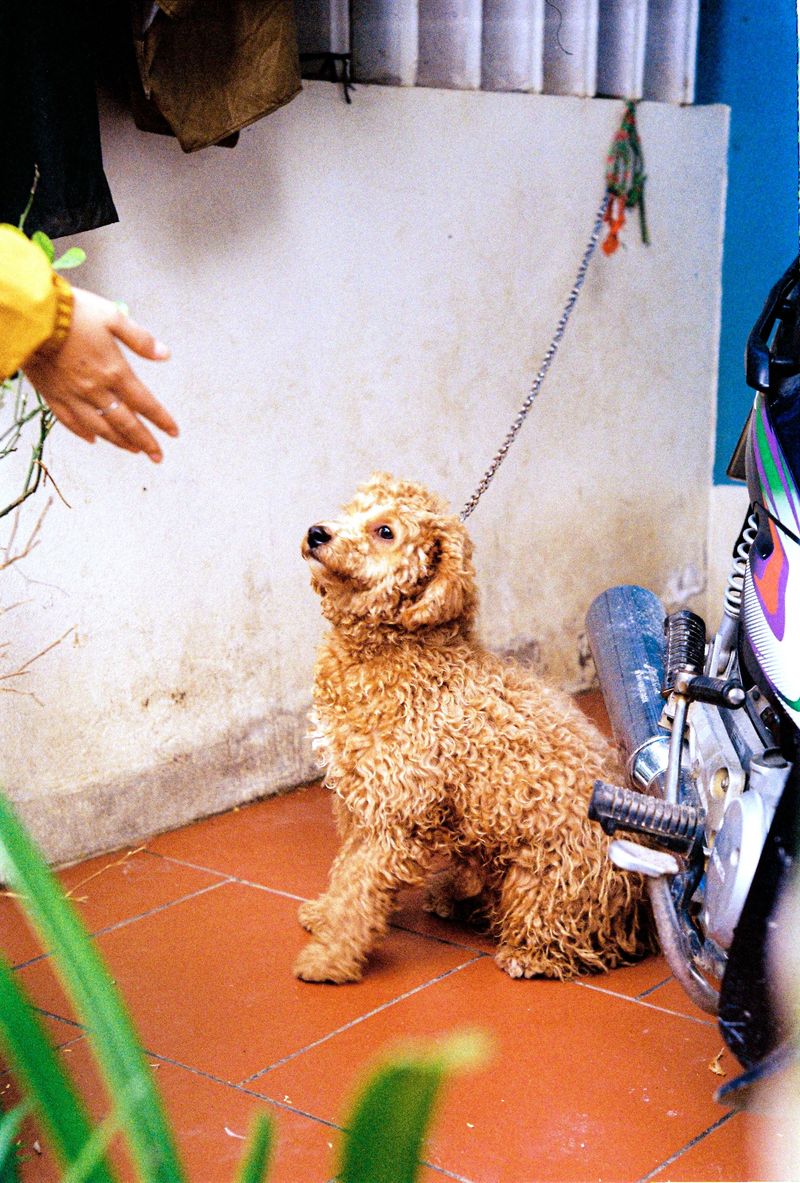
Researchers studying the dog-human bond have found something striking. Many dogs show attachment patterns similar to those seen between young children and caregivers, using their person as a secure base.
What does a secure base look like? A dog who feels confident exploring, playing, or napping, as long as their trusted human is nearby.
Following you around is one way of keeping that base within reach.
Some breeds have been selected for working closely alongside people, and certain companion breeds like the Cavalier King Charles Spaniel are often described as especially people-focused. Still, individual personality and life history shape attachment as much as breed does.
Doing the Job They Were Bred For
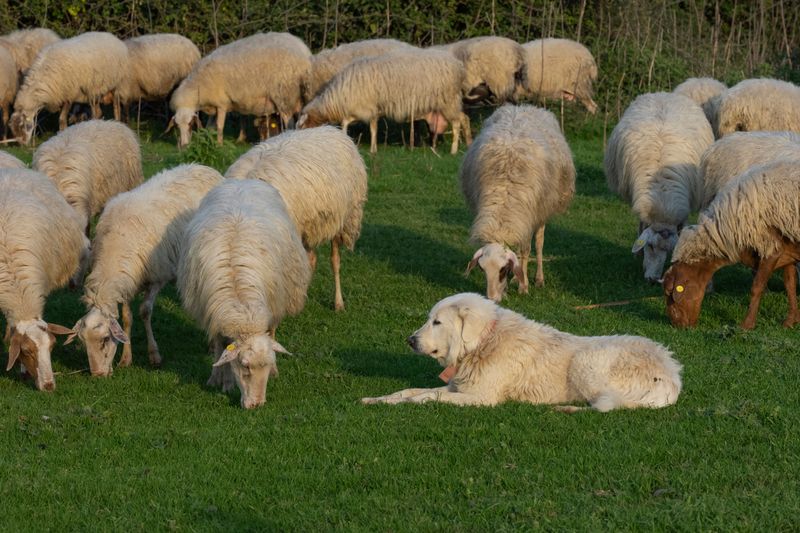
Some dogs follow you because, frankly, their great-great-grandparents were paid to.
Herding breeds such as Australian Shepherds and Shetland Sheepdogs were developed to watch movement closely and keep a group together. Working dogs and gun dogs were selected to cooperate with a human partner for hours at a time.
In a modern home, those instincts may show up as a dog who monitors every person in the house and hovers near whoever is moving. Giving these dogs real work, like training games, puzzle feeders, or dog sports, often satisfies that drive better than trailing you to the laundry room ever could.
Satisfying Plain Curiosity
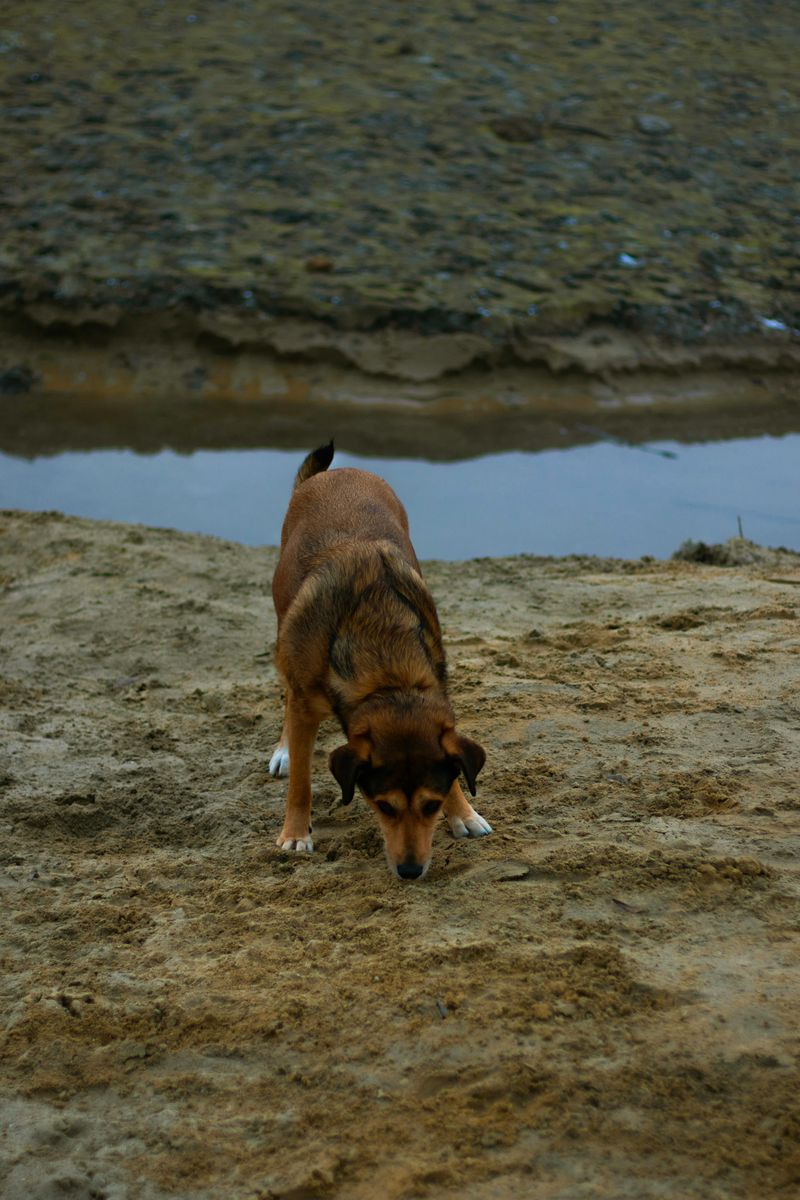
Sometimes the answer is wonderfully simple. You went somewhere, and your dog wants to know what is in there.
A house can be fairly boring for a dog who spends many hours indoors. Every time you open a closet, rustle a bag, or move to a new spot, you create a small event.
Following along turns an ordinary afternoon into a mini adventure.
Dogs who seem glued to you out of curiosity often relax when they get more daily enrichment. Sniff walks, chew toys, and short training sessions give their brains something to work on besides your every move.
Coping With Worry
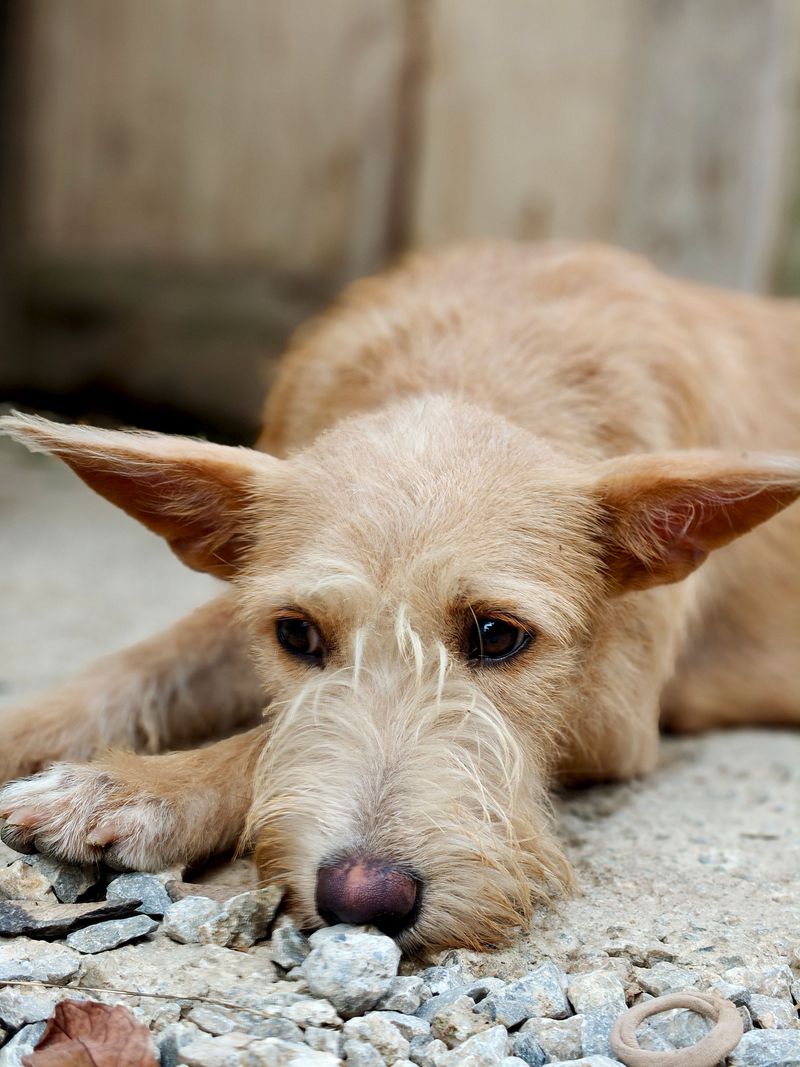
Not every shadow is a happy one. For some dogs, constant following is a sign of stress rather than simple affection.
Clues worth watching include pacing, whining, panting when you are out of sight, destroying things near doors, or real distress when you leave the house. These can point to separation-related problems, which are common and treatable.
Changes like a recent move, a new schedule, or a newly adopted dog settling in can also make a pup clingier for a while. If the behavior seems intense or comes with other signs, a veterinarian or a certified behavior professional can help sort out what is going on and build a reward-based plan.
Responding to Changes in Health or Age
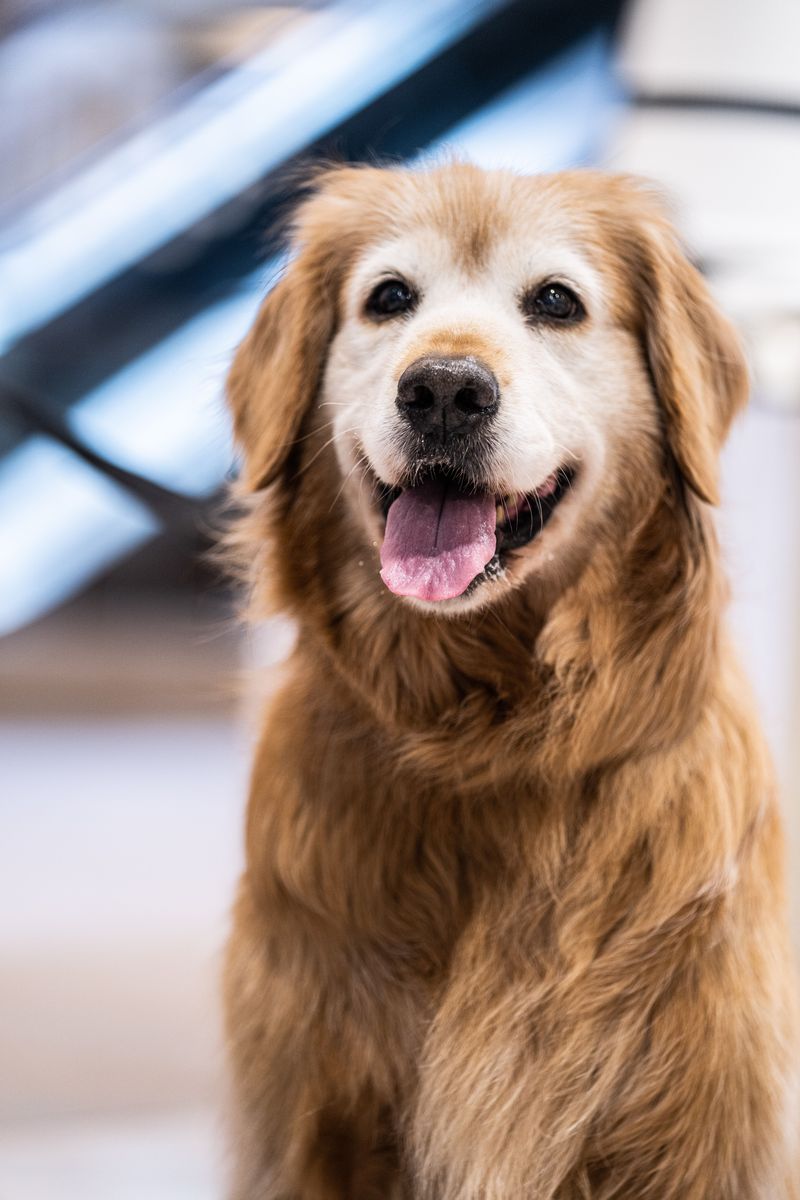
A dog who suddenly becomes your shadow after years of independence may be telling you something.
Senior dogs sometimes stick closer as their hearing or eyesight fades, since staying near a familiar person helps them feel oriented. Canine cognitive dysfunction, an age-related condition somewhat similar to dementia, can also bring changes in clinginess or restlessness.
Pain, illness, or discomfort can prompt the same shift in younger dogs too. A sudden change in following behavior is a good reason for a vet visit, just to rule out anything physical.
Often the fix is simple, and your dog gets to keep their favorite spot right beside you.