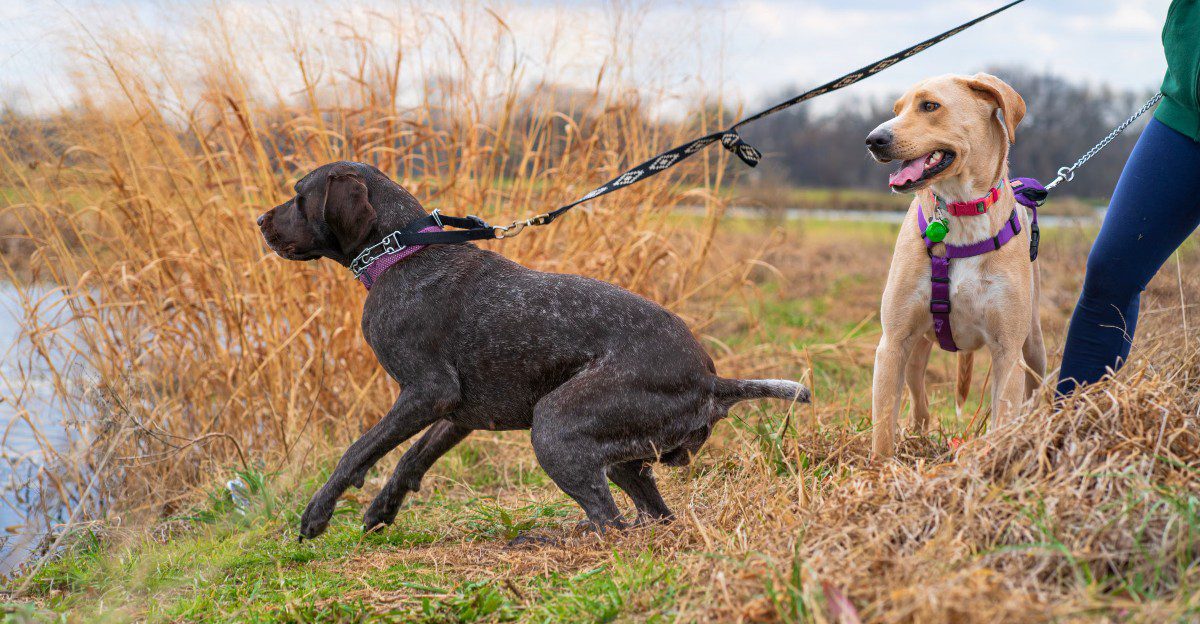
Most leash pulling is not a stubborn dog problem, it is a teamwork problem. Dogs repeat whatever works, and many of us accidentally teach them that pulling gets them where they want to go.
The good news is that small changes in how you hold the leash, where you look, and when you stop can make a big difference. Here are eight habits worth checking on your very next walk.
Moving forward whenever the leash is tight
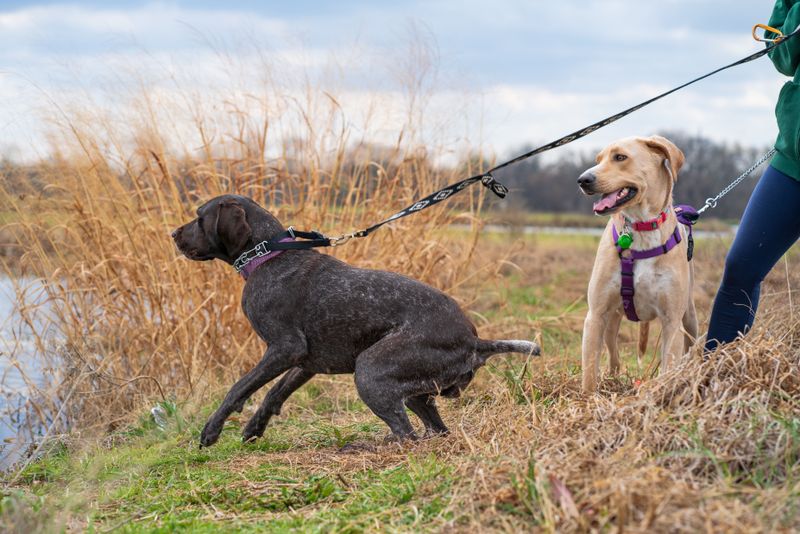
Every time a dog pulls and you keep walking, the dog gets paid. Forward motion is the reward, and dogs are very good at noticing what earns them rewards.
The fix sounds almost too simple. When the leash goes tight, stop and wait.
The moment the dog eases back and the leash softens, move forward again.
Expect slow walks for the first week or two. Consistency matters more than anything, because a dog who gets to pull half the time learns that pulling still pays off sometimes, which can make the habit even stronger.
Keeping the leash short and tense
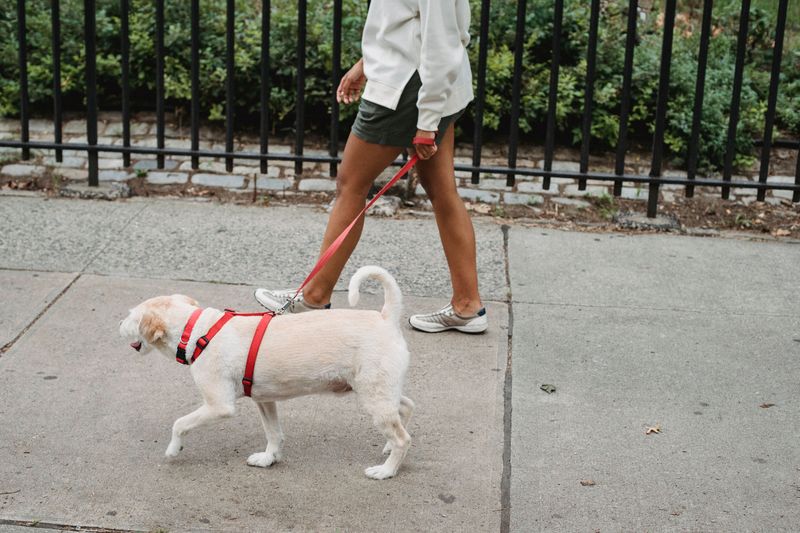
Plenty of owners grip the leash short out of nerves, hoping for more control. Ironically, constant tension gives the dog something to lean against.
Many dogs have what trainers call an opposition reflex, a natural tendency to push against pressure. A leash that is always tight can quietly encourage the very pulling you want to avoid.
Aim for a soft J-shaped curve in the leash. A standard six-foot leash usually gives enough slack without letting the dog wander into traffic.
Staring at your phone
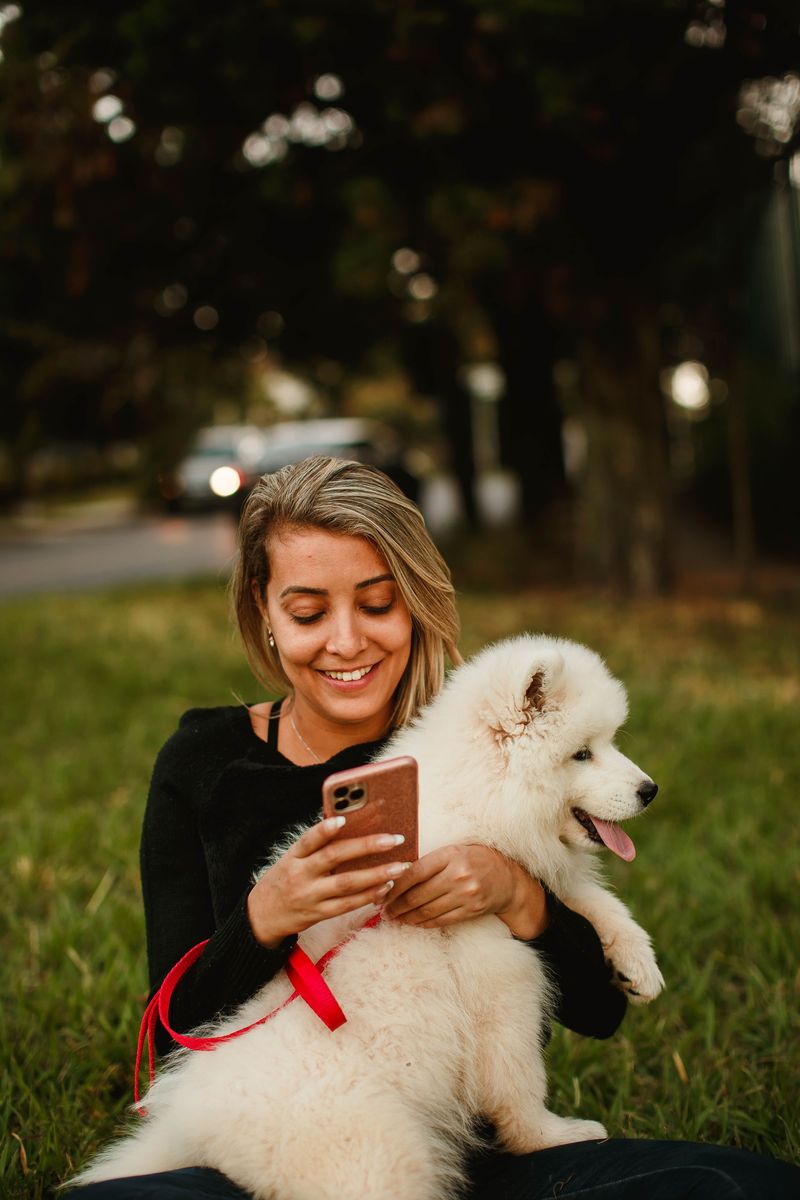
Picture the walk from your dog’s side. The person at the other end of the leash is scrolling, silent, and basically furniture that happens to move.
When you check out, your dog has no reason to check in. Rewarding glances back at you with a quick treat or a cheerful word builds the habit of staying connected.
You do not need to stare at your dog the whole time. Just stay aware enough to notice and reward the good moments before the leash tightens.
Forgetting to reward the right position
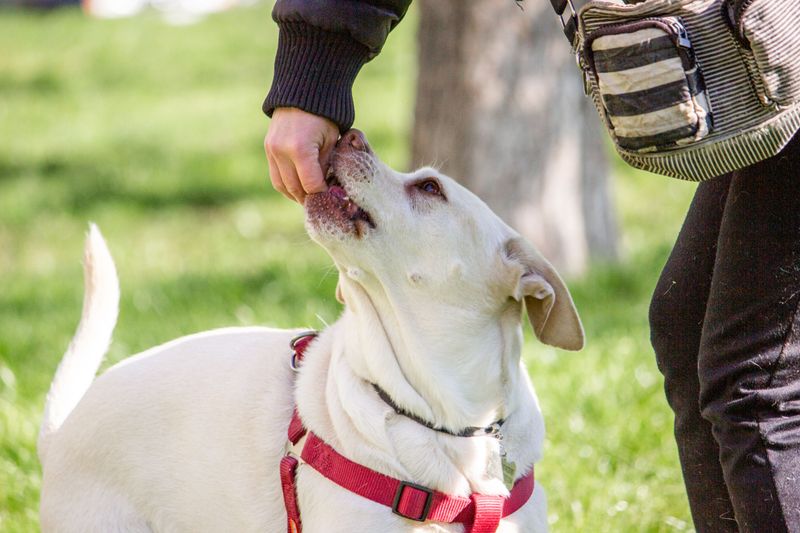
Quiet good behavior is easy to ignore. A dog trots politely beside you for twenty steps, and nobody says a word.
Reward-based training, which groups like the American Veterinary Society of Animal Behavior support, works by marking what you like. Drop small treats right at your leg when your dog is in the spot you want, and that spot becomes valuable real estate.
Early on, reward often. Over time, you can space treats out and swap in real-life rewards, like a chance to sniff a favorite tree.
Skipping the sniff breaks
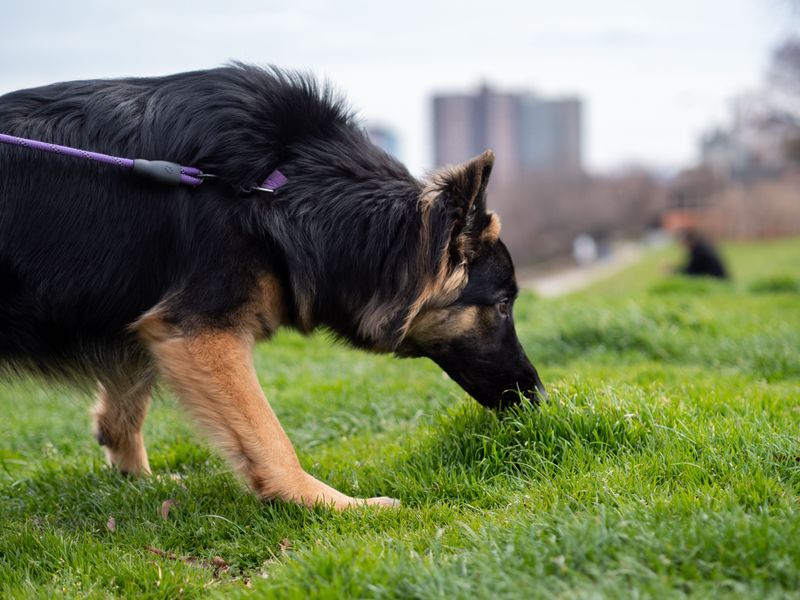
To a dog, a walk is a newspaper written in scent. Rushing past every interesting patch of grass leaves a dog frustrated and more likely to drag you toward the next one.
Scent hounds such as Beagles and Basset Hounds were bred to follow their noses, so the urge can feel especially strong for them. Even so, nearly every dog benefits from sniffing time.
Try using a cue like go sniff as a reward for loose-leash walking. Your dog learns that politeness unlocks the good stuff instead of pulling for it.
Walking an under-exercised dog
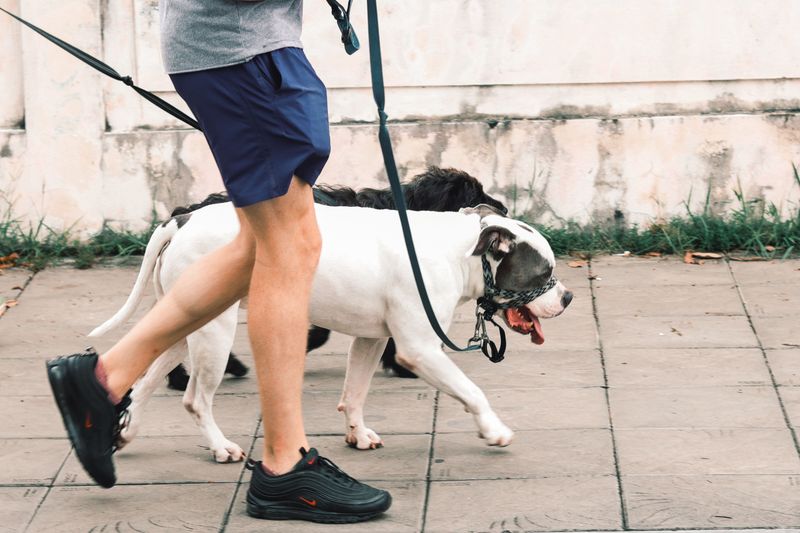
Asking a dog who has napped all day to stroll calmly is a bit like asking a kid to sit still after a sugary snack. Bottled-up energy tends to come out through the leash.
High-energy breeds like Australian Shepherds or Vizslas may struggle most here. A quick game of fetch, a puzzle feeder, or some training before heading out can take the edge off.
The walk then becomes a chance to practice manners, not the only outlet for a whole day of energy.
Practicing only in hard places
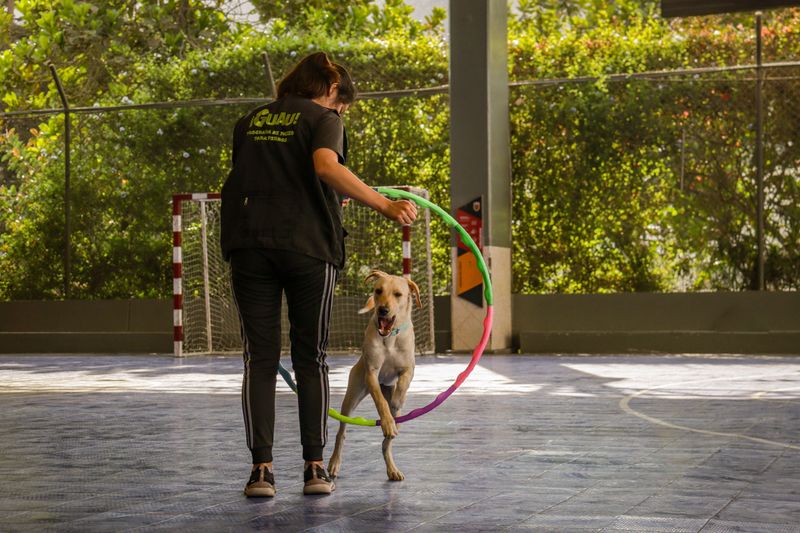
A busy park full of squirrels, kids, and other dogs is the final exam, not lesson one. Yet many owners only practice leash skills in exactly those spots.
Dogs learn best when distractions start low. Practice in your living room, then your yard, then a quiet street, and only later the noisy places.
If your dog suddenly cannot focus or will not take treats, the setting is probably too much right now. Backing up a step is not failure, it is smart training.
Changing the rules from walk to walk
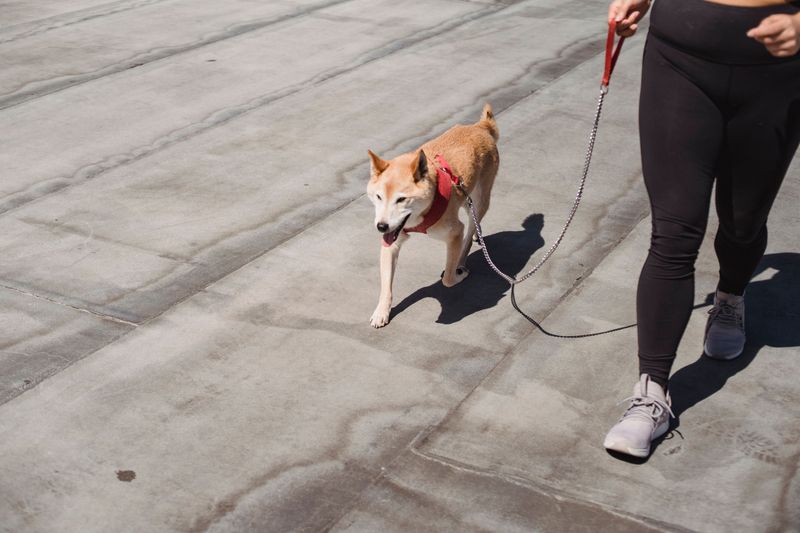
Mom stops when the dog pulls. Dad lets it slide because he is in a hurry.
The kids get dragged to the corner. Guess which lesson sticks.
Mixed rules make leash manners confusing and slow to learn. Everyone who walks the dog should use the same approach, the same cues, and the same side if you prefer one.
For days when there is no time to train, some owners use a front-clip harness for better management. A short family chat about the rules can save weeks of frustration.