Some dogs bounce out the door on a frosty morning, while others stand on the porch shivering before they even reach the grass. That difference is not about being dramatic.
Body fat, coat type, size, and even leg length all change how fast a dog loses heat. Here are 10 breeds that often truly benefit from a coat when the temperature drops, and the real reasons why.
Whippet
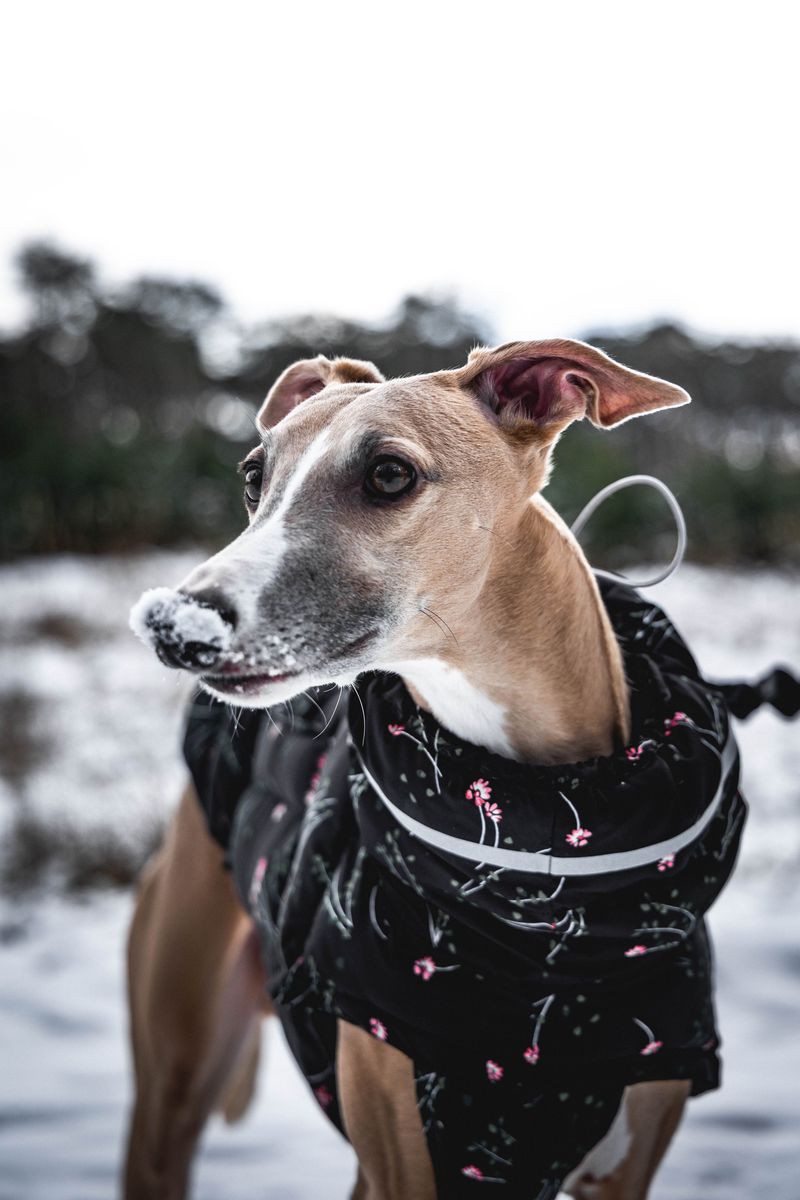
Pick up a Whippet and you will notice how little padding there is between the skin and the bones. The breed is built like a sprinter, with a lean frame and very low body fat, which is great for speed and poor for holding warmth.
Their coat is short, fine, and close to the body, with no real undercoat to trap heat. On a cold morning, many Whippets start trembling within minutes, especially while standing still at a crosswalk.
A fitted coat that covers the chest and belly makes a real difference. Look for one with a high neck, since the breed’s long neck is another spot where heat slips away.
Italian Greyhound
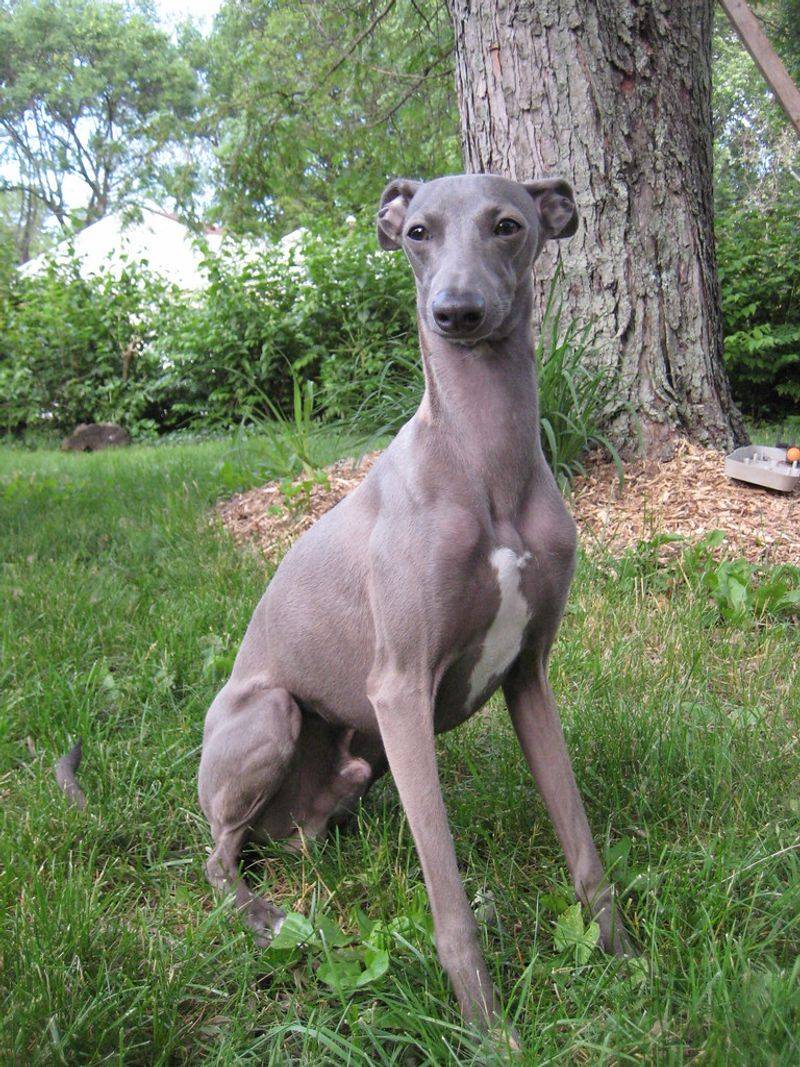
Small size and a thin coat make a tricky combination. The Italian Greyhound weighs roughly 7 to 14 pounds, and smaller bodies lose heat faster because they have more surface area compared to their mass.
Owners often notice their IG burrowing under blankets indoors, and that habit is a good clue about how they handle cold outside. Many will flatly refuse to go potty on a frozen morning without some extra warmth.
A soft sweater or lined jacket can turn a stubborn standoff at the door into a quick, successful trip outside. Some owners keep a lighter layer for chilly fall days and a heavier one for true winter.
Chihuahua
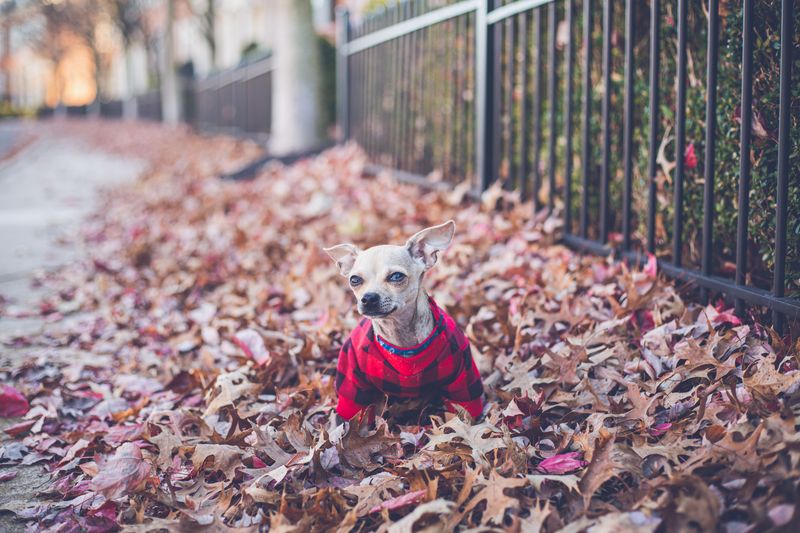
Tiny dogs get cold fast, and the Chihuahua sits at the extreme end of the size chart. The AKC lists them at no more than 6 pounds, which leaves very little body to generate and hold heat.
Both smooth-coat and long-coat Chihuahuas can struggle, though smooth coats tend to feel it sooner. Shivering is also a common Chihuahua trait in general, so a chilled one may shake even harder than usual.
Because they sit so close to the ground, they also pick up cold from wet pavement and snow. A coat with belly coverage helps more than one that only drapes over the back.
Greyhound
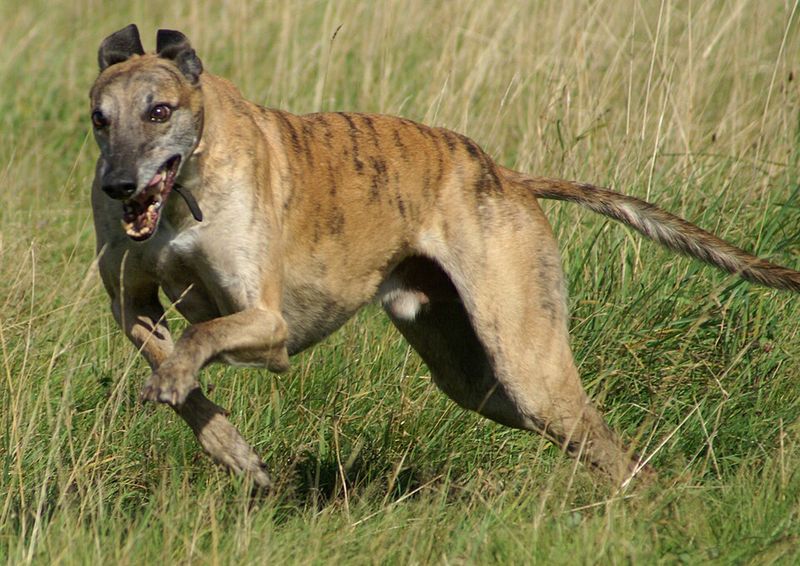
Retired racing Greyhounds surprise a lot of new adopters. These big dogs look sturdy, yet they have some of the lowest body fat percentages in the dog world and a thin, short coat.
Their skin is also quite thin and can be prone to scrapes, so a coat offers a bit of protection along with warmth. Greyhound adoption groups commonly recommend a jacket once temperatures dip into the 40s or below.
Finding the right fit takes some effort because of their deep chest and narrow waist. Coats made specifically for sighthounds usually sit much better than standard sizes.
Chinese Crested
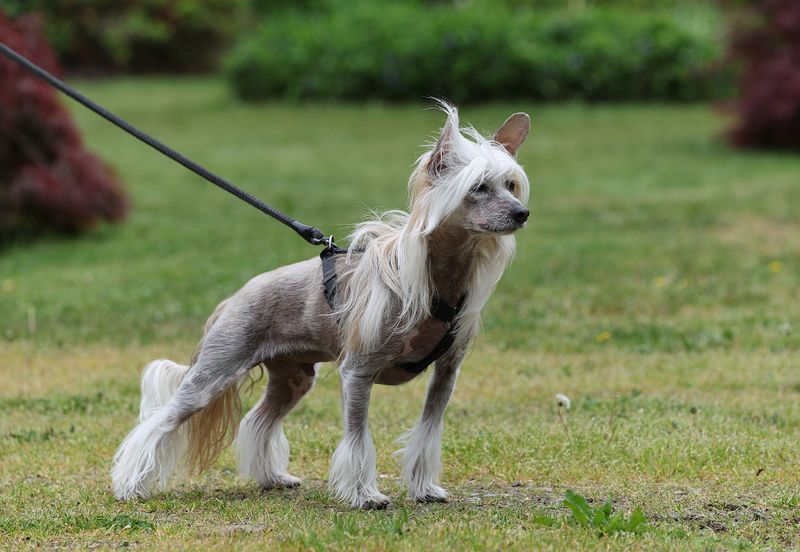
With hair mainly on the head, tail, and feet, the hairless variety of Chinese Crested has almost nothing standing between its skin and a cold wind. That makes clothing less of a fashion choice and more of a basic need in winter.
Their exposed skin can also get dry or chapped in harsh weather. Many owners pair a warm layer with dog-safe skin care during the colder months.
The Powderpuff variety has a full soft coat, but it is fine and lacks the dense insulation of northern breeds. Even those dogs may appreciate a light jacket on raw, damp mornings.
Dachshund
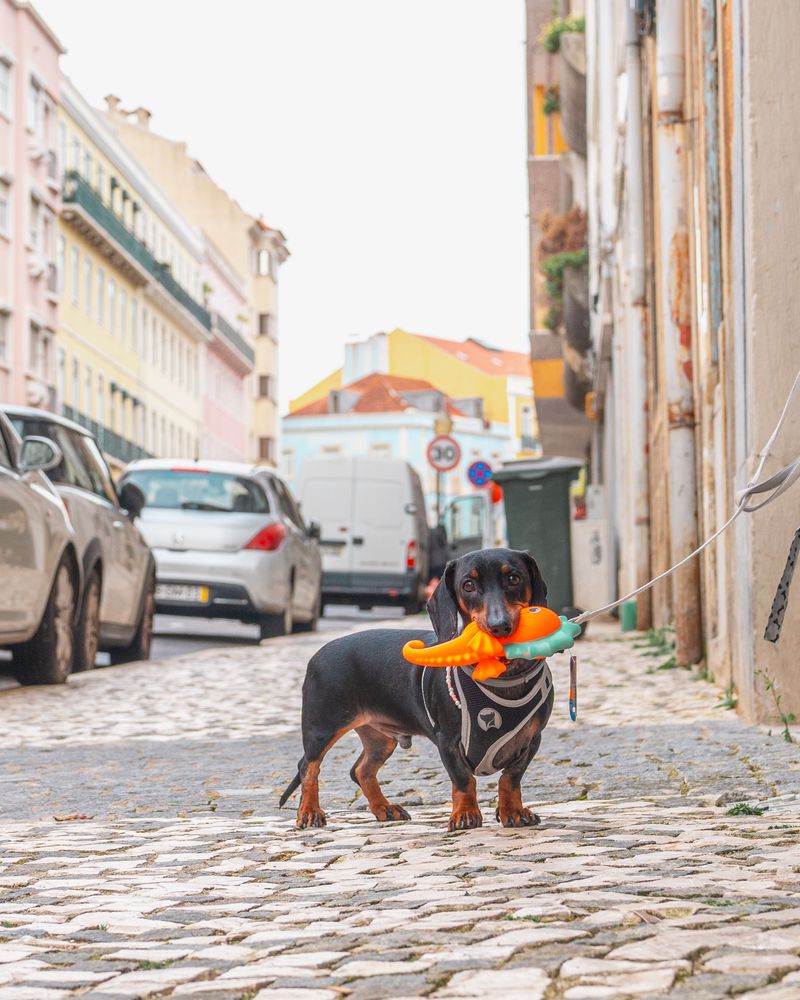
Short legs mean a low-riding belly, and on a snowy morning a Dachshund’s underside is practically plowing the ground. That constant contact with snow and frozen grass drains heat quickly.
Smooth Dachshunds have the thinnest coats of the three varieties, so they tend to feel the chill most. Wirehaired and longhaired Doxies hold up a little better, but their bellies still get cold and wet.
Choose a coat shaped for a long body, since many standard jackets ride up or pinch. A design that covers the chest and stomach is the real goal here.
Miniature Pinscher
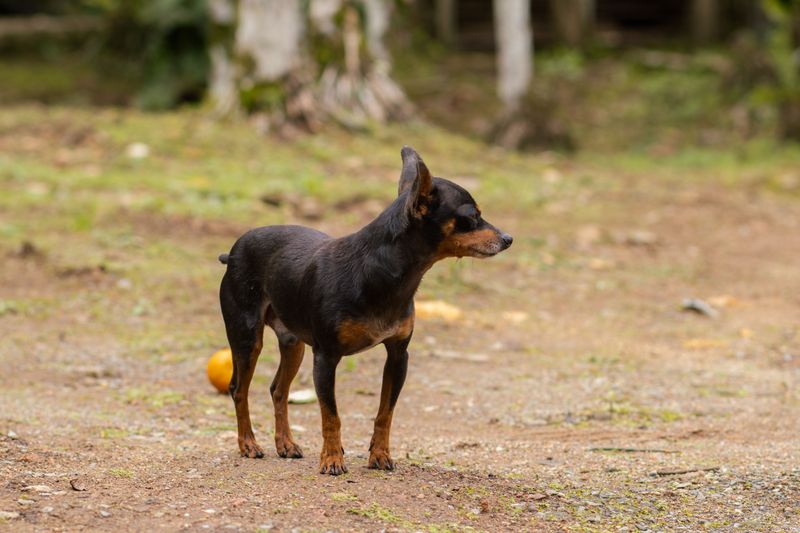
Plenty of energy does not equal plenty of insulation. The Miniature Pinscher moves with a lively, high-stepping gait, but its sleek, hard coat is short and offers little protection from the cold.
Weighing around 8 to 10 pounds, the Min Pin loses heat much faster than a larger dog. A brisk walk helps, but the waiting moments, like sniffing a mailbox or pausing at a corner, are when the chill sets in.
A snug, lightweight jacket lets this active little dog keep moving without the cold cutting the outing short.
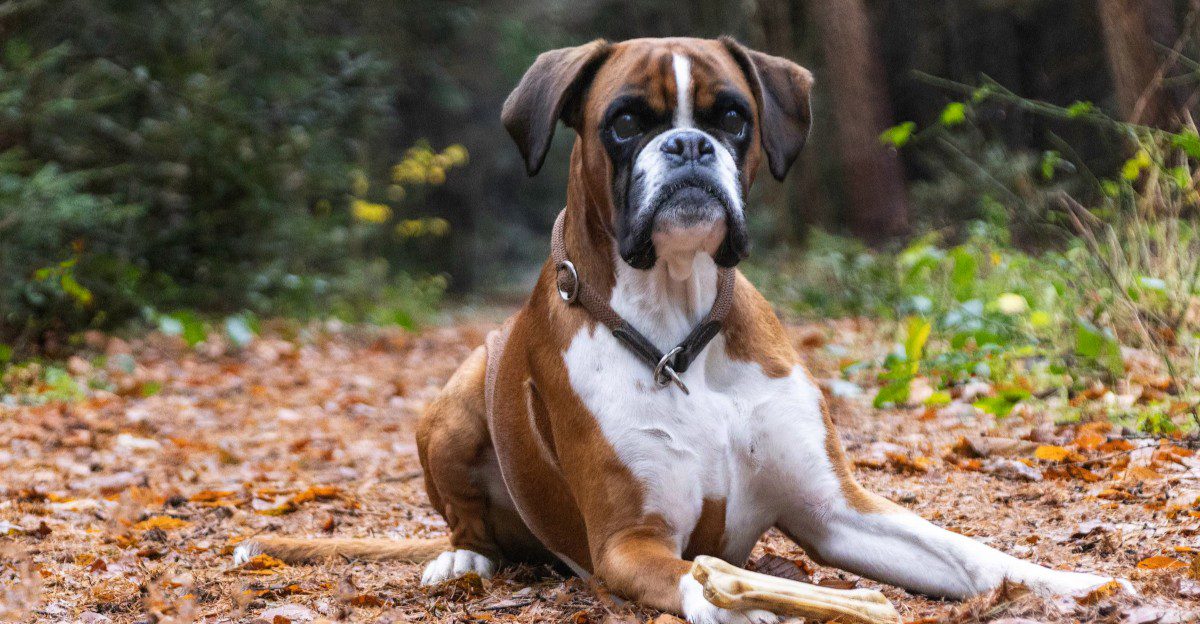
Boxer
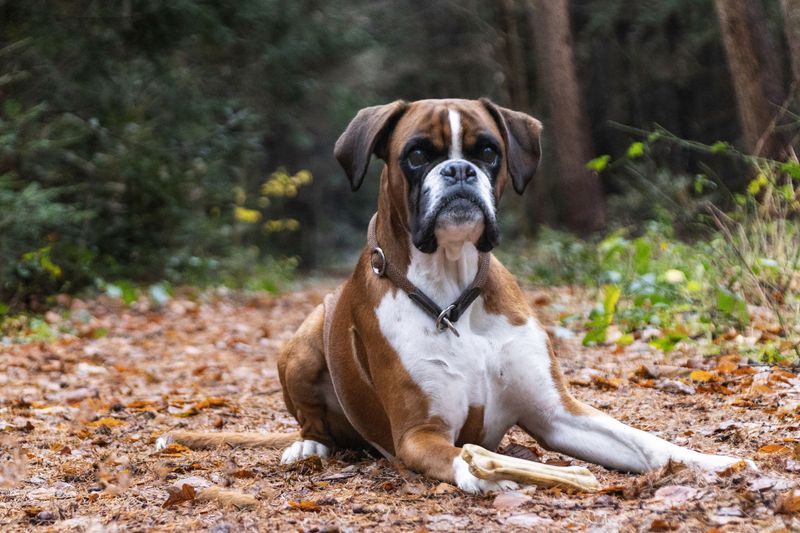
Muscular dogs are not always cold-proof. The Boxer has a short, tight coat with no thick undercoat, and many individuals are noticeably sensitive to low temperatures despite their athletic build.
As a short-nosed breed, Boxers are also sensitive to heat, so they handle temperature extremes poorly on both ends. Winter is often easier, but only with some help.
A sturdy coat works well for longer walks on cold days. Keep an eye on older Boxers in particular, since senior dogs often have a harder time staying warm.
Yorkshire Terrier
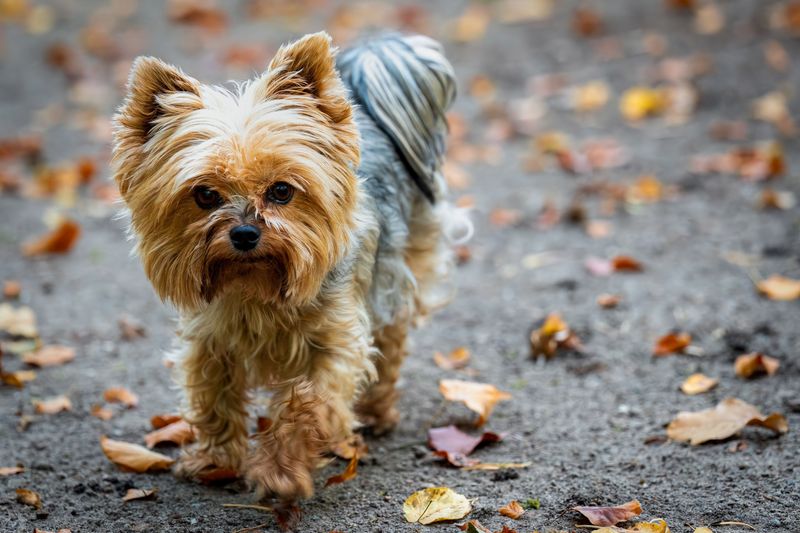
That long, flowing hair looks warm, but looks can mislead. The Yorkshire Terrier has a silky single coat, much more like human hair than the dense double coat of a sled dog.
Without an undercoat, the Yorkie’s hair gets wet easily and offers little insulation. Many pet Yorkies also wear a short puppy cut, which removes even more coverage.
At around 7 pounds, they cool down quickly. A water-resistant coat helps on damp mornings, keeping both the dog and that fine hair drier.
American Hairless Terrier
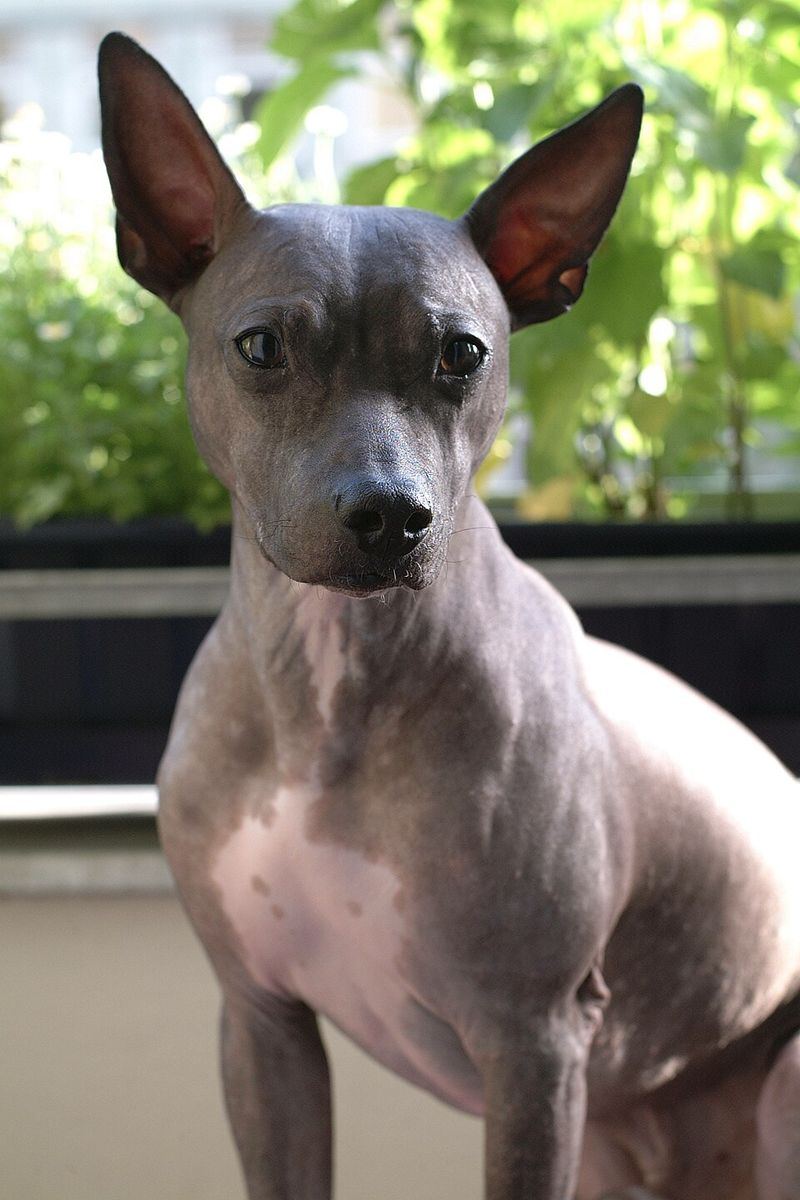
Here is a breed that started with a single hairless puppy born in Louisiana in 1972, and it was later recognized by the AKC in 2016. That puppy’s descendants became the American Hairless Terrier.
With no coat to speak of, these lively terriers depend on owners for warmth in cold weather. They also need sun protection in summer, so clothing becomes part of their routine year-round.
Their terrier drive means they still want to explore and dig outside. A warm, well-fitted layer lets them enjoy it without getting chilled.