
You step outside with your coffee and find a fresh crater where the tulips used to be, plus a dog with a very dirty nose. It is easy to see digging as bad behavior, but for most dogs it is a form of communication.
A hole in the lawn can point to boredom, heat, stress, instinct, or even a hidden pest problem. Once you know what your dog is really saying, fixing the problem gets a whole lot easier.
I am bored out of my mind

A yard with nothing to do in it is basically an empty room with a dirt floor. For a dog left outside for hours, digging can become the most interesting game available.
Boredom digging tends to show up in young dogs and active breeds that get more energy than outlets. The holes are often scattered, random, and dug near the spots where the dog spends the most time waiting.
The fix usually starts indoors rather than outdoors. Longer walks, puzzle feeders, short training sessions, and more time with the family tend to shrink the number of craters quickly.
A tired, mentally busy dog simply has less reason to remodel the lawn.
It is too hot out here
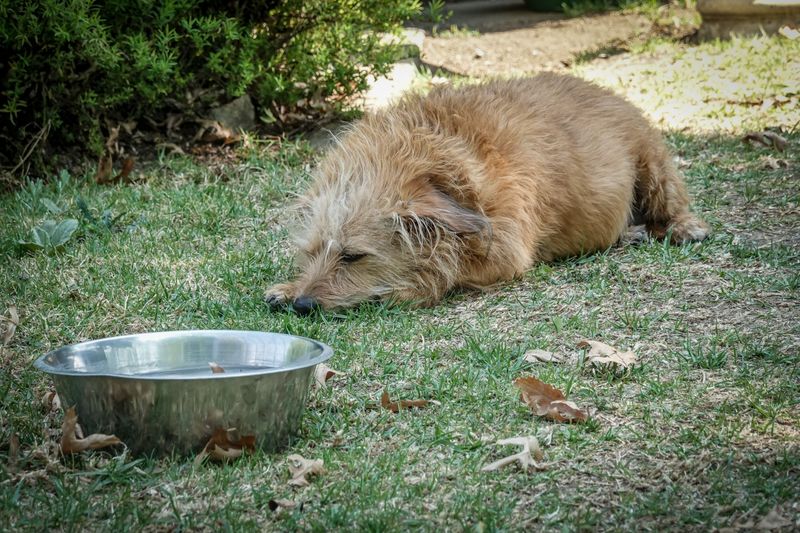
Ever notice a shallow pit right next to the foundation, under a shrub, or in the shade of the deck? That spot was probably chosen on purpose.
Soil just below the surface is cooler than sun-baked grass, so dogs often scrape away the top layer and lie down in the hole. Northern breeds with thick double coats, like Siberian Huskies and Alaskan Malamutes, are especially known for this habit in warm weather.
When the holes look like beds rather than tunnels, think comfort first. Offer reliable shade, fresh water, and a cooling mat, and keep outdoor time short on hot days.
Heavy panting, weakness, or stumbling in heat calls for a quick call to the vet, since heatstroke can develop fast.
Something is living under the grass
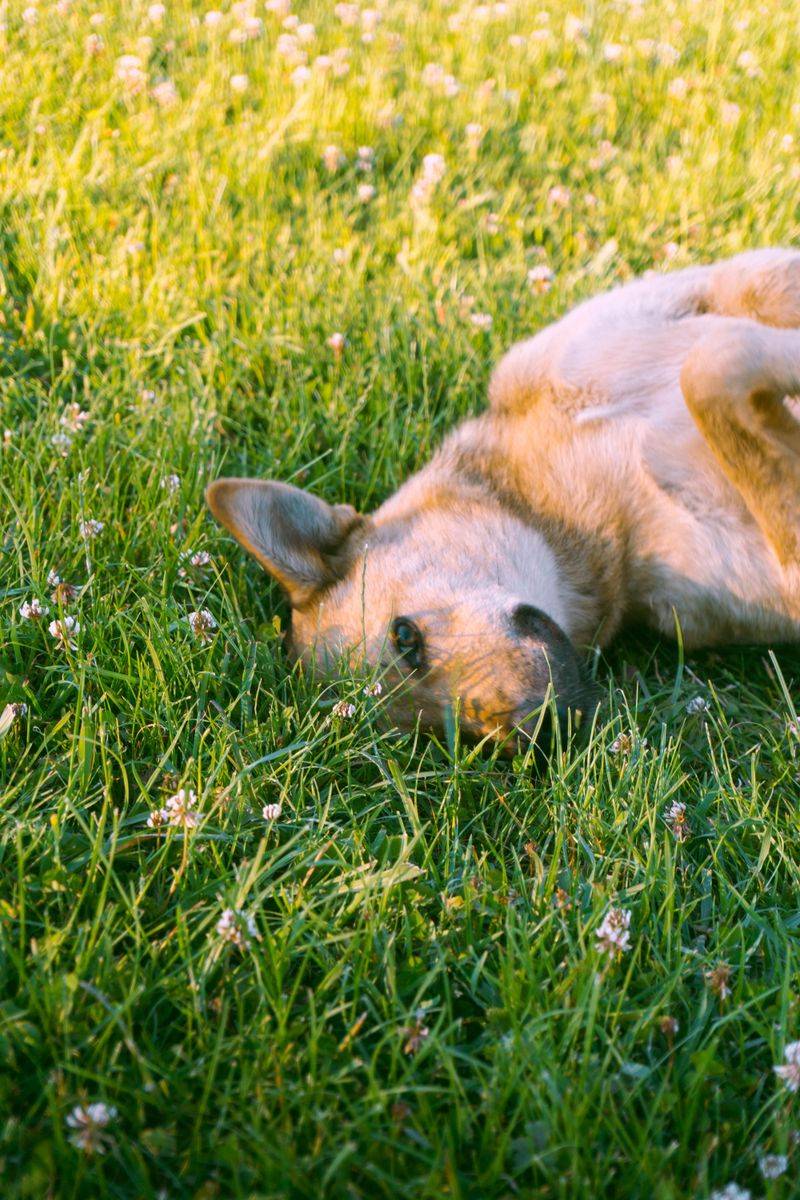
Terriers did not earn their name by accident. The word comes from the Latin terra, meaning earth, and many terrier breeds were developed to chase rats, foxes, and badgers right into their burrows.
Dogs can hear and smell moles, voles, and grubs moving underground long before we notice anything. If your dog digs in a straight line, pauses with its head cocked, or targets one spot with intense focus, it may be hunting.
Jack Russell Terriers, Cairn Terriers, Dachshunds, and Miniature Schnauzers often show this drive strongly. In that case the holes are a clue that the yard has a pest issue worth addressing humanely, because the dog will keep investigating as long as the critters stay.
I need to save this for later
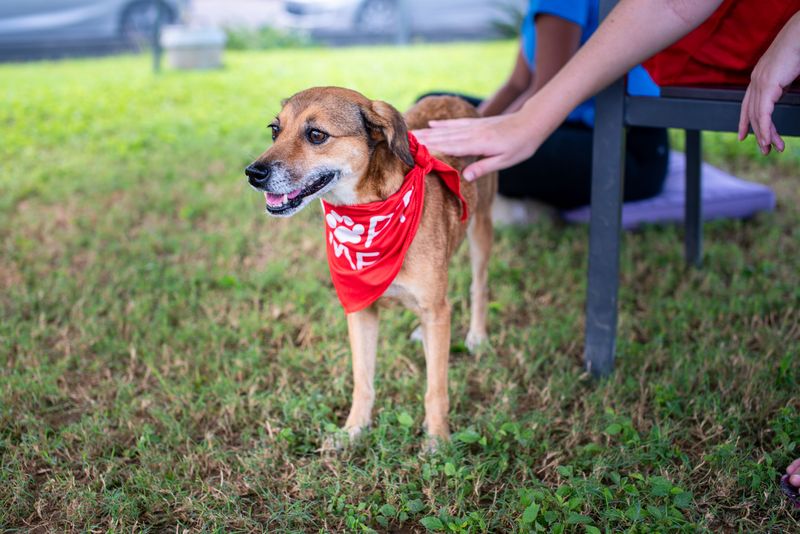
Hand a dog a big new chew and watch what happens. Some will chomp right away, while others trot off to the garden bed with the seriousness of a squirrel in October.
Caching food was useful for wild canids, which could not count on a meal every day. Plenty of domestic dogs keep the instinct, using their noses to push dirt back over the treasure.
Hounds such as Beagles and Basset Hounds are often associated with this behavior, though any dog can do it. A dog that buries a lot may be getting more chews than it can handle at once, so offering smaller portions can cut down on the backyard bank deposits.
I do not like being alone

Location tells a big story here. Holes clustered along fences, gates, or doors, especially ones that appear only when you leave, may point to stress about separation.
A dog with separation-related anxiety may also bark, howl, pace, or chew at exits while alone. The digging is not spite.
It is a frantic attempt to reach the people who left.
Gradual practice with short absences, a comfortable indoor space, and enrichment toys can help. For stronger cases, a veterinarian or certified behavior professional can build a plan, since punishing an anxious dog tends to make the fear worse.
There is something better on the other side
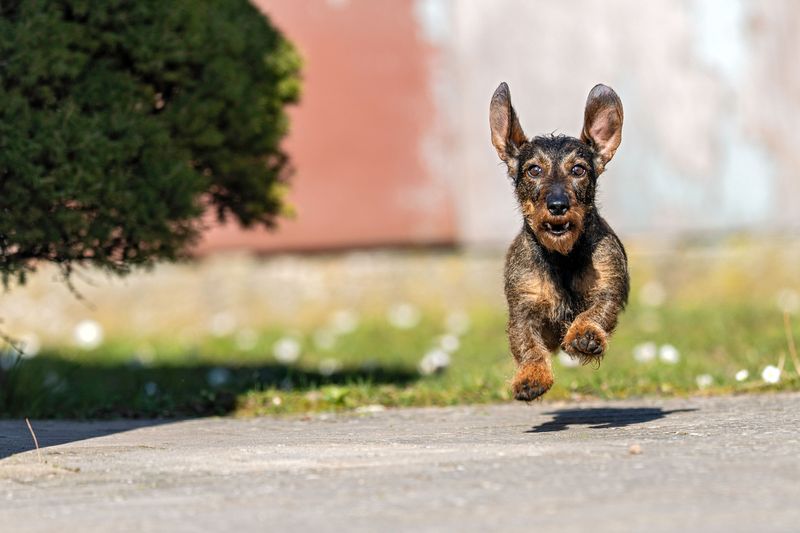
Some dogs are not stressed at all. They have simply noticed the neighbor’s cat, a dog park smell, or an intact female nearby and decided the fence is a minor obstacle.
Escape digging usually hugs the fence line and goes deeper than other holes. Huskies have a reputation as talented escape artists, and unneutered males may roam when they detect a female in heat.
Burying wire or pavers along the base of the fence works well, and spaying or neutering can reduce roaming urges. Just as important is figuring out what is luring the dog and giving it more of what it seeks, whether that is exercise, play, or exploration on leash.
Digging is literally in my genes
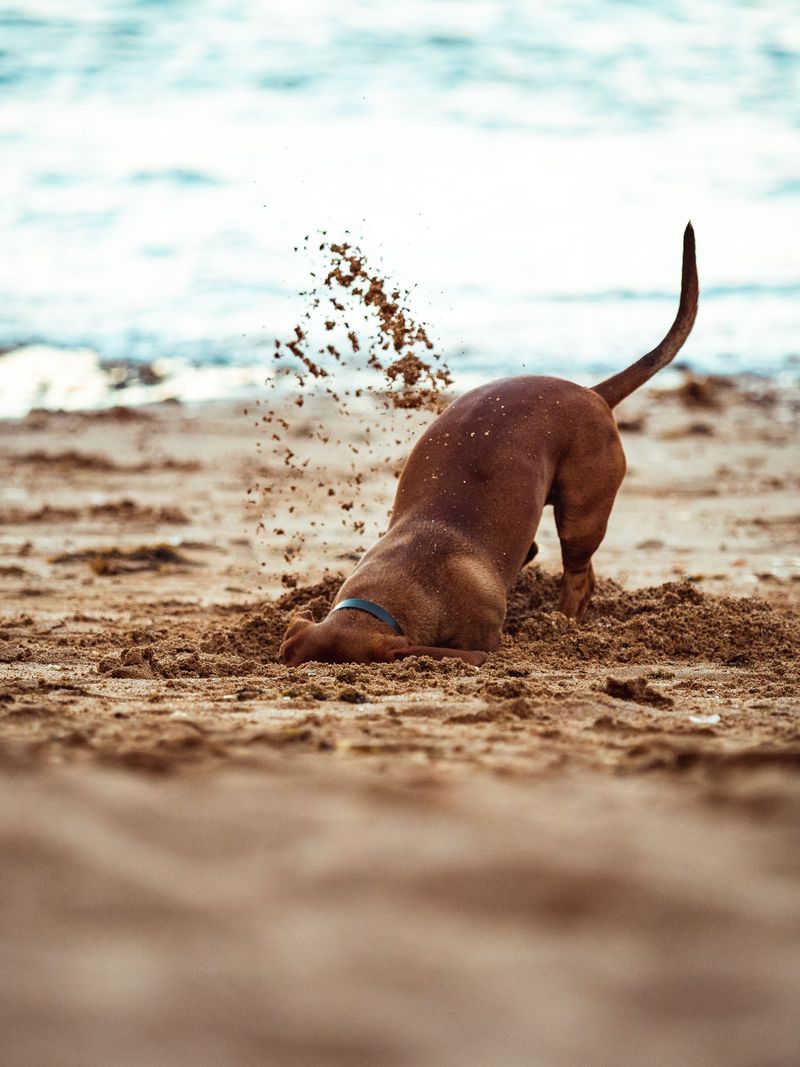
Sometimes the honest answer is that digging feels great. For breeds shaped over generations to work underground, the behavior is self-rewarding, much like retrieving is for many sporting dogs.
Dachshunds were bred in Germany to go after badgers, and their paddle-like front paws show it. Trying to stop a dog like that from ever digging is a losing battle.
A smarter move is to give the instinct a home. A designated digging pit filled with loose soil or sand, seeded with buried toys and treats, can redirect the urge.
Praise digging there and calmly guide your dog back when it strays to the flower beds.
Please notice me
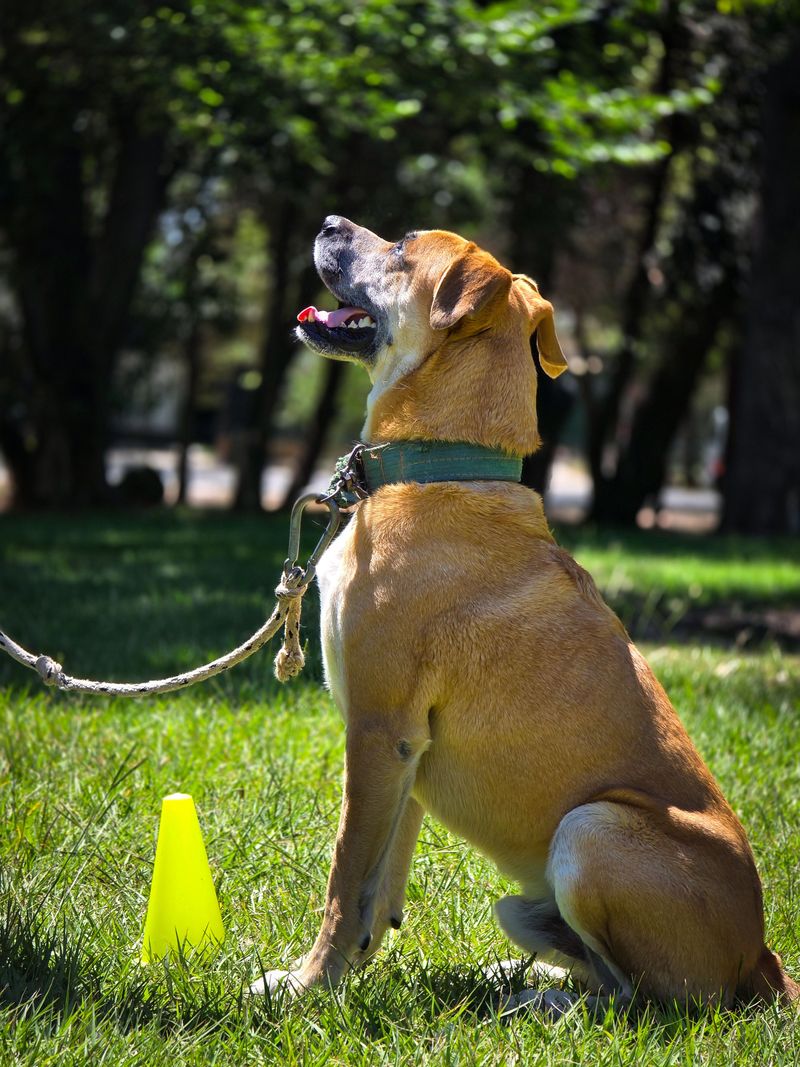
Picture it from the dog’s side. You lie quietly on the patio and nobody looks up, but the moment you start digging, everyone comes running and talking to you.
Dogs repeat what works, and attention, even scolding, can be a reward. A dog that digs mostly while you are watching, then glances back at you, may have learned a reliable way to start an interaction.
Calmly interrupt and redirect without making a big scene. Then make a point of rewarding the quiet moments with play and praise, so being good becomes the better way to get your focus.
I am getting ready for something

A pregnant dog that suddenly digs hollows in quiet, sheltered spots is often nesting. In the days before giving birth, many females look for a safe den for their puppies.
Dogs experiencing a false pregnancy can show the same nesting behavior, sometimes along with mothering toys. A whelping box indoors gives that instinct a safer outlet, and your vet can confirm what is going on.
Not every sudden behavior change is about babies, though. If an older dog starts digging and circling restlessly out of nowhere, a vet checkup can rule out discomfort or other health issues.
New habits are one of the clearest ways a dog has to say something has changed.