Some dogs treat a garden hose like an enemy, and others will leap off a dock before you finish saying the word swim. That difference is not random.
Many breeds were shaped for centuries to fetch ducks, haul fishing nets, or rescue people from cold water, and that history still shows up at the lake today. If you own one of these dogs, or plan to, your summer weekends may start revolving around beaches, ponds, and wet towels in the car.
Portuguese Water Dog
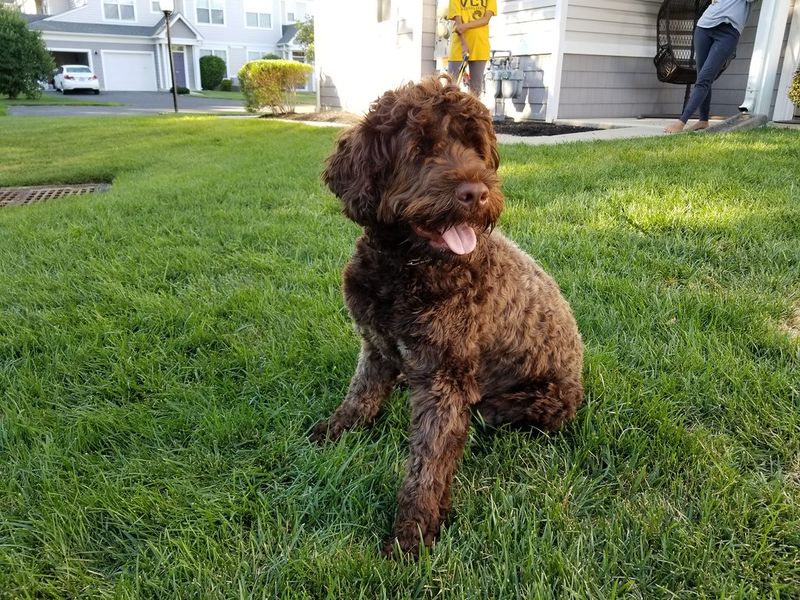
Fishermen along the coast of Portugal once counted these dogs as crew members. They herded fish into nets, carried messages between boats, and retrieved gear that slipped overboard.
That job required stamina and webbed feet, and the breed has both. The coat is single-layered and low-shedding, which is part of why the breed became famous as a family pick for people with mild allergies, though no dog is truly allergy-free.
Expect a dog that wants a task, not just a splash. Retrieving games in the water tend to satisfy them far more than aimless paddling.
Newfoundland
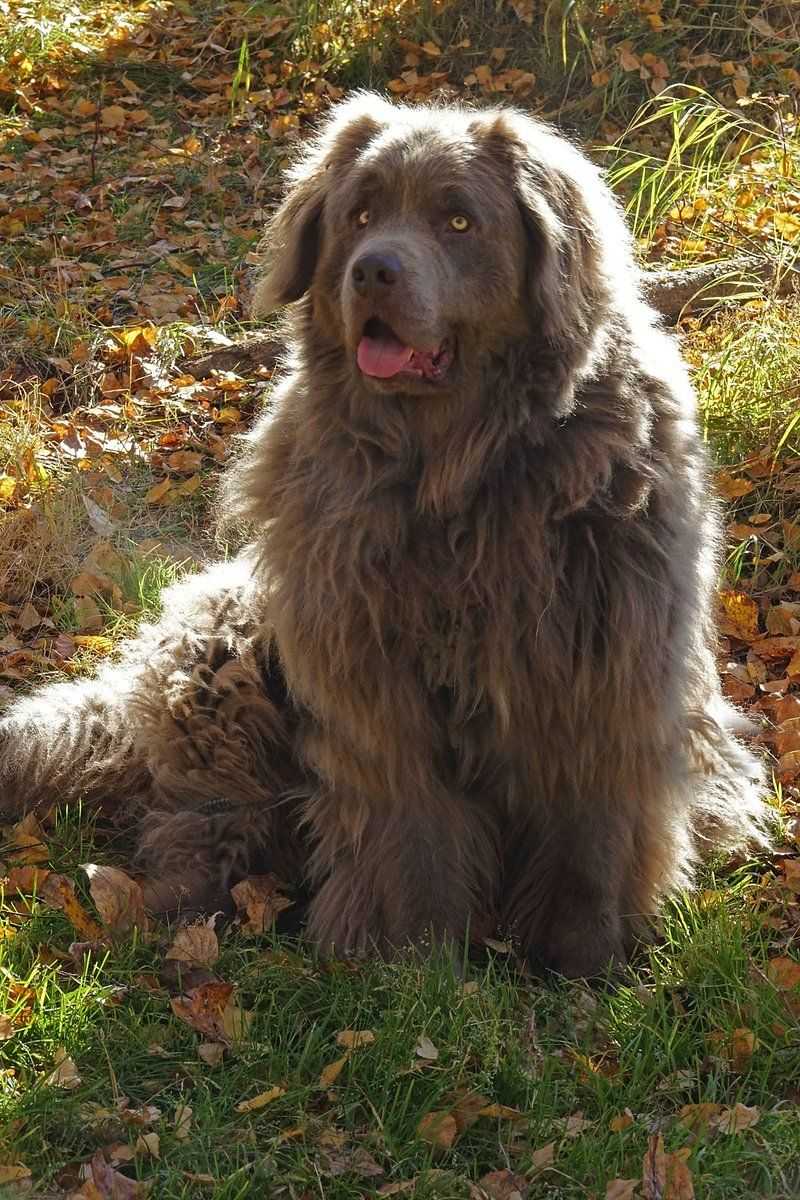
A dog weighing well over 100 pounds should sink like a stone, yet the Newfoundland moves through water with surprising ease. Its swimming stroke is closer to a breaststroke than the typical dog paddle, and its water-resistant double coat and webbed feet helped it work in the frigid seas off eastern Canada.
Newfies have a long history in water rescue work, and some clubs still hold water tests where dogs tow boats and bring swimmers to shore.
Owners should plan on serious drool, heavy shedding, and a long drying time after every swim. Heat is also a concern, so early morning swims beat the midday sun.
Chesapeake Bay Retriever
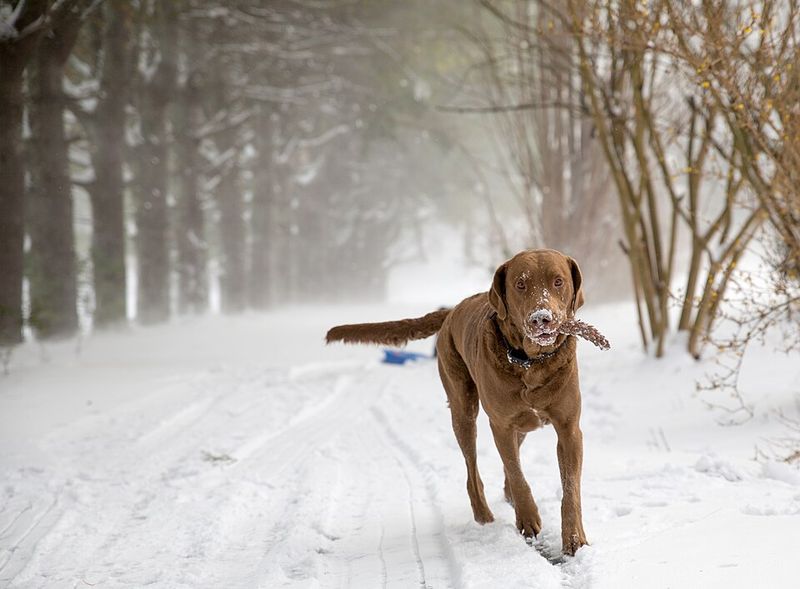
Picture icy waves on the Chesapeake Bay in late November. That is the environment this American breed was developed for, retrieving waterfowl for hunters, sometimes dozens of birds in a single day.
The coat feels slightly oily and wavy, which helps shed water quickly. A quick shake leaves a Chessie much drier than you might expect.
Temperament is where they differ from other retrievers. Chessies are often more reserved with strangers and can be independent, so early socialization and patient, reward-based training pay off.
Nova Scotia Duck Tolling Retriever
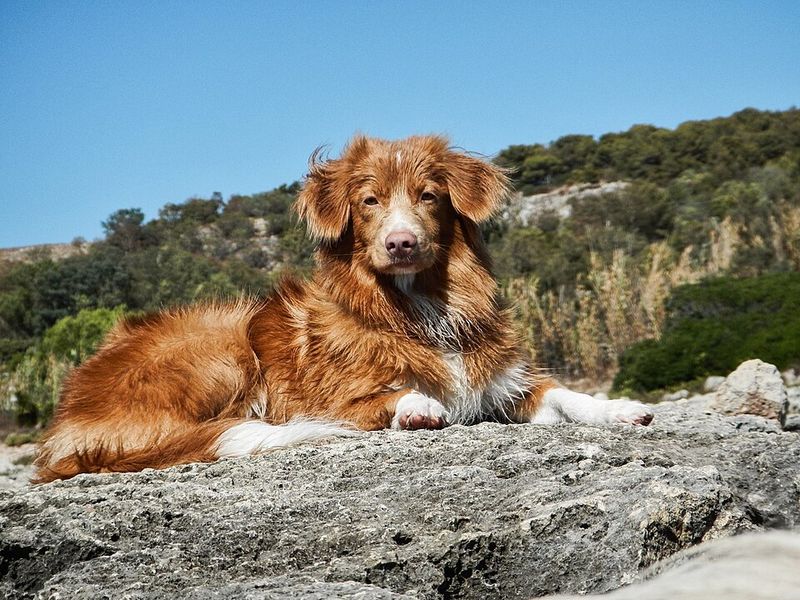
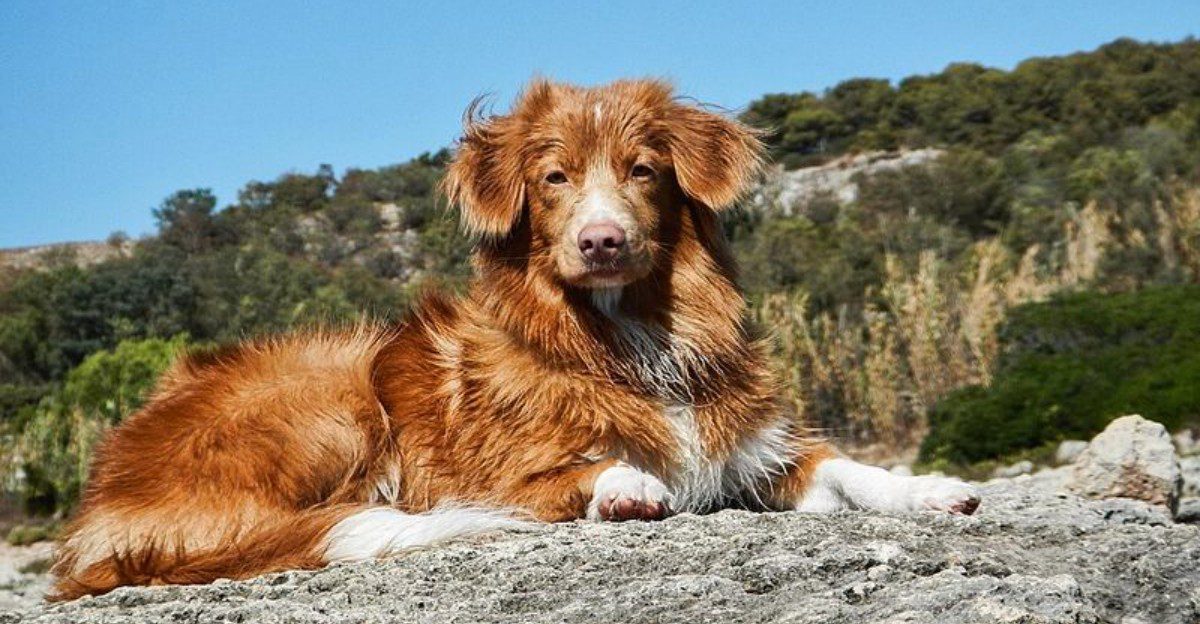
Here is a hunting dog whose original job involved acting playful on purpose. Tollers frolicked along the shoreline, white-tipped tail waving, which drew curious ducks closer to hunters.
Once the birds were in range, the dog switched roles and retrieved from cold Canadian water. That mix of play and work explains why Tollers rarely tire of fetch at the lake.
One quirk catches new owners off guard: the Toller scream. Some individuals let out a high-pitched shriek when excited, often right before a swim.
Irish Water Spaniel
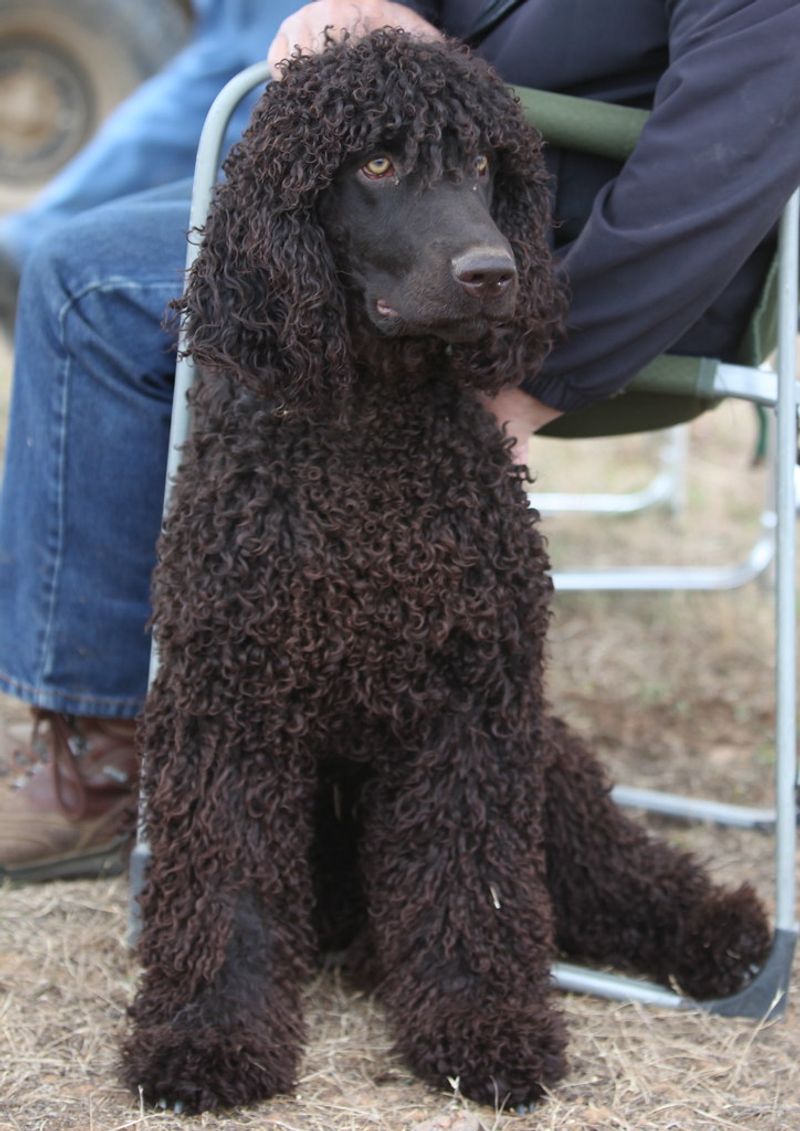
Curly topknot, tight liver-colored ringlets, and a nearly bare tail that looks borrowed from another animal. The Irish Water Spaniel stands out before it ever touches water.
Bred as a retriever for Irish marshes and rivers, it is the tallest of the AKC spaniels and swims with real power. The dense curls offer insulation, though they need regular brushing to prevent mats, especially after time in lake water.
Expect a clownish streak. Many have a sense of mischief that makes training sessions more fun if you keep them short and varied.
Lagotto Romagnolo
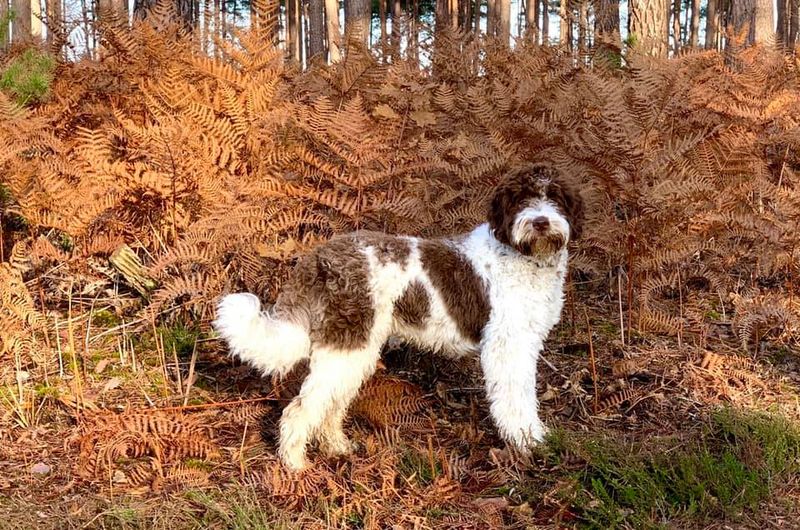
Truffle hunting made this Italian breed famous, but water came first. The Lagotto originally retrieved birds from the marshes of Romagna before the wetlands were drained.
When the marshes disappeared, the dogs moved to sniffing out truffles, a job they still do today. Many Lagotti keep that old love of water anyway.
Their woolly curls are low-shedding but need trimming. Be ready for a dog that also enjoys digging, a leftover from all that truffle work.
Curly-Coated Retriever
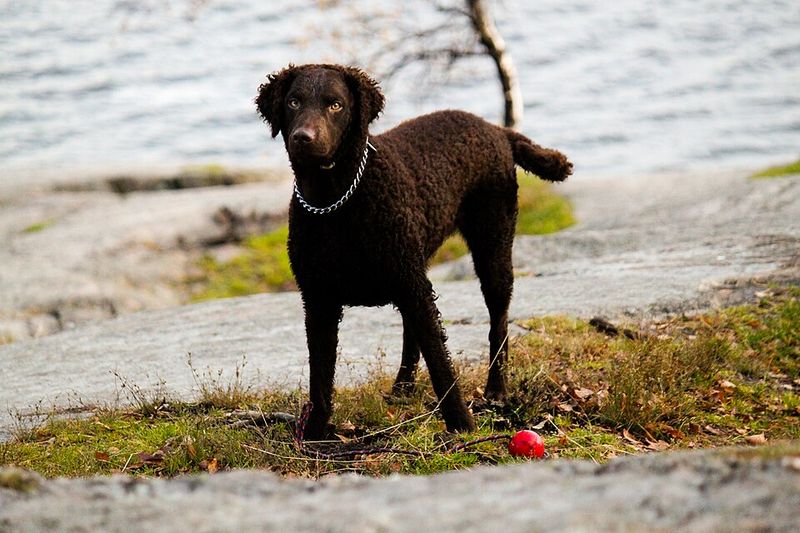
Ask most people to name a retriever and this one rarely comes up. It is among the oldest retriever breeds from England, valued by hunters for work in rough water and thick cover.
The tight curls shed water and help shield the skin from brambles. Grooming is simpler than it looks, since brushing can frizz the coat.
Curlies mature slowly and can stay puppyish for a few years. Dock jumping and retrieving games make excellent outlets for that long adolescence.
Boykin Spaniel
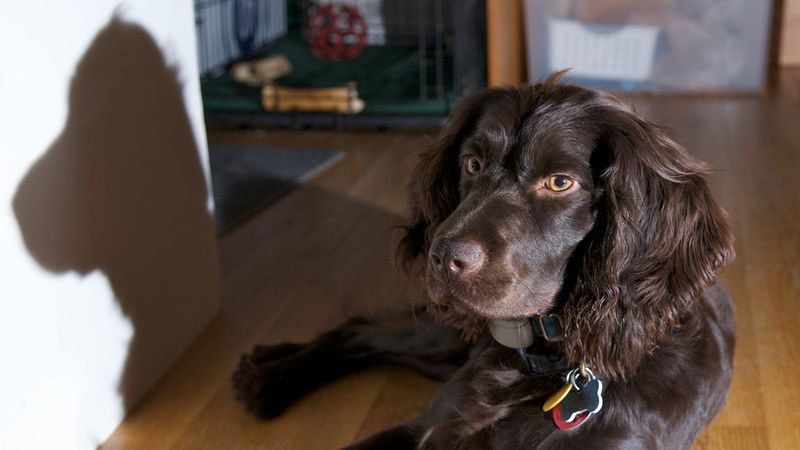
South Carolina hunters needed a dog small enough to ride in a narrow boat without tipping it over. The Boykin Spaniel was the answer, and it is now the official state dog of South Carolina.
Compact and usually under 40 pounds, Boykins retrieve ducks and turkeys and tend to plunge into rivers eagerly.
Their size makes them easier to lift into a kayak or car after a swim. They still need daily exercise, so a calm lifestyle may not suit them.
American Water Spaniel
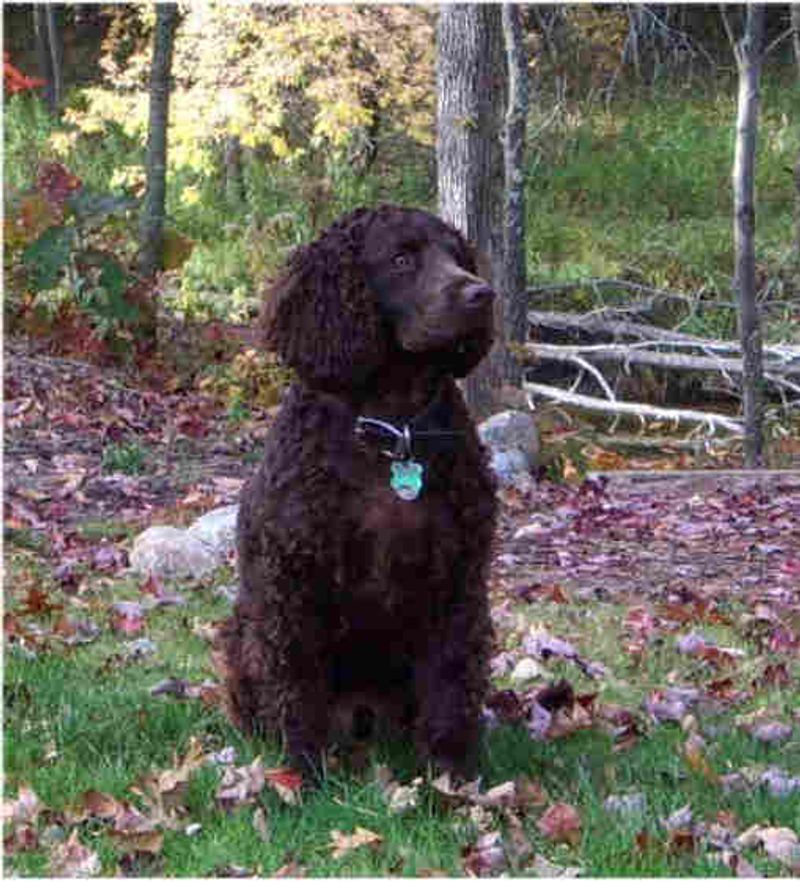
Wisconsin claims this rare breed as its state dog. Developed near the Great Lakes, the American Water Spaniel was built to retrieve from boats and swim in cold northern water.
Its waterproof wavy coat and moderate size made it practical for hunters who needed a versatile dog.
Few people have seen one in person, so meeting a breeder may take some searching. Owners often describe a dog that bonds closely with its household.
Standard Poodle
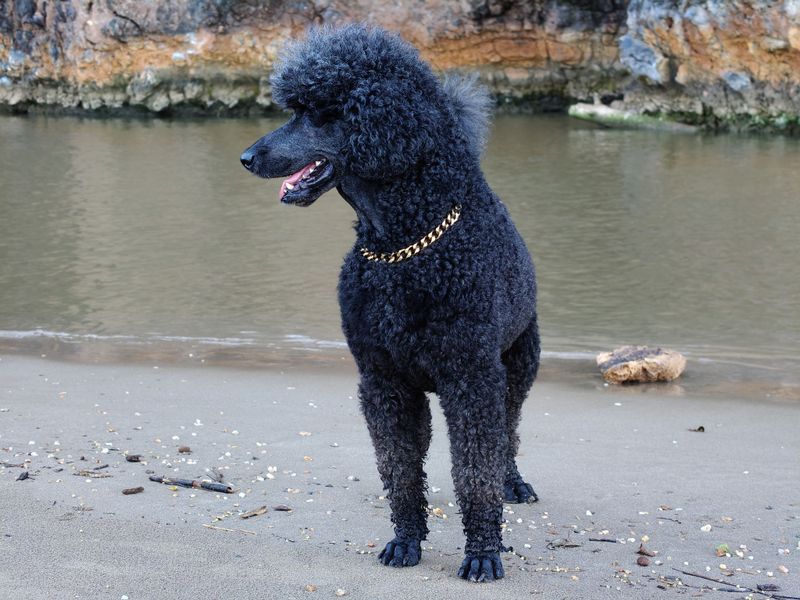
Fancy show haircuts hide the truth: Poodles were water retrievers. The name likely comes from the German word pudel, linked to splashing in water.
Even the famous show clip had a practical origin, leaving hair to protect joints and chest while reducing drag. Many Standard Poodles still adore retrieving from lakes.
A short sport clip makes summer swims much easier. Rinse after swimming to keep the coat comfortable.
Flat-Coated Retriever
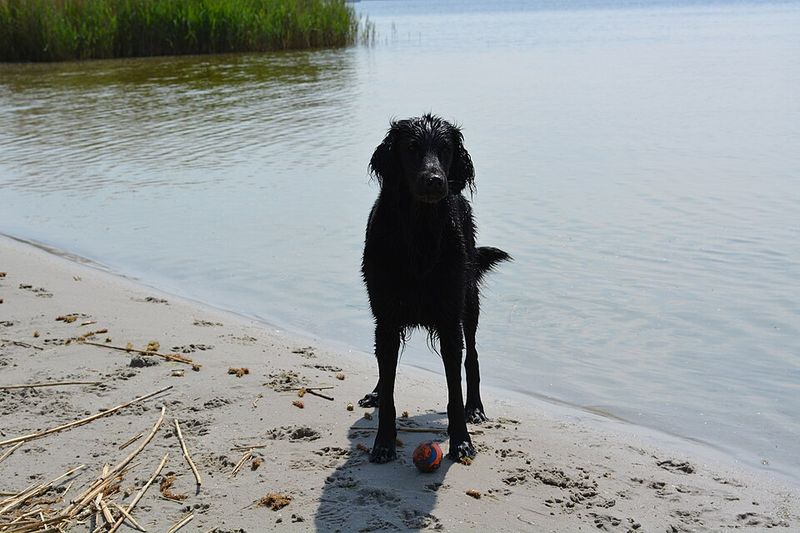
Nicknamed the Peter Pan of retrievers, the Flat-Coat often keeps a youthful attitude well into adulthood. That cheerful outlook pairs nicely with a strong urge to fetch from water.
Developed in Britain for shore and upland hunting, the breed has a sleek, dense coat that dries reasonably quickly.
Flat-Coats generally prefer company and activity. Life jackets and rinse-offs are smart additions to lake days.