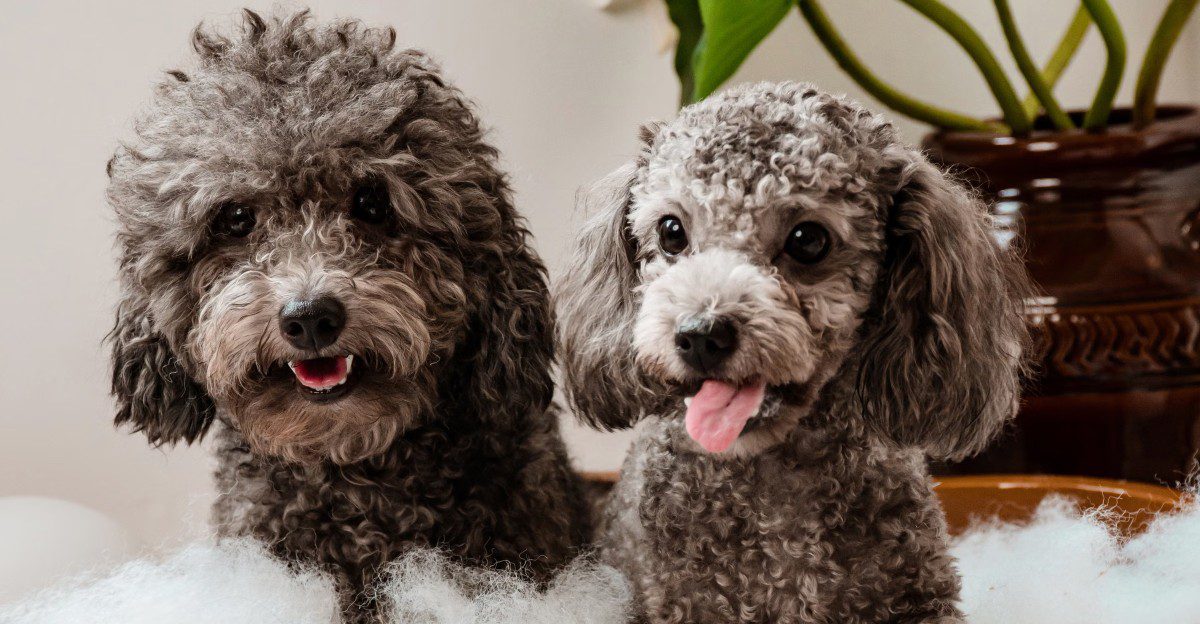
The moment the water starts running, some dogs vanish under the bed and refuse to come out. For many owners, bath time turns into a wrestling match that leaves everyone soaked, stressed, and dreading the next one.
The good news is that most bath hatred has clear causes, like slippery floors, loud noises, or water that feels wrong, and small changes can fix a surprising amount of it. Here are nine practical adjustments that can turn grooming day from a battle into something your dog calmly tolerates, or even enjoys.
Give Paws Something to Grip
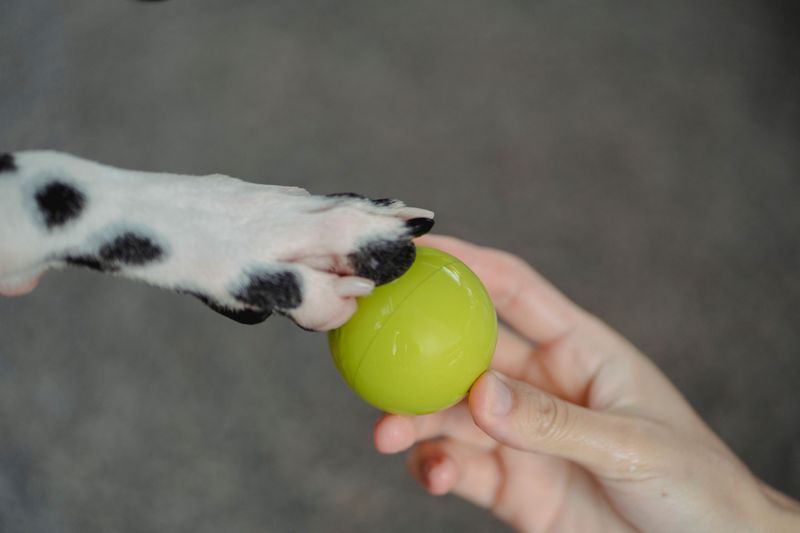
Slick porcelain is a big reason many dogs panic in the tub. When their feet slide, they feel unsteady, and a dog that feels unsteady often tries to escape.
A rubber bath mat or even an old towel on the tub floor gives paws real traction. Many dogs relax noticeably once they can stand firmly instead of scrambling.
Check the floor outside the tub too. A dog that slips while jumping out may remember that moment more than anything else about the bath, so a rug or towel there helps finish the experience on solid footing.
Check the Water Temperature
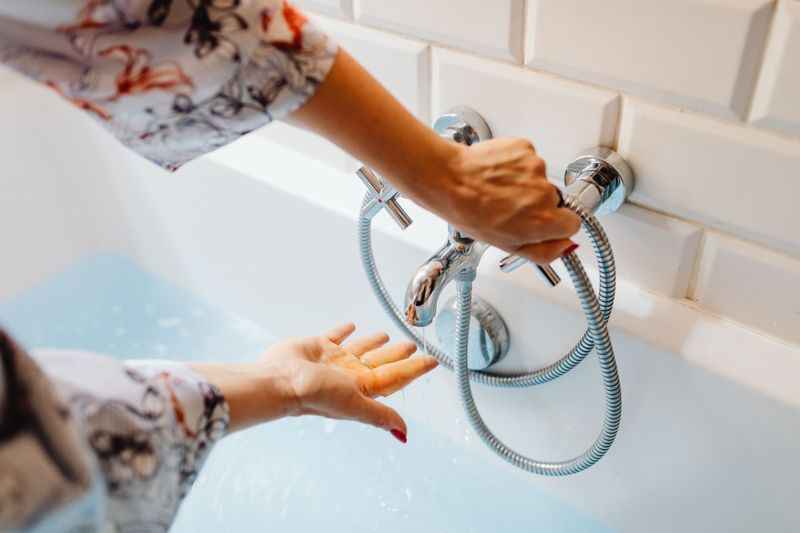
Water that feels pleasant to us can feel too hot for a dog. Dogs regulate heat differently than people, and a hot bath can make them uncomfortable fast.
Aim for lukewarm, roughly the temperature you would use for a baby. Test it on the inside of your wrist rather than your fingertips, which tend to tolerate more heat.
Cold water is no better. A sudden chilly blast can startle a dog and teach it that the tub is unpredictable, so let the water settle before it touches fur.
Swap the Spray for a Gentle Pour
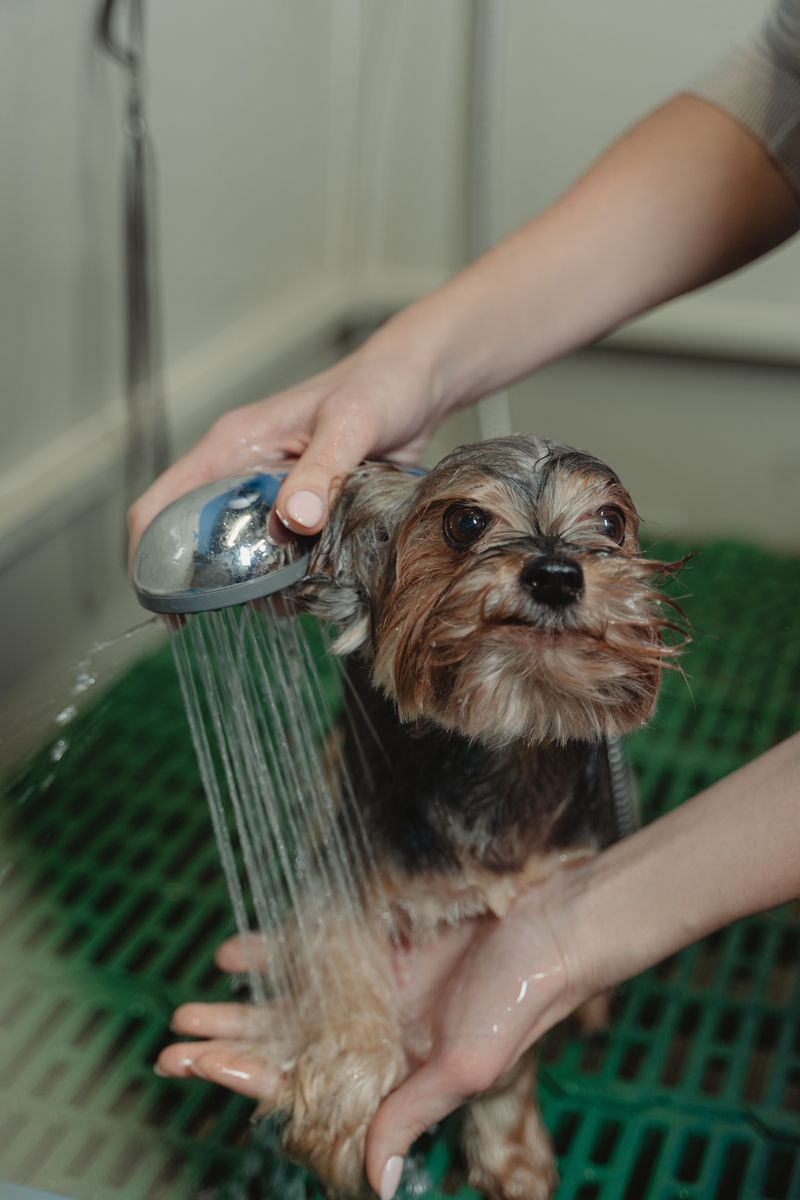
Picture a loud, hissing nozzle aimed at your body by a creature ten times your size. For a lot of dogs, the sprayer itself is the scary part, not the water.
Try pouring water from a cup or pitcher instead, or switch the sprayer to its softest setting and keep it close to the coat. Less noise and less pressure often mean less wiggling.
Keep water away from the face and ears entirely. Wipe the head with a damp washcloth, which avoids water in the ears and the startle reflex that comes with a splash to the eyes.
Practice Without Any Water
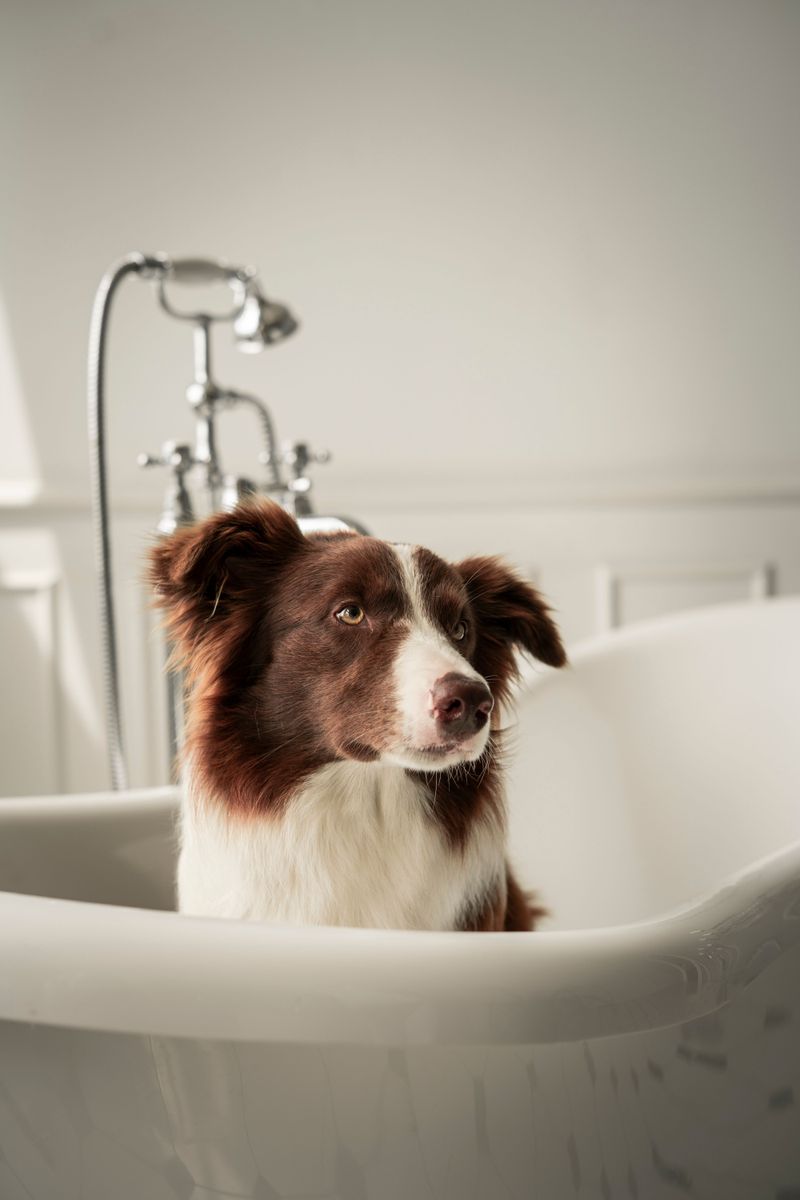
Here is a trick that sounds almost too simple. Put your dog in the empty, dry tub, hand over a few treats, and then let it hop out.
That is the whole session.
Repeated over several days, these short visits help the tub become a place where good things happen. Trainers call this counterconditioning, which means pairing something unpleasant with something the dog loves until the feeling shifts.
Once your dog walks in willingly, add a trickle of water at the feet. Build up slowly, and stop each session before your dog gets worried.
Bring Out a Lick Mat
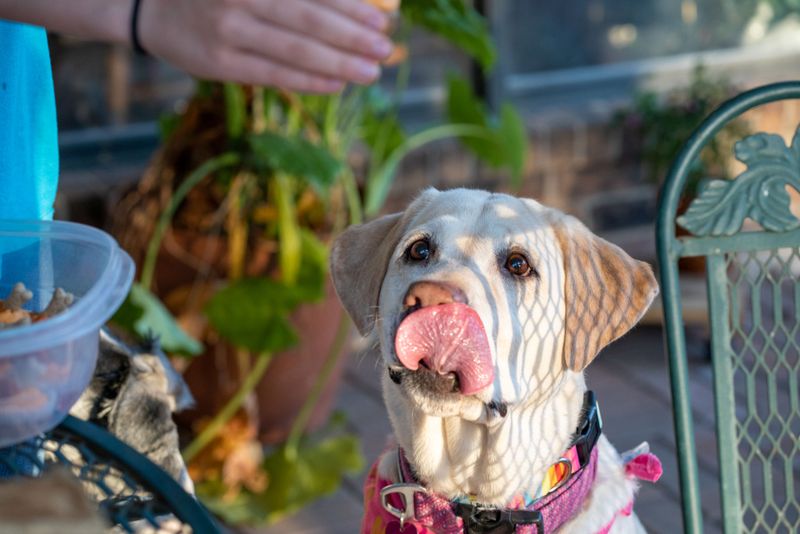
A busy tongue tends to mean a calmer dog. Licking is a self-soothing behavior for many dogs, and it keeps their attention away from the shampoo.
Suction-cup lick mats stick right to the tub wall. Spread a thin layer of dog-safe peanut butter without xylitol, plain yogurt, or canned pumpkin, and let your dog work on it while you wash.
Save the mat only for bath time. When it appears exclusively during grooming, it starts to signal that something tasty is about to happen.
Choose a Mild Dog Shampoo
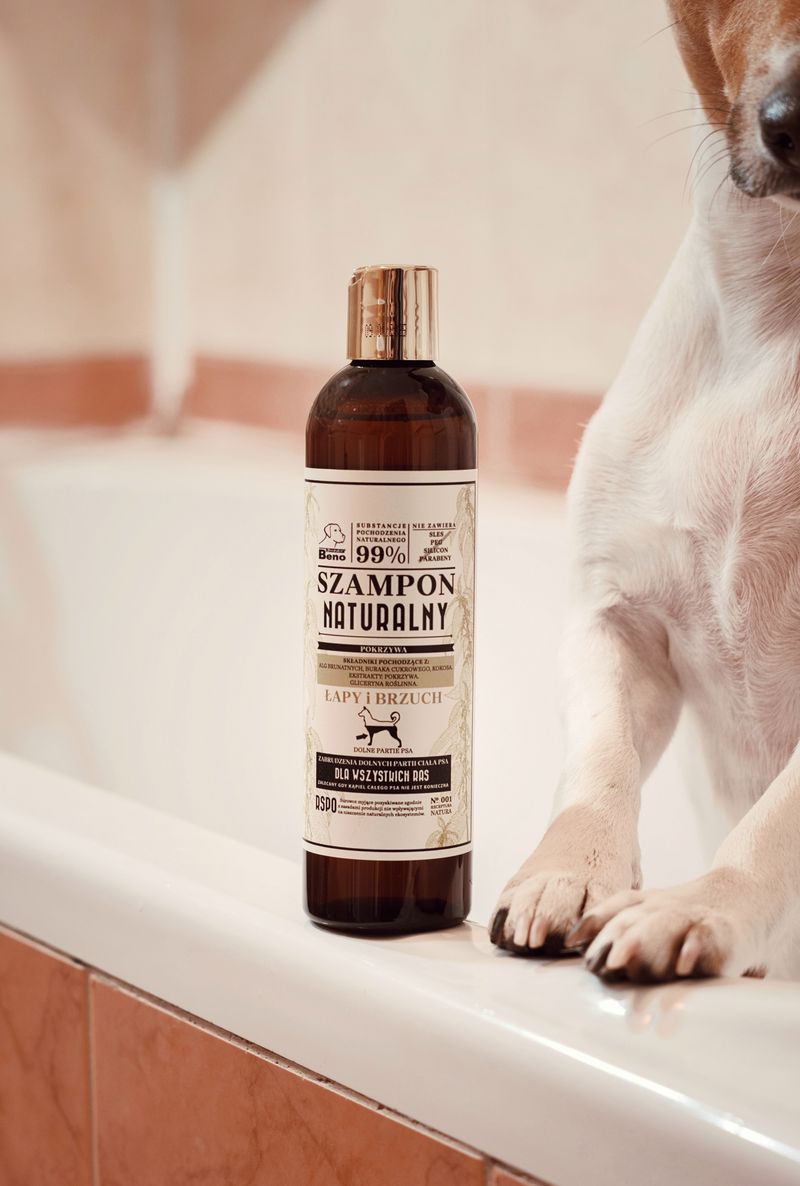
Human shampoo might seem fine, but dog skin has a different pH than ours. Products made for people can leave a dog’s skin dry, itchy, and more irritable during the next bath.
A mild shampoo formulated for dogs, often with oatmeal or a fragrance-free base, is kinder to the coat. Strong scents can also bother a dog’s sensitive nose, so lightly scented or unscented options are often a better pick.
Rinse thoroughly. Leftover soap is a common cause of post-bath scratching, and if itching continues, a vet visit can rule out skin issues.
Keep Sessions Short
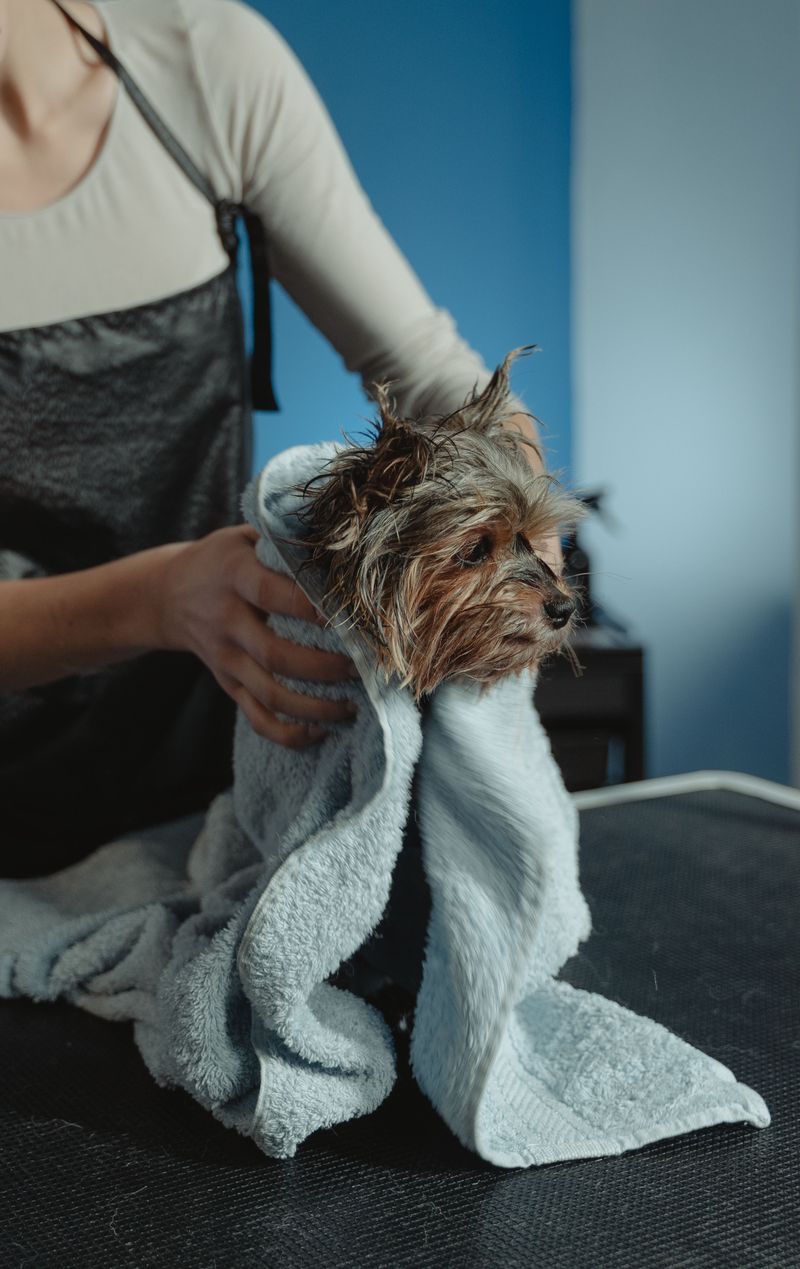
Long baths test anyone’s patience, especially a nervous dog’s. Gather everything first, including shampoo, towels, treats, and a cup, so you never leave your dog waiting while you hunt for supplies.
Work efficiently from neck to tail, then rinse. A quick, predictable routine is easier for a dog to tolerate than a drawn-out spa day.
For dogs that are truly overwhelmed, split the job. Wash the back half today and the front half tomorrow, or use a damp cloth for spot cleaning between full baths.
Rethink the Blow Dryer
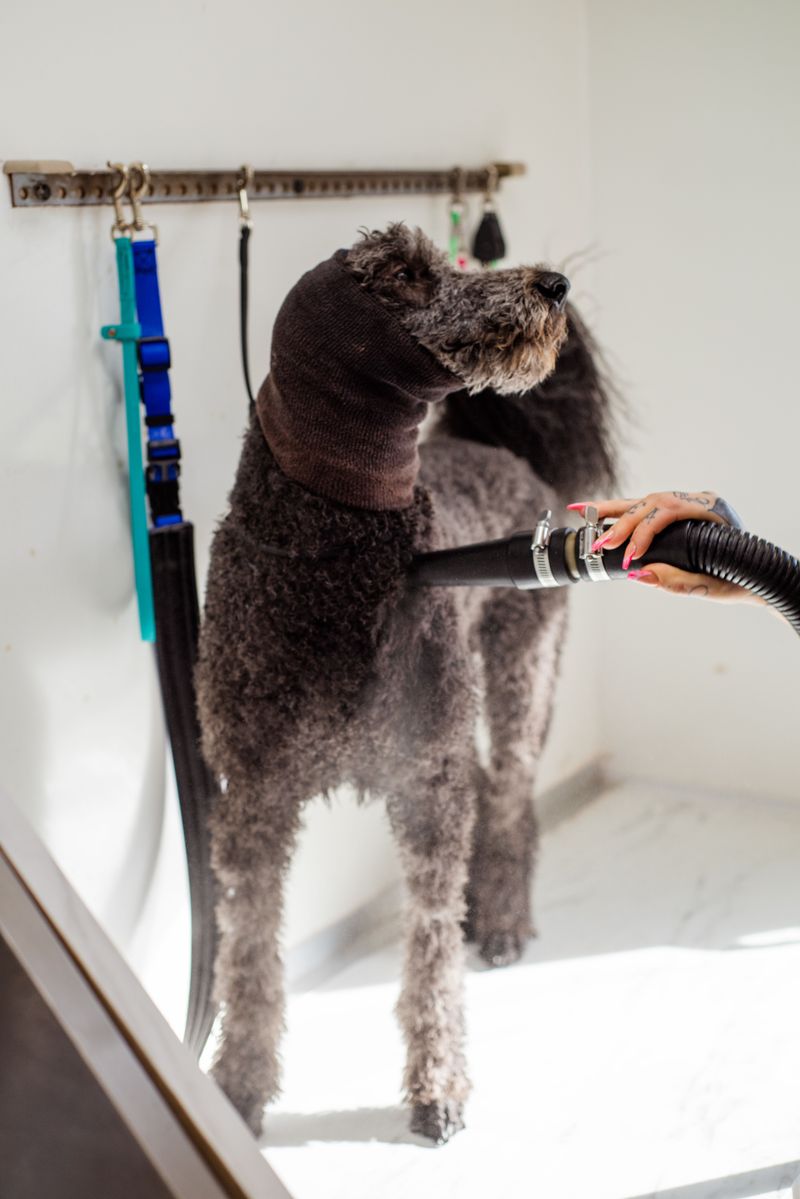
Plenty of dogs tolerate the bath just fine and then lose it at the hair dryer. The roar and the hot air blowing on their face can be a lot.
Absorbent microfiber towels remove a surprising amount of water on their own. Pat and squeeze instead of rubbing hard, which can tangle longer coats.
If you need a dryer, use a cool or low setting and introduce it from across the room first. Thick double-coated breeds may need thorough drying, and a professional groomer’s high-velocity dryer can help with those.
End With Something Great
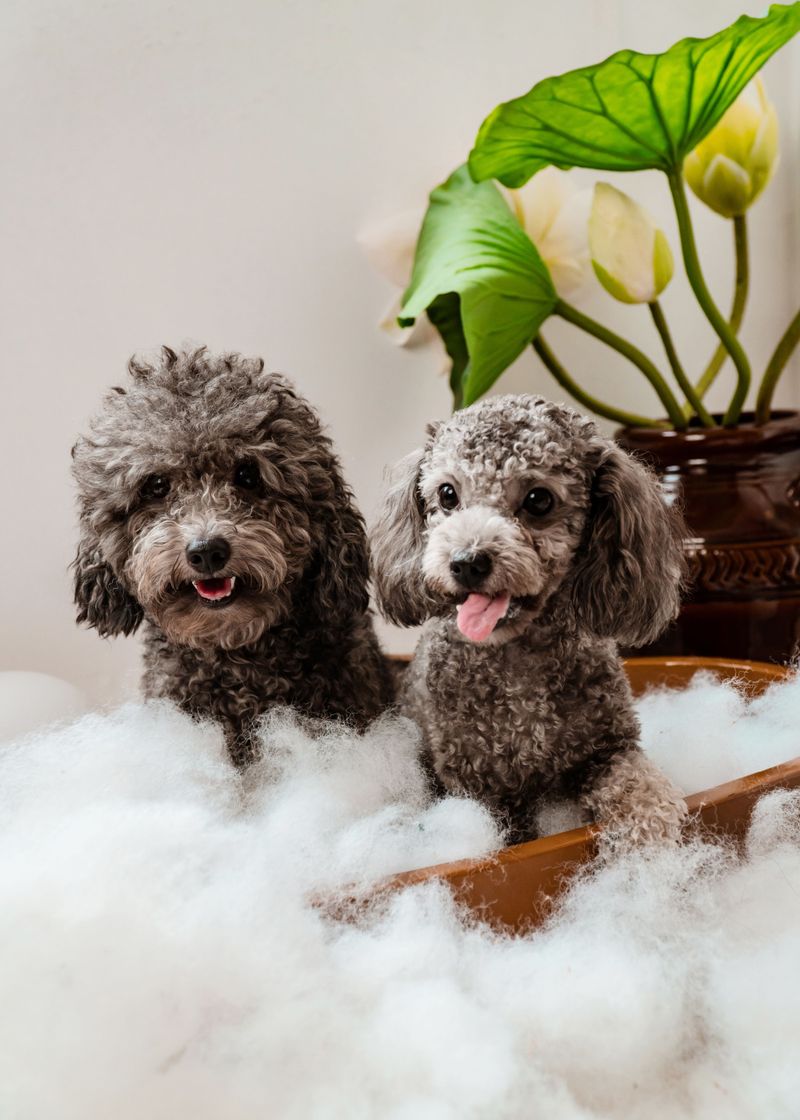
Final impressions matter. Whatever happens right after the bath can shape how your dog feels about the next one.
Follow up with a favorite game, a special chew, or a short walk. Many dogs also get the zoomies after a bath, which is normal energy release, so give them a safe space to run it off.
Stay calm and upbeat the whole way through. Dogs often pick up on tension, and an owner who treats bath time as no big deal helps the dog do the same.