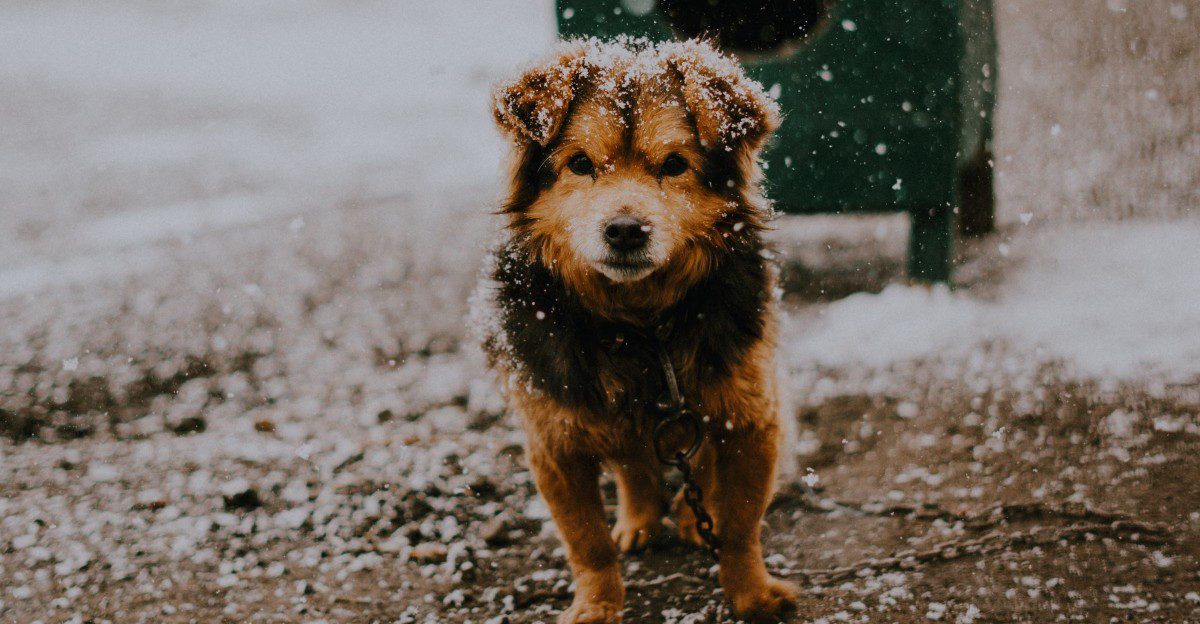
Your dog walks through rock salt, frozen slush, and dry heated air all winter long, and the paw pads take most of the hit. Those tough little pads can dry out, split, and even bleed when cold weather drags on.
The good news is that small daily habits make a big difference. Here are nine simple ones that help keep your dog’s feet soft, strong, and ready for every snowy walk.
Wipe paws after every walk
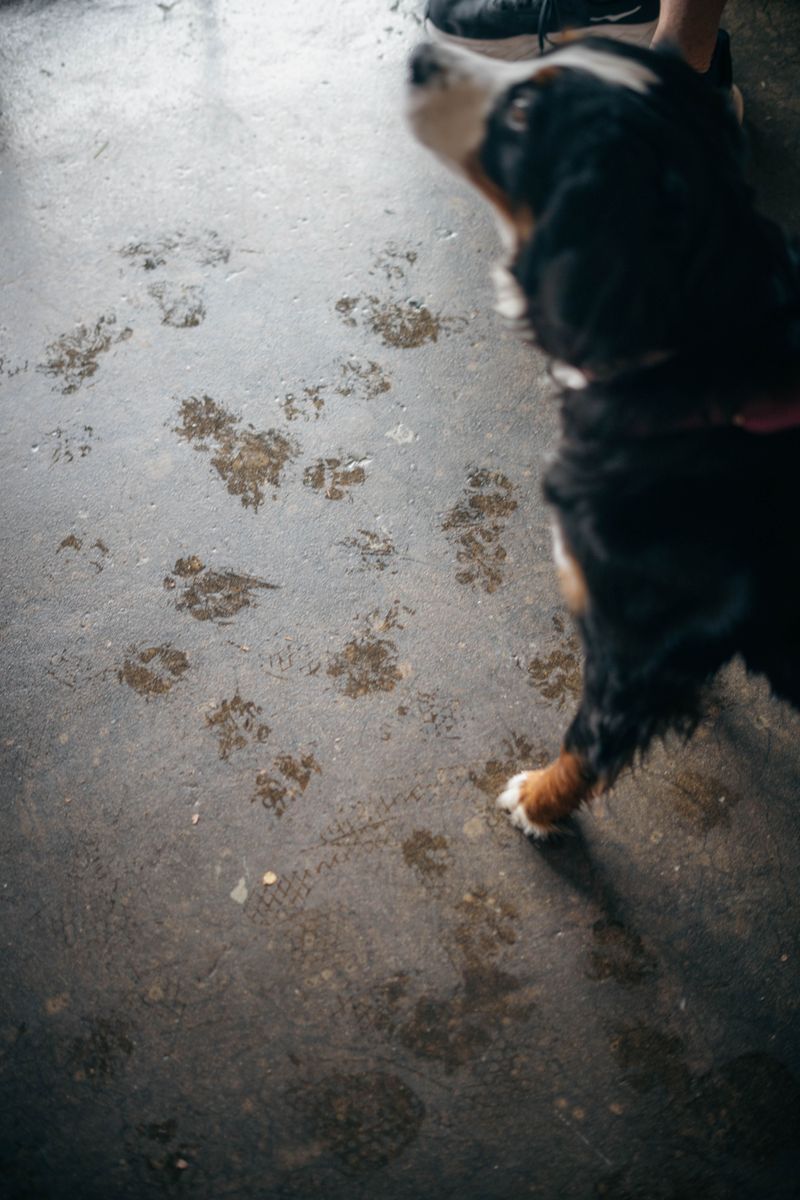
Sidewalk salt is the quiet troublemaker of winter walks. Many de-icers contain sodium chloride or calcium chloride, which can dry out and irritate paw pads, and dogs often lick their feet once they get home.
A quick wipe with a damp cloth or a rinse in a shallow bowl of lukewarm water removes most of that residue. Pay attention to the spaces between the toes, where grit likes to hide.
Keep a towel by the door so the habit sticks. Pat the feet dry afterward, since leftover moisture in cold air can add to chapping.
Use a paw balm before heading out
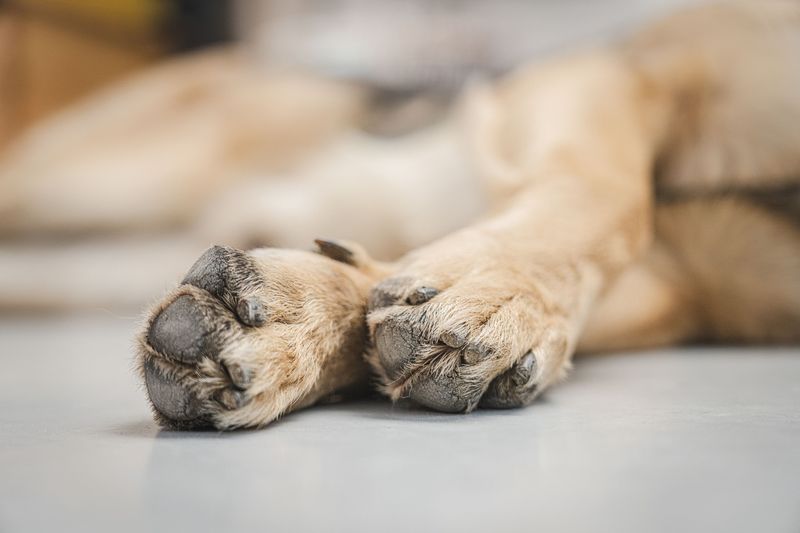
Think of paw balm as a thin raincoat for the pads. Wax-based products create a light barrier that helps keep salt, ice, and moisture from soaking into the skin.
Apply a small amount right before a walk and rub it in well so it does not end up smeared across your floors. Products made specifically for dogs are the safer pick, because pups tend to lick whatever lands on their feet.
Balm works best as prevention. It will not replace boots on very harsh days, but for routine neighborhood strolls it can noticeably cut down on dryness.
Trim the fur between the toes
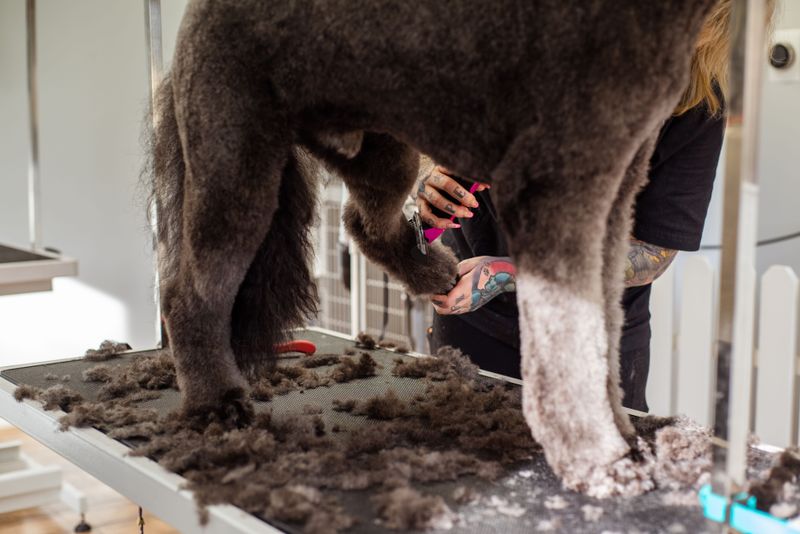
Ever notice little ice balls stuck to your dog’s feet after a romp in the snow? Long fur between the pads collects snow, which clumps and freezes into hard pellets that pull on the skin.
Breeds with feathery feet, like Shih Tzus, Cocker Spaniels, and many doodle-type coats, are especially prone to this. Keeping that hair trimmed level with the pads reduces snowballing and makes it easier to clean salt off.
Use blunt-tipped scissors or a small trimmer and go slowly. If your dog is wiggly, a groomer can handle it in a few minutes.
Try dog boots on harsh days
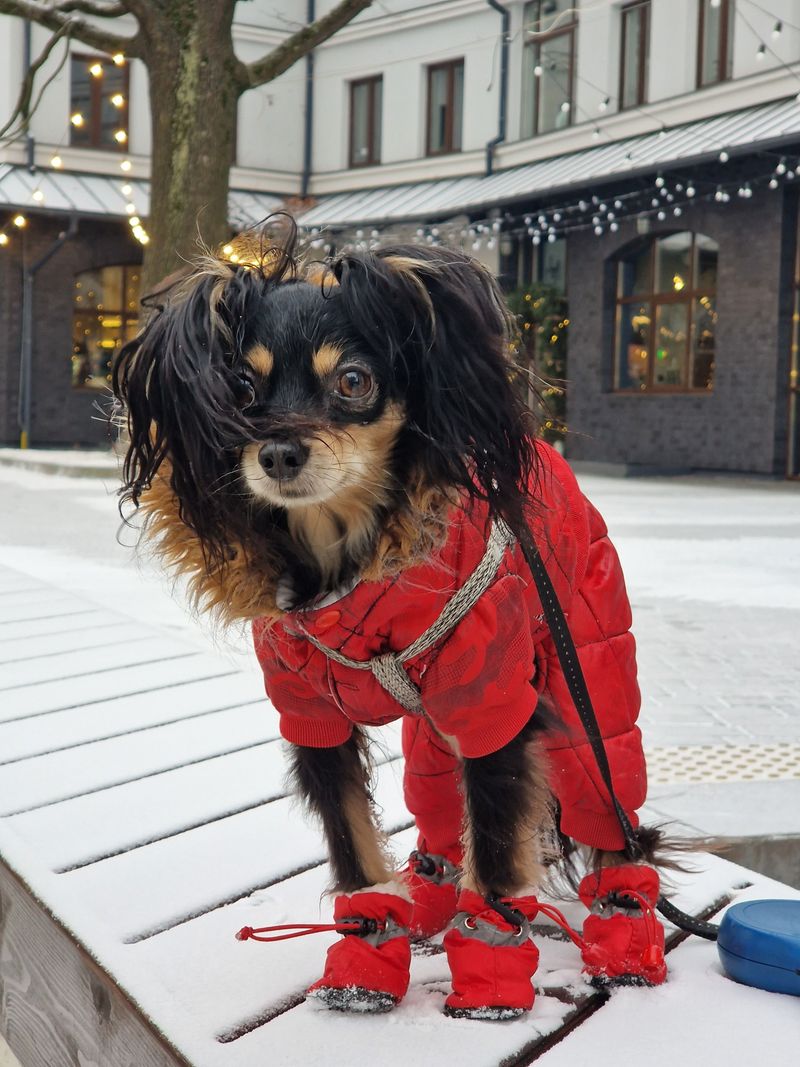
Boots look silly for about five minutes, then they start looking smart. They block salt, sharp ice, and freezing pavement completely, which no balm can promise.
Most dogs do the famous high-step march the first time. Short indoor sessions with treats help them get used to the feel before you ask for a full walk.
Look for a snug fit with rubber soles and secure straps. A boot that slides around can rub sores, which defeats the whole purpose.
Choose pet-safe ice melt at home
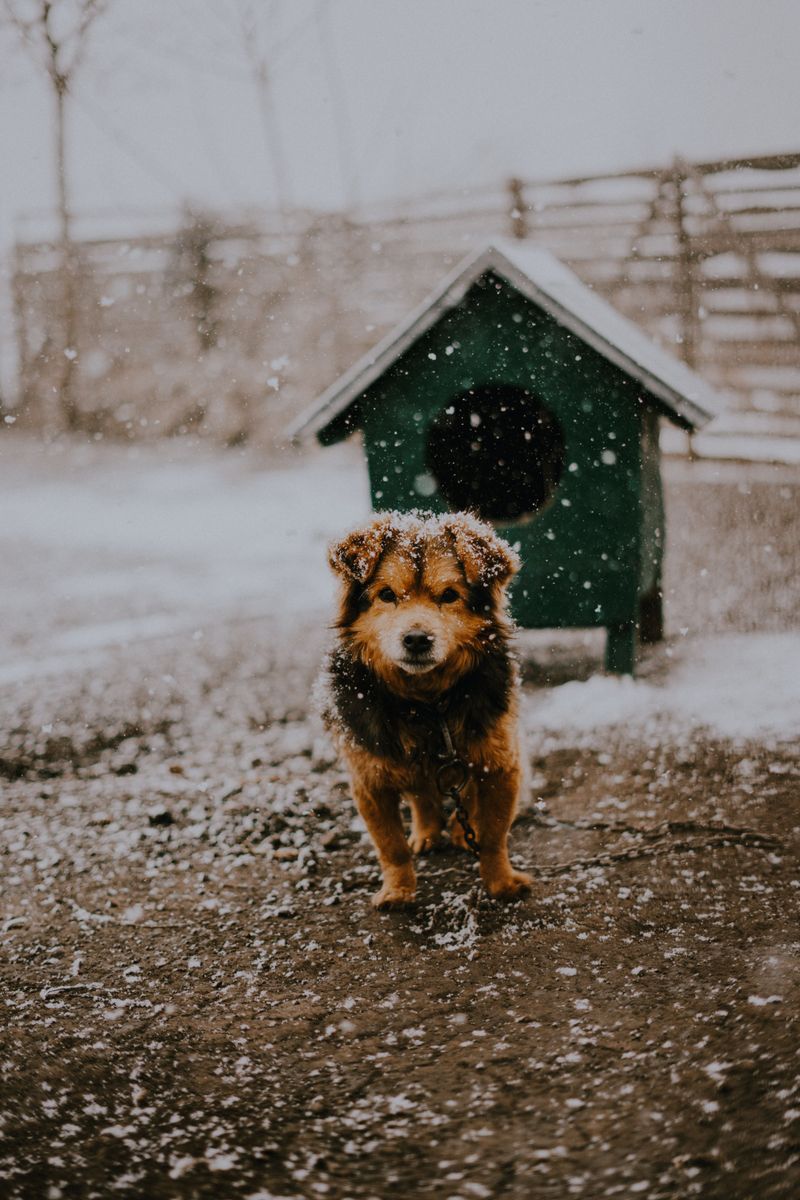
You cannot control the city sidewalk, but your own steps and driveway are fair game. Ice melts labeled pet-friendly often use ingredients considered gentler on paws than traditional rock salt.
Even these products are not something you want your dog eating, so use only what you need. Sand or nonclumping kitty litter can add traction without chemicals.
It is a small swap that protects the stretch of ground your dog walks most often.
Do a quick weekly paw check
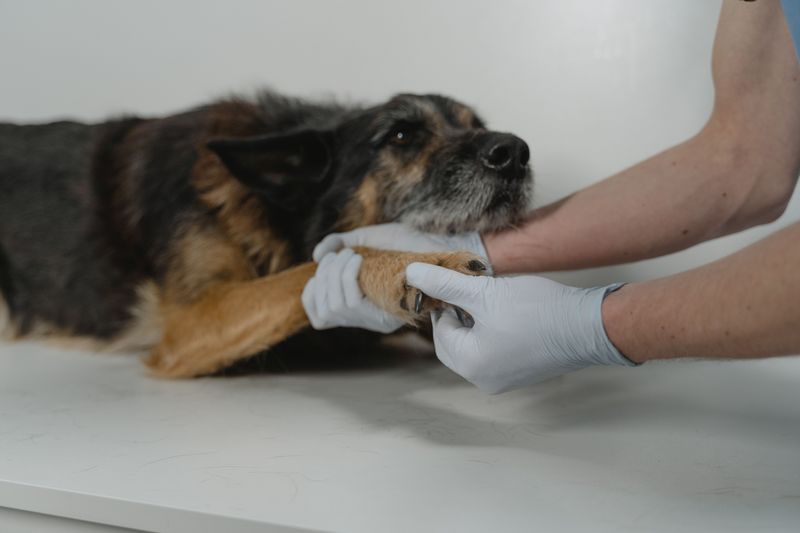
Cracks rarely show up overnight. They start as rough, dry patches that are easy to miss unless you actually look.
Once a week, spread the toes and check the pads for redness, splits, swelling, or anything stuck. Watch for limping or extra licking, too, since those are common hints that something hurts.
Deep cracks, bleeding, or signs of infection deserve a call to your veterinarian. Catching problems early usually means simpler care.
Bonus: dogs who get regular paw handling tend to tolerate nail trims much better.
Keep nails at a healthy length
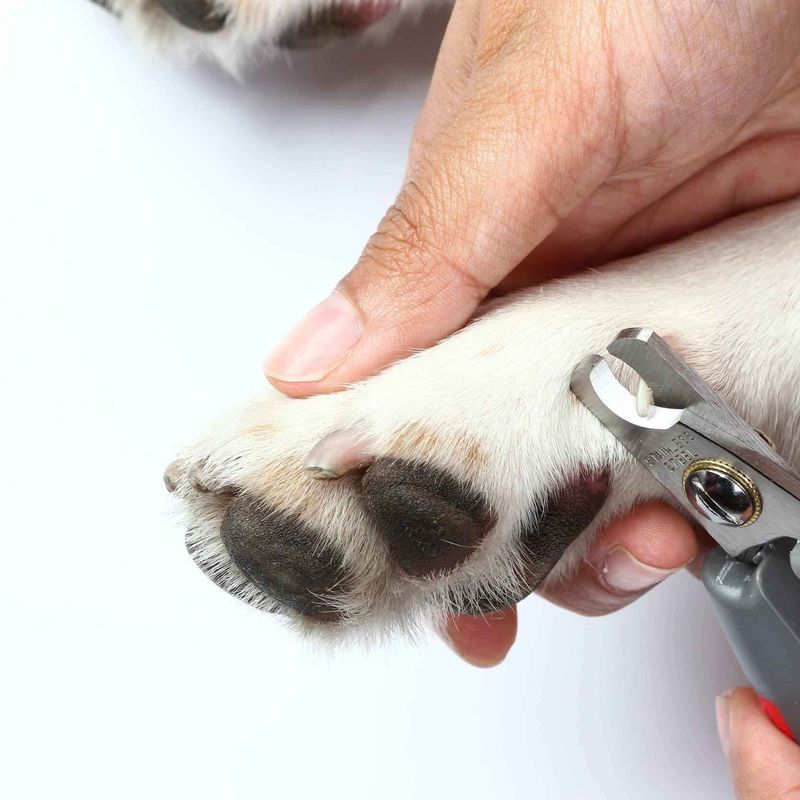
Long nails change the way a dog stands. Instead of landing squarely on the pads, the foot can splay, which spreads the toes and lets ice and salt pack in.
Winter makes this worse because dogs often walk less on rough pavement that naturally files nails down. If you hear clicking on hard floors, it is probably time for a trim.
Trim small bits at a time to avoid the quick, the sensitive center of the nail. A grinder works well for nervous dogs.
Fight dry indoor air
Paws dry out indoors, too. Forced-air heating pulls moisture from the air, and that can leave skin, including pads, feeling rough and tight.
A humidifier in the room where your dog sleeps adds some moisture back. Keeping beds away from heaters and fireplaces also helps.
Fresh water should always be easy to reach, since a well-hydrated dog has a better shot at healthy skin all over.
Feed for healthy skin
Strong pads start from the inside. A complete, balanced diet supplies the fats and nutrients skin needs to stay supple.
Omega-3 fatty acids, often from fish oil, are commonly used to support skin and coat health. Ask your vet before adding supplements, since dosing depends on your dog’s size and diet.
Nutrition will not undo a salty sidewalk, but paired with the other habits, it gives paws a sturdier foundation for the cold months.