
You fill the bowl, clip on the leash, and give plenty of hugs, yet your dog still seems restless, bored, or even a little destructive. Some breeds were built for jobs like herding sheep, pulling sleds, or guarding farms, and a daily stroll just does not cover their needs.
When those needs go unmet, problems like chewing, barking, and escaping often follow. Here are the breeds that need more than the basics, plus simple ways to help them thrive.
Siberian Husky
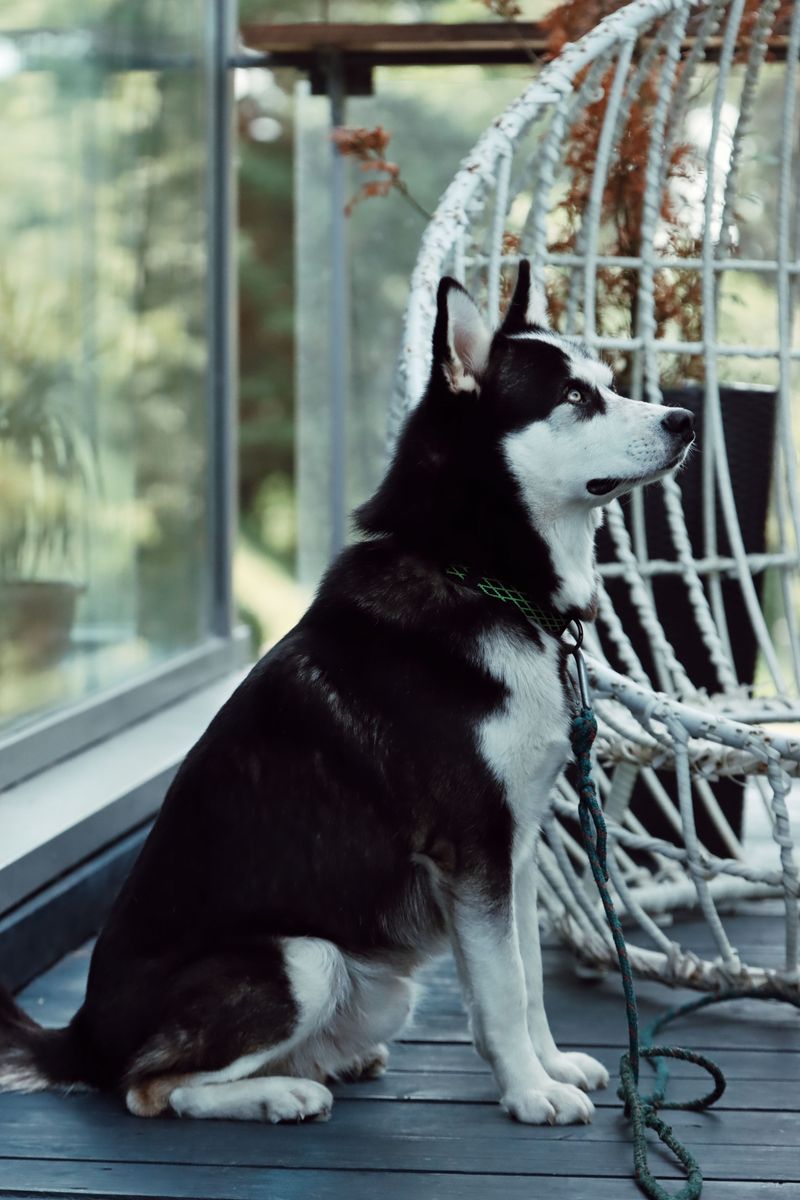
Bred to pull sleds across frozen Siberia for hours, a Husky can treat a thirty-minute walk like a warm-up. Many owners discover holes in the yard or a dog howling at the door.
Escape is a favorite hobby, too. Huskies can dig under or jump over fences with surprising skill.
Try canicross, bikejoring, or long hikes in cool weather. A secure yard and puzzle feeders also help burn off that endless sled-dog fuel.
Border Collie
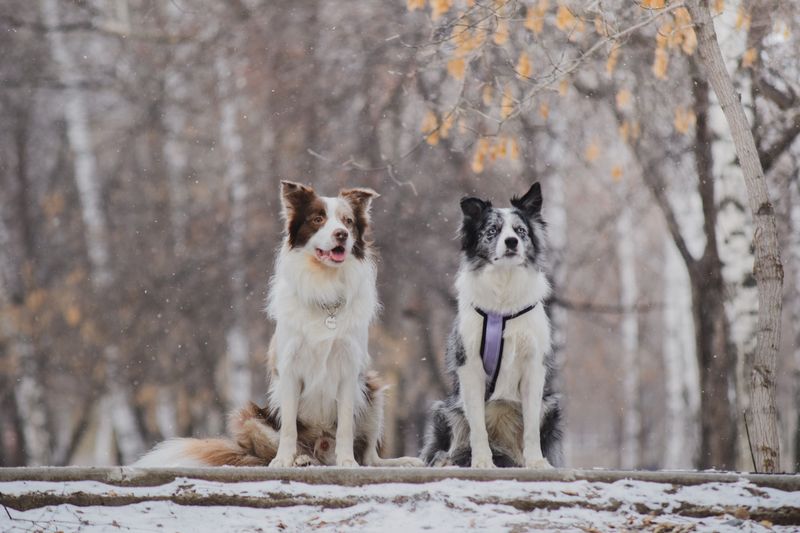
Picture a genius stuck in a room with nothing to read. That is a Border Collie without a job, and it often ends with shredded pillows or circling the kids like sheep.
Physical exercise matters, but their brains need even more work.
Teach new tricks weekly, try agility or herding classes, and hide treats around the house. Ten minutes of focused training can tire them out more than an hour of fetch.
Jack Russell Terrier
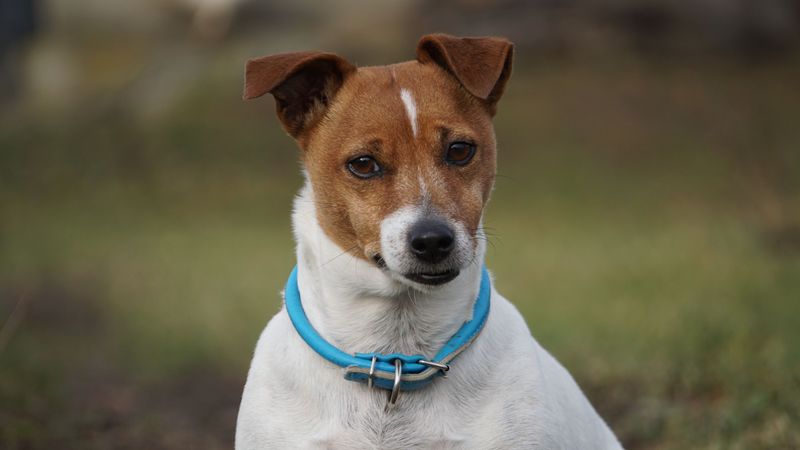
Small body, huge engine. Jack Russells were bred to chase foxes underground, and that fiery spirit does not shrink just because they fit on your lap.
Bored terriers dig, bark at everything, and chase cats with zero shame. Some can leap five feet straight up!
Give them a digging box, flirt pole games, and earthdog or barn hunt activities. Short, lively training sessions keep that wild little mind happily busy.
German Shorthaired Pointer
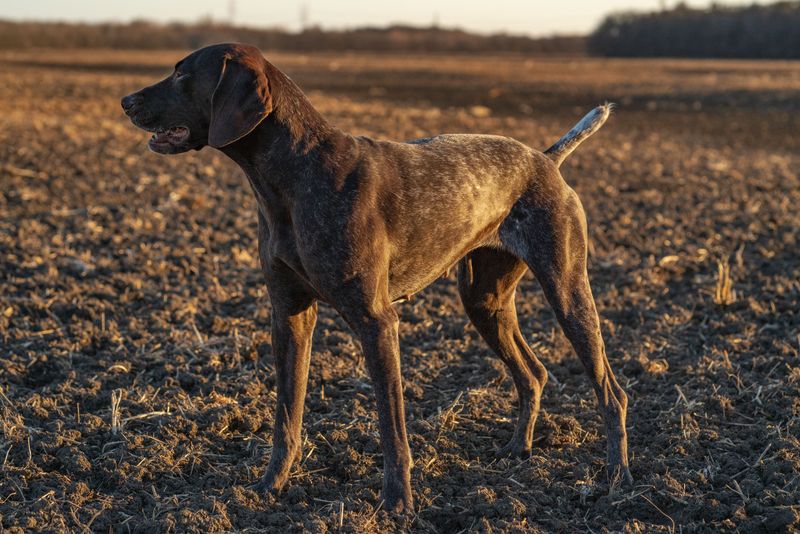
Ask any GSP owner about their dog’s energy, and you will probably hear a tired laugh. These hunting athletes were made to cover miles of field in a single day.
Without enough running, they get clingy, noisy, and destructive. A fenced area for off-leash sprints works wonders.
Swimming, scent games, and retrieving drills tap into their natural hunting skills. A good run before work can mean a calmer evening at home.
Belgian Malinois
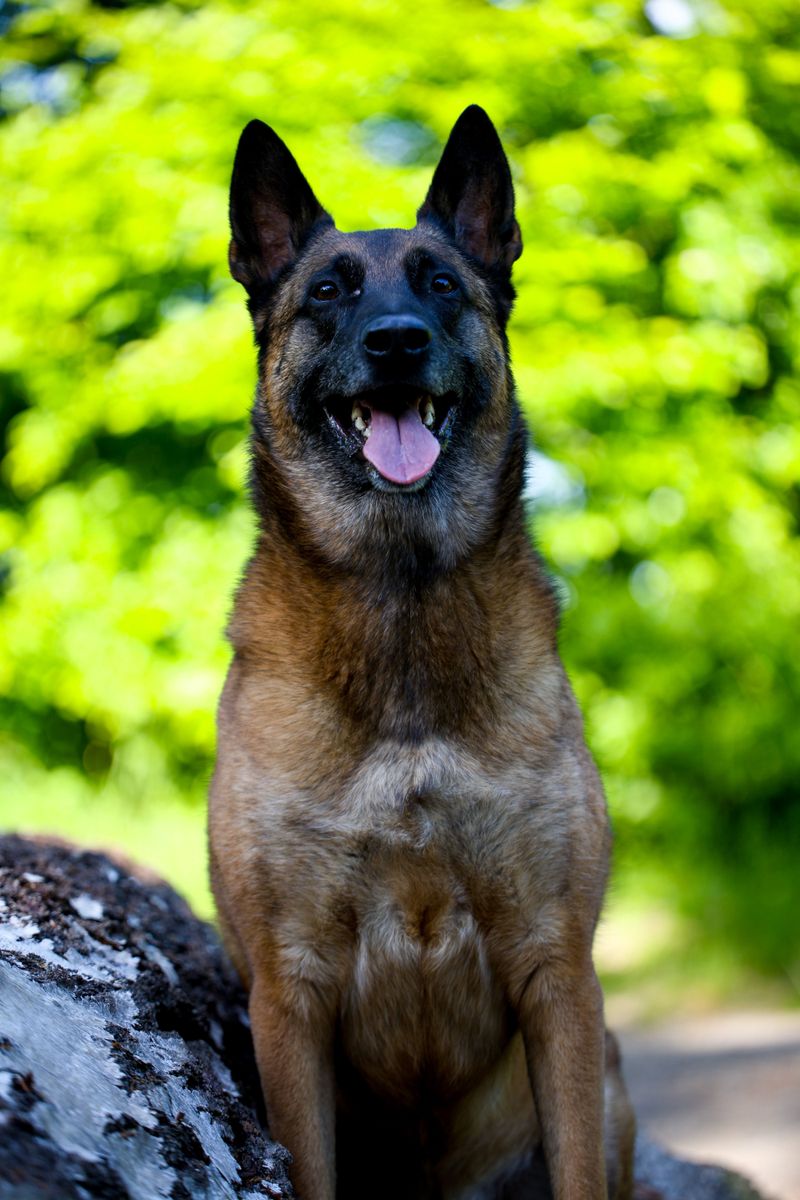
Police and military teams pick the Malinois for a reason. Drive, speed, and focus come packed into one intense dog that rarely shuts off.
In a regular family home, that intensity can turn into nipping, spinning, or guarding behavior. Honestly, this breed is not for beginners.
Structured training every day is a must. Sports like protection work, tracking, or advanced obedience give a Malinois the purpose it craves.
Australian Cattle Dog
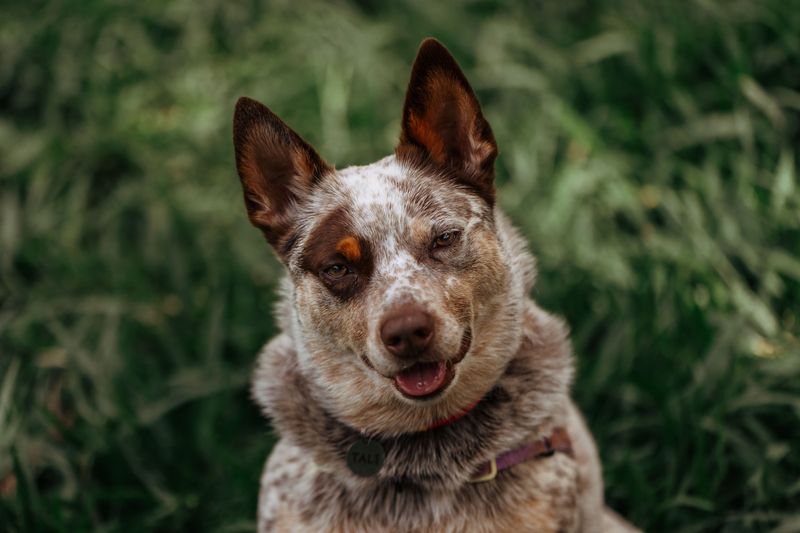
Fun fact: an Australian Cattle Dog named Bluey lived to nearly 30 years old, a world record. Toughness runs deep in this breed.
Heelers were made to nip at stubborn cattle all day. At home, that may mean nipping ankles of running children.
Channel the urge with herding balls, rally obedience, and long trail runs. Firm, fair rules help this loyal worker feel secure and settled.
Beagle
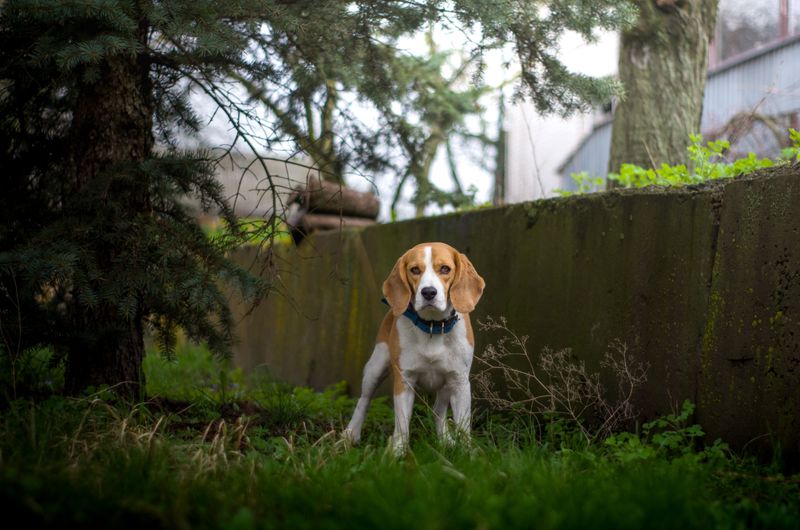
A Beagle’s nose has around 220 million scent receptors. So when yours ignores you on walks, it is not being rude, it is reading the neighborhood news.
Bored Beagles howl, raid trash cans, and wander off following smells.
Let them sniff! Slow sniffing walks, snuffle mats, and scent work classes satisfy that powerful nose.
Keep food locked away, because these hounds are expert counter surfers.
Weimaraner
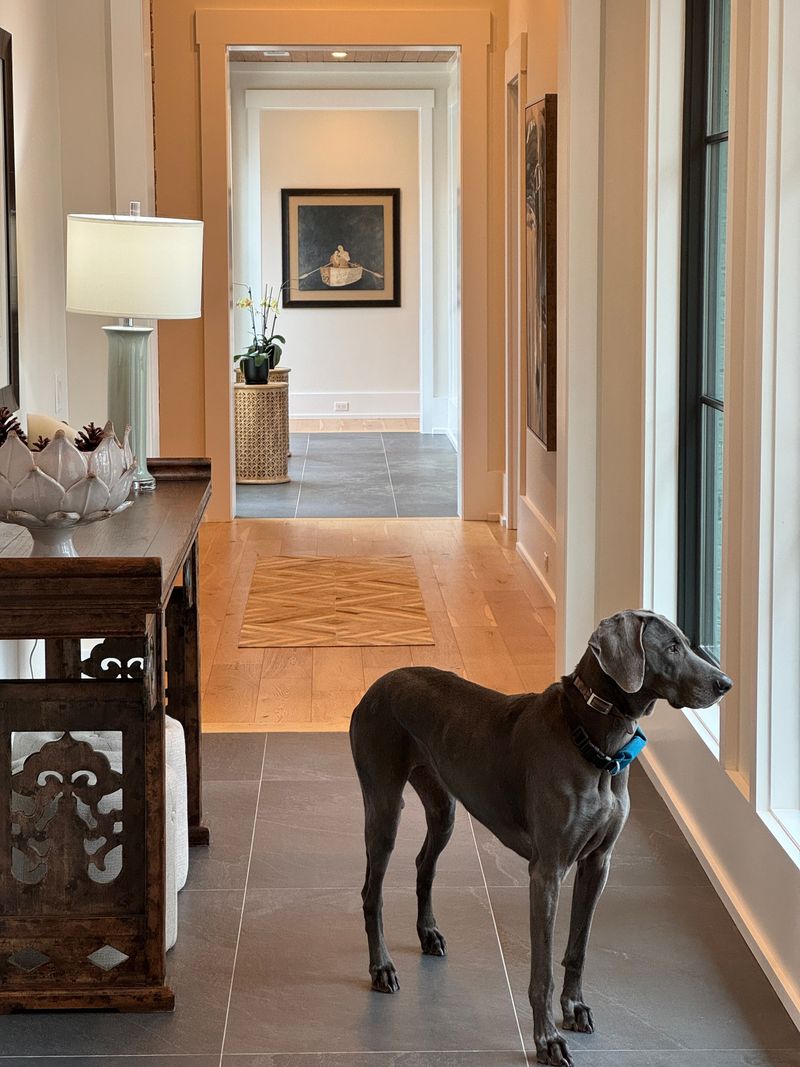
Nicknamed the Velcro dog, the sleek silver Weimaraner wants to be glued to your side. Leave one alone too long, and panic may set in.
Separation anxiety is common, leading to chewed doors and nonstop whining. Plenty of daily running helps calm their nerves.
Practice short absences, use crate training kindly, and offer frozen chew toys when you leave. Doggy daycare can be a lifesaver for busy owners.
Great Pyrenees
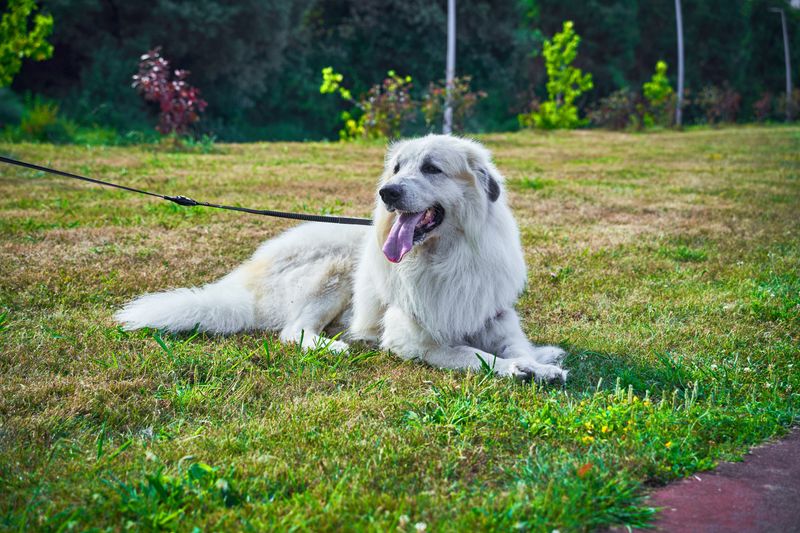
Here is a surprise: this giant fluffball is not a high-energy runner. Its struggle is about independence and night duty.
Pyrs were bred to guard flocks from wolves, often barking all night at anything suspicious. They also tend to ignore commands, deciding for themselves what matters.
Tall fencing, patient training, and a job like watching the yard help. Regular brushing keeps that thick coat healthy, especially during heavy shedding seasons.
Dalmatian
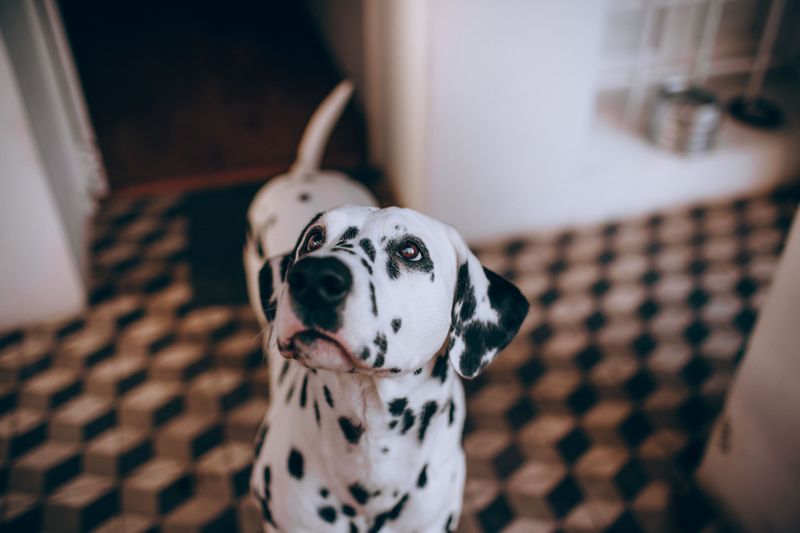
Long before fire trucks, Dalmatians trotted beside horse carriages for miles, guarding them from thieves. That stamina never went away.
Movies made them popular, but many families were shocked by how much running they need. Bored Dalmatians can become stubborn and pushy.
Jogging partners, long bike rides, and lots of socializing keep them steady. They are also prone to deafness and urinary stones, so regular vet checks and fresh water matter.
Cane Corso
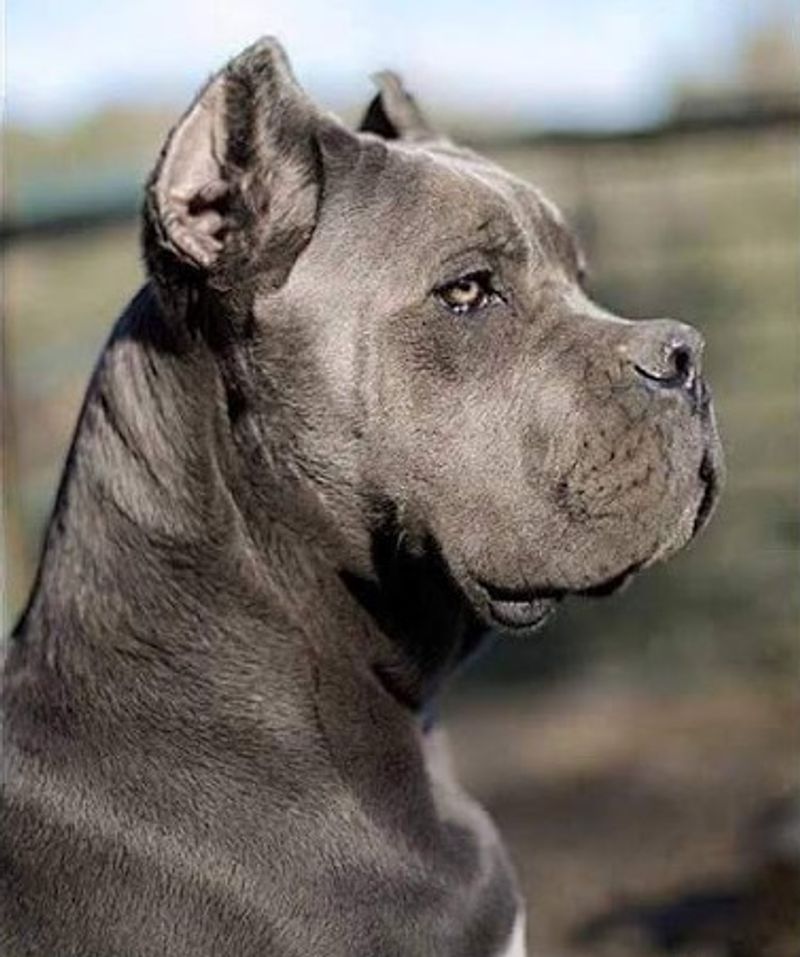
Descended from ancient Roman war dogs, the Cane Corso carries serious power and a natural guarding streak. Love alone will not shape that strength.
Without early socializing, these dogs may grow wary of strangers or other pets. A 110 pound dog with doubts is no joke.
Start puppy classes early, expose them to many people and places, and keep training consistent. Daily walks plus brain games keep this mighty guardian balanced.
Australian Shepherd
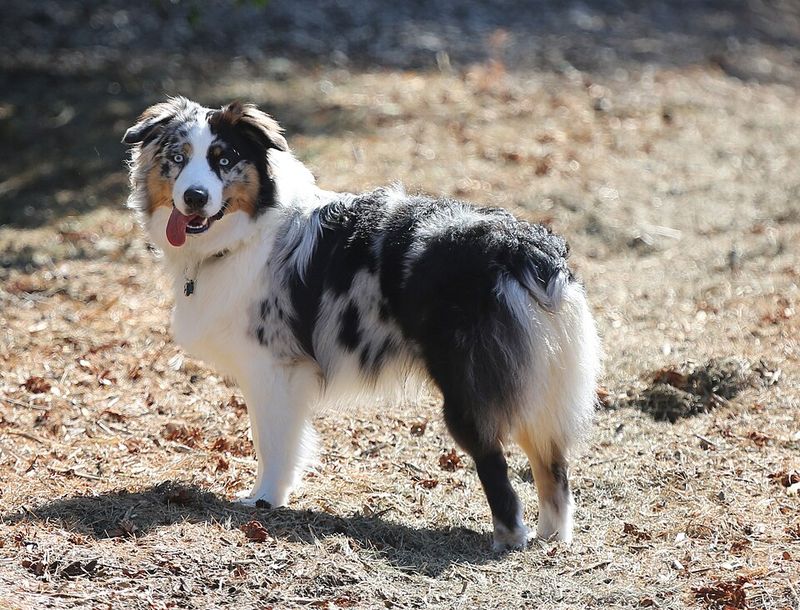
Despite the name, Aussies were actually developed on American ranches. Cowboys loved their smarts, speed, and stunning merle coats.
Those same traits can overwhelm a quiet household. Expect herding, barking, and pacing if they feel bored.
Frisbee, agility courses, and trick training are perfect outlets. Give your Aussie a daily task, even carrying a backpack on hikes, and watch that restless shepherd finally relax.
Alaskan Malamute
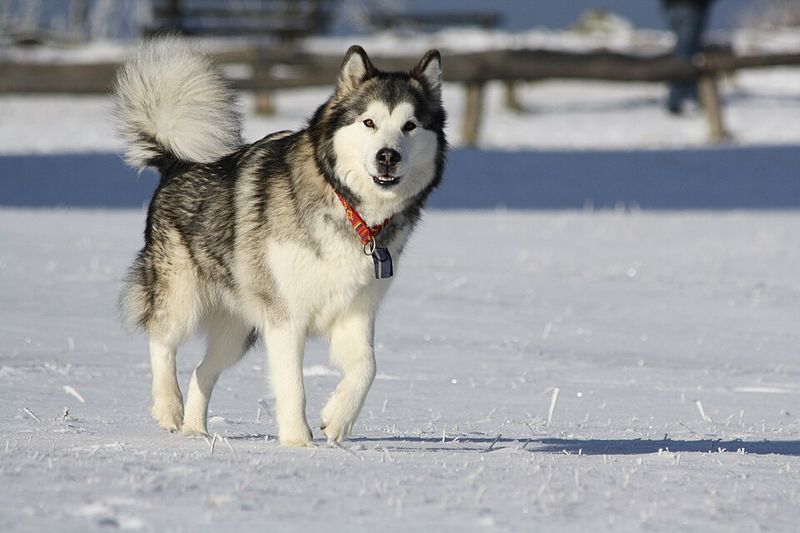
Think of the Malamute as the heavy-haul truck of sled dogs. Built to drag huge loads across the Arctic, it has strength to spare.
Hot weather and lack of work leave many Malamutes grumpy, vocal, and destructive. Their thick coat makes summer especially tough.
Try weight pulling, carting, or hiking with a dog pack during cool hours. Shade, cool floors, and brushing out that blown undercoat keep them comfortable.