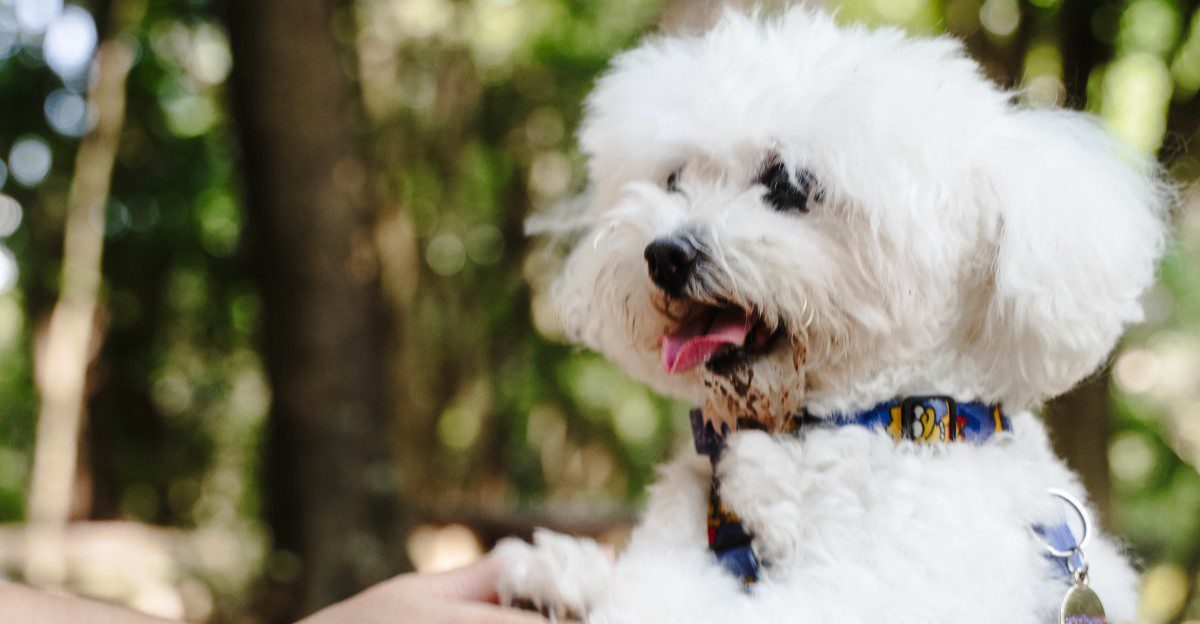
Some dogs greet every stranger like a long-lost friend, while others prefer to keep a polite distance. Picking a breed with the right social style can make life at home happier for you and your pet.
If you love company, a friendly dog can brighten your days and turn walks into mini parties. Below you will find ten outgoing breeds, plus three calmer, more private options for folks who like a quieter buddy.
Boxer: The Bouncy Clown
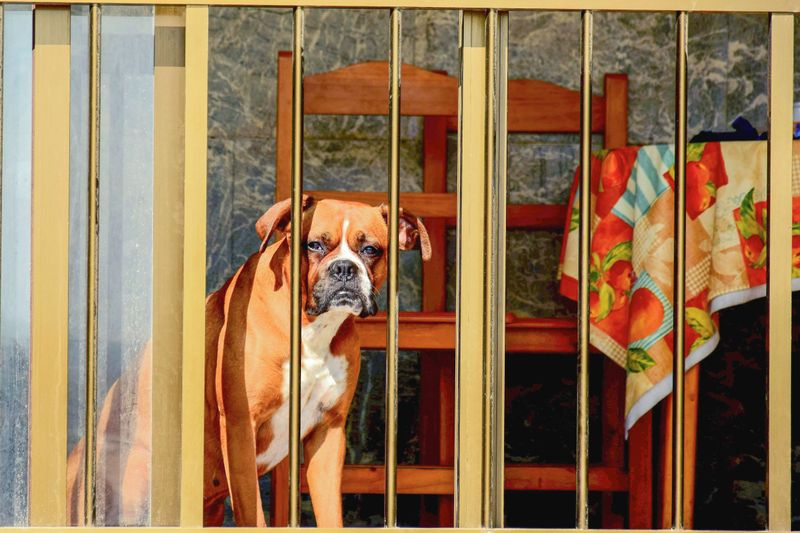
Picture a dog that wiggles its whole body when you walk through the door. Boxers do a happy move called the kidney bean, curling into a C shape out of pure joy.
Bred in Germany, these muscular pups stay goofy well into adulthood. They need plenty of exercise and short, upbeat training sessions.
Give a Boxer daily play and a sturdy chew toy, and you will have a loyal, laughing sidekick for years.
Irish Setter: Red-Coated Party Guest
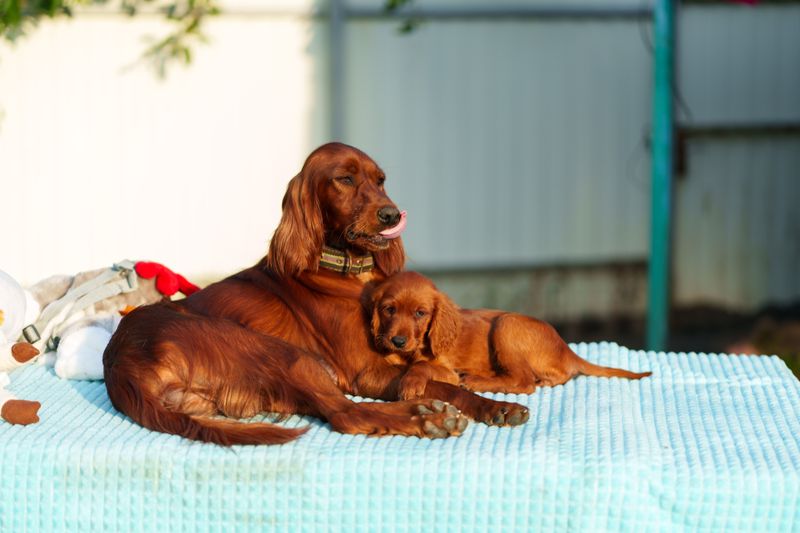
Did you know Irish Setters were once called the red spaniel? Their shiny mahogany coat turns heads at every park.
These cheerful dogs adore people and rarely meet anyone they dislike. That makes them poor guard dogs but wonderful buddies for active households.
Plan on long runs or fetch games every day. Regular brushing keeps that silky fur free of tangles, and it doubles as quality bonding time together.
Boston Terrier: The American Gentleman
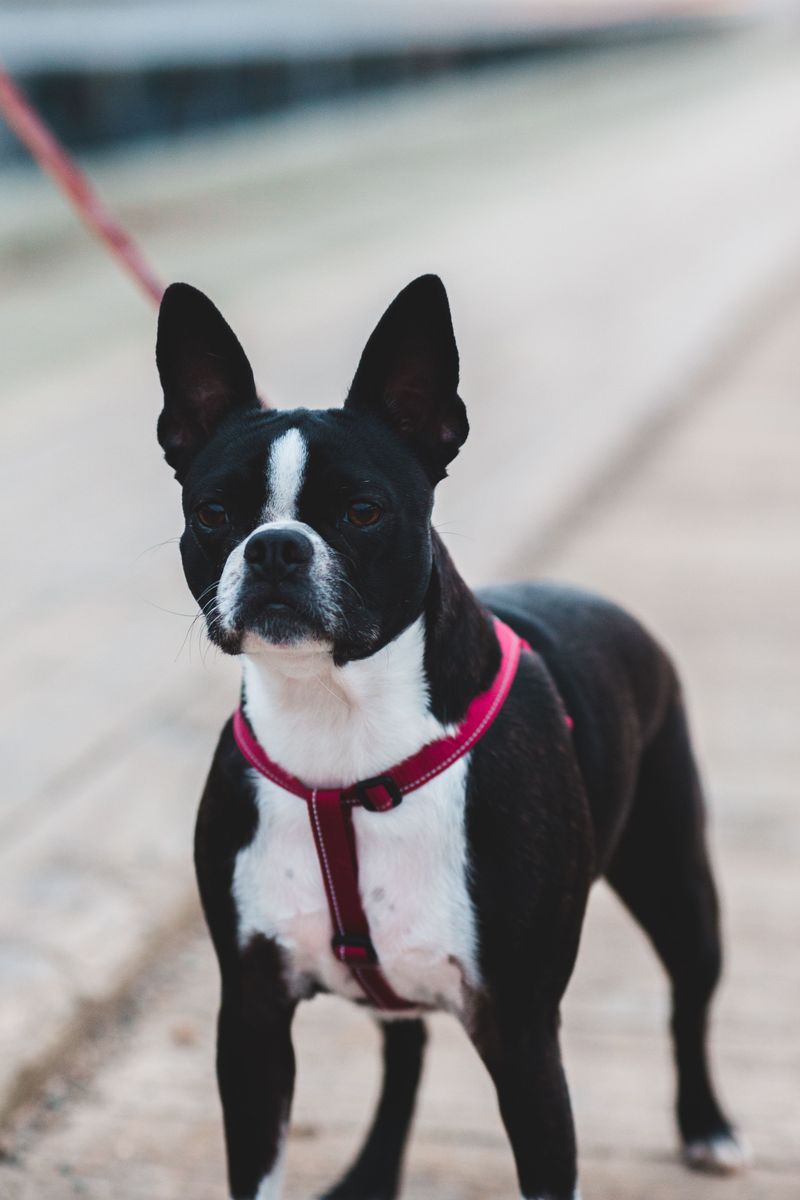
Dressed in a natural tuxedo coat, the Boston Terrier earned the nickname American Gentleman. Born in Massachusetts in the 1800s, this small dog fits nicely in apartments.
Bostons love being near their humans and often follow them from room to room. They get along with kids, seniors, and visitors alike.
Watch them in hot weather, since their short snouts make breathing harder. Short walks and indoor games keep them content.
Beagle: Nose-First Friend
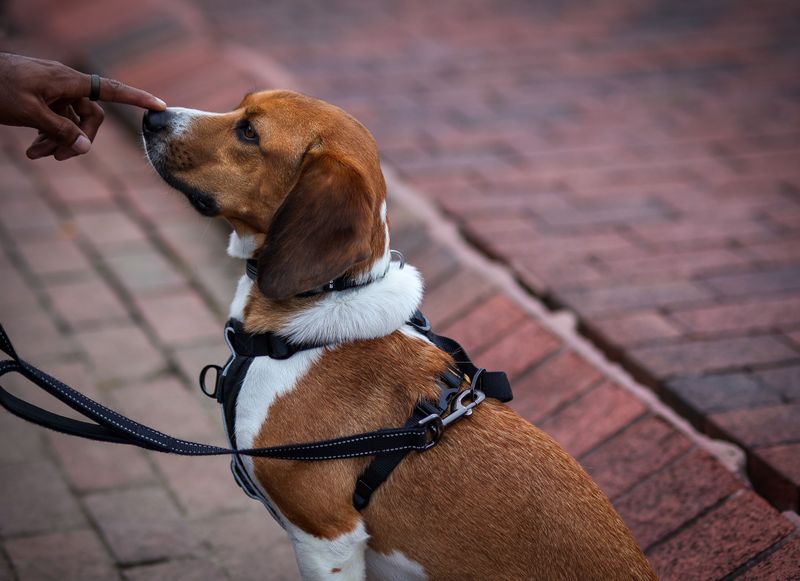
Here is a fun fact: a Beagle’s nose holds around 220 million scent sensors. That super sniffer makes them famous airport detection dogs.
Beagles were bred to hunt in packs, so they truly enjoy company, both human and canine. Being alone too long can lead to howling concerts.
Keep them on a leash outdoors, because one interesting smell can send them wandering. Puzzle feeders help burn off that curious energy.
English Springer Spaniel: Eager Adventure Buddy
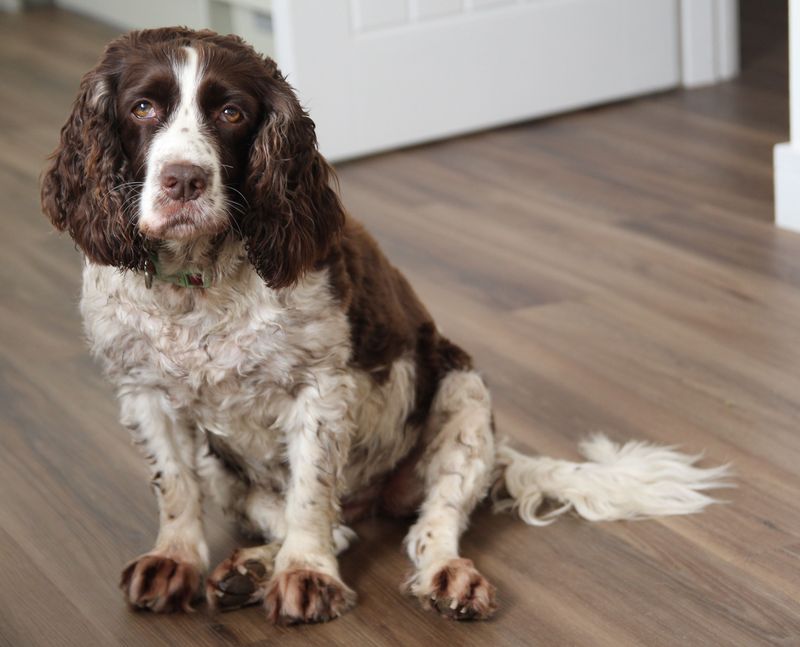
Springers got their name from springing birds out of bushes for hunters long ago. Today, that same spark makes them joyful hiking pals.
Warm and eager to please, they learn quickly and bond tightly with every family member. Many even work as therapy dogs.
Give them a job, like fetching or agility, and they will shine. Check their floppy ears weekly, since moisture can cause infections after swims.
Pug: Small Body, Huge Charm
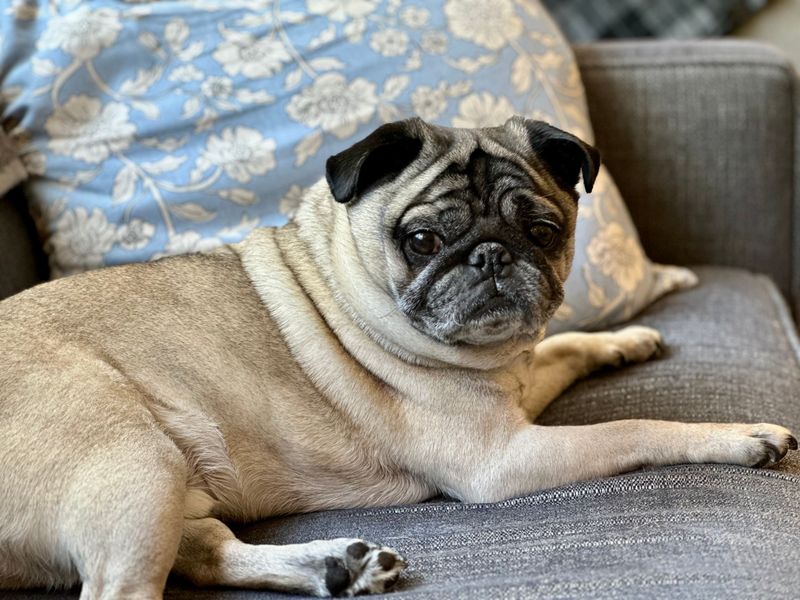
Chinese emperors once kept Pugs as treasured lap warmers, and honestly, not much has changed. These little comedians live to snuggle.
Pugs are happy to meet guests, children, and other pets. Their wrinkly faces and snorts bring giggles to any room.
Because they love food a bit too much, measure meals carefully. Clean their face folds often, and keep exercise gentle on warm days to protect their breathing.
Golden Retriever: Sunshine on Four Legs
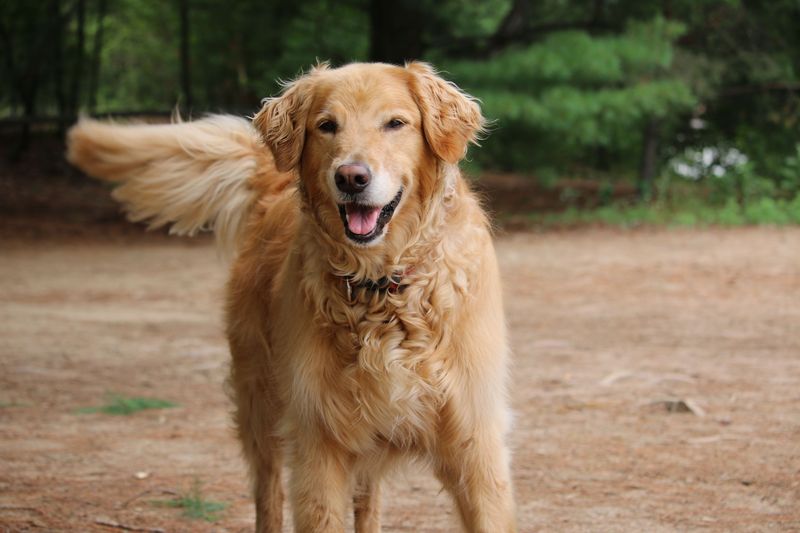
Ask almost any dog lover to name a friendly breed, and Goldens usually top the list. Their soft eyes and wagging tails melt hearts fast.
Originally from Scotland, they were bred to carry ducks gently without biting. That soft mouth now carries socks, shoes, and toys around your house.
Expect heavy shedding, so a good brush is a must. Daily walks and swims keep a Golden fit and smiling.
Staffordshire Bull Terrier: The Nanny Dog
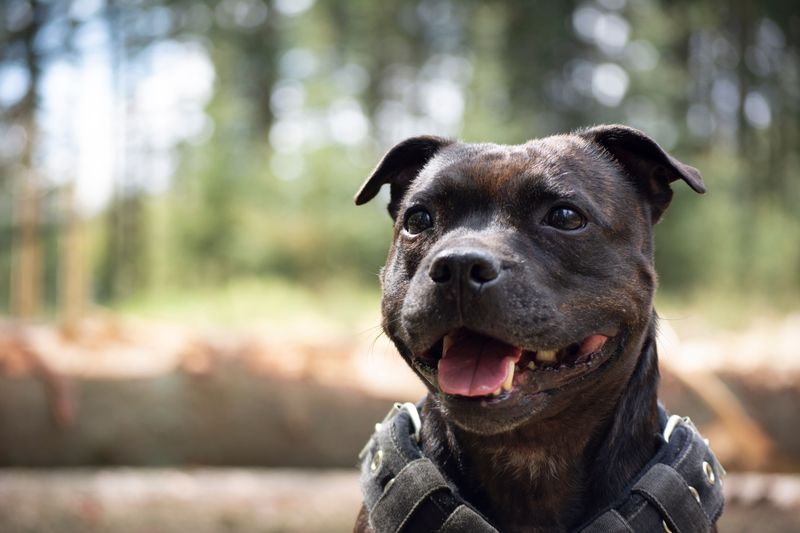
Don’t let the tough-looking muscles fool you. In Britain, Staffies have long been called nanny dogs for their deep love of families.
These sturdy pups crave human attention and often lean against your legs for affection. Their wide grin seems to say, notice me.
Early socialization with other dogs matters, since some can be pushy with fellow canines. Strong chew toys and steady training help them thrive.
Labrador Retriever: America’s Longtime Favorite
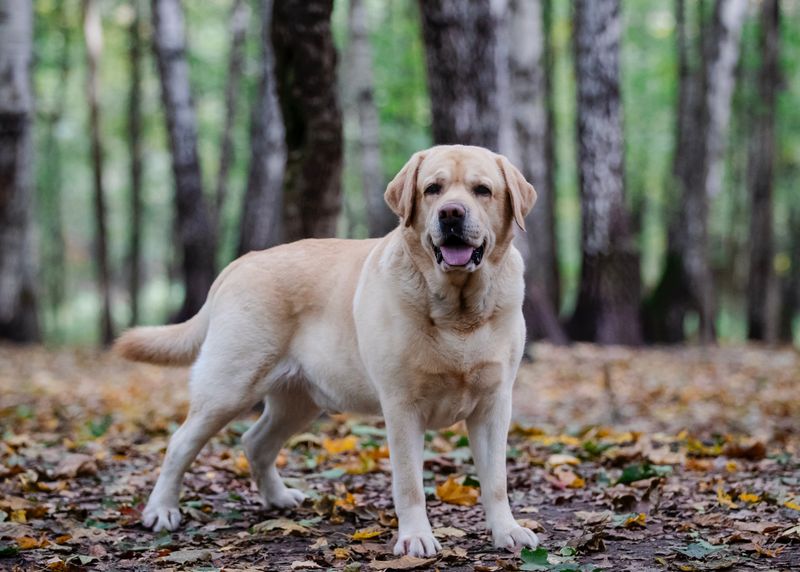
Did you know? Despite its name, the Labrador actually comes from Newfoundland, Canada.
Fishermen used these dogs to haul nets from icy water.
Labs welcome nearly everyone with a thumping tail. That easy trust makes them top choices for guide and service work.
They chew a lot as puppies and can gain weight easily. Keep treats small, offer plenty of swimming or fetch, and enjoy a devoted pal.
Bichon Frise: Fluffy Cloud of Cheer
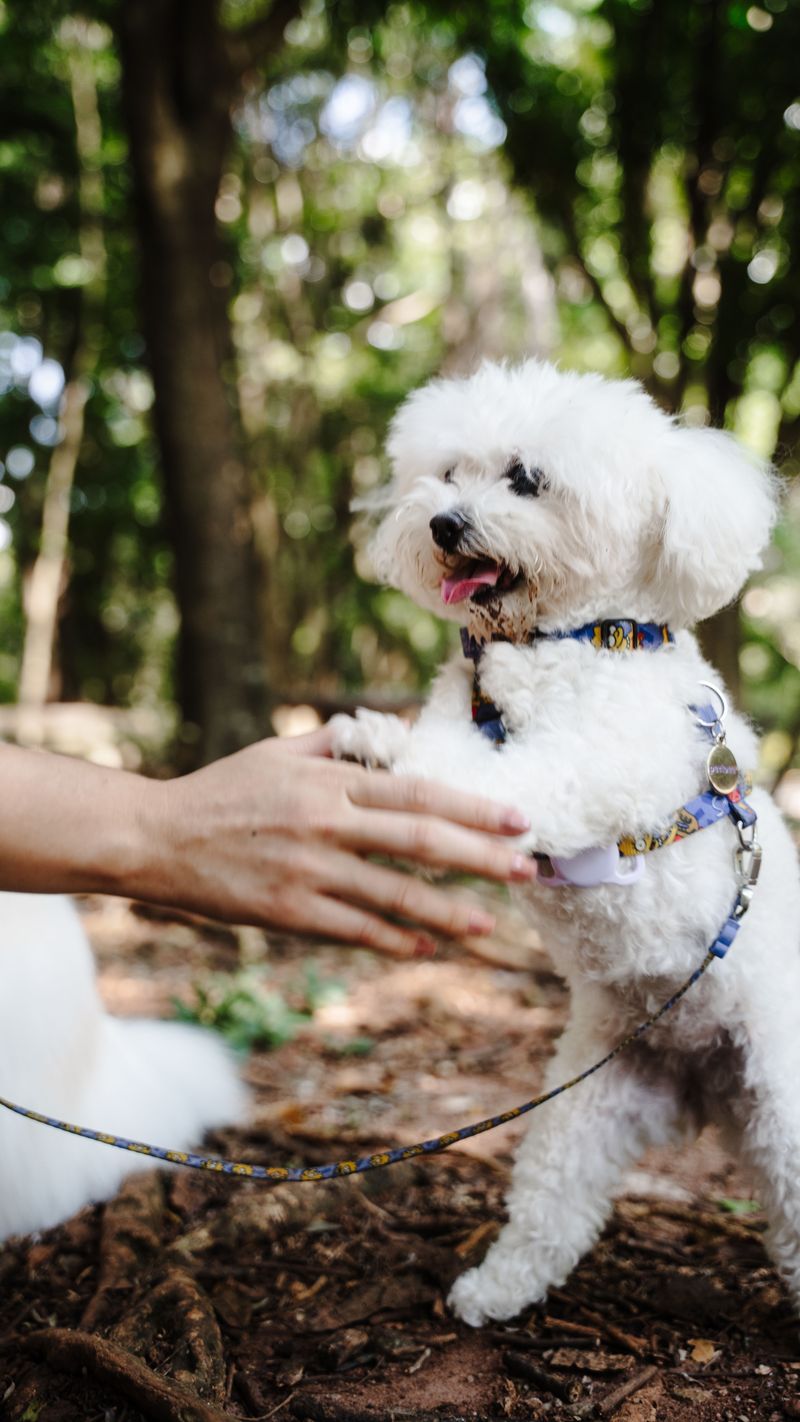
Sailors once traded these cotton-ball pups across the Mediterranean, and circus performers later trained them for tricks. Showing off still comes naturally.
Bichons are bubbly and love meeting new faces. Their coat sheds very little, which may suit some people with mild allergies.
That puffy fur needs regular grooming, usually every four to six weeks. Teach them to be alone gradually, because these sweethearts dislike long stretches of solitude.
Chow Chow: Dignified and Aloof
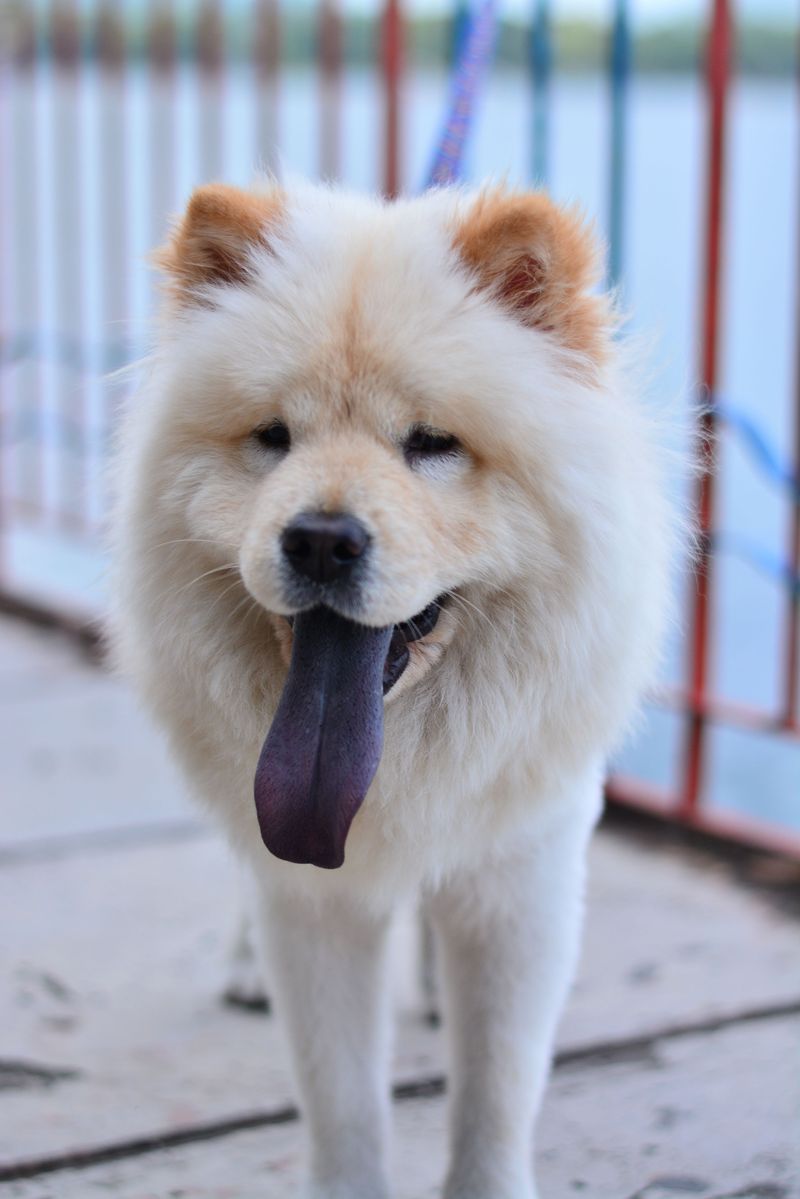
With a lion-like mane and a blue-black tongue, the Chow Chow looks unlike any other breed. It comes from ancient China.
Chows are loyal to their family but cool toward strangers. Think of them as a quiet roommate rather than a party host.
They can be stubborn, so patient training works best. If you value calm independence over constant cuddles, a Chow may be your ideal match.
Akita: Silent Guardian
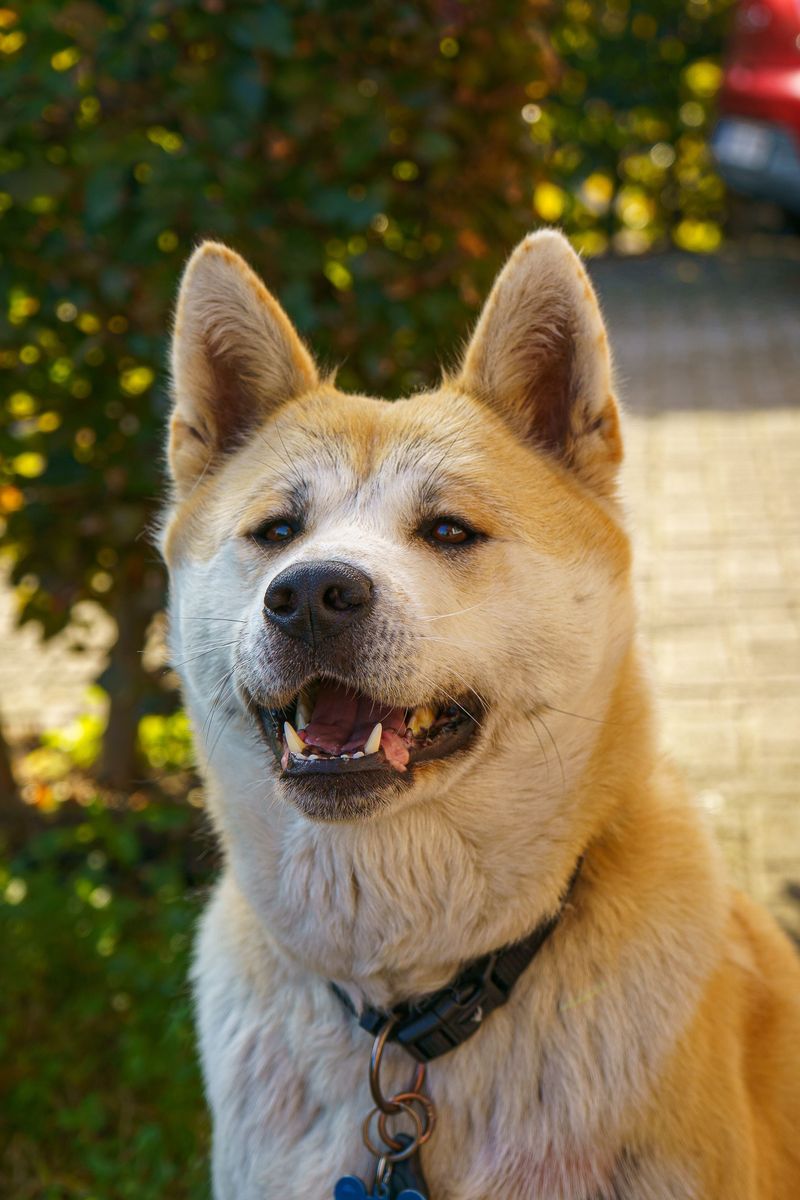
In Japan, an Akita named Hachiko waited at a train station for his late owner for nearly ten years. That story shows how devoted the breed can be.
Akitas are powerful, quiet, and wary of strangers. They often prefer being the only pet at home.
Experienced owners do best with them. Firm, kind training and early social exposure help this proud dog become a steady protector.
Lhasa Apso: Tiny Temple Watchdog
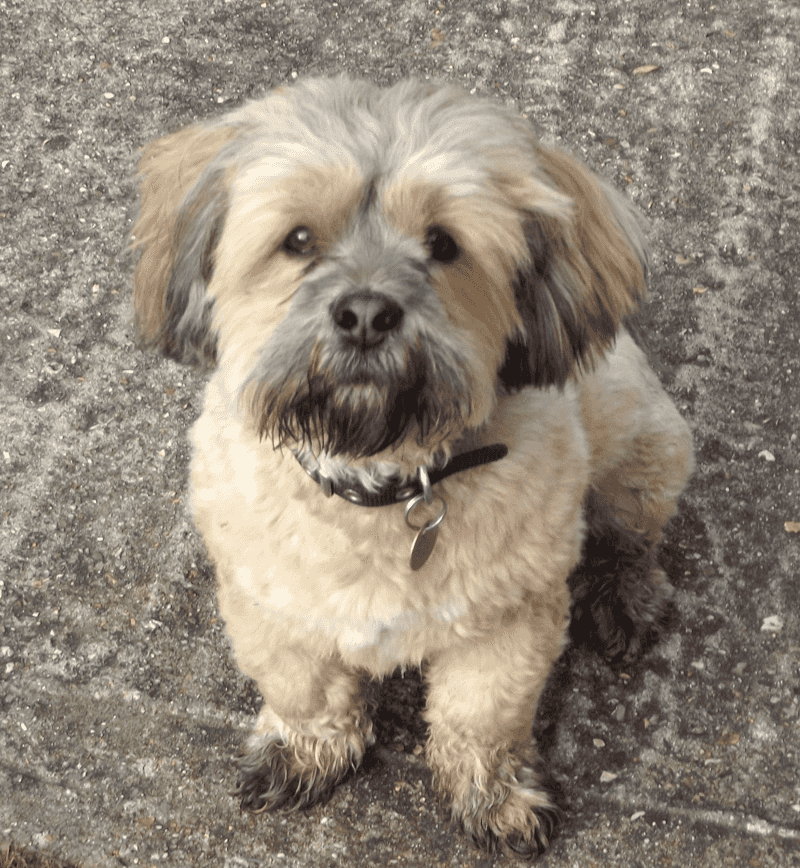
Long ago, Buddhist monks in Tibet kept Lhasa Apsos inside monasteries to bark warnings at visitors. That alert spirit is still there.
These small dogs bond closely with their people yet stay suspicious of newcomers. They like routines and calm homes.
Their floor-length coat needs daily brushing, or many owners choose a short puppy cut. Give strangers time, and a Lhasa may slowly warm up.