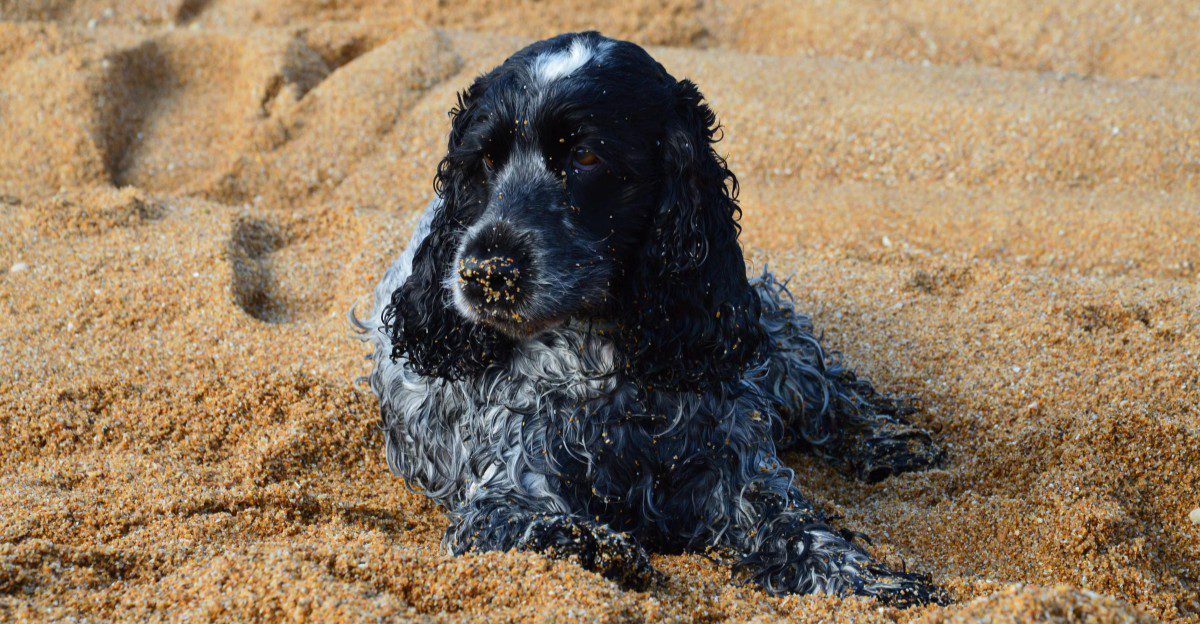
Some dogs stay cool when the doorbell rings, while others act like a party just started. Knowing how a breed usually reacts can help you pick a dog that fits your home and lifestyle.
Calm, watchful dogs often make training easier and daily life more peaceful. Below you will find twelve breeds famous for their steady minds, plus two lively ones that bring extra sparkle to every moment.
Rough Collie
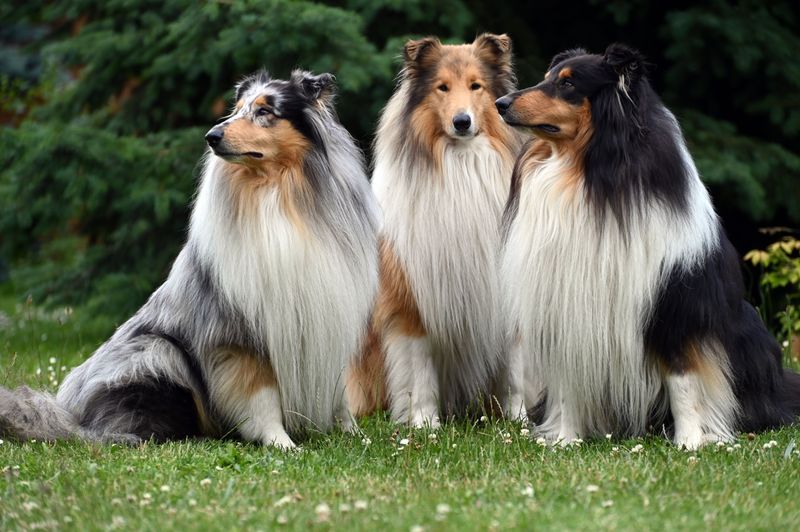
Thanks to a famous TV star named Lassie, millions of kids grew up wishing for a Rough Collie. The real dogs live up to the legend surprisingly well.
Collies watch their families closely and seem to sense when something feels off. They rarely panic, preferring to observe first and act second.
Brush that thick coat a few times each week, and give them puzzle toys. Their clever brains enjoy a daily challenge.
Labrador Retriever
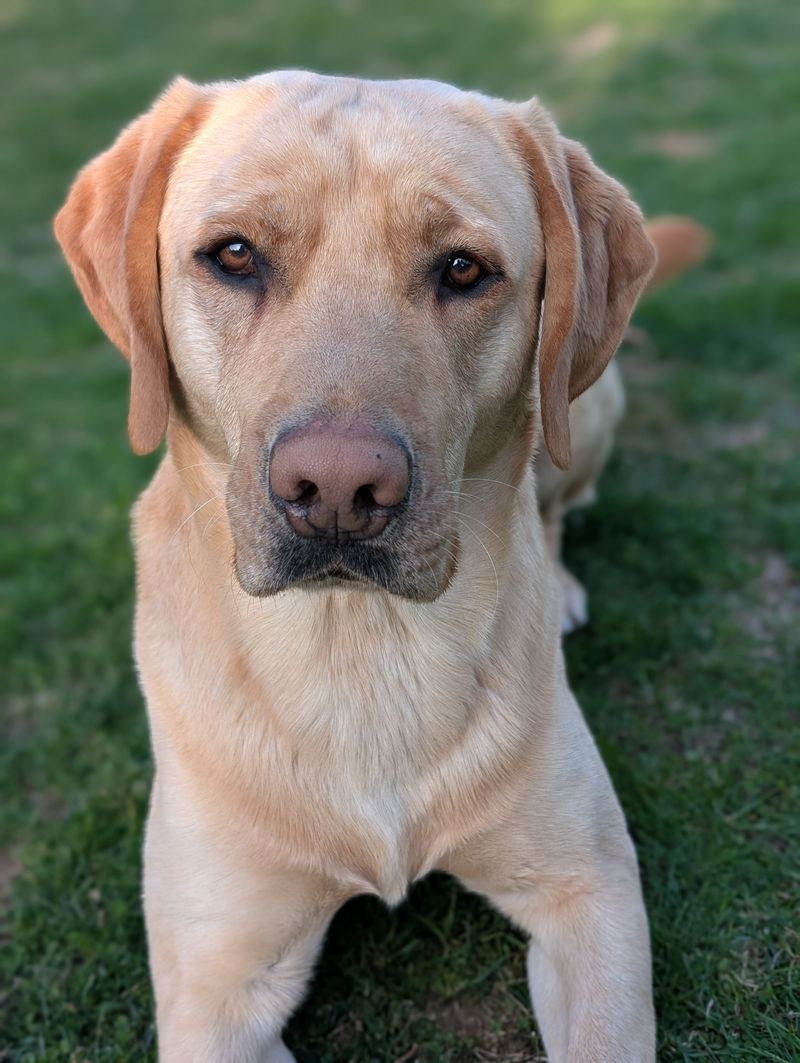
Did you know? Despite the name, Labs actually trace their roots to Newfoundland, Canada, where they helped fishermen haul nets.
Steady focus made them the top choice for guide dog programs around the world. A good Lab can ignore busy traffic and still keep its eyes on its person.
They do love snacks a little too much, though. Measure meals carefully and keep walks long to prevent extra pounds.
Newfoundland
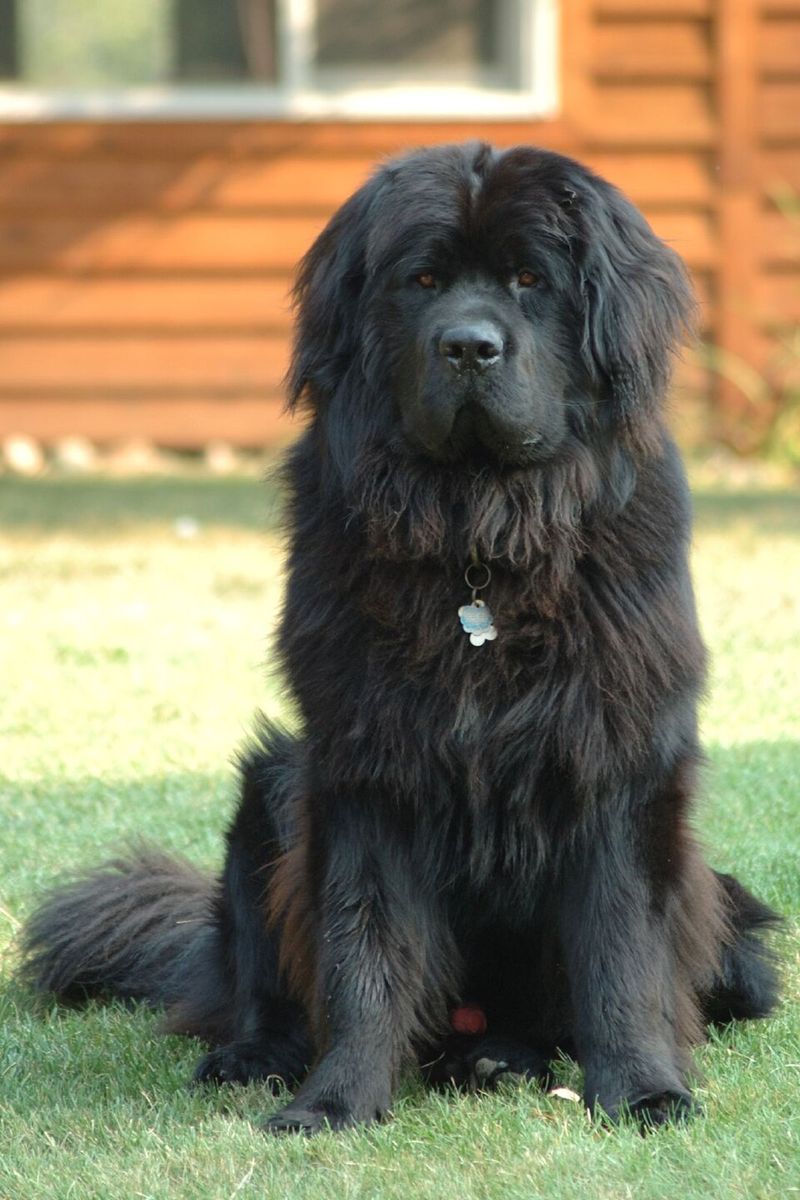
With a heart as big as its paws, the Newfoundland has earned a reputation as a living lifeguard. These giants once pulled shipwreck survivors from icy waters.
At home, they move slowly and think things through. Loud noises usually earn little more than a sleepy glance.
Be ready for drool, and lots of it. Keep a towel near the door, and plan on frequent grooming for that heavy, water-resistant coat.
Golden Retriever
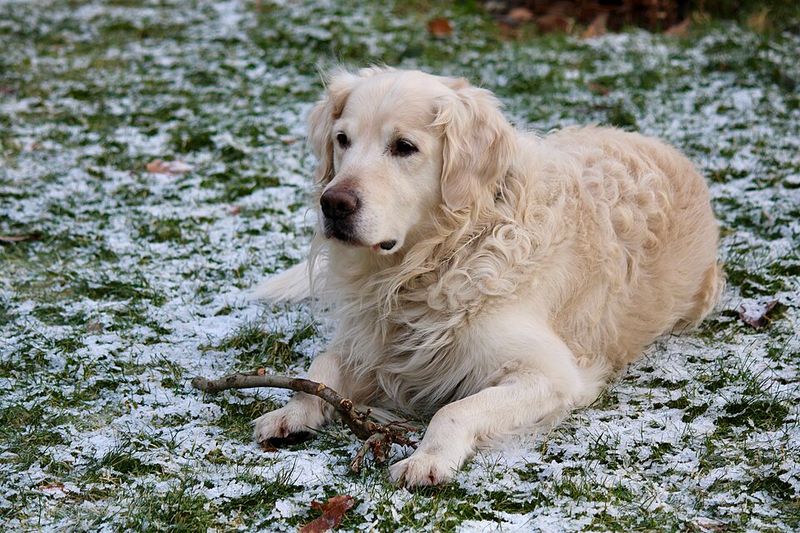
Picture a dog that greets the mail carrier with a wagging tail instead of a growl. That pretty much sums up most Goldens.
Patient and eager to please, they shine as therapy dogs in hospitals and schools. Their soft eyes follow your every move, waiting for the next fun task.
Give them a job, like fetching the newspaper or carrying a toy. A busy Golden is a happy, well-behaved Golden.
Standard Poodle
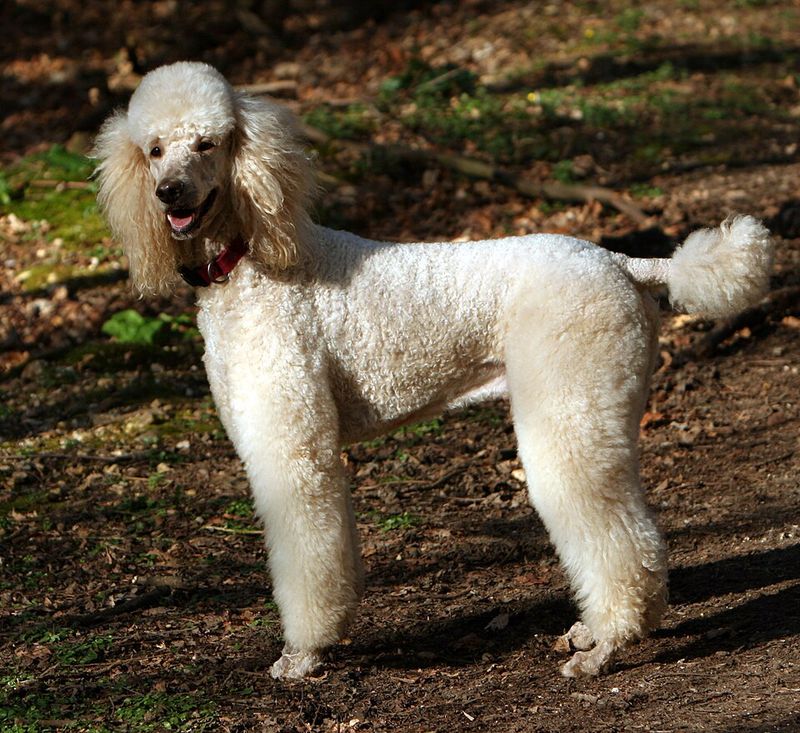
Forget the fancy show haircuts for a second. Underneath all that fluff lives one of the smartest working dogs on the planet.
Standard Poodles were first bred in Germany to retrieve ducks from water. Today, they impress owners with calm focus and lightning-fast learning.
Their curly coat barely sheds, which helps many allergy sufferers. Just plan on professional grooming every six weeks or so to keep tangles away.
Bernese Mountain Dog
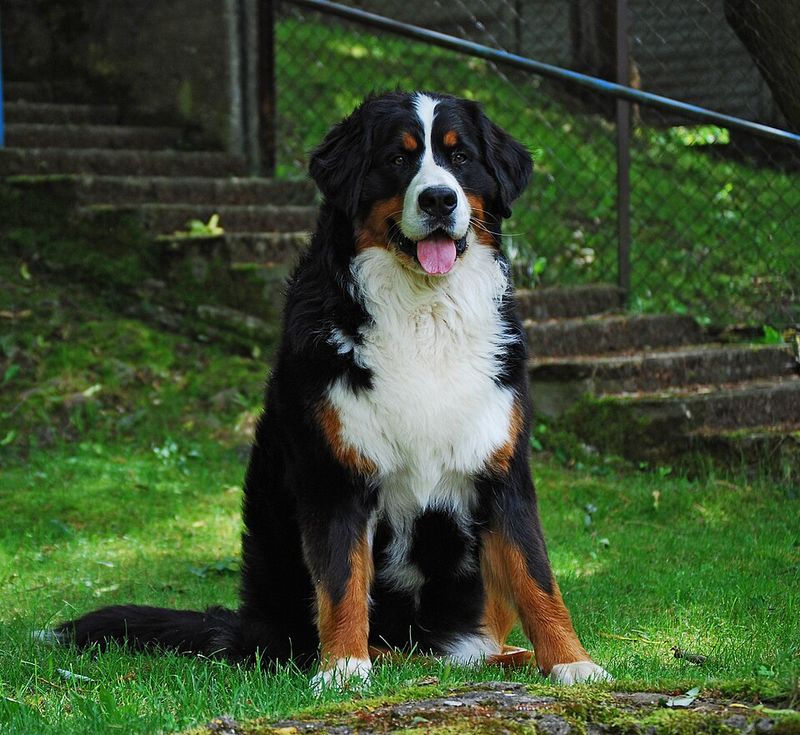
Swiss farmers once trusted these sturdy dogs to pull carts of milk and cheese down mountain roads. That hardworking history shows in their quiet confidence.
Berners tend to bond deeply with one family and keep a watchful eye on everyone. They rarely get rattled by new places or visitors.
Cool weather suits them best. On hot summer days, keep walks short and offer plenty of shade and fresh water.
English Setter
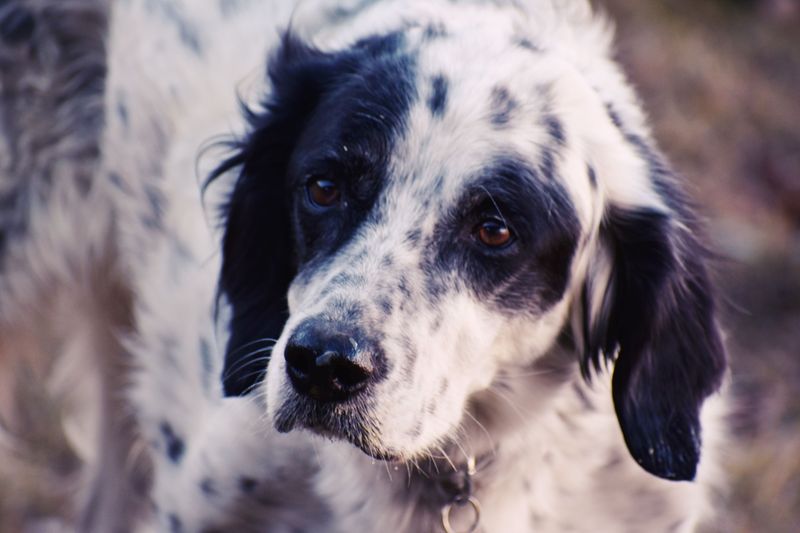
Few sights are lovelier than an English Setter frozen in a field, nose pointed toward hidden birds. Patience is built right into this breed.
Indoors, they turn into mellow couch buddies who enjoy quiet company. Their speckled coats, called belton markings, make each one look hand-painted.
Young Setters can be goofy, so start training early. Gentle, reward-based lessons work much better than harsh corrections with this sensitive soul.
Great Dane
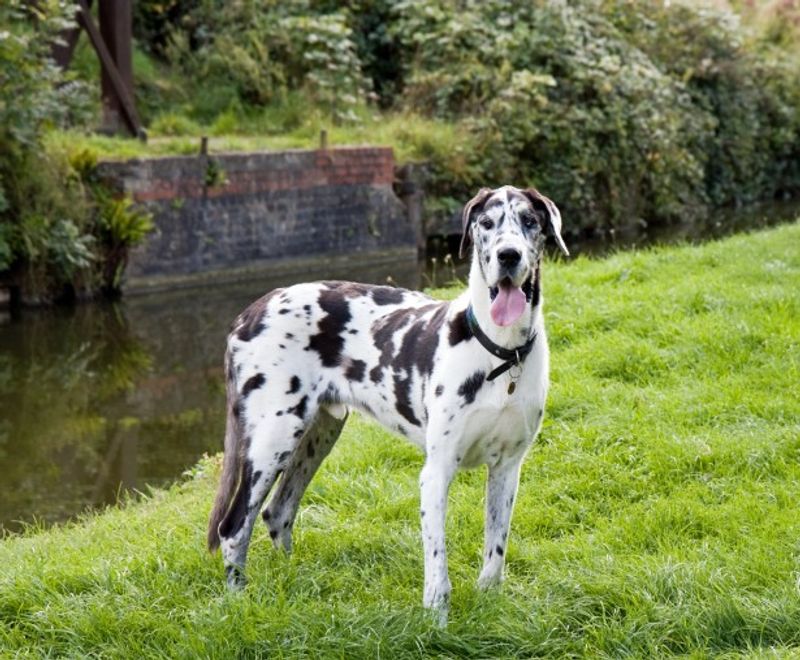
Some people call them gentle giants, but Danes might be better described as oversized lap dogs. Many truly believe they fit on your knees.
Standing up to 32 inches tall at the shoulder, they could look scary. In reality, most stay relaxed and polite, watching strangers with mild curiosity.
Big bodies need big beds and careful feeding. Ask your vet about bloat, a serious stomach problem common in deep-chested breeds.
Basset Hound
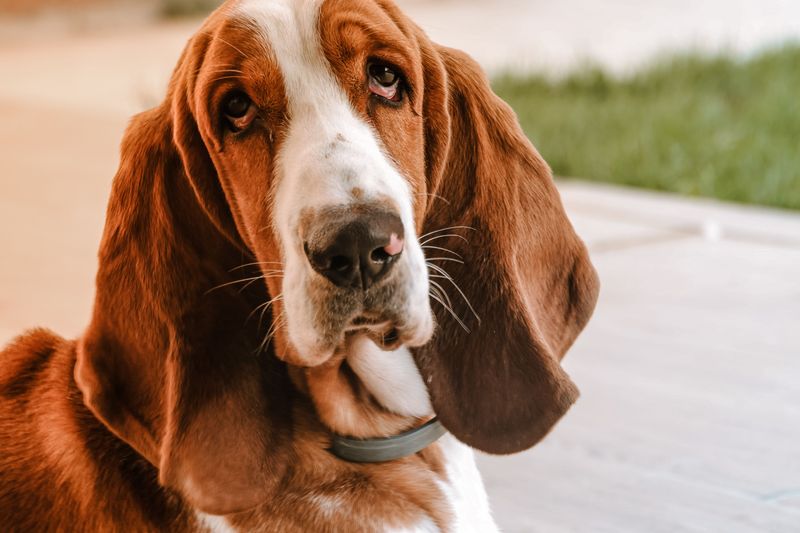
Here is a fun one: a Basset Hound’s nose is second only to the Bloodhound’s. Those long ears even help sweep scents toward it.
Laid-back and steady, Bassets seldom get worked up about much. They would rather follow an interesting smell than chase chaos.
Stubbornness can pop up during training, so keep treats handy. A fenced yard is smart too, since one good sniff can send them wandering.
Cavalier King Charles Spaniel
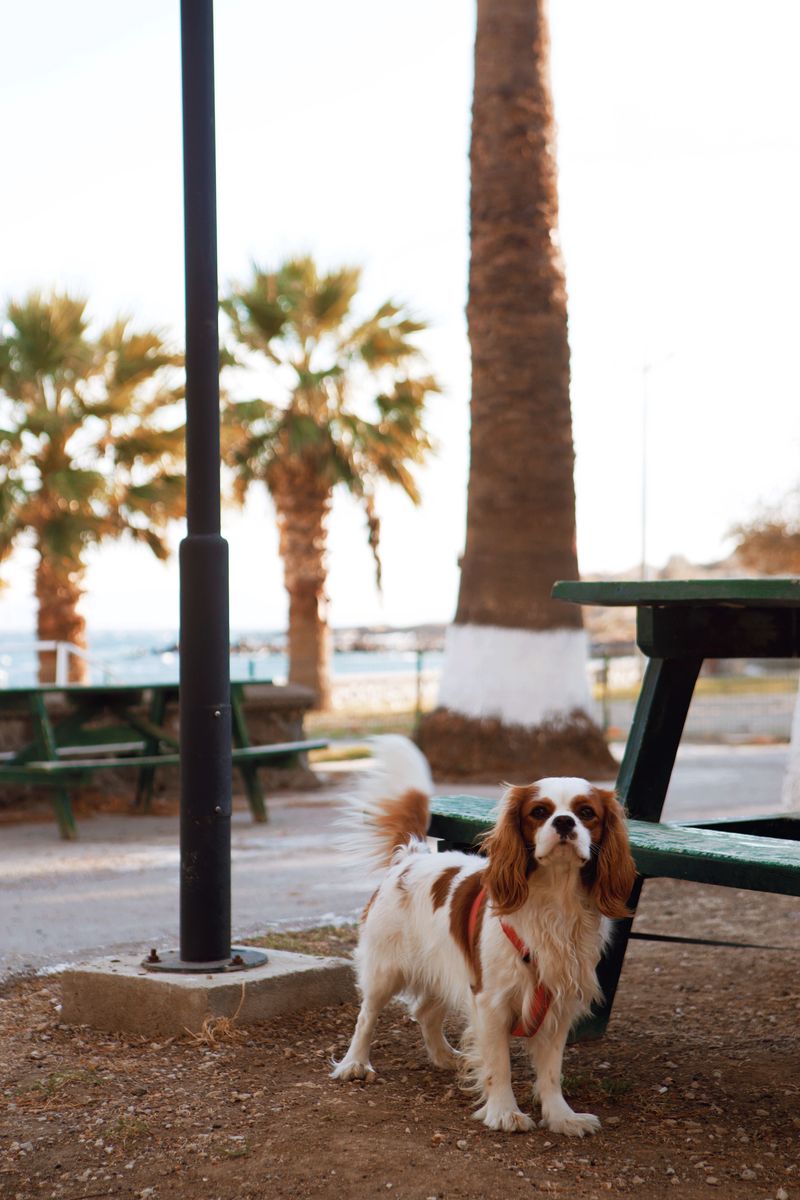
English royalty adored these little spaniels so much that King Charles II reportedly let them roam his palace freely. They still act like cherished guests.
Cavaliers adjust easily to apartments, big houses, or busy schedules. Their sweet, steady attitude makes them wonderful for first-time owners and seniors alike.
Heart health matters for this breed. Choose a responsible breeder and schedule regular vet checkups to help your pup live a long life.
English Cocker Spaniel
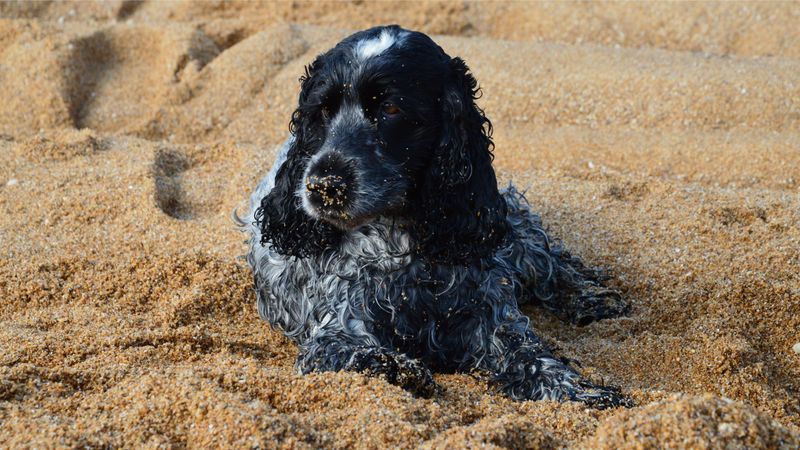
Merry and tail-wagging, the English Cocker manages to be cheerful without going overboard. Breeders call that balanced spirit the merry cocker.
Originally used to flush woodcock birds, they stay tuned in to their handlers during long walks. Many pick up house rules after just a few lessons.
Those silky ears trap dirt and moisture. Clean them weekly to avoid infections, and brush the coat often to keep it shiny.
Bullmastiff
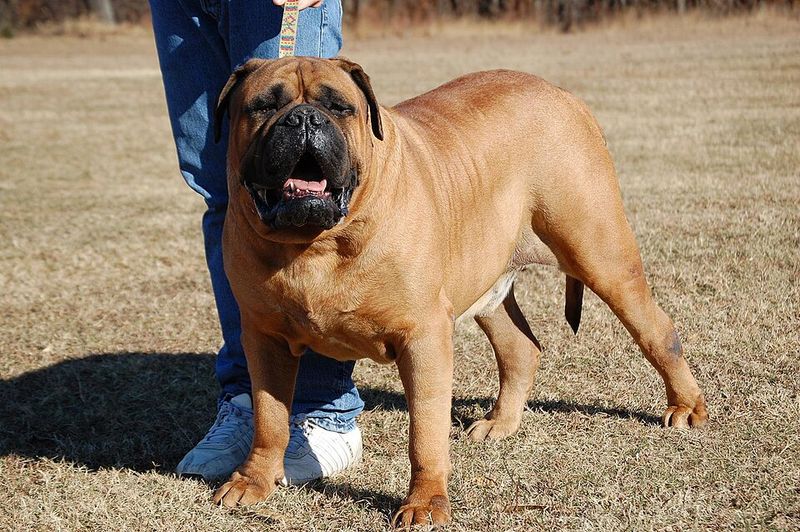
Back in the 1800s, English gamekeepers needed a silent partner to catch poachers at night. The Bullmastiff was born for that quiet, watchful job.
Today, they guard families with the same calm style. Barking is rare, but their alert stare tells visitors exactly who is in charge.
Early socialization keeps that protective streak friendly. Introduce your puppy to many people, places, and sounds before it grows to full size.
Miniature Schnauzer
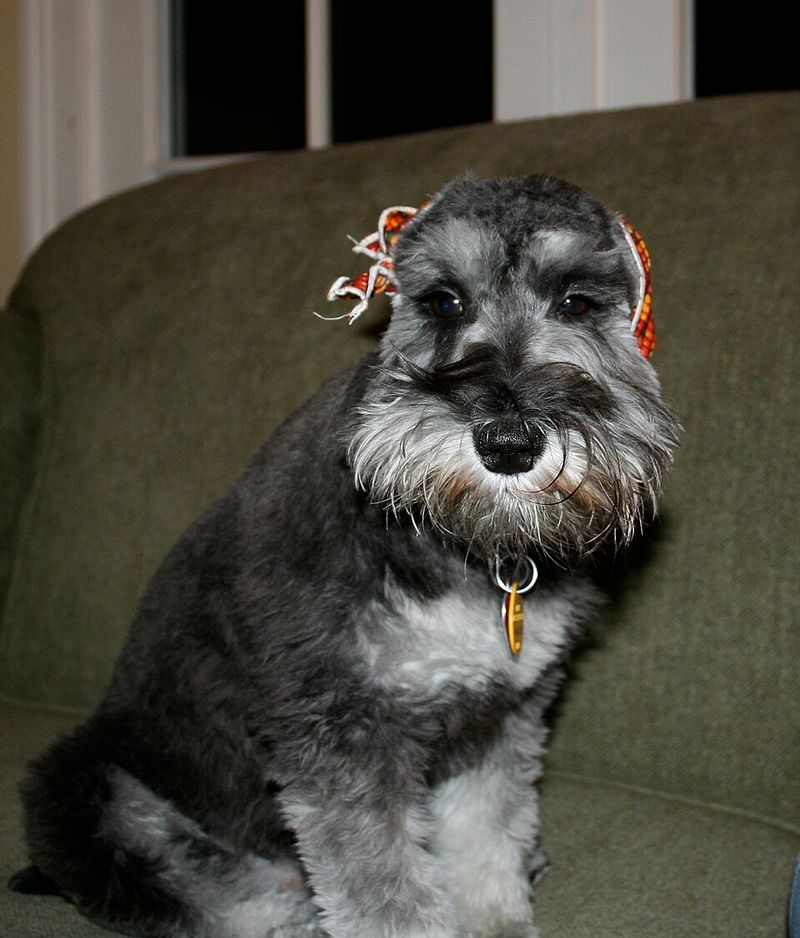
Ring the doorbell, and a Miniature Schnauzer will announce it to the entire block. Excited reactions come naturally to this bearded little watchdog.
Bred on German farms to hunt rats, they stay quick, curious, and full of opinions. That spark makes them entertaining, though sometimes noisy.
Teach a quiet command early and reward calm moments. Daily play sessions also help burn off energy before it turns into barking marathons.
Pomeranian
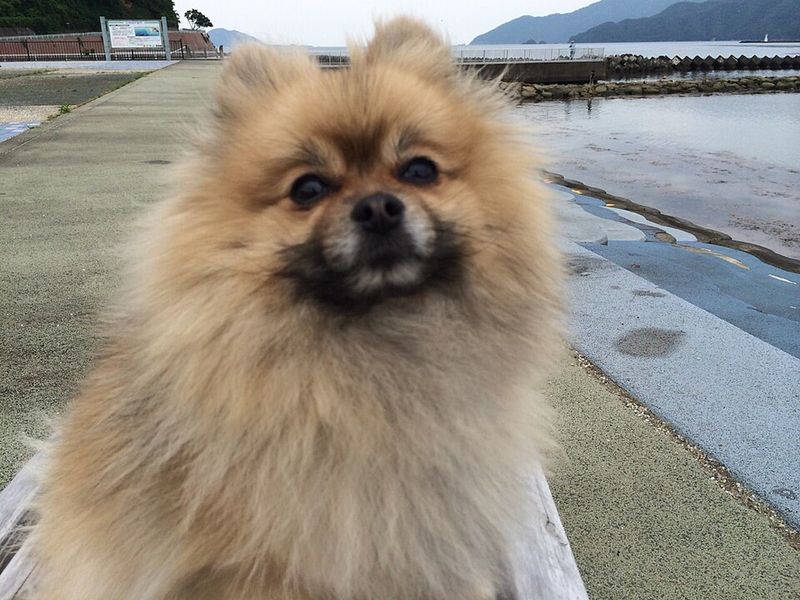
Tiny body, huge personality. Weighing around seven pounds, a Pomeranian reacts to everything as if it were the biggest news of the day.
Fun fact: Queen Victoria helped make these fluffballs popular after falling in love with them in Italy. Their bold, bubbly energy has charmed people ever since.
Keep training short and playful. Steps or ramps can protect their small legs from jumps off tall furniture.