Some dog breeds are amazing, but they can also make everyday life harder if their needs are not met. Energy level, grooming, and temperament can change your routine in big ways.
Knowing what each breed was made to do helps you plan better. Here are 11 that often challenge new owners, plus 2 friendlier choices to start with.
Siberian Husky
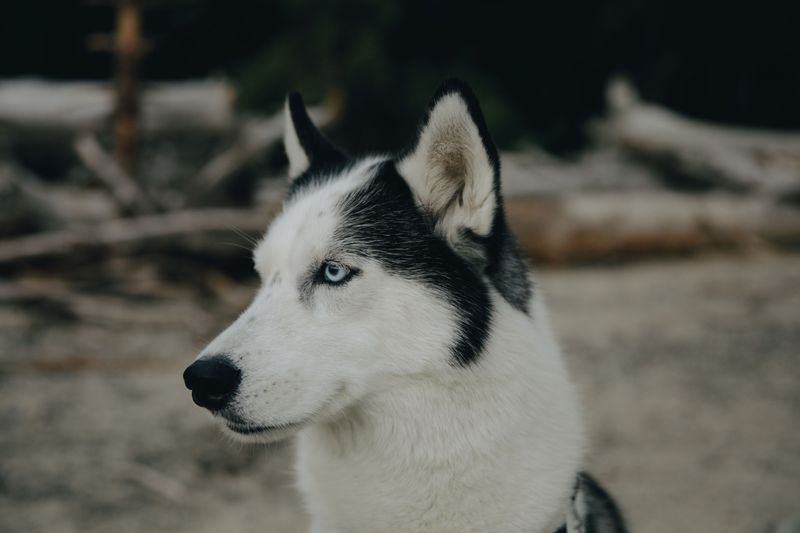
Neighbors talk about their Husky that opened a gate like a puzzle. Born to run, this breed needs heavy exercise, brain games, and a secure yard.
Without that, expect digging, howling, and creative escapes.
Plan long daily walks, a dog sport like canicross, and sturdy fencing with locks. Brush frequently during shedding seasons to control fur tumbleweeds.
First-time owners can succeed by hiring a trainer early and using food puzzles to channel that quick mind.
Belgian Malinois
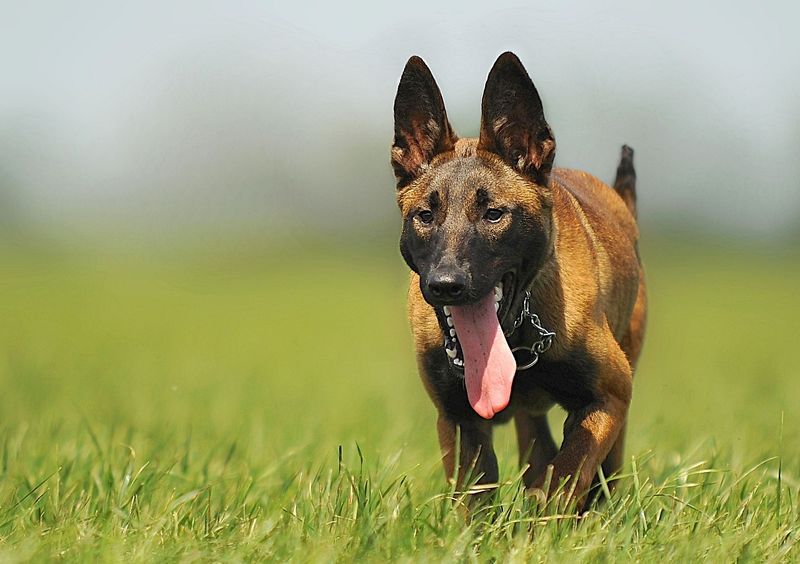
A Malinois can bounce like a spring and outthink you before breakfast. Police and sport lines produce intense drive that craves work every day.
Boredom invites nipping, herding heels, and nonstop pacing.
Map out structured training, tug sessions, and scent games morning and night. Teach calm on a mat so the engine can idle.
If you want a protector, focus on obedience and neutrality, not bravado. Professional coaching helps prevent rookie mistakes.
Jack Russell Terrier

Small body, rocket heart. Jack Russells were bred for earthdog work and chase anything that squeaks.
Apartment life without outlets brings barking concerts and shredded pillows.
Plan fetch marathons, trick training, and secure off-leash time in fenced fields. Rotate toys often to beat boredom.
Strong recall and impulse control matter around squirrels. Consider agility to burn energy with purpose.
With daily jobs, their humor and courage really shine.
Cane Corso
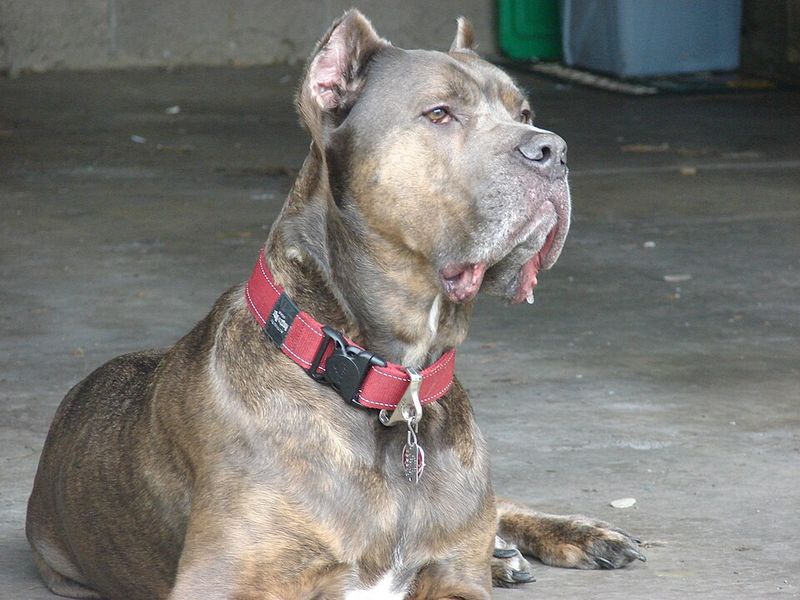
First impressions feel like meeting a bouncer in a tux. Cane Corsos are powerful guardians who notice everything and make choices fast.
Without leadership, pushiness and property guarding can get risky.
Prioritize early socialization, calm obedience, and clear house rules. Teach polite greetings and supervised downtime, especially with visitors and delivery drivers.
Strong management like crates, gates, and leashes keeps everyone safe. Choose ethical breeders who value stable temperaments.
Weekly training keeps that muscle and mind engaged.
Australian Cattle Dog
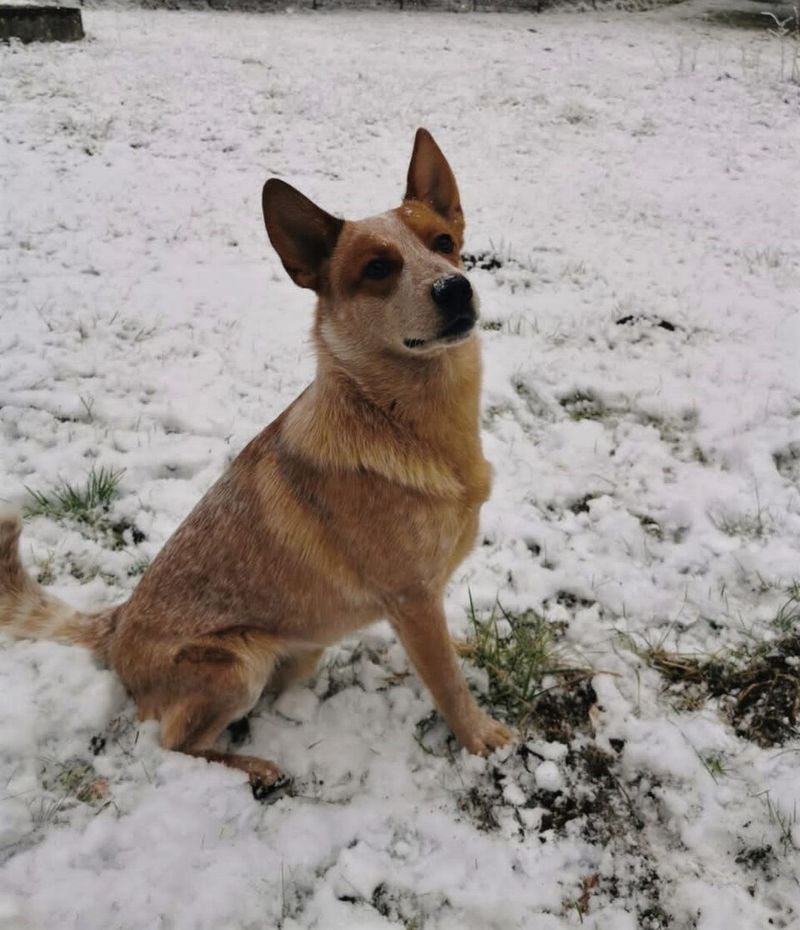
Farm-bred grit in a compact frame can surprise city owners. Heelers are relentless problem solvers that herd by nipping.
Underworked dogs may chase bikes, bite at ankles, and reorganize your furniture.
Give structured jobs like frisbee, rally obedience, or treibball. Teach bite inhibition and target games to redirect mouthy habits.
Daily mental tasks, such as scent boxes or shaped tricks, satisfy their clever brain. Clear boundaries with strangers help prevent pushy greetings.
A tired Heeler melts into a loyal shadow.
Dalmatian
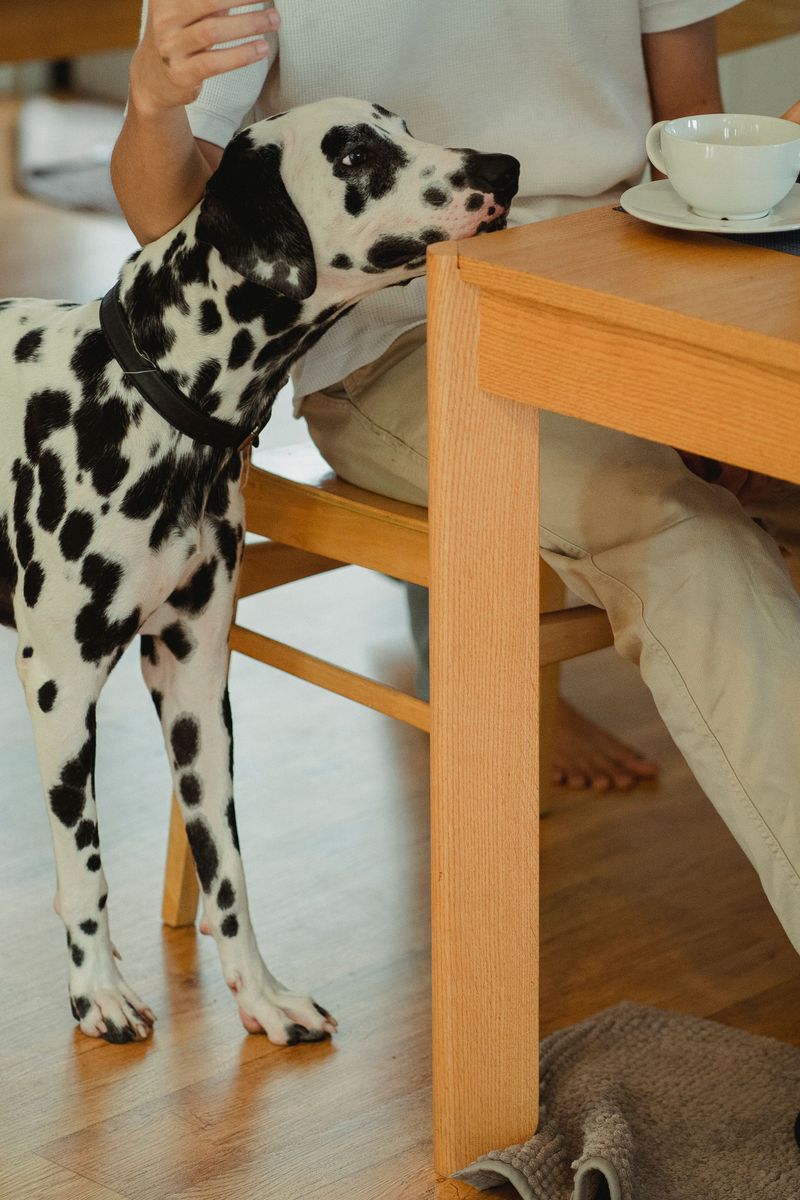
Spots catch eyes, but the real story is stamina. Dalmatians were carriage dogs built for long miles.
Without exercise and training, they invent mischief and bark at every odd sound.
Plan runs, bike-joring with safety gear, and calm settling practice indoors. Use gentle handling, since some lines can be sensitive.
A low-purine diet may help prevent urinary issues common in the breed. Crate training protects your furniture when energy spikes.
With guidance, those spots can sparkle in active families.
Weimaraner
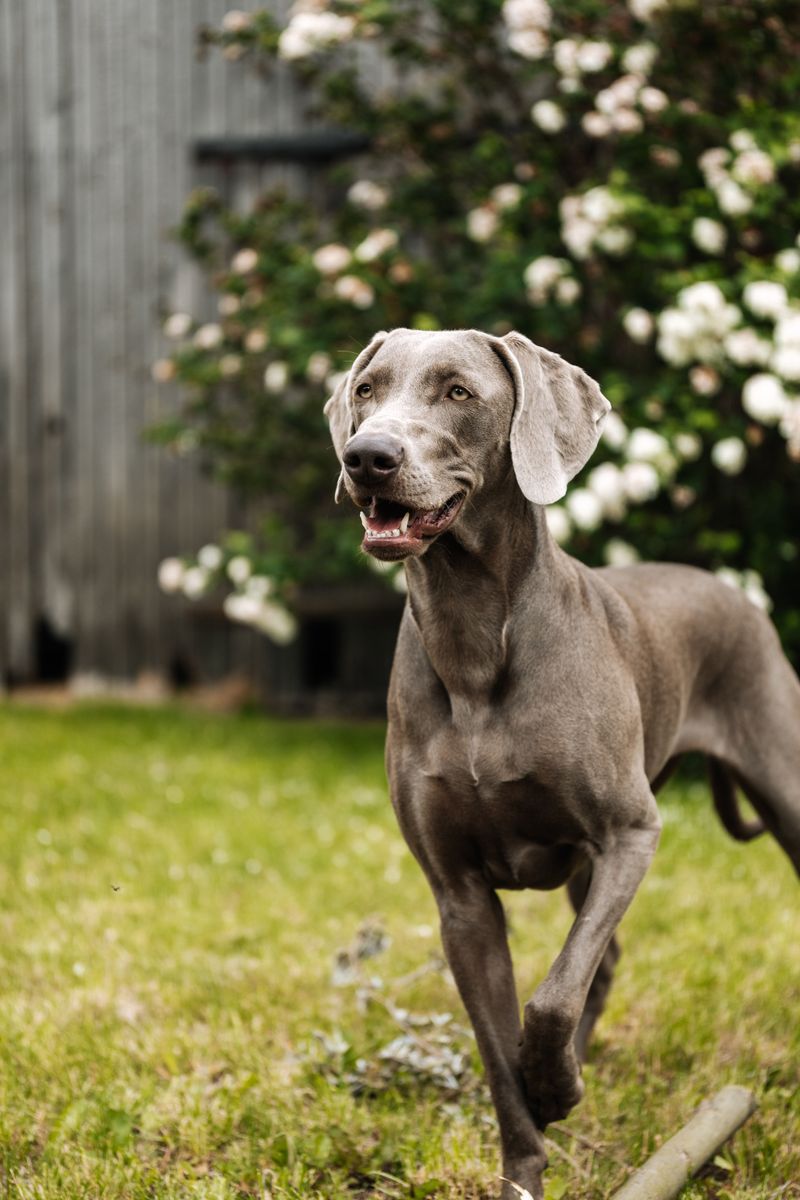
Silvery good looks hide a velcro soul. Weimaraners thrive on constant company and can unravel with separation anxiety.
Destruction, whining, and door-dashing often follow lonely hours.
Build independence with short departures, stuffed Kongs, and calm returns. Plenty of exercise helps, but teaching settle on a mat is gold.
Consider dog sitters or daycare for workdays. Field games and nose work make great outlets.
When their people-focused nature is guided well, the bond feels incredibly deep.
Akita
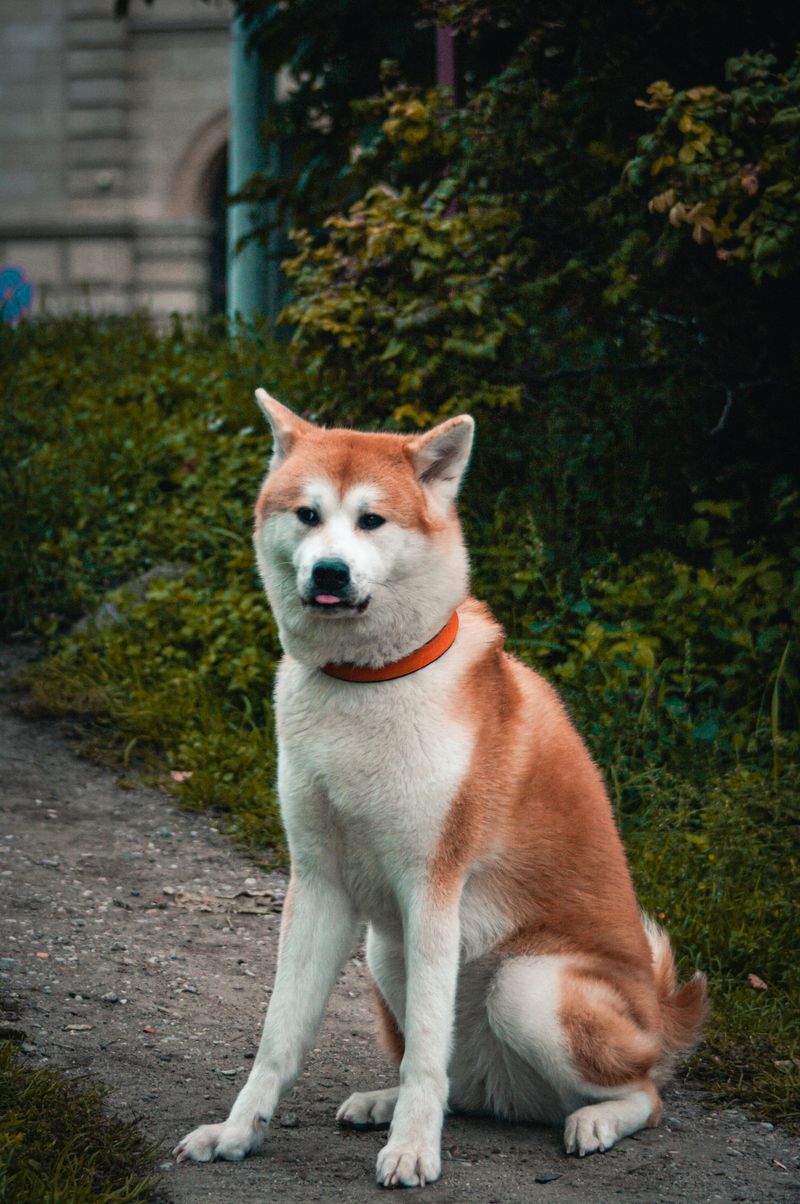
Quiet pride defines the Akita, along with serious loyalty. Many are reserved with strangers and picky with other dogs.
Unmanaged, that confidence can become resource guarding or same-sex tension.
Early, neutral socialization matters more than flashy protection work. Teach patient handling, muzzle training for vet visits, and reliable recalls.
Short, focused training sessions beat endless drilling. Exercise should balance brisk walks with restful time to decompress.
Respect their dignity, and you gain a steadfast, thoughtful companion.
German Shorthaired Pointer
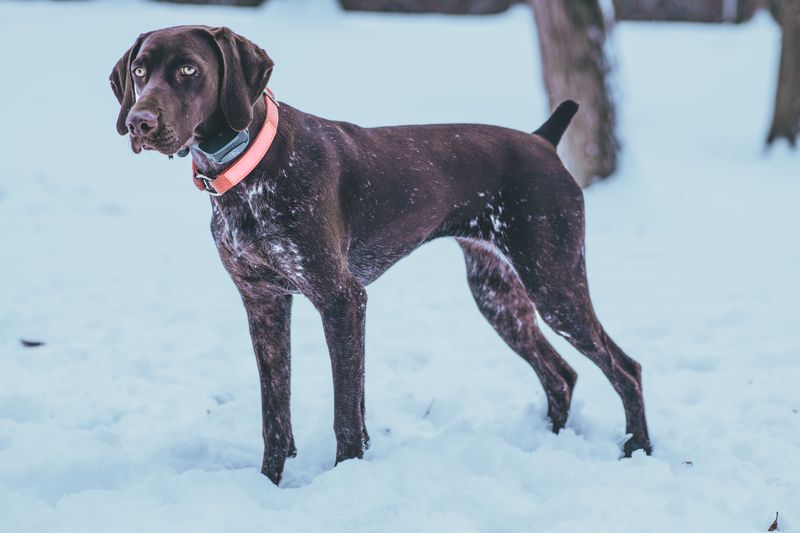
Pointing statues in the field, zoomies in the house. GSPs pair bird-dog instincts with jet fuel energy.
If unmet, they sample counters, jump fences, and invent parkour routines.
Plan varied cardio, like running beside a bike, then practice off-switch skills indoors. Hunting games, retrieving drills, and scent work satisfy their purpose.
Teach rock-solid recall and door manners early. Rotate chews and puzzles to save your shoes.
With structure, the athlete becomes a cheerful teammate.
Great Pyrenees
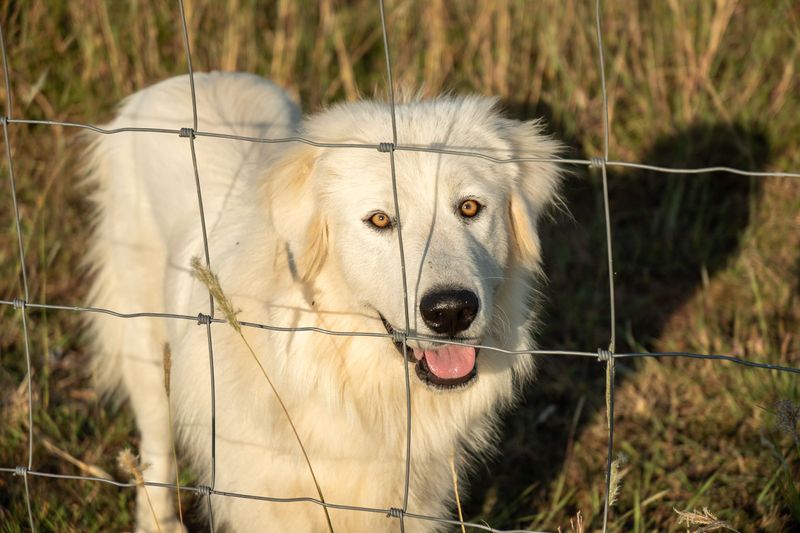
Imagine a gentle cloud that patrols at midnight. Pyrs were bred to guard flocks by making independent choices.
City life can trigger endless barking and stubborn standoffs.
Provide quiet spaces, nighttime management, and clear boundaries for visitors. A long line helps outdoors so they do not wander off to supervise the neighborhood.
Keep grooming regular, since that coat collects leaves. Teach calm routines instead of racing excitement.
For rural homes, they shine as steady guardians.
Bull Terrier
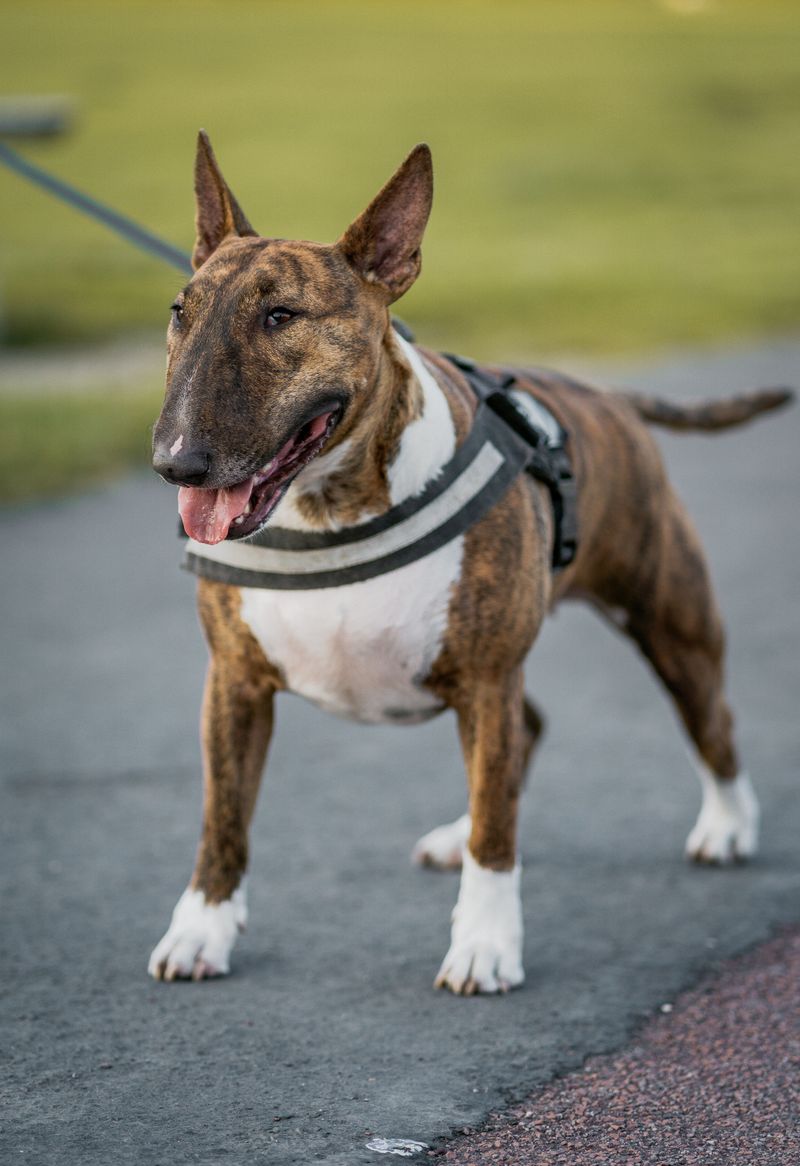
Egg-shaped head, clown heart. Bull Terriers bring slapstick energy and a taste for stubborn debates.
Without channels, they mouth hard, chase moving things, and turn training into comedy hour.
Use upbeat sessions with clear rules and fast rewards. Trick training, flirt pole games, and tug can focus that drive.
Supervise play to prevent body-slam chaos. Short grooming keeps the coat shining, but enrichment keeps your sanity intact.
With patience, their goofy charm brightens every room.
Bichon Frise
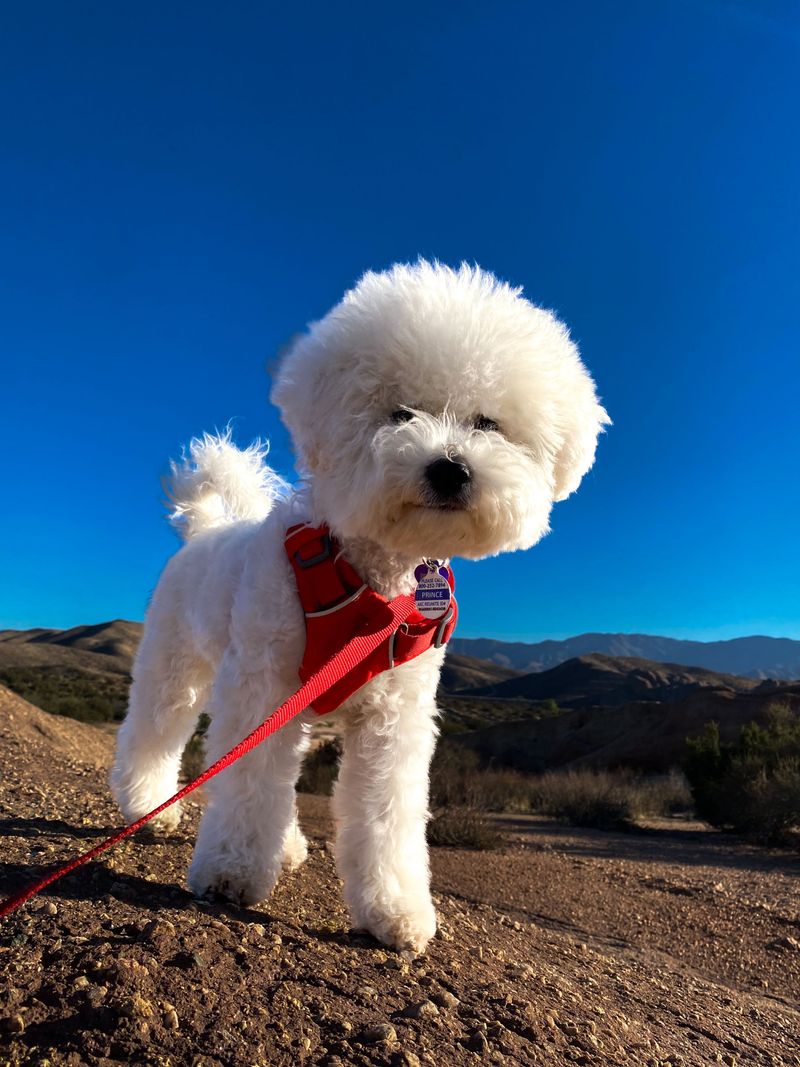
Like a tiny cotton cloud, the Bichon brings cheerful sparkle to quiet homes. Many adapt well to apartments and enjoy meeting new people.
Moderate energy makes daily walks and short play sessions enough.
Regular brushing and professional grooming keep the coat tidy. Positive, gentle training grows confidence and manners.
House-training can take patience, so set a routine and use praise. Puzzle toys keep minds happy on rainy days.
For first-time owners, their friendly nature and manageable needs feel welcoming.
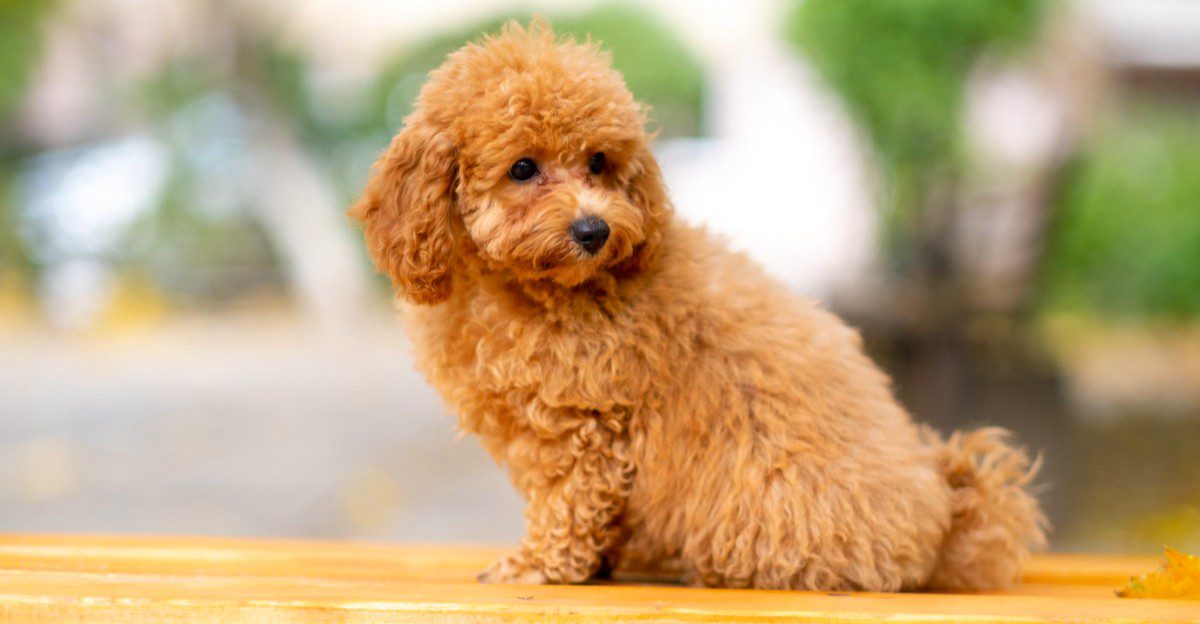
Miniature Poodle
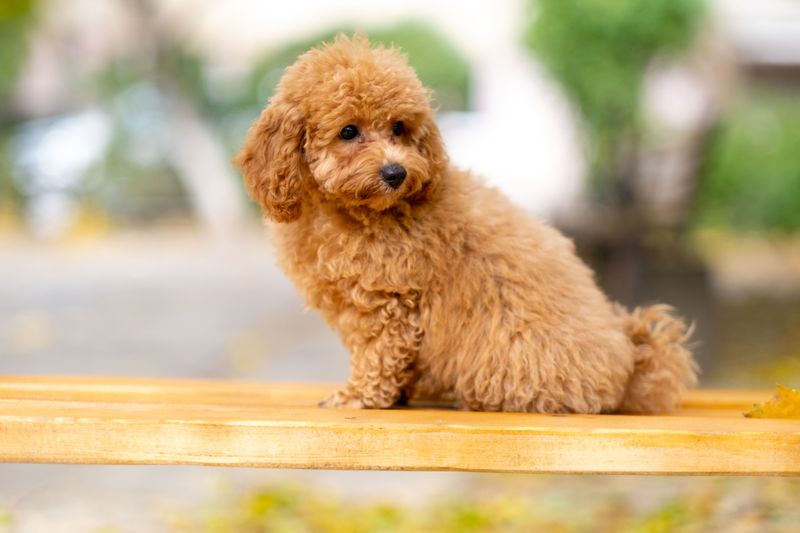
Brains wrapped in curls make daily life smooth for many families. Miniature Poodles learn fast and love to please without being overly intense.
Their size fits most homes comfortably.
Low shedding helps tidy folks breathe easy. Schedule regular grooming and keep nails short.
Short lessons with games build great manners quickly. Walks, trick training, and nose work provide fun without chaos.
For beginners wanting smarts plus ease, this curly partner often checks every box.