
Adding a new pet to your family can feel exciting, like opening a surprise gift. But some dogs were bred to guard, hunt, or work alone, and they may not love sharing their home with another animal.
Knowing which breeds tend to struggle can save you stress, vet bills, and hurt feelings. Here are the breeds worth a closer look before you bring home a new furry friend.
Akita
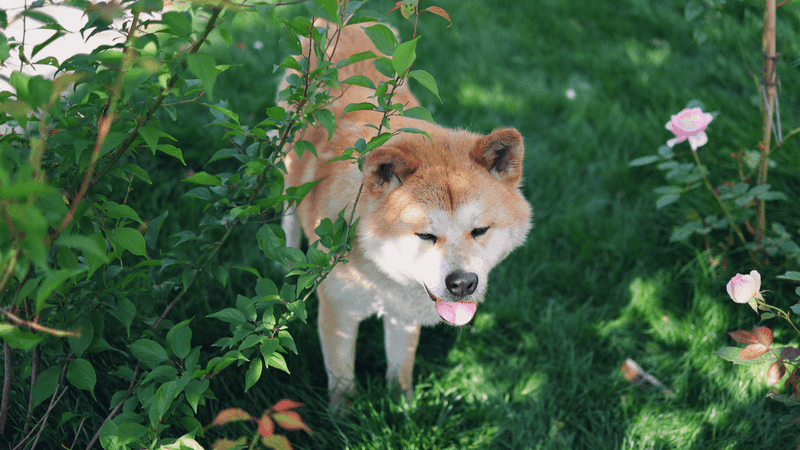
Loyal to the core, the Akita once guarded Japanese nobles and took the job very seriously. That protective streak still runs deep today.
Many Akitas do not tolerate other dogs, especially ones of the same sex. They may see a newcomer as a rival rather than a buddy.
If you already own an Akita, think twice before adding another pet. Slow introductions and a professional trainer can make a real difference.
Shiba Inu
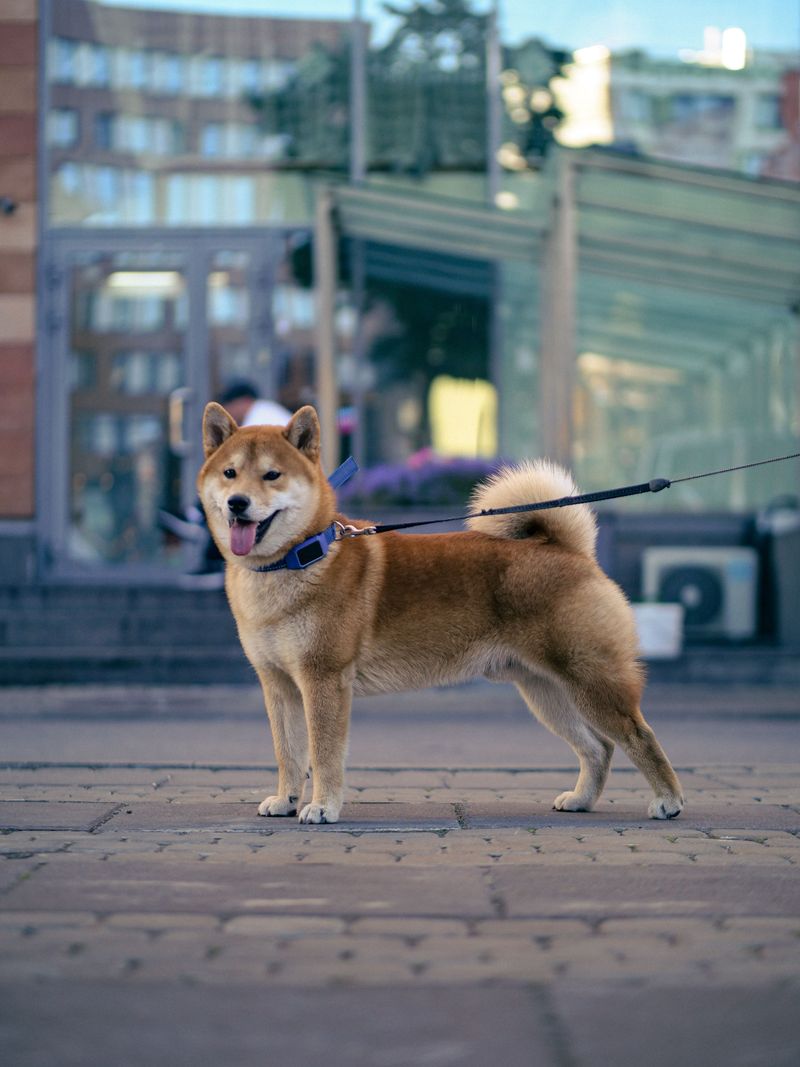
Picture a cat in a dog costume, and you have the Shiba Inu. Independent and a little bossy, Shibas like doing things their own way.
Toys, food bowls, and favorite sleeping spots often become private property. Sharing is simply not their strong suit.
Small pets like rabbits or hamsters may trigger their hunting drive too. Feed pets separately and give your Shiba a quiet corner to call its own.
Jack Russell Terrier
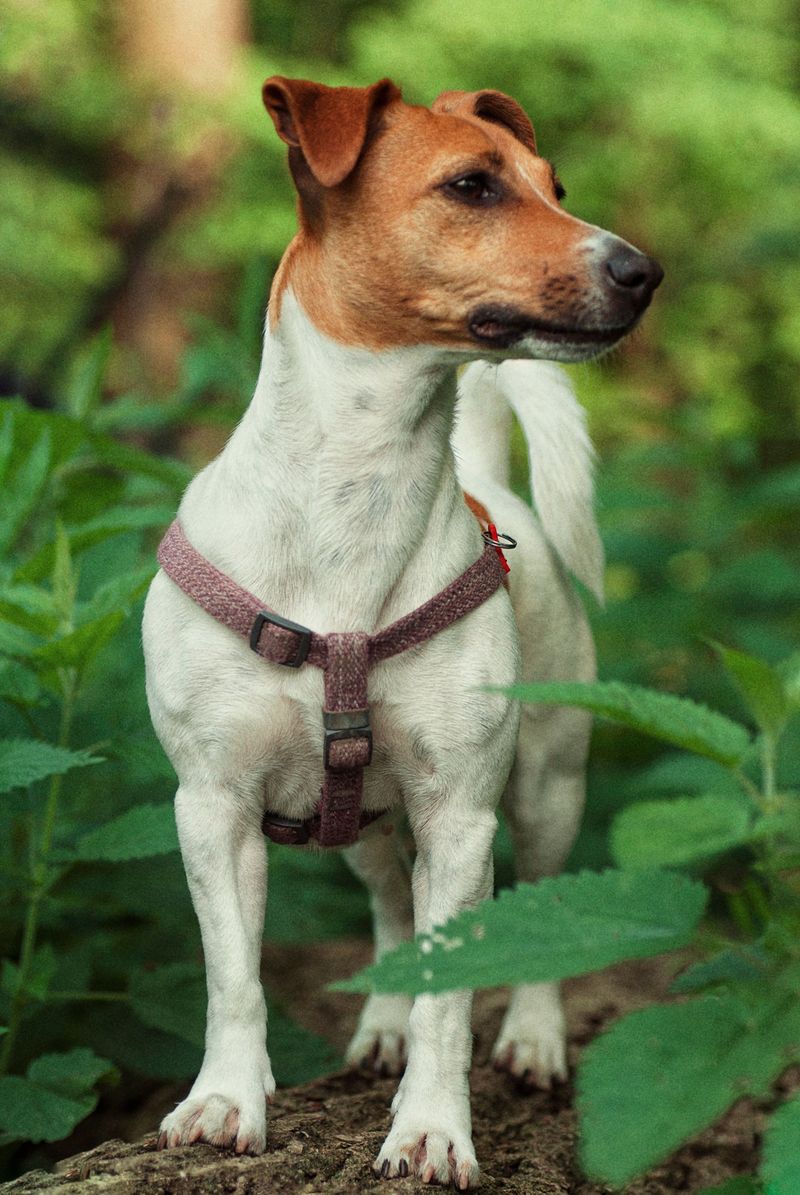
Small body, giant attitude. Jack Russells were bred to chase foxes out of their dens, and that fearless spirit never really switches off.
They can pick fights with dogs three times their size. Cats, guinea pigs, and birds may look like prey to them.
Fun fact: the breed is named after Reverend John Russell, an English hunting fan. Lots of exercise helps calm them, but always supervise playtime with other pets.
Siberian Husky
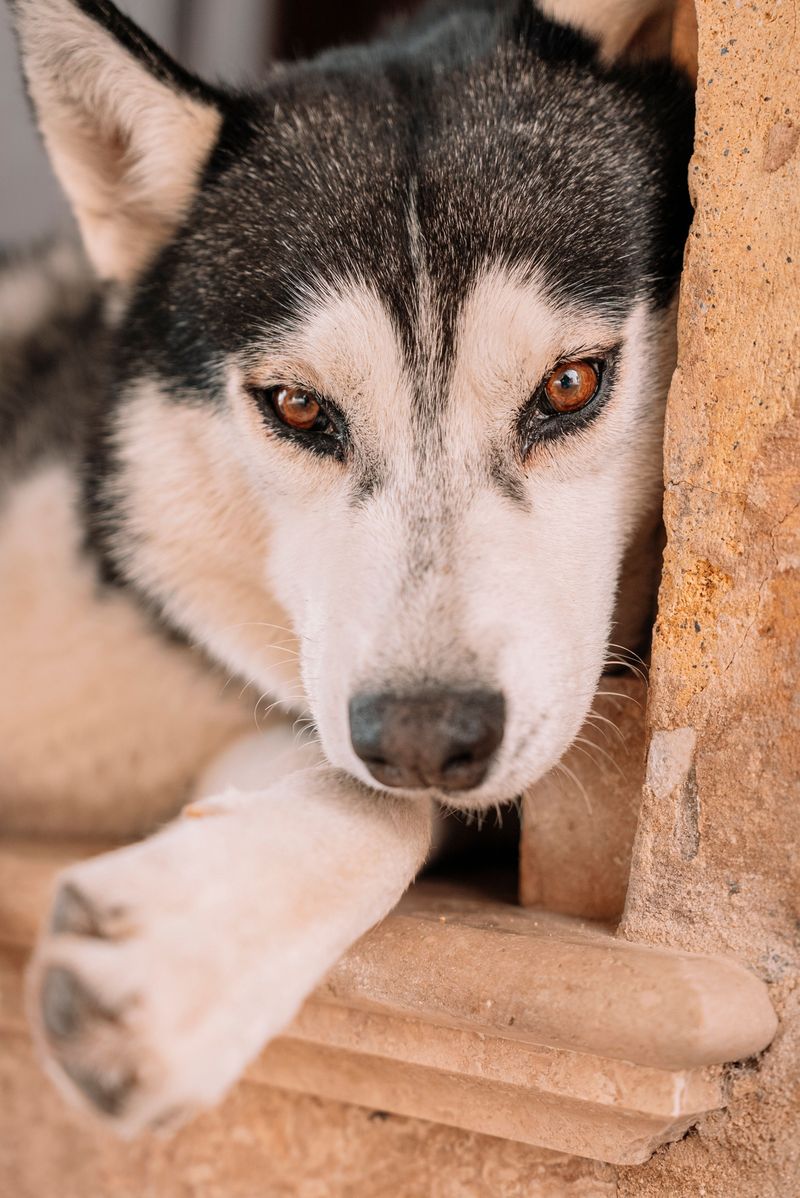
Did you know Huskies pulled sleds across frozen Alaska to deliver medicine in 1925? Those tough working roots shape how they act at home.
Huskies usually enjoy other dogs, which surprises many people. The trouble is their strong prey drive toward cats, chickens, and small critters.
A Husky may seem calm with the family cat, then suddenly give chase. Secure fences and close supervision are a must in mixed-pet homes.
American Staffordshire Terrier
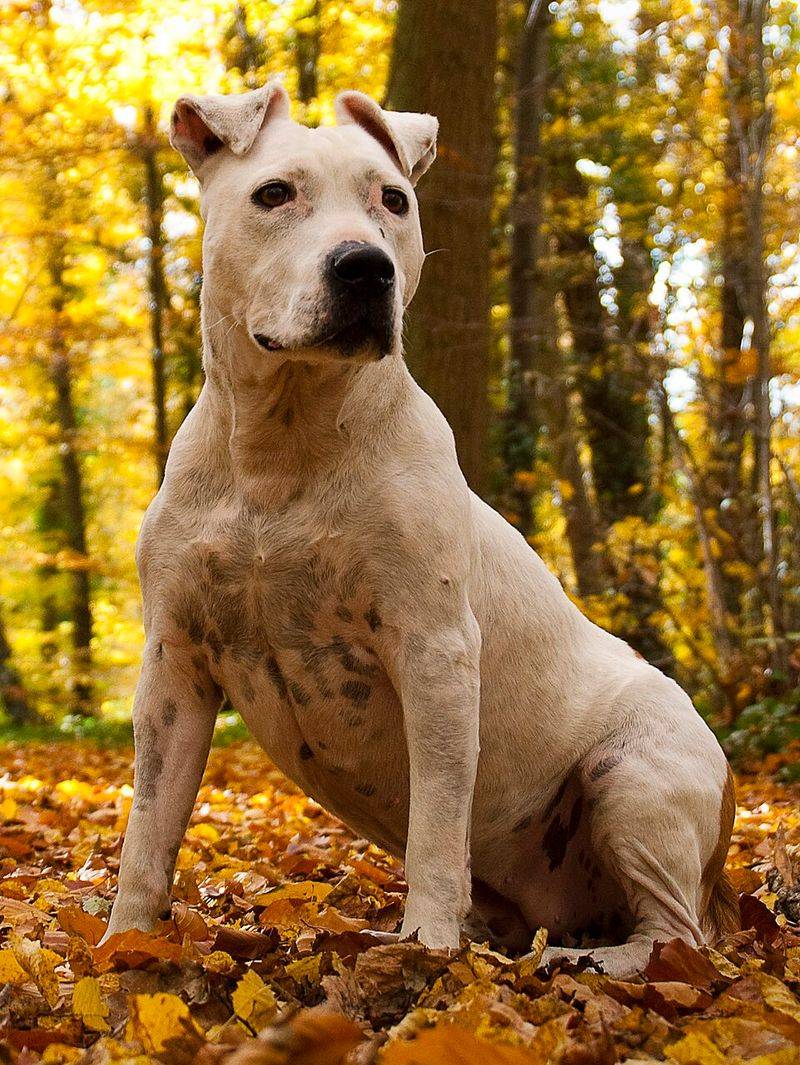
People adore AmStaffs for their goofy grins and cuddly hearts. With humans, they are often total sweethearts.
Around other dogs, though, things can get tricky. Some AmStaffs show dog aggression, especially if they were not socialized early as puppies.
Start meetings on neutral ground, like a quiet park, and keep both dogs leashed. Patience pays off, and many AmStaffs learn to live peacefully with a carefully chosen companion.
Alaskan Malamute

Built like a furry tank, the Malamute hauled heavy loads for the Mahlemut people of Alaska. Strength and stubbornness come as a package deal.
Malamutes often want to be the boss of other dogs. Same-sex pairs can lead to serious scuffles over rank.
Their urge to hunt small animals runs strong as well. If you love this breed, consider making it your only pet, or choose companions very carefully.
Dachshund
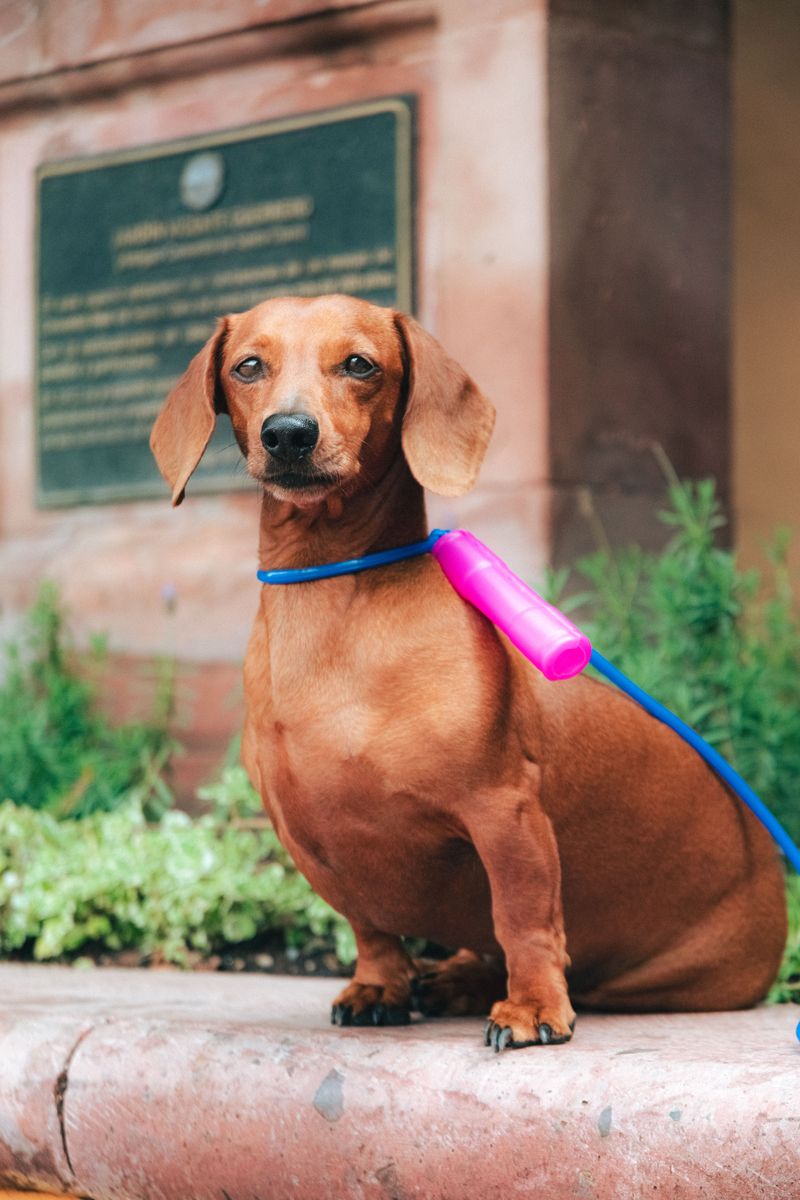
Don’t let those short legs fool you. In German, Dachshund means badger dog, and these little hunters once faced down fierce badgers underground.
Many Doxies get jealous when a new pet steals attention. Growling over toys or laps is pretty common.
Hamsters and rabbits may also tempt their hunting instincts. Give your Dachshund extra love during the adjustment period so it does not feel replaced.
Australian Cattle Dog
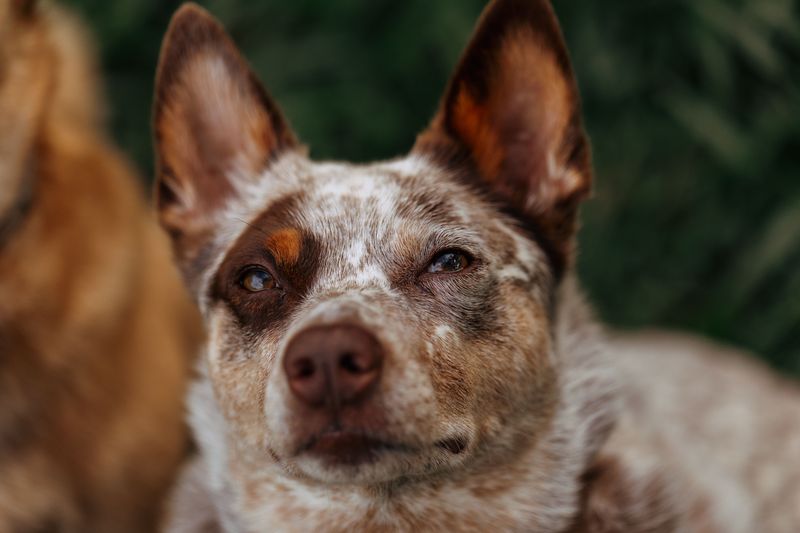
Herding cattle on rough Australian ranches takes grit, and the Cattle Dog has plenty. Nipping at heels is basically part of its job description.
At home, that habit can turn toward cats, younger dogs, or even kids. Other pets rarely enjoy being herded.
Cattle Dogs also bond tightly to one person and may guard them. Mental puzzles, long runs, and clear rules help keep household peace.
Rhodesian Ridgeback
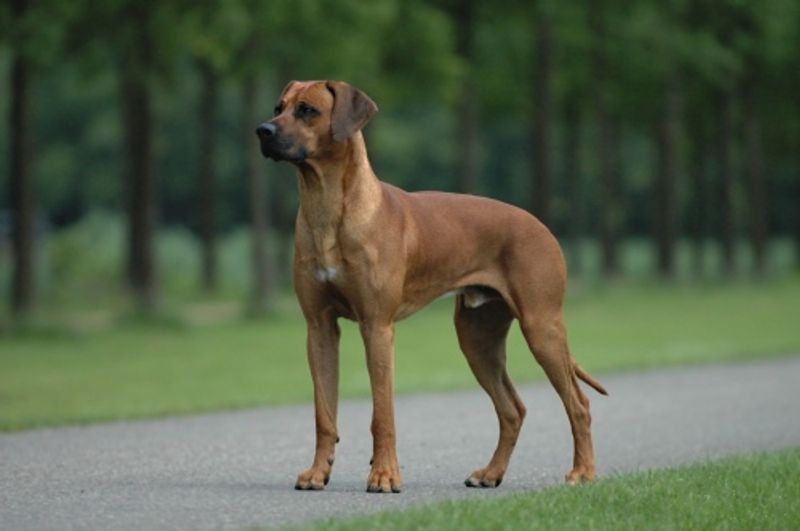
Here’s a wild bit of history: Ridgebacks helped African hunters track lions. Yes, actual lions.
That bold, independent mind can make them pushy with other dogs, especially males. They also tend to chase anything small that runs, including cats.
Early socialization is key for this breed. Ridgebacks raised alongside other pets from puppyhood usually adjust far better than adults introduced later in life.
Cane Corso
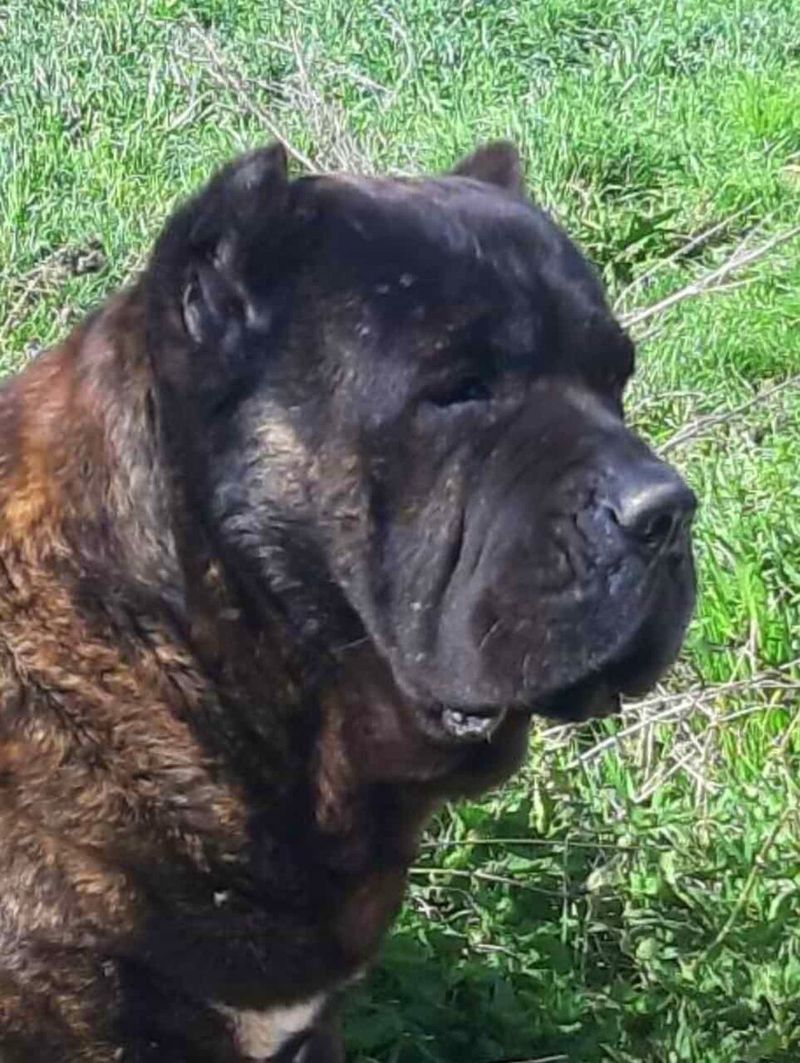
Some dogs greet strangers with wags. A Cane Corso greets them with a long, serious stare.
Originally Italian guard dogs, Corsos are deeply protective of their territory. A new dog or cat can feel like an intruder to them.
Their size makes any conflict risky. Work with an experienced trainer, introduce pets slowly, and never leave them alone together until trust is fully built.