
Fairs, parades, and farmers markets can be loads of fun, but not every dog enjoys bumping elbows with strangers. Some breeds love noise and new faces, while others feel stressed in a busy crowd.
Knowing your dog’s natural personality helps you plan a safer, happier outing for everyone. Read on to see which breeds tend to shine in a crowd and which ones might prefer a quiet day at home.
Golden Retriever: The Crowd’s Best Friend
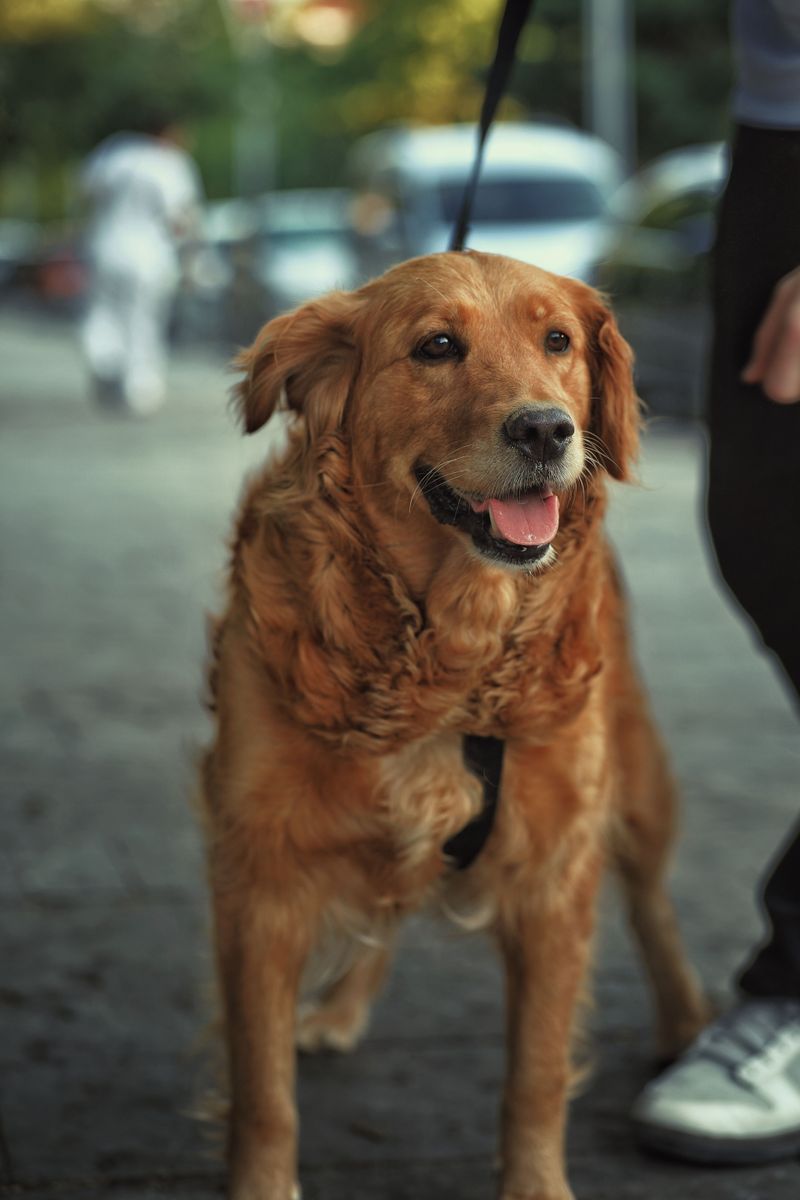
Picture a Golden Retriever at a street fair, tail swinging like a metronome as kids reach out to pet it. That scene is pretty typical for this breed.
Goldens were bred to work closely with hunters, so teamwork and people-pleasing come naturally. Most of them treat strangers like old pals.
Still, bring water and take shade breaks. Their thick coats heat up fast on hot pavement, especially during summer events.
Labrador Retriever: Friendly Snack Hunter
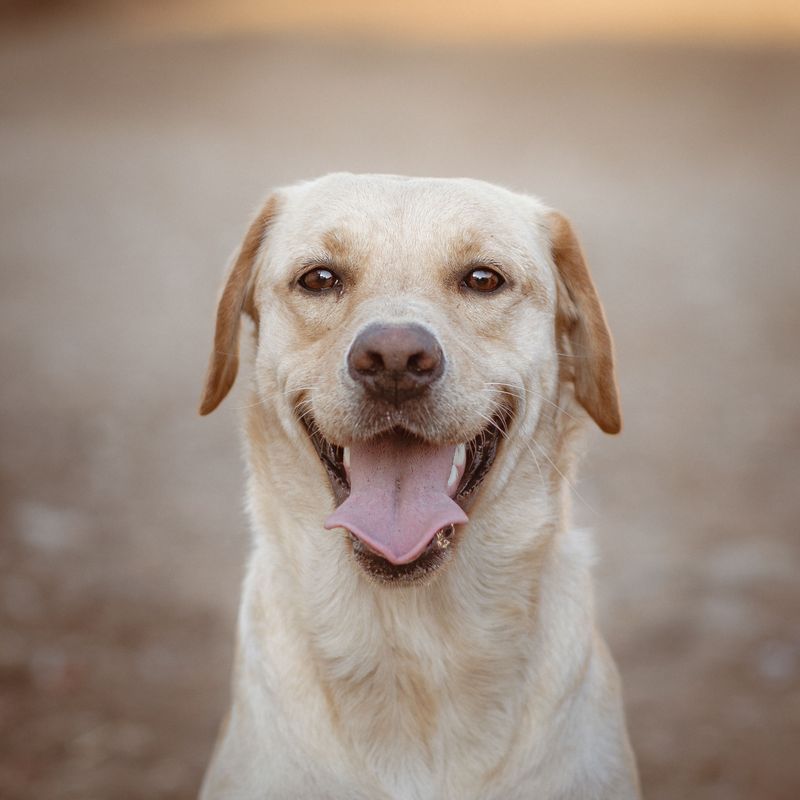
Did you know Labradors actually come from Newfoundland, not Labrador? Fun twist, right?
Labs are famous for loving everybody they meet. Busy events rarely rattle them, and they often greet new people with a happy wiggle.
The real challenge is food. Dropped hot dogs and popcorn are everywhere at fairs, and a Lab will find them.
Practice a solid leave it command before you go, and keep the leash short near food stands.
Beagle: Nose-First Socializer
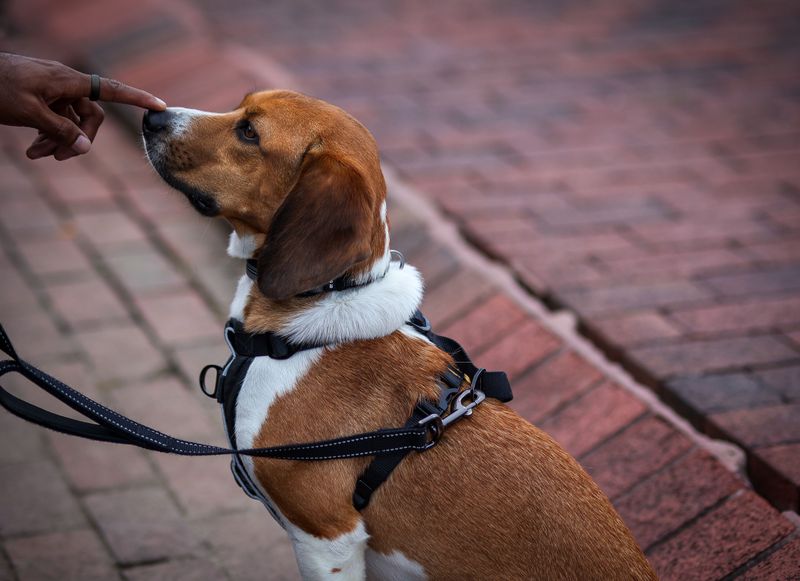
A Beagle’s nose has about 220 million scent receptors. At a crowded event, that nose is having the best day ever.
Beagles were pack hounds, so they usually get along with people and other dogs easily. Crowds feel like a friendly party to them.
Their one weakness? Following smells instead of you.
A sturdy harness works better than a collar, and a few high-value treats will help hold their attention.
Cavalier King Charles Spaniel: Lap-Sized Charmer
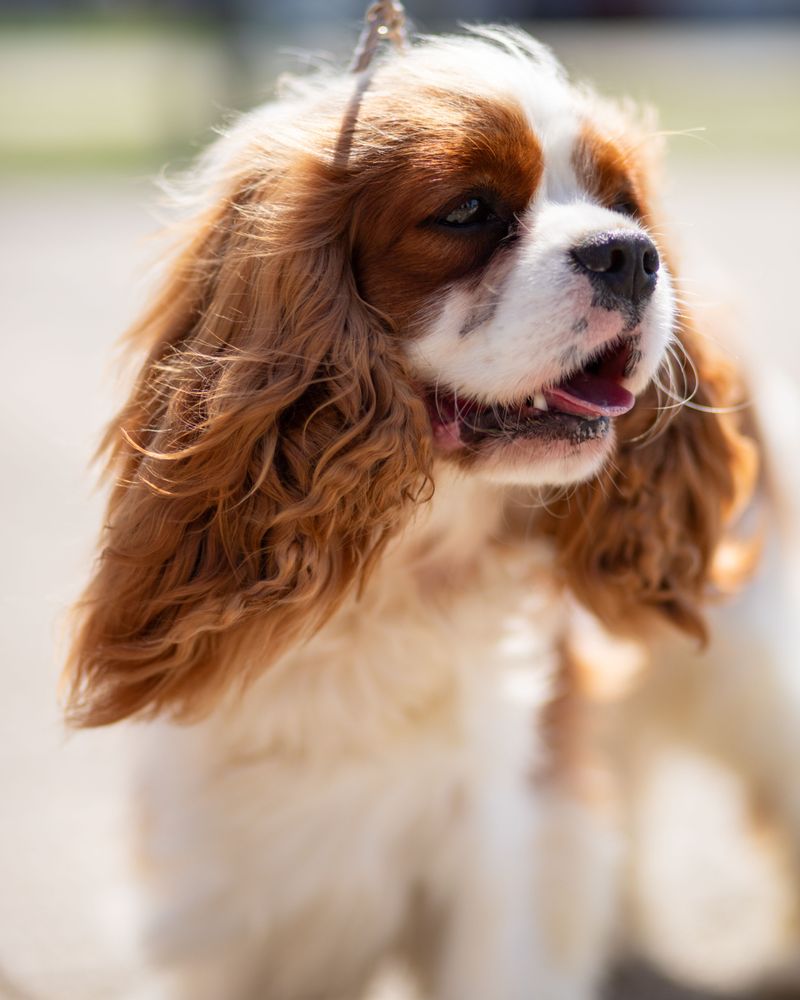
Royal dogs once warmed the laps of English kings, and Cavaliers still carry that charming, people-loving attitude today.
These little spaniels rarely meet a stranger they dislike. Their soft eyes and calm manners make them crowd favorites at outdoor cafes and art walks.
Small size has a downside, though. Feet and strollers can easily bump them.
Consider carrying your Cavalier through tight spots, or bring a pet sling for packed areas.
Boxer: Bouncy Party Guest
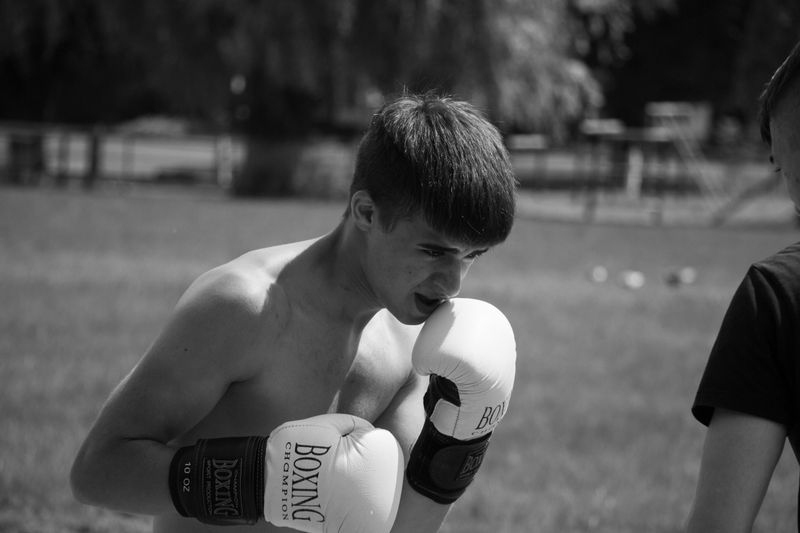
Boxers act like they just heard the best news of their lives, every single day. That bouncy joy makes them fun companions at lively events.
They usually adore people, including kids. The trouble is their enthusiasm, since a happy jump can knock someone over.
Burn off energy with a long walk before the event. A tired Boxer is a polite Boxer, and calm greetings will earn you lots of smiles.
Bichon Frise: Fluffy Entertainer
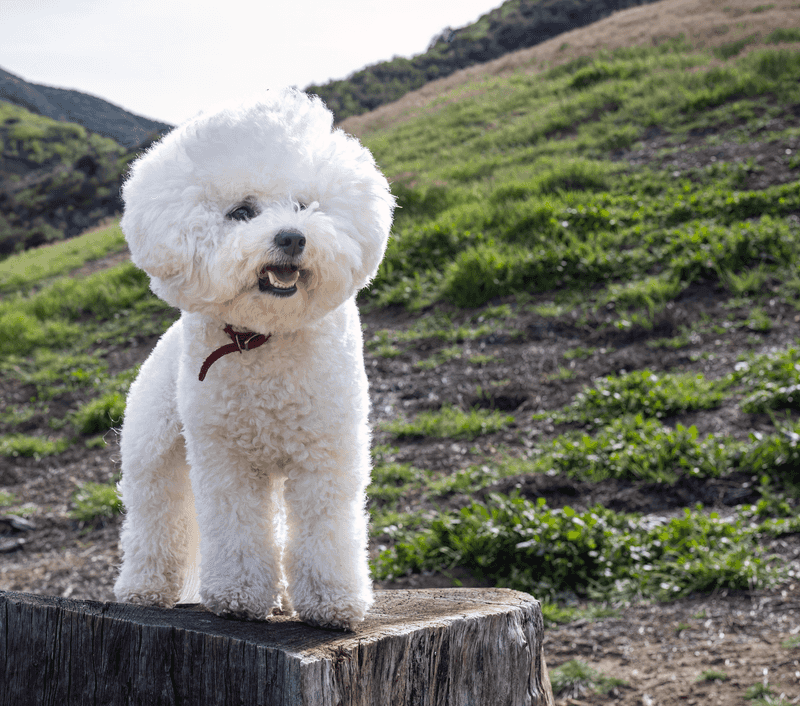
Long ago, Bichons performed tricks in European circuses and street fairs. Crowds are basically in their family history.
These cheerful puffballs enjoy attention and usually stay relaxed around new faces. Many even seem to pose when people stop to admire them.
Keep an eye on their paws, because hot asphalt can burn small feet. Choose events on grass when possible, and give your Bichon a quiet break every hour or so.
Newfoundland: Gentle Giant in a Crowd
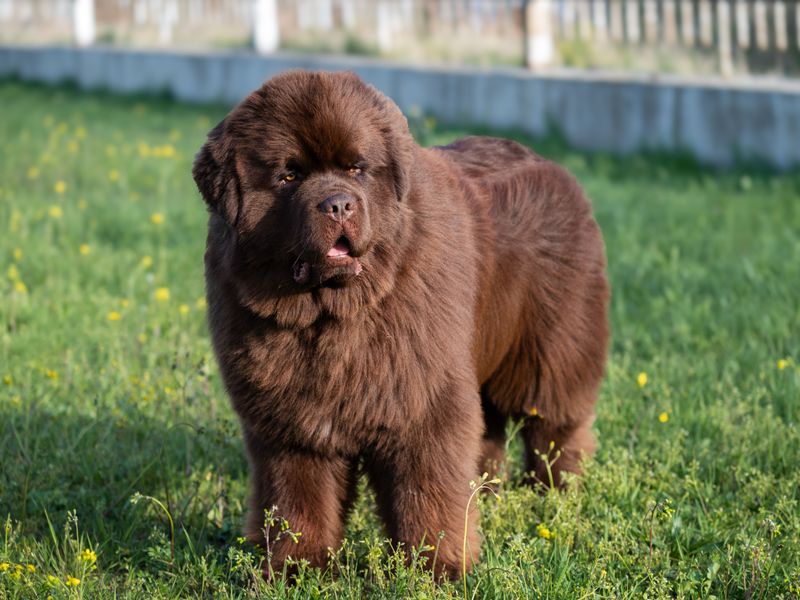
With a heart as big as its paws, the Newfoundland often becomes the unofficial greeter at any community gathering.
Newfies are calm, patient, and famously tender with children. Loud noises rarely upset them, so they handle parades better than most dogs.
Size is the main issue. They take up space and overheat easily in thick coats.
Pick cooler days, bring a big water bowl, and plan routes with plenty of room.
Pug: Comedian of the Crowd
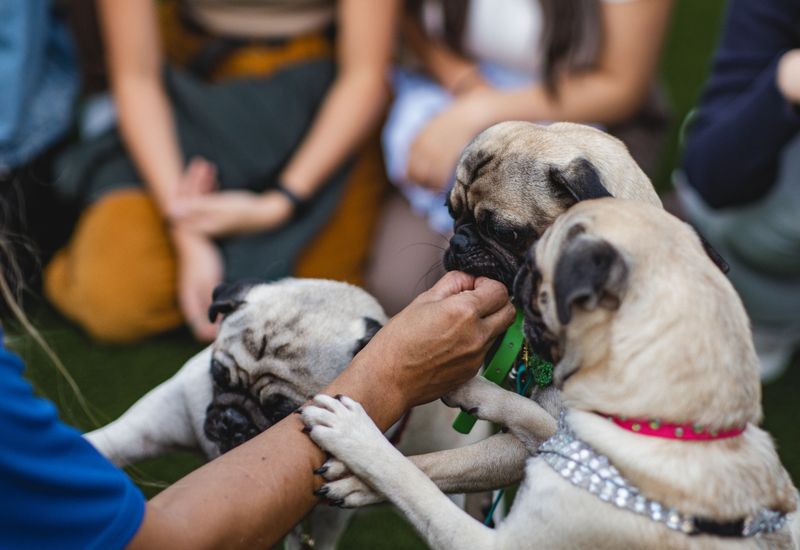
Ever notice how a Pug can make a whole line of strangers giggle? These little clowns thrive on being noticed.
Pugs are easygoing and love affection from just about anyone. Busy events generally don’t faze them at all.
Breathing is the big concern. Their flat faces make heat and long walks risky.
Choose short outings on mild days, avoid packed sweaty crowds, and watch for heavy panting as a warning sign.
Irish Setter: Social Butterfly with Red Hair
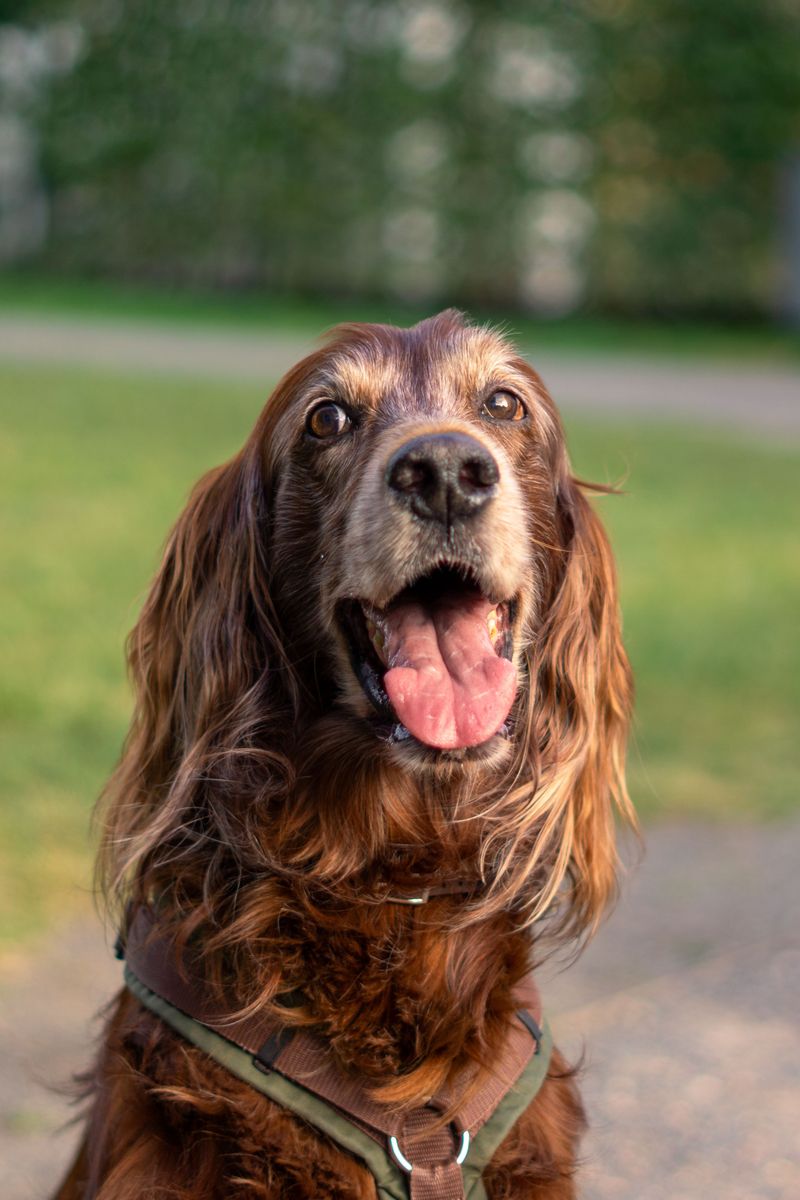
Flowing red coat, happy grin, endless curiosity. Irish Setters look like movie stars and act like party hosts.
They tend to love everyone, from toddlers to other dogs. Their outgoing spirit fits right in at fairs and dog-friendly festivals.
Focus can slip, though. Setters were bred to roam fields, so busy scenes may wind them up.
Practice loose-leash walking at home first, then try a small event before a huge one.
Poodle: Smart and Adaptable
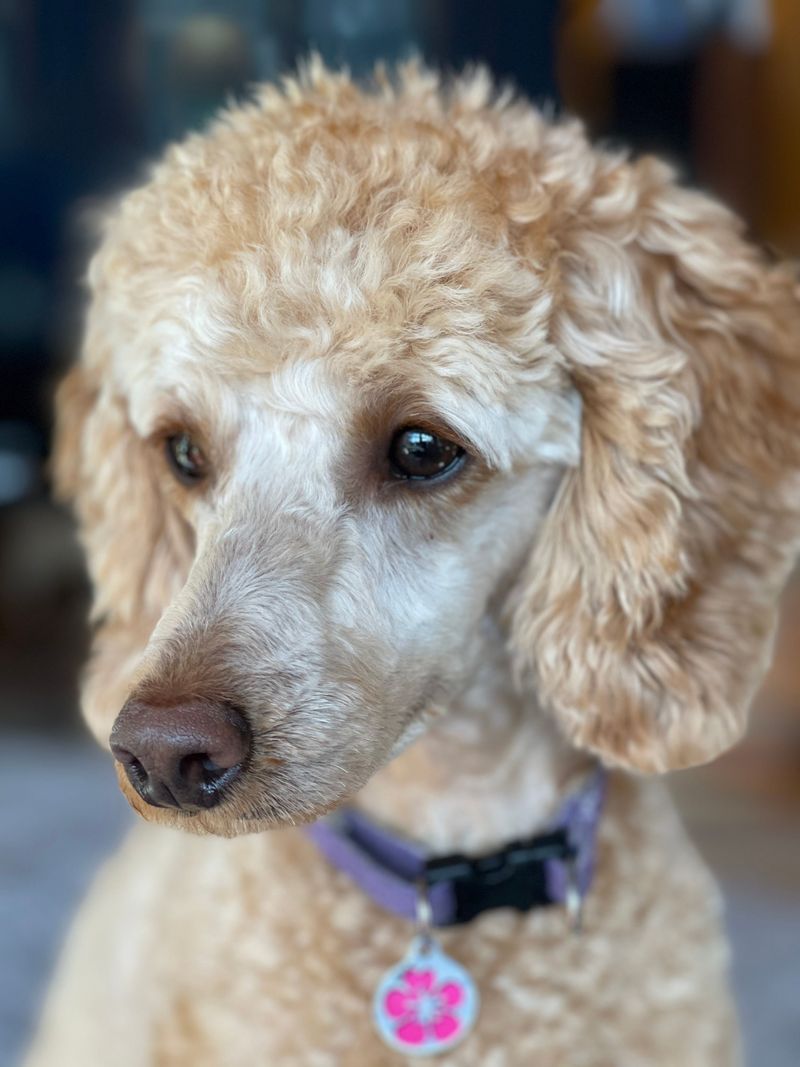
Here’s a surprise: that fancy Poodle haircut started as a practical style for swimming retrievers in Germany.
Poodles are clever and adaptable, which helps a lot in loud places. Most learn quickly how to stay calm with good training.
Standard Poodles usually handle crowds best, while toy versions may feel overwhelmed. Teach a reliable sit and watch me cue, and your Poodle will glide through the crowd with style.
Bernese Mountain Dog: Calm Farm Helper
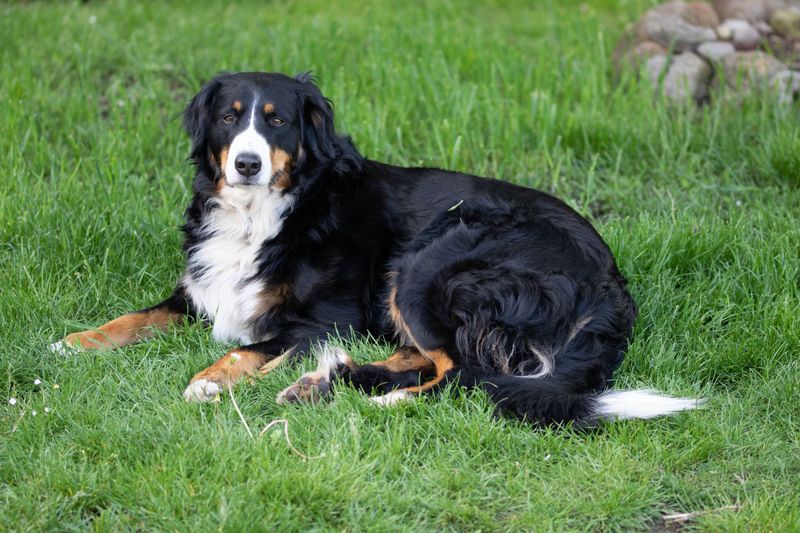
Swiss farmers once used Berners to pull carts of cheese and milk to busy markets. Crowds are nothing new for them.
These fluffy giants are mellow and affectionate. They usually greet strangers with a soft lean instead of wild jumping.
Heat is their enemy, so evening or fall events work best. Some Berners can feel shy as puppies, so slow, positive exposure helps build lasting confidence around people.
Australian Shepherd: Busy Brain, Friendly Heart
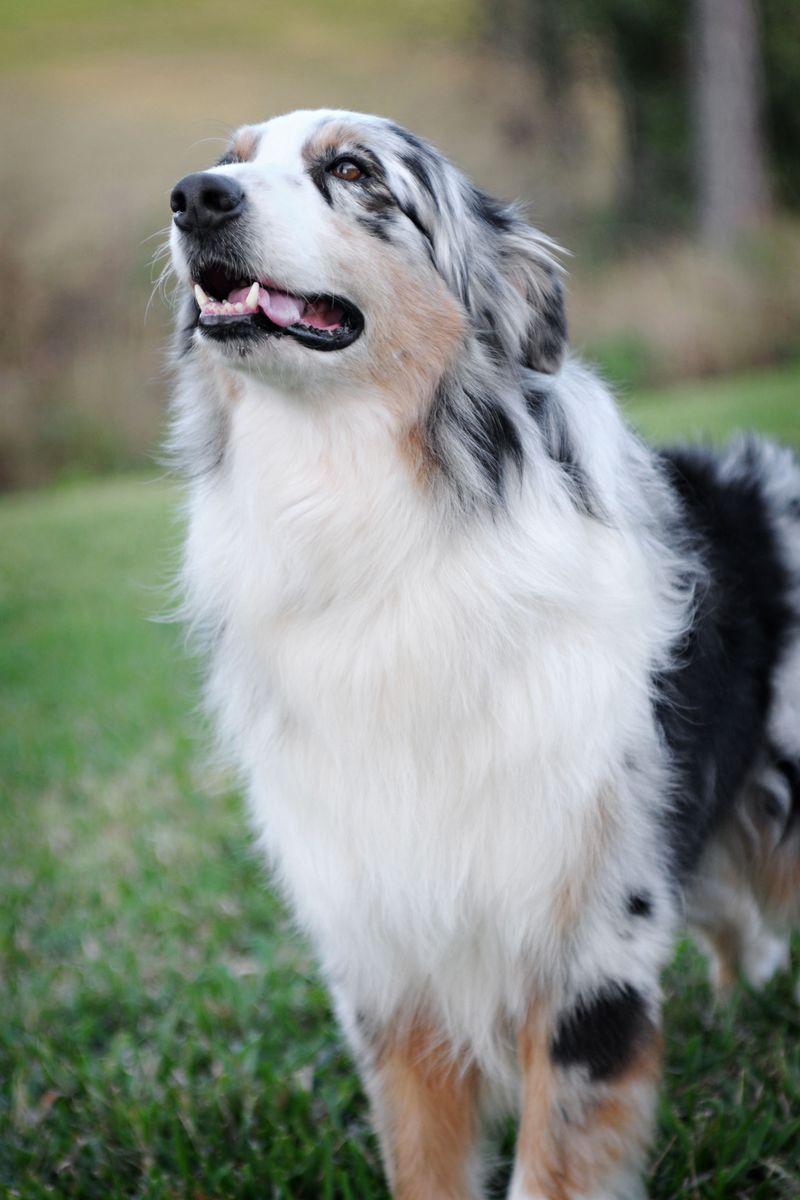
Aussies are actually American ranch dogs, despite their name. They herded sheep at rodeos, so noise and bustle feel fairly normal.
Well-socialized Aussies enjoy outings and bond strongly with their people. They love having a job, even if that job is walking politely.
Watch for herding habits like nipping at running kids. Give your Aussie a task, such as heel practice, to keep that busy brain happy.
Chow Chow: Proud and Reserved
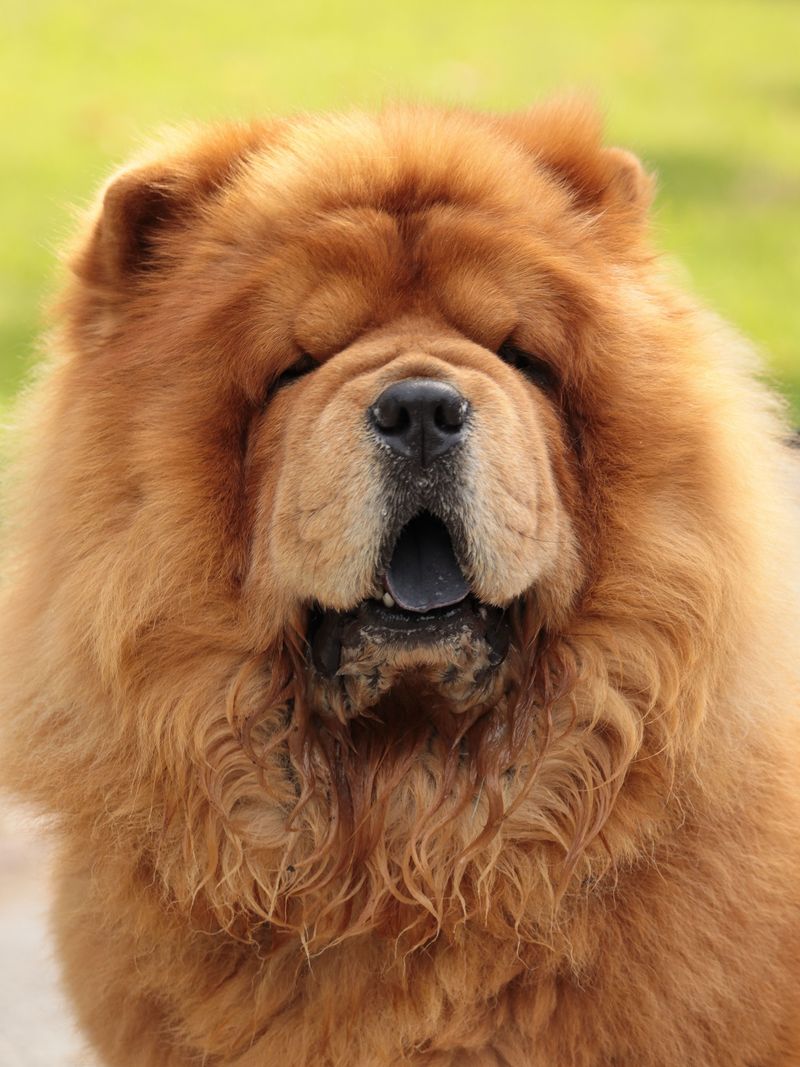
Think of the Chow Chow as a dignified cat in a lion costume. They often prefer their own family over strangers.
Chows don’t usually enjoy being touched by unfamiliar hands. In a crowd, constant petting can make them tense or defensive.
If you bring one, keep visits short and ask people to admire from a distance. Honestly, a quiet park walk often suits this independent breed much better.
Shiba Inu: Independent Thinker
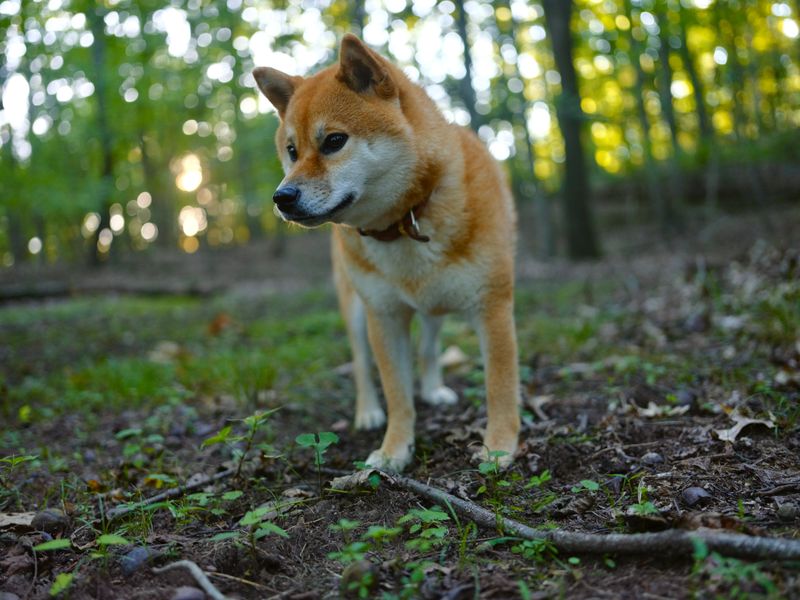
Ancient Japanese hunters relied on Shibas in thick mountain brush. That history built a bold, independent, and very alert dog.
Shibas tend to be wary of strangers and dislike being grabbed. Loud crowds may trigger the famous Shiba scream, a dramatic yell that turns heads.
Start with calm, small gatherings. Let your Shiba observe from the edge, and reward relaxed behavior instead of forcing close greetings.
Chihuahua: Tiny Dog, Big Worries
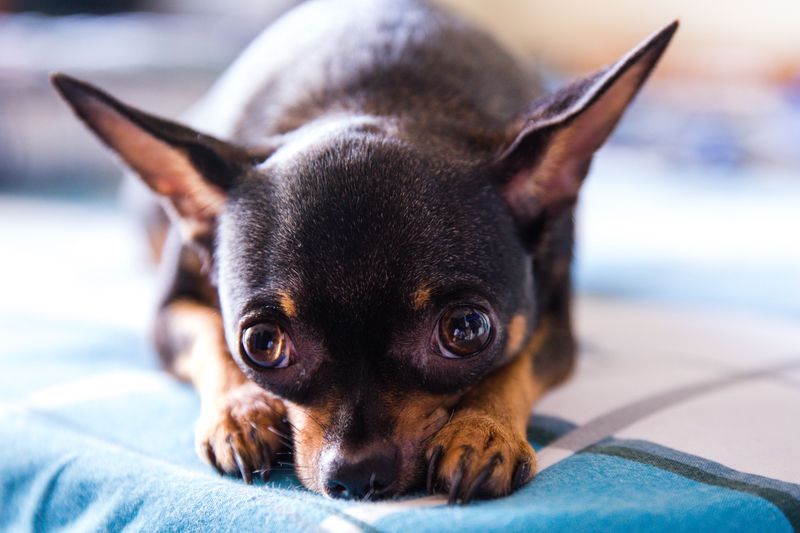
Being the smallest one in a sea of legs sounds scary, right? For many Chihuahuas, crowds feel exactly like that.
These loyal little dogs often bond to one person and can be nervous or snappy with strangers. Loud sounds may also make them shake.
A cozy carrier or sling offers safety and a good view. Watch for tucked tails or trembling, and head home early if stress shows.