
Lots of people pick a dog because it looks cute, then get shocked by the brushing, bathing, and haircut bills. Some popular breeds need far more coat care than you might guess.
Knowing this ahead of time can save you money, stress, and painful mats for your pup. Below are eleven breeds that surprise new owners, plus three that are much easier to keep tidy.
Poodle
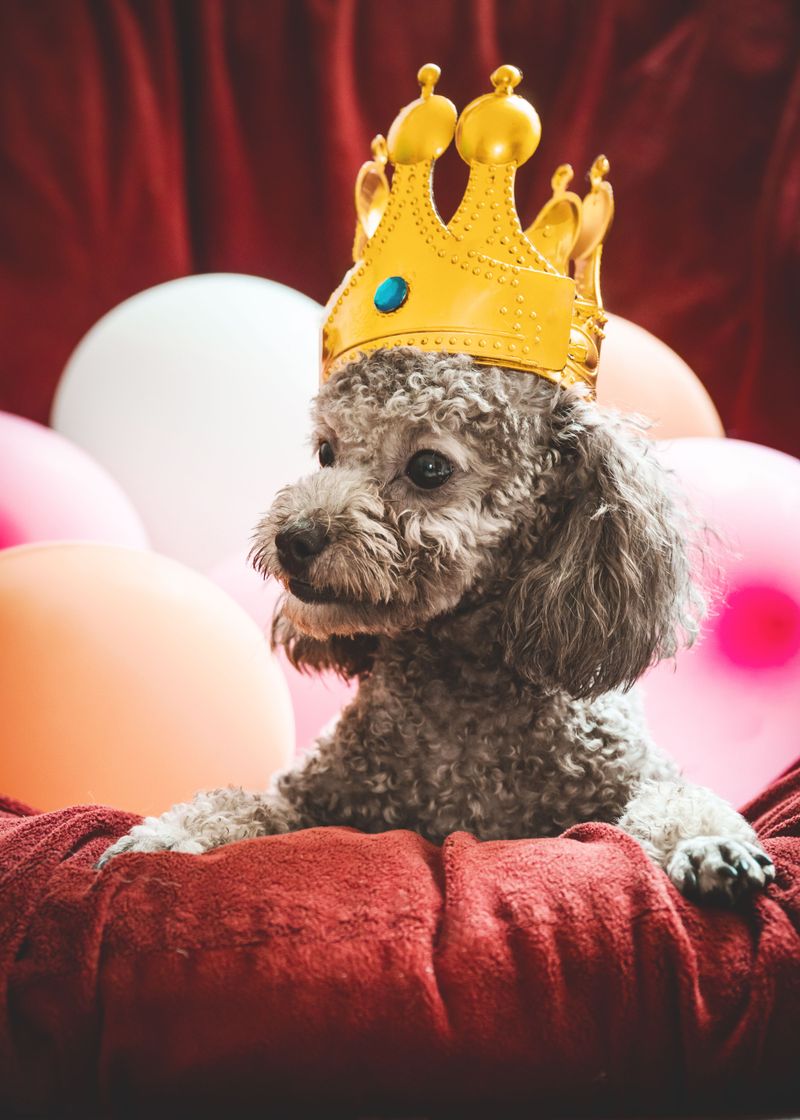
People love that Poodles barely shed. The catch?
All that hair keeps growing, kind of like yours does.
Without a trim every four to six weeks, the curly coat tangles into tight mats that pull on the skin. Daily or near-daily brushing is a must, right down to the roots.
Fun fact: the fancy show cut started as a practical way to keep water-retrieving Poodles warm around their joints while swimming.
Siberian Husky
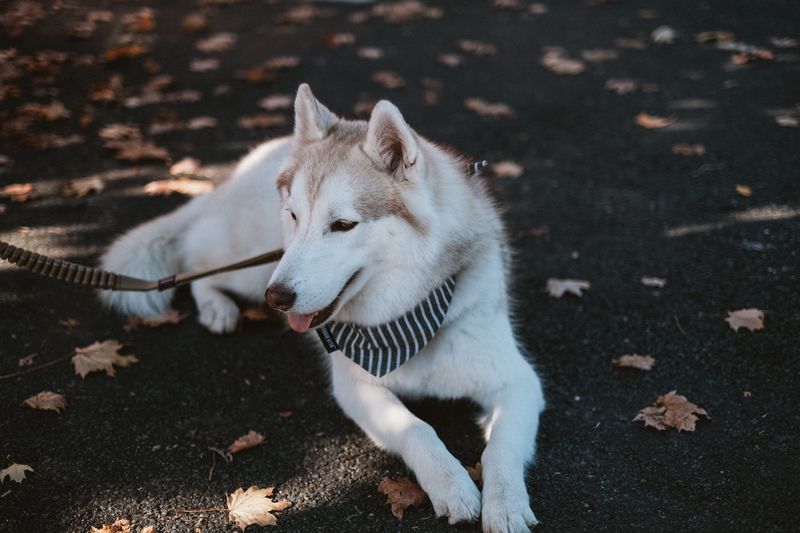
Picture a snowstorm of fur inside your living room. Twice a year, Huskies blow their thick undercoat, and the amount of hair is honestly unbelievable.
During those weeks, you will want an undercoat rake and a strong vacuum. Weekly brushing helps the rest of the year.
One big tip: never shave a Husky. Their double coat actually protects them from heat and sunburn, so shaving can do real harm.
Golden Retriever
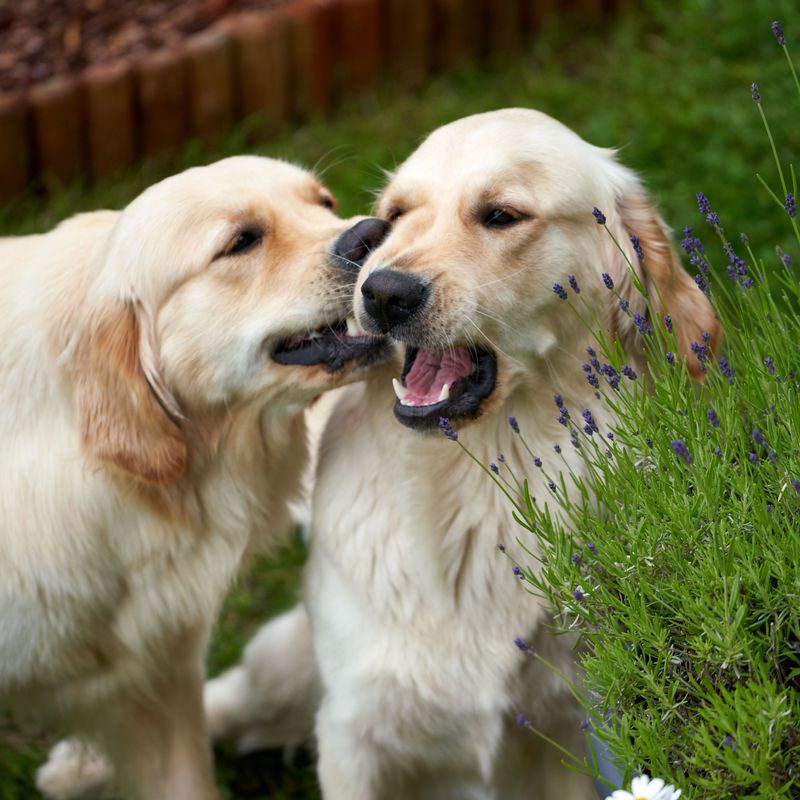
Golden Retrievers win hearts fast, and they leave golden hair on every couch cushion just as quickly.
Their feathery legs, ears, and tail tangle easily, especially after swims or muddy walks. Plan on brushing a few times a week and a full brush-out daily during shedding season.
Many owners forget the ears. That soft fur traps moisture, so check and clean them weekly to help prevent itchy infections.
Shih Tzu
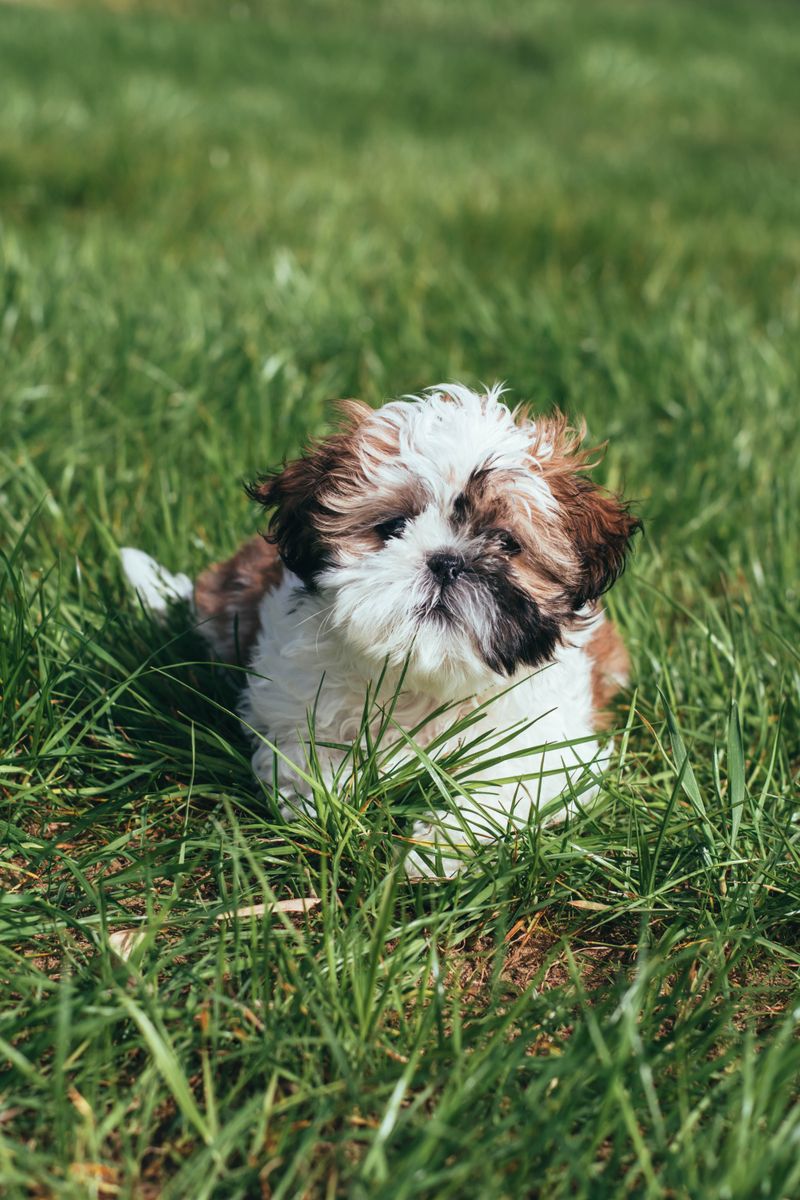
Bred to warm the laps of Chinese royalty, the Shih Tzu still carries a coat fit for a palace.
That long, silky hair mats in a single day of play if you skip brushing. Many owners choose a short puppy cut to make life easier.
Watch the face, too. Hair near the eyes can cause tear stains and irritation, so a quick daily wipe and a little topknot work wonders.
Doodle Mixes
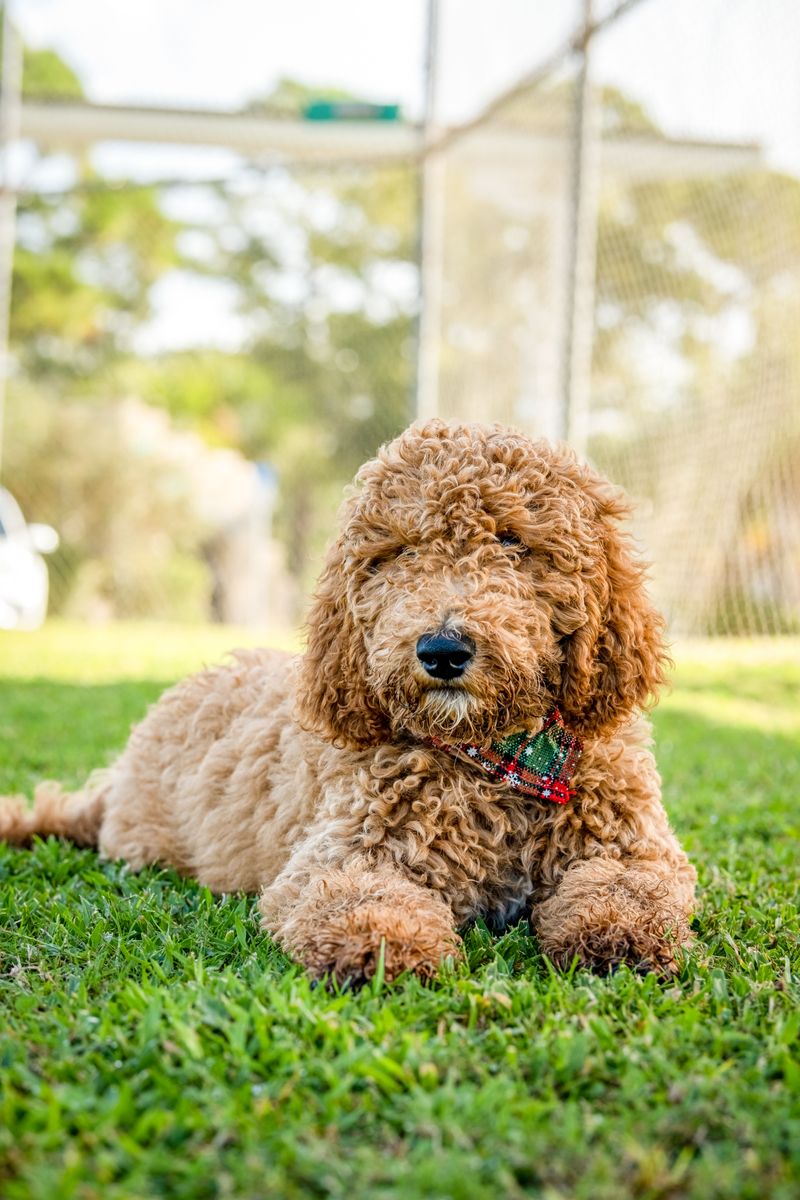
Here is the truth many breeders skip: a Goldendoodle or Labradoodle may need more grooming than either parent.
Their wavy, fluffy coats can mat close to the skin while looking fine on top. Groomers see shaved-down doodles all the time because owners did not brush deep enough.
Use a slicker brush plus a metal comb several times a week. Budget for a professional groom every six to eight weeks.
Pomeranian
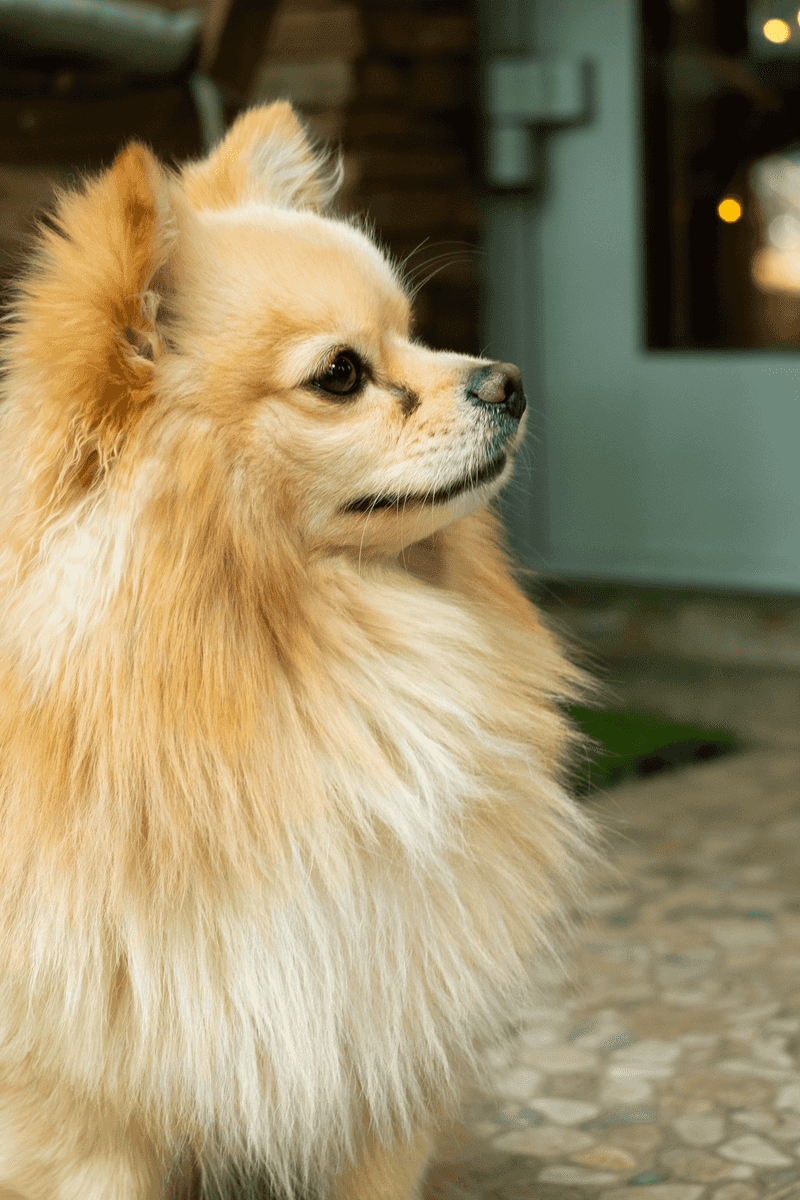
Tiny body, giant puff of fur. Pomeranians look like walking cotton balls, and keeping them fluffy takes effort.
Their dense double coat needs line brushing, where you part the hair and brush small sections down to the skin. Skip it, and mats hide behind the ears and under the legs.
Some Poms also get coat loss after shaving. Trim lightly instead, and let a groomer shape that famous teddy look.
Bichon Frise
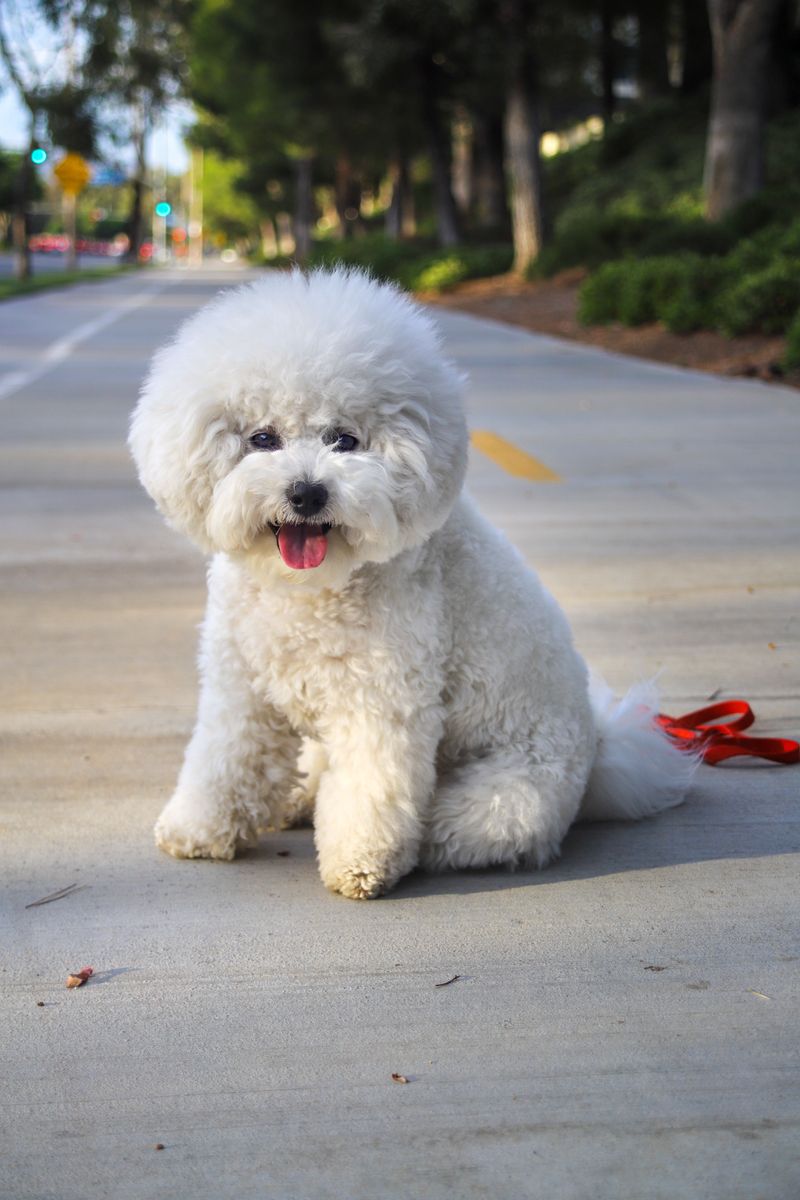
Ever wonder how Bichons stay so round and snowy? Spoiler: it is mostly scissors and patience.
Their curly coat traps shed hair instead of dropping it, so it knots fast. Brushing every day or two keeps things smooth, and a groomer visit every month keeps that cloud shape.
White fur also shows dirt and tear stains. Gentle face wipes and a whitening dog shampoo help your pup look fresh.
Pembroke Welsh Corgi
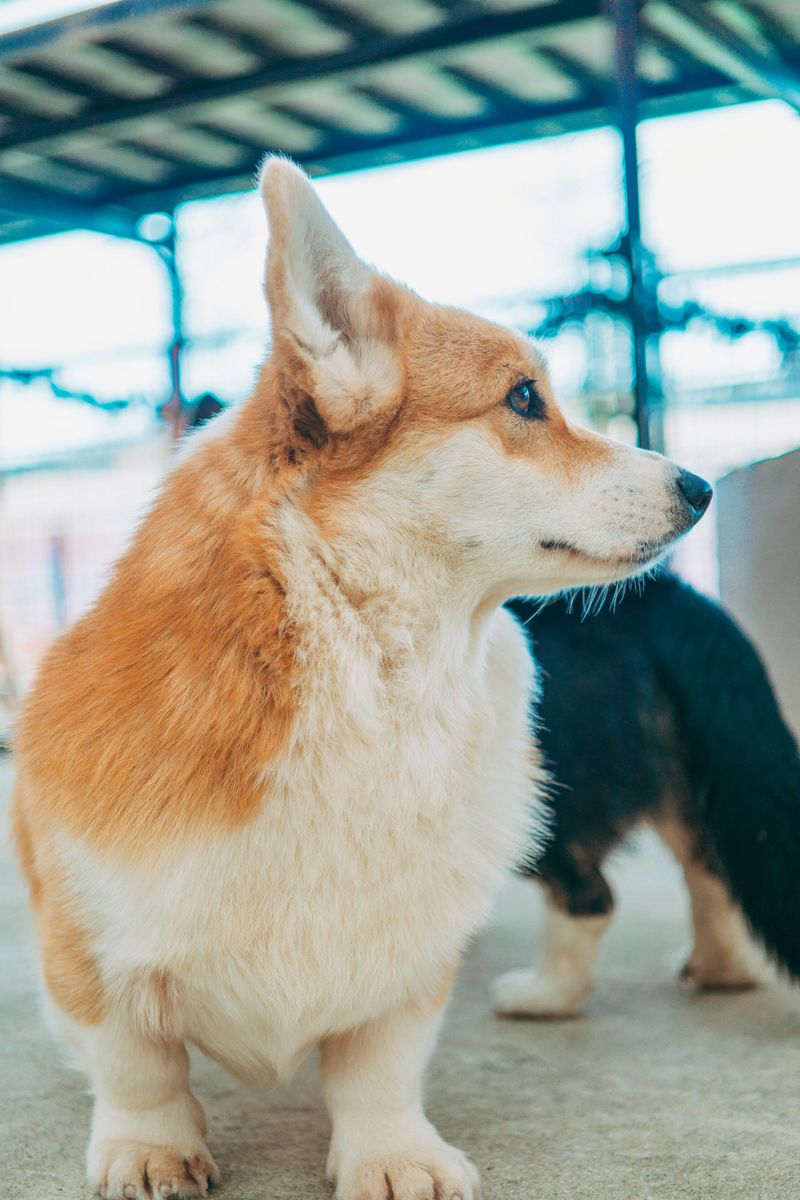
Short legs, short coat, short grooming list? Not quite.
Corgi owners like to joke that their dogs shed year-round and twice a year it gets worse.
That thick double coat sheds steadily. Brushing two or three times a week with a deshedding tool keeps the tumbleweeds under control.
Bath time matters, too. Their low bellies collect dirt and grass, so a quick rinse after muddy walks helps a lot.
Cocker Spaniel
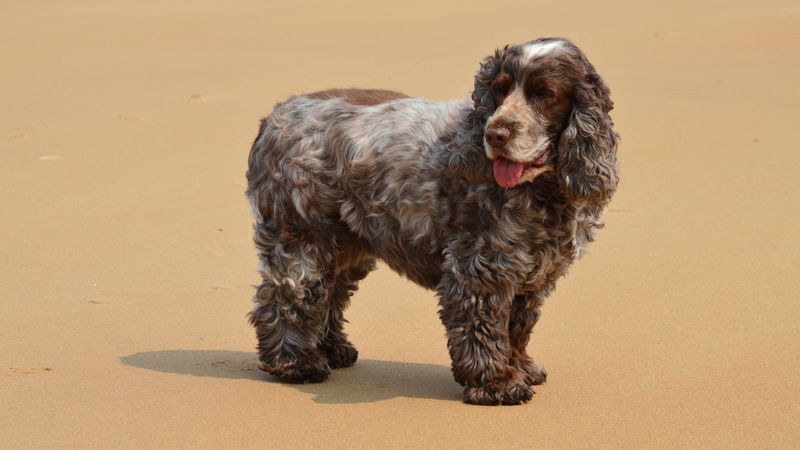
Those long, wavy ears are adorable, and they are also magnets for burrs, food, and tangles.
Cocker Spaniels have silky feathering on the legs, belly, and ears that needs brushing several times a week. Most also need professional trims about every six weeks.
Ear care is a big deal here. The heavy flaps block airflow, so clean them weekly and dry them well after baths or swims.
Bernese Mountain Dog
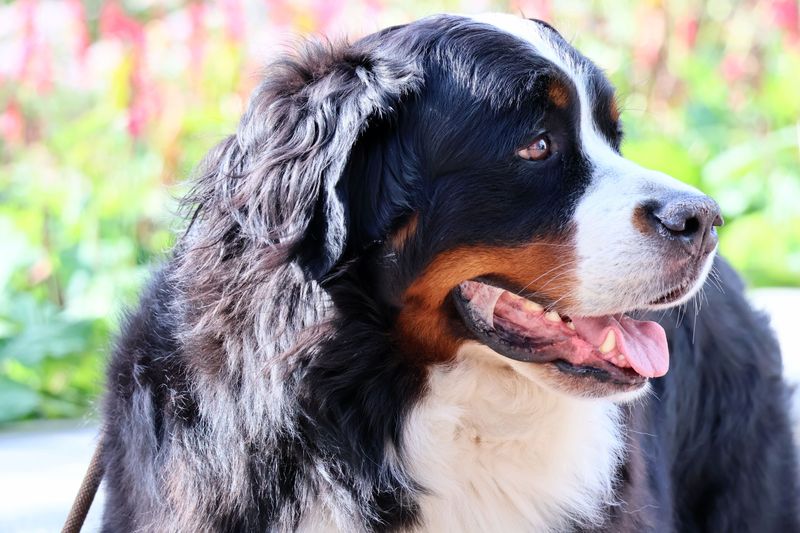
Originally bred to pull carts on Swiss farms, the Bernese Mountain Dog comes with a coat built for alpine winters.
That means lots of shedding. Expect fur on clothes, floors, and even in your food bowl sometimes.
Brushing two to three times a week is the minimum.
Size adds to the challenge. Bathing a 100-pound dog is a workout, so many families book a self-wash station or a groomer.
Yorkshire Terrier
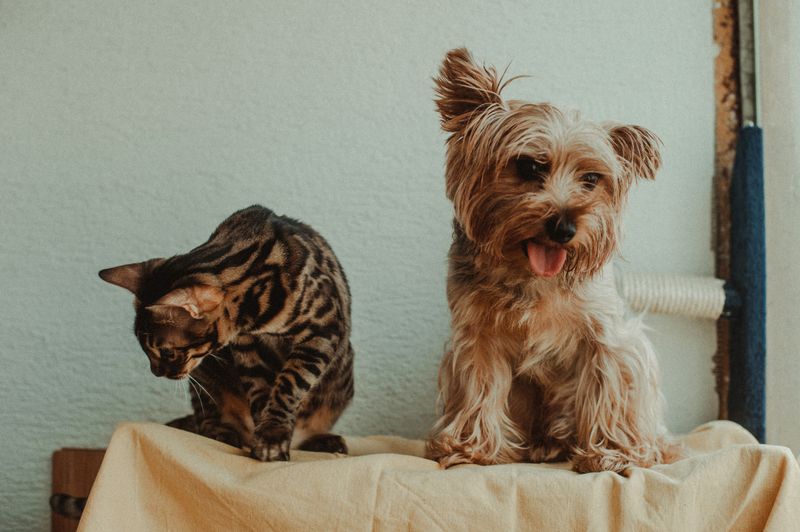
A Yorkie’s coat is closer to human hair than fur. Pretty neat, right?
It also means it grows long and breaks or tangles easily.
Daily brushing keeps a long coat silky. Busy owners often pick a short trim every month or two instead.
Do not forget teeth. Tiny mouths crowd teeth together, so brushing them a few times a week is just as important as brushing the coat.
Beagle
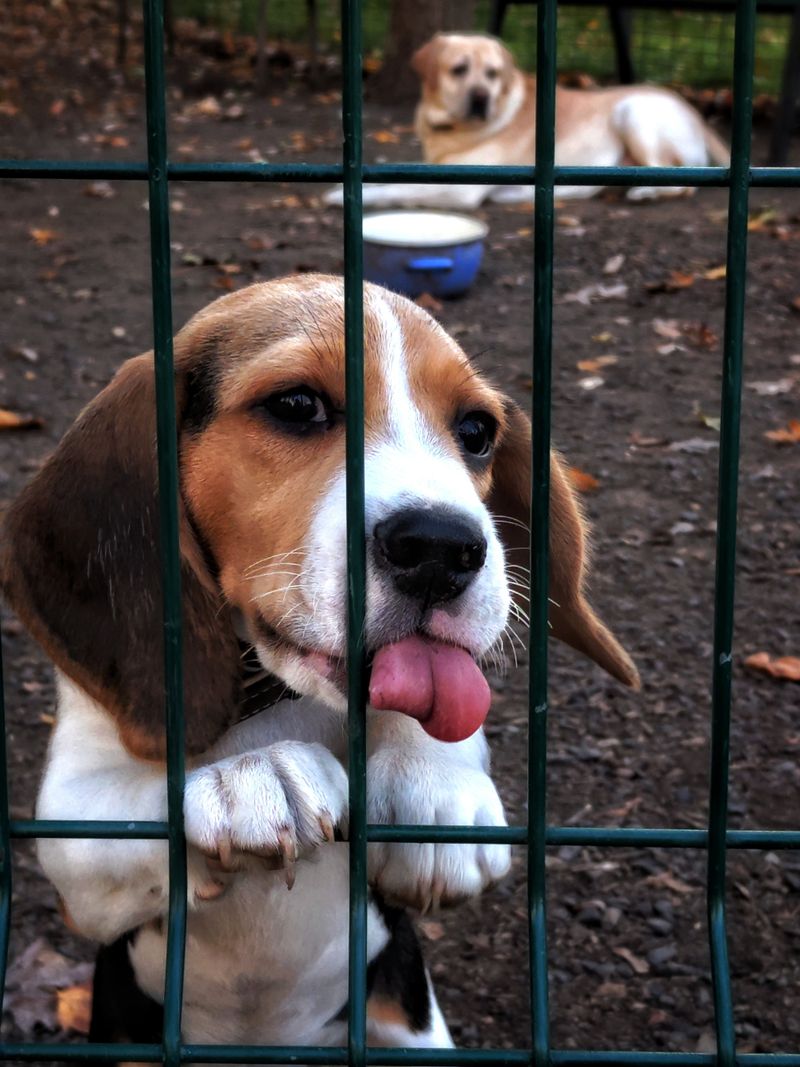
Want a dog you can groom in five minutes? Meet the Beagle, a cheerful hound with a short, tight coat.
A weekly once-over with a rubber grooming mitt pulls out loose hair and spreads healthy skin oils. Baths are needed only when they roll in something smelly, which may happen often.
Spend your saved time on those floppy ears, which need regular checks and cleaning.
Boxer
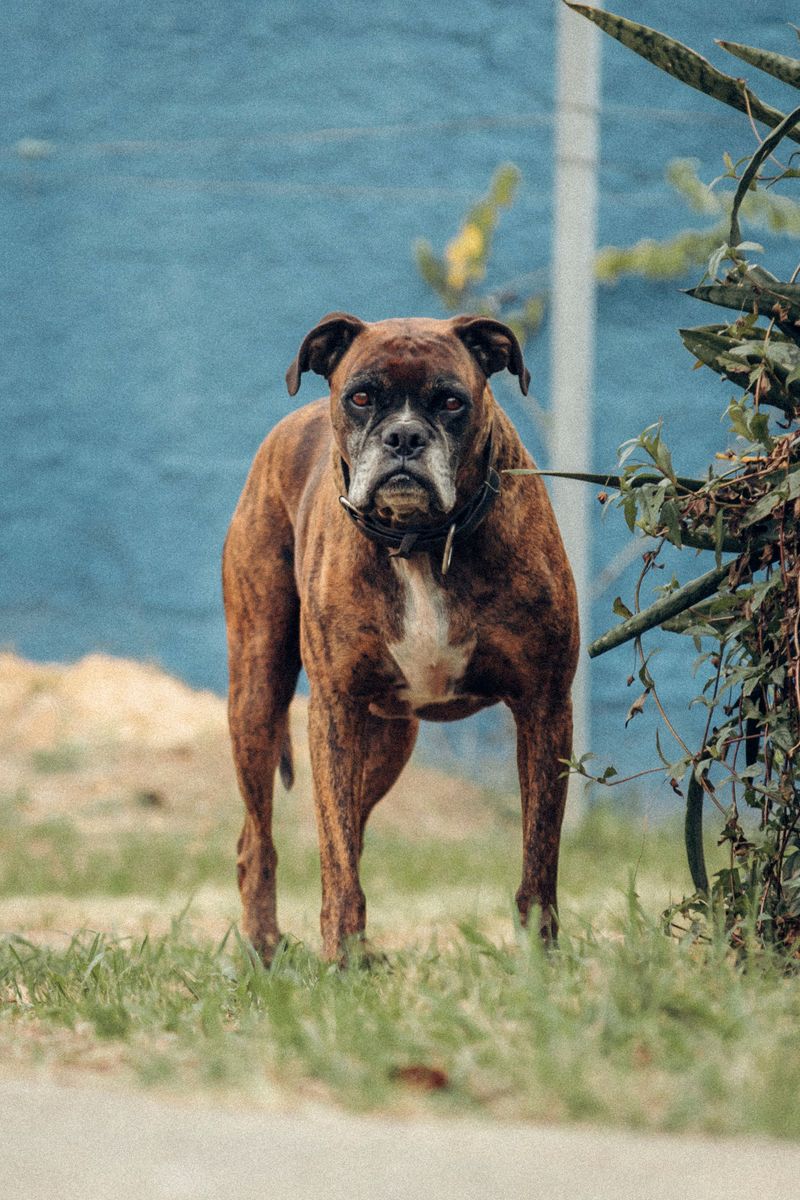
Goofy, bouncy, and shiny, Boxers wear one of the simplest coats in the dog world.
Their short, close fur needs just a quick weekly rub with a soft brush or damp cloth. No haircuts, no mats, and no expensive salon trips.
A small heads-up: thin coats mean less protection from cold and sun. A cozy sweater in winter and shade in summer keep your Boxer comfortable.
Whippet
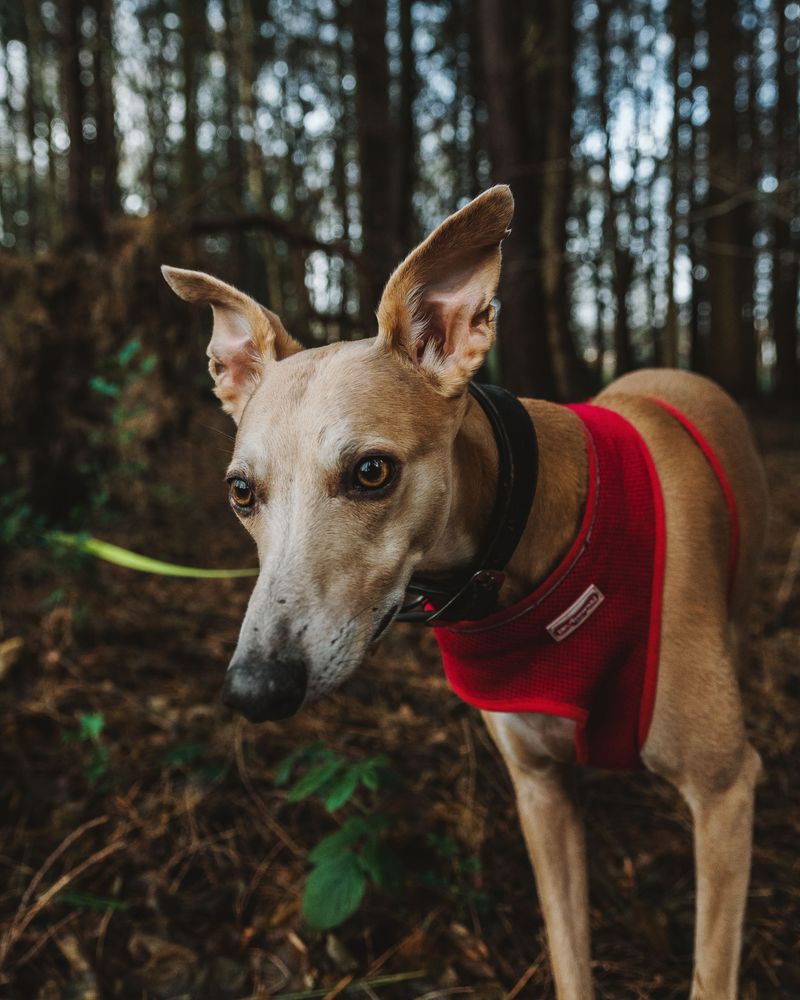
Sleek as a race car, the Whippet is famous for speed and for barely needing a brush.
Their fine, short coat sheds very little and has almost no doggy smell. A soft brush once a week and an occasional bath are plenty.
Did you know? Whippets were once called the poor man’s racehorse in England.
Today they mostly race to the couch, where blankets keep their thin coats warm.