
Some dogs were bred to herd sheep, chase foxes, or guard huge farms, and those old jobs still live inside them today. When you bring one of these dogs to a quiet street with small yards and close neighbors, things can get tricky fast.
Knowing a breed’s natural drives before you adopt can save you from barking complaints, escape attempts, and chewed-up fences. Here are eleven breeds that may surprise suburban owners, plus two that settle in more easily.
Siberian Husky: The Escape Artist
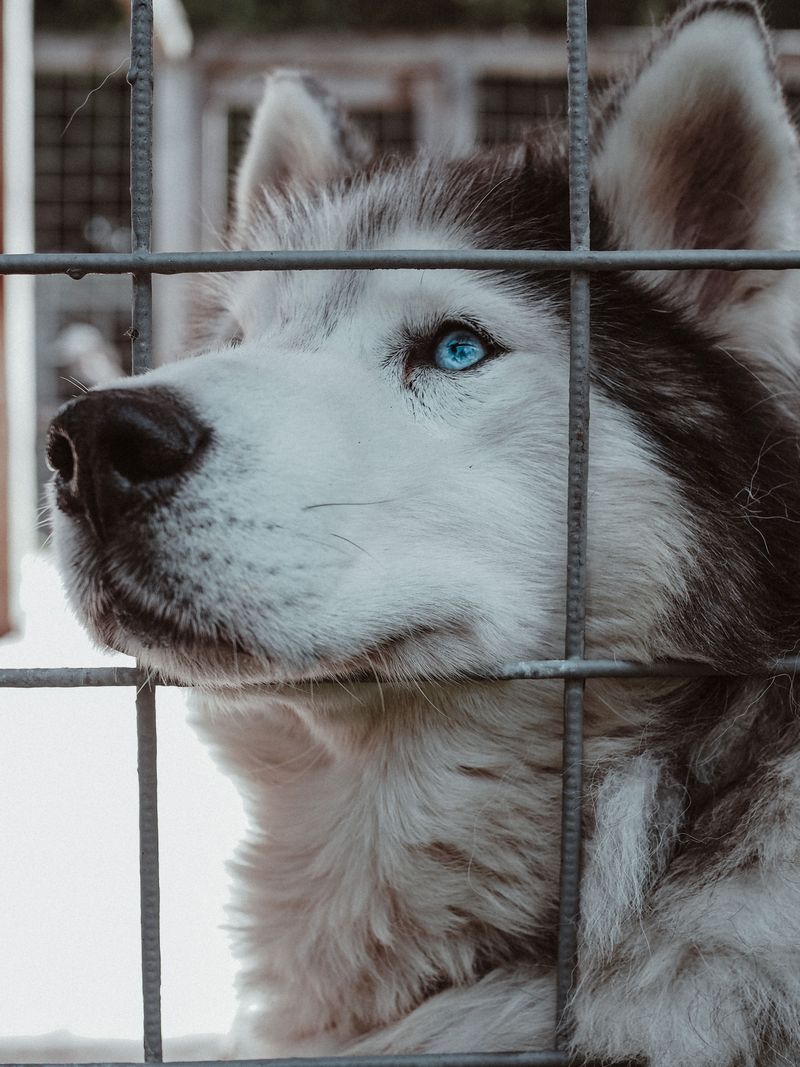
Picture a dog that can clear a five-foot fence before you finish your coffee. Huskies were bred to pull sleds across miles of frozen land, so staying put is not their style.
They dig, howl, and wander when bored. A normal suburban yard often feels like a jail to them.
Tip: bury wire along fence lines, keep them leashed on walks, and plan for at least an hour of hard exercise every day.
Border Collie: A Genius Without a Job
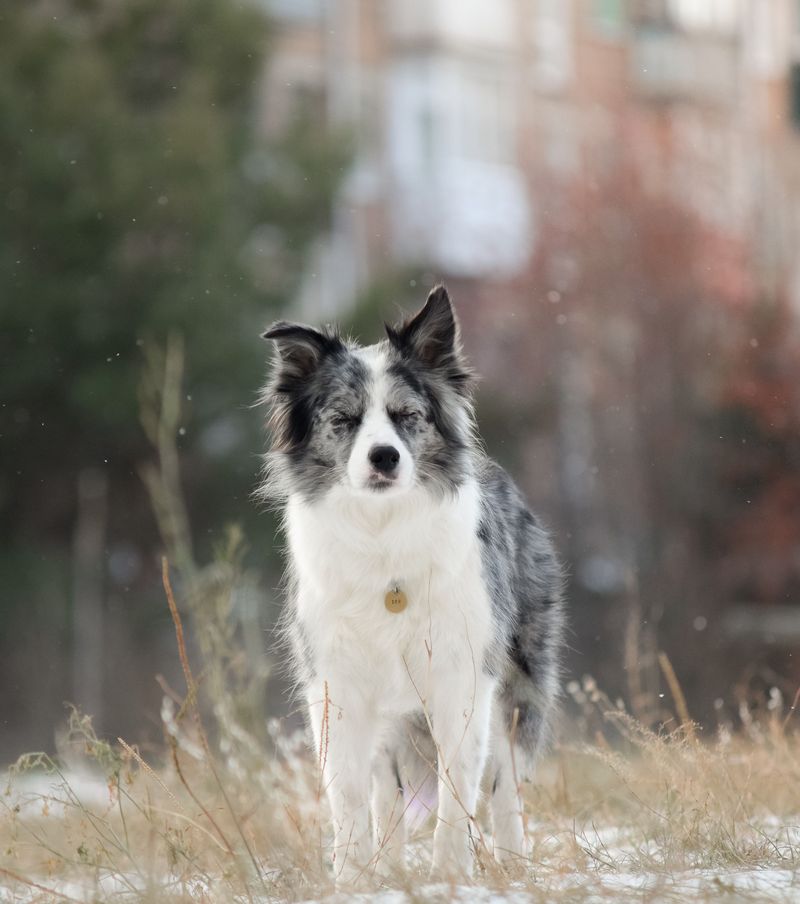
Ever seen a dog try to herd a kid on a bicycle? Border Collies do it all the time.
Their brains are wired to gather and control anything that moves.
In a cul-de-sac, that can mean nipping heels, chasing cars, or circling the neighbor’s cat.
Give this brilliant worker puzzles, agility classes, or herding lessons. Without real tasks, it may invent its own, and you probably will not like them.
Beagle: Nose First, Ears Later
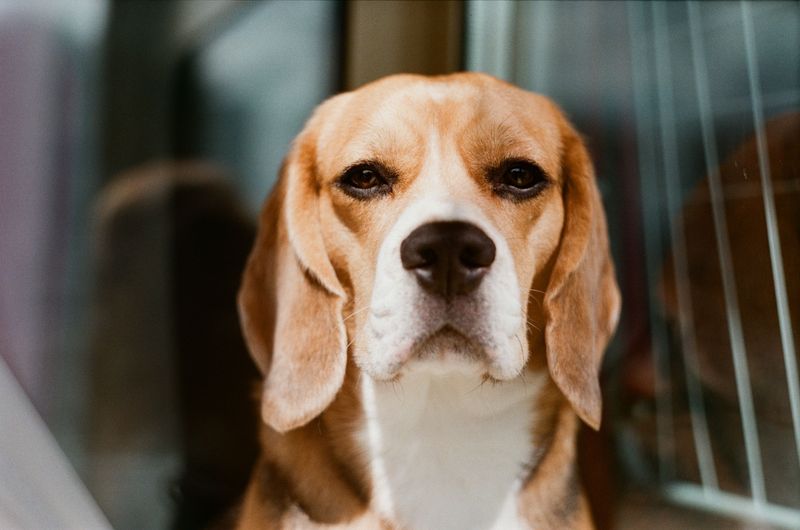
Fun fact: a Beagle’s nose holds about 220 million scent sensors. Once it catches a rabbit trail, your voice simply fades away.
These cheerful hounds also bay, a loud, musical howl that carries across fences. Neighbors working from home may not find it charming.
Use a secure harness, never trust them off leash in open areas, and offer sniffing games indoors. A tired nose usually means a quieter Beagle.
Australian Cattle Dog: Tough Love on Four Legs
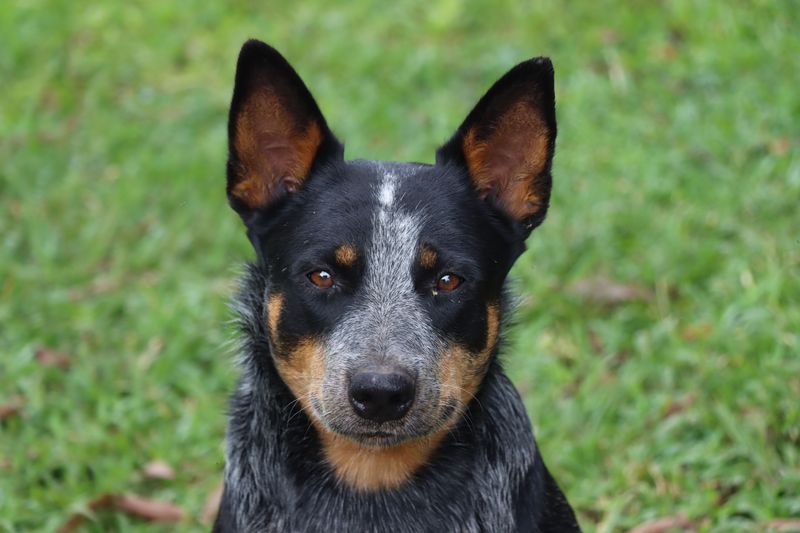
Ranchers in Australia needed a dog tough enough to move stubborn cattle by nipping their heels. The result was the Blue Heeler, a bundle of grit and stamina.
Bring that drive to a small yard, and you might find chewed patio chairs and nipped ankles.
Honestly, these dogs thrive with active owners who run, hike, or train daily. Early socialization helps them stay calm around visitors and little kids.
Jack Russell Terrier: Small Body, Huge Plans
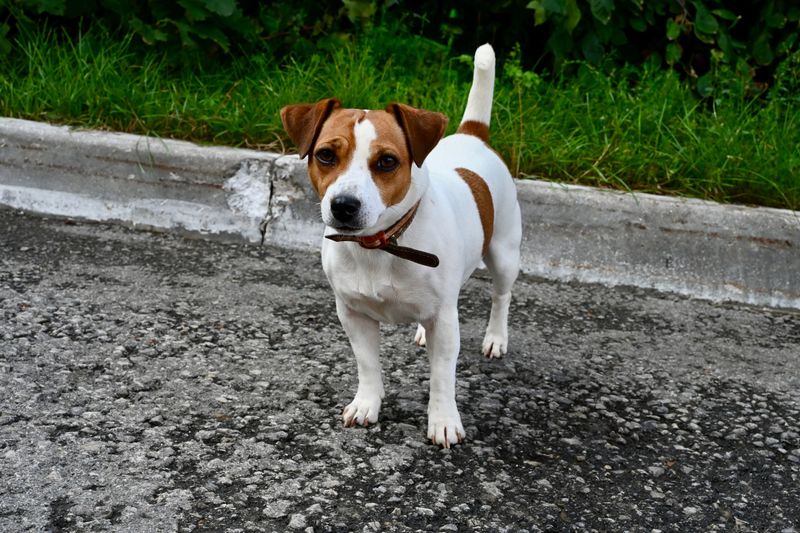
Don’t let the cute size fool you. Jack Russells were bred to chase foxes into underground dens, and they still treat every garden like a treasure hunt.
Expect holes in flower beds, frantic barking at squirrels, and surprising jumping skills.
They need fast games, firm rules, and plenty of chew toys. Owners who laugh at mischief and stay consistent with training often adore this spunky little firecracker.
Belgian Malinois: The Overachiever
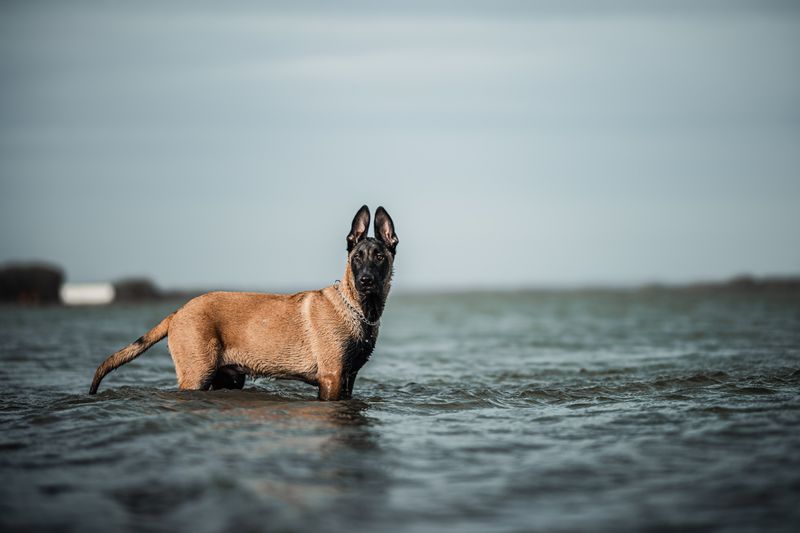
Police and military teams worldwide choose the Malinois for a reason. It is fast, fearless, and almost never runs out of energy.
In a quiet suburb, that intensity can turn into pacing, barking at passing joggers, or guarding the mailbox like a fortress.
Only experienced handlers should consider one. Daily obedience work, bite-sport training, or scent work keeps this powerhouse focused instead of frustrated and destructive.
Great Pyrenees: The Night Shift Guardian
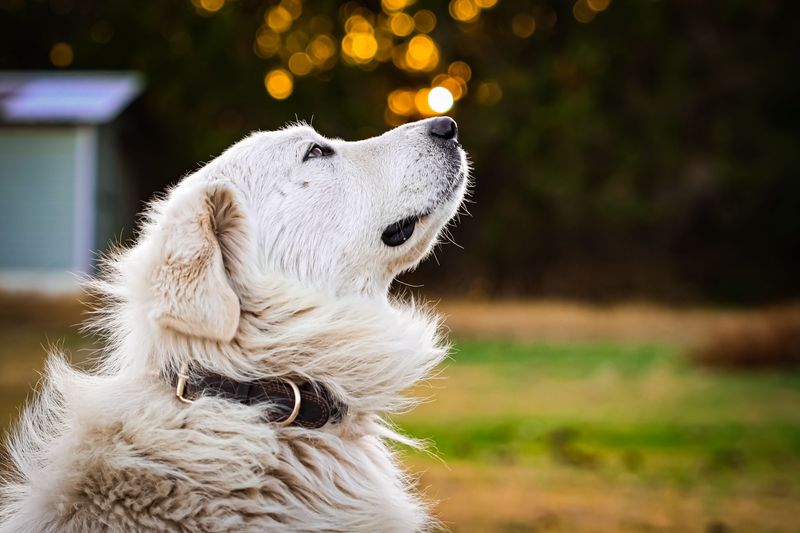
At 2 a.m., while you sleep, a Great Pyrenees is wide awake and barking at shadows. Shepherds bred them to guard flocks from wolves after dark.
That loyal habit can upset neighbors fast. They also roam if fences are weak, since they believe the whole street belongs to them.
Bring them inside at night, build tall fencing, and accept some barking. Their calm, loving daytime personality makes up for a lot.
Dachshund: A Tiny Hunter with Big Opinions
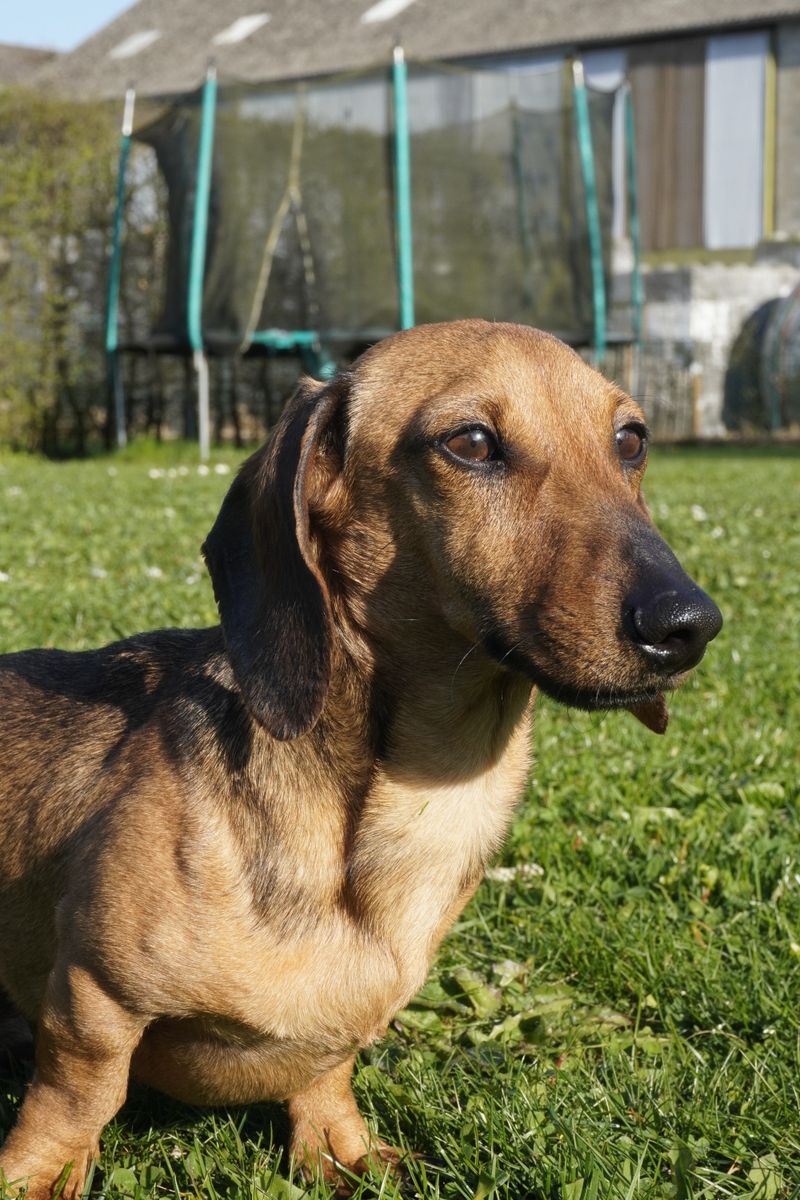
German hunters once sent Dachshunds into badger holes. Yes, badgers, which are fierce animals.
That brave history explains a lot about these little sausage dogs.
They bark at delivery trucks, dig up lawns, and can be stubborn about house training.
Patience pays off here. Use short, upbeat training sessions with treats, block window views if barking gets wild, and protect that long back by avoiding stairs and jumping.
Weimaraner: The Gray Shadow
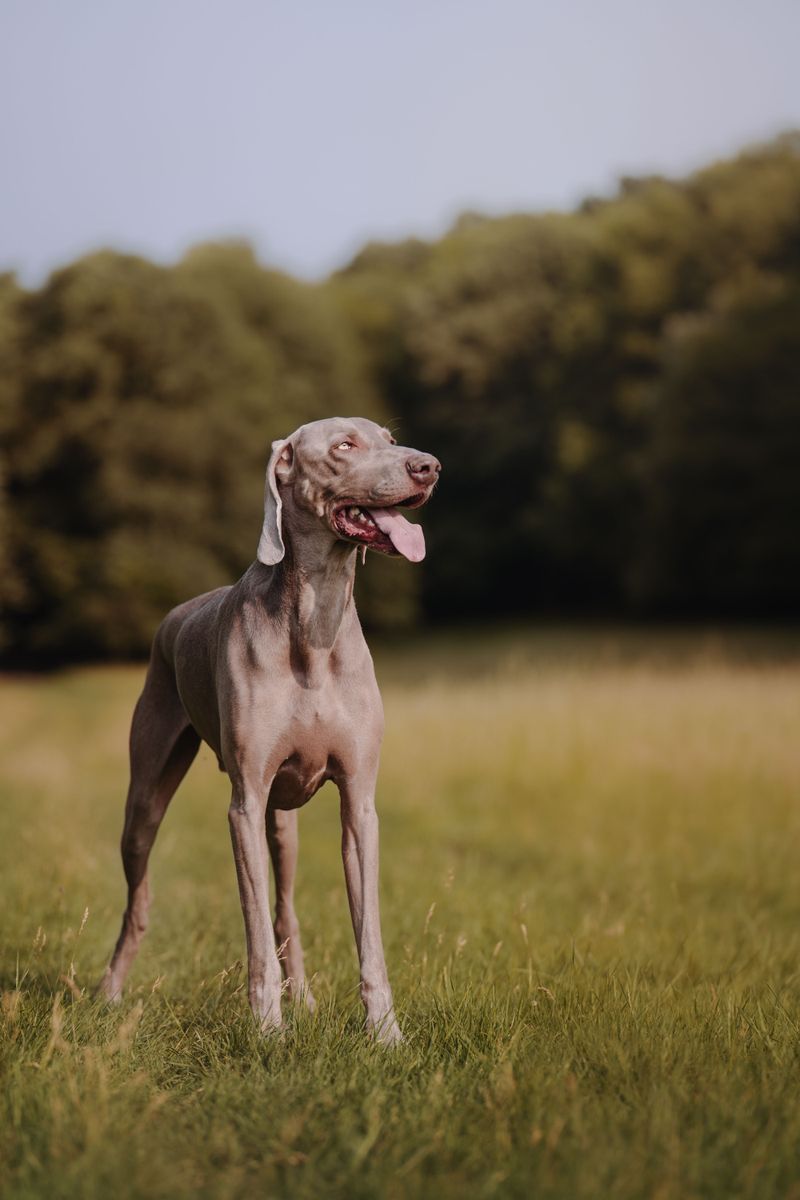
Nicknamed the Velcro dog, the Weimaraner wants to be glued to your side. German nobles used them to hunt deer and boar, so they have stamina to spare.
Leave one home alone all day, and you may return to shredded couch cushions or howling complaints.
Families who work long hours should think twice. Doggy daycare, long runs, and gradual alone-time training can help ease that strong separation anxiety.
Basenji: Quiet, But Never Calm
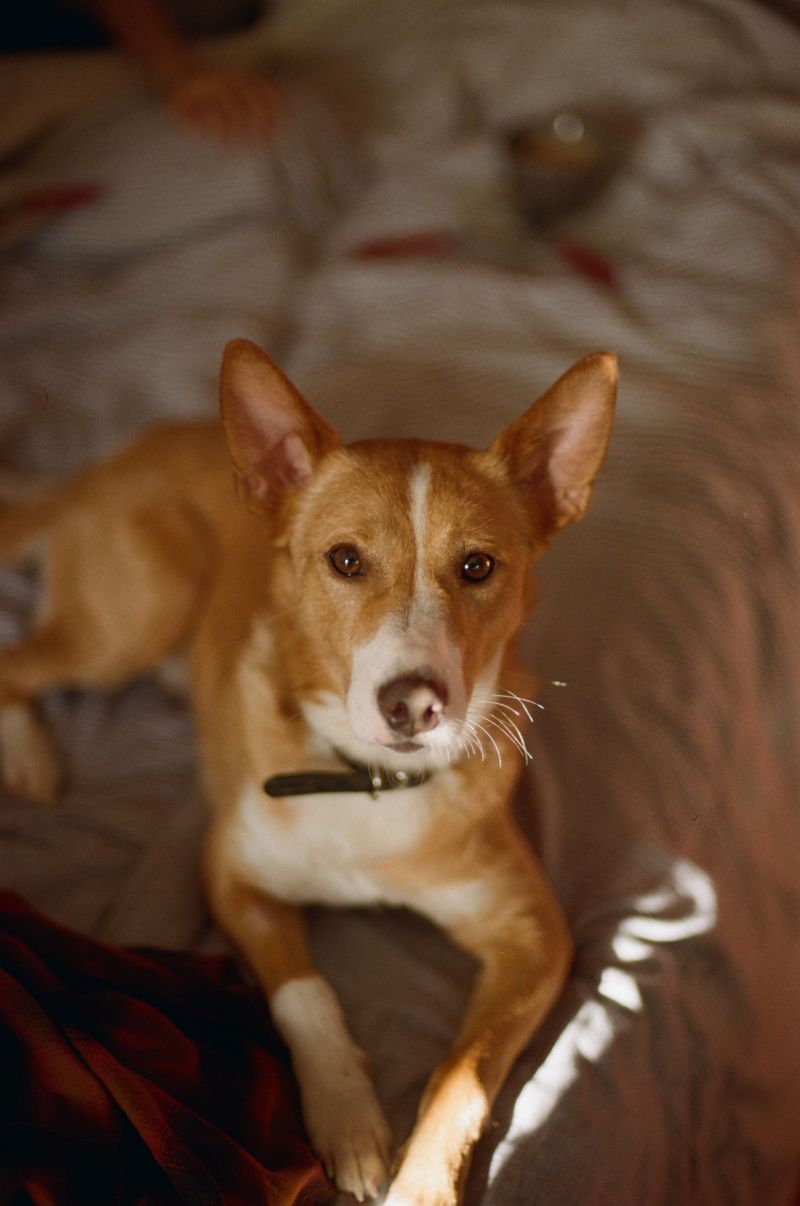
Here’s a twist: the Basenji barely barks at all. Instead, it yodels.
This ancient African hunting breed sounds odd but acts even sneakier.
Basenjis climb fences like cats, chase small animals, and ignore commands when something more interesting appears.
Think of them as clever little independent thinkers. Secure yards, leash walks, and lots of chew toys are musts.
Owners who enjoy a puzzle tend to love their quirky charm.
Alaskan Malamute: Strength Meets Stubbornness
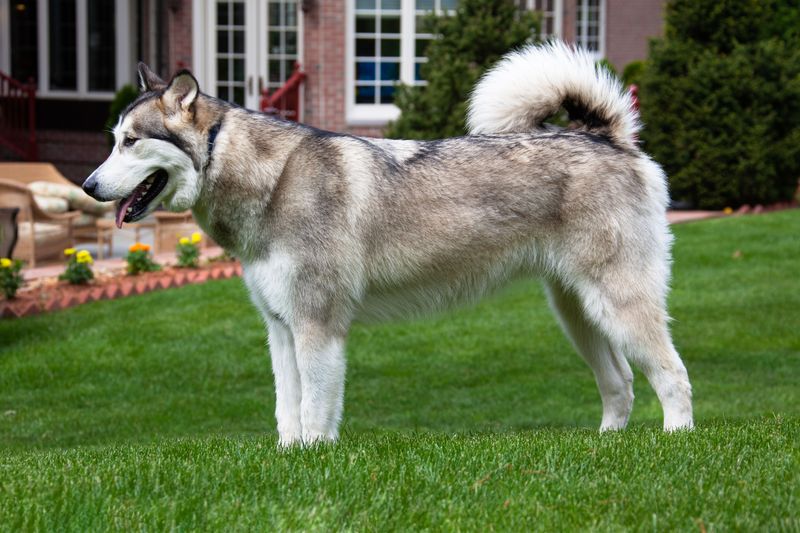
Built for hauling heavy loads across Arctic ice, the Malamute is a gentle giant with serious muscle. It can pull an adult off their feet during a squirrel chase.
Hot summer days in a typical suburb also stress that thick coat. Many dig cool pits right in the lawn.
Provide shade, air conditioning, and steady training from puppyhood. Pulling sports like carting or skijoring give this hardy dog a happy outlet.
Cavalier King Charles Spaniel: The Easy Neighbor
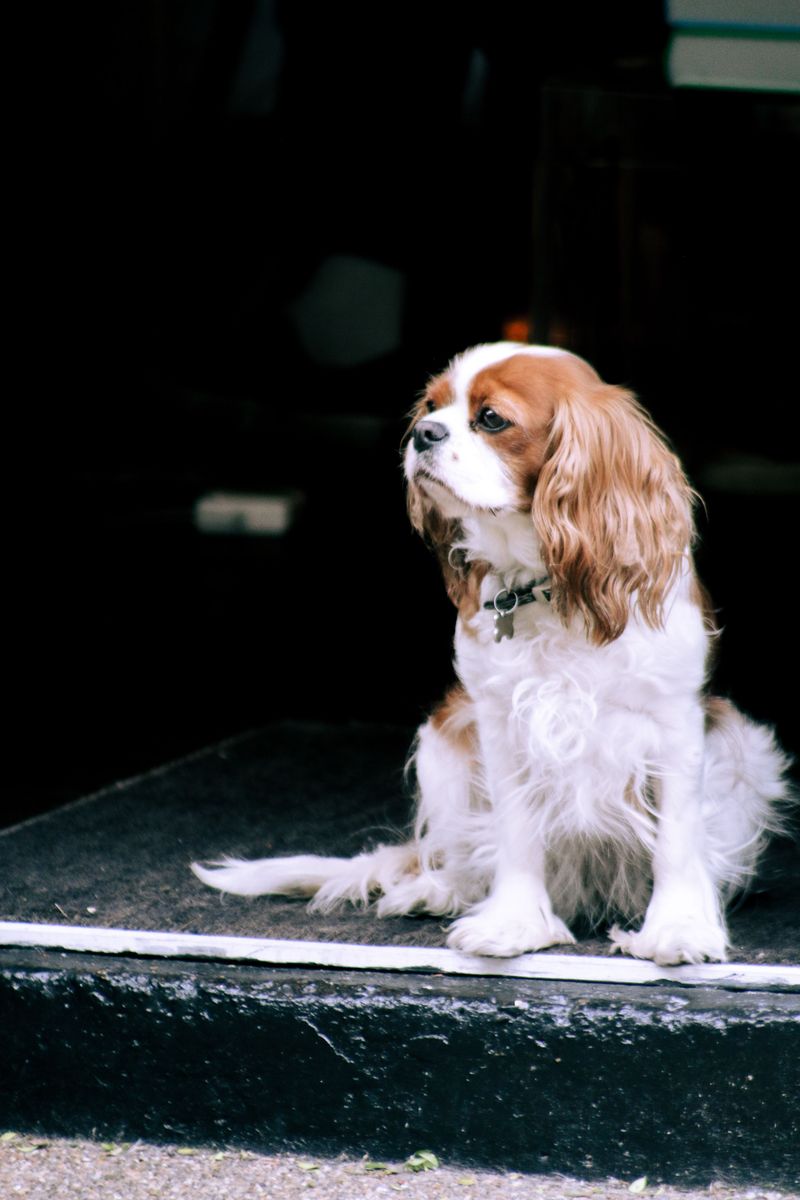
Royal families in England kept Cavaliers as lap warmers, and that cozy spirit never faded. These sweet spaniels are happy with a short walk and a soft couch.
They rarely bark much, get along with kids and other pets, and fit nicely in small yards.
Just watch their health. Regular vet checks for heart issues and careful brushing of those silky ears keep your Cavalier comfortable for years.
Labrador Retriever: The Flexible Favorite
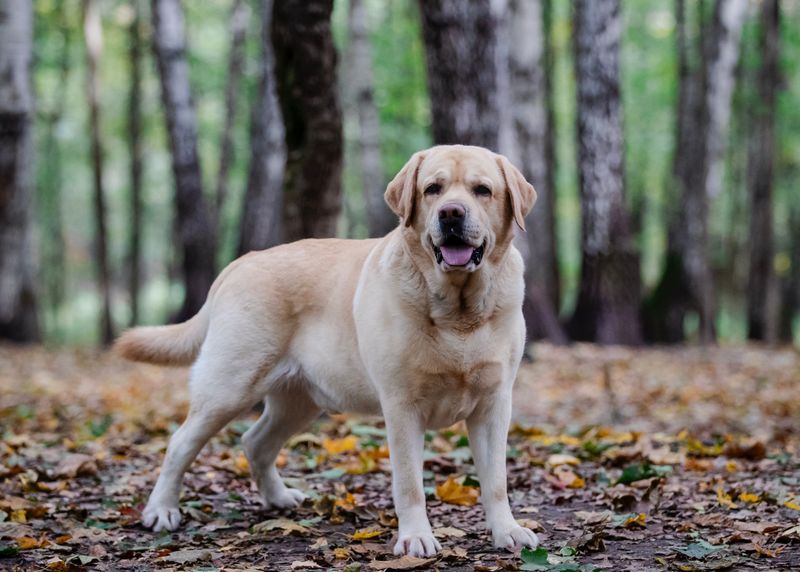
There’s a reason Labs topped American breed lists for decades. They adapt to almost any home, from busy family houses to quiet townhomes.
Friendly with strangers and eager to learn, they usually welcome the mail carrier instead of barking at them.
They do need daily exercise and love to chew, especially as puppies. A game of fetch, a swim, or a walk around the block keeps a Lab content and well-behaved.