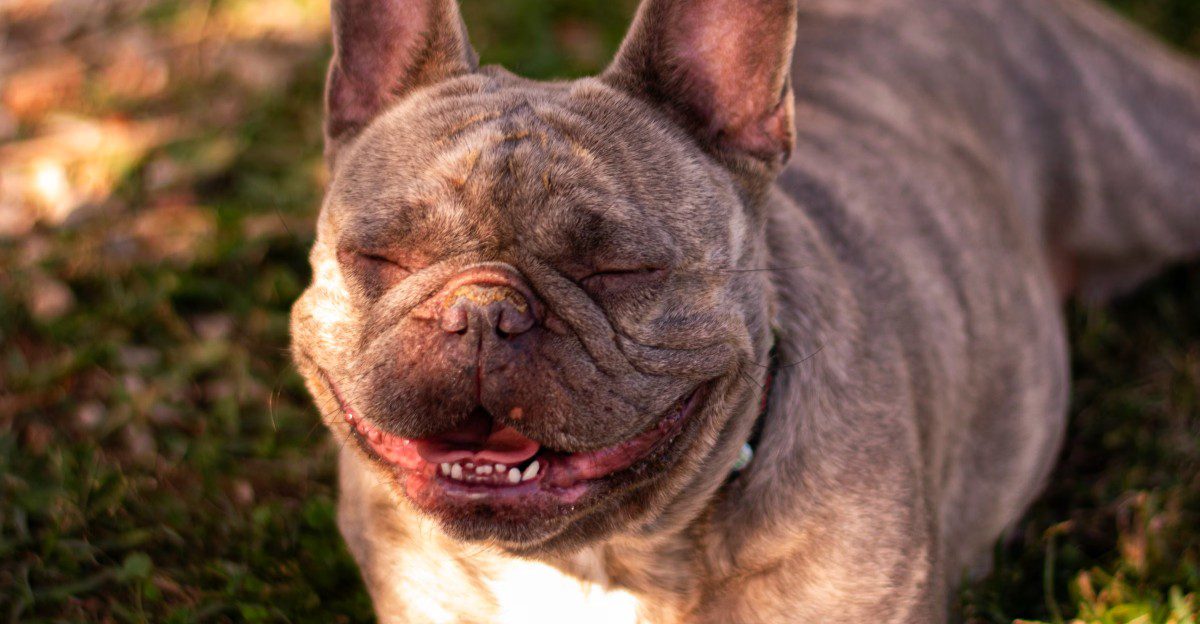
Picking a dog later in life can bring joy, laughter, and a reason to get up each morning. The right breed matches your energy, your home, and the pace of your days.
Some dogs are happy with a short stroll and a long nap, while others want to hike and explore. Here are breeds that fit calm routines, plus two great picks for retirees who love staying on the move.
Cavalier King Charles Spaniel
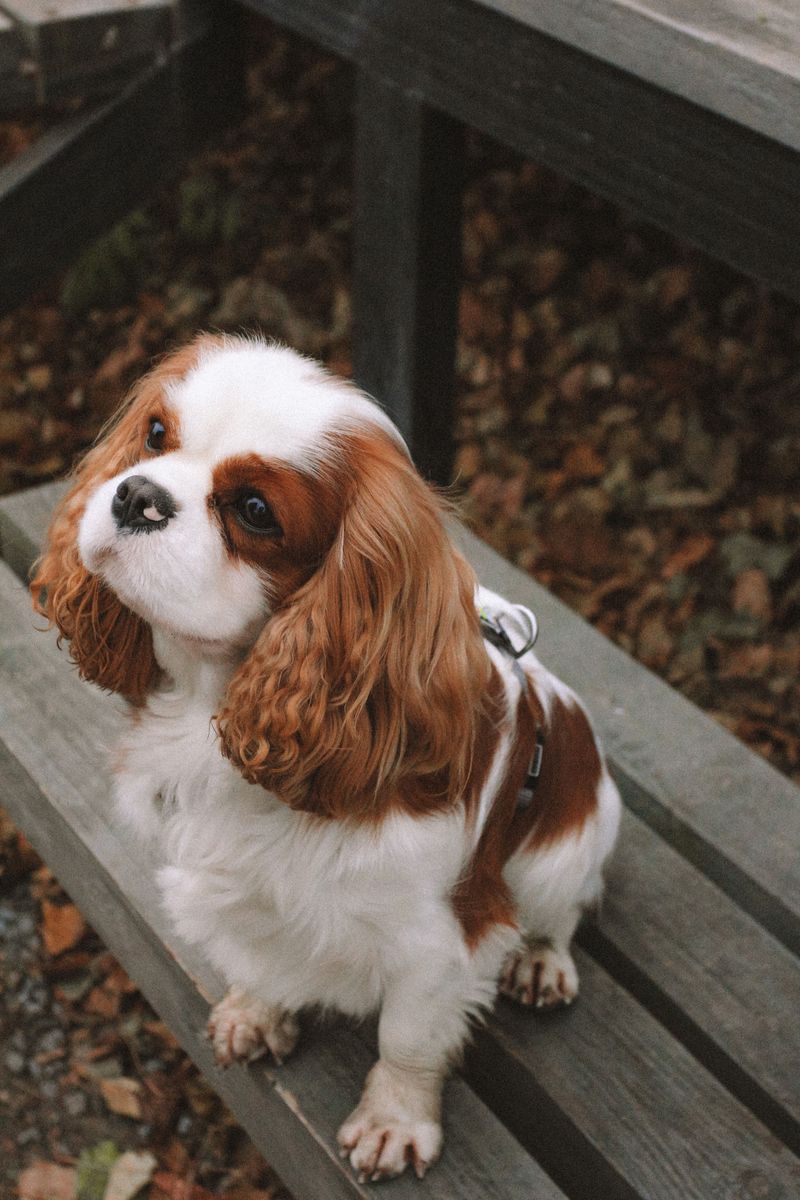
Royal laps were once this little spaniel’s favorite spot, and not much has changed. King Charles II loved the breed so much that he rarely went anywhere without a few at his heels.
Today, Cavaliers still crave closeness. A gentle walk around the block and some cuddle time keep them content.
Brush the silky ears a few times a week, and ask your vet about heart checkups, since the breed can have heart issues.
Shih Tzu
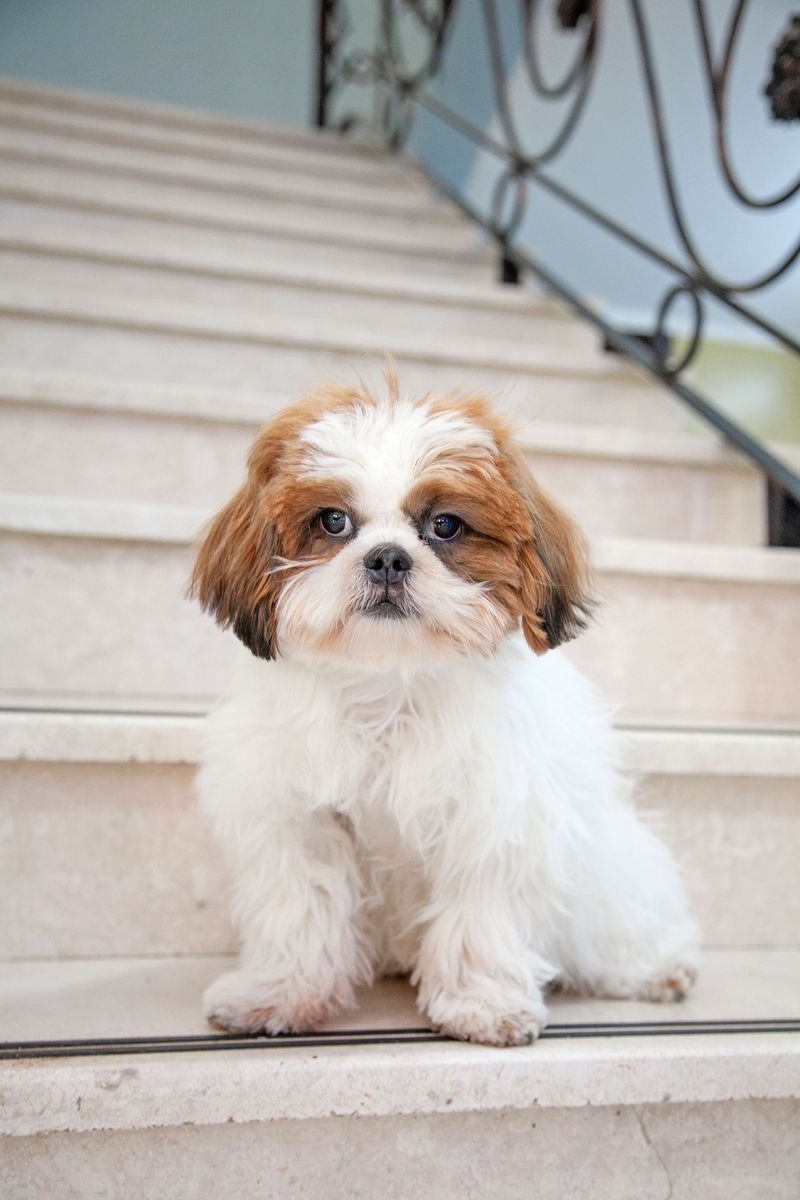
Picture a tiny lion who would rather nap than hunt. That sums up the Shih Tzu, a breed raised in Chinese palaces to be a friendly indoor buddy.
Short play sessions in the hallway often give enough exercise for the day. They also do well in apartments.
Grooming is the main chore. Many owners keep a short puppy cut, which makes brushing quick and keeps the coat from tangling.
Basset Hound
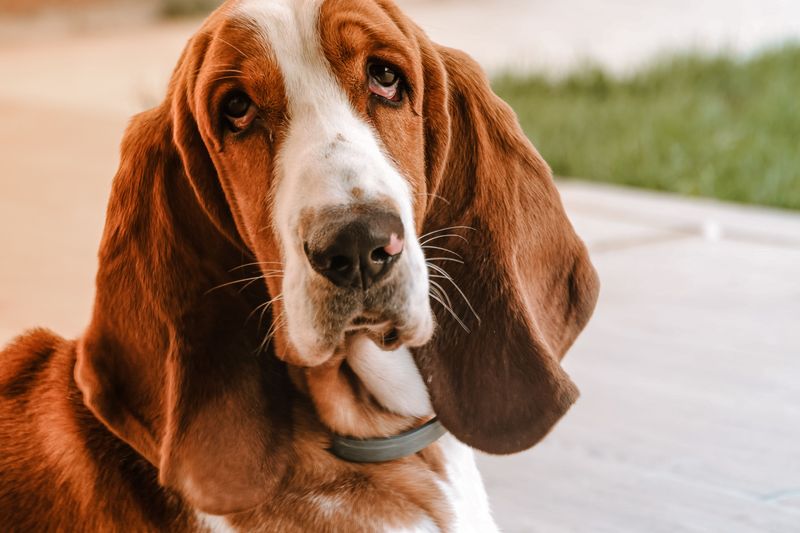
Ever seen a dog move like it has all the time in the world? Meet the Basset Hound, champion of the leisurely sniff.
Those long ears actually help sweep scents toward the nose. Walks with a Basset are slow, steady affairs, ideal if your knees prefer an easy pace.
Watch the waistline, though. Bassets love food and gain weight quickly, so measure meals and skip too many treats.
Pug
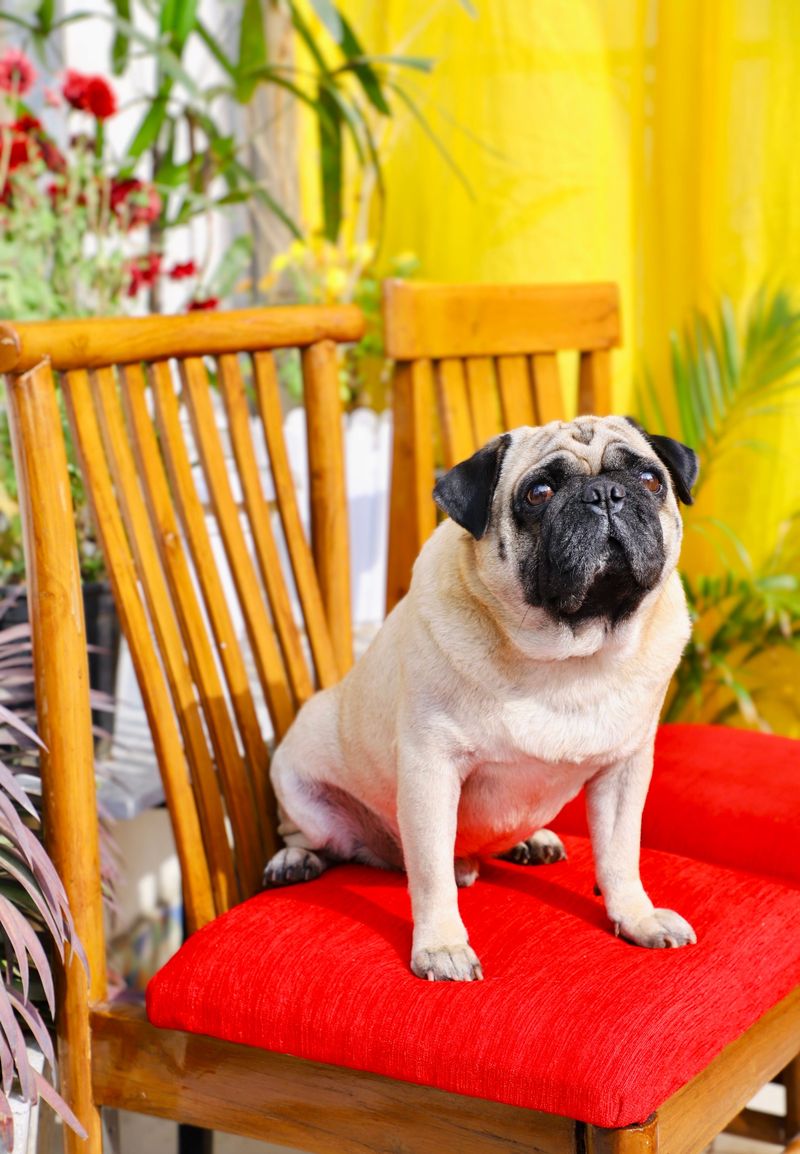
Ancient Chinese emperors kept Pugs as treasured pets, and that wrinkly face still wins hearts everywhere.
Pugs are clowns at heart. They follow you room to room, snort happily, and then flop down for a snooze.
A couple of short walks each day usually does the trick.
Because of their flat faces, they struggle in heat. Keep outings brief on warm days, and offer plenty of fresh water and shade.
Greyhound
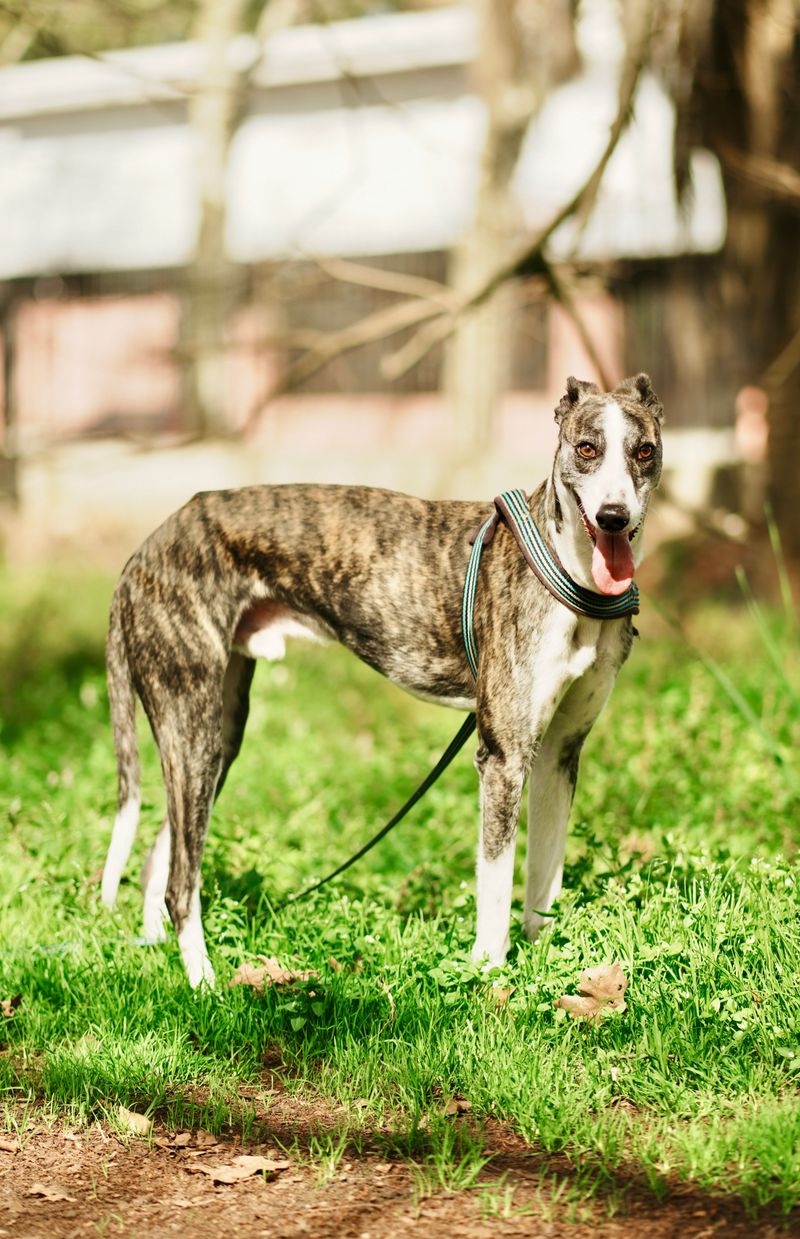
Here is a surprise: the fastest dog breed is often called a 40 mph couch potato. Retired racing Greyhounds usually sleep most of the day.
A daily walk and an occasional safe sprint in a fenced area keep them happy. Their short coat barely needs brushing.
Many adoption groups place adult Greyhounds with known personalities. That means fewer surprises and no puppy chewing phase to manage.
Bichon Frise
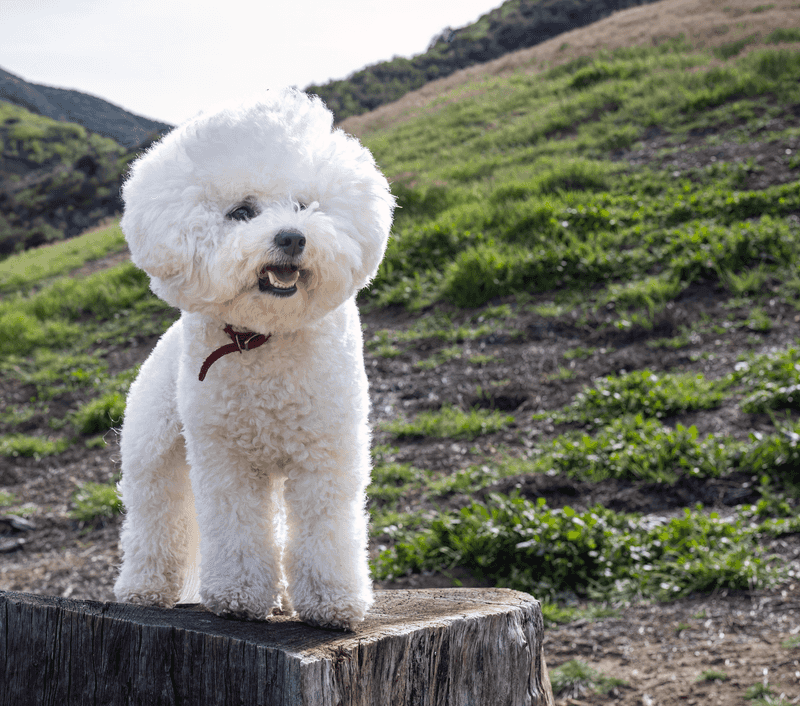
Fluffy, cheerful, and a little bit silly, the Bichon Frise acts like a cotton ball with a sense of humor. Sailors once carried these dogs on trips, and they later performed tricks in circuses.
Bichons shed very little, which helps if you dislike vacuuming. Indoor games and short walks keep them fit.
Plan for grooming visits every six weeks or so to keep that puffy coat soft and clean.
French Bulldog
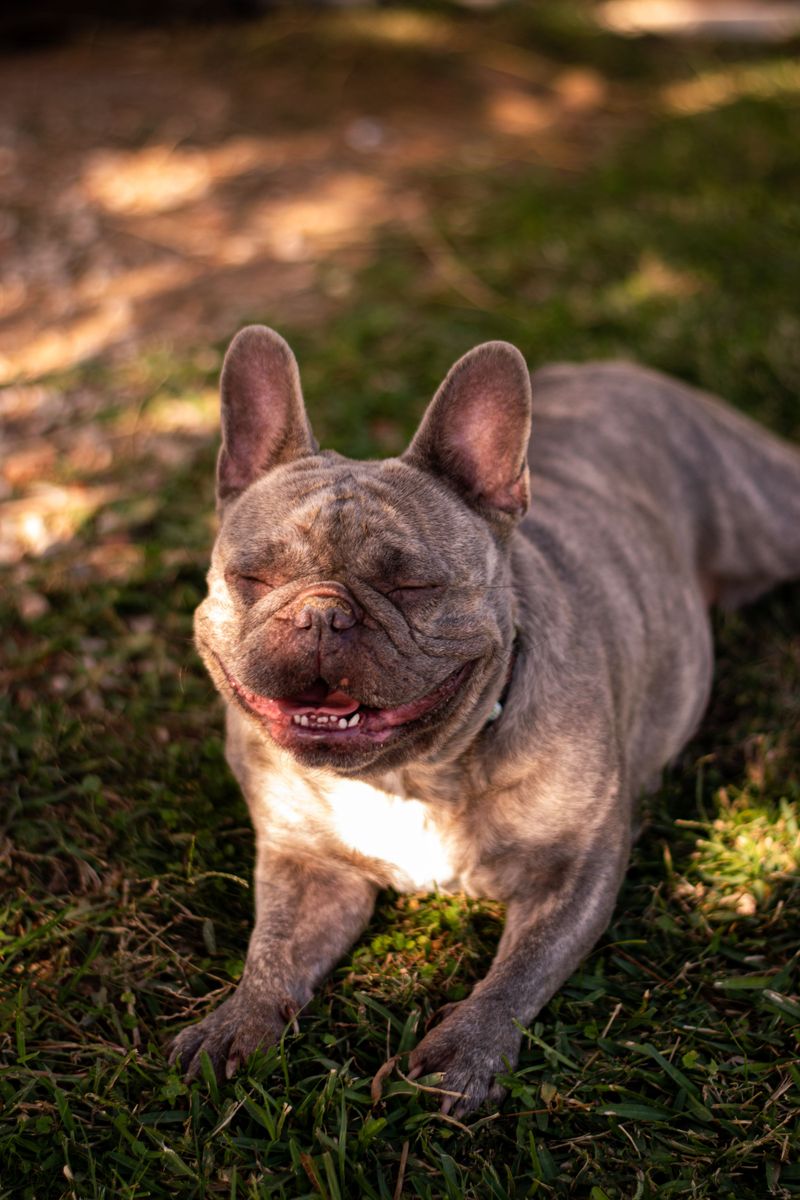
Bat ears, a stocky body, and a quiet bark make the Frenchie a top pick for city living. Many rarely bark at all, which neighbors appreciate.
Energy comes in short bursts. Expect a few minutes of zoomies, then a long nap on your feet.
Like Pugs, they have flat faces, so heat and hard exercise can be risky. Cool mornings and evenings are the best times for strolls.
Maltese
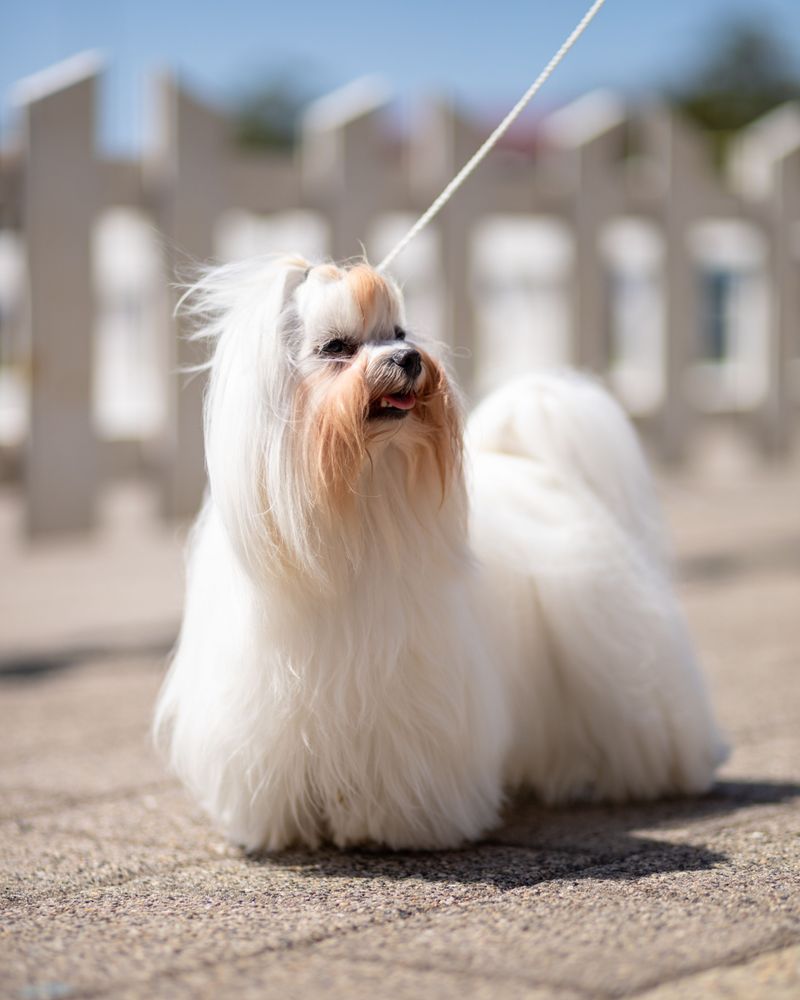
Weighing under seven pounds, the Maltese fits easily in your arms and in small homes. People have adored this breed for over two thousand years.
Big personality hides in that tiny frame. Maltese love attention and do best with owners who are home often, which suits many retirees well.
Small steps and stairs can be tricky for them, so a little pet ramp helps protect their tiny legs.
Havanese
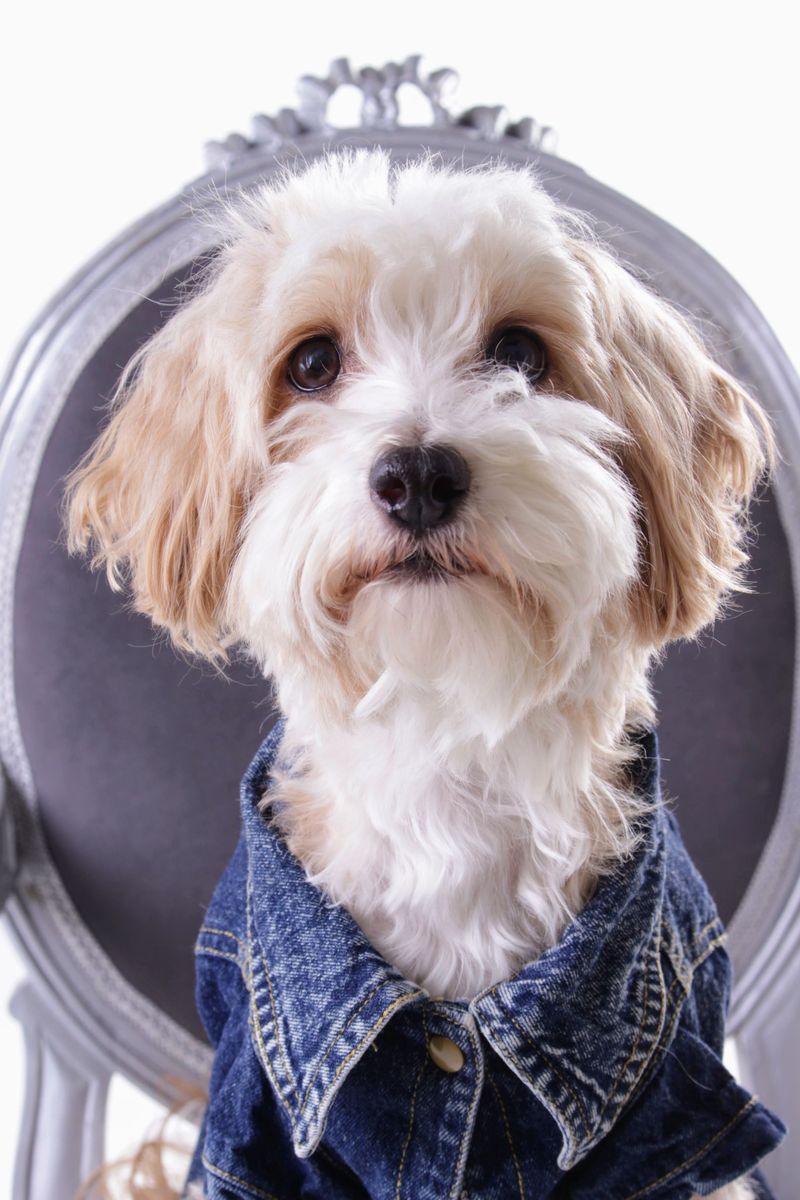
Cuba’s national dog has a happy bounce that can brighten any morning. The Havanese is smart, playful, and loves learning simple tricks.
Daily needs are modest. A short walk and some fetch in the living room keep this little friend tired and satisfied.
They can get lonely if left alone for long hours. If you enjoy staying close to home, you will likely have a devoted shadow.
Pekingese
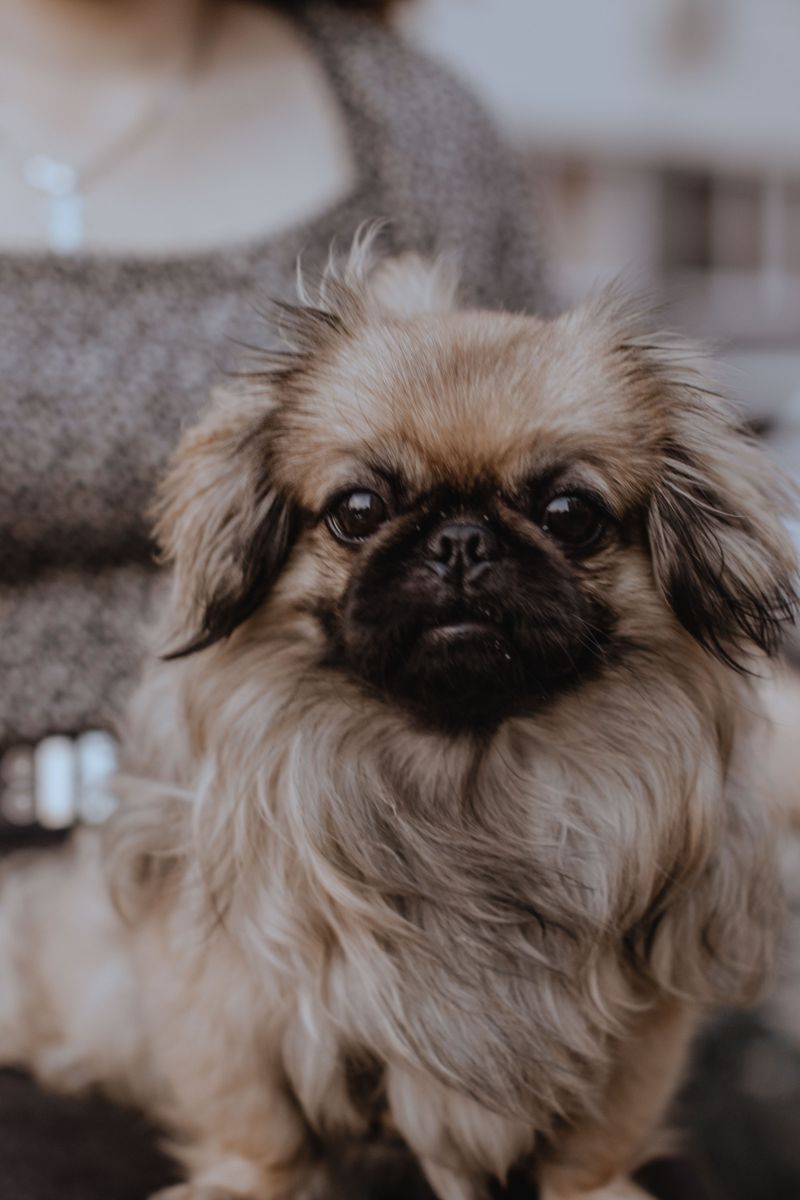
Legend says the Pekingese came from a lion who fell in love with a monkey. True or not, this dog carries itself like royalty.
Pekes are calm, independent, and happy to lounge. They need very little exercise, making them ideal if mobility is limited.
Their thick coat needs regular brushing. A few minutes each day can become a relaxing bonding ritual for both of you.
Chihuahua
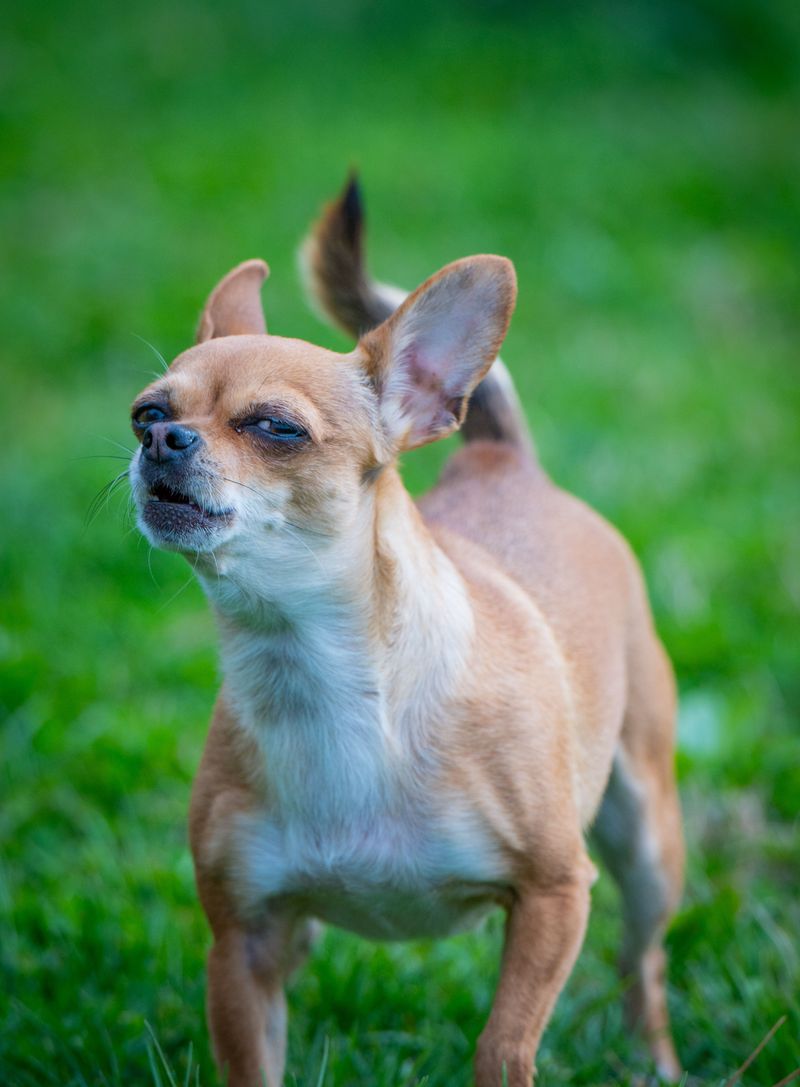
Small dog, huge loyalty. Chihuahuas often pick one favorite person and stick to them like glue.
Food and vet bills tend to be lower for tiny breeds, which helps on a fixed income. Exercise needs are minimal, and many live 15 years or more.
They feel the cold easily, so a cozy sweater is a smart buy. Gentle early training also helps curb any yappy habits.
Labrador Retriever
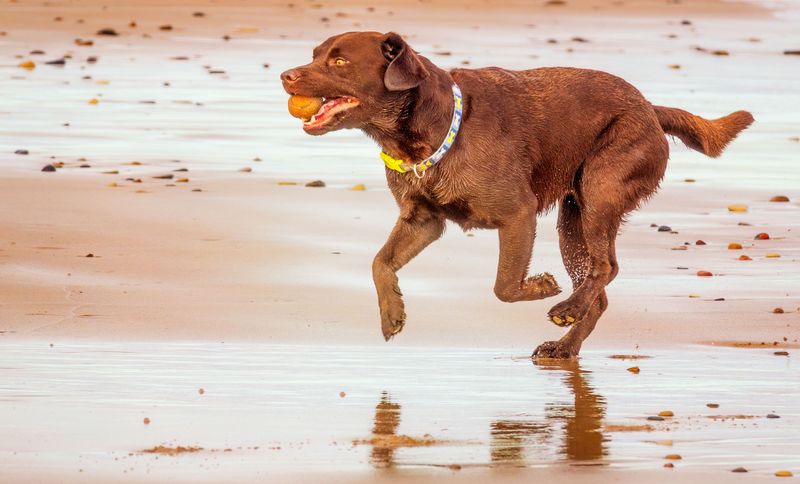
Did you know? Despite its name, the Labrador Retriever really comes from Newfoundland, Canada.
Fishermen used these dogs to haul nets from icy water.
For retirees who love hiking, swimming, or long walks, Labs make cheerful partners. They need about an hour of activity each day.
Consider adopting an adult Lab. You skip the wild puppy stage but still get a sturdy, eager friend for outdoor adventures.
Australian Shepherd
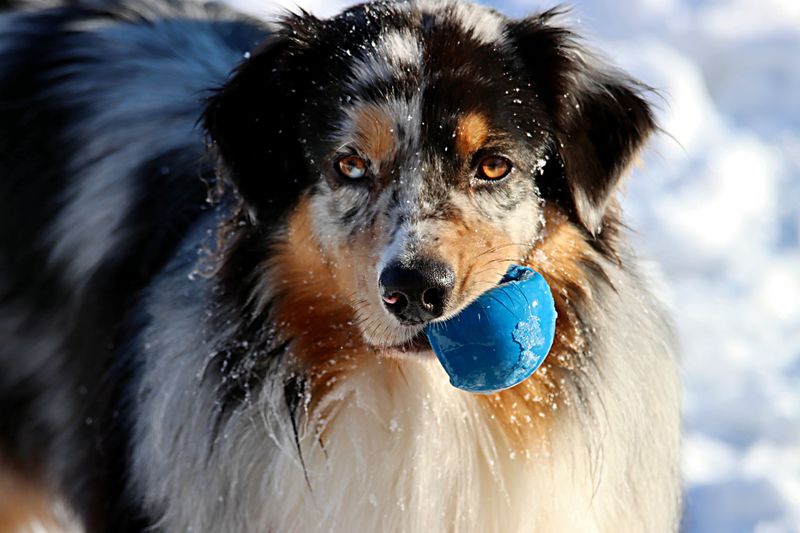
Funny enough, the Australian Shepherd was mostly developed on American ranches, not in Australia. It herded sheep from sunrise to sunset.
Aussies need jobs. Long walks, agility classes, or frisbee keep their sharp brains busy.
Without enough action, they may invent their own fun.
If you spend mornings biking and afternoons gardening, this breed will happily keep up. Brush the thick coat weekly to control shedding.