
You say sit, your sister says sit, and somehow the dog only sits for one of you. It can feel unfair, but there is often a real reason behind it.
Some breeds were shaped over hundreds of years to bond deeply with a single handler. Knowing which breeds lean this way can help your whole family build better trust with your pup.
Akita
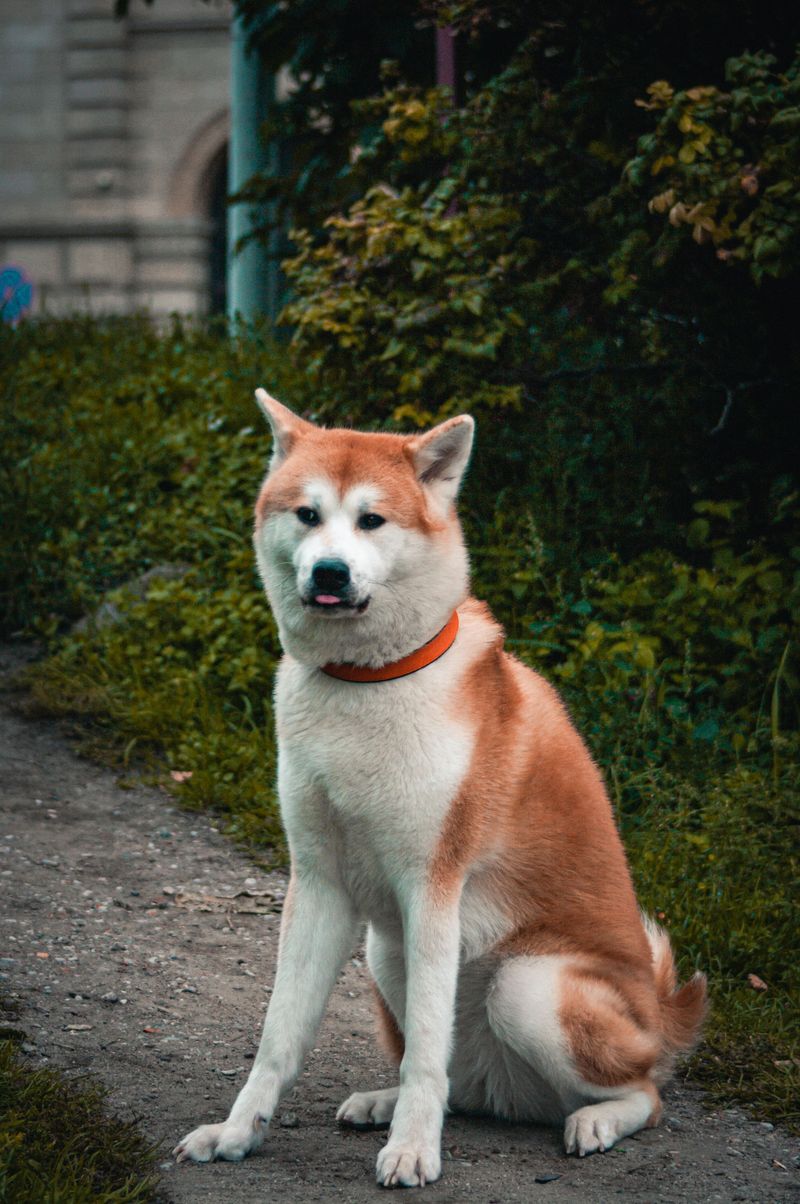
Hachiko, the famous Akita from Japan, waited at a train station for his owner for nearly ten years. That story says a lot about this breed.
Akitas pick their person and stick with them. Other family members may get polite tolerance, but not full obedience.
Want the Akita to listen to everyone? Have each family member handle feeding, walks, and short training sessions.
Shared daily care slowly builds respect beyond that single favorite human.
Chow Chow
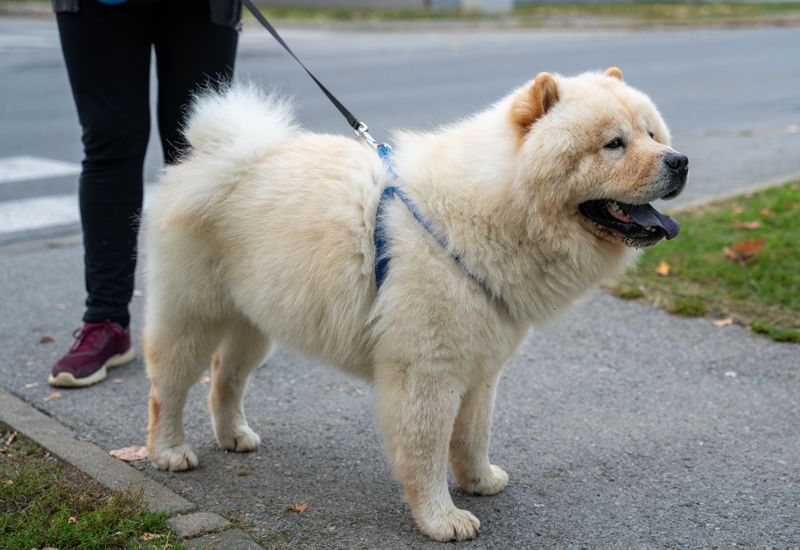
Picture a lion-shaped teddy bear with the attitude of a cat. That pretty much sums up the Chow Chow.
Bred in ancient China as guard dogs, Chows are reserved and choosy. They often bond tightly with one adult and treat everyone else like guests at a hotel.
Fun fact: Chows are born with pink tongues that turn blue-black over time. Early, calm socialization with all family members helps them warm up to more people.
Shiba Inu
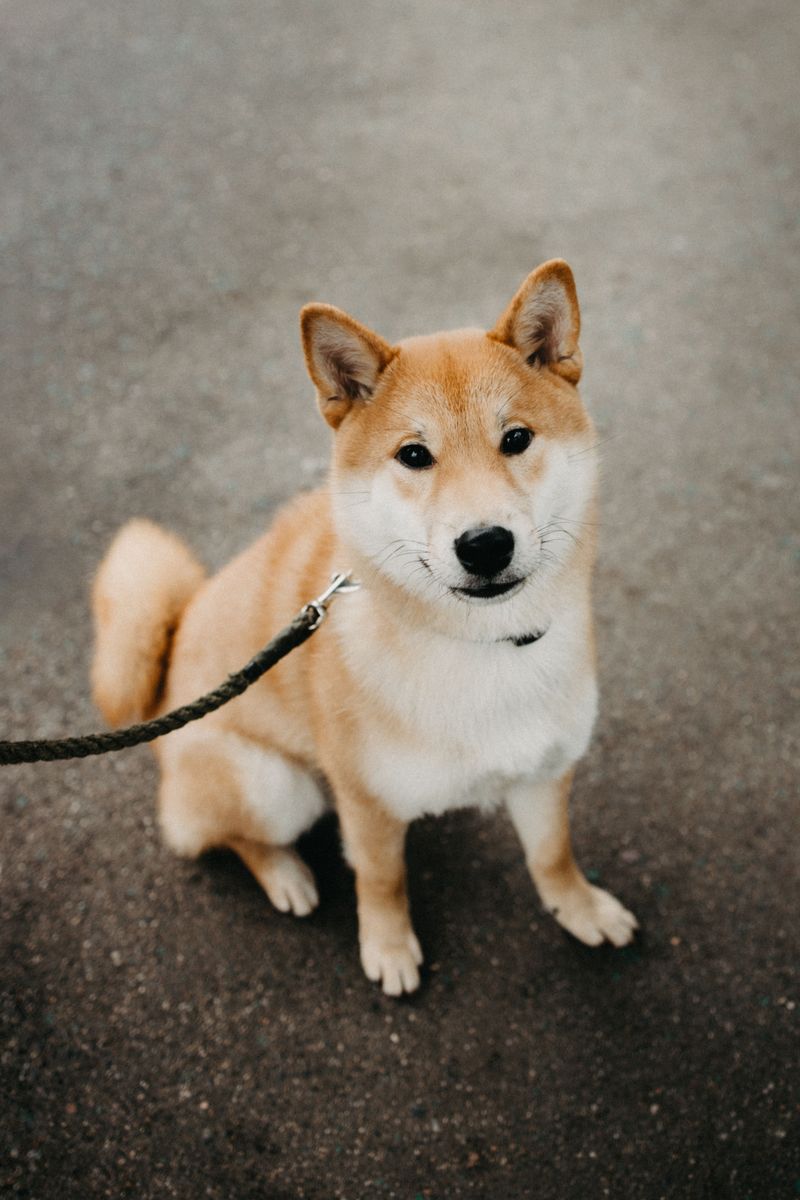
Ever met a dog that seems to roll its eyes at you? Say hello to the Shiba Inu.
Independent and clever, Shibas decide for themselves whether a command is worth following. Usually, the person who spends the most time training gets the best results.
Here is a helpful trick. Keep sessions short, fun, and full of tasty rewards.
Shibas get bored fast, so everyone in the house should use the same quick, upbeat routine.
German Shepherd
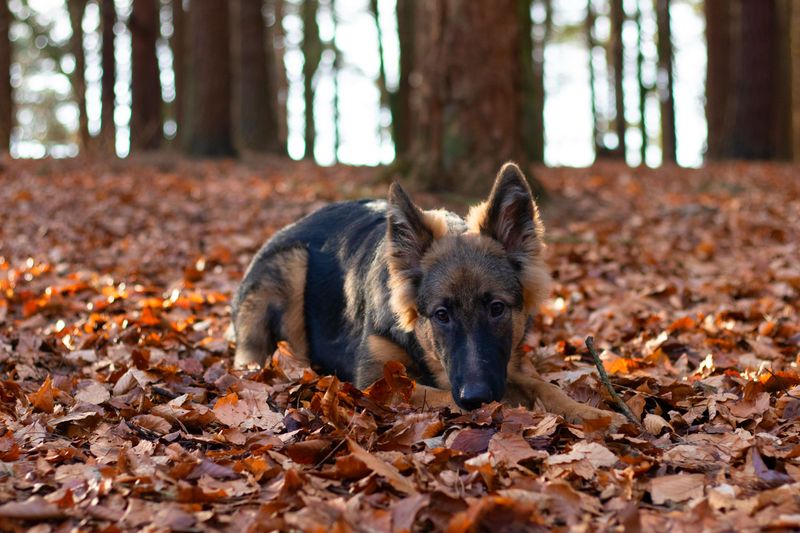
Police departments around the world trust German Shepherds for a reason. These dogs love having a job and a leader.
Because they are so focused, a Shepherd often locks onto whoever gives the clearest signals. If Dad says sit firmly and the kids say it like a question, guess who wins?
Teach everyone to use the same tone, words, and hand signals. Consistency turns one-handler loyalty into whole-family teamwork.
Belgian Malinois
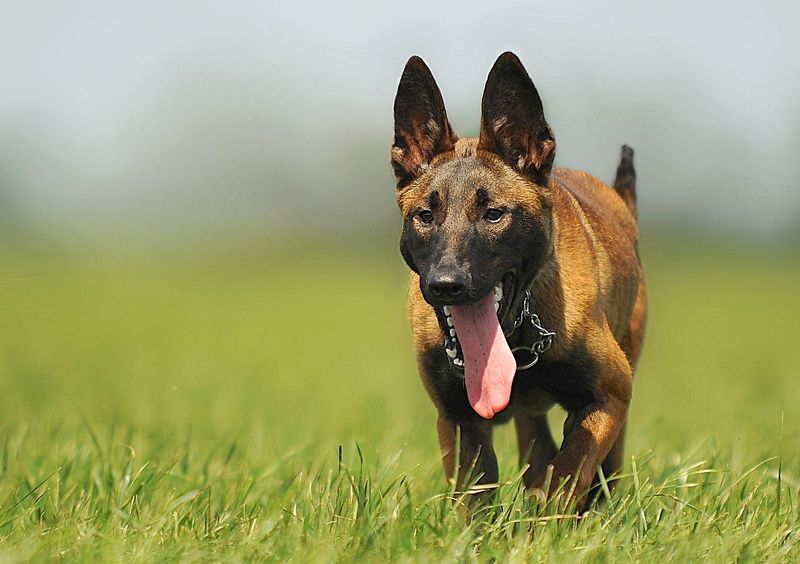
Think of the Malinois as a German Shepherd running on espresso. Energy pours out of this breed nonstop.
Military and police teams use them because they form an intense bond with one handler. That same trait at home means the dog may ignore anyone who does not match its energy.
Family members can earn attention by playing tug, running drills, and giving the dog real work. A tired Malinois listens far better to everyone.
Doberman Pinscher
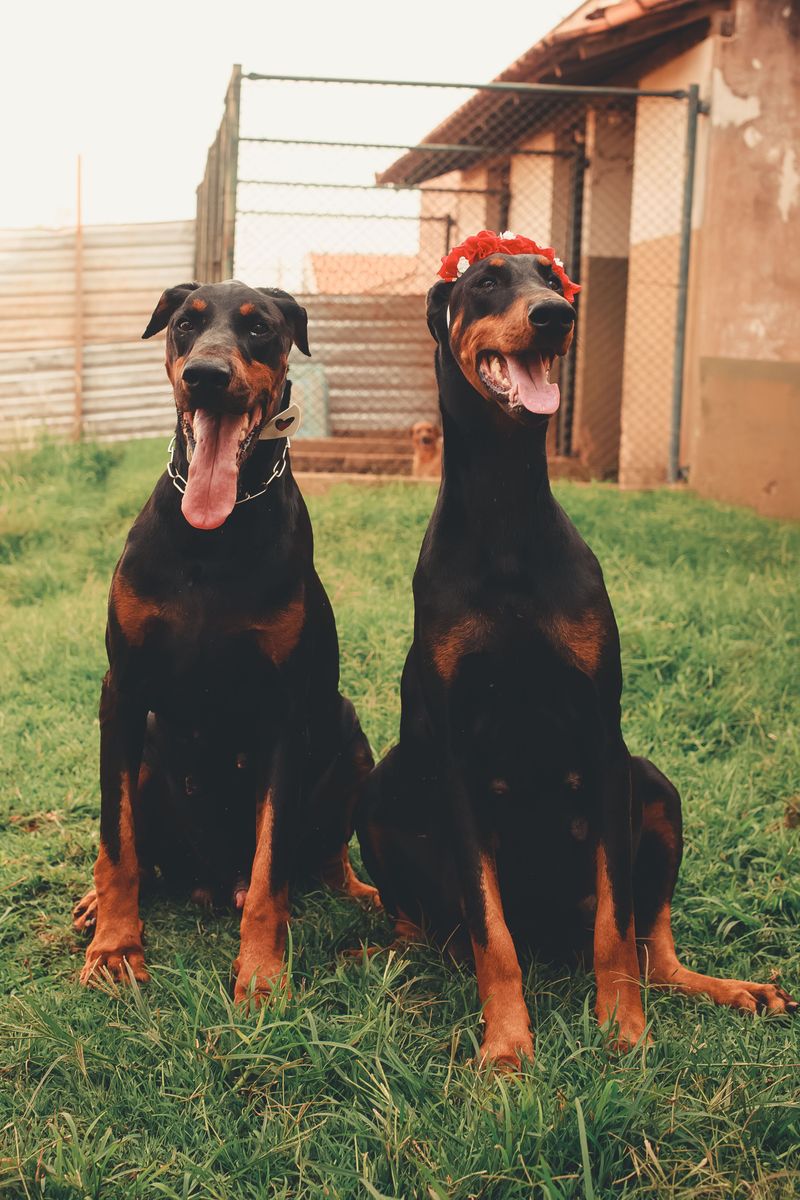
A tax collector named Louis Dobermann created this breed in Germany during the 1800s. He wanted a protector, and he got one.
Dobermans are often called velcro dogs because they follow their favorite person from room to room. They are smart and eager, yet they clearly have a top pick.
Share the cuddles and the chores. When kids and partners help with walks and training games, the Doberman learns that every voice matters.
Basenji
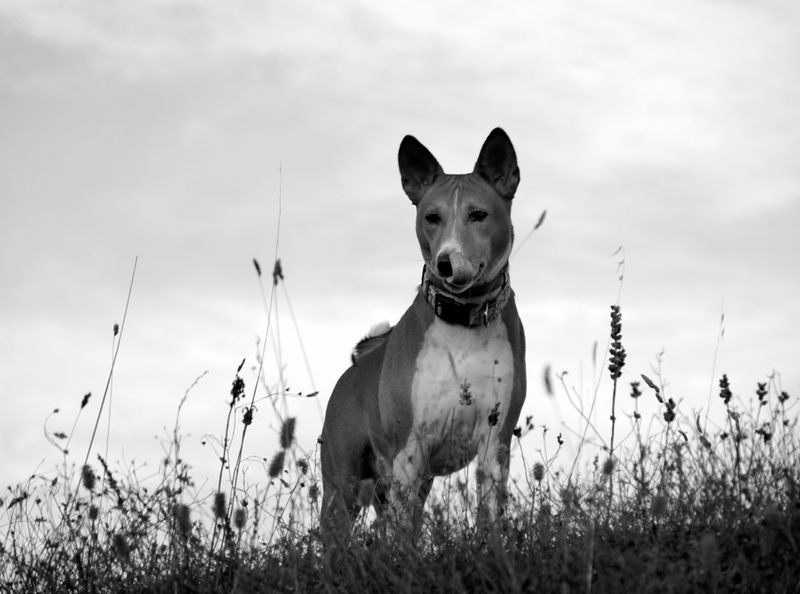
Here is a fun one. Basenjis do not bark.
Instead, they make a strange yodel sound called a baroo.
This ancient African hunting breed thinks independently. Commands feel more like suggestions, and the dog usually saves its best behavior for the person it trusts most.
Patience pays off here. Use positive rewards, never harsh words, and make sure every household member practices recall in a safe, fenced space.
Chihuahua
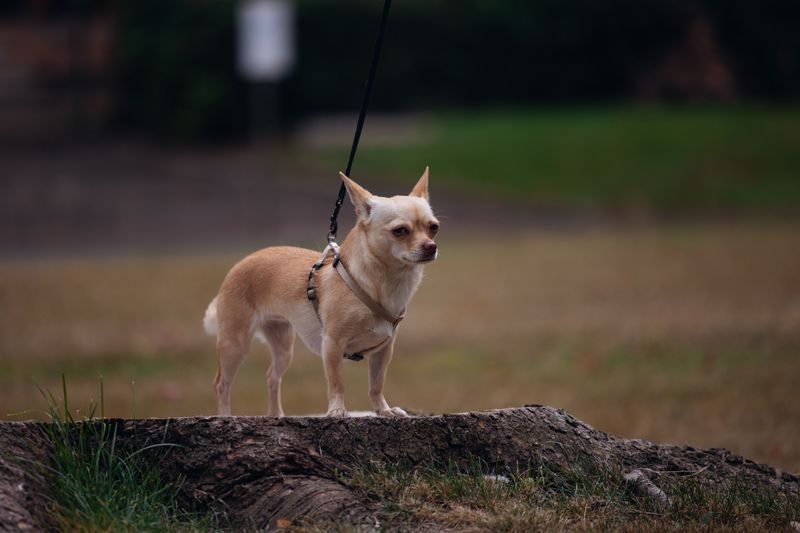
Small body, giant opinions. Chihuahuas often choose one human and guard that person like a tiny bodyguard.
Many owners notice their Chi happily obeys them but growls or ignores others. That is not just sass.
These little dogs bond closely because they are often carried and held by one main caretaker.
Spread the lap time around. Let other family members hand out treats and practice gentle commands so the pup feels safe with everyone.
Rottweiler
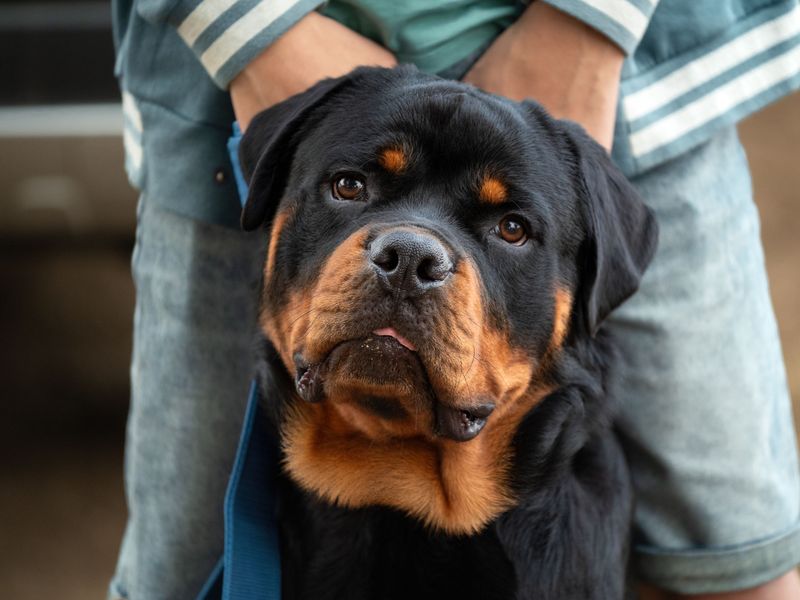
Back in Roman times, Rottweilers herded cattle and guarded money pouches for butchers. Talk about a trustworthy job!
Today, Rotties remain devoted and calm, but they respect confident leadership. A wobbly, unsure command from a younger family member may simply be ignored.
Practice together as a family. Have the dog’s favorite person stand nearby while others give commands, then gradually step away.
This builds respect without any need for yelling.
Afghan Hound
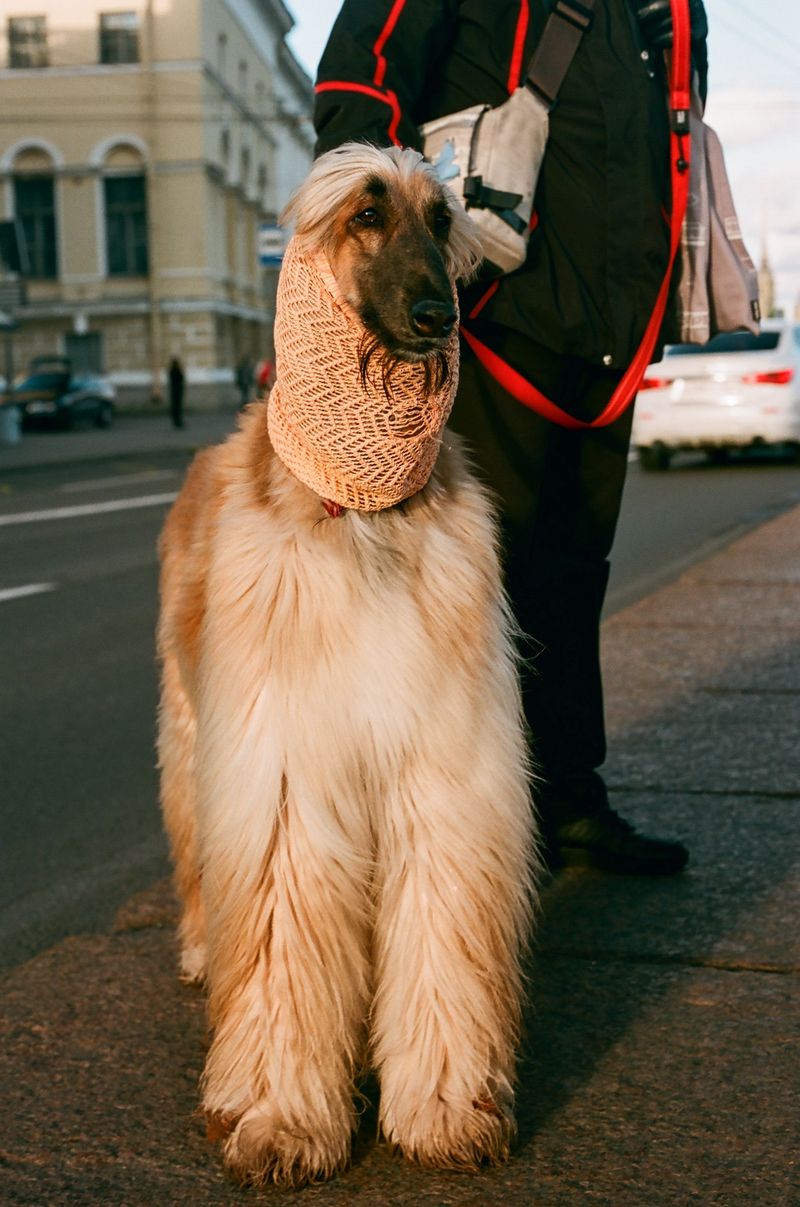
With a coat like a shampoo commercial, the Afghan Hound looks fancy. Underneath, though, sits a proud, aloof hunter.
Afghans were bred to chase prey across mountains, often making their own choices. They tend to show affection to one special person and stay distant with others.
Do not expect quick obedience from this breed. Gentle repetition, calm voices, and treats from multiple family members can slowly widen its circle of trust.
Australian Cattle Dog
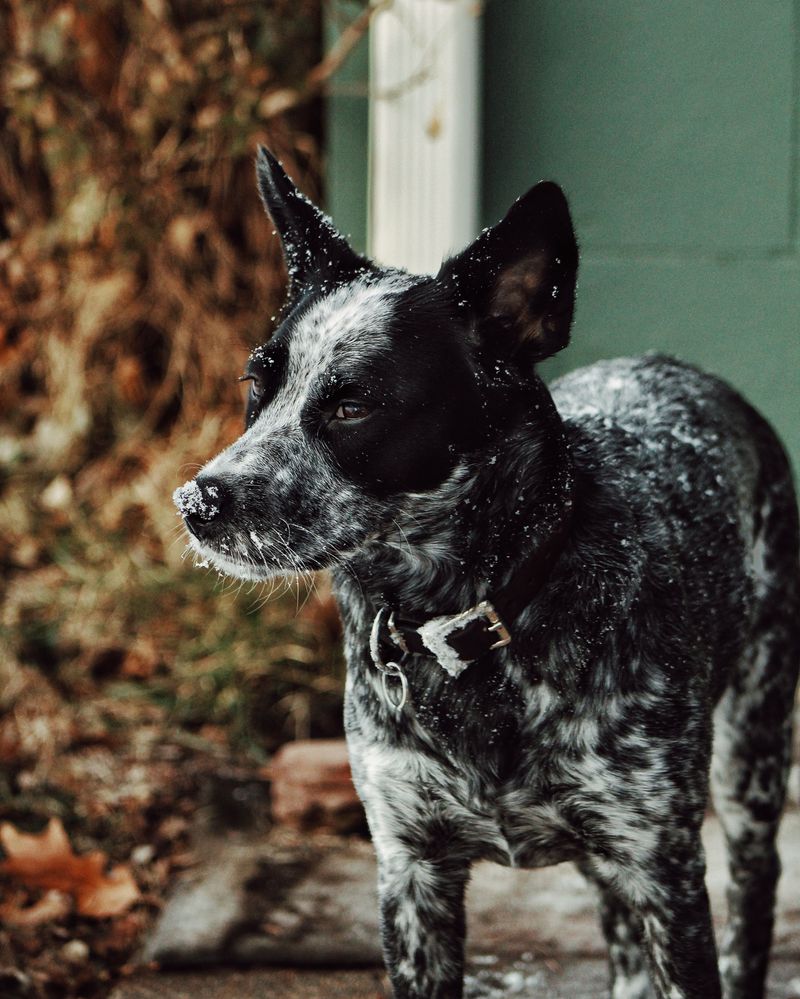
A heeler named Bluey lived to almost 30 years old, setting a world record. Tough dogs, indeed!
Australian Cattle Dogs were made to work closely with one rancher all day. Many still shadow a single person and tune out everyone else.
Give the whole family a role. Puzzle toys, fetch games, and trick lessons from different people can help this busy brain see that more than one boss exists.
Great Pyrenees
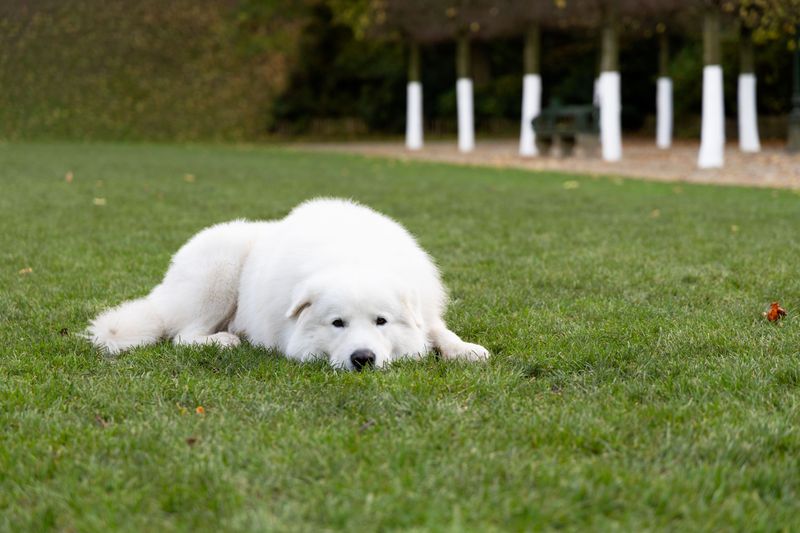
Calm, fluffy, and kind of stubborn, the Great Pyrenees was built to guard sheep in the mountains between France and Spain.
Working alone, these dogs learned to trust their own judgment. So when someone says come, a Pyr may think about it first.
Often it only responds to the person it respects most.
Keep expectations realistic. Reward every good response, and have each family member practice simple commands during daily walks.
Border Collie
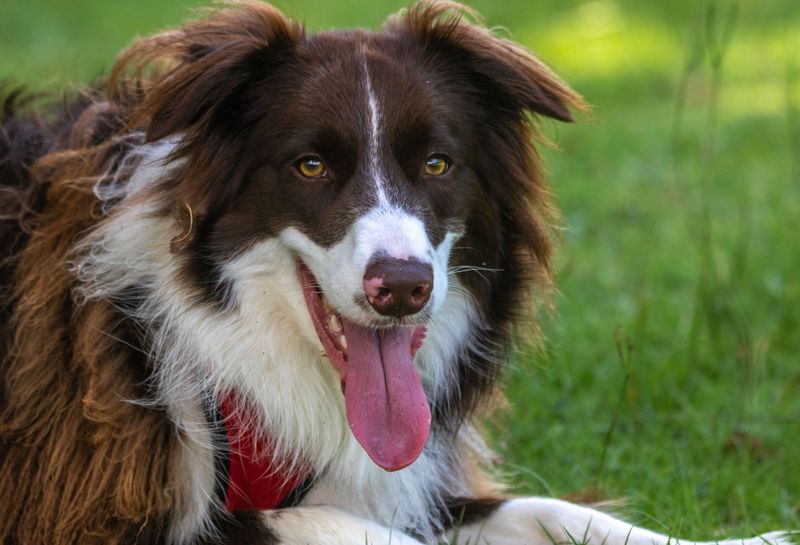
One Border Collie named Chaser learned the names of more than 1,000 toys. Brains are not the problem here.
So why might it ignore you? Border Collies read body language closely and usually follow whoever is clearest and most consistent.
Mixed signals from different people confuse them.
Hold a quick family meeting and agree on words and gestures. Once everyone speaks the same dog language, this genius pup happily listens to all.