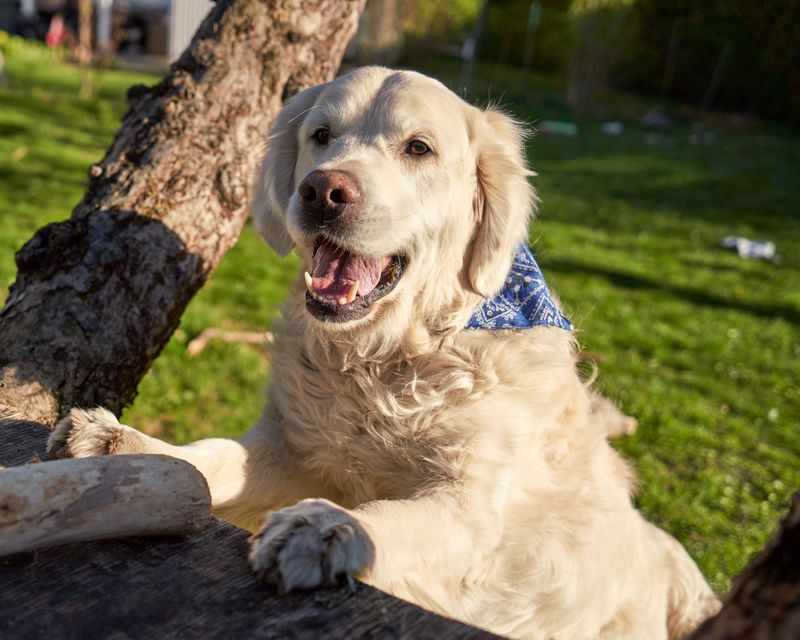
Some dogs meet a new guest at the door with a full-body wiggle, while others watch from across the room for a good ten minutes before deciding anything. That second kind of dog often gets labeled as unfriendly, but many reserved breeds were simply built to be careful about new people.
Once trust clicks, their loyalty can feel deep and personal. Here are 11 breeds that tend to take their time with strangers, plus 2 that seem to treat every visitor like an old friend.
Akita
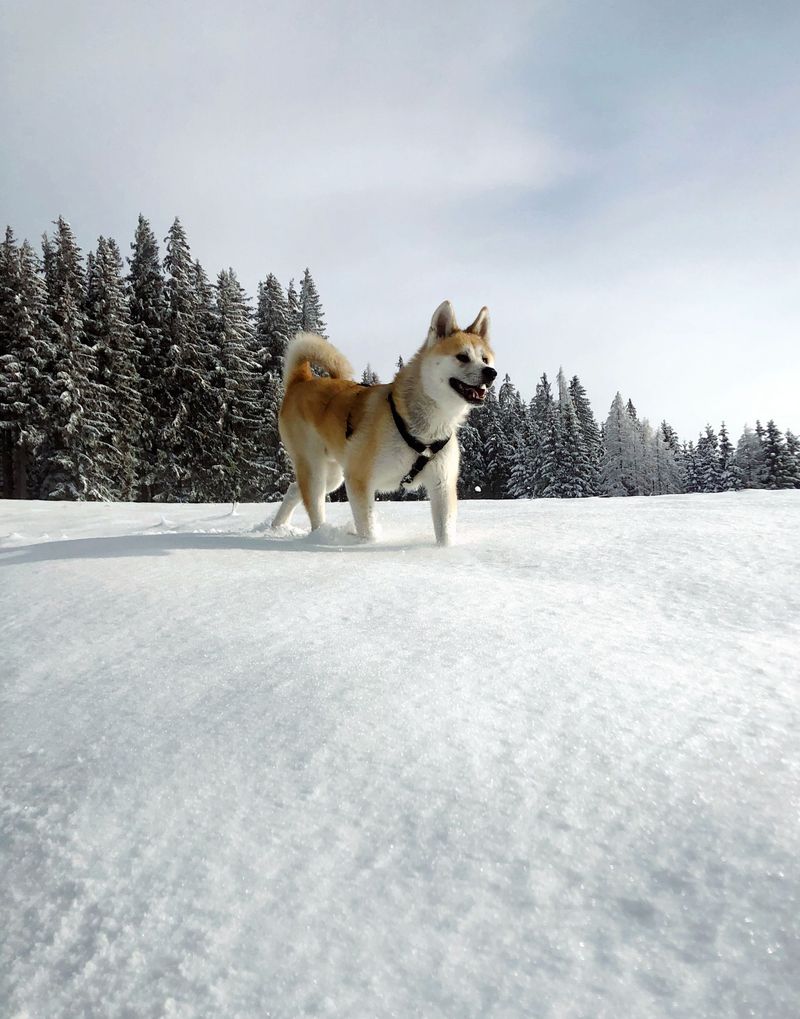
A visitor who expects an Akita to rush over for pets may be waiting a while. The breed comes from the mountains of northern Japan, where it was historically used for hunting large game and guarding property, and that background often shows up as quiet, watchful dignity around new people.
Many Akitas are not loud about their caution. They may simply stand still, observe, and keep a polite distance.
With family, though, the same dog can be playful and surprisingly goofy.
Patience matters here. Letting guests ignore the dog at first, rather than reaching for its head, often helps an Akita relax on its own schedule.
Early, positive socialization is especially valuable because the breed can be wary of unfamiliar dogs too.
Shiba Inu
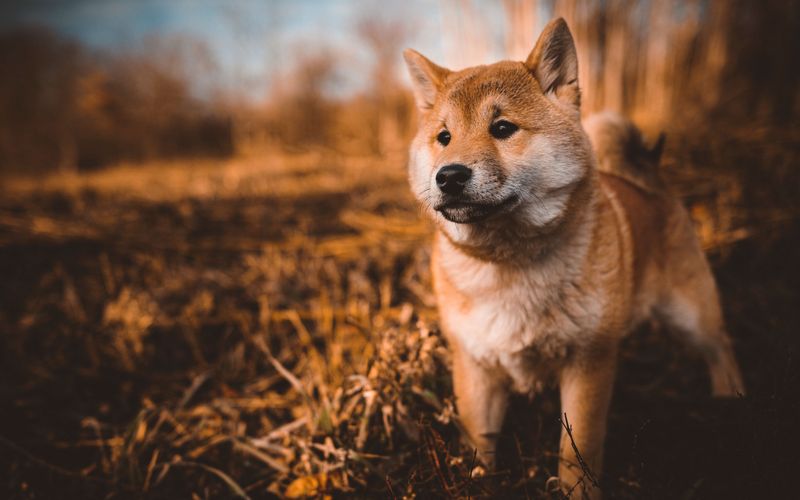
Small size can fool people. The Shiba Inu is compact and fox-like, so guests often assume it wants cuddles, yet the breed is commonly described by the AKC as alert, spirited, and independent rather than openly affectionate with strangers.
Plenty of Shibas prefer to decide when contact happens. A Shiba may sniff a newcomer briefly and then wander off, which is not rudeness so much as a cat-like sense of personal space.
Fun fact: Shibas are known for the dramatic “Shiba scream” when unhappy, such as during nail trims. Owners who respect the breed’s boundaries often find a dog that is quietly devoted in its own reserved way.
Chow Chow
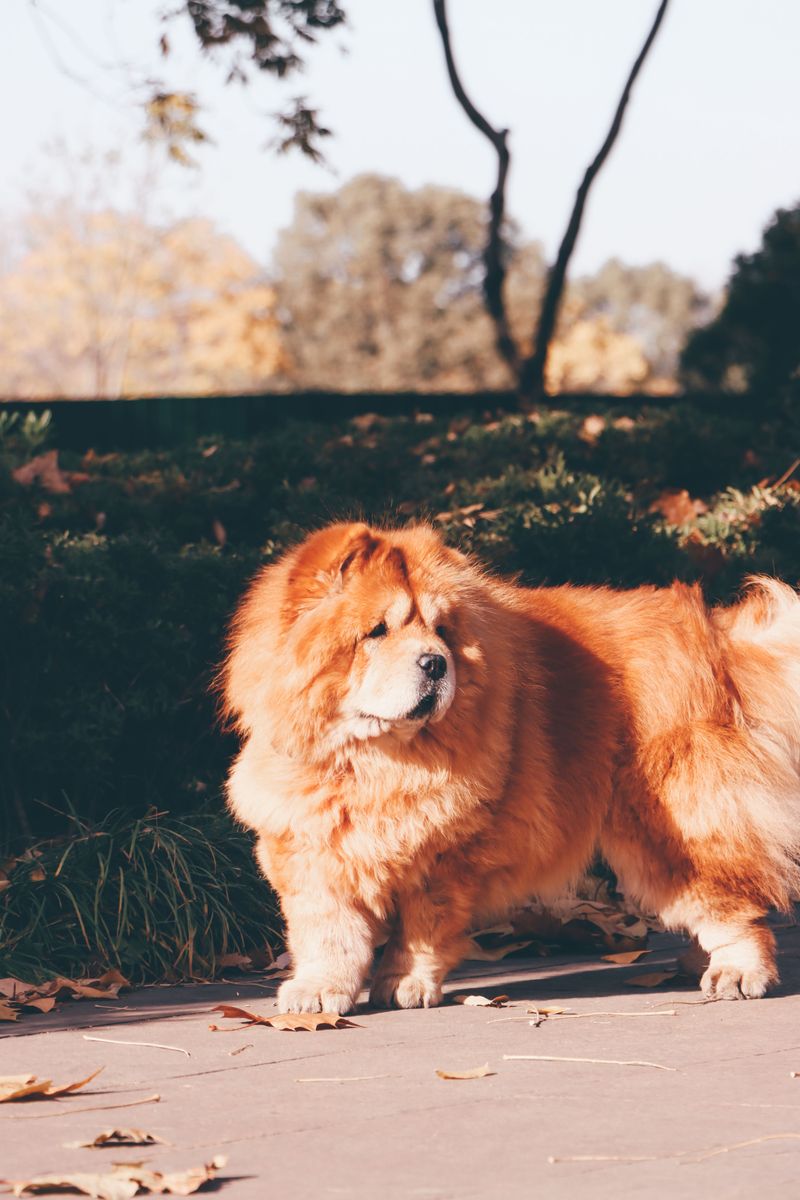
That lion-like ruff and blue-black tongue grab attention everywhere, but a Chow Chow rarely returns the excitement. The breed is ancient, developed in China for jobs that included guarding, and it tends toward an aloof, self-contained temperament with outsiders.
Inside the home, many Chows form a strong attachment to one or two people. Guests might get a calm look and little else.
Deep-set eyes can limit peripheral vision in some individuals, so approaching from the front and speaking softly is a considerate move. Pushy greetings tend to backfire, while calm, predictable visitors usually fare better.
Anatolian Shepherd
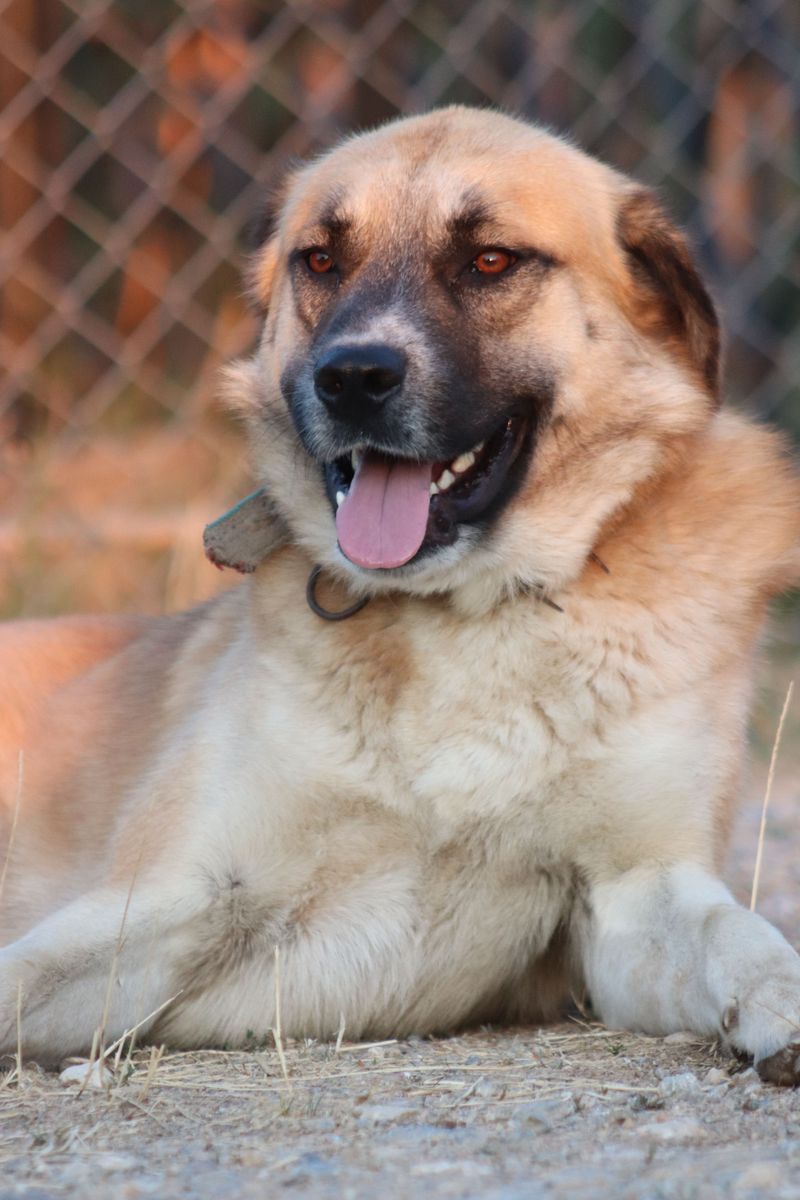
Livestock guardians are bred to make decisions without waiting for a human to give orders. The Anatolian Shepherd, from Turkey, spent centuries watching over flocks against predators, and that job rewarded suspicion of anything unfamiliar.
At home, this may look like a dog that positions itself between family and a new arrival, assessing quietly. It often relaxes once the owner clearly welcomes the person.
Owners should know this is a big, independent dog that may not be suited to frequent drop-in visitors or busy apartments. In the right setting, its steady, measured approach to strangers is part of its value.
Chinese Shar-Pei
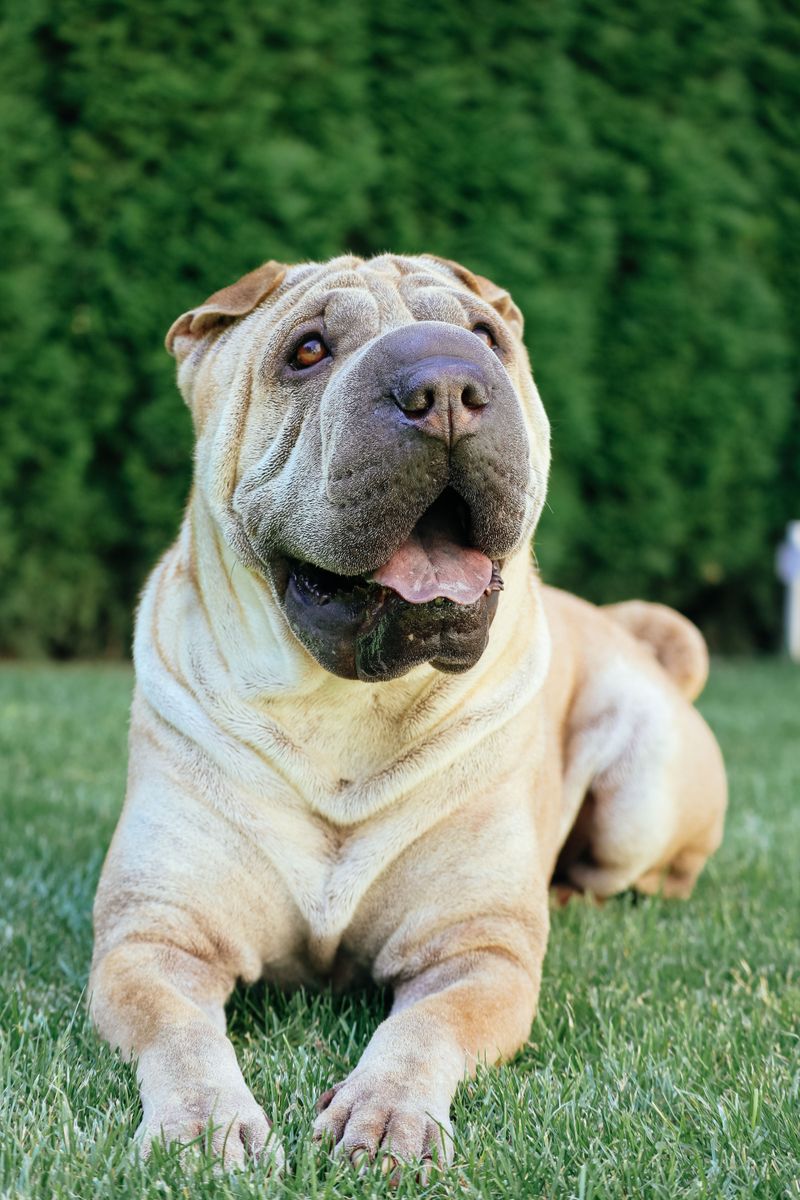
Wrinkles make the Shar-Pei look endlessly worried, though the dog itself is usually just reserved. Historically a versatile farm dog in southern China used for guarding and hunting, the breed often keeps its emotions close with outsiders.
Family members tend to see a calm, clean, somewhat devoted dog. Strangers usually get a cool, unhurried inspection instead of a welcome party.
Small, deep-set eyes and heavy folds can affect what the dog sees, so sudden movements near its face may startle it. Quiet introductions and treats tossed rather than handed over can help build trust gradually.
Bullmastiff
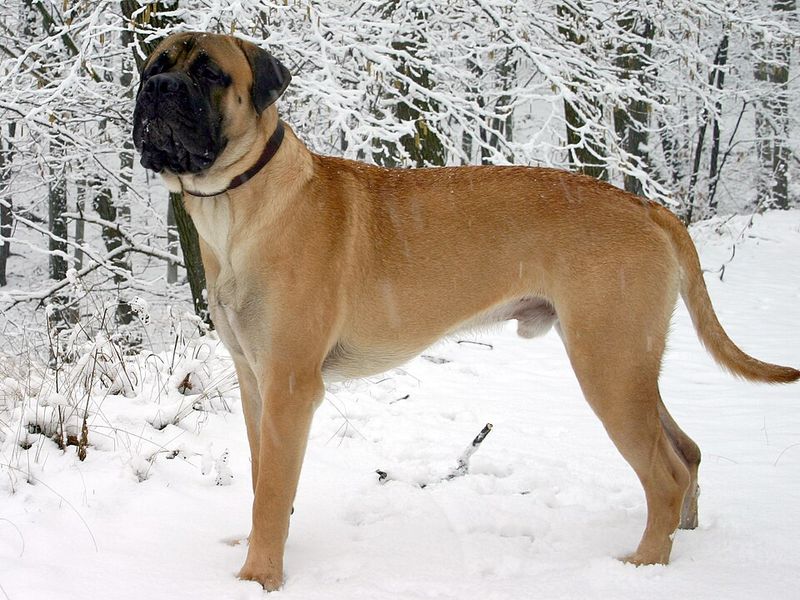
English gamekeepers in the 1800s wanted a dog that could quietly stop poachers on large estates. The Bullmastiff was the answer, and that history helps explain why many of these dogs are calm, observant, and slow to trust newcomers.
Unlike some guardians, the Bullmastiff often is not a big barker. It may simply plant itself in a spot with a clear view and watch.
Once a guest becomes familiar, plenty of Bullmastiffs turn into couch-loving softies. Because of their size and strength, solid training and steady exposure to visitors from puppyhood make a real difference.
Belgian Malinois
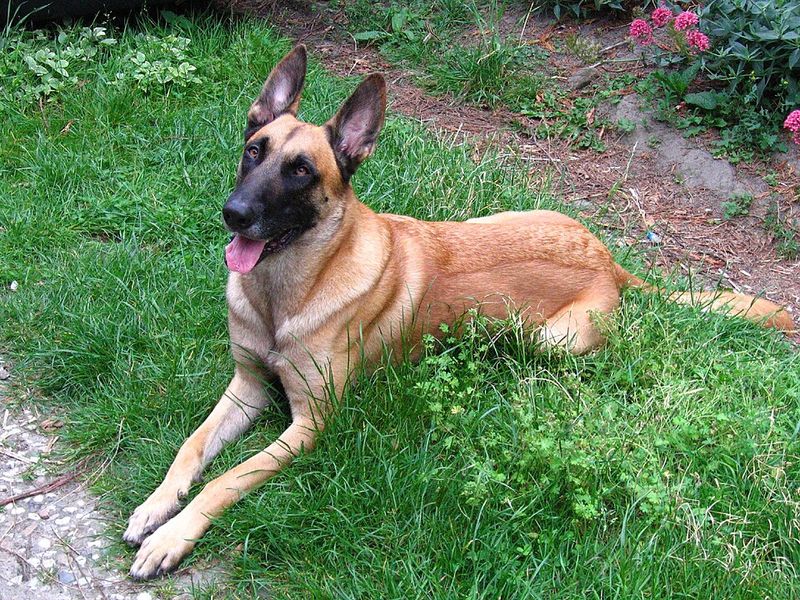
Police and military units around the world rely on the Belgian Malinois, and that tells you something about its focus. This herding breed tends to attach strongly to its handler and is often watchful or indifferent toward strangers.
Reserved does not mean low-key, though. A Malinois needs a lot of physical exercise and mental work, and boredom can show up as frantic or destructive behavior.
For the right experienced owner, the reward is a dog whose trust, once earned by a new person, comes with remarkable responsiveness. For a casual household, it may be far more dog than expected.
Rottweiler
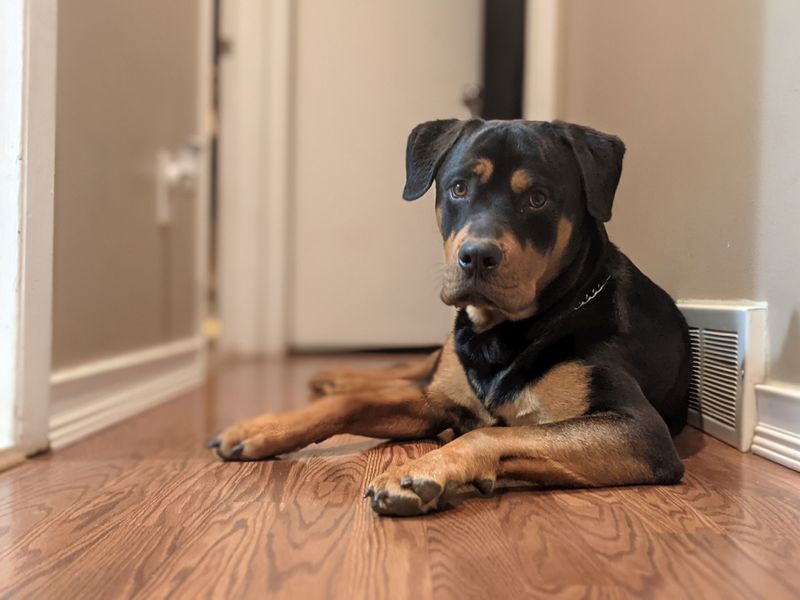
Reputation can overshadow reality with this breed. Rottweilers descend from Roman-era drover dogs and later worked as cattle drivers and cart pullers in Germany, and the AKC breed standard describes them as having an aloof attitude that does not lend itself to immediate friendships.
That aloofness is meant to be calm, not hostile. A well-socialized Rottie often watches a stranger, takes cues from its owner, and then warms up.
Many owners find their Rottweiler becomes a clownish, lean-on-your-legs dog with familiar people. Reward-based training and lots of positive social experiences help shape that confident, steady balance.
Great Pyrenees
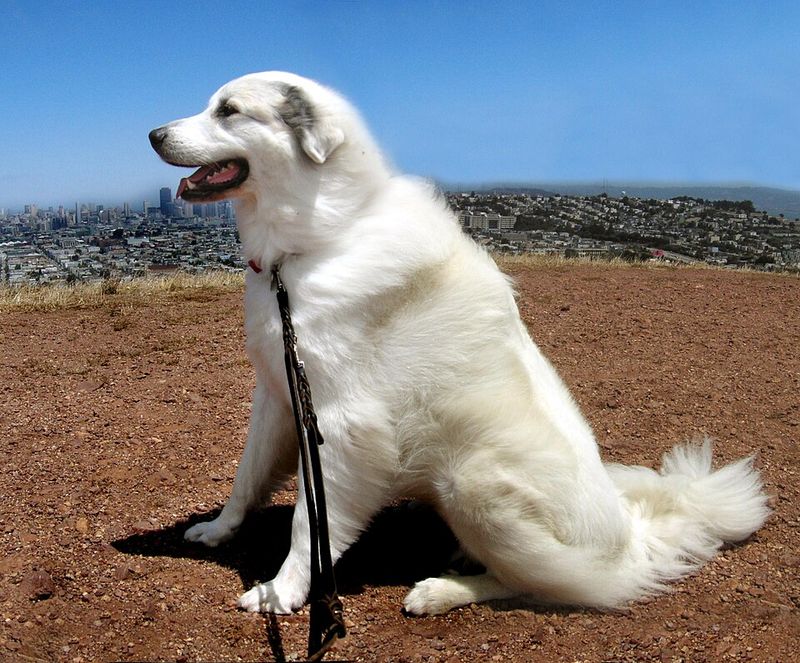
Picture a giant white cloud of fur that barks at night and studies every passing car. The Great Pyrenees was bred in the mountains between France and Spain to guard sheep, often working alone, and it brings that independent watchfulness to modern homes.
With visitors, a Pyr may hang back, assess, and bark a warning before settling. Once someone is accepted, the dog usually treats them with mellow patience.
Owners should expect nighttime barking and limited interest in obedience drills. Secure fencing matters, since many Pyrs like to patrol a wide territory.
Doberman Pinscher
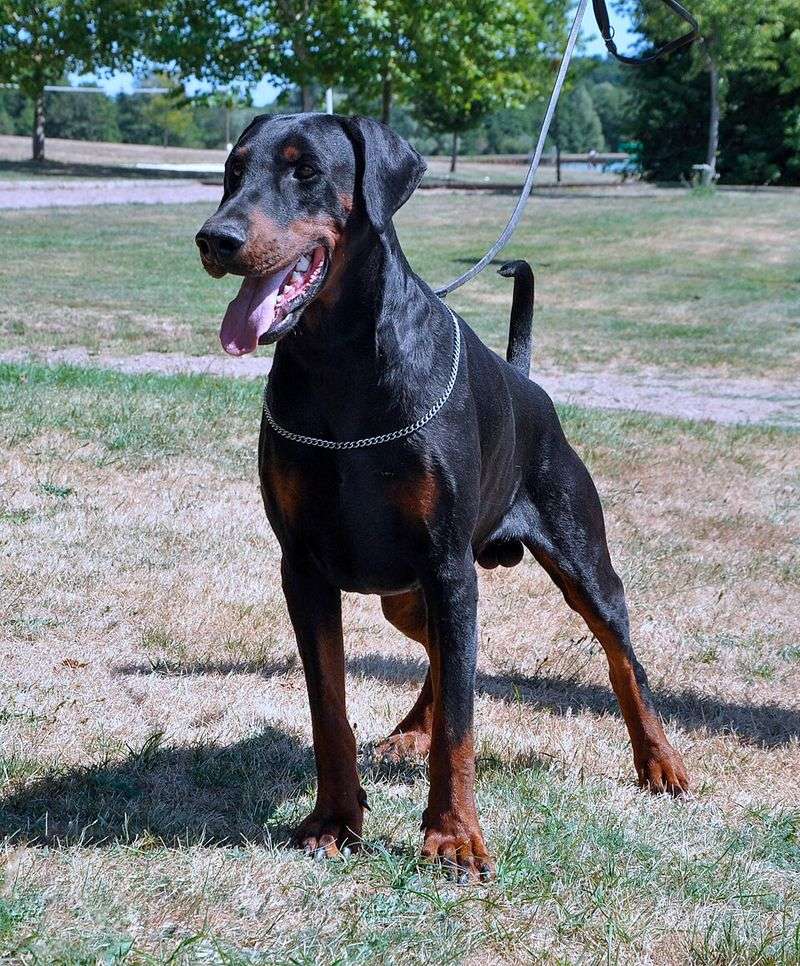
Tax collector Louis Dobermann developed this breed in Germany in the late 1800s, reportedly wanting a capable dog by his side on his rounds. The result was sleek, alert, and naturally inclined to watch strangers carefully.
At home, many Dobermans are famously clingy, sometimes earning the nickname “Velcro dog.” That contrast surprises people who only know the breed’s tough image.
Guests may get a cautious stare at first. Calm greetings, a short wait, and a treat from the owner often turn that look into a curious nose nudge.
Tibetan Mastiff
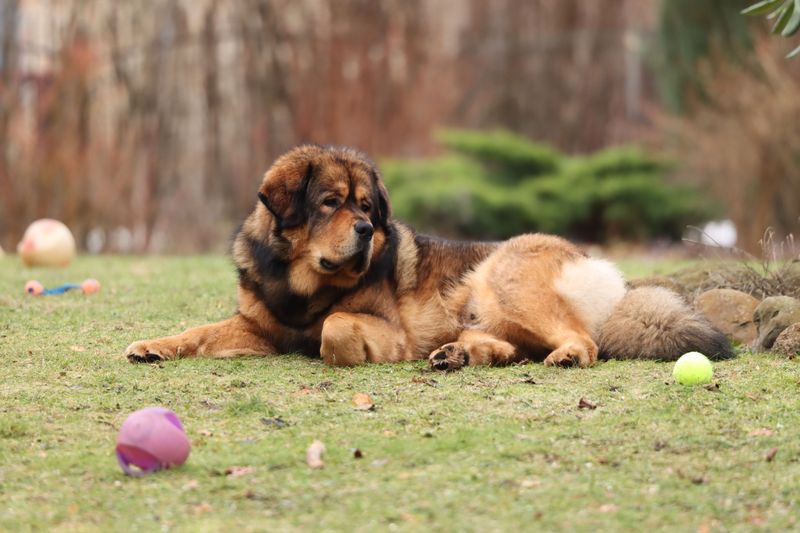
Few breeds are as famously independent as the Tibetan Mastiff. Kept for centuries to guard homes, monasteries, and livestock in the Himalayas, it tends to be strongly territorial and reserved with anyone it does not know.
Many are more active at night, a trait linked to their guarding role. They can also be stubborn about training, choosing when to cooperate.
This is a breed for experienced owners with space and time. For those people, earning the trust of such a self-reliant dog can feel genuinely special.
Golden Retriever
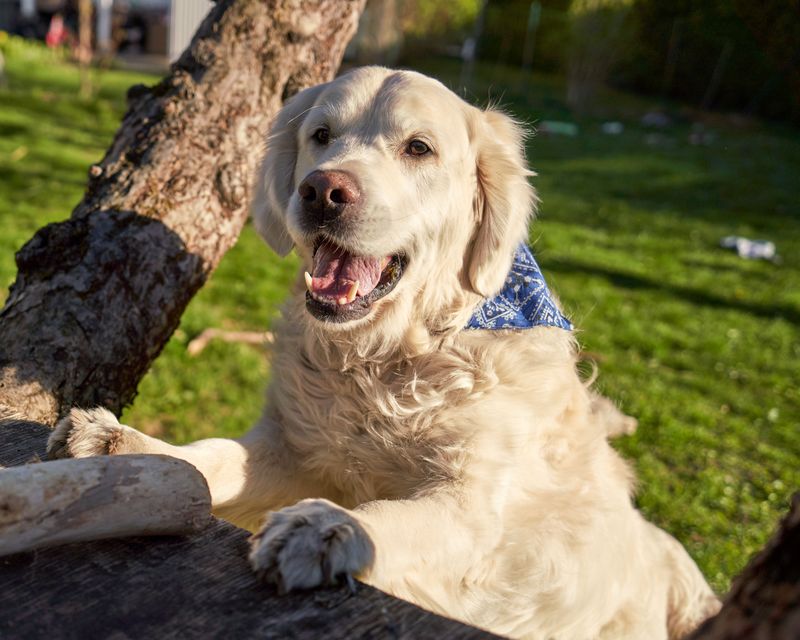
Now for the other end of the spectrum. Golden Retrievers were developed in Scotland as gun dogs that worked cooperatively with people, and the breed is widely known for outgoing friendliness, often toward strangers too.
Many Goldens greet delivery drivers, neighbors, and repair workers with the same tail-swinging enthusiasm they give family. That makes them a poor guard dog choice but a strong social companion.
Their friendliness can lead to jumping and pulling toward people. Teaching a calm sit for greetings keeps all that goodwill from knocking over a visitor.
Cavalier King Charles Spaniel
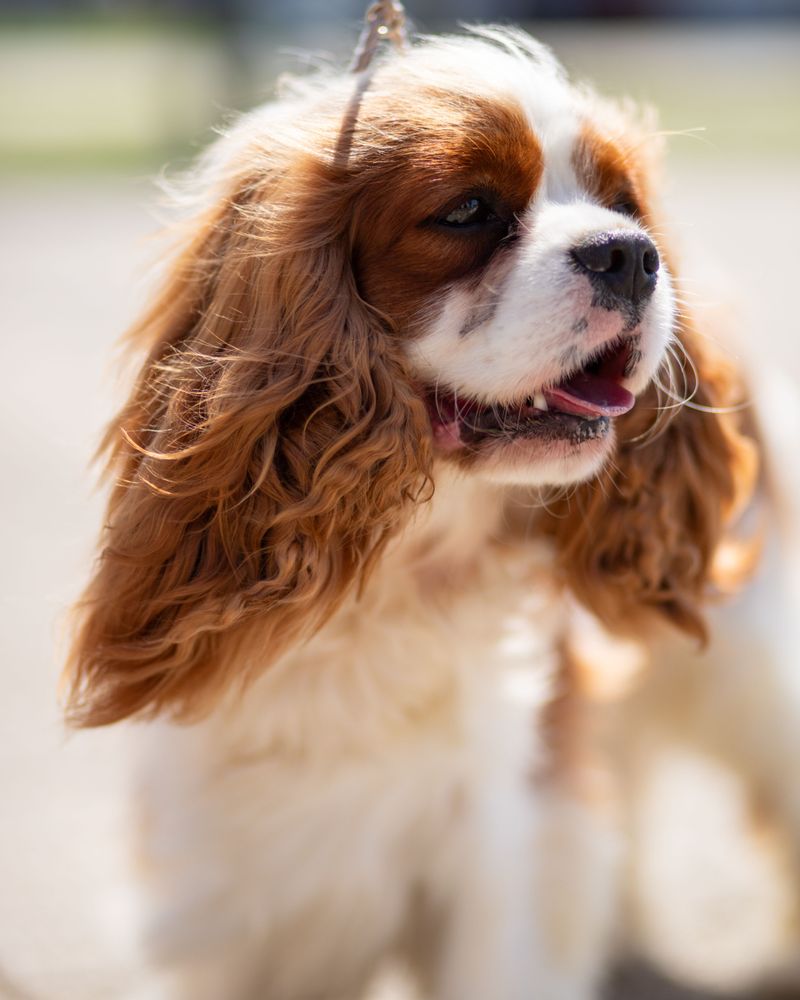
Lap dogs rarely come more sociable than the Cavalier. Bred as companions for English nobility, these spaniels were valued for comfort and closeness, and the AKC describes them as affectionate and gentle, often eager to meet whoever is nearby.
A Cavalier may climb into a guest’s lap within minutes, tail going steadily the whole time. Shy visitors often find the breed easy to warm up to.
That people focus means some Cavaliers struggle when left alone for long stretches. Owners should also stay current on vet checkups, since the breed is known to have a predisposition to certain heart issues.
Whether your dog takes ten minutes or ten seconds to welcome a guest, both styles are normal. Respecting a reserved dog’s pace often builds the strongest trust.