Retirement finally brings slow mornings, long afternoons, and time for a dog that actually wants to share the sofa. The tricky part is that plenty of fluffy breeds look calm in photos but need hours of running or herding work every day.
The ten breeds below lean toward a more relaxed pace, with soft coats, steady temperaments, and a real interest in staying close to their people. Each one brings something a little different, from tiny lap warmers to gentle giants who fill the whole couch.
Cavalier King Charles Spaniel
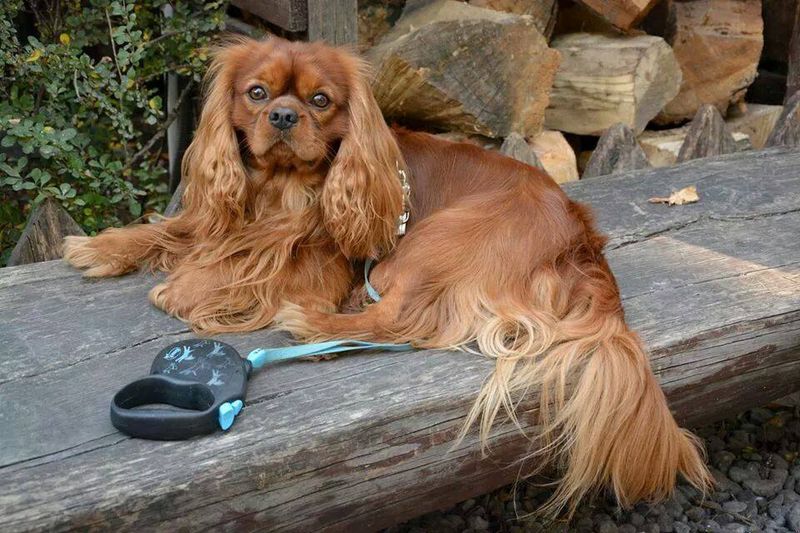
Few breeds were shaped so directly for sitting with people. Cavaliers descend from the toy spaniels kept by British nobility, including King Charles II, who was famous for having these little dogs around him constantly.
That history shows up today as a dog that often follows its person from room to room and then settles in right beside them. Most adults are happy with a couple of moderate walks plus some indoor play, which suits a slower daily rhythm.
Their silky coat needs brushing a few times a week, especially the feathering on the ears. Owners should also know the breed has a documented predisposition to mitral valve disease, so regular heart checks with a vet are a smart habit rather than an afterthought.
Shih Tzu
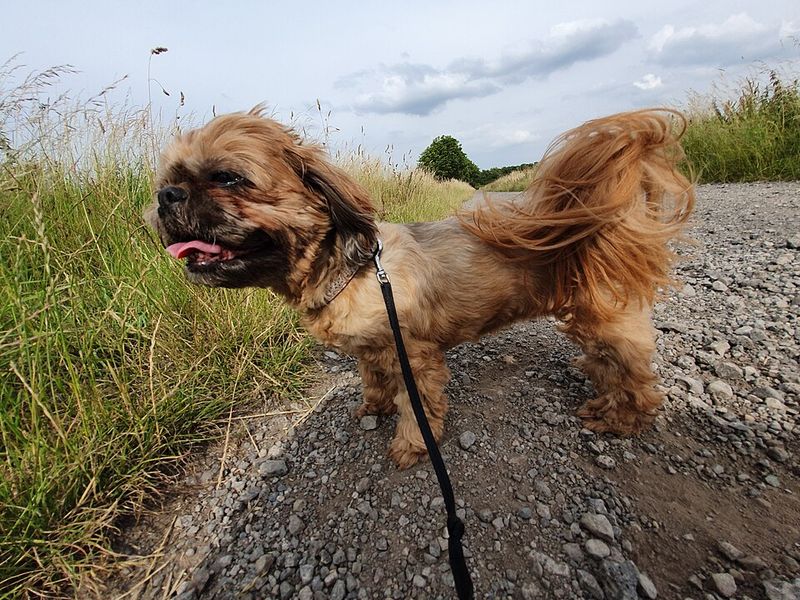
Bred as companion dogs in Chinese imperial households, Shih Tzus never had a farm job or a hunting role. Their job description was basically to keep people company, and many still take that seriously.
Exercise needs are modest. A short stroll and some play in the living room often cover it, and the breed generally adapts well to apartments and condos.
The coat is the real commitment. Left long, it can mat quickly, so many retirees choose a short puppy cut and schedule a groomer visit every six weeks or so.
Their short muzzles also mean they can struggle in heat, so summer walks are best kept to cooler hours.
Bichon Frise
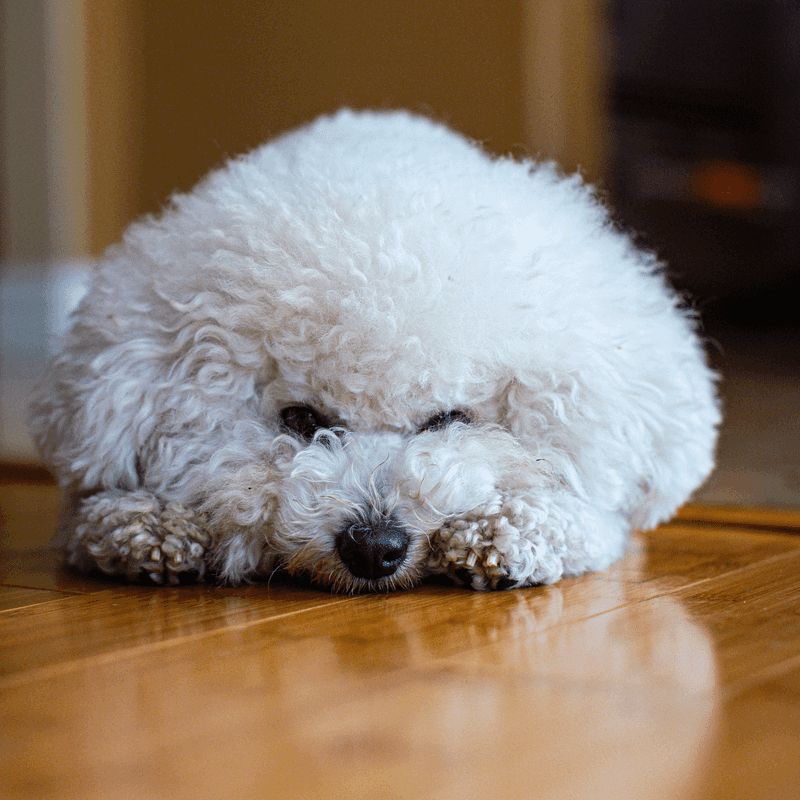
Allergies sometimes keep older adults from getting a dog. The Bichon Frise is worth a look here, because its curly coat sheds very little and tends to trap loose hair instead of spreading it across the furniture.
No dog is fully allergy-free, though, so spending time with a Bichon before committing is a good idea. That low shedding comes with a trade-off: the coat keeps growing and needs regular brushing and professional trims.
Temperament-wise, Bichons are usually cheerful and sociable, with short bursts of playful energy often called the Bichon blitz. After a quick zoom around the living room, many are content to curl up for a long nap.
They can dislike long stretches alone, which fits well with someone who is home most of the day.
Havanese
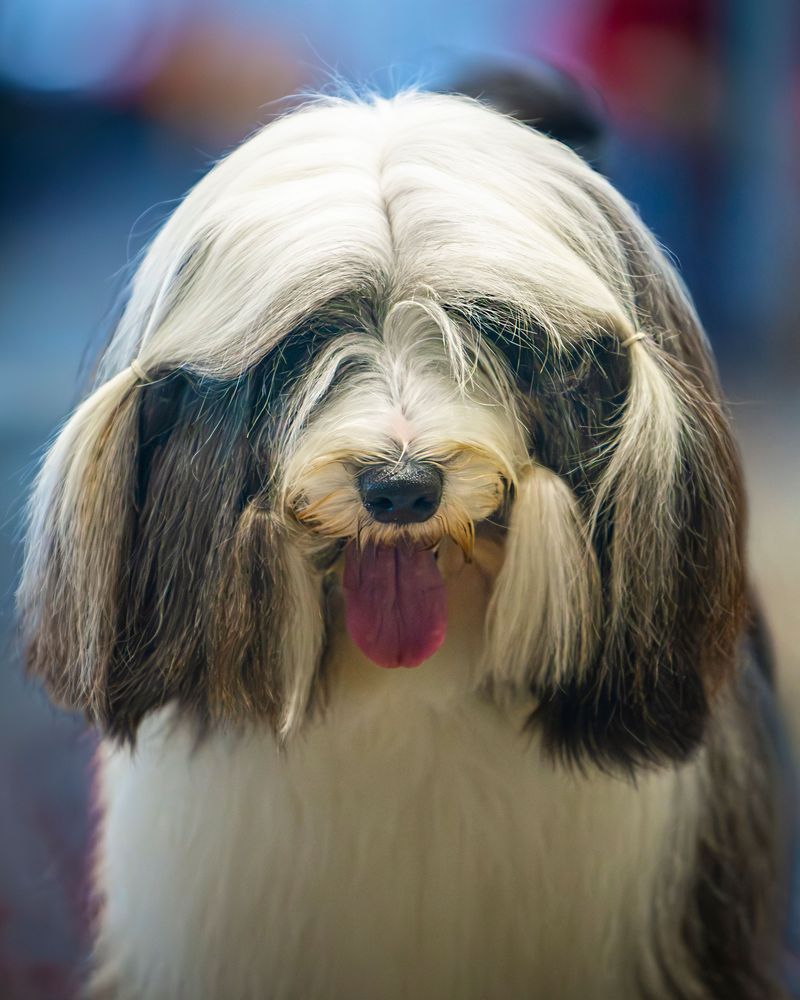
Cuba’s national dog has a nickname that tells you plenty: the Velcro dog. Havanese often prefer staying within arm’s reach of their favorite person, whether that means the couch, the kitchen, or the garden bench.
That closeness is part of the appeal for retirees, and it is also the main thing to plan around. Some individuals can become stressed when left alone for long periods, so this breed suits households where someone is around much of the day.
Havanese are sturdy for their size, typically weighing 7 to 13 pounds, and they tend to learn tricks quickly with treats and praise. A few rounds of indoor games can be enough mental exercise, which is handy on rainy days.
Maltese
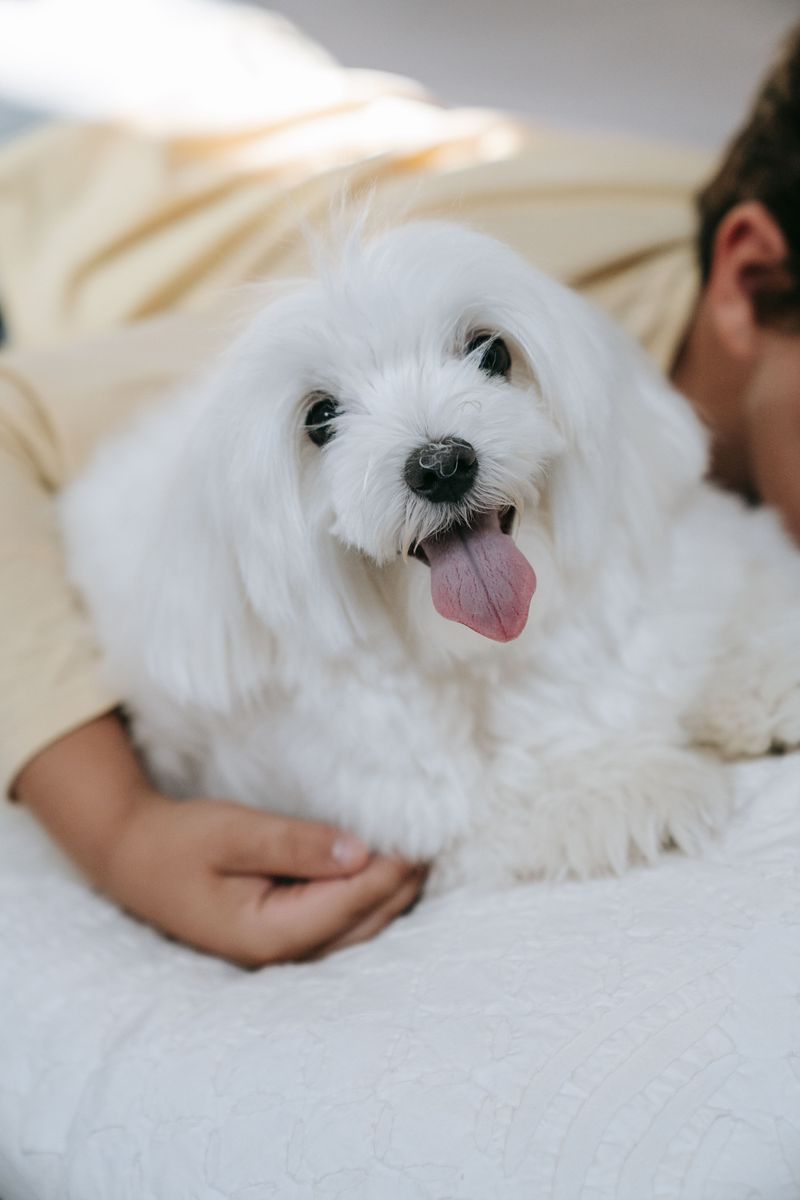
At around 4 to 7 pounds, a Maltese can ride along in a tote, sit easily on a narrow lap, and be lifted without strain. For retirees managing joint pain or a smaller home, that size makes daily care much simpler.
The breed has been a companion dog for well over two thousand years around the Mediterranean, and it still tends to be affectionate and attentive with its people. Many are alert and will bark at noises, which some owners appreciate as a built-in doorbell.
The white coat is single-layered and sheds little but needs daily brushing if kept long. Tear staining around the eyes is common, so gentle face cleaning becomes part of the routine.
Small mouths can also mean dental problems, making tooth brushing worthwhile.
Pekingese
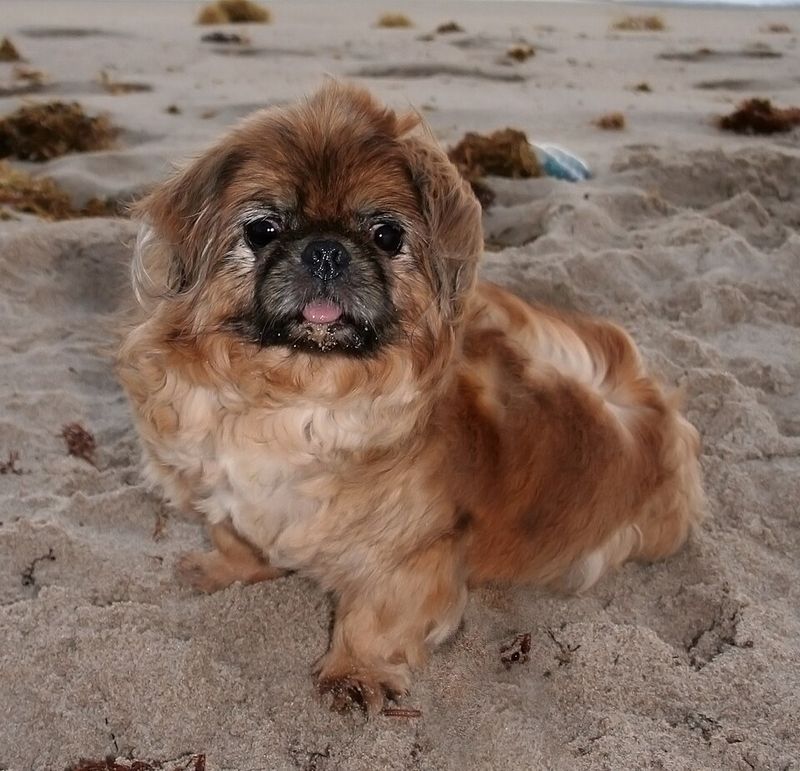
Independent and a bit dignified, the Pekingese is the cat lover’s lap dog. It enjoys company but usually does not demand constant attention, which can be refreshing for someone who wants a relaxed housemate rather than a shadow.
Legend says these dogs were kept by Chinese emperors, and they carry themselves with matching confidence. Exercise needs are among the lowest on this list.
A slow walk around the block often satisfies them.
That thick mane of a coat needs regular brushing, and the flat face means heat and heavy exertion should be avoided. Training works best with patience and treats, since many Pekes prefer to consider a request before agreeing to it.
Pomeranian
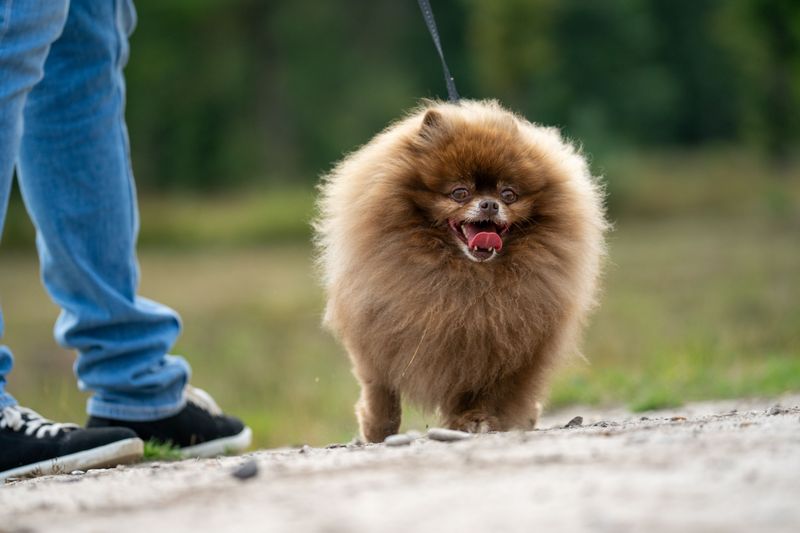
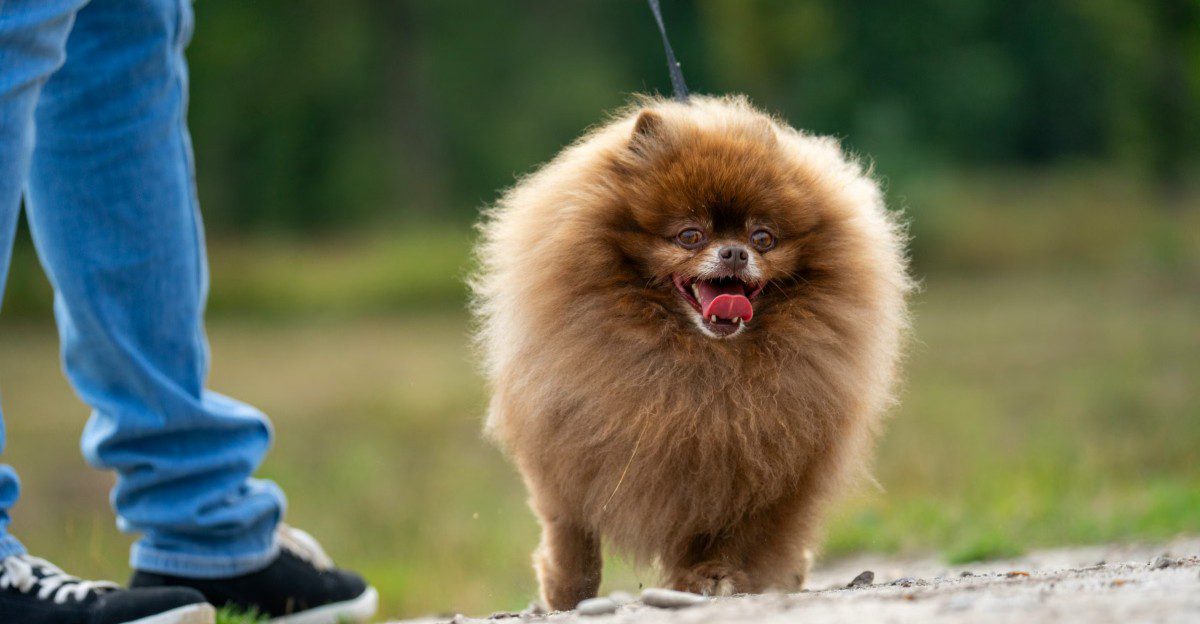
Here is a surprise: Pomeranians come from large Spitz sled and herding dogs, bred down in size over generations. Queen Victoria helped popularize the smaller version, and the breed kept its big fox-like coat and alert attitude.
A Pom is livelier than a Pekingese, so it suits retirees who want a lap dog with a spark. Short walks and indoor games usually burn off its energy, and then it is often happy to settle down.
Expect some barking, since many Poms announce visitors with enthusiasm. Reward-based training can help keep that in check.
The double coat sheds seasonally, so a couple of brushing sessions each week keeps the fluff manageable.
Bernese Mountain Dog
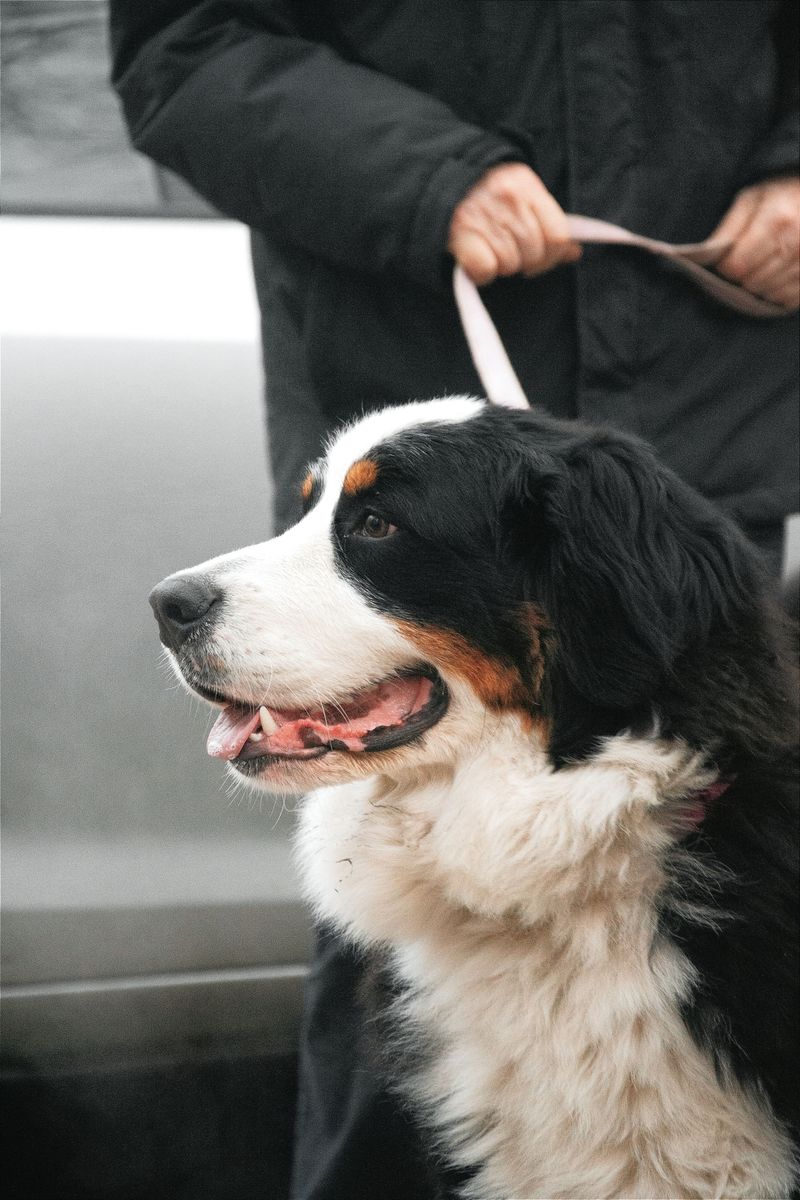
Not every couch buddy has to fit on a lap. Bernese Mountain Dogs, originally Swiss farm dogs that pulled carts and watched livestock, are known for an easygoing, mellow attitude once they mature past puppyhood.
They are big, often 70 to 115 pounds, so this choice works best for active retirees who can handle the size, a daily walk, and a fair amount of shed hair. Their thick coat suits cool climates better than hot ones.
Owners should understand the breed’s shorter average lifespan, often around 7 to 10 years, and its predisposition to certain cancers and joint issues. Choosing a responsible breeder and keeping up with vet care matter here.
Newfoundland
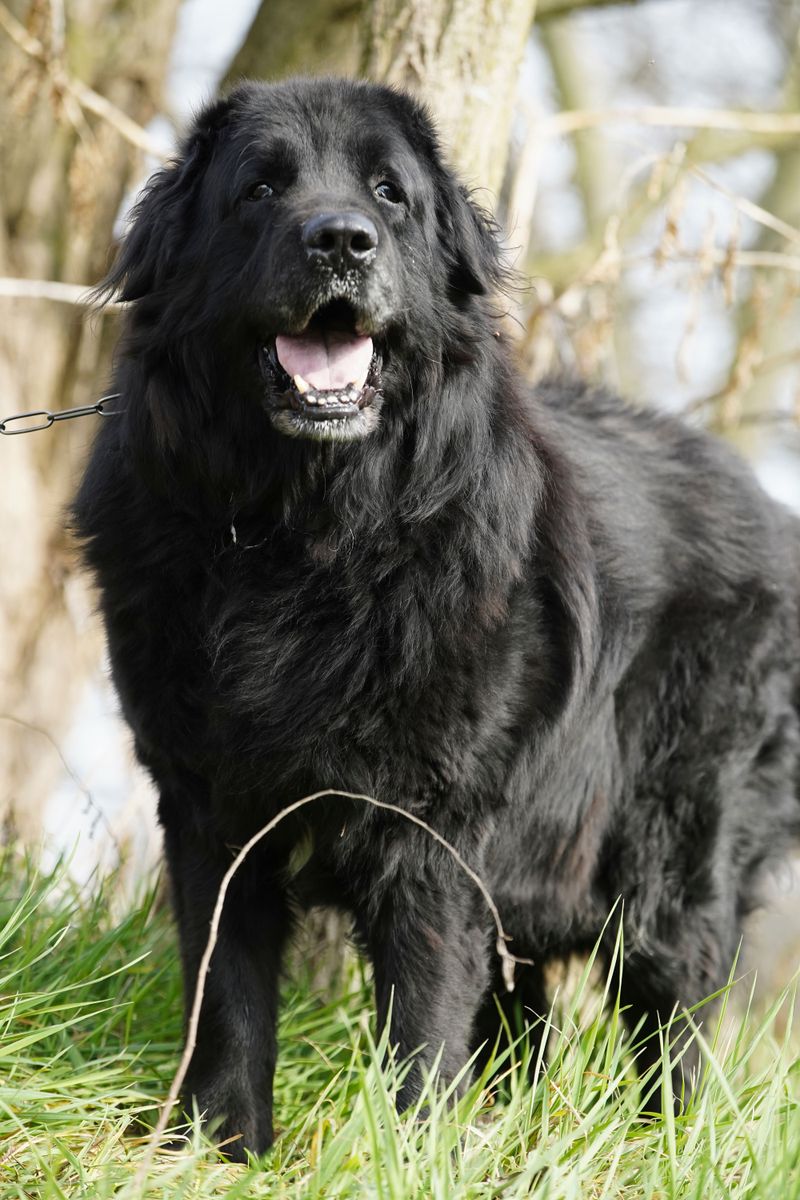
Picture a 130-pound dog with the patience of a lifeguard. Newfoundlands worked alongside Canadian fishermen, hauling nets and performing water rescues, and they are widely associated with a sweet, steady temperament.
Indoors, many Newfies are happy to spend much of the day sprawled out near their people. Moderate walks and, if possible, a chance to swim suit them well.
Drool is a real part of life with this breed, so keeping a towel handy is common. The heavy double coat sheds a lot, and their size means vet bills, food, and even lifting the dog into a car need honest planning.
Great Pyrenees
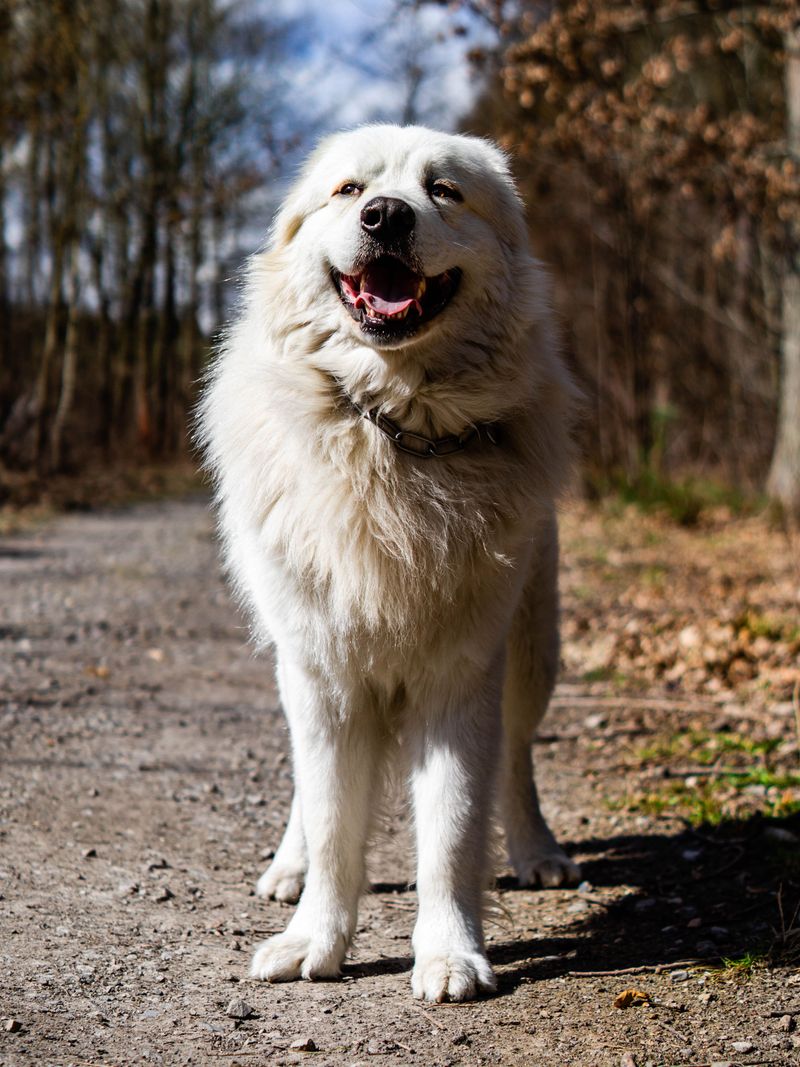
Calm by day and watchful by night describes the Great Pyrenees pretty well. Shepherds in the Pyrenees mountains relied on these dogs to guard flocks from wolves and bears, a job that involved lots of quiet resting punctuated by alert barking.
That guardian background can make them wonderfully low-key housemates who doze for hours. However, they may bark at night when they hear something, and their independent streak means recall off leash is often unreliable, so a fenced yard helps.
The thick white coat sheds heavily, especially in spring. For retirees with space, a yard, and a fondness for big, serene dogs, a Pyr can be a devoted presence.