
Big dogs can outgrow your couch, and tiny dogs can get lost under a blanket. Medium-sized breeds land right in between, sturdy enough for long hikes but still easy to lift into the car.
They often fit apartments, suburbs, and busy family life better than people expect. The 11 breeds below each show a different reason why the middle of the size chart can be the smartest place to shop.
Australian Cattle Dog
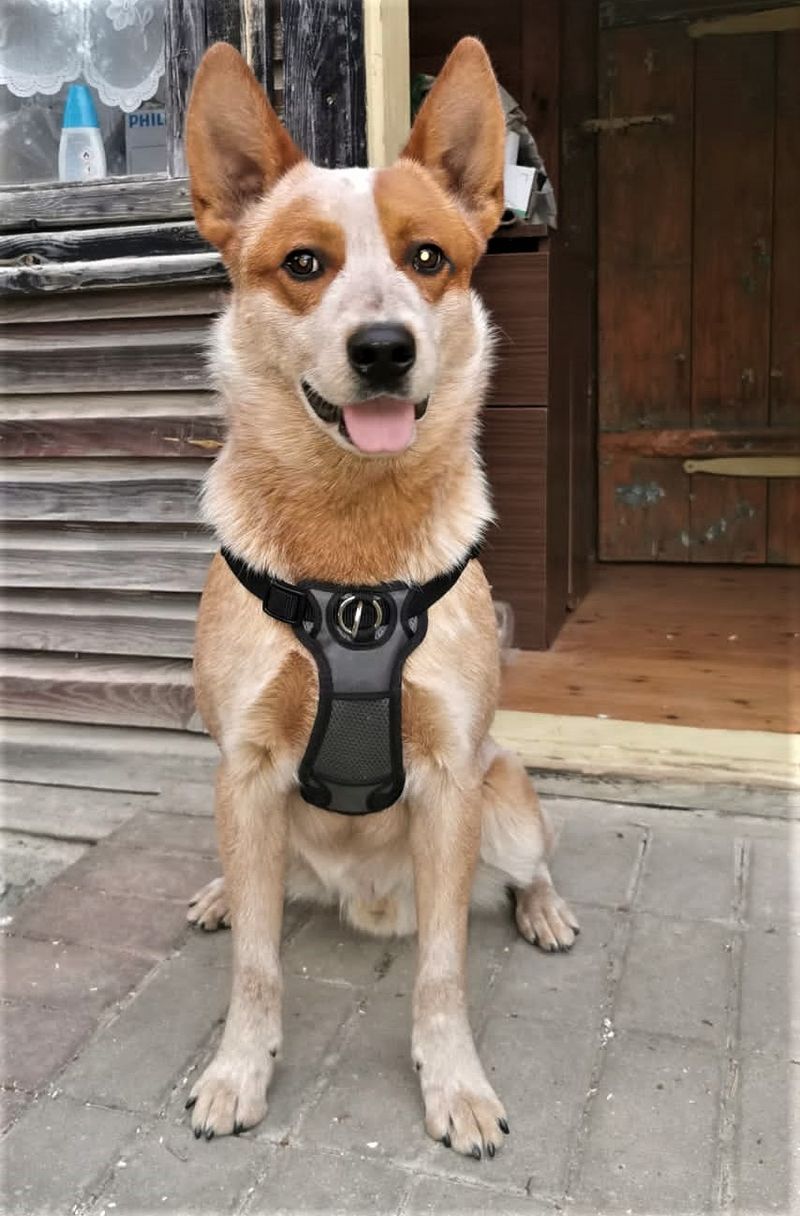
Ranchers in 1800s Australia needed a dog tough enough to move stubborn cattle across huge, hot distances. The answer was a compact herder, usually 35 to 50 pounds, built for stamina rather than bulk.
That working past shows up at home in funny ways. Some cattle dogs may nip at heels or try to herd kids and other pets, because moving livestock by nipping was literally the job.
The size is a real advantage here. A heeler can keep up on a trail run, then curl up in a normal crate.
Owners who give it puzzle toys, training games, or a sport like agility often find a sharp, devoted partner instead of a bored dog inventing its own projects.
Brittany
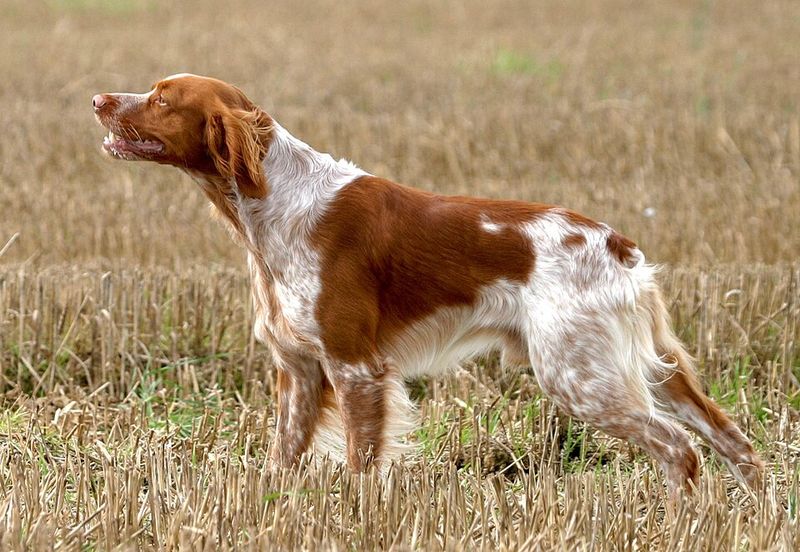
Plenty of bird dogs are leggy and large, but the Brittany packs a full hunting toolkit into a frame of roughly 30 to 40 pounds. It points game like a setter while staying small enough for a hatchback.
Originally from France, Brittanys are often naturally tail-less or born with very short tails. Many owners notice they work close and check in often, which can make recall training a bit easier than with more independent hunters.
The catch is fuel. A Brittany usually needs real daily running, not a stroll around the block.
Active families who hike or bike often find it matches their pace without the space demands of a bigger sporting breed.
Whippet
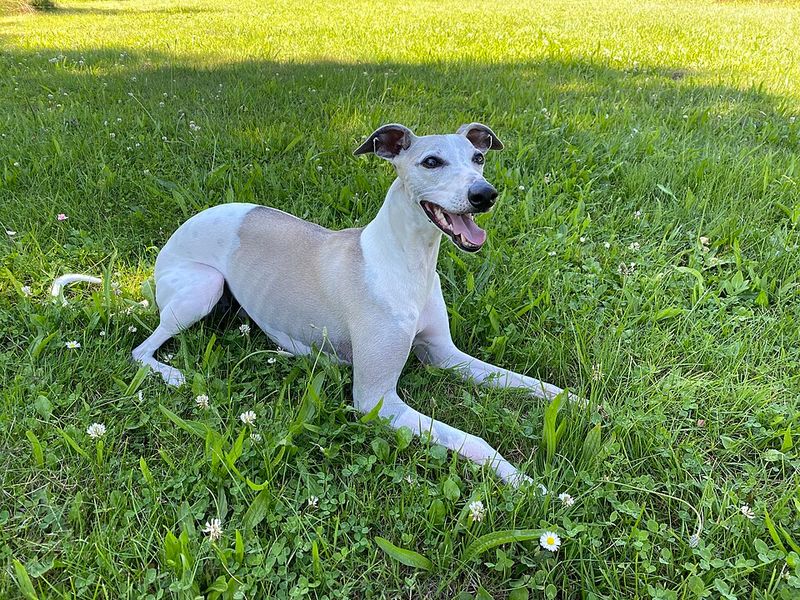
Here is the surprise: one of the fastest dogs around may also be one of the laziest roommates. Whippets can reach speeds near 35 miles per hour, then spend the afternoon burrowed under a blanket.
Bred in England as a smaller cousin of the Greyhound, the breed was used for racing and chasing rabbits. That sprint-then-rest style means a few good runs in a fenced area often satisfy them.
Indoors, many whippets are quiet and rarely bark. Their thin coat and low body fat do make them sensitive to cold, so a sweater in winter is practical, not just cute.
Their sighthound chase instinct also means a secure fence matters more than a perfect recall.
Cocker Spaniel
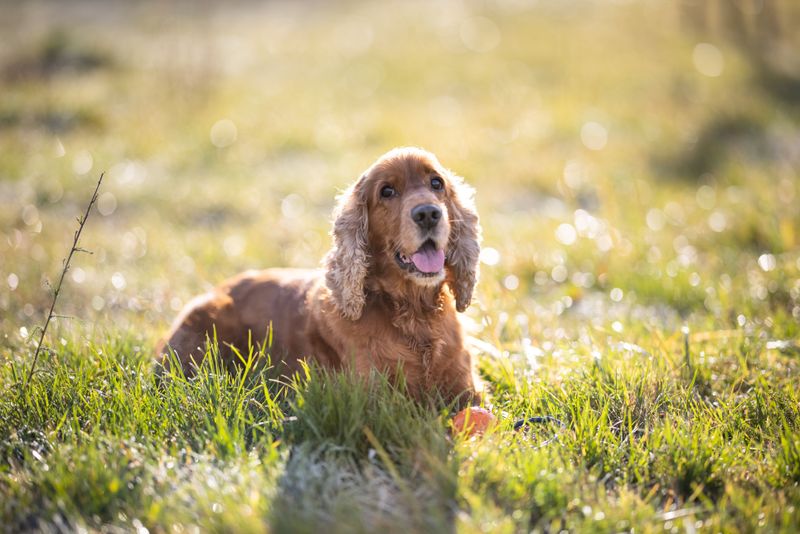
Long, silky ears are the first thing people notice. Those ears are also the first thing a Cocker Spaniel owner learns to check, since floppy, furry ears can trap moisture and be prone to infections.
At around 20 to 30 pounds, the Cocker sits at the smaller end of medium, which makes it a common pick for people who want a real dog body without a large dog. It was bred to flush woodcock, hence the name.
Grooming is the honest trade-off. That flowing coat may need brushing several times a week and regular professional trims.
Owners who budget for it often get a cheerful, people-oriented dog that adapts well to both houses and apartments.
Basenji
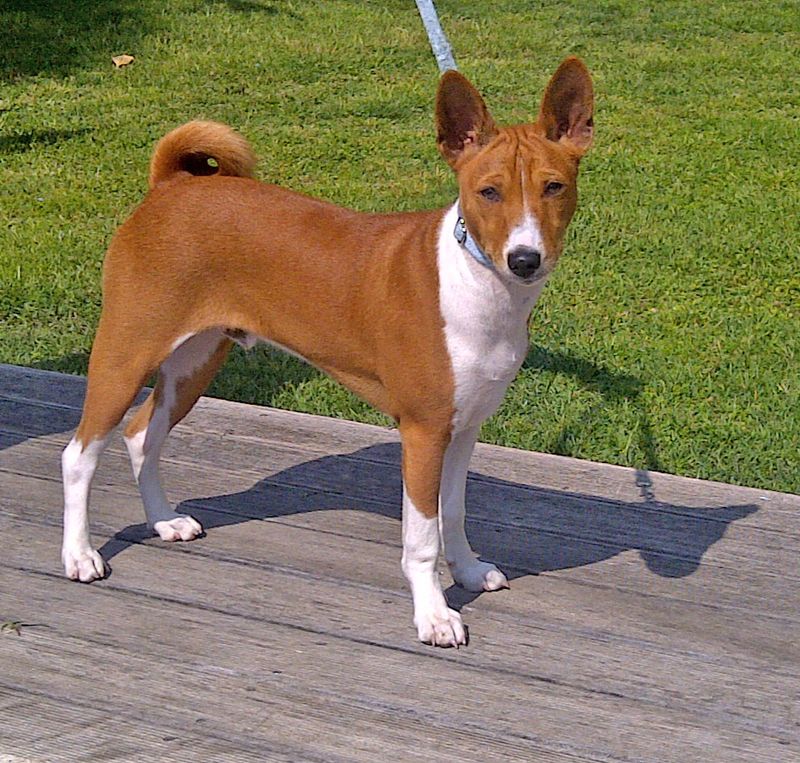
Barking is not really the Basenji’s thing. Thanks to an unusually shaped larynx, these African hunting dogs tend to make a yodel-like sound called a barroo instead.
That sounds like an apartment dream, and in some ways it is. Basenjis are also known for grooming themselves almost like cats and having very little doggy odor.
Still, quiet does not mean easy. Many Basenjis are independent thinkers with a strong prey drive, and they can be talented escape artists.
People who enjoy a clever, slightly aloof dog and keep things interesting with short, reward-based sessions tend to get along best with this 22- to 24-pound original.
Standard Schnauzer
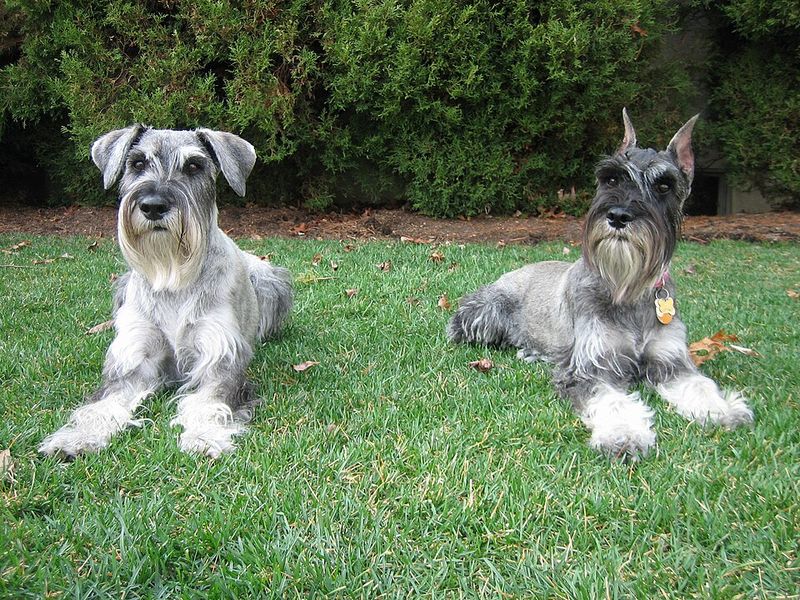
Most people know the Miniature or the Giant, yet the Standard Schnauzer is the original. Farmers in Germany used it as an all-purpose helper, guarding carts and catching rats.
Weighing about 30 to 50 pounds, it often acts as a natural alarm system. Some individuals may be reserved with strangers and quick to announce visitors, which suits owners who like a watchful dog.
The wiry coat sheds less than many breeds but needs stripping or clipping to stay neat. Those famous eyebrows and beard also collect water and crumbs, so a quick wipe after meals becomes part of the routine.
Shetland Sheepdog
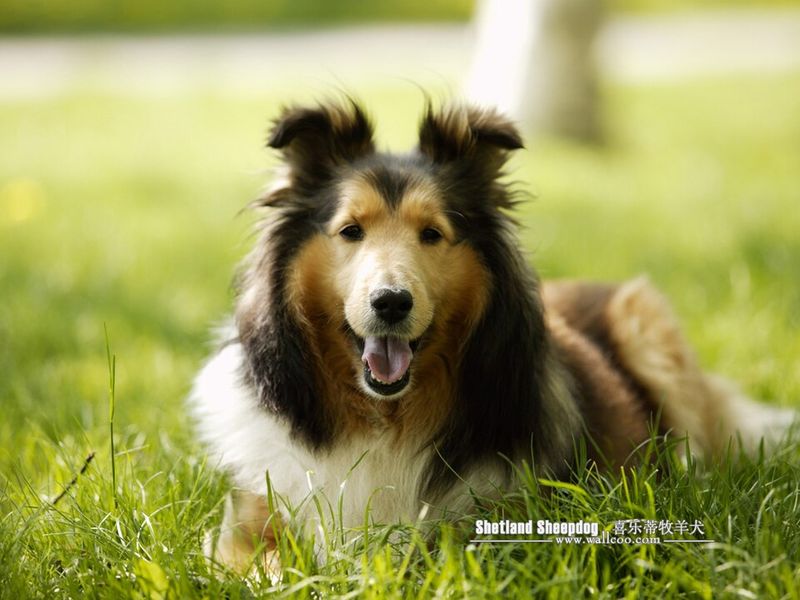
Ever met a dog that seems to watch your face for the next instruction? Shelties are often described that way, and their history on the Shetland Islands helps explain it.
Small, hardy herders helped farmers keep sheep and ponies in line, and modern Shelties frequently shine in obedience and agility. At roughly 15 to 25 pounds, they hover at the light edge of medium.
Two things surprise new owners. Shelties can be vocal, and that double coat sheds heavily, especially seasonally.
Some may also be sensitive to harsh tones, so gentle, upbeat training usually works far better.
Boykin Spaniel
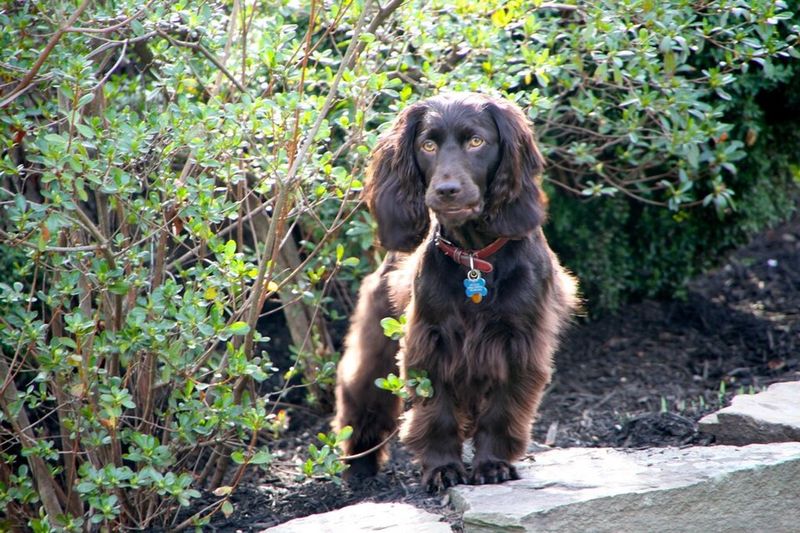
South Carolina hunters in the early 1900s wanted a retriever that would not tip their small boats on swamp rivers. The Boykin Spaniel was the result, a chocolate-colored dog of about 25 to 40 pounds.
It is even the official state dog of South Carolina. That boat-friendly size translates neatly to modern life, since a Boykin fits easily in a car, kayak, or average living room.
Many love water and retrieving games, so a tennis ball and a pond can make their day. Their ears and wavy coat appreciate a check after swims to keep them clean and dry.
Portuguese Water Dog

Fishermen along Portugal’s coast once relied on these dogs to herd fish into nets, carry messages between boats, and retrieve gear that fell overboard. Webbed feet and a waterproof curly coat made them excellent swimmers.
At around 35 to 60 pounds, the Portie is solid and athletic. Its coat tends to shed little, which may appeal to some allergy-conscious homes, though no dog is truly allergen-free.
Expect a busy brain. Porties often need daily exercise and jobs to do, and swimming is a perfect outlet.
Without that, some may turn chewing into a hobby.
Keeshond
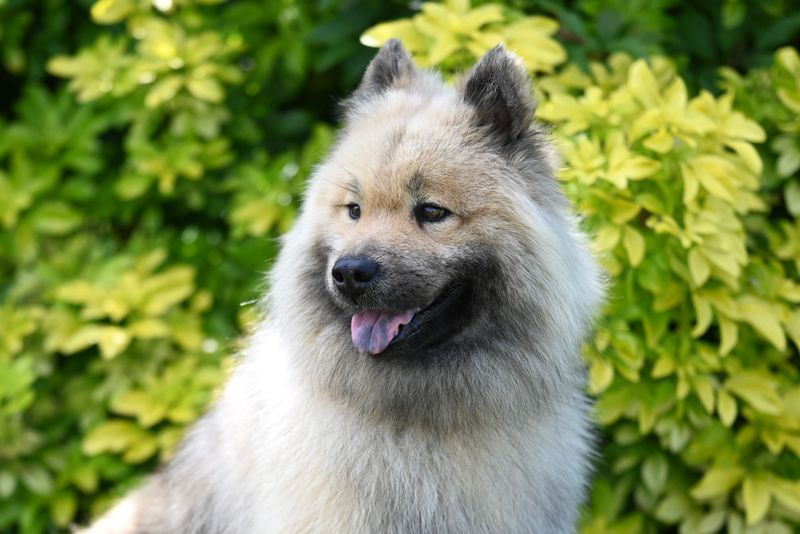
Dutch barge owners in the 1700s kept these fluffy dogs as watchdogs on canal boats. That is why the Keeshond is sometimes called the Dutch Barge Dog.
Its signature spectacles, the dark lines around the eyes, give it an expressive face. Around 35 to 45 pounds, Keeshonden are often friendly with people and tend to stay close to their families rather than wander.
That thick double coat is the big commitment. Regular brushing helps manage heavy seasonal shedding, and the breed is generally better suited to cooler climates.
Shaving is usually discouraged since the coat helps regulate temperature.
Finnish Spitz
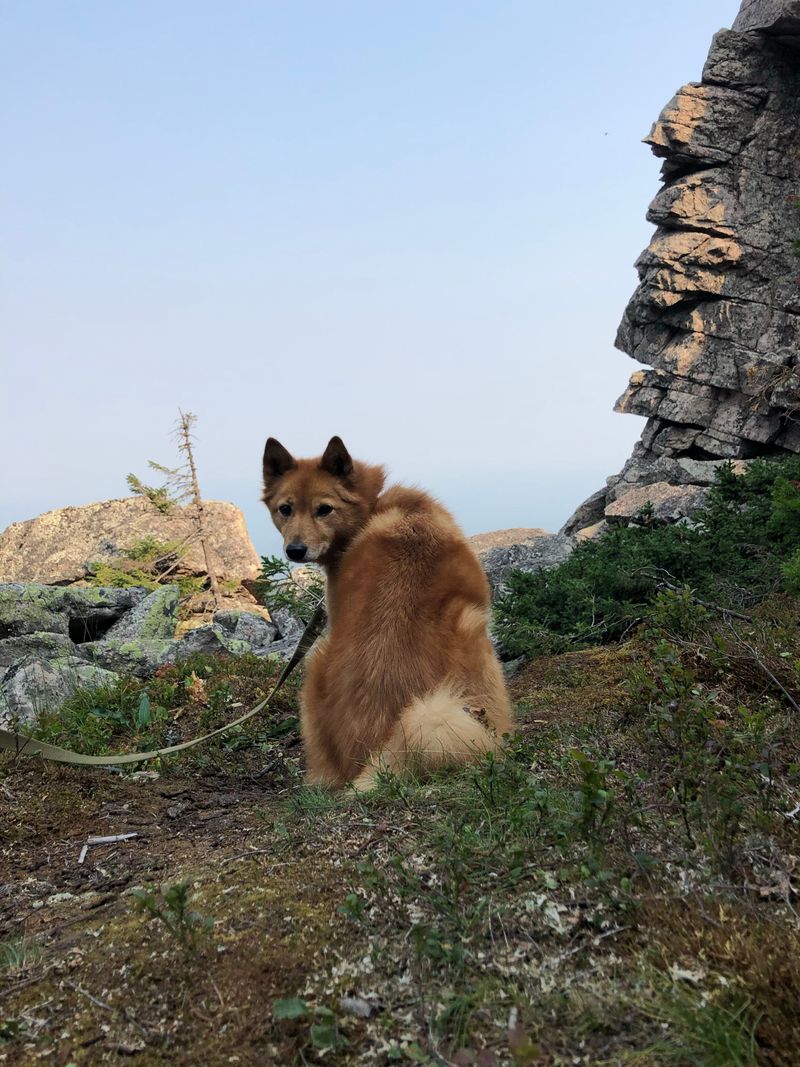
Fox-like and golden red, the Finnish Spitz has an unusual job description. Hunters in Finland used it to find birds in trees, then bark repeatedly to hold the bird’s attention until the hunter arrived.
That bark-pointing skill is the honest headline for owners. Some Finnish Spitz dogs can be very vocal, which may not suit thin apartment walls.
In return, you get a lively, medium-sized dog of about 20 to 33 pounds with a clean, cat-like streak and a playful, independent mind. Patient training and plenty of outdoor time help channel that chatty spirit.