
Your dog flops onto its back in the middle of the living room floor, belly up, eyes half closed, while you step right over it. That lazy sprawl says more than you might think.
Dogs show trust through small, everyday body language, and once you know what to look for, you will start noticing it everywhere. Here are 10 signs, backed by what we know about canine behavior, that your dog feels safe with you.
Head tilts when you talk
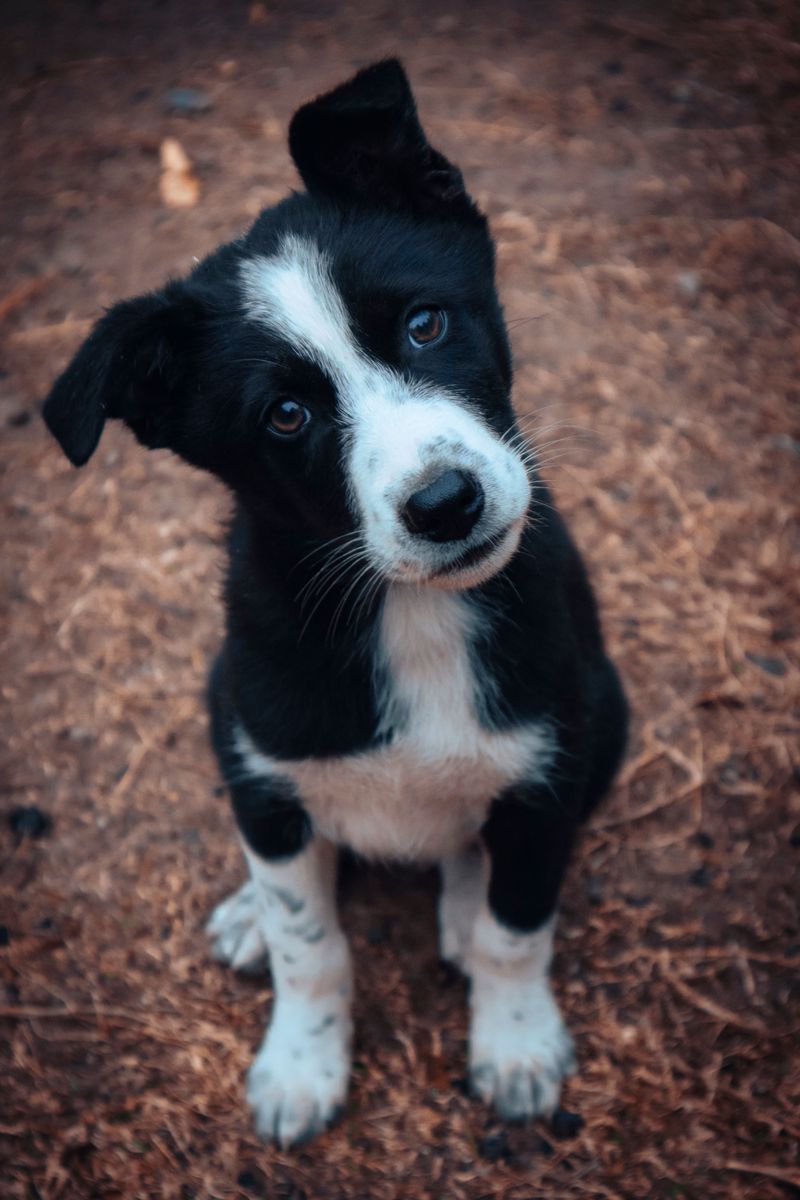
Say the word walk in a certain tone, and many dogs cock their heads to one side like they are tuning a radio. That little tilt is one of the most charming things a dog can do, and it often shows real engagement with you.
A 2021 study from Eötvös Loránd University in Hungary found that dogs who had learned the names of many toys tilted their heads more often when hearing those names. The researchers suggested the tilt may be linked to processing meaningful sounds.
Other ideas include adjusting the ears to locate sound or shifting the muzzle to see your face better.
None of these explanations is fully proven, so a head tilt is not a guaranteed trust signal on its own. Still, a dog that leans in and studies your words is paying close attention to you rather than scanning the room for threats.
That relaxed focus usually happens around people a dog feels comfortable with.
Slow, soft blinks
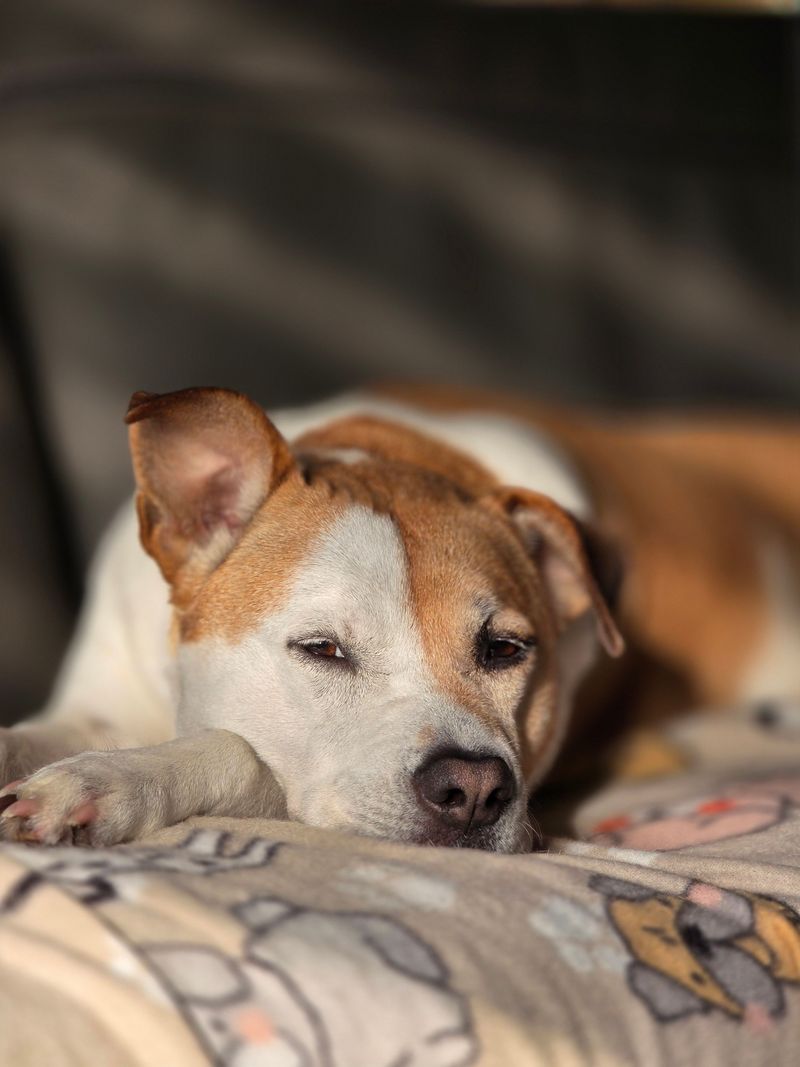
Cat owners know about the slow blink, but dogs have their own version. Watch for squinty, soft eyes and lazy blinks when your dog looks at you from the couch.
In dog body language, a hard, fixed stare can signal tension or a challenge. Soft eyes with relaxed lids are the opposite.
They suggest a dog that feels no need to stay on guard around you.
Try it yourself. Look at your dog calmly, blink slowly, and glance away.
Many dogs respond in kind, and that quiet exchange is a sweet way to check in without saying a word.
Showing you the belly
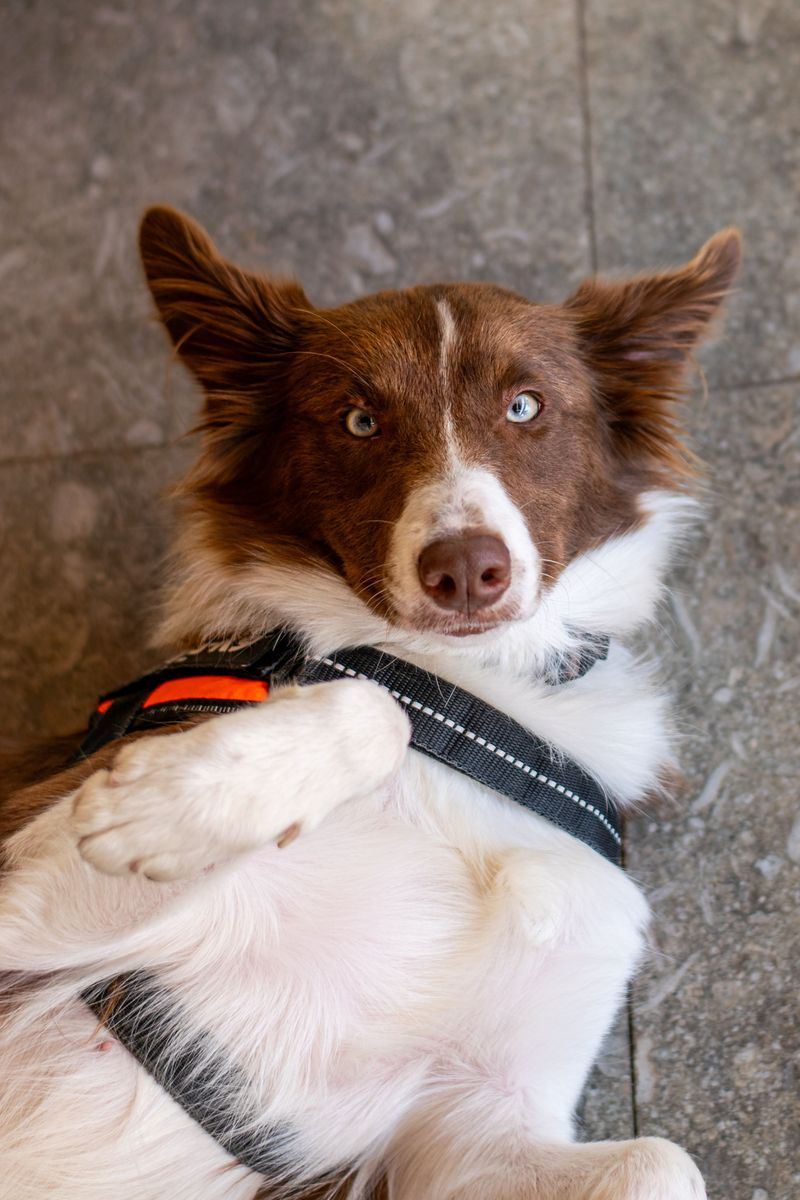
A belly-up dog looks like an open invitation for rubs, and sometimes it is. But the context matters a lot here.
Dogs can roll over for two very different reasons. A stiff body, tucked tail, lip licking, or whale eye, where you see the whites of the eyes, may point to appeasement or worry.
A loose, wiggly body with a relaxed mouth and floppy legs usually means comfort.
The trust version often shows up during sleep. A dog that naps belly up, exposing its most vulnerable area, is a dog that does not expect trouble in its home.
If your pup snores in that position while you vacuum nearby, you have earned some serious confidence.
Gentle eye contact
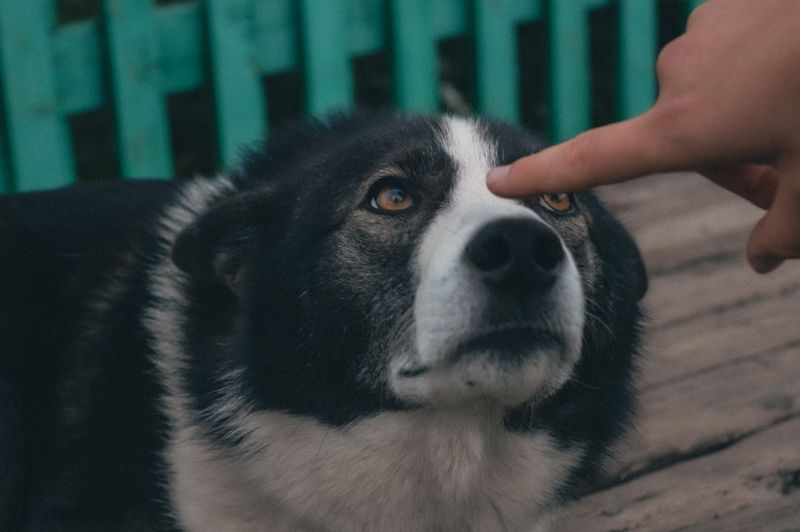
Here is a fact worth knowing. A 2015 study published in Science by Japanese researcher Miho Nagasawa and colleagues found that mutual gazing between dogs and their owners was linked to a rise in oxytocin, a hormone tied to bonding, in both species.
That is remarkable because prolonged staring between unfamiliar dogs can feel threatening. A dog that holds a relaxed gaze with you is treating you very differently from a stranger.
The key word is relaxed. Soft eyes and a loose face mean connection, while a frozen stare with a stiff body means something else entirely.
You will usually feel the difference.
Sleeping close to you
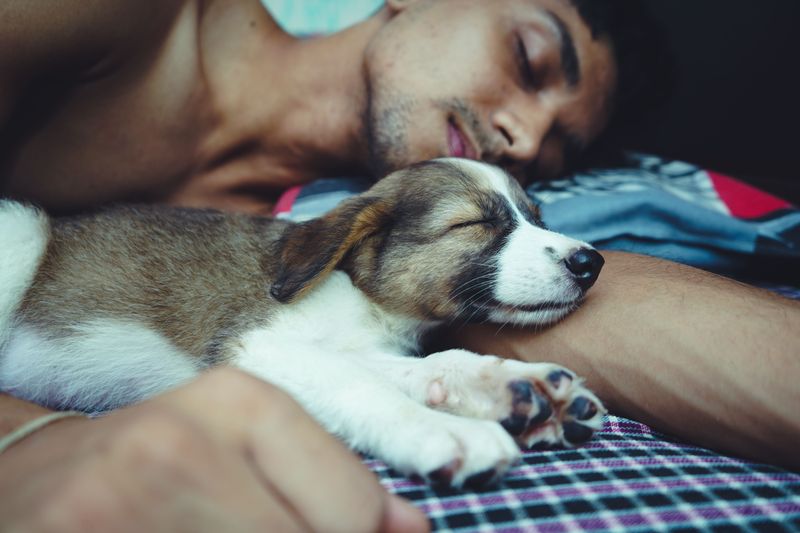
Ever notice your dog picks the exact spot on the couch where your leg is? Sleep is when any animal is least able to react to danger.
Dogs descend from social animals that often rested in groups, and choosing to sleep pressed against you suggests your dog sees you as safe company. Some dogs follow you from room to room just to nap nearby.
Individual style varies. Plenty of trusting dogs prefer their own bed across the room, especially in warm weather or if they are larger breeds that run hot.
Distance at night does not mean distrust, but cuddling close is a nice bonus signal.
A relaxed greeting when you come home
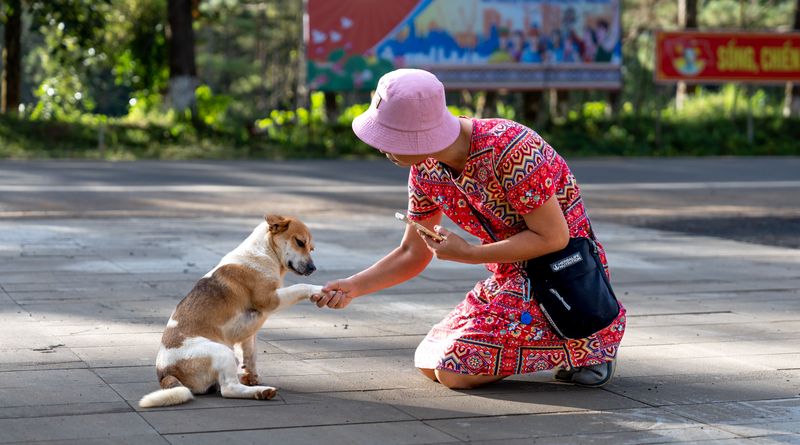
Picture two greetings. In one, a dog spins, whines, and seems almost frantic.
In the other, the dog wiggles over, sniffs your hand, gets a scratch, and settles.
Both dogs are glad to see you. The calmer greeting, though, often reflects a dog that trusts you will return and does not spend the whole day worried about it.
Wild arrival behavior is not automatically a problem, since excitable dogs and young puppies just have big feelings. But if your dog shows distress while you are away, such as destruction or nonstop barking, a chat with your vet or a certified behavior professional can help sort out possible separation anxiety.
Checking in on walks
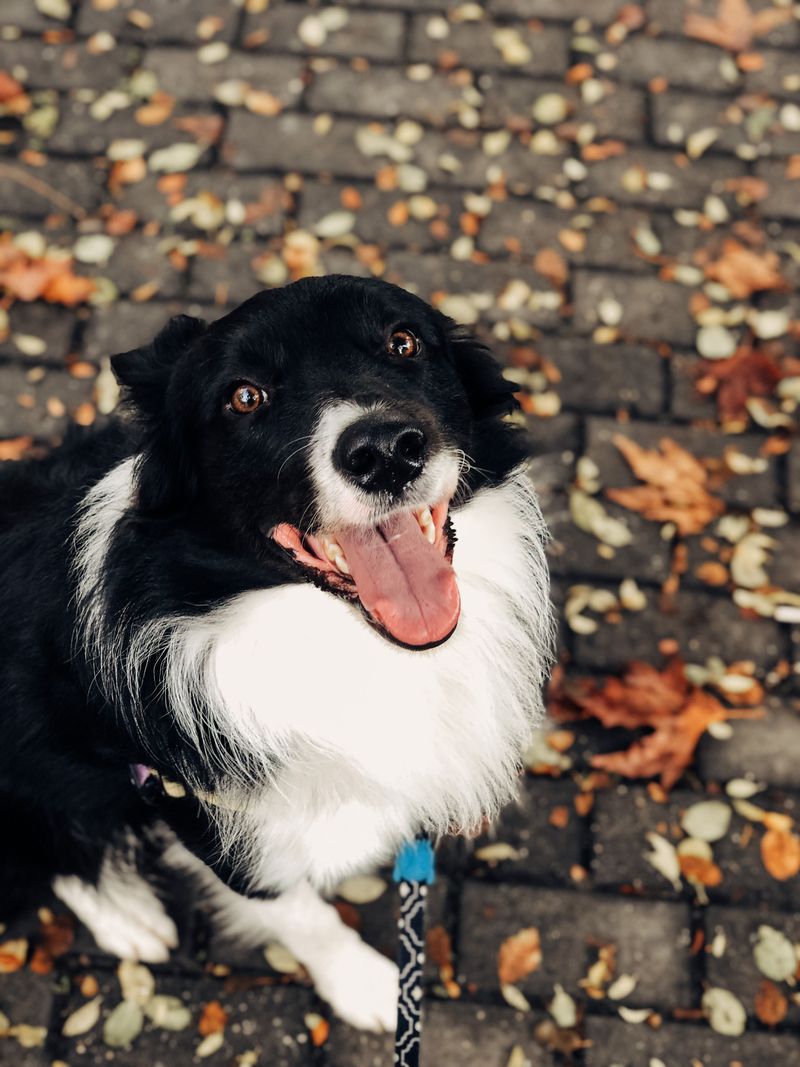
Mid-sniff, your dog suddenly glances back over its shoulder at you, then returns to the bush. Trainers call this a check-in, and it is a small but meaningful moment.
A dog that checks in is keeping you in its mental map. It is treating you as a reference point, someone whose location and reactions matter in a new or busy environment.
You can encourage this habit easily. Reward those glances with a treat or quiet praise, and many dogs will check in more often.
Scent-driven breeds like Beagles and Bloodhounds may do it less when a good smell takes over, which is normal hound wiring rather than a lack of trust.
Looking to you when unsure
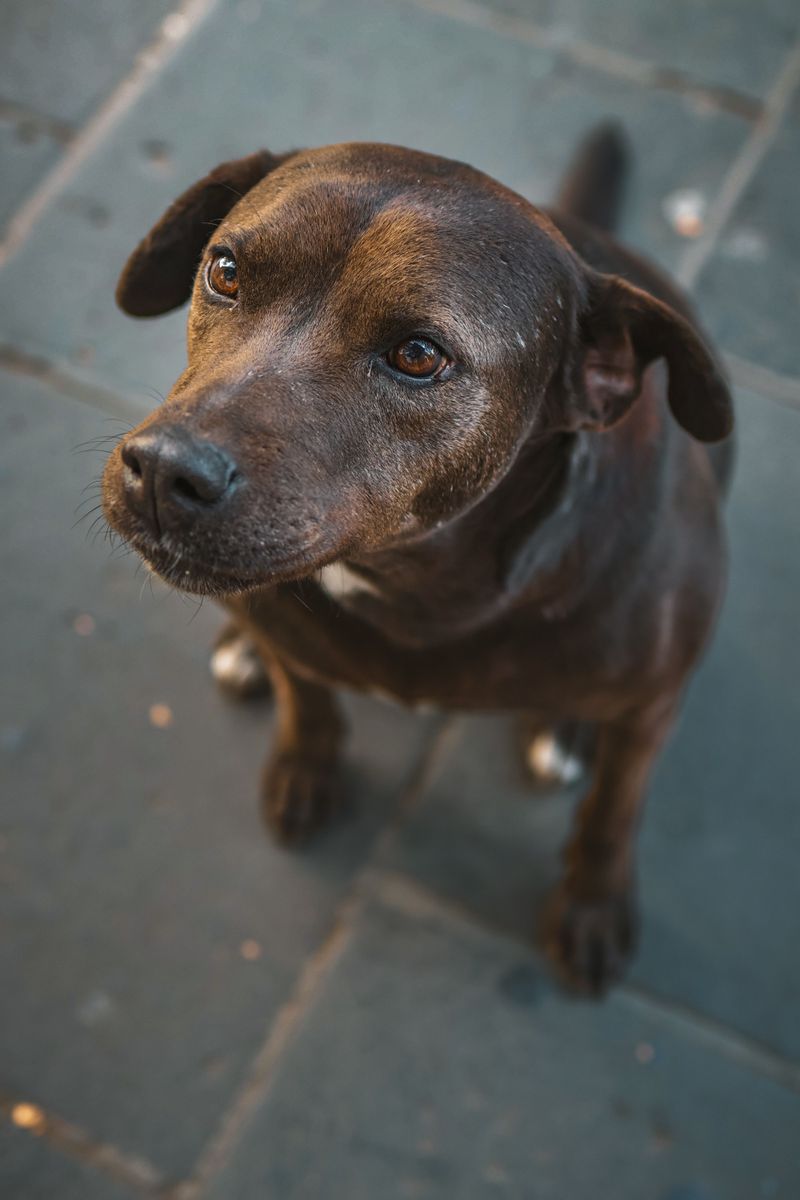
A new noise, an open umbrella, a stranger in a big hat. When something confuses your dog, where do its eyes go first?
Researchers call this social referencing. Studies, including work by Isabella Merola and colleagues in Italy, have found that dogs often look to their owners when facing an unfamiliar object and may adjust their behavior based on the owner’s reaction.
A dog that turns to you for information is counting on you to read the situation. Stay calm, speak in an easy voice, and let your dog approach at its own pace.
Your steady reaction can do a lot of quiet teaching.
Letting you handle paws and ears
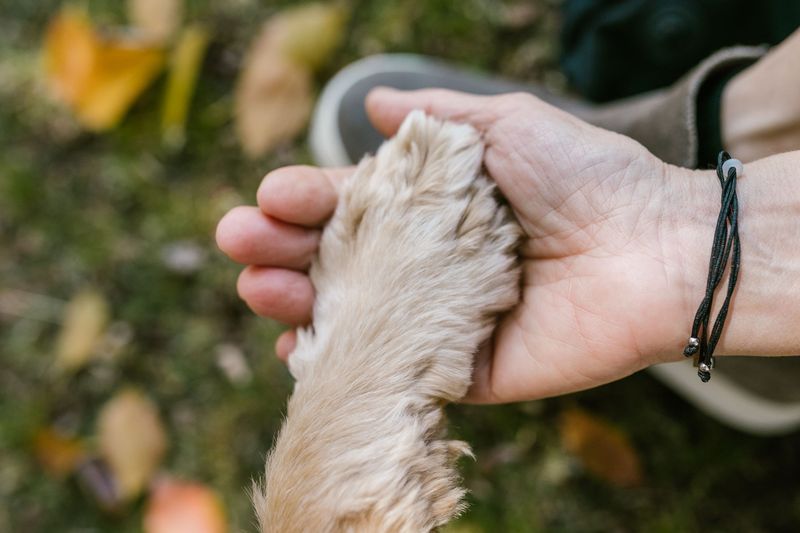
Paws, ears, mouths, and tails are sensitive areas, and plenty of dogs object when anyone fiddles with them. Nail trims are a classic battle in many homes.
So when your dog lets you look between its toes, wipe muddy feet, or peek inside an ear without pulling away, that is a big deal. It shows comfort with your touch in places that feel vulnerable.
Tolerance like this is often built rather than born. Short handling sessions paired with treats, a practice sometimes called cooperative care, can grow that trust over time.
And if a once easygoing dog suddenly flinches when touched, it is worth asking your vet about possible pain.
Bringing you toys and leaning in
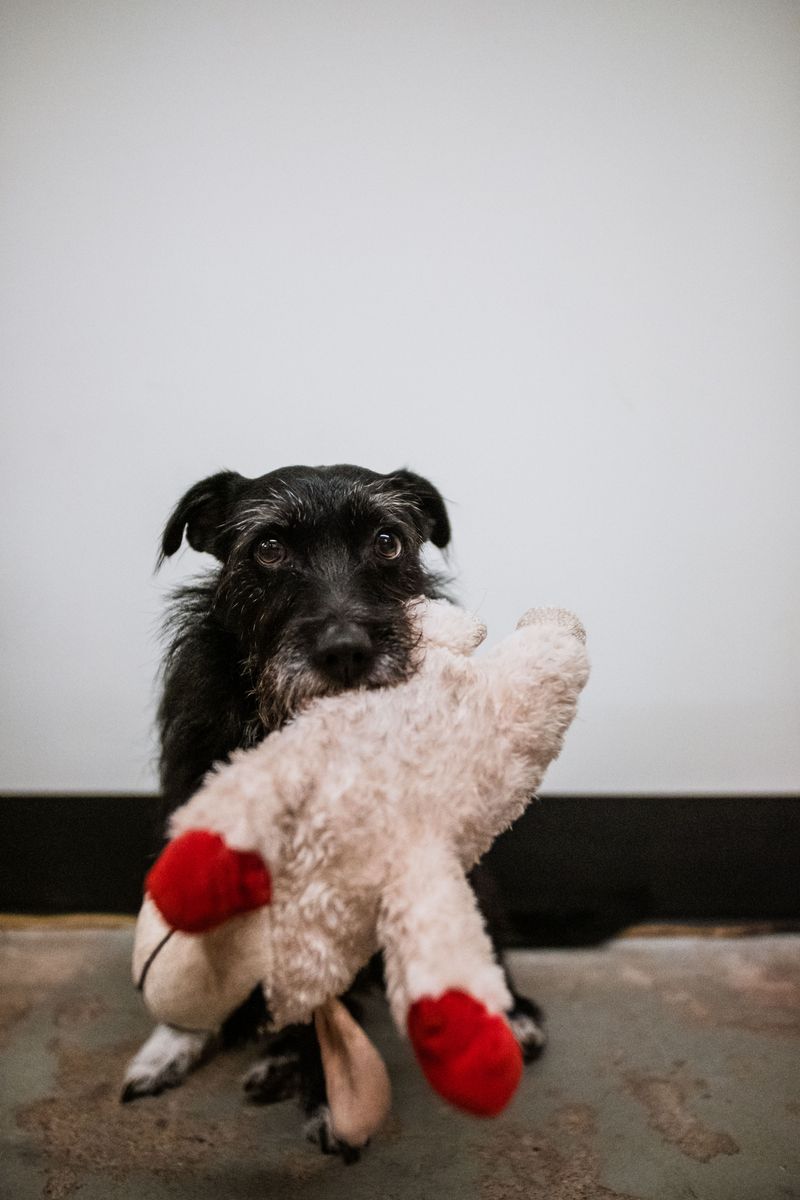
A soggy rope toy dropped on your lap is not exactly a gift you asked for. To your dog, though, it can be an invitation to share something it values.
Leaning is the other half of this sign. Many dogs, from Great Danes to small terriers, press their weight against a favorite person’s legs.
It is usually a bid for contact and closeness, though a few anxious dogs lean for reassurance, so read the rest of the body too.
Both behaviors point to a dog that seeks you out by choice. When a dog voluntarily brings you its treasures and parks its body against yours, it is telling you that you are its safe place.
Small moments, but they add up to one of the best feelings in dog ownership.