
A bored working dog rarely stays quiet about it. It may herd the kids, dig up the yard, or chew the couch cushions just to have something to do.
Many breeds were shaped over generations to herd, guard, pull, or hunt alongside people, and that drive does not switch off just because the dog now lives in a suburb. Here are 10 breeds that often get restless without a real task, plus what that task can look like in everyday life.
Australian Cattle Dog
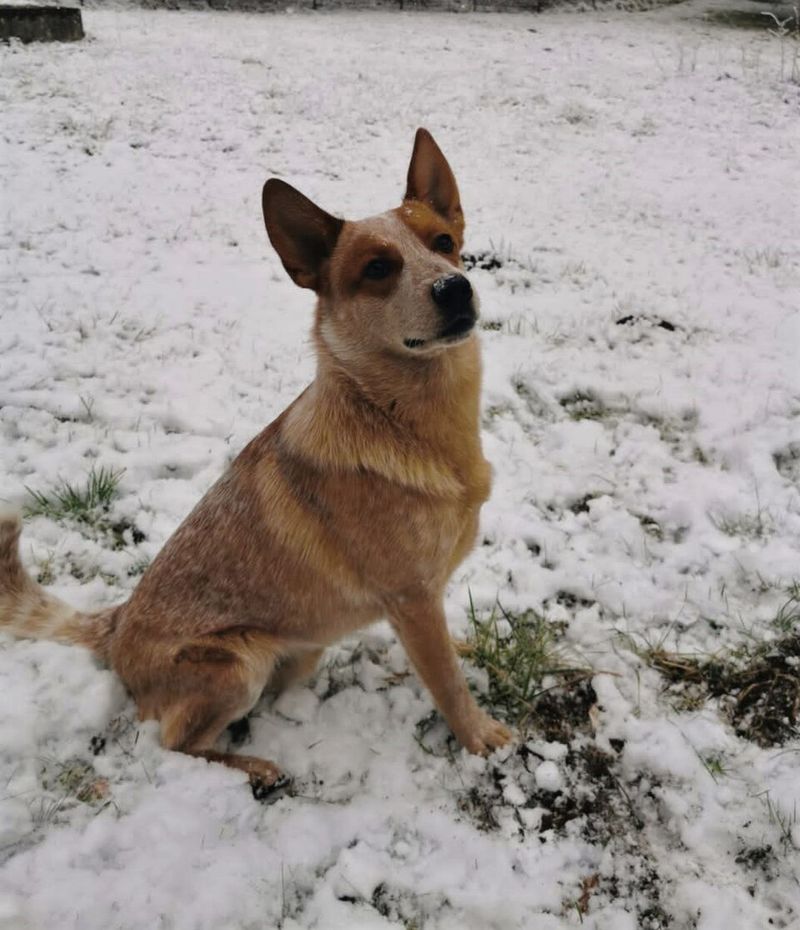
Nipping at heels is not a bad habit for a heeler. It is the job description.
Australian Cattle Dogs were developed in 19th century Australia to move stubborn cattle across huge distances, often by giving a quick nip to the hocks.
In a home without livestock, that instinct may show up as nipping at running children or ankles. Owners sometimes describe these dogs as watching everything, waiting for something to manage.
A practical fix is giving that focus a target. Herding lessons, flyball, and structured fetch with rules can all help, and many heelers seem calmer after a session that worked their brain as hard as their legs.
Belgian Malinois
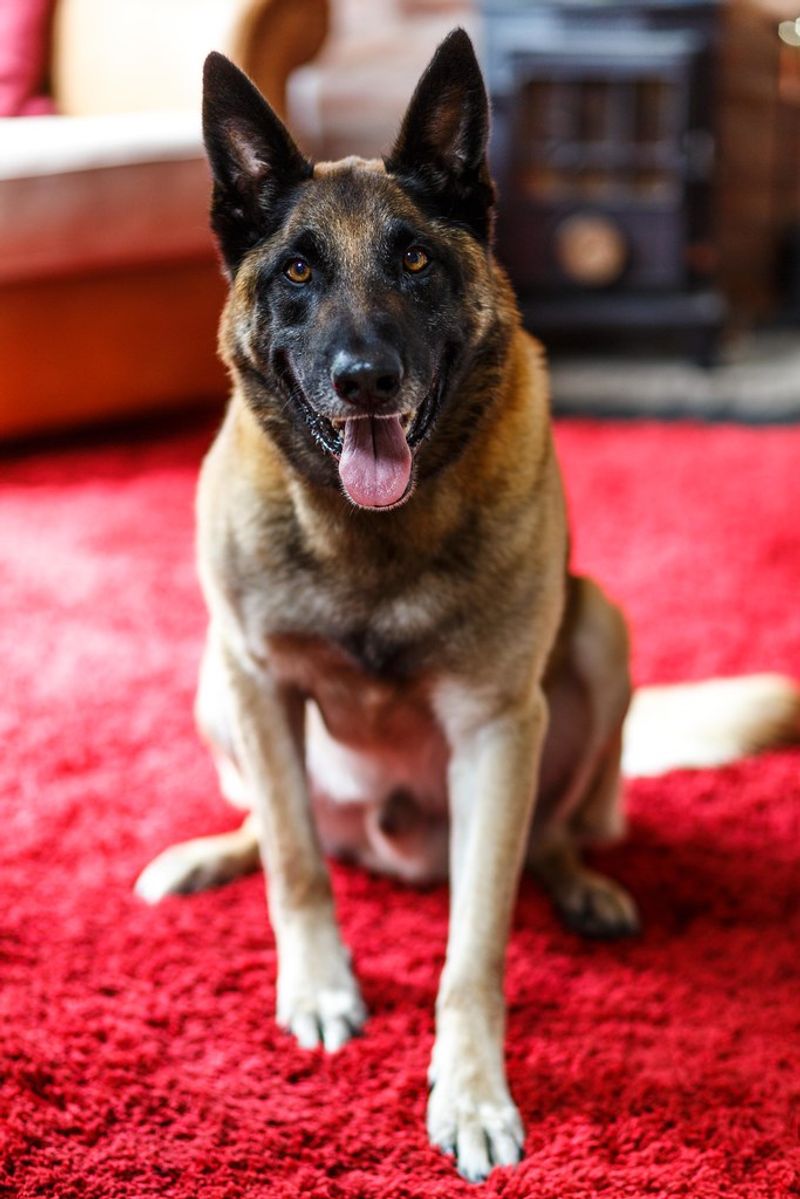
Police and military units around the world rely on the Belgian Malinois for good reason. The breed tends to combine speed, intensity, and a strong desire to work with a handler for hours.
That same intensity can surprise people who pick one for its sleek looks. A Malinois without an outlet may pace, spin, chew through crates, or invent its own games.
Daily walks are usually not close to enough. Many owners find success with sports like protection sports, agility, nosework, or advanced obedience, ideally guided by an experienced, reward-based trainer.
Australian Shepherd
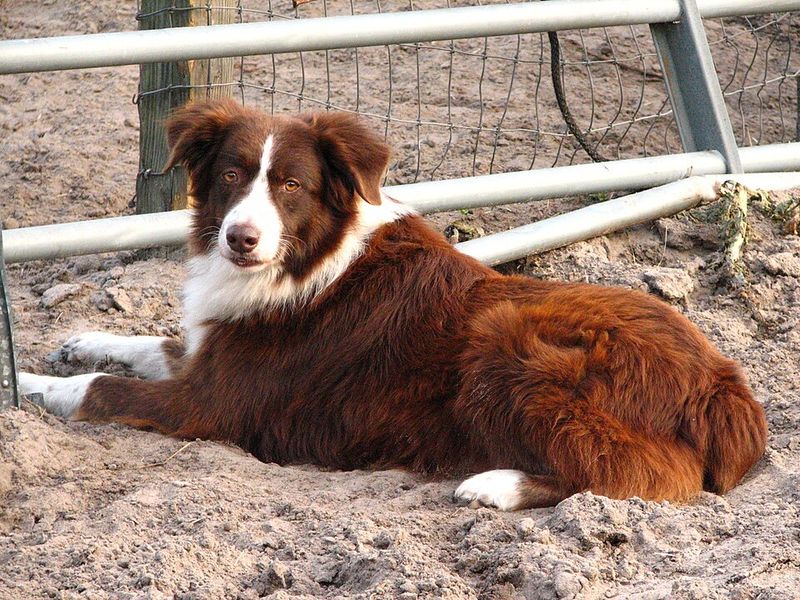
Despite the name, the Australian Shepherd was largely developed on ranches in the American West. Ranchers valued a versatile dog that could gather sheep, move cattle, and work long days.
At home, an underemployed Aussie may try to herd guests, the cat, or other dogs into a tidy group. Some also become vocal or clingy when bored.
Aussies often respond well to learning new tricks, so short training sessions spread through the day can help as much as one long run. Puzzle feeders and canine sports like agility give that busy mind somewhere to go.
Siberian Husky
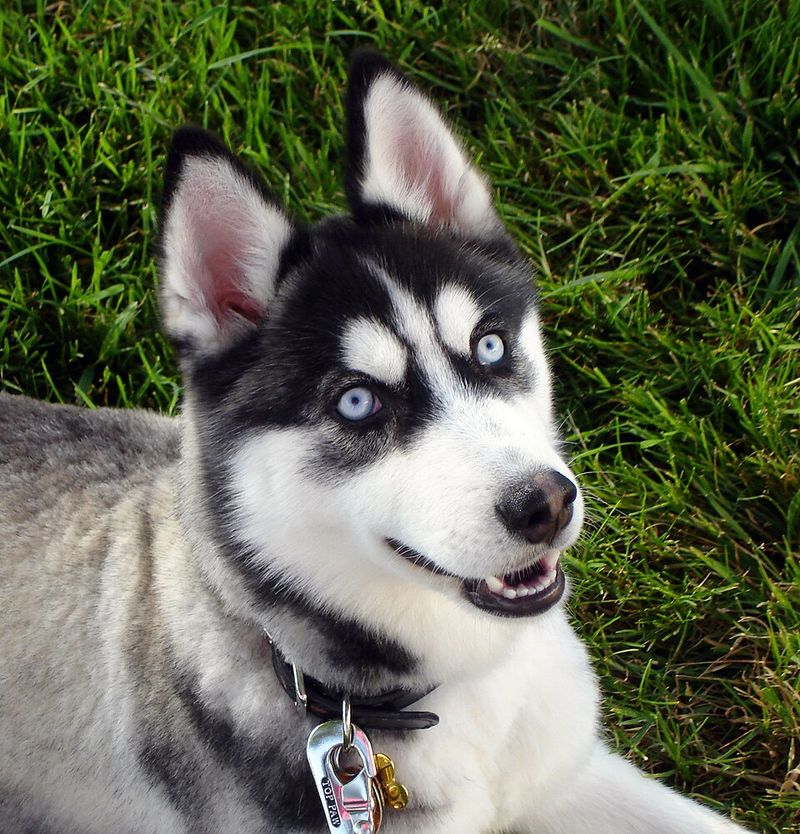
Picture a dog built to pull light sleds over long distances in brutal cold, then picture it stuck in a quiet apartment all day. That gap explains a lot of husky mischief.
Siberian Huskies were bred by the Chukchi people for endurance pulling. Bored huskies are famous for escaping fences, digging, and howling commentary on their situation.
Canicross, bikejoring, and urban mushing let many huskies use that pulling drive in a safe way. Because recall can be unreliable, secure fencing and leashed exercise are often recommended.
Shetland Sheepdog
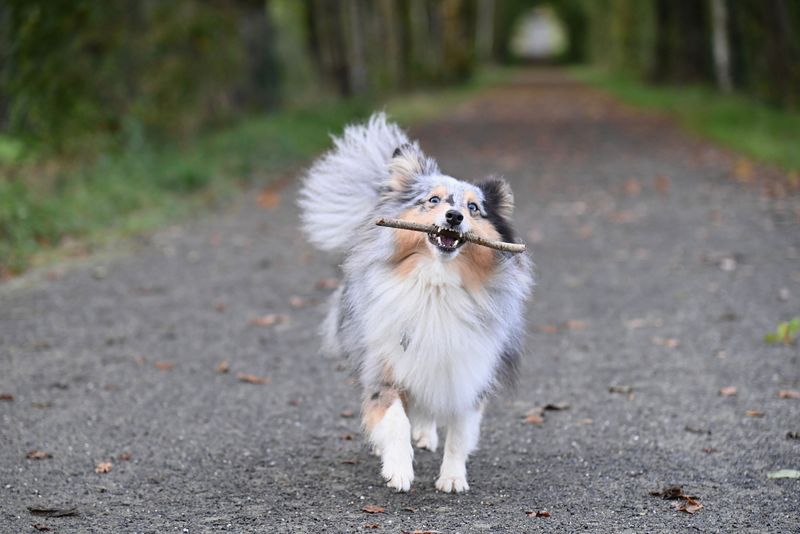
Small size can be misleading. The Shetland Sheepdog worked farms on the Shetland Islands, keeping sheep and ponies out of gardens and away from crops.
Shelties tend to be sensitive and very responsive, and when that energy has no outlet it often comes out as barking. Lots of barking.
Agility and obedience are popular with this breed, and Shelties regularly do well in those sports. A sheltie that has a job to think about may have less reason to sound the alarm at every leaf.
German Shorthaired Pointer
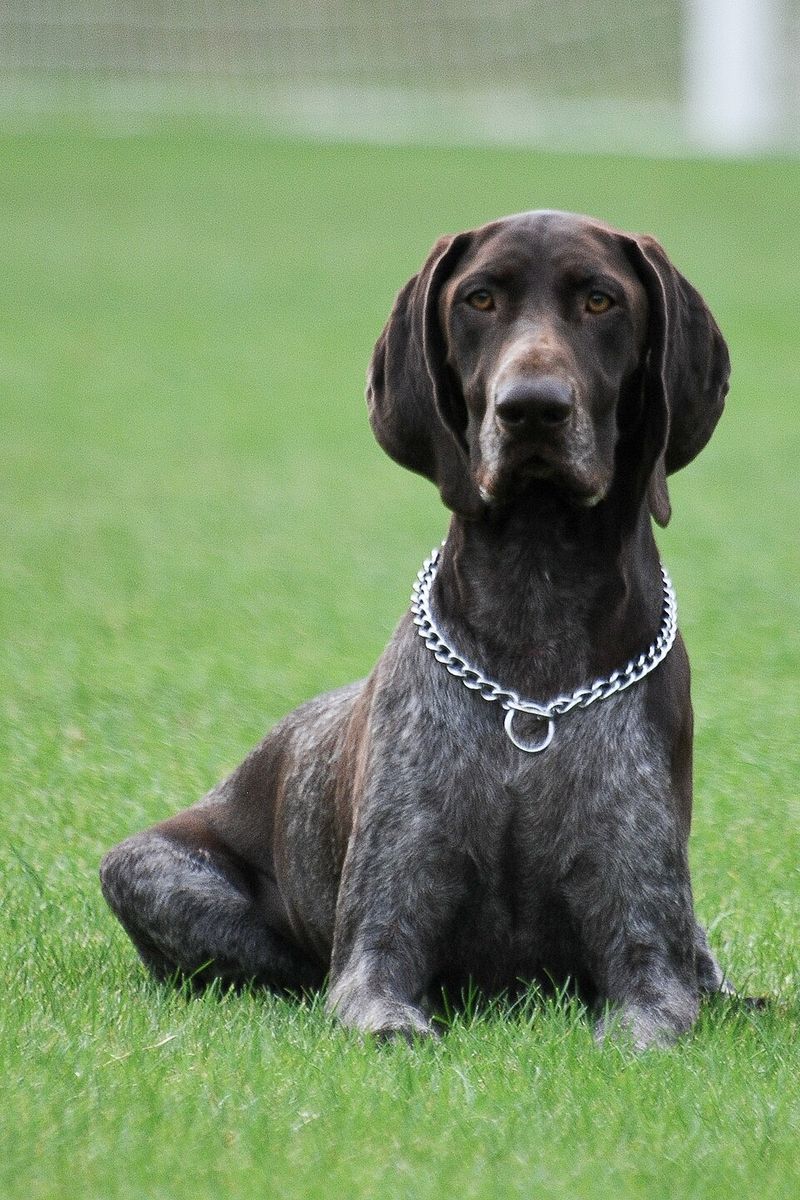
Hunters in 19th century Germany wanted one dog that could point, retrieve from land and water, and track. The German Shorthaired Pointer was the result.
That all-day stamina means a GSP may still be ready to go after a jog that leaves its owner tired. Without enough to do, some will counter-surf, dig, or chase anything that moves.
Field training, dock diving, and scent games tap directly into what this breed was made for. Long sessions of off-leash running in safe areas are often a big help too.
Bernese Mountain Dog
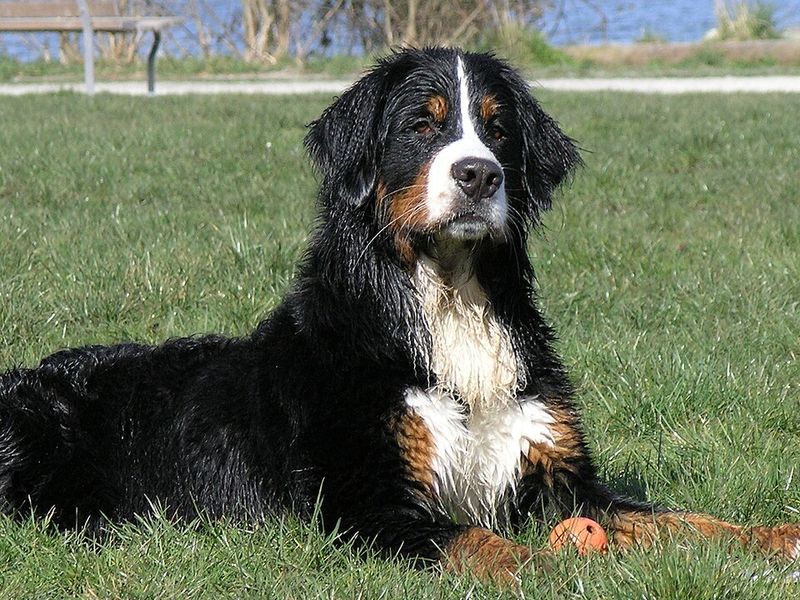
Here is a calmer entry, though still a working one. Bernese Mountain Dogs pulled carts of milk and cheese for Swiss farmers and helped drive cattle.
Berners are usually more laid-back than herders, but many still seem happiest with a purpose and plenty of time with their people. Long periods alone can lead to chewing or sulky behavior.
Drafting, or carting, is a real dog sport, and Berners often enjoy it. Because of their size and growth, it is wise to ask a vet before starting pulling work with a young dog.
Standard Schnauzer
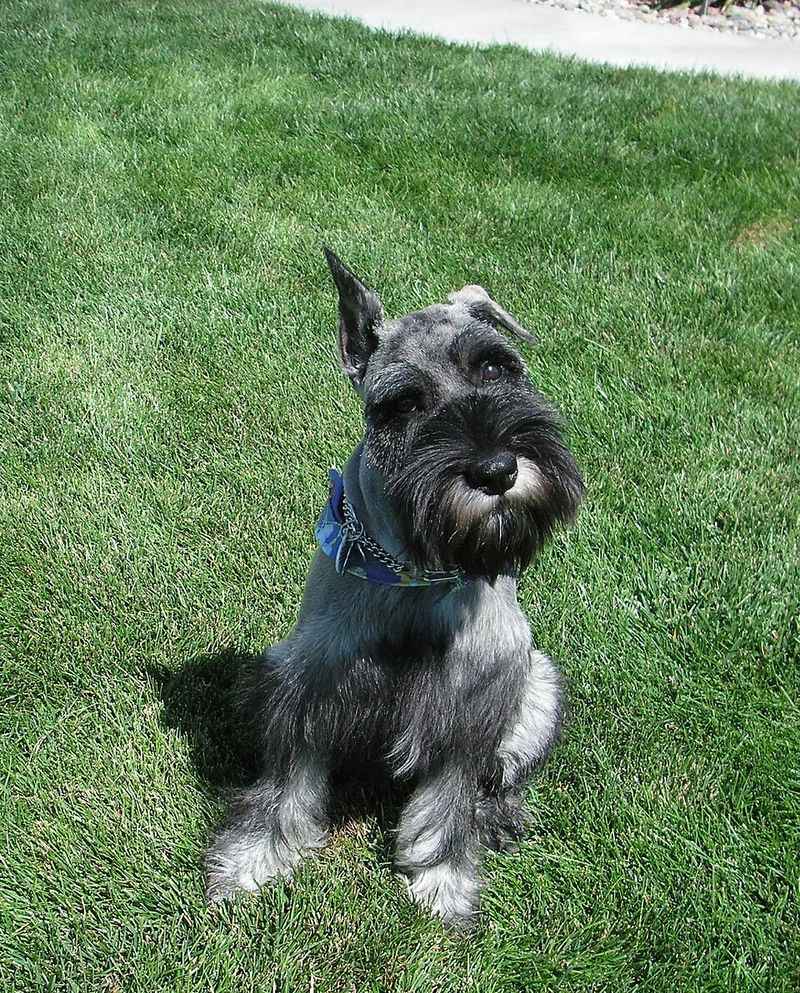
Not many people know the Standard Schnauzer, which is a shame. In Germany it served as a farm dog that guarded property, hunted rats, and accompanied carts to market.
That mix of watchfulness and cleverness can make it a handful when bored. Standards often test rules and may decide to guard the window full time.
Training that feels like a challenge, such as nosework, barn hunt, or trick classes, usually suits them. Consistency matters, since a bright schnauzer tends to notice loopholes quickly.
Labrador Retriever
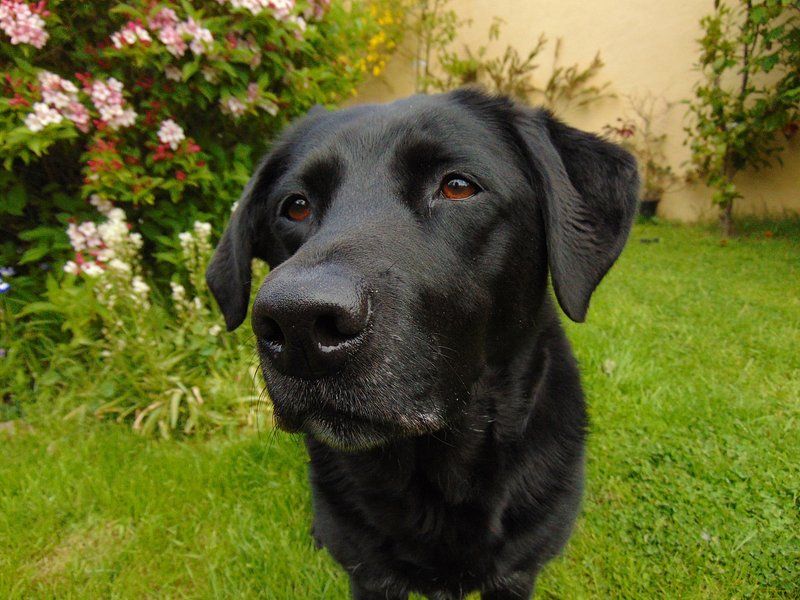
Every shoe carried across the living room is a clue. Labs were developed to retrieve, first helping fishermen in Newfoundland and later fetching game for hunters.
Their friendly reputation can hide how much activity young Labs often need. A bored Lab may chew, steal socks, or grab anything carryable.
Retrieving games, swimming, and scent work give that mouth a purpose. Teaching a reliable “bring it” and trading for treats can turn the sock thief into a helpful fetcher.
Doberman Pinscher
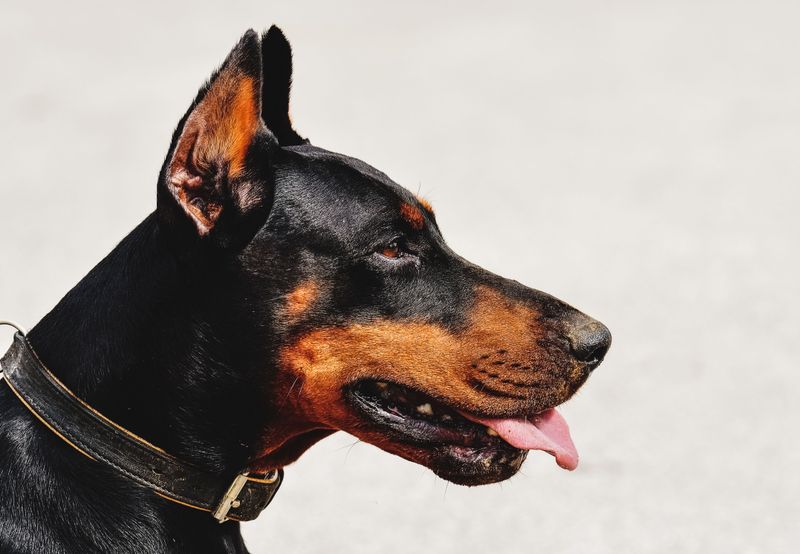
A tax collector named Louis Dobermann developed this breed in Germany in the late 1800s, reportedly wanting a capable companion on his rounds. Dobermans have since worked in police, military, and service roles.
Many Dobermans tend to stick close to their people and crave structured interaction. Left with nothing to do, some become anxious or develop restless habits.
Obedience, tracking, and rally sports suit this handler-focused breed well. Mental work paired with daily exercise often helps a Doberman settle at home.