
Some dogs stare at a snowy yard and turn right back toward the couch, while others push their noses against the door until you open it. That difference is not random.
Many breeds were shaped by centuries of work in mountains, tundra, and frozen forests, and their coats, paws, and drive still reflect it. If your dog seems happiest when the temperature drops, one of these 10 breeds may explain why.
Siberian Husky
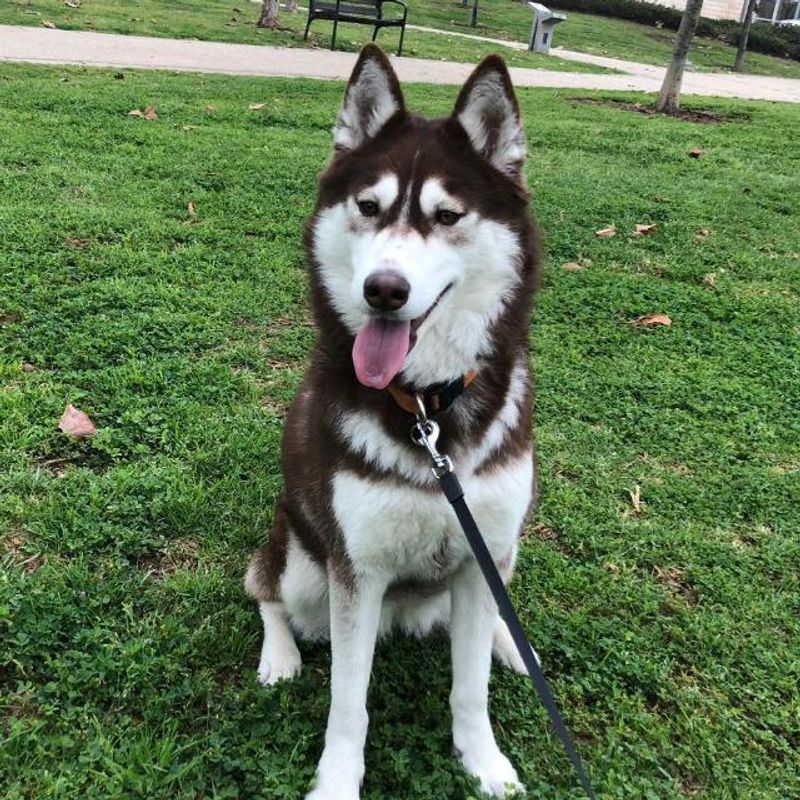
Ever wonder why a husky can nap in a snowbank while you shiver in a parka? The Chukchi people of northeastern Siberia developed these dogs to pull light loads over long distances in brutal cold, so efficiency in winter is built in.
A dense double coat traps warm air close to the body. Huskies often curl up and tuck their bushy tail over their nose, which helps warm the air they breathe.
The flip side shows up in summer and indoors. Huskies may grow restless or vocal without a job, and many are known escape artists, so a secure fence matters in every season.
Alaskan Malamute
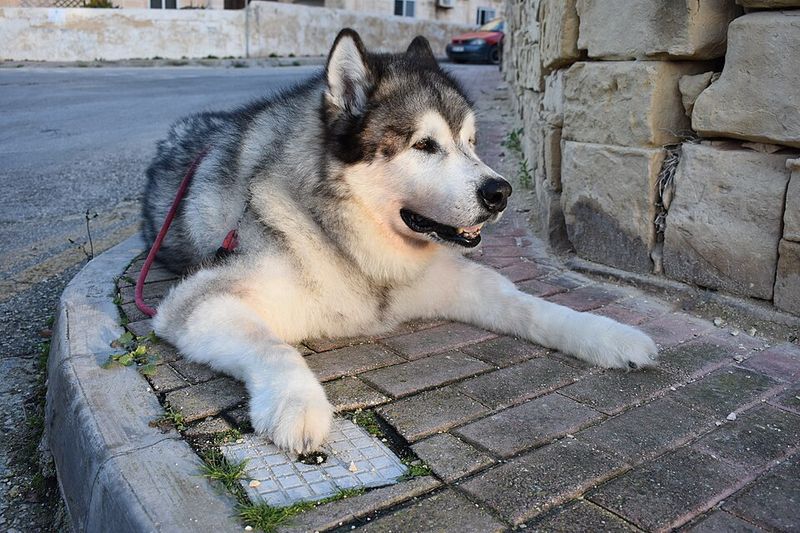
Bigger and stronger than the husky, the malamute was built for freight, not speed. Named after the Mahlemut Inupiaq people of Alaska, these dogs hauled heavy loads across Arctic terrain.
That strength often shows during a snowy walk, when a malamute leans into the leash like it is still pulling a sled. Weight pulling, skijoring, and carrying a dog backpack can give that drive a healthy outlet.
Owners should expect serious shedding. Malamutes typically “blow” their undercoat once or twice a year, leaving tufts of fur in every corner of the house.
Samoyed
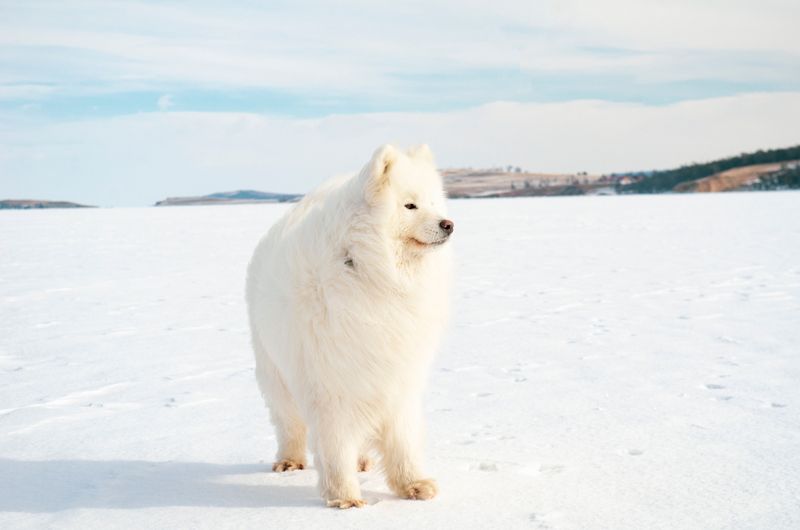
That famous upturned grin has a practical side. The “Sammy smile” may help keep the dog from drooling, which prevents icicles from forming on its face in freezing weather.
Samoyeds come from the Samoyedic peoples of Siberia, who used them to herd reindeer, pull sleds, and keep families warm at night. Their close history with people often shows up as a social, chatty dog that wants to be part of the action.
Snow rarely clumps badly in that thick white coat, but regular brushing is a must. Skip it, and mats can form near the ears and legs surprisingly fast.
Bernese Mountain Dog
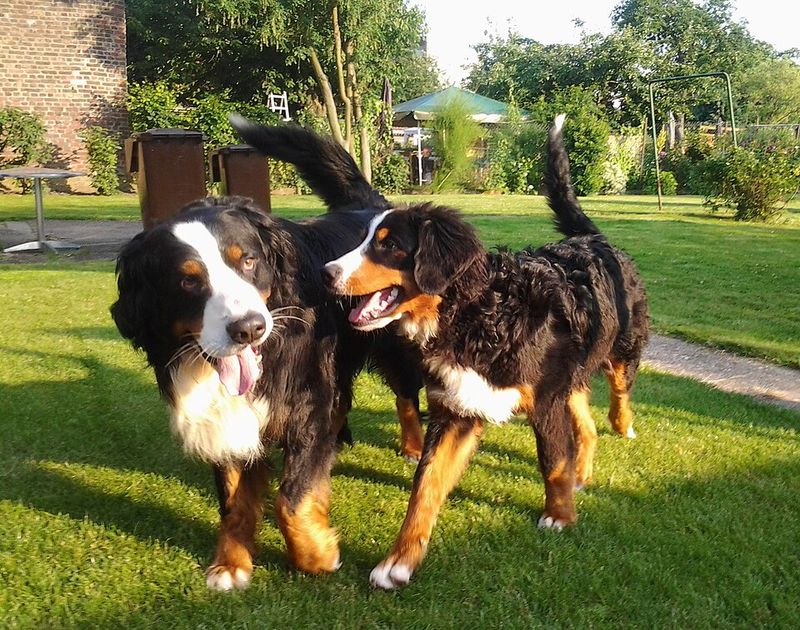
Swiss farmers needed a sturdy all-rounder that could pull milk carts to the dairy and guard the farm through Alpine winters. The Berner fit that role, and many still perk up when cold weather arrives.
Unlike sled breeds, Berners tend to be relaxed rather than tireless. A good romp in the snow followed by a long nap suits many of them just fine.
They often struggle in heat, so winter can feel like their best season. Draft work, a sport where dogs pull small carts, can be a fun way to tap into their history.
Saint Bernard
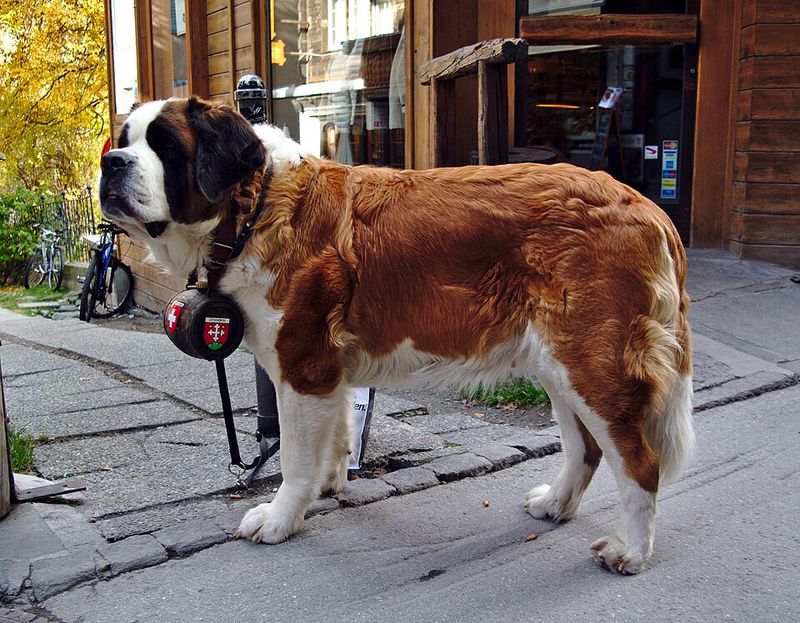
High in the Swiss Alps, monks at the Great St. Bernard Hospice kept these dogs to help find travelers lost in snow. The most famous of them, Barry, is credited with saving around 40 people in the early 1800s.
Fun fact: the little barrel around the neck is mostly a legend popularized by paintings. The real skill was their nose and their ability to move through deep drifts.
Today, a Saint Bernard may happily plow through snow, but gently. These giants tire faster than sled dogs and drool a lot, so keep a towel by the door.
Newfoundland
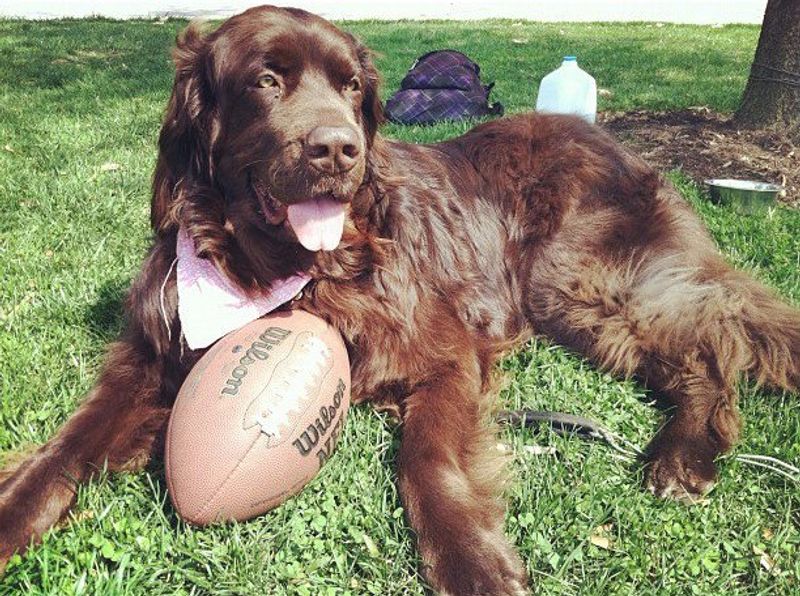
Water dog or snow dog? The Newfoundland is a bit of both.
Bred to help fishermen on the chilly coast of Newfoundland, these dogs hauled nets and are famous for water rescue.
Their oily, water-resistant double coat and webbed feet handle icy conditions well. Many Newfies seem calmly content lying in a snowdrift for long stretches.
They are not built for speed, though. Short, relaxed winter outings fit them better than long runs, and their size means joint health deserves attention as they age.
Akita
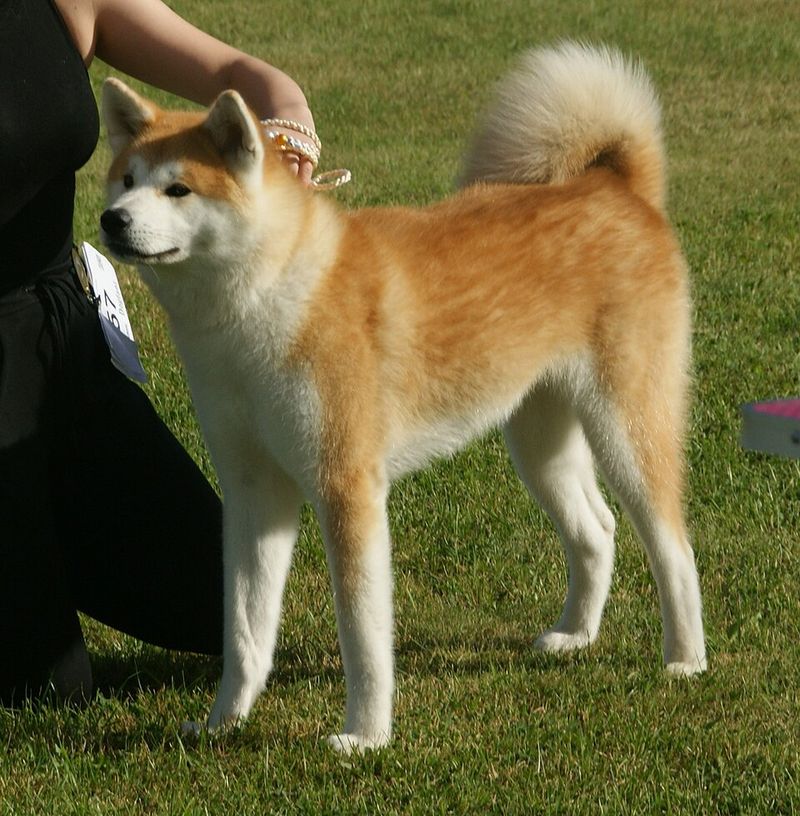
Snowy northern Japan is where the Akita took shape, in the mountains of Akita Prefecture. They hunted large game like boar and bear in tough winter terrain.
A plush double coat and a tail curled over the back help them handle cold with ease. Many Akitas show a quiet kind of winter enthusiasm, patrolling the yard rather than zooming in circles.
They are often reserved with strangers and can be selective about other dogs. Early socialization and calm, reward-based training can help this dignified breed feel confident.
Norwegian Elkhound
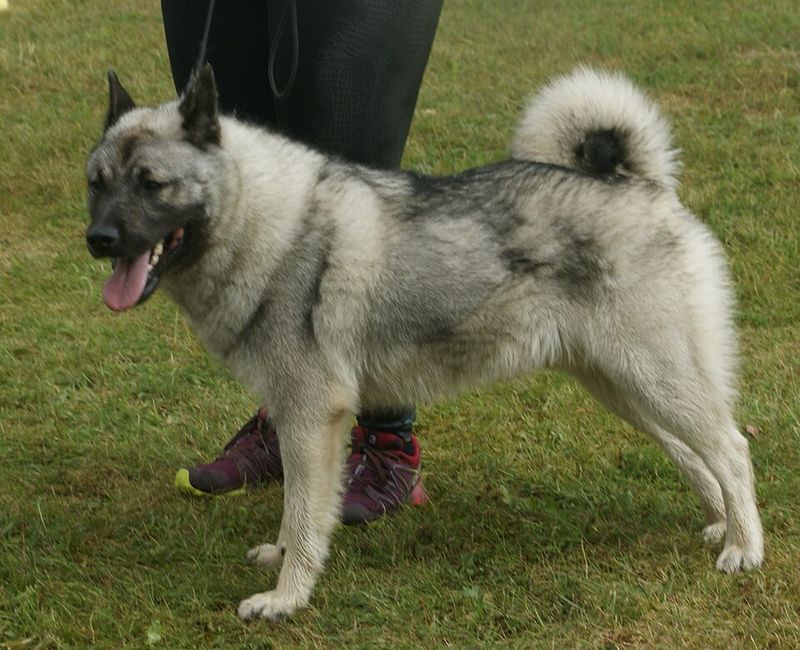
Picture a dog that tracked moose for hours through Scandinavian forests and then held the animal at bay with barking until hunters arrived. That is the Elkhound’s ancient job, and its stamina in cold weather still shows.
Compact and tough, they often love long hikes on snowy trails. Their weatherproof gray coat sheds snow easily.
That hunting bark is part of the package. Elkhounds may be vocal, so neighbors in close quarters might notice.
Tibetan Mastiff
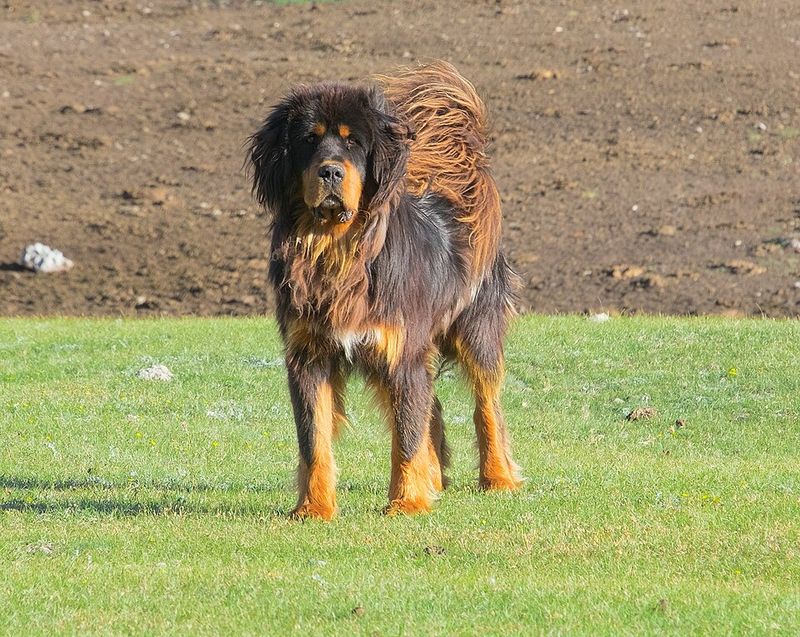
Few dogs come from colder, higher ground than the Tibetan Mastiff. For centuries, they guarded flocks and homes on the Himalayan plateau.
Their heavy coat and mane-like ruff help in freezing air. Unlike many breeds, adults typically shed heavily just once a year.
Don’t expect snowball fetch, though. They tend to be independent guardians, more interested in watching their territory, and they suit experienced owners best.
Keeshond
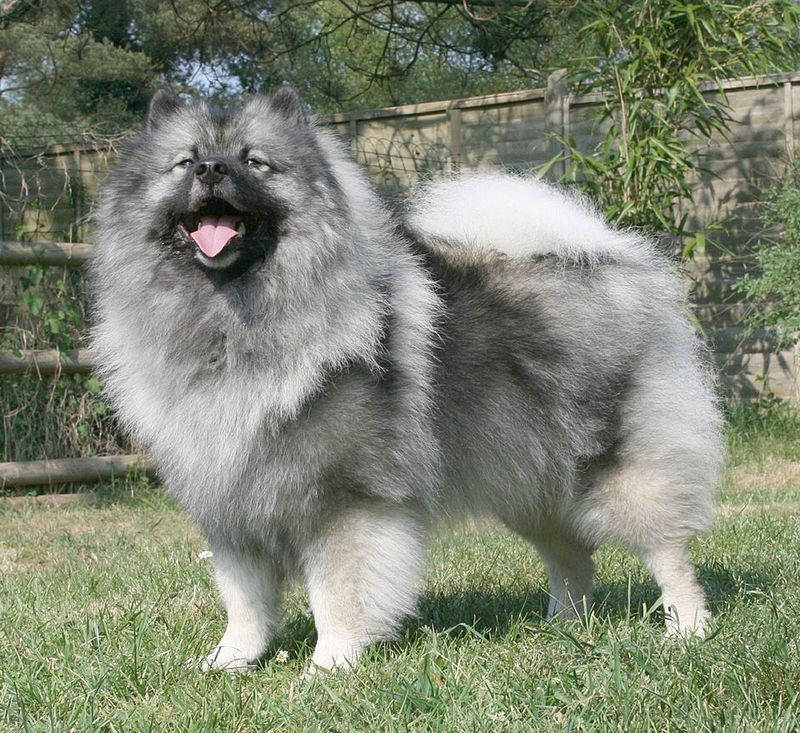
Not every snow lover is a giant. The Keeshond, a medium-sized Dutch barge dog, wears a thick plush coat that handles chilly days well.
Look for the “spectacles,” dark lines around the eyes that make them look like they’re wearing glasses. Keeshonden are often people-focused and may enjoy short snow play followed by family time.
That coat needs weekly brushing, and they can be barkers. For those wanting a cold-loving dog in a smaller size, it’s a strong match.