
Dogs can’t tell us when something feels wrong, so they show us instead. A dog that skips dinner, sleeps more, or suddenly snaps might be trying to send a message.
Some breeds are known for health problems that start with tiny, easy-to-miss clues. Learning what to watch for in each breed can help you catch trouble early and keep your best friend happy for years.
Labrador Retriever
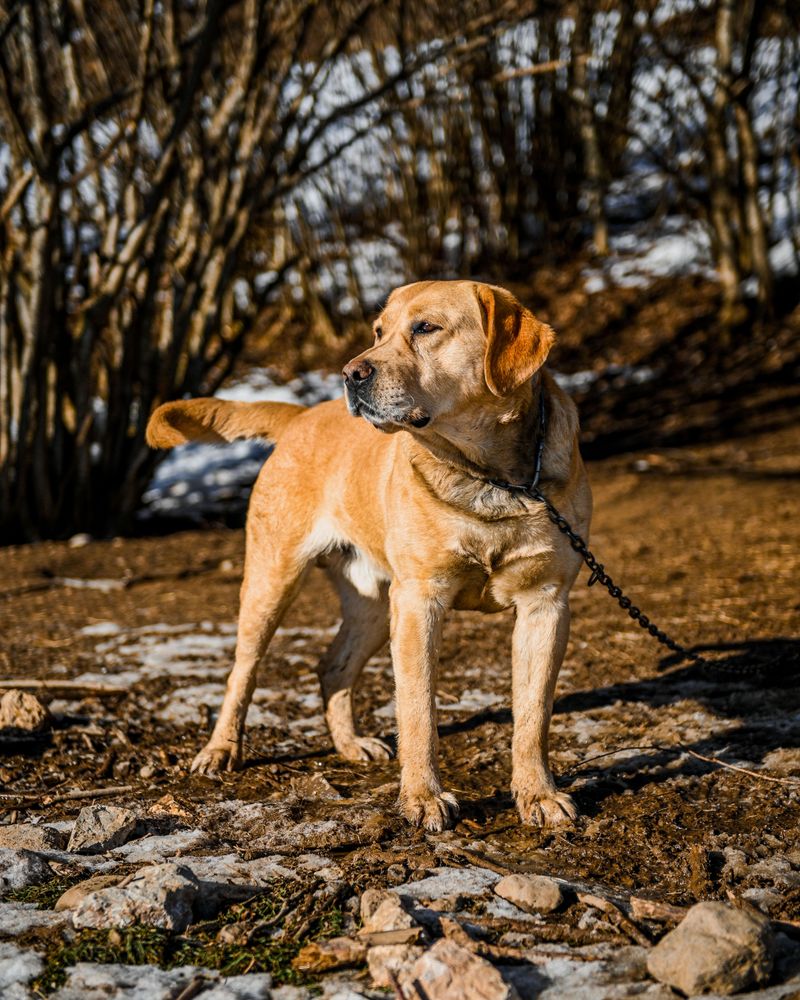
Labs famously never turn down a snack. So when a Lab ignores dinner, owners should pay attention right away.
Labradors are prone to joint trouble like hip and elbow dysplasia, plus weight gain that strains the body. A Lab that hesitates on stairs or lags on walks may be hurting quietly.
Keep a simple notebook of eating and energy changes. Bringing those notes to your vet makes spotting patterns much easier.
German Shepherd
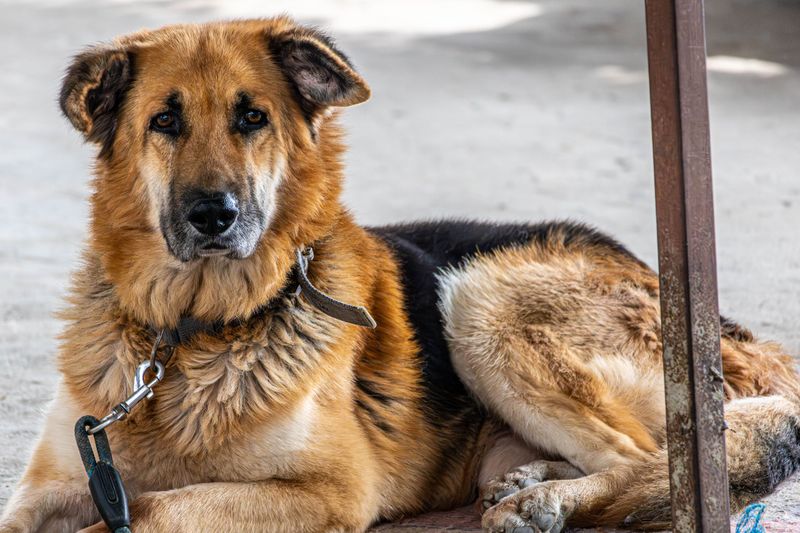
Picture a loyal guard dog who suddenly stops patrolling the yard. That shift can mean more than boredom.
German Shepherds often face hip problems and a nerve disease called degenerative myelopathy. Early signs include dragging back paws, scuffed nails, or trouble standing up after naps.
Listen for toenails scraping the floor during walks. Fun fact: this breed was first developed in Germany in 1899 to herd sheep, so staying active matters to them.
Golden Retriever
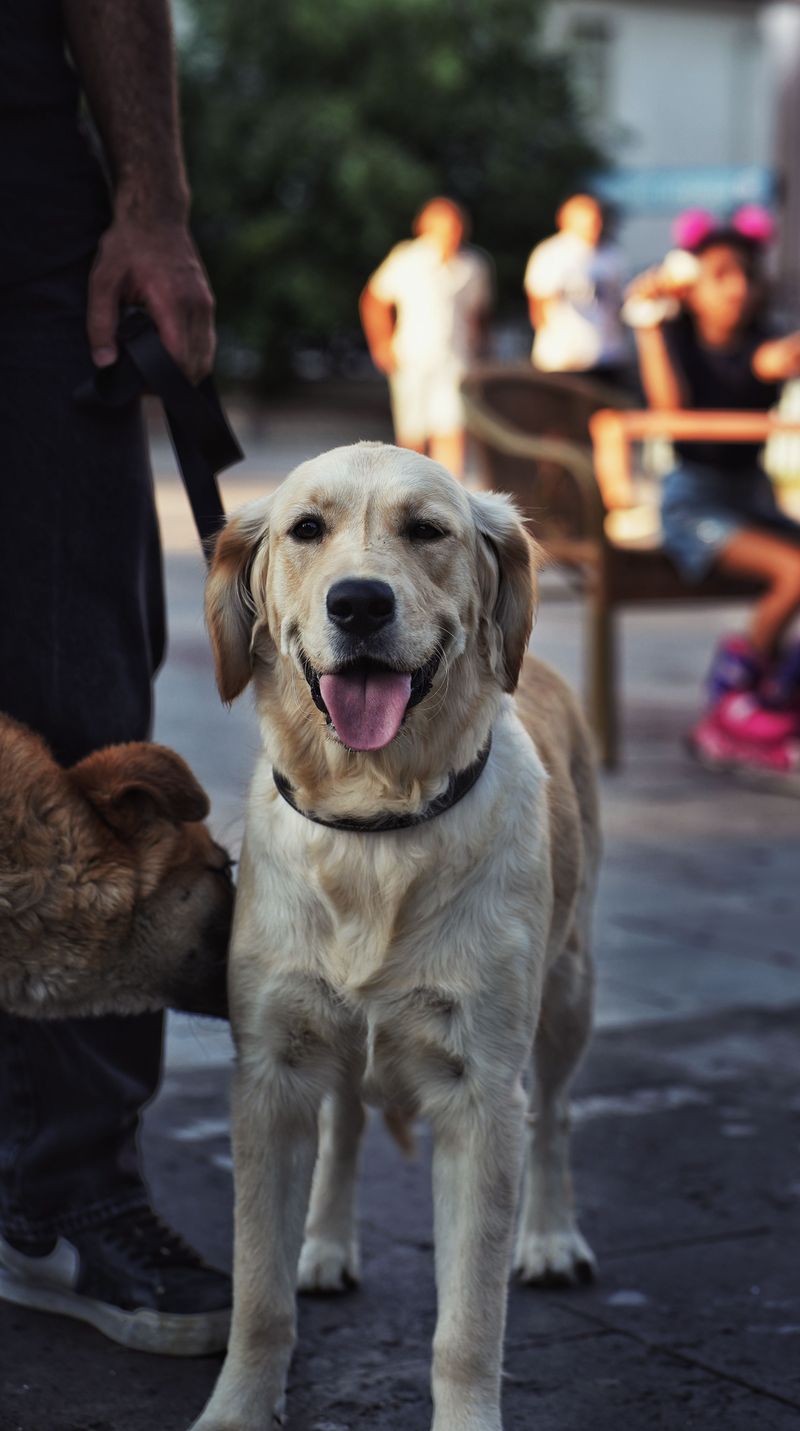
Sunny and goofy, Goldens wear their happiness on their faces. A sudden dimming of that sparkle deserves real attention.
Sadly, Golden Retrievers have one of the highest cancer rates of any breed. Watch for new lumps, pale gums, heavy panting, or less interest in fetch.
Give your Golden a gentle once-over during belly rubs each week. Finding a bump early can make treatment much more successful.
Dachshund
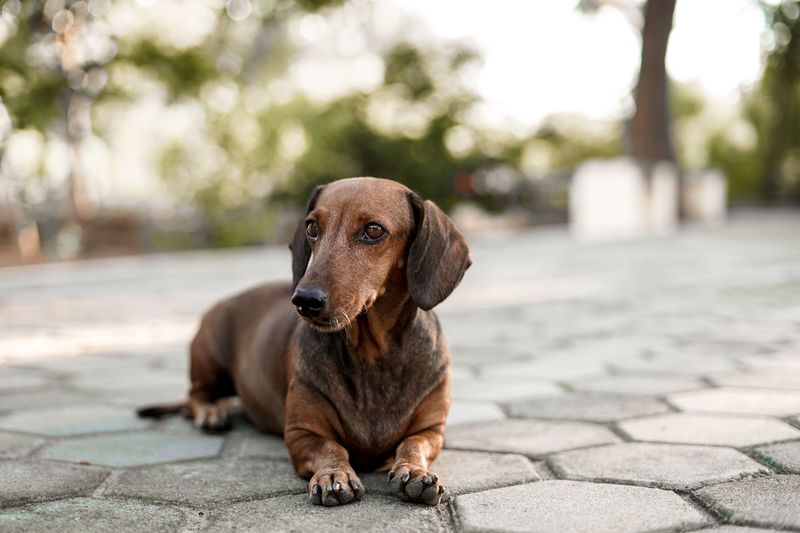
Long body, short legs, and a big attitude. That shape gives Dachshunds charm, but it also puts pressure on their spines.
Intervertebral disc disease is common here. A wiener dog that refuses to jump on the couch, yelps when picked up, or walks with a hunched back may have a disc problem.
Act fast with these signs. Ramps instead of stairs can also protect that delicate back every day.
Cavalier King Charles Spaniel
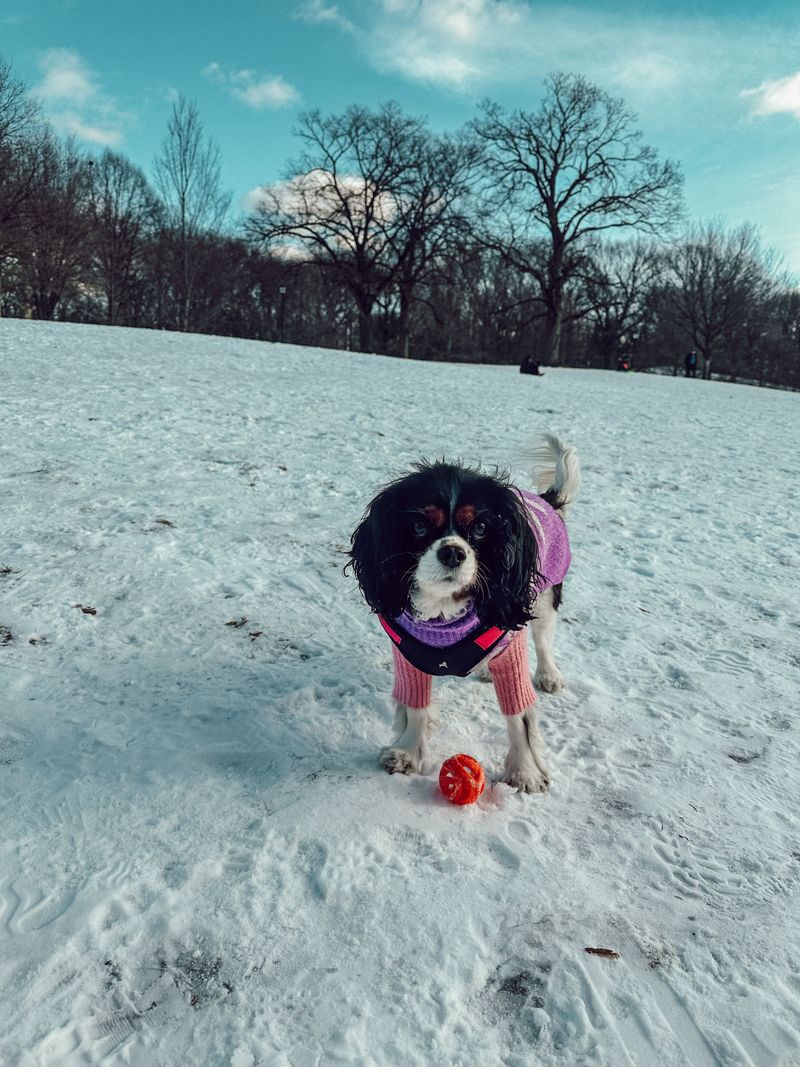
Royalty once adored these sweet lap dogs, and King Charles II reportedly kept many of them at court.
Their big hearts hide a real risk, though. Many Cavaliers develop mitral valve disease, a heart condition that often starts silently.
Clues include coughing at night, tiring quickly, or breathing fast while resting.
Try counting breaths while your Cavalier sleeps. More than about 30 per minute is worth a call to your vet.
French Bulldog
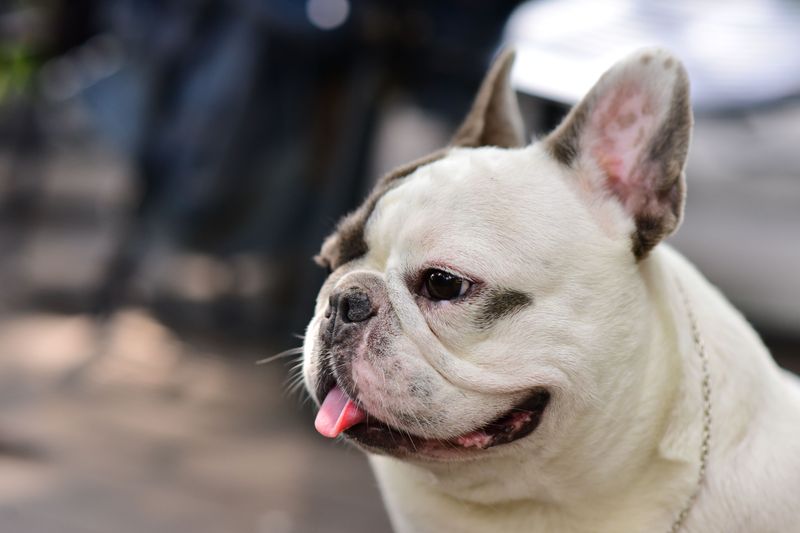
Snorts and snores can sound cute coming from a Frenchie. Still, louder breathing than usual is a red flag.
Their flat faces make airways narrow, so heat and exercise can cause real distress. Watch for gagging, blue-tinged gums, or a pup who suddenly avoids play.
Walk your Frenchie during cooler hours and carry water. If the snoring gets worse over months, ask your vet about breathing surgery options.
Boxer
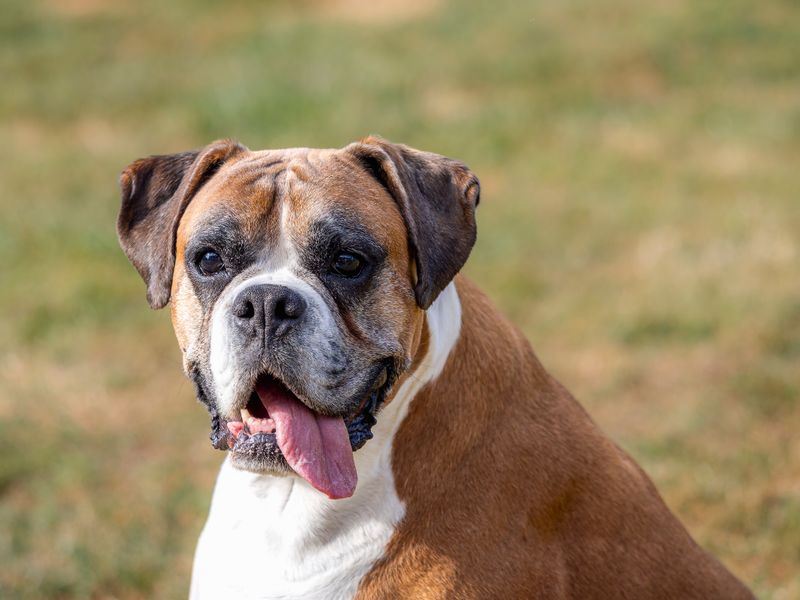
Bouncy is basically a Boxer’s middle name. These clowns rarely sit still, so a calm Boxer can be a puzzling sight.
The breed is linked to a heart rhythm problem called Boxer cardiomyopathy. Fainting spells, weakness, or sudden low energy may signal trouble long before other symptoms show up.
Yearly heart checks, sometimes with a special monitor, help catch irregular beats. Never shrug off a collapse, even a quick one.
Beagle

Ever seen a Beagle ignore an interesting smell? It almost never happens, which is exactly why it matters when it does.
Beagles can develop hypothyroidism, a slow thyroid that drags down energy. Weight gain without extra food, a dull coat, and seeking warm spots are common clues.
A simple blood test can confirm it. Once treated with daily medicine, many Beagles bounce back to their nosy, cheerful selves.
Great Dane
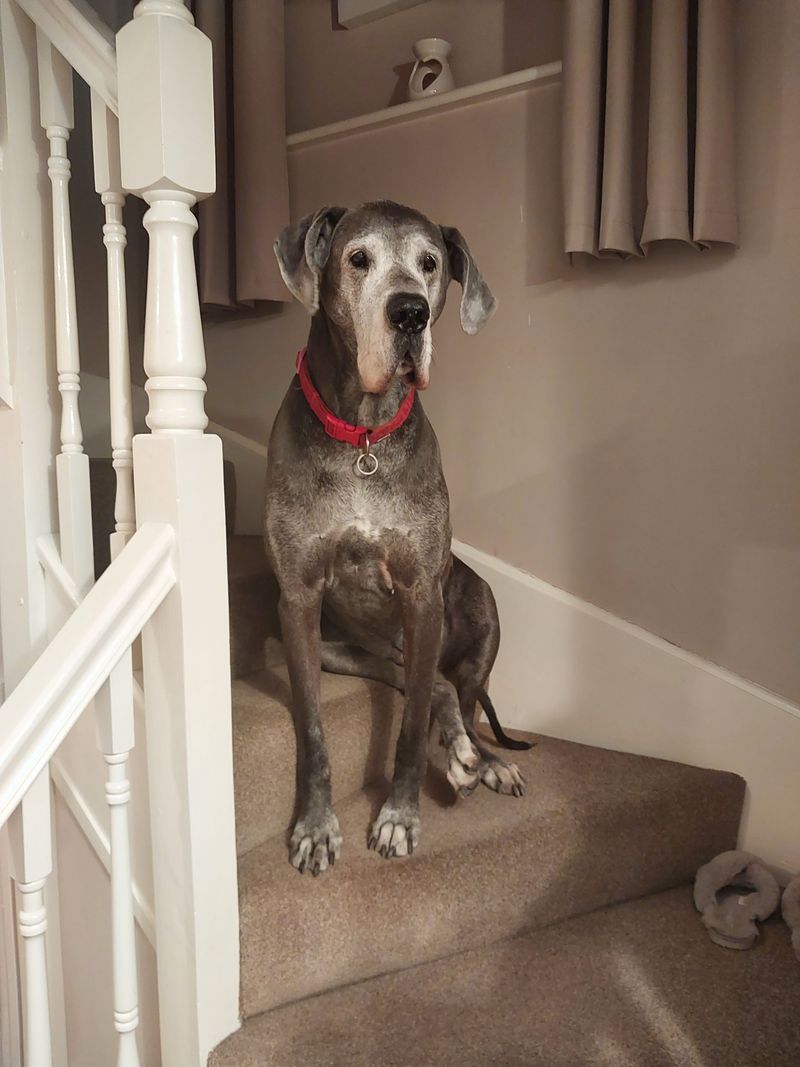
Gentle giants can face giant emergencies. Great Danes top the list for bloat, a twisting stomach that can become deadly within hours.
Warning signs include pacing, drooling, a swollen belly, and trying to vomit with nothing coming up. A Dane that seems restless after eating needs help immediately.
Feed smaller meals and avoid hard play right after eating. Some owners also ask vets about a preventive stomach-tacking surgery.
Border Collie
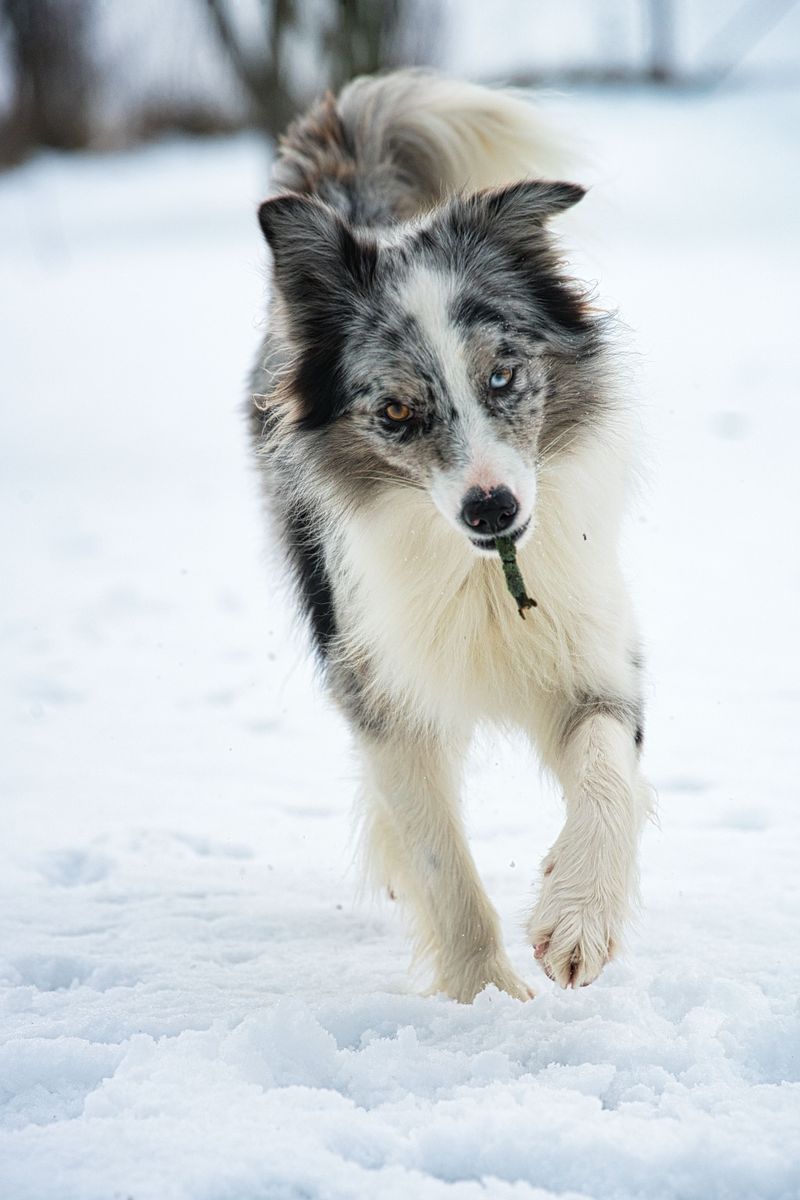
Quick, focused, and a little bit bossy, Border Collies are often called the smartest dogs around. So confusion stands out fast.
Missing cues, bumping into things, or seeming startled could point to eye disease or hearing loss, both seen in this breed. Some also have epilepsy, with odd staring spells.
Test reactions with quiet calls and toys at home. Any change in sharpness is worth reporting to your vet.
Cocker Spaniel
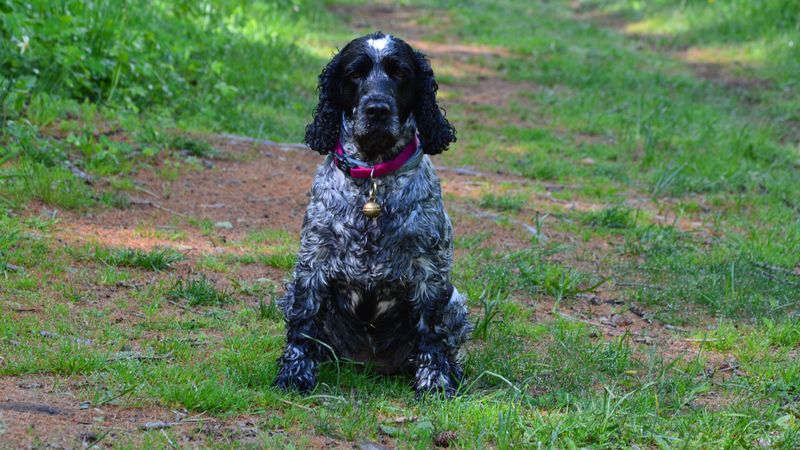
Those long, silky ears are adorable. Unfortunately, they also trap moisture and dirt like little sponges.
Cocker Spaniels get ear infections often, and pain can make a sweet dog grumpy. Head shaking, scratching, a bad smell, or snapping when touched near the head are big hints.
Check and gently clean ears weekly. A sudden mood shift in your Cocker may simply be an ear that hurts.
Yorkshire Terrier

Small dog, big personality, tiny mouth. Yorkies pack a lot of teeth into very little space, which leads to dental disease.
Bad breath, dropping food, or chewing on one side can mean painful teeth. These little dogs may also suffer low blood sugar, causing shaking or sleepiness.
Brush their teeth a few times a week and keep regular meal times. Tiny bodies show trouble quickly, so act fast.
Siberian Husky
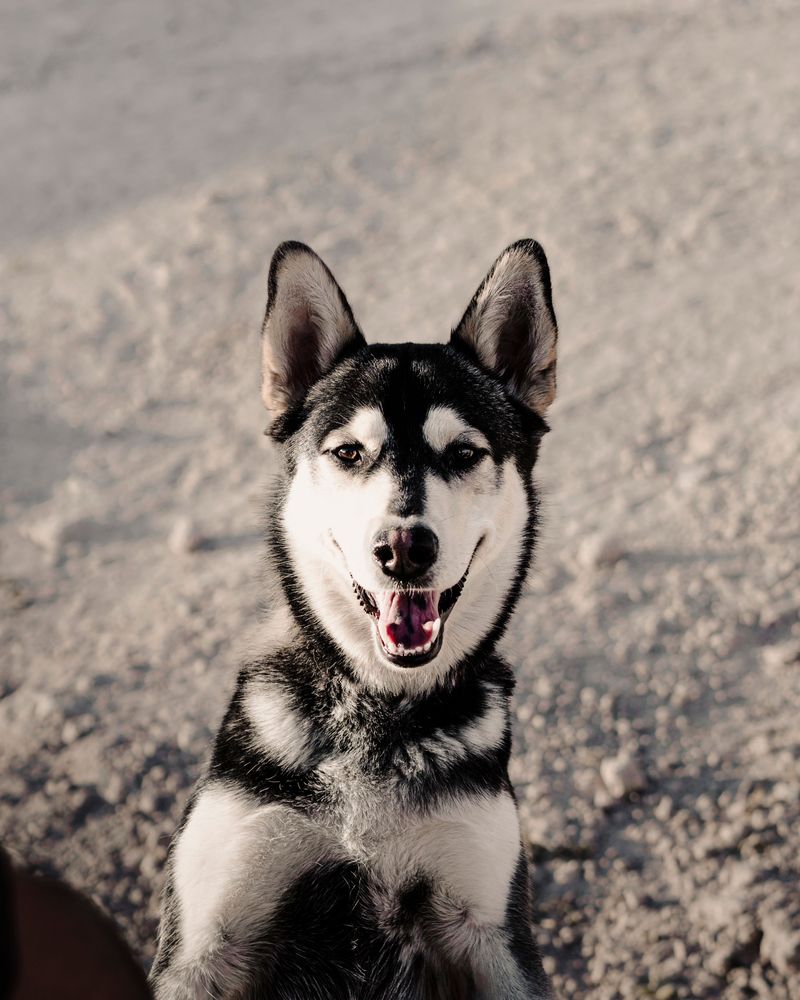
Huskies love to talk, howl, and roam. When one turns oddly silent or stops trying to escape, something may be off.
This breed can develop eye problems like cataracts and also zinc-related skin issues that cause crusty patches around the face. Itching can make them cranky and withdrawn.
Look closely at eyes and nose during grooming. Bred to pull sleds across Siberia, they deserve vets who notice small shifts too.