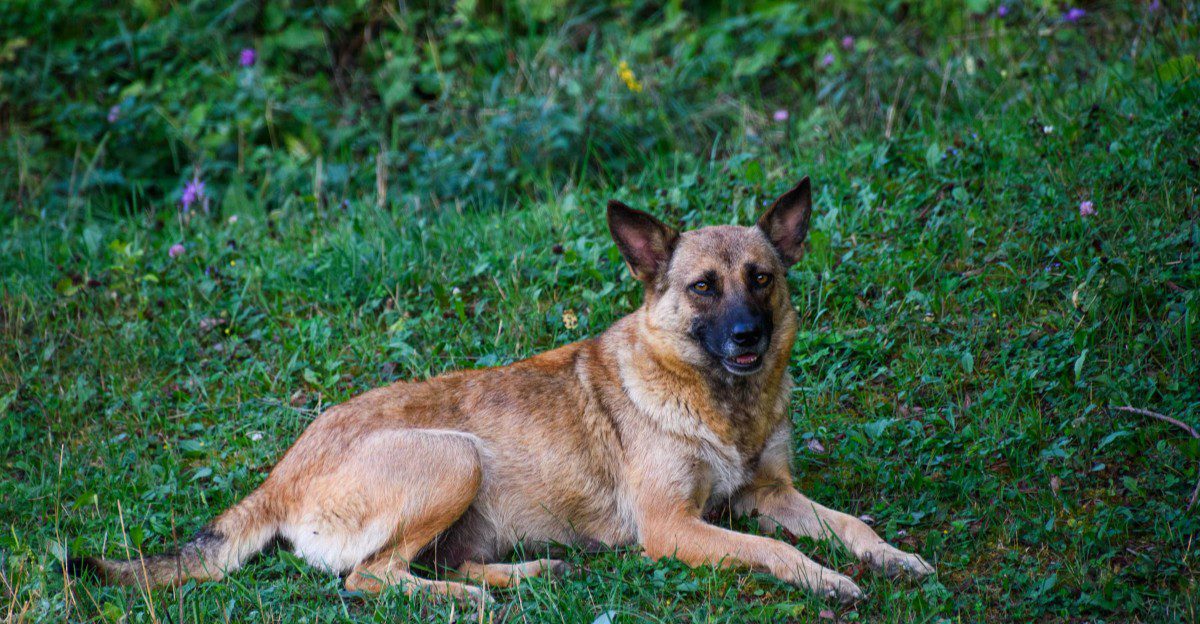
Some dogs greet the whole family with the same happy wiggle, while others quietly pick one human and stick to that person like a shadow. If you have ever been the family member who feeds, walks, and pays for the dog, only to watch it curl up beside someone else, you already know how real this is.
Certain breeds were shaped over centuries to work closely with a single handler, and that history still shows up in their behavior today. Here are 13 breeds that often form an especially strong bond with one chosen person, plus what that bond can mean for everyone else in the house.
Akita
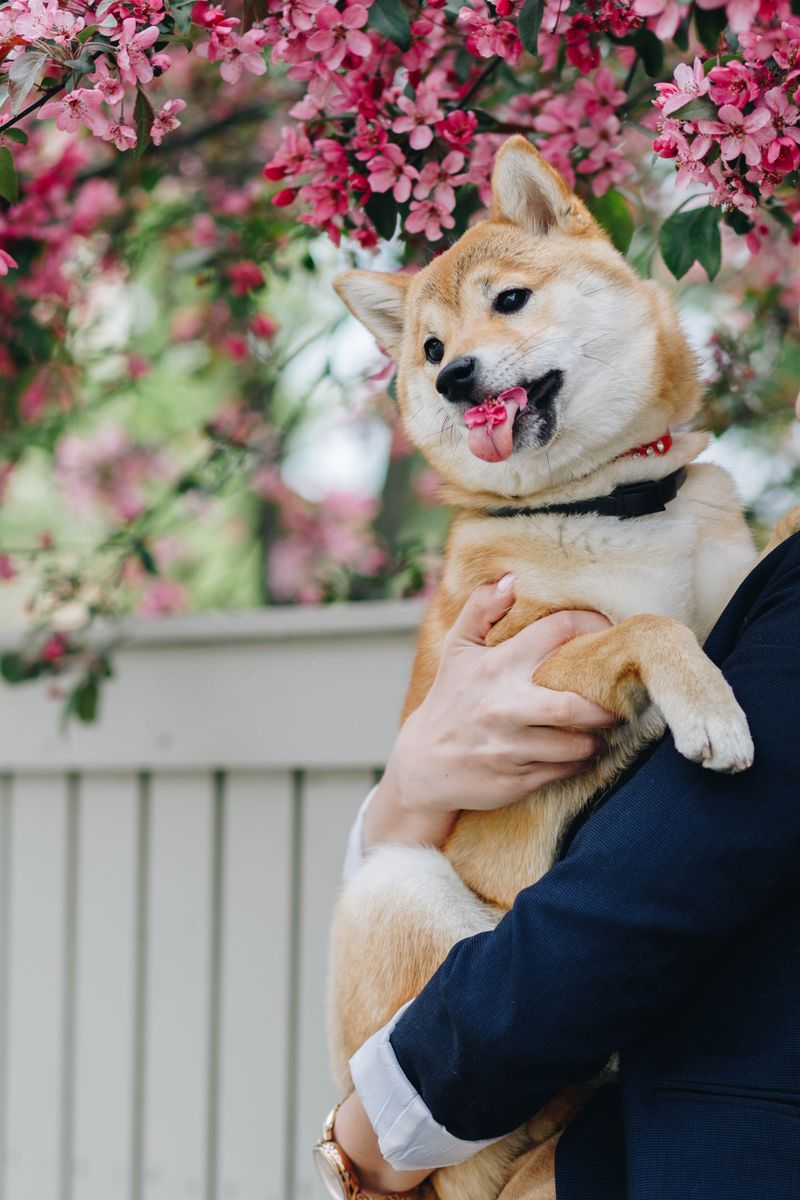
Calm, dignified, and sometimes a little aloof, the Akita tends to save its softer side for a very small circle. In Japan, these large spitz dogs were historically used for guarding and hunting big game, work that rewarded steady focus on one household.
The famous story of Hachiko, the Akita who returned to a Tokyo train station for years after his owner died, still shapes how people see the breed. While one legend should not be treated as proof of every dog’s behavior, the AKC does describe Akitas as deeply devoted to family and wary of strangers.
In everyday life, that often looks like a dog who tolerates guests politely but watches its favorite person closely. Early socialization matters a lot here, since an Akita’s reserved nature can turn into suspicion without plenty of positive experiences.
Shiba Inu
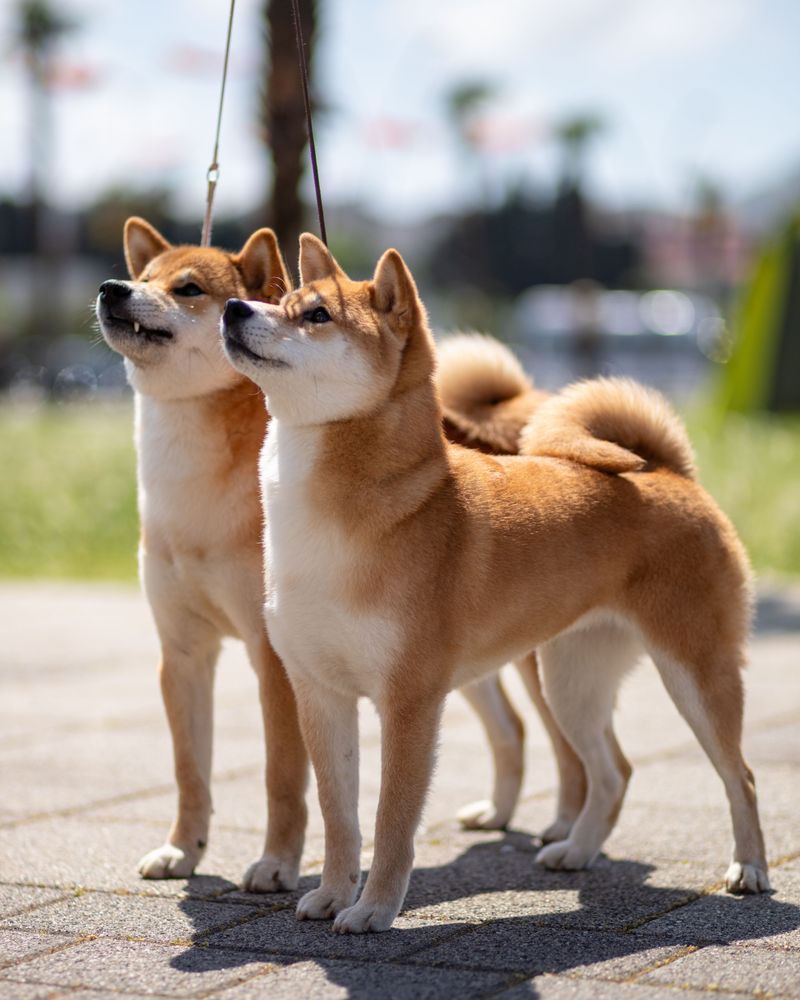
Cat-like is the word many people reach for when describing a Shiba Inu. These small Japanese hunting dogs are known for independence, tidy habits, and a strong opinion about who deserves their attention.
A Shiba rarely gushes over everyone. Instead, many choose one or two people for cuddles and quietly ignore the rest, which can feel funny or a little insulting depending on which side of the couch you are on.
Owners should know that this independence also affects training and recall. Short, rewarding sessions usually work better than repetition, and a secure leash is wise since prey drive can override even the strongest bond.
Chow Chow
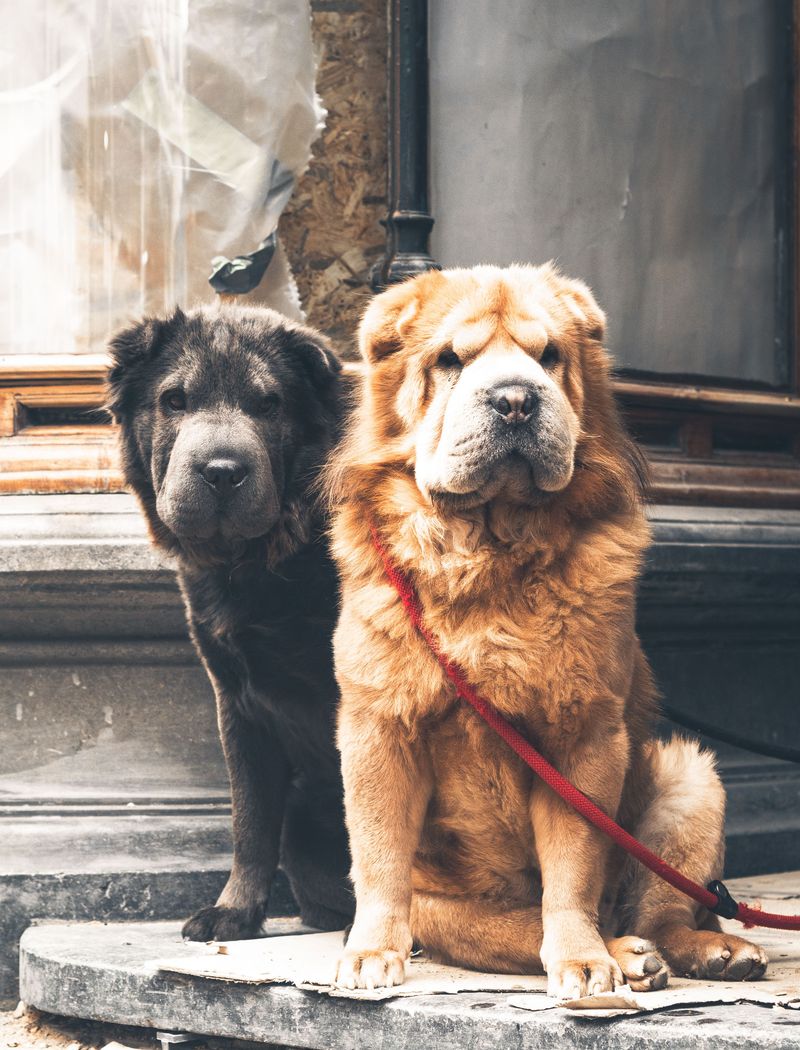
That lion-like mane hides a surprisingly reserved personality. The Chow Chow, one of the oldest dog types from China, is commonly described by the AKC as aloof, discerning, and not very interested in strangers.
Many Chows bond strongly with one person and show only polite acceptance toward others in the family. They are not usually the type to climb into every lap, and pushing affection on them tends to backfire.
Their deep-set eyes can also limit peripheral vision, so approaching from the front rather than surprising them from the side is a thoughtful habit for visitors. Respect goes a long way with this breed.
Fun detail: the Chow’s blue-black tongue is one of its official breed standard features, shared mainly with the Chinese Shar-Pei.
Belgian Malinois
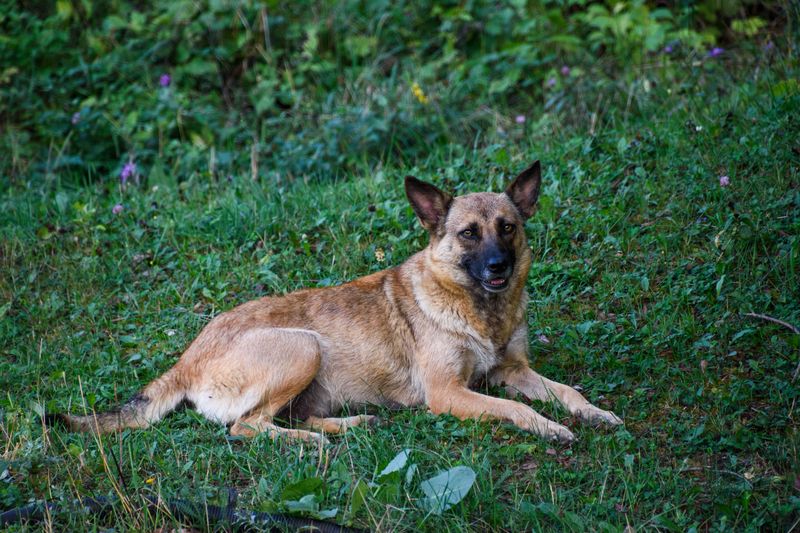
Police and military units did not choose the Belgian Malinois by accident. Its intensity, speed, and laser focus on a handler make it one of the most respected working dogs in the world.
That handler focus is exactly why many Malinois gravitate toward the person who trains, plays, and works with them most. Other family members may get friendly greetings, but the chosen human often gets the full, eager attention.
For a pet home, this bond comes with serious responsibility. A bored Malinois may invent its own jobs, so daily mental work, structured play, and reward-based training are not optional extras.
Doberman Pinscher
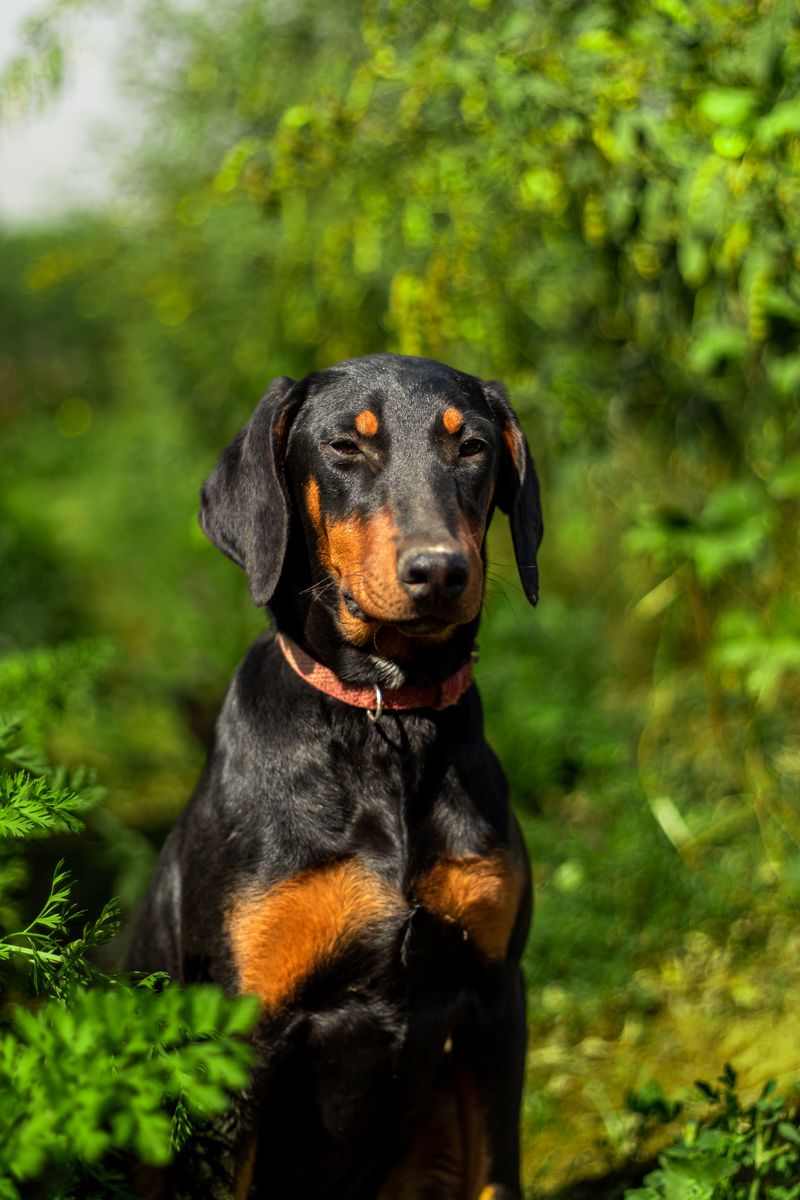
Here is a contrast many people do not expect: the sleek, serious-looking Doberman is often a dedicated lean-on-you snuggler. Louis Dobermann, a German tax collector, developed the breed in the late 1800s to accompany and protect him on his rounds.
That origin as a personal protector still shows. Many Dobermans attach strongly to one person, following them room to room and earning the nickname velcro dog.
They can be affectionate with the whole family, but their favorite human often becomes the center of their world. Because of that attachment, gradually teaching comfort with alone time can help prevent stress when that person leaves.
Chihuahua
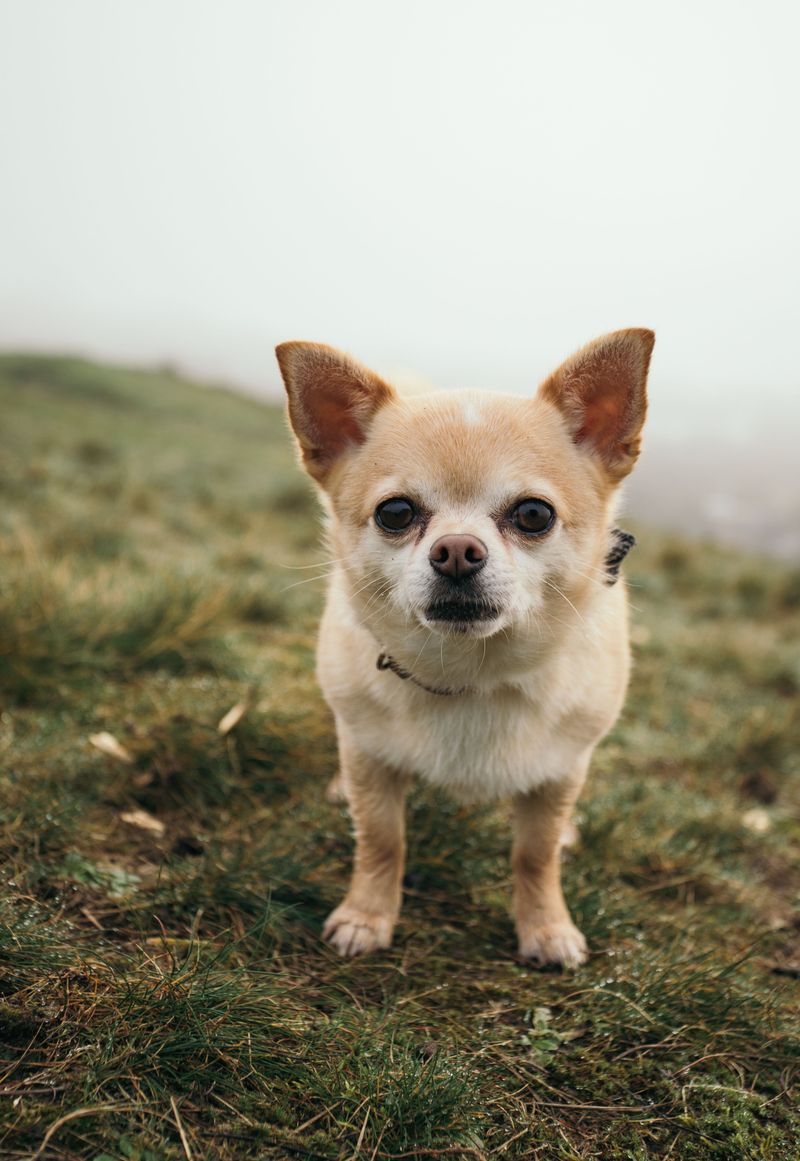
Small size, enormous preference. Chihuahuas have a well-earned reputation for latching onto one person and treating everyone else with suspicion or mild indifference.
Part of this may come from how they are handled. A tiny dog that is carried and cared for mostly by one owner can naturally center its world on that person, and some individuals become vocal or nervous when others approach.
Encouraging other family members to feed, play with, and calmly handle the dog can broaden its comfort zone. Gentle, positive introductions help a Chihuahua learn that new people are not a threat to its favorite human.
Basenji
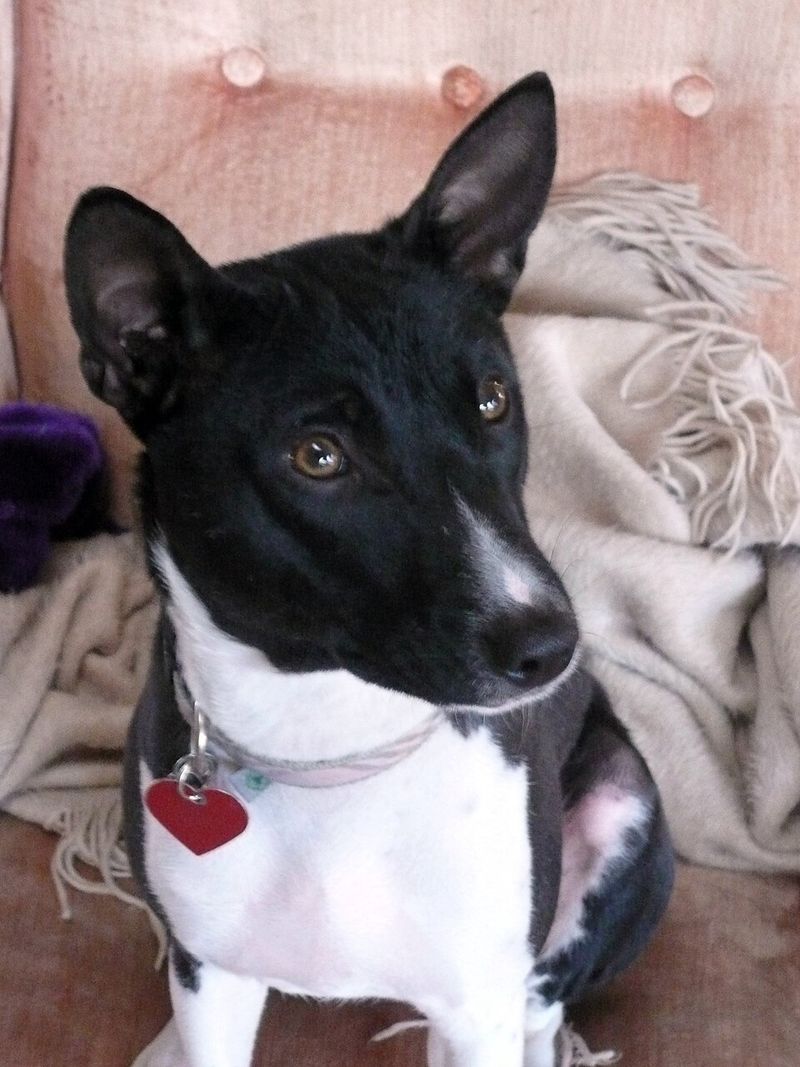
Ever met a dog that yodels instead of barks? The Basenji, an ancient hunting breed from Central Africa, makes a distinctive sound often called a baroo because of the unusual shape of its larynx.
Beyond the quirky voice, Basenjis are independent thinkers. They are usually affectionate with their people but reserved with strangers, and many form their tightest bond with a single person who understands their style.
They are also clever escape artists and enthusiastic chewers. Sturdy fencing and plenty of enrichment keep a Basenji out of trouble and happier with its chosen companion.
Australian Cattle Dog
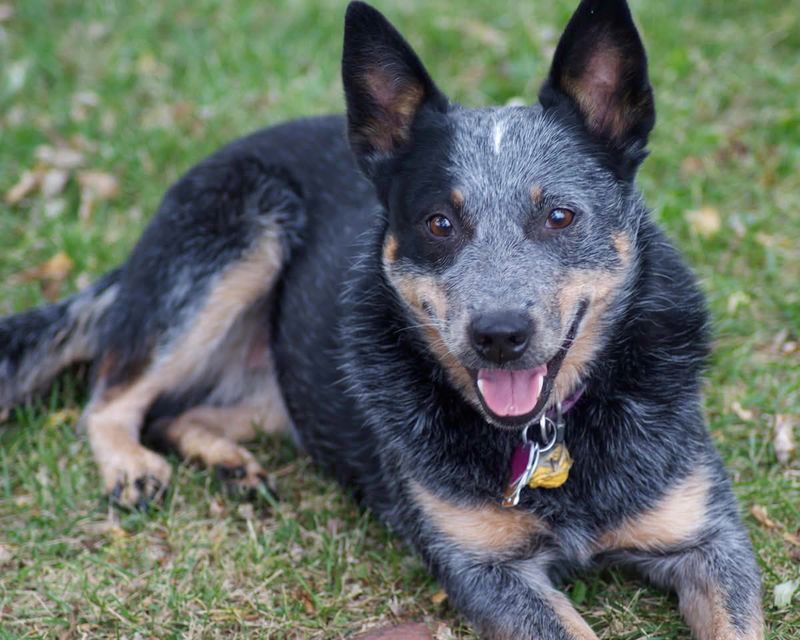
Ranchers in 19th-century Australia needed a tough dog that could move stubborn cattle across huge distances, and the Australian Cattle Dog delivered. Working closely with one stockman was part of the job.
Today, many Blue and Red Heelers still pick a primary person and shadow them closely. They may be friendly with the family, yet it is common to see one heeler glued to a single owner’s side.
Herding instincts can show up as nipping at heels, especially with running kids. Redirecting that drive into games, training, or dog sports helps keep the bond healthy for everyone.
Afghan Hound
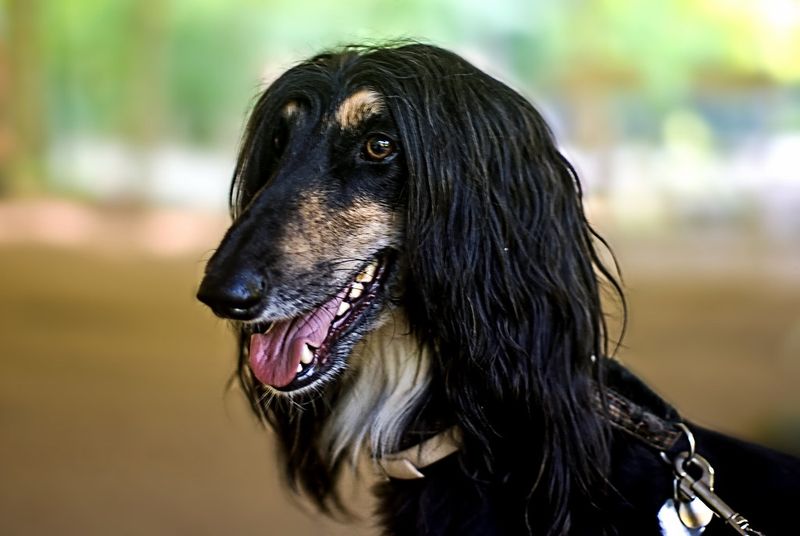
Glamorous coat, independent mind. Afghan Hounds were bred to hunt in the rugged mountains of Afghanistan, chasing game with speed and very little human direction.
The AKC describes the breed as dignified and aloof, though often silly with its own people. Many Afghans keep strangers at arm’s length while showing a clownish, affectionate side to one favorite person.
That flowing coat needs serious grooming, and a sighthound’s chase instinct means off-leash freedom should only happen in secure areas. Patience works better than force with this sensitive breed.
Great Pyrenees
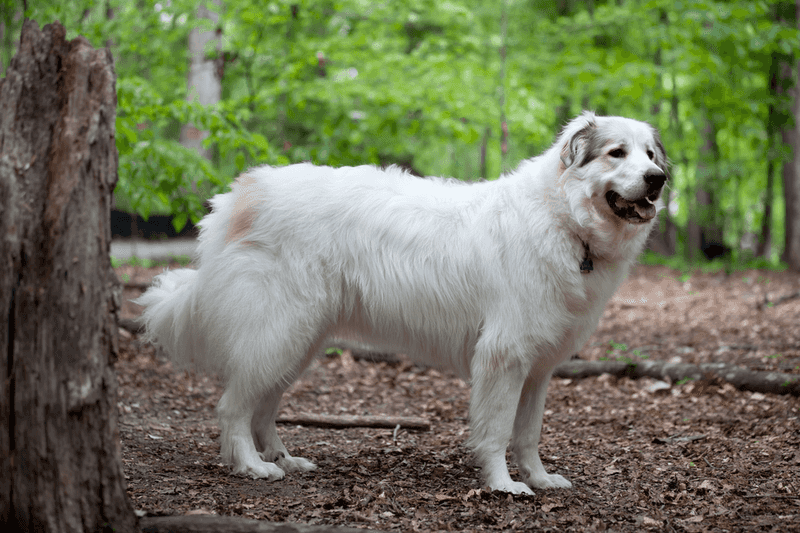
Gentle giant is a phrase people use a lot, but the Great Pyrenees adds a twist: it thinks for itself. Bred to guard sheep in the Pyrenees Mountains, it often worked without much human input at all.
Many Pyrs are calm and kind with family, yet they commonly choose one person to keep a particularly close eye on. Their protective instinct can make them watchful with unfamiliar visitors.
Expect barking at night, since that is how flock guardians warn off threats. Training should be patient and consistent, because quick obedience was never part of their original job description.
Rottweiler
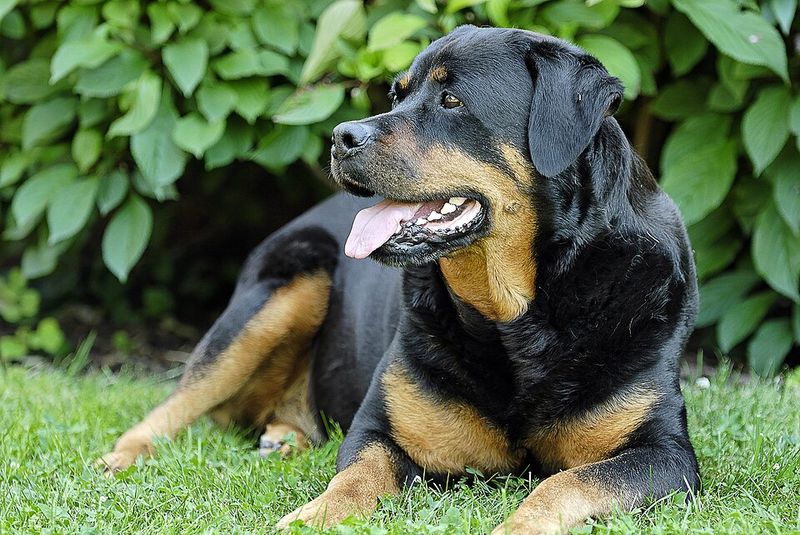
Roman legions are often linked to the Rottweiler’s ancestors, and later the breed drove cattle and guarded money pouches for German butchers in the town of Rottweil.
That steady, guardian background shows in how many Rotties bond. They can be affectionate with the whole family, but often have a clear favorite they check on, follow, and lean against.
Their size and strength make early training and socialization essential. Reward-based methods tend to bring out their thoughtful, confident side rather than an overly guarded one.
Scottish Terrier
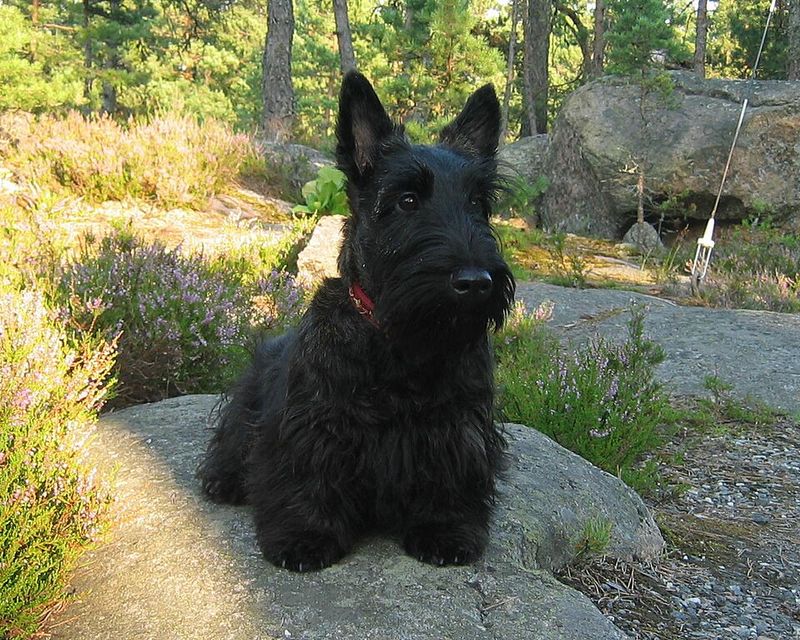
Spirited and a little stubborn, the Scottish Terrier was bred to hunt foxes and badgers in the Scottish Highlands. That job required a dog who could make decisions underground with no help.
Scotties are often described as reserved with strangers and devoted to their own people, with some choosing one person as their main favorite. They are not usually a dog that greets everyone like an old friend.
They may also dig and chase small animals. Fun bit of history: Fala, a Scottie, was a constant companion to President Franklin D.
Roosevelt.
Bullmastiff
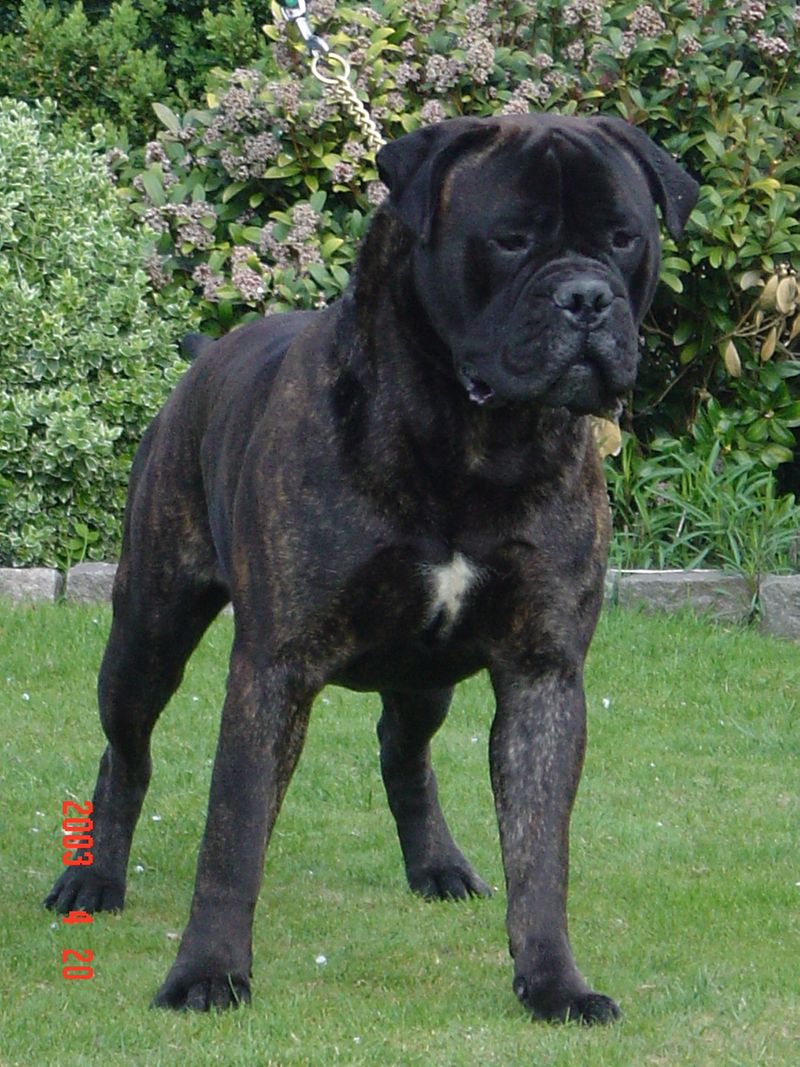
Gamekeepers in 19th-century England wanted a quiet, powerful dog that could stop poachers without mauling them. The Bullmastiff, a cross of Mastiff and Bulldog, filled that role.
Modern Bullmastiffs are usually calm and affectionate at home, yet many show a clear attachment to one person. They may follow that individual quietly and settle as close as their large frame allows.
Because they were selected to guard, early socialization helps them stay relaxed around visitors. Their size also means leash manners should start young, well before they outweigh their favorite human.