
Some dogs barely notice when you grab your keys, while others start following you from room to room the second your shoes go on. That difference is not random.
Many breeds were shaped over centuries to work right beside one person, sit on laps, or stay within arm’s reach all day, and those instincts still show up at your front door. Knowing which breeds tend to bond this tightly can help you pick the right dog, plan your schedule, and make goodbyes a lot easier on everyone.
Vizsla
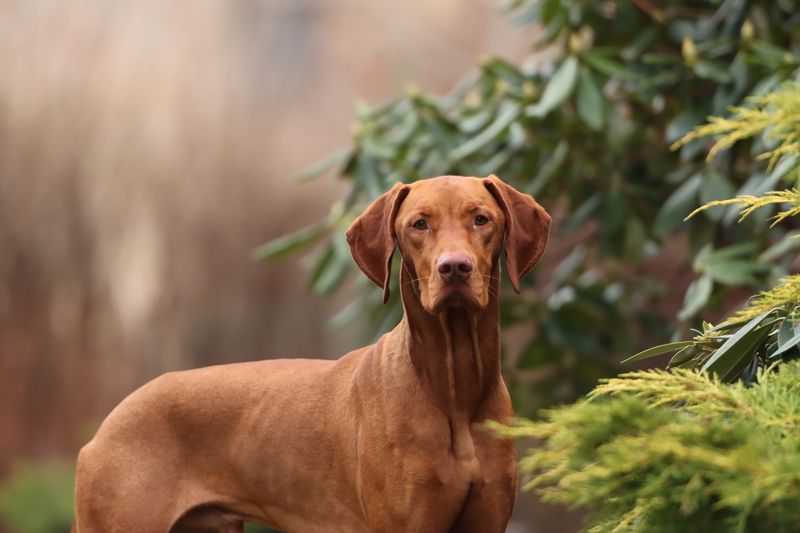
Hunters in Hungary wanted a pointer that worked close and checked in constantly, and they got exactly that. The result is a dog so physically attached that it has earned the nickname Velcro Vizsla.
Many Vizslas want to touch their person, not just be near them. Leaning, pressing into legs, and trailing an owner to the bathroom are everyday habits for plenty of these dogs.
That closeness is part of what made them useful in the field, but at home it can turn departures into a real challenge. The AKC notes the breed does poorly when left alone for long stretches, so a tired Vizsla with a long morning run behind it usually handles the door closing far better than a bored one.
Italian Greyhound
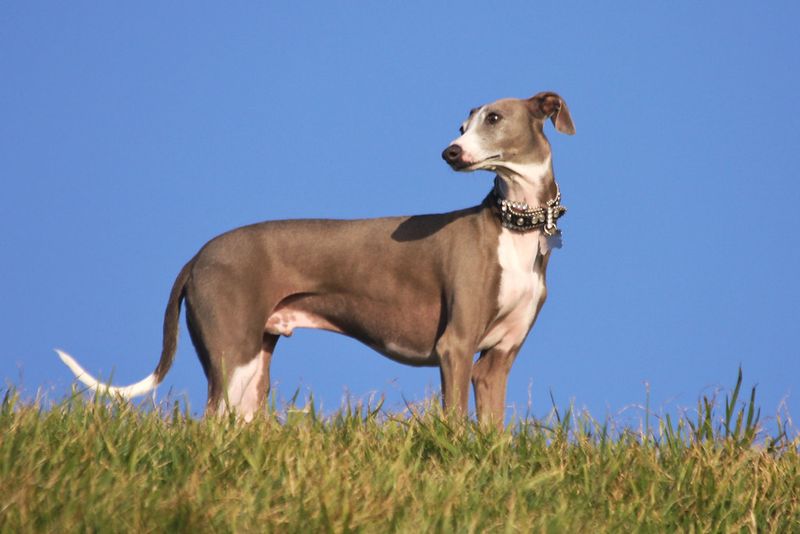
Picture a dog that weighs about as much as a house cat and treats your lap as its personal heated apartment. Italian Greyhounds have been companion dogs for at least 2,000 years, and that long history shows.
Their thin coats and low body fat mean they seek warmth, and their person is usually the warmest spot available. Many will burrow under blankets right next to an owner and stay there for hours.
Watching that person leave can bring on whining or pacing in sensitive individuals. A cozy, covered bed and a calm, low-key exit routine often help more than a long, emotional goodbye.
Australian Shepherd
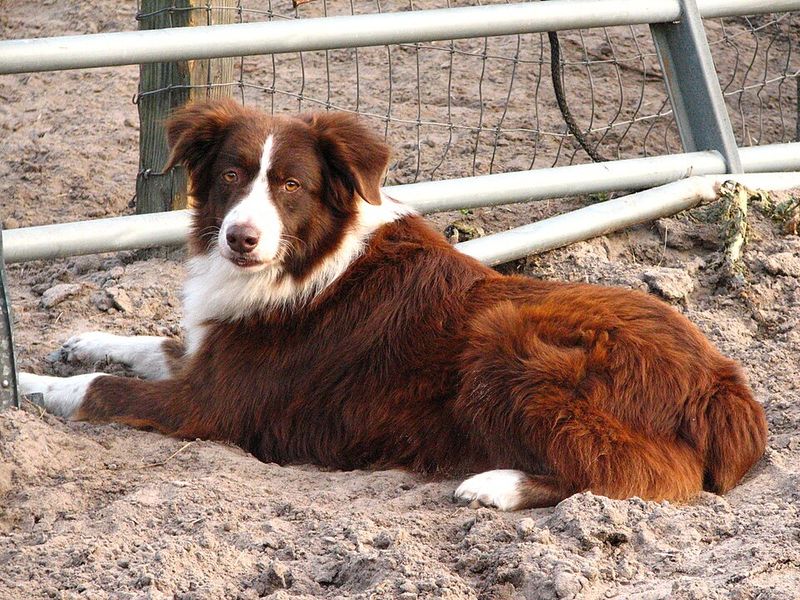
Herding dogs keep track of moving things for a living, and for an Aussie at home, the most important moving thing is you. Plenty of owners notice their Australian Shepherd monitoring every trip from the couch to the kitchen.
Despite the name, the breed was refined on American ranches, where it worked closely with one family all day. That job required constant attention to a handler’s cues.
When the handler walks out with no job left behind, an Aussie may invent one, sometimes involving furniture. Puzzle feeders, a short training session before leaving, and plenty of daily exercise give that busy brain something better to herd.
Cavalier King Charles Spaniel
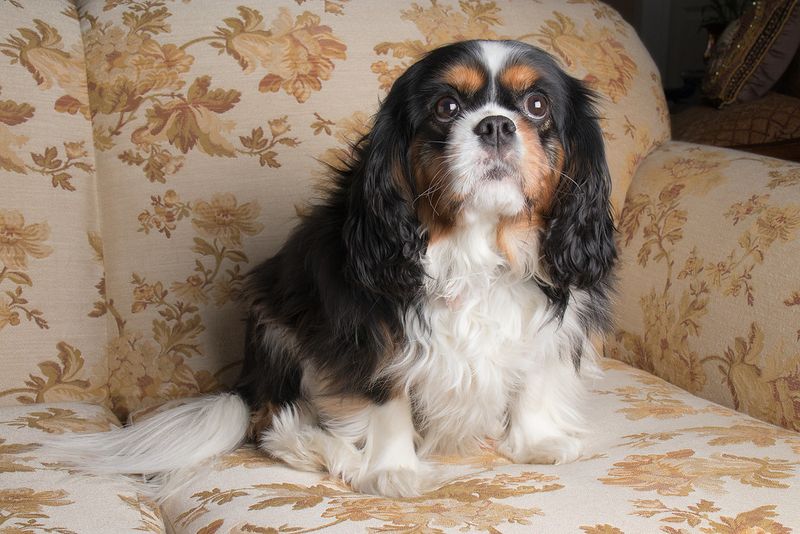
Royal portraits from the 1600s often include a little spaniel tucked into someone’s lap, and the modern Cavalier keeps that tradition alive. Bred almost entirely for companionship, this breed has very little interest in a life spent alone.
Cavaliers tend to bond with everyone in the household, which sounds easier, but it also means an empty house feels especially quiet to them. Some individuals are prone to separation-related stress if routines suddenly change.
On the bright side, their soft, adaptable temperament often makes them great candidates for gradual alone-time training. Short absences that slowly grow longer can teach a Cavalier that you always come back.
Weimaraner
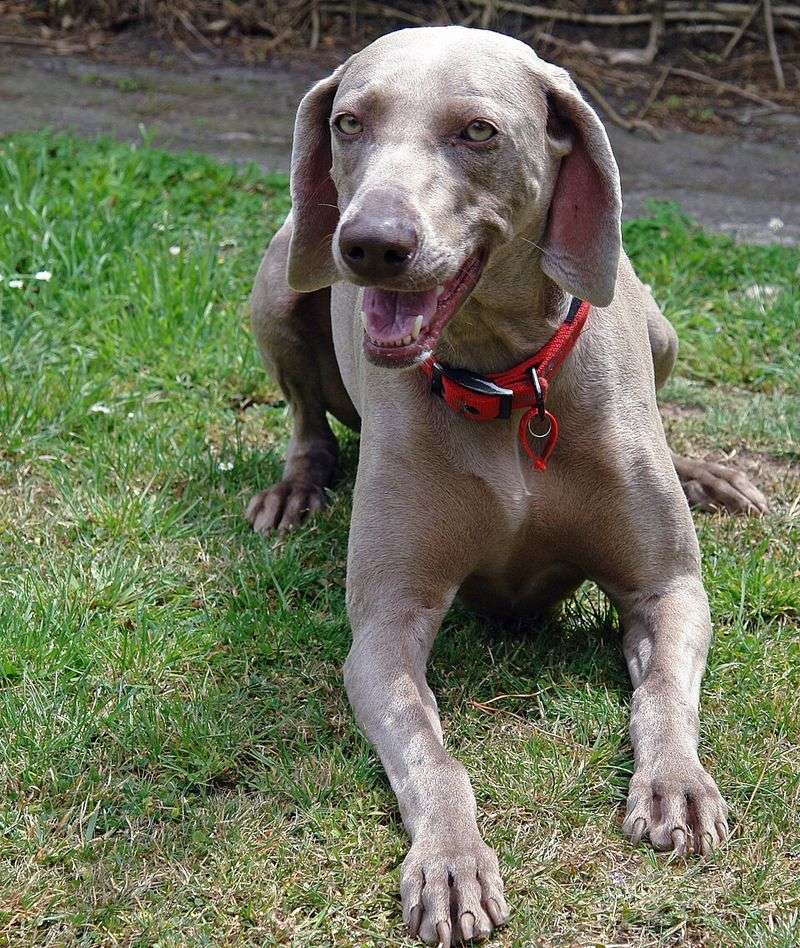
Sleek, silver, and athletic, the Weimaraner looks like a dog that would rather be off on its own adventure. In reality, it often prefers to have its owner on every adventure.
German nobles bred these dogs for hunting, and the dogs often lived in the home with their handlers rather than in kennels. That close living arrangement helped produce a breed that is deeply people-focused.
Weimaraners are frequently mentioned by breed clubs as dogs that may struggle with separation anxiety. Chewing, digging, and escape attempts can follow when a high-energy dog is left alone without enough exercise.
Crate training introduced kindly and early can provide a secure den for the hours you are away.
Bichon Frise
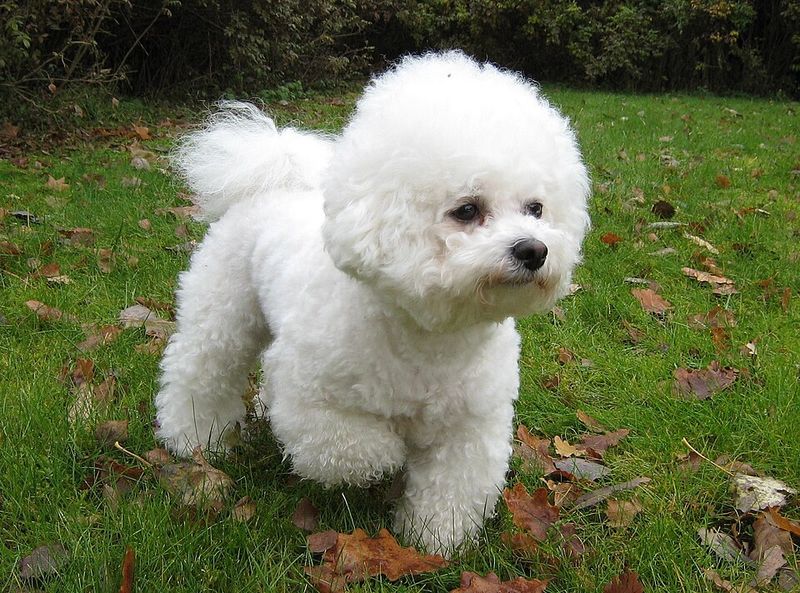
Sailors once carried Bichon-type dogs on Mediterranean voyages, partly as trading goods and partly as cheerful company. Later, they performed in circuses and entertained crowds, always working with people.
That background produced a dog that genuinely enjoys an audience. A Bichon may follow its people around the house simply to stay in the middle of things.
Being left behind can lead to barking or restlessness, especially in younger dogs. Leaving a worn shirt in the dog’s bed and rotating a few special toys that only come out at goodbye time are small tricks many owners find helpful.
German Shorthaired Pointer
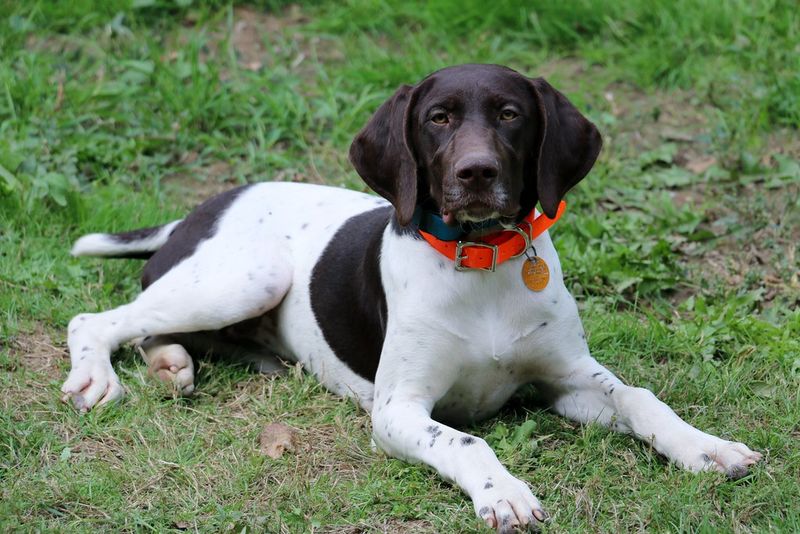
Owners who want a running partner, a hunting buddy, and a couch companion often land on the German Shorthaired Pointer. The catch is that this dog usually wants to be all three, every single day.
Developed as a versatile hunting dog, the GSP was built to work closely with a person for long hours. That partnership mindset carries over into family life.
An under-exercised GSP left alone may turn its considerable energy toward doors, trash, or the backyard fence. Plenty of daily running, swimming, or scent games makes the goodbye far less dramatic.
Chihuahua
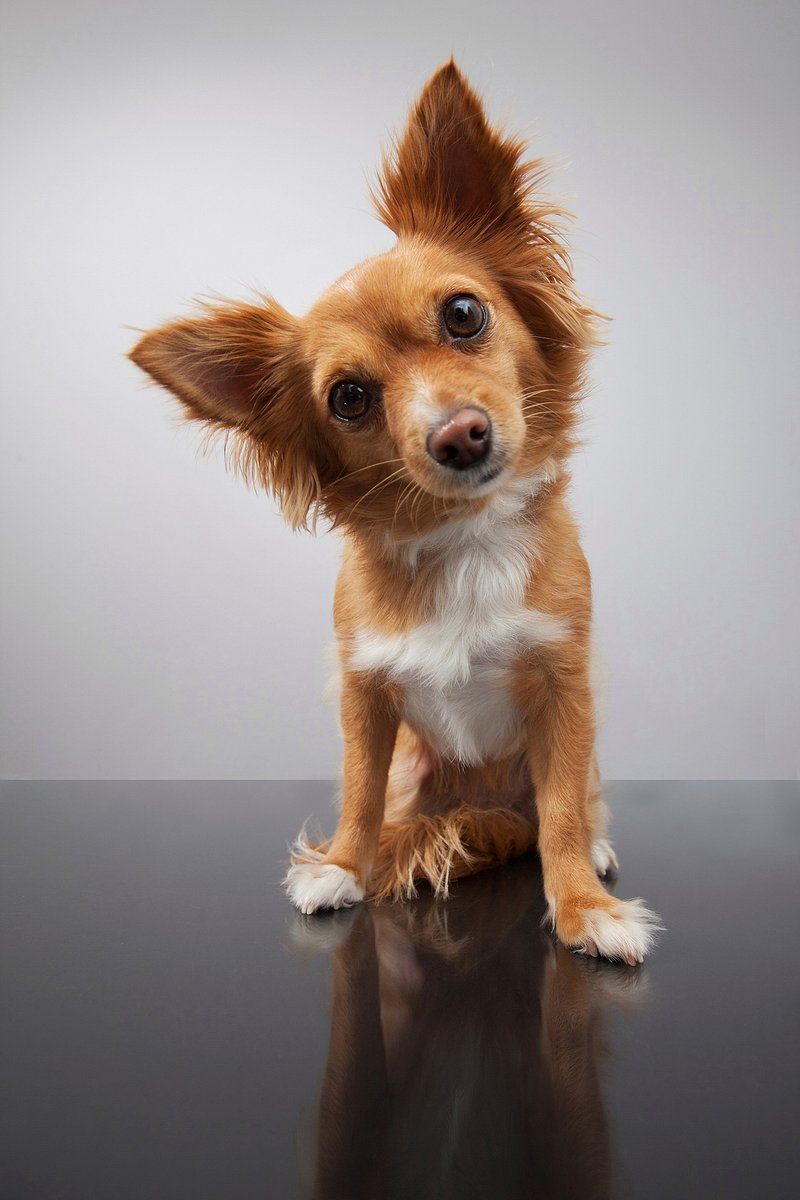
Small size does not mean small feelings. Chihuahuas are famous for picking one favorite human and sticking to that person like a shadow.
That strong preference can show up as following, guarding a spot on the couch, or trembling when the favorite person heads for the door. Some of that shaking can also be about cold or excitement, so context matters.
Because their world often revolves around one person, Chihuahuas benefit from bonding with other family members too. When several people handle feeding and walks, one departure feels less like the end of the world.
Doberman Pinscher
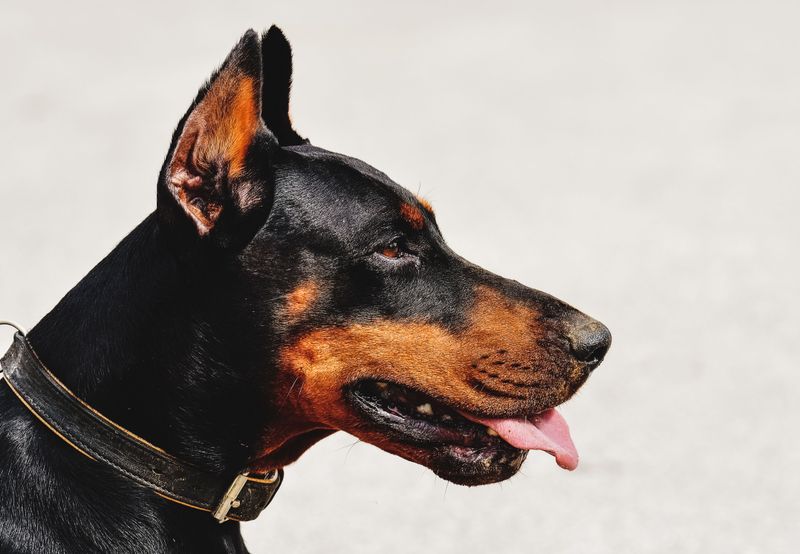
Tough reputation, soft center. Dobermans were developed in Germany in the late 1800s by a tax collector who wanted a dog to accompany him on his rounds.
A dog built to stay at one person’s side all day tends to keep that habit. Many Dobermans want to be in the same room as their people and will lean in for contact once they feel comfortable.
They are not dogs that do well living outdoors or apart from the family. A Doberman included in daily life, with steady training and mental work, usually handles short separations with more confidence.
Papillon
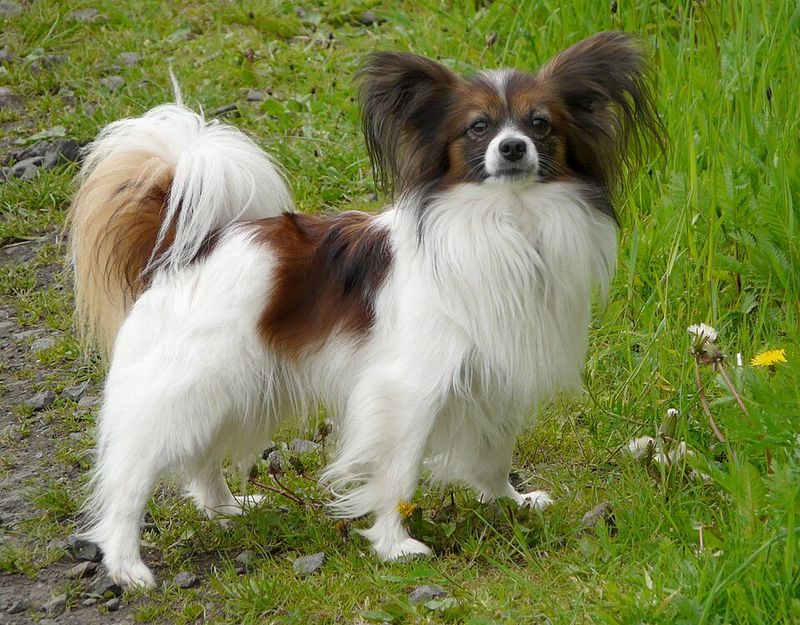
Those butterfly-shaped ears are always swiveling, tracking where their favorite human is headed. Papillons are alert, quick little dogs that like being involved in everything.
Historically lapdogs of European royalty, they also turn out to be surprisingly capable in agility and trick training. That combination of brains and devotion makes them want an active role in their owner’s day.
A Papillon left with nothing to do may express its opinion through barking. A few minutes of trick practice before leaving can tire that sharp mind and make the door feel less important.
Labrador Retriever
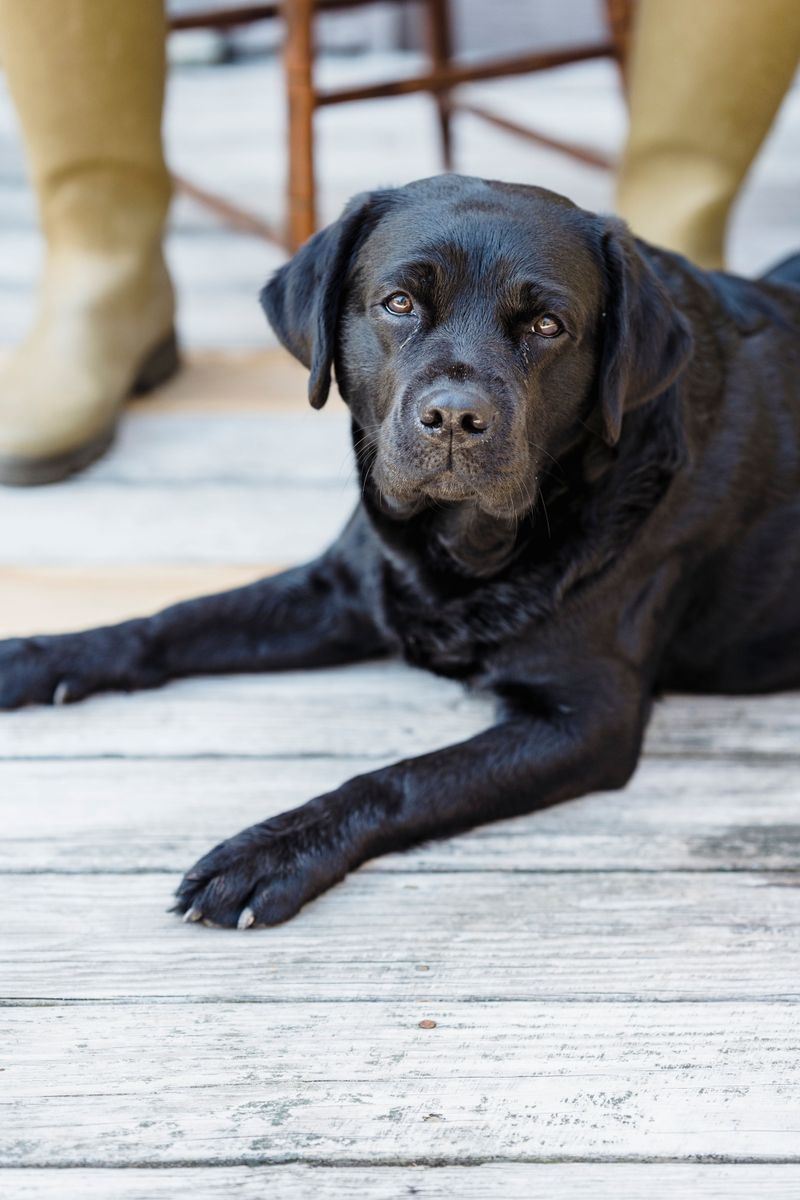
Ever notice a Lab greeting you with a shoe, a sock, or whatever else it could grab? That retrieving instinct often turns into a gift-delivery service tied to arrivals and departures.
Labs were bred in Newfoundland to work alongside fishermen, then refined in Britain as gun dogs. Cooperation with people is woven into the breed.
Young Labs in particular can find being alone hard, and that is when chewing tends to show up. Sturdy chew toys and a food-stuffed toy at goodbye time give that busy mouth a job.
Havanese
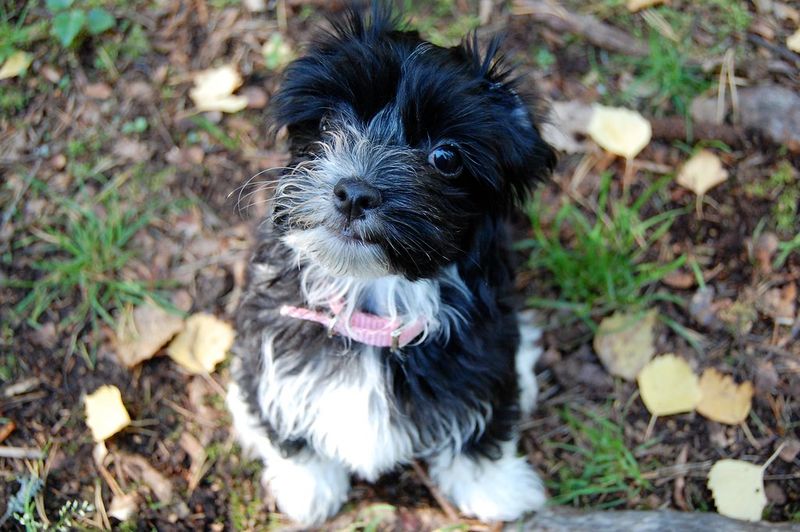
Cuba’s only native breed, the Havanese was a companion to wealthy families on the island for generations. Its whole job was to keep people company, and it took that job seriously.
Today, the breed is often described as a shadow dog. Many Havanese trail their people from room to room and settle wherever their favorite person sits.
That devotion makes them lovely for people who work from home and harder for households empty all day. A dog walker or doggy daycare can be a smart compromise for busy families.
Border Terrier
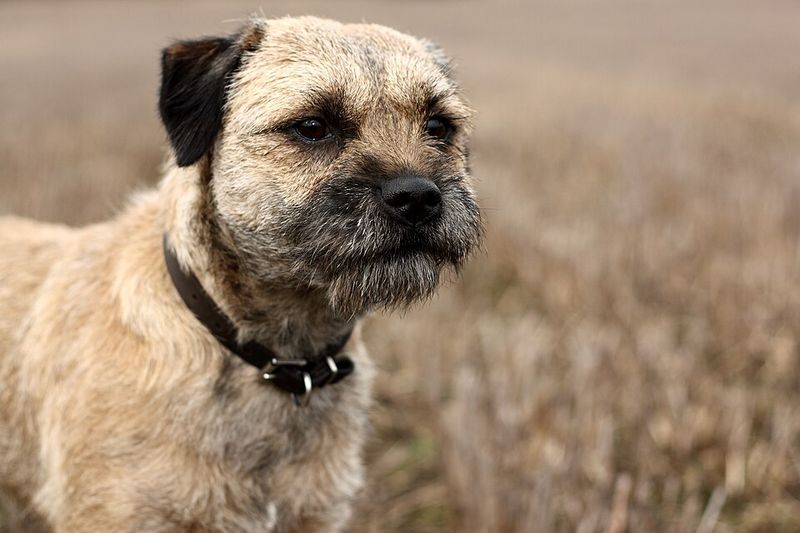
Here is a twist on the usual terrier story. Bred near the England-Scotland border to run with foxhounds, the Border Terrier is far more people-oriented than many of its scrappy cousins.
Plenty of Borders enjoy settling close to their family after a busy day. They are sturdy, easygoing companions who usually want to be part of the action.
When left alone and bored, though, the old earth-dog instincts may appear as digging or escape efforts. A secure yard and some sniffing games keep those instincts in check.
Shetland Sheepdog
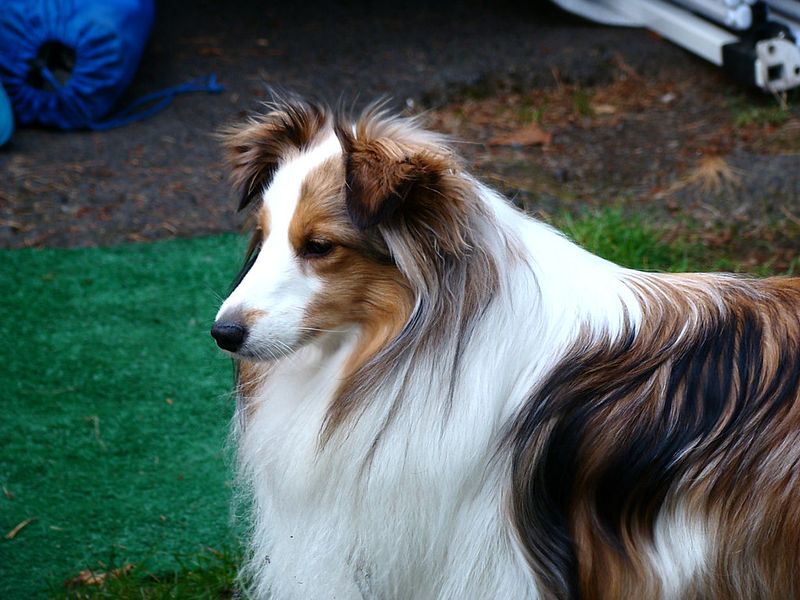
Sensitive is the word that comes up again and again with Shelties. They tend to read household moods and routines with impressive attention.
Developed on Scotland’s Shetland Islands to herd small livestock, these dogs worked closely with farm families. That close bond still shapes how many Shelties relate to people.
Changes in routine can make some Shelties anxious, and barking is a common way they express it. Keeping departures calm and predictable, and avoiding big emotional farewells, often helps this thoughtful breed settle.