
Some of the cutest dogs at the shelter or breeder come with a surprise built into their DNA. A fluffy coat or a sweet face can hide a herding instinct, a stubborn streak, or an energy level that wears out the whole household.
None of these breeds are bad dogs, but many end up rehomed because families expected one thing and got another. Here are 16 breeds worth understanding before that adorable puppy comes home.
Dalmatian
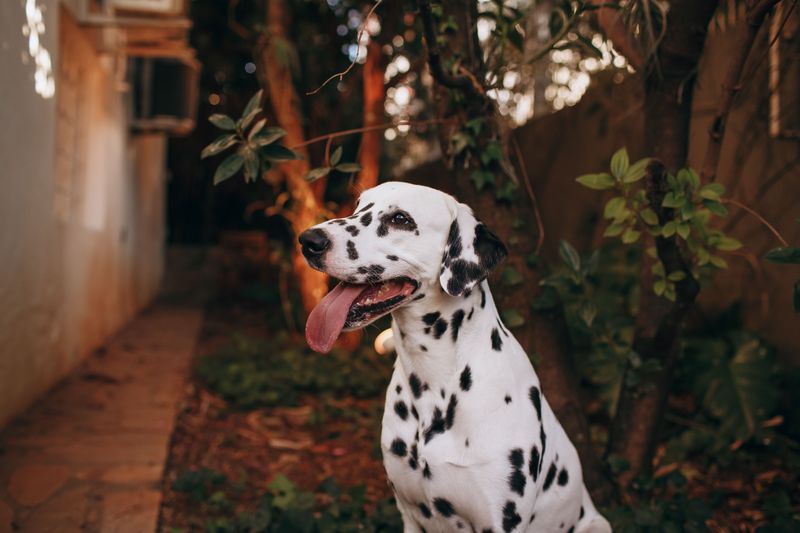
Thanks to a famous animated movie, plenty of families picture Dalmatians as easygoing spotted sweethearts. The real breed was developed as a carriage dog, trotting for miles beside horse-drawn coaches and guarding them at rest.
That history shows up as serious stamina and a watchful attitude toward strangers. A quick walk around the block rarely satisfies an adult Dalmatian, and a bored one may find its own projects, like redesigning the couch cushions.
Owners are also often surprised by the shedding, which happens year-round despite the short coat. Deafness is another documented concern in the breed, so reputable breeders use BAER hearing tests on puppies.
Siberian Husky
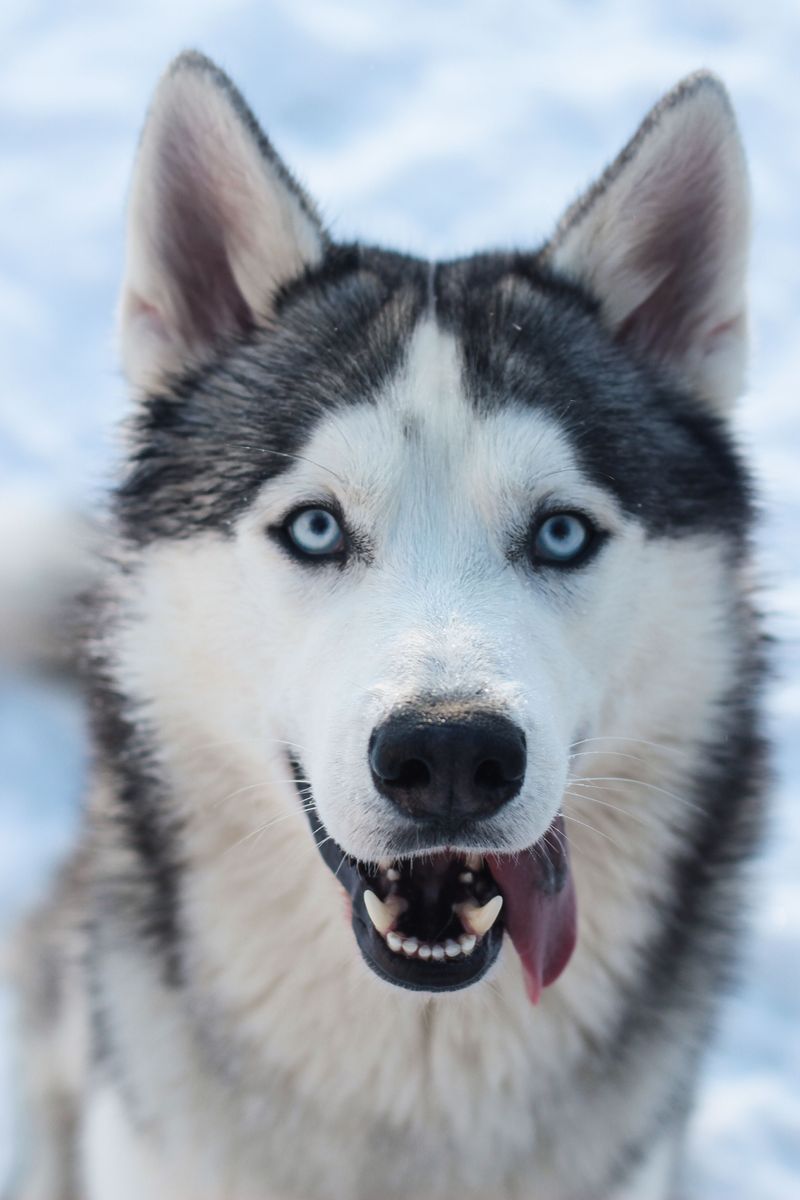
Those ice-blue eyes have sold a lot of puppies. What the photos leave out is that Huskies were bred to pull sleds across long distances with a team, not to hang around waiting for instructions.
The result is a friendly but famously independent dog. Many Huskies greet strangers warmly, which makes them poor guard dogs, and they are known escape artists who can dig under or climb over fences.
Recall training can be tricky, so off-leash time in open areas is a gamble for many owners. Add the vocal howling and twice-yearly coat blowouts, and it becomes clear this breed suits active, patient households best.
Australian Shepherd
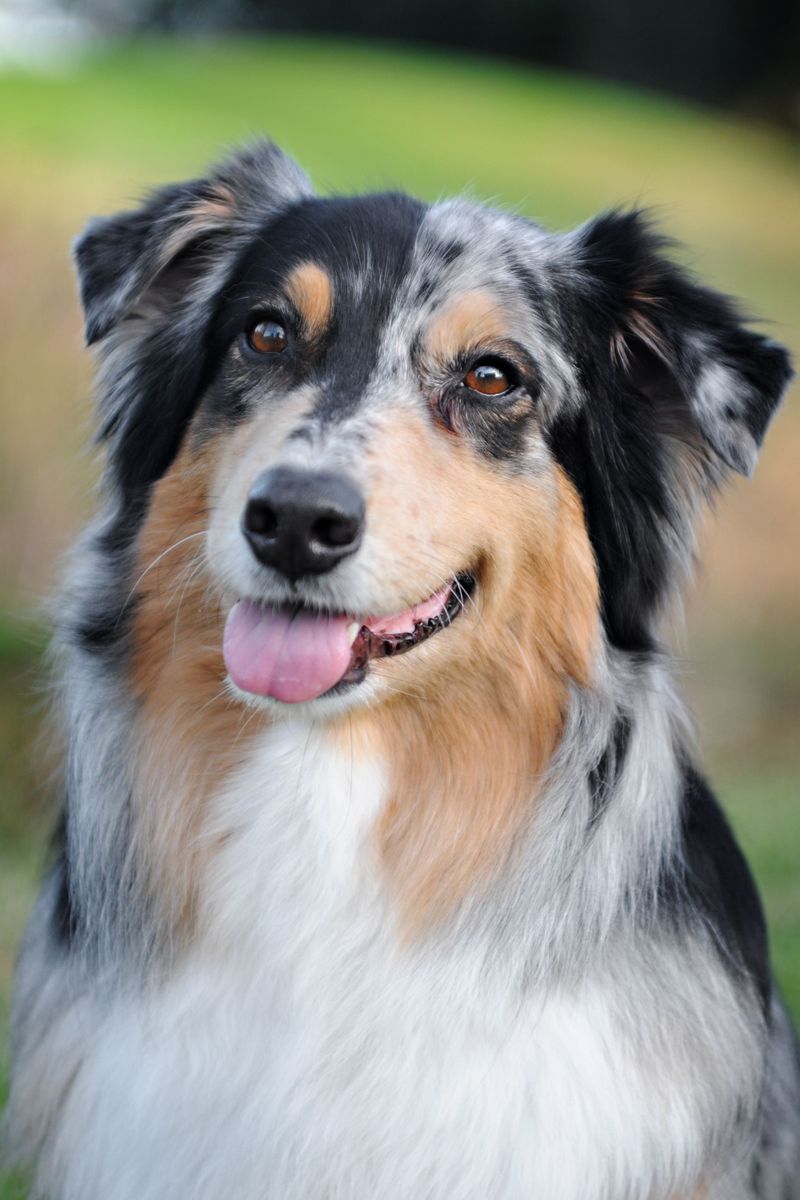
Picture a toddler running across the yard and a medium-sized dog circling them, nipping at their heels. For some Australian Shepherd households, that scene is a real part of daily life.
Aussies were developed on American ranches to move livestock, and the instinct to gather moving things does not switch off just because the flock is now made of children. Gentle redirection and training help, but the urge is genetic.
They also need real jobs. Agility, herding trials, or puzzle games can keep that sharp mind busy, while a dog left alone all day may invent hobbies like barking at every passing car.
Jack Russell Terrier
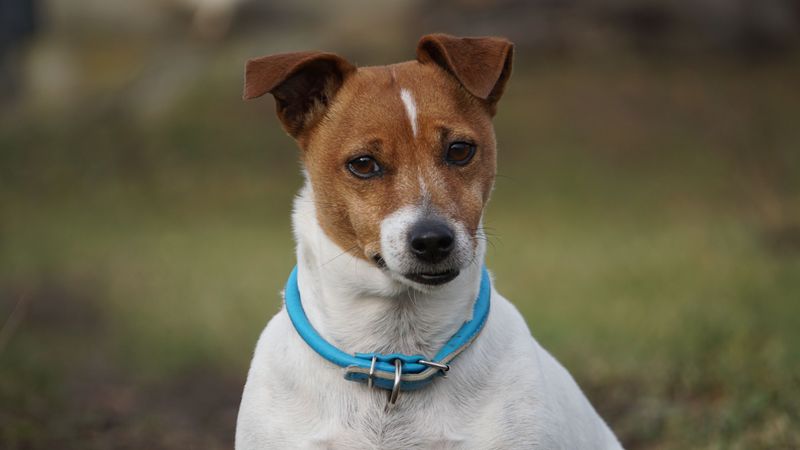
Small size, big ideas. The Jack Russell was bred in England to follow foxes into their dens, a job requiring courage, persistence, and a willingness to ignore humans when something exciting is underground.
Families drawn in by the compact body and expressive face sometimes discover a dog that digs relentlessly, chases cats with total focus, and barks at anything suspicious.
Their prey drive means small pets like hamsters or rabbits may not be safe around them. With plenty of activity, though, a Jack Russell can be a hilarious, devoted dog for owners who appreciate a little chaos.
Chow Chow
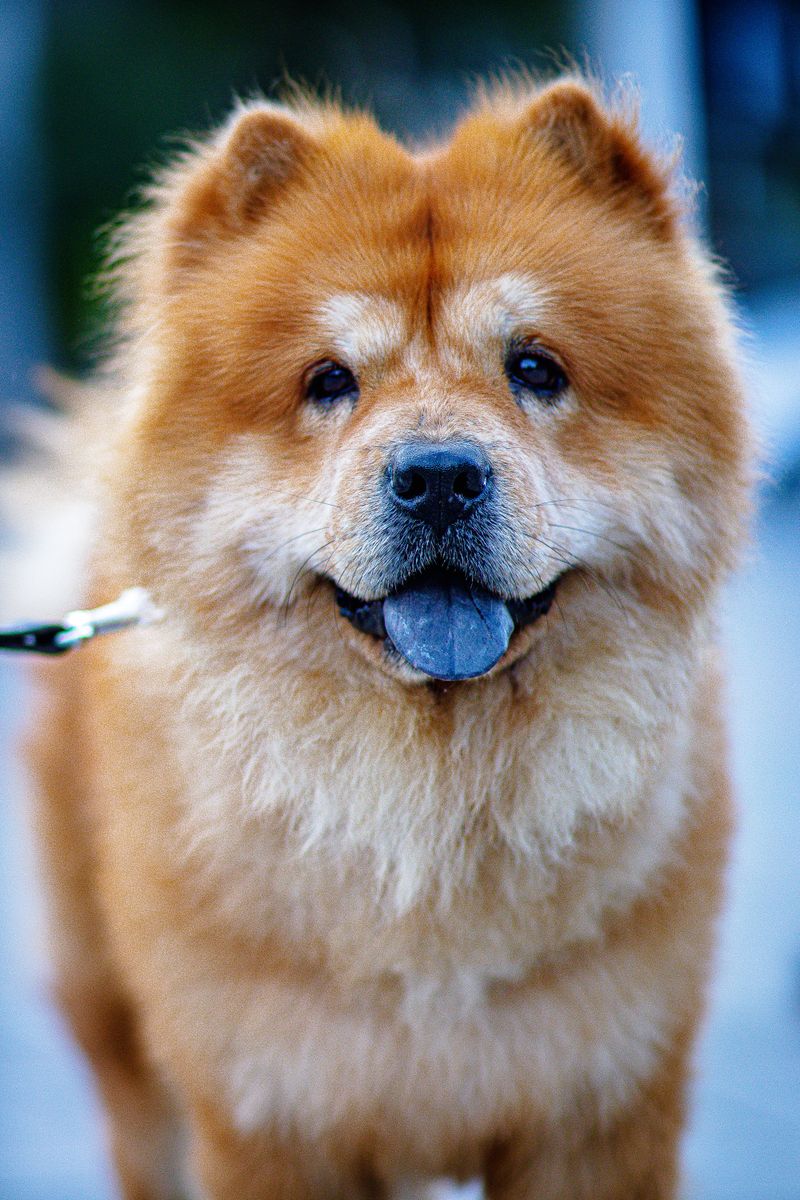
Nobody would blame you for wanting to hug a Chow Chow. With that lion-like mane, the breed looks like a living teddy bear.
In reality, many Chows are reserved and dignified, often bonding closely with one or two people while staying cool toward everyone else. They generally do not enjoy being grabbed or fussed over, which can be a problem with young kids who want to cuddle.
Early, steady socialization is especially valuable for this ancient Chinese breed. Their deep-set eyes can also limit peripheral vision, so approaching from the front is a considerate habit for guests.
Beagle
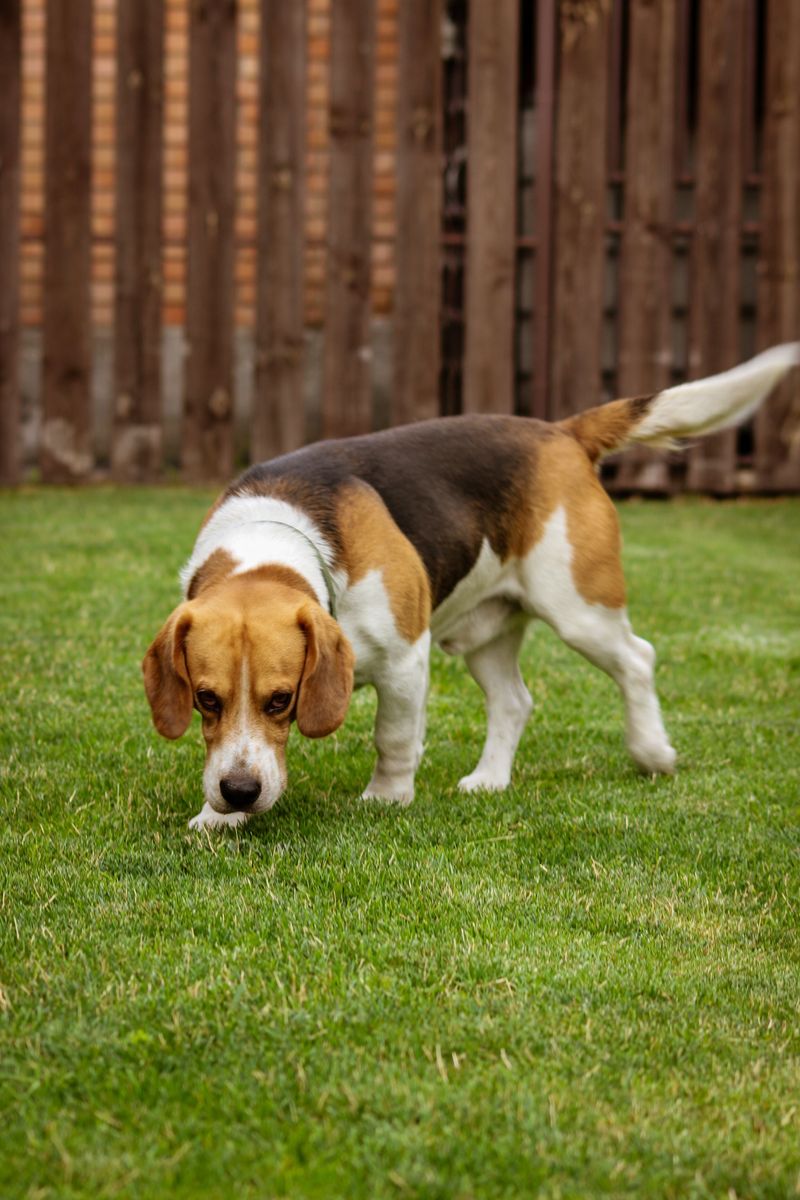
Ask any Beagle owner about the sandwich left on the counter, and you might hear a story about a vanished lunch. These cheerful hounds were bred to track rabbits by scent in packs, and their noses rule their decisions.
Beagles are generally sociable with kids and other dogs, which is part of their appeal. The surprise comes when a fascinating smell outranks every command you have taught.
Their baying voice also catches neighbors off guard. Secure fencing, food puzzles, and treat-based training work far better than expecting a Beagle to ignore the world beneath its nose.
Shiba Inu
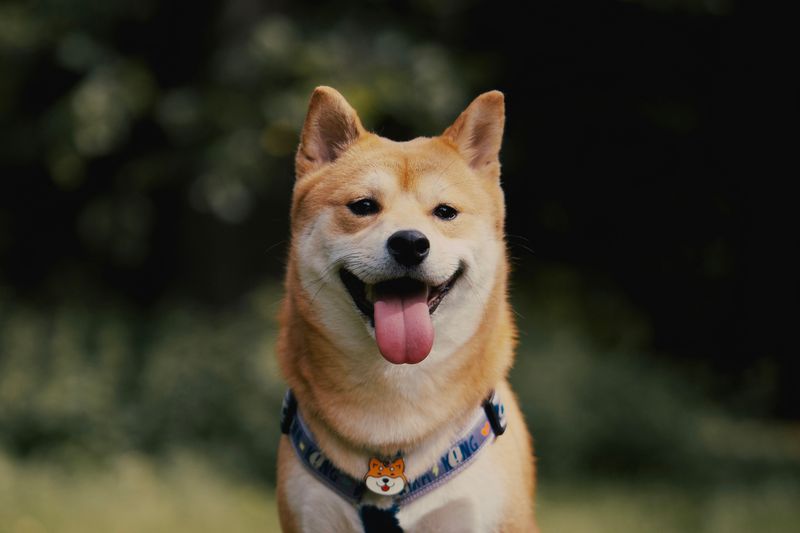
Internet memes made the Shiba Inu look like a goofy, smiling clown. Living with one often feels more like sharing a home with a self-assured cat.
This Japanese hunting breed tends to be clean, independent, and choosy about affection. Many Shibas dislike being restrained, so nail trims and vet exams can turn into dramatic events, sometimes accompanied by the famously loud Shiba scream.
They can be possessive of food and toys, and off-leash reliability is uncommon. Patient, positive handling from puppyhood makes a big difference with this spirited little dog.
Weimaraner
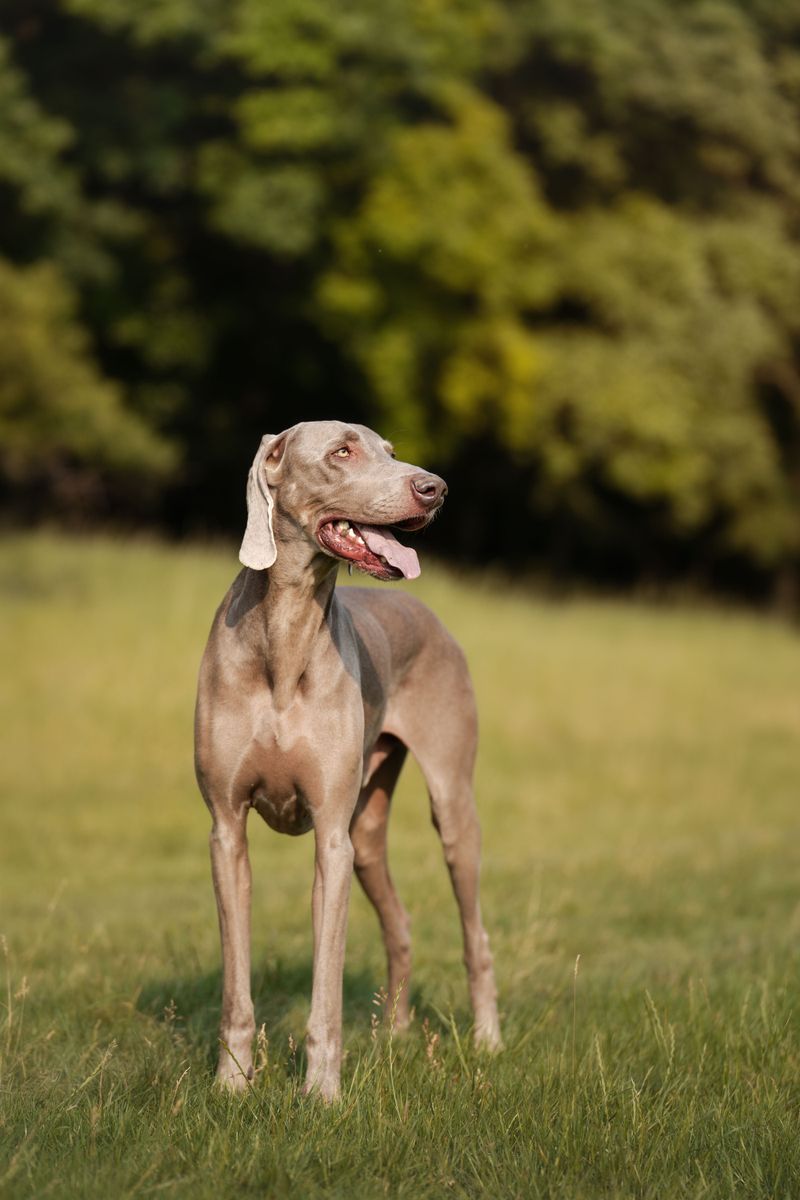
Sleek silver coat, soulful eyes, elegant posture. The Weimaraner looks like a calm, refined gentleman of the dog world.
Bred in Germany as a versatile hunting dog for nobility, the breed actually packs huge energy and a strong attachment to its people. Weimaraners are often nicknamed velcro dogs, and some individuals struggle with separation distress when left alone for long stretches.
That combination of stamina and clinginess can lead to destruction in a home where everyone works long hours. Families who run, hike, or train together usually see the breed at its best.
Cocker Spaniel
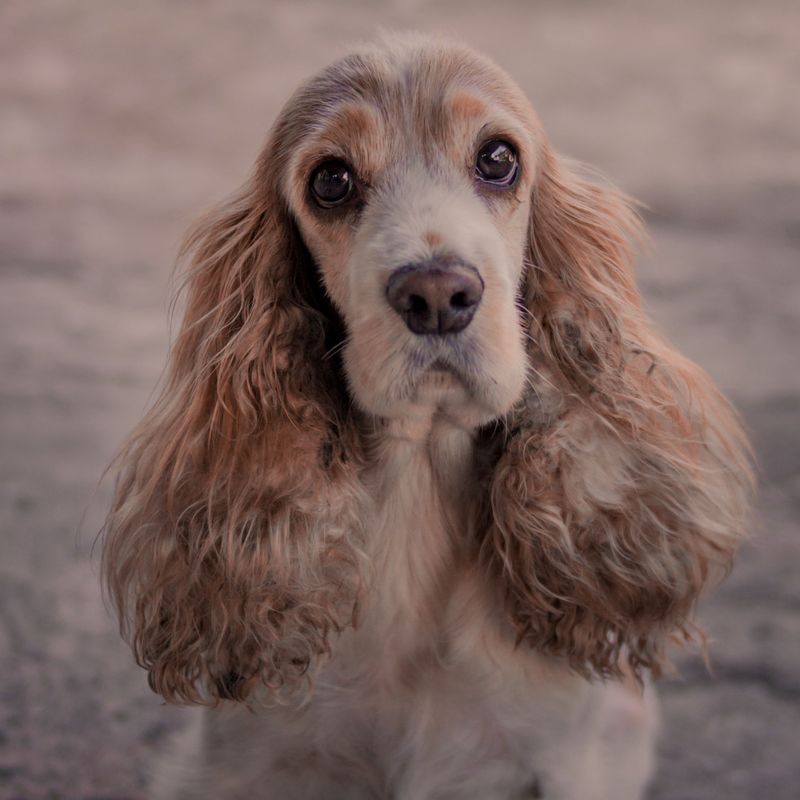
Long silky ears and big round eyes give the Cocker Spaniel an almost storybook charm. Many are sweet and people-oriented, yet the breed carries a few realities new owners do not always anticipate.
That gorgeous coat needs regular brushing and professional grooming to avoid painful mats. Those floppy ears are prone to infections, so routine cleaning becomes part of life.
Some Cockers are also sensitive and may react poorly to rough handling. Gentle, reward-based training and choosing a responsible breeder who considers temperament help bring out the happy dog people imagine.
Akita
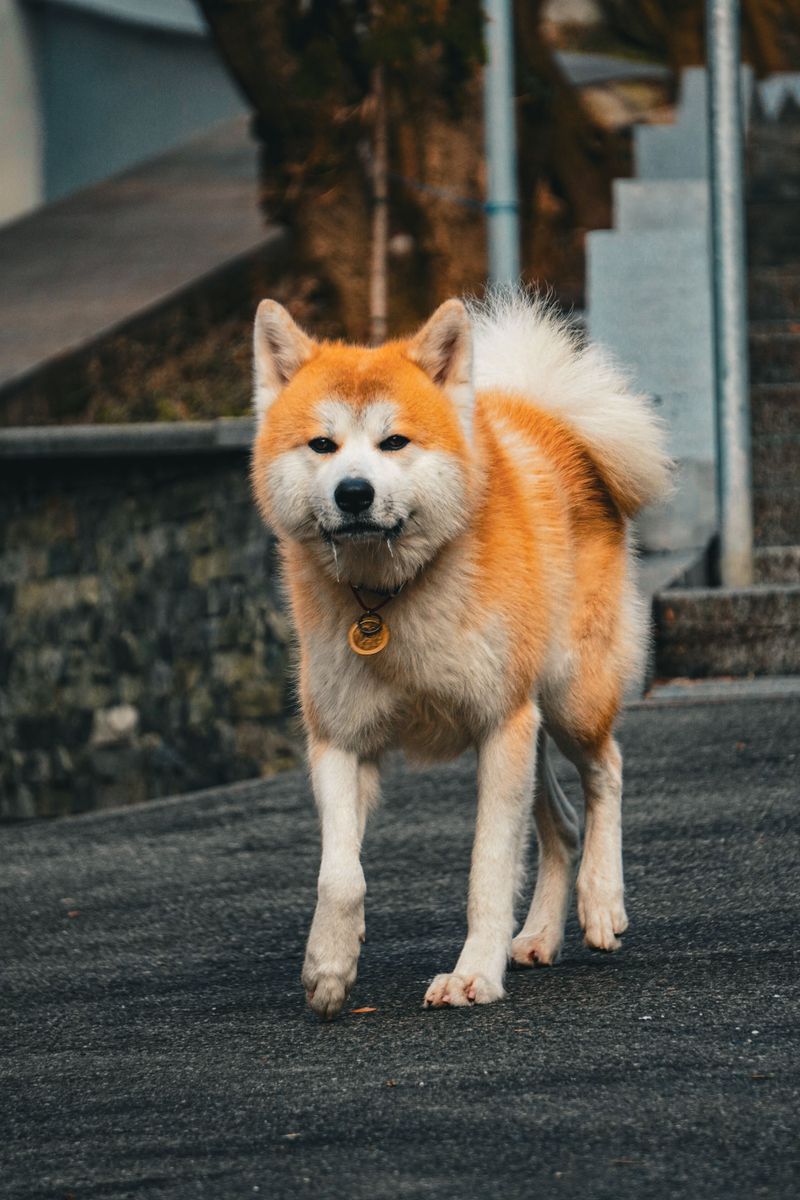
Hachiko, the faithful Akita of Japanese legend, made the breed a symbol of devotion. That devotion is real, but it often comes packaged with strong protective instincts.
Akitas are powerful, quiet, and frequently intolerant of unfamiliar dogs, especially those of the same sex. They tend to be wary of strangers and need consistent, experienced guidance from early puppyhood.
For the right adult household, an Akita can be a dignified, deeply attached companion. Busy homes with frequent visitors or dog park plans may find the match more complicated.
Pembroke Welsh Corgi
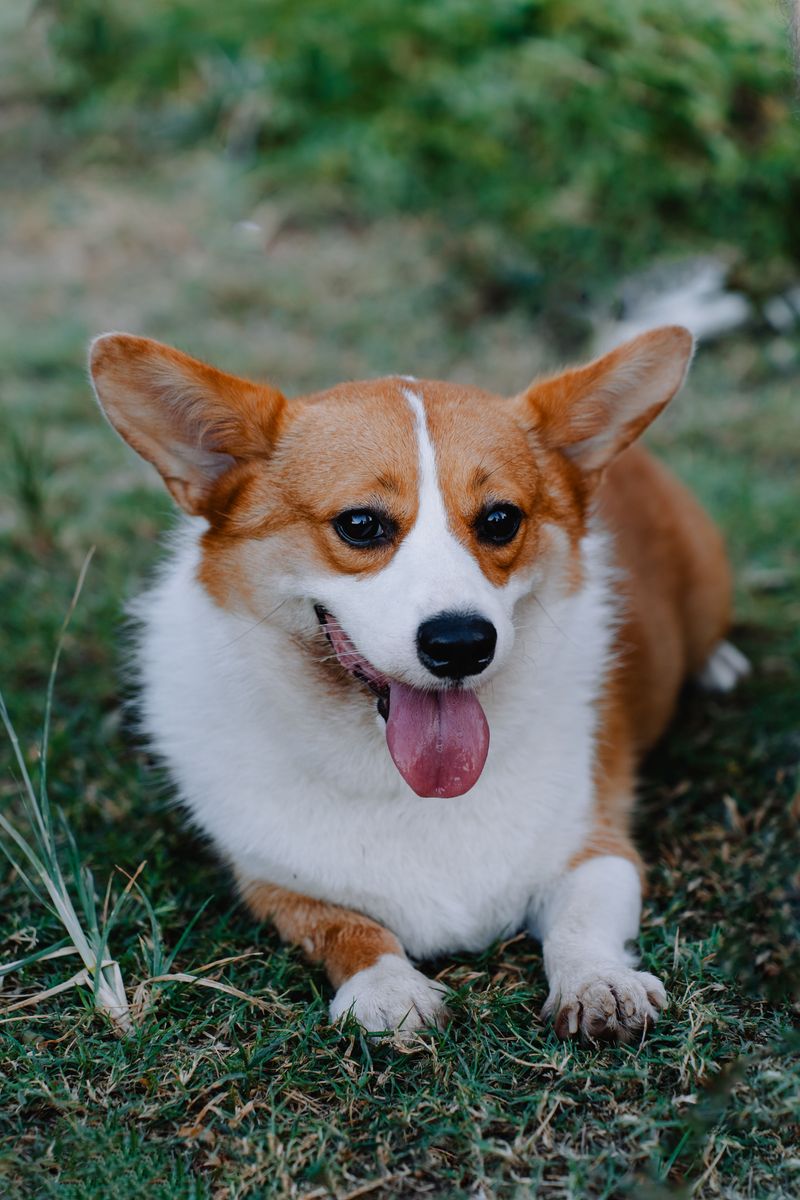
Short legs, a fox-like face, and royal fame make Corgis look like low-maintenance lap dogs. Underneath, they are hardworking cattle herders from Wales.
Corgis can be bossy, vocal, and inclined to nip at ankles when the household gets busy. Their bark is surprisingly deep for their size, and many use it often.
They also shed a lot and can gain weight easily, which puts strain on their long backs. Daily activity and portion control matter as much as the cute photos.
Bernese Mountain Dog
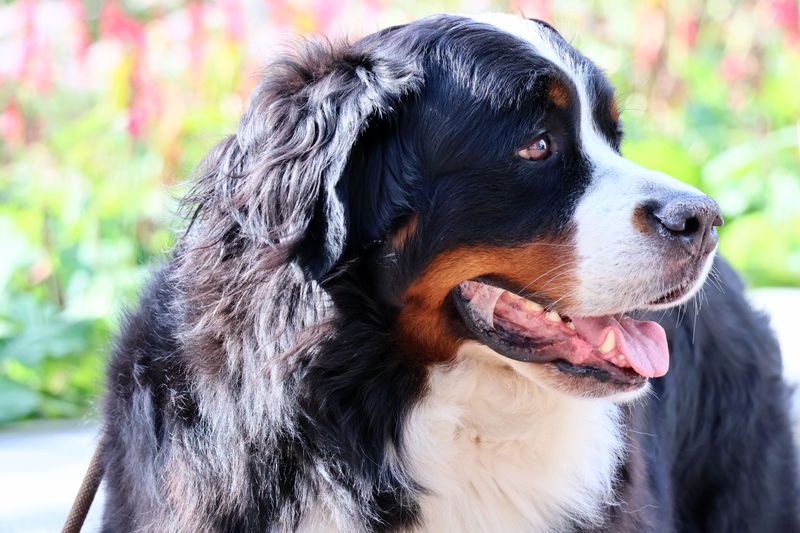
Gentle and patient, the Bernese often lives up to its friendly reputation. The surprise here is less about temperament and more about what comes with it.
These Swiss farm dogs can top 100 pounds, and a clumsy adolescent Berner can knock over a small child just by being happy. Their thick coat sheds heavily and handles heat poorly.
The hardest reality is lifespan, often around 7 to 10 years, with documented risks of cancer and joint problems. Families should go in prepared for the commitment.
Dachshund
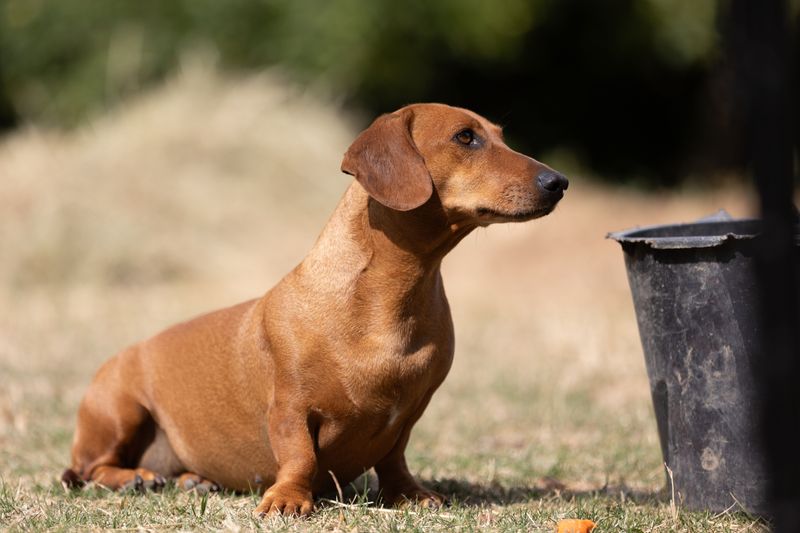
Few dogs look more comical than a Dachshund trotting along on stubby legs. Then the doorbell rings, and the bark sounds like it belongs to a much larger animal.
Dachshunds were bred in Germany to hunt badgers, a job requiring boldness and independence. Many are loyal to their family but suspicious of strangers, stubborn about house training, and enthusiastic diggers.
Their long spine also carries a higher risk of intervertebral disc disease. Limiting jumping from furniture and keeping them lean are practical steps owners take.
Belgian Malinois
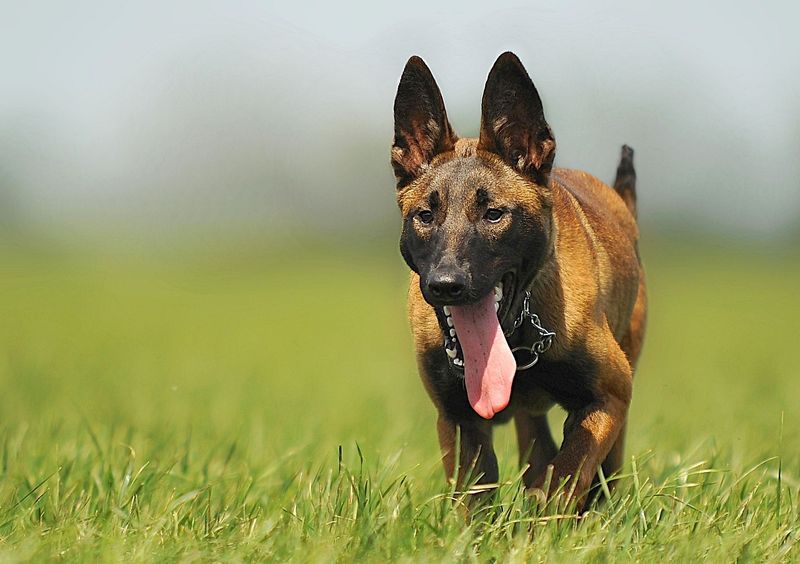
At a glance, a Malinois can pass for a lighter German Shepherd, and that resemblance draws in families wanting a handsome guardian. The breed’s intensity is another matter.
Malinois are favored by police and military units because of extreme drive, speed, and focus. Without hours of meaningful work each day, many become frustrated, mouthy, or destructive.
They can be wonderful with dedicated handlers who train in sports like protection work or agility. For a typical household wanting a relaxed companion, the pace can be overwhelming.
Great Pyrenees
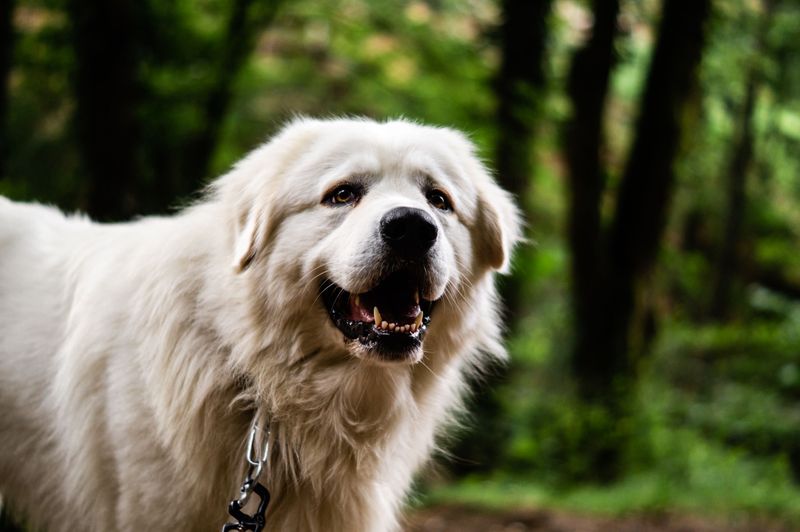
Fluffy, white, and serene, the Great Pyrenees looks ready to nap beside the kids all day. Often it is, until nightfall.
These livestock guardians were bred to protect flocks from predators, frequently working at night and making decisions without human direction. Many bark loudly after dark at every perceived threat.
Independence makes obedience training slow, and they may wander to patrol a wider territory. A tall, secure fence and understanding neighbors are almost essential.
Chihuahua
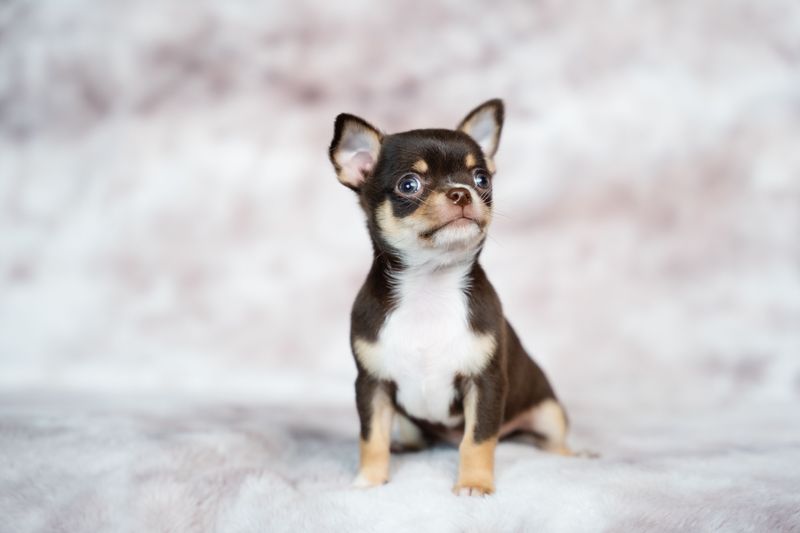
Tiny dogs seem perfect for kids. With Chihuahuas, size can actually be the catch.
Their fragile bones make them vulnerable to injury from being dropped or stepped on, and a frightened Chihuahua may snap in self-defense. Many bond strongly with one person and can be wary of others.
With gentle handling and socialization, they make spirited companions, often better suited to homes with older children or adults who respect their small bodies.